
|
Have questions?
Contact us
Already a member? Sign in
|
Get every literary device explanation for The English PatientPlus so much more...
Sign up for LitCharts A+Get instant access to every literary device explanation, plus so much more...
Imagery
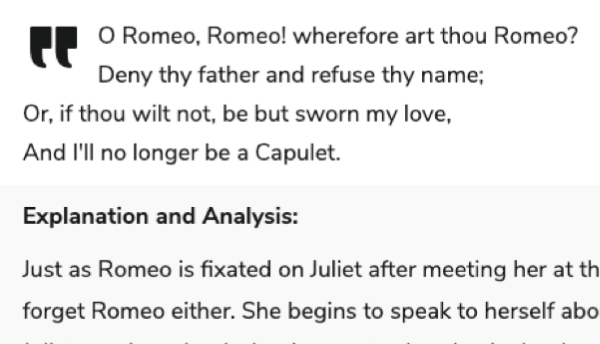
Explanation and Analysis—Hallucination:
After Kip leaves the villa in Chapter 10 of The English Patient, intent on shedding himself of all Western influence and culture, the English patient remains in Italy surrounded with memories and guilt over his ties with English colonialism. During the middle of one night, the English patient wakes up and appears to see the shadow of Kip standing in his room—a hallucination Ondaatje heightens with the use of imagery:
Around three a.m. he feels a presence in the room. He sees, for a pulse of a moment, a figure at the foot of his bed, against the wall or painted onto it perhaps, not quite discernible in the darkness of foliage beyond the candlelight. He mutters something, something he had wanted to say, but there is silence and the slight brown figure, which could be just a night shadow, does not move.
In this passage, the English patient is clearly hallucinating, for Kip has left the villa and is unlikely to return. However, the English patient, aware of the literal and symbolic blood on the hands of his Western people, feels guilt for the way his people have treated non-White Easterners like Kip. The English patient not only feels guilt for colonialist actions before and during World War II, but particularly after he discovers that the United States dropped nuclear bombs on Hiroshima and Nagasaki—the events that trigger Kip's attempted murder of the patient. Ondaatje uses powerful imagery to capture the patient’s sense of disorientation as he “feels," “sees," and “mutters” into the dark room. The use of these action verbs engages the reader’s senses, appealing to the sense of sight (or lack thereof in this case) and the sense of touch.
Monthly
Annual (Best Value)

$595USD/mo
Charged $71.40 USD every year
 Teacher
$795USD/mo
Charged $95.40 USD every year
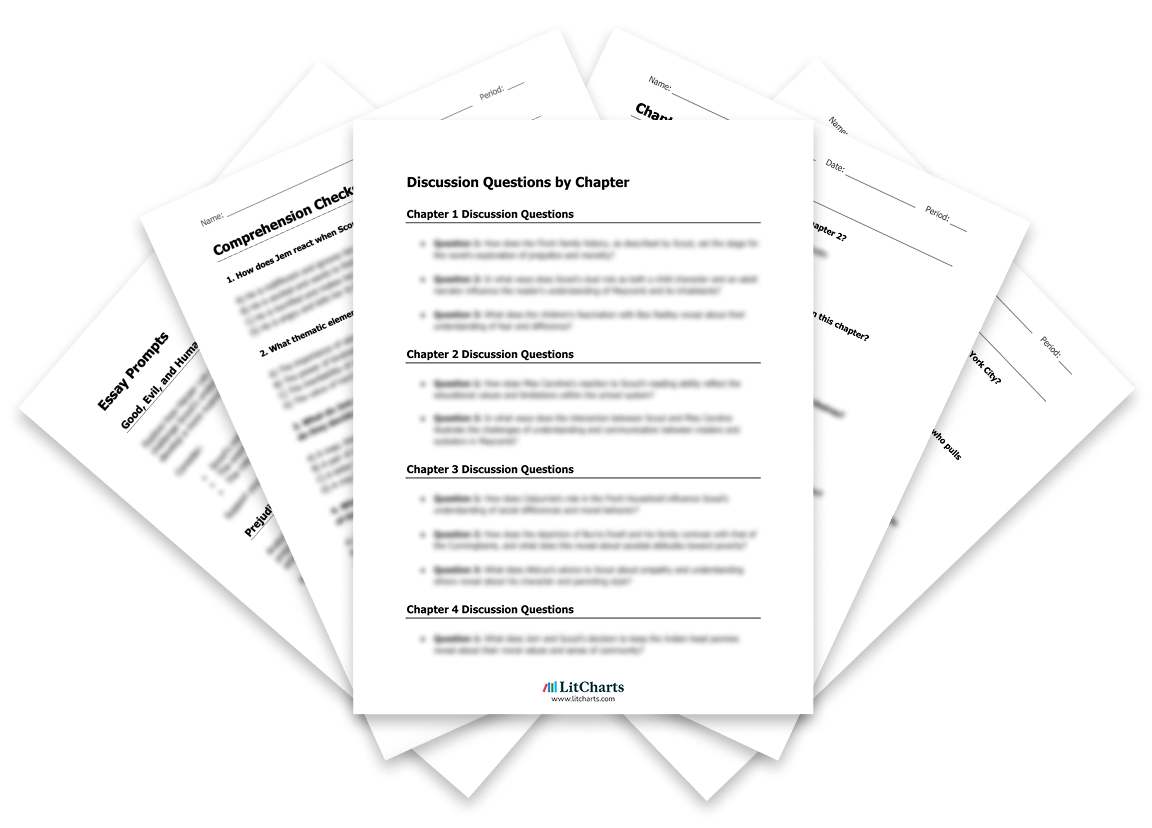


Literature Guide PDFs
LitCharts PDFs for every book you'll read this year.
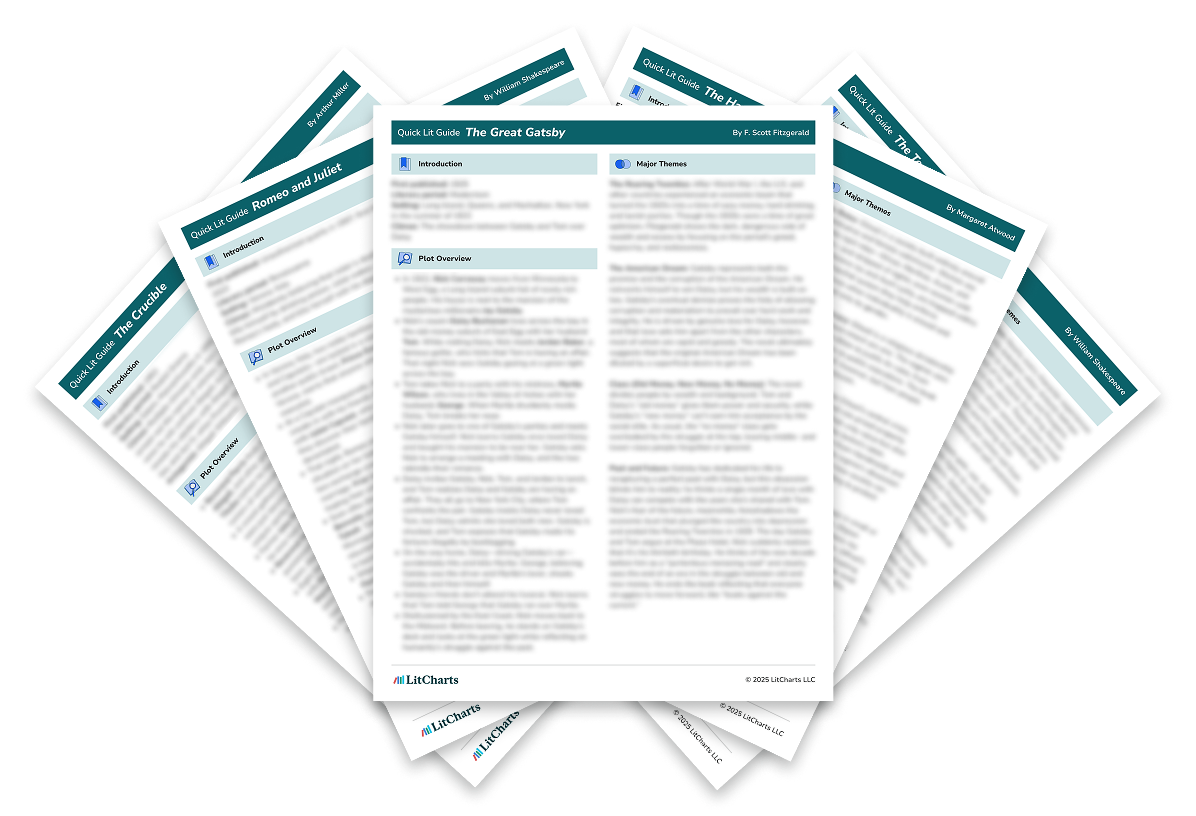
Instant PDF downloads of all 2247 LitCharts literature guides and of every new one we publish. Try a free sample literature guide.
"Would not have made it through AP Literature without the printable PDFs. They're like having in-class notes for every discussion!"



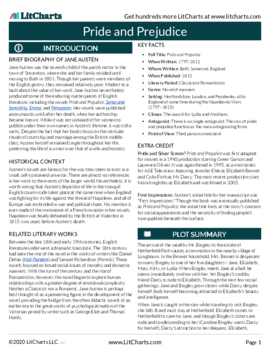


Quotes Explanations
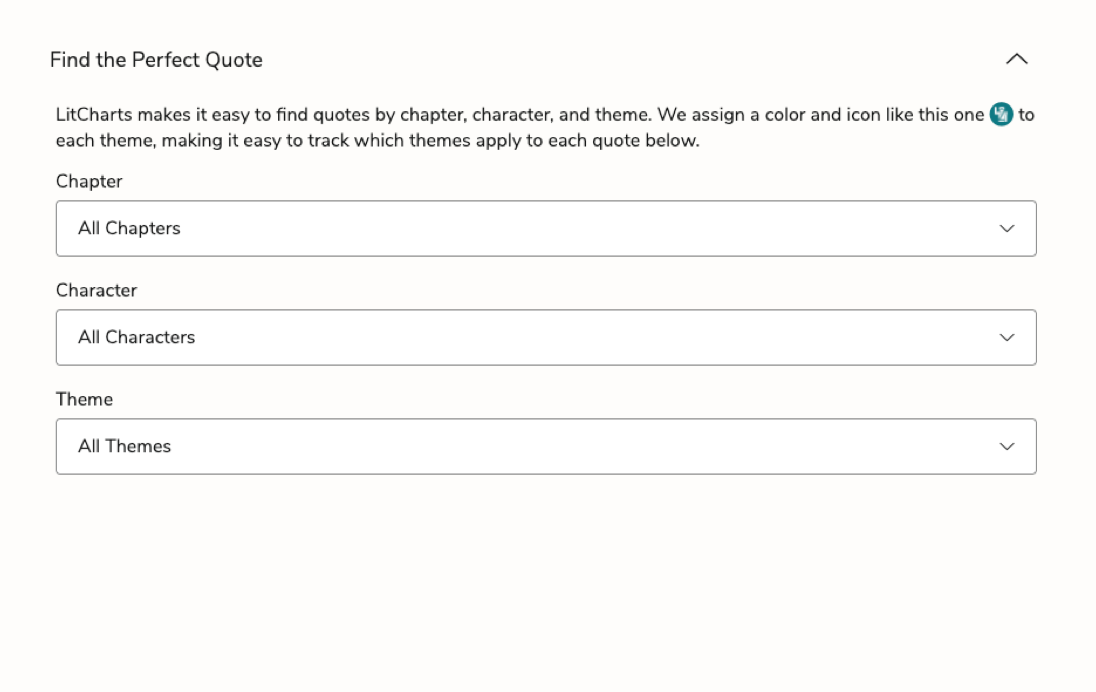
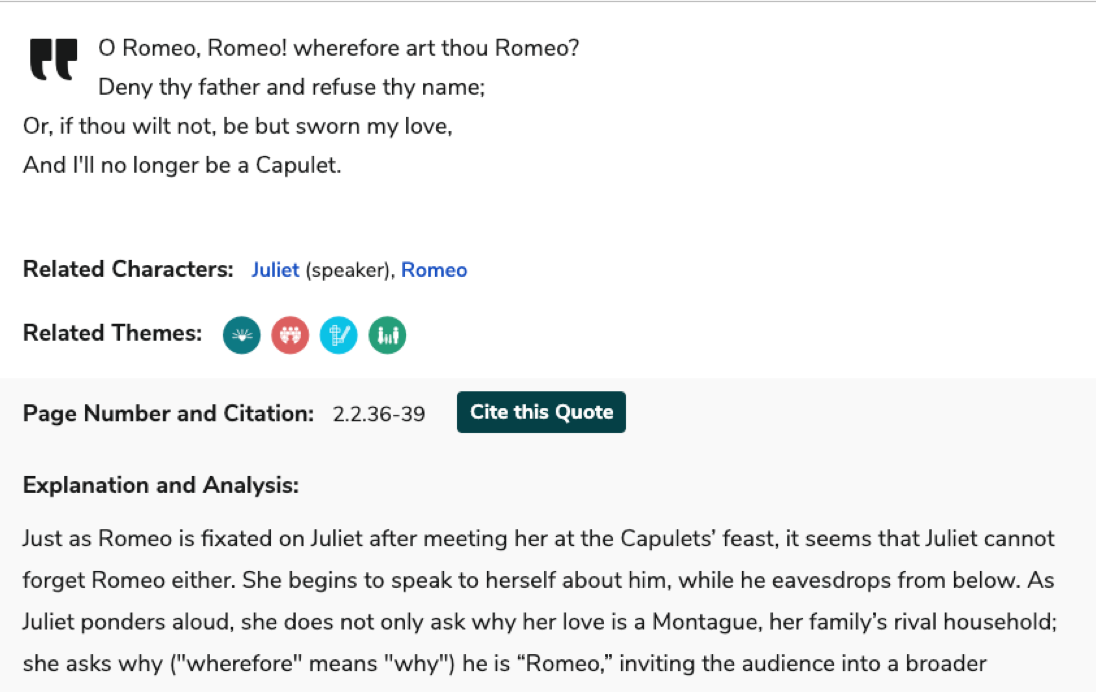
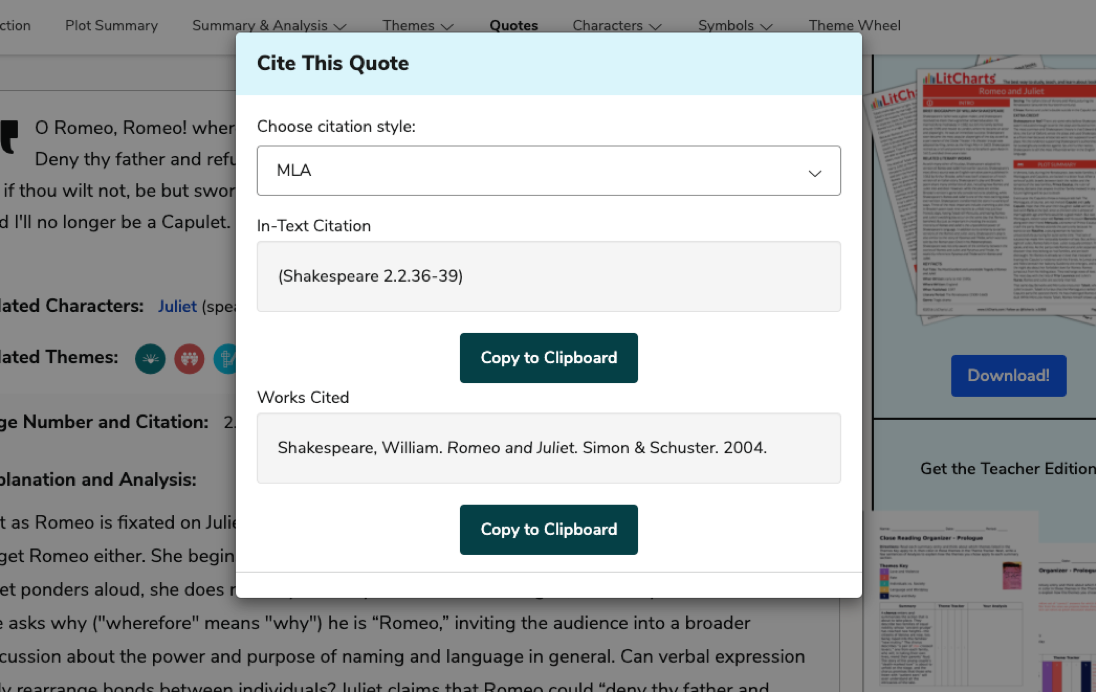
Find the perfect quote. Understand it perfectly. Then rock the citation, too.
For all 50,101 quotes we cover.
For all 50,101 quotes we cover.


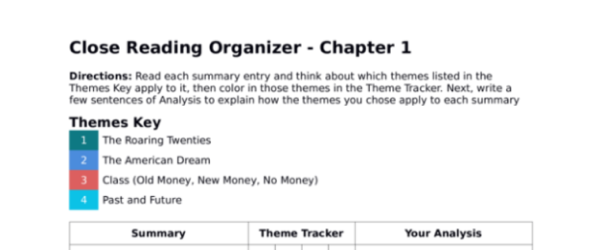
Teacher Editions
Close reading made easy for students.
Time saved for teachers.
For every book we cover.
Time saved for teachers.
For every book we cover.


Common Core-aligned


PDFs of modern translations of every one of Shakespeare's 37 plays, 154 sonnets, and 3 longer poems.

Literary Terms and Devices
Definitions and examples for every literary term and device you need to know.
Plus a quick-reference PDF with concise definitions of all 136 terms in one place.
Plus a quick-reference PDF with concise definitions of all 136 terms in one place.
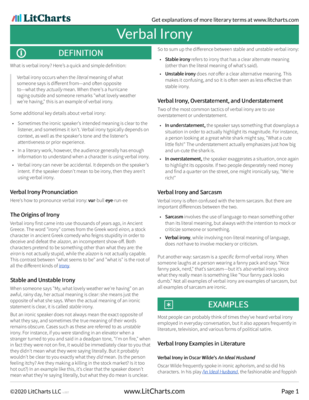
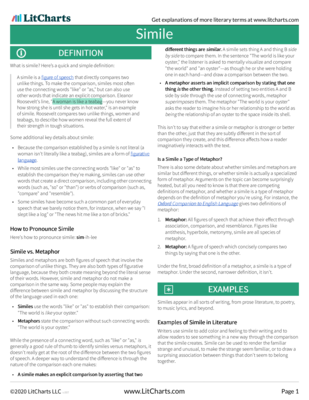
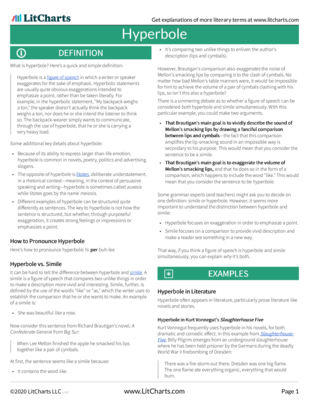
Try a free sample literary term PDF.


Advanced Search
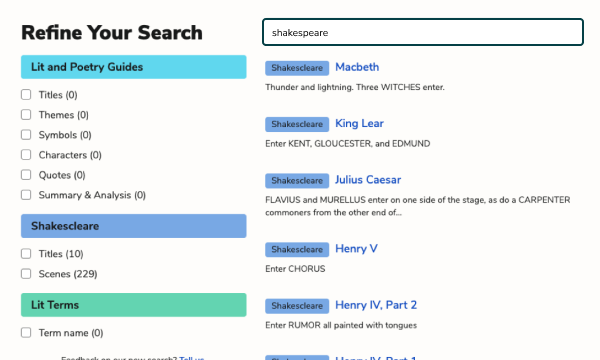
Refine any search. Find related themes, quotes, symbols, characters, and more.
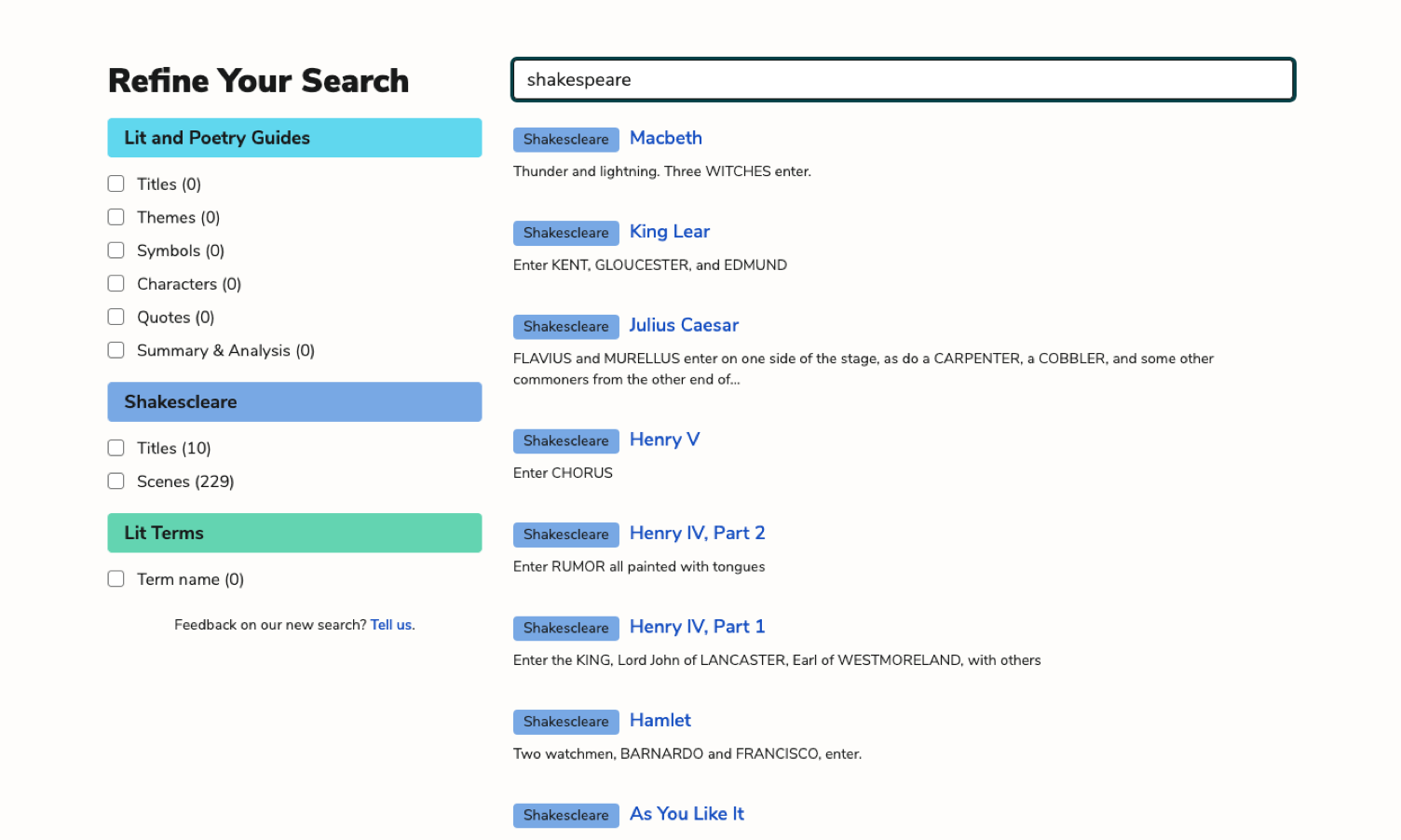

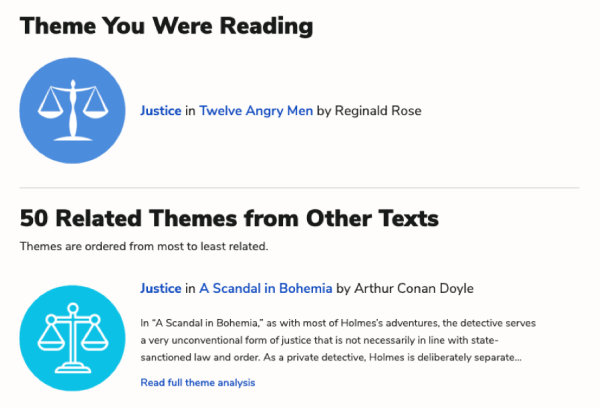
Related Themes
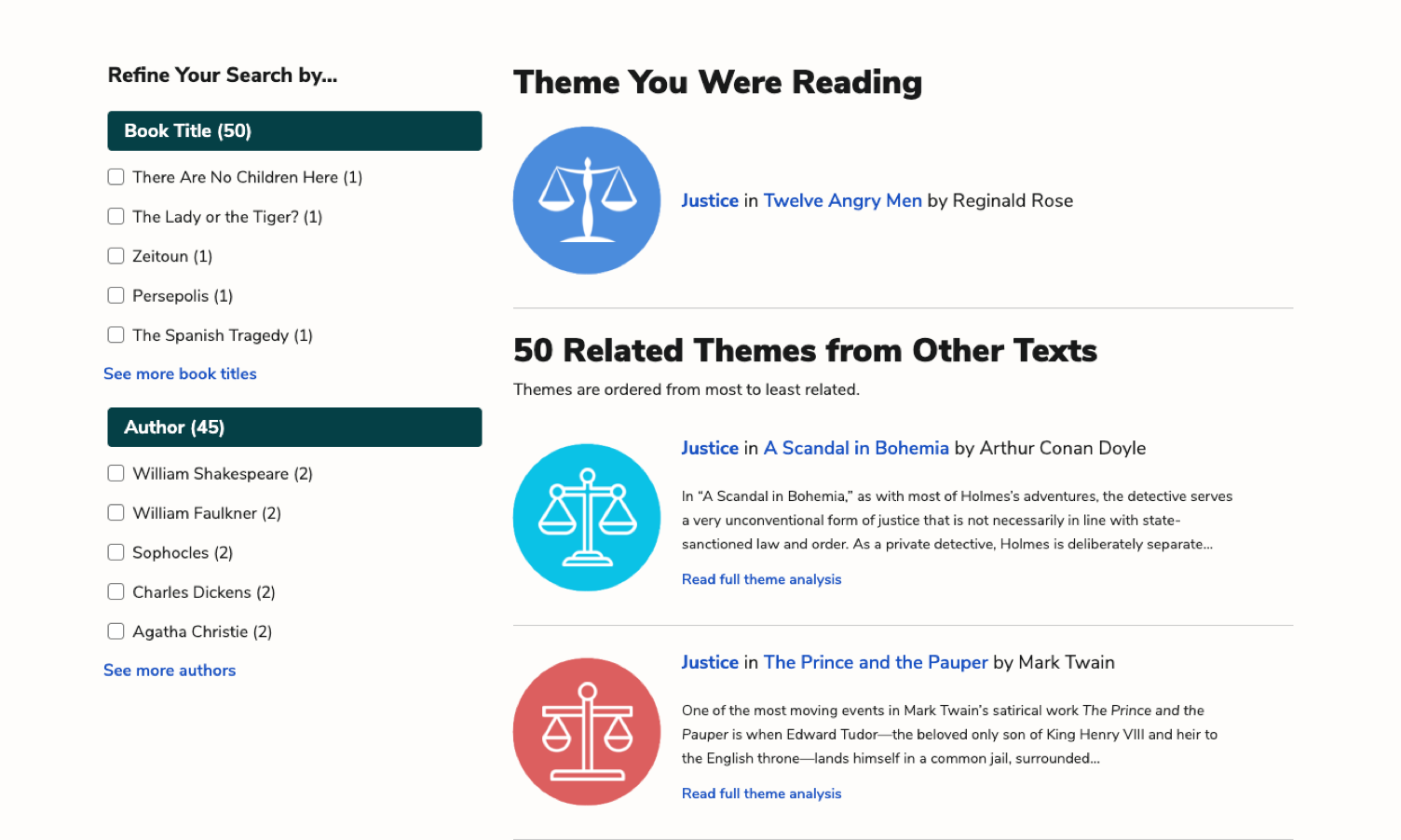
Comparing and contrasting texts? Find where any theme occurs across all of LitCharts in seconds.


Poetry Guides
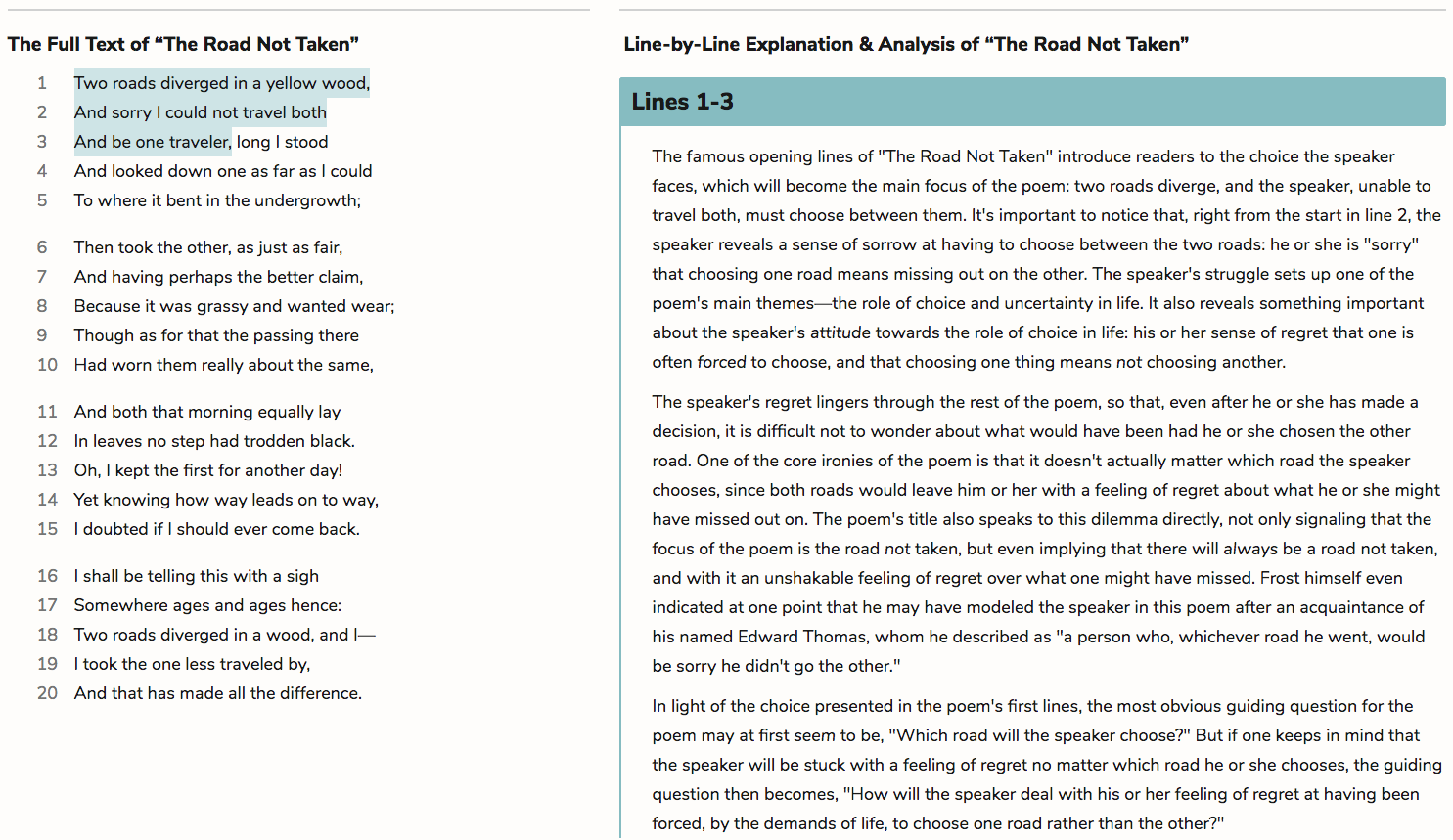
Line-by-line explanations and analysis of figurative language and poetic devices.
For every lyric poem we cover.
For every lyric poem we cover.