
|
Have questions?
Contact us
Already a member? Sign in
|
Get every literary device explanation for Dr. Jekyll and Mr. Hyde
Plus so much more...
Sign up for LitCharts A+
Get instant access to every literary device explanation, plus so much more...
Imagery
Explanation and Analysis—Some City in a Nightmare:
En route to Mr. Hyde’s secret house in Soho, a neighborhood known at this time for its criminality, Mr. Utterson observes an early morning fog settling over the district early on in Chapter 4, describing this mist with vivid imagery:
A great chocolate covered pall lowered over heaven [...] as the cab crawled from street to street, Mr. Utterson beheld a marvelous number of degrees and hues of twilight; for here it would be dark like the back end of evening; there it would be the glow of a rich, lurid brown [...]. The dismal quarter of Soho [...] seemed, in the lawyer’s eyes, like a district of some city in a nightmare.
Here, Stevenson meaningfully evokes an atmosphere of gloom, fear, and confusion as Utterson moves closer and closer to Hyde. Stevenson’s depiction of this morning in London is dreamlike, frightening, and classically Gothic. The fog plunges the city into darkness, even early in the day, making otherwise recognizable neighborhoods impossible to identify. That this mist’s appearance coincides with Utterson’s trip to Hyde’s house lends a sense of tension to the narrative. In order to enter Hyde’s home, Utterson must make the descent with the police officer into deeper and deeper physical and spiritual darkness, blind to what could be playing out around them.
The rich visual imagery in this paragraph also references the symbolic role of fog or mist in the text as the marker of hidden or forbidden knowledge. This thick fog mirrors the mist of Utterson’s dream earlier in the text, in which he traverses a labyrinth before meeting with Hyde himself. It also recalls the fog that falls after Carew’s murder, as Hyde takes refuge once again in Jekyll. The fog’s presence denotes this neighborhood as a center or hub of secret and illicit activity.
Monthly
Annual (Best Value)

$595USD/mo
Charged $71.40 USD every year
 Teacher
$795USD/mo
Charged $95.40 USD every year
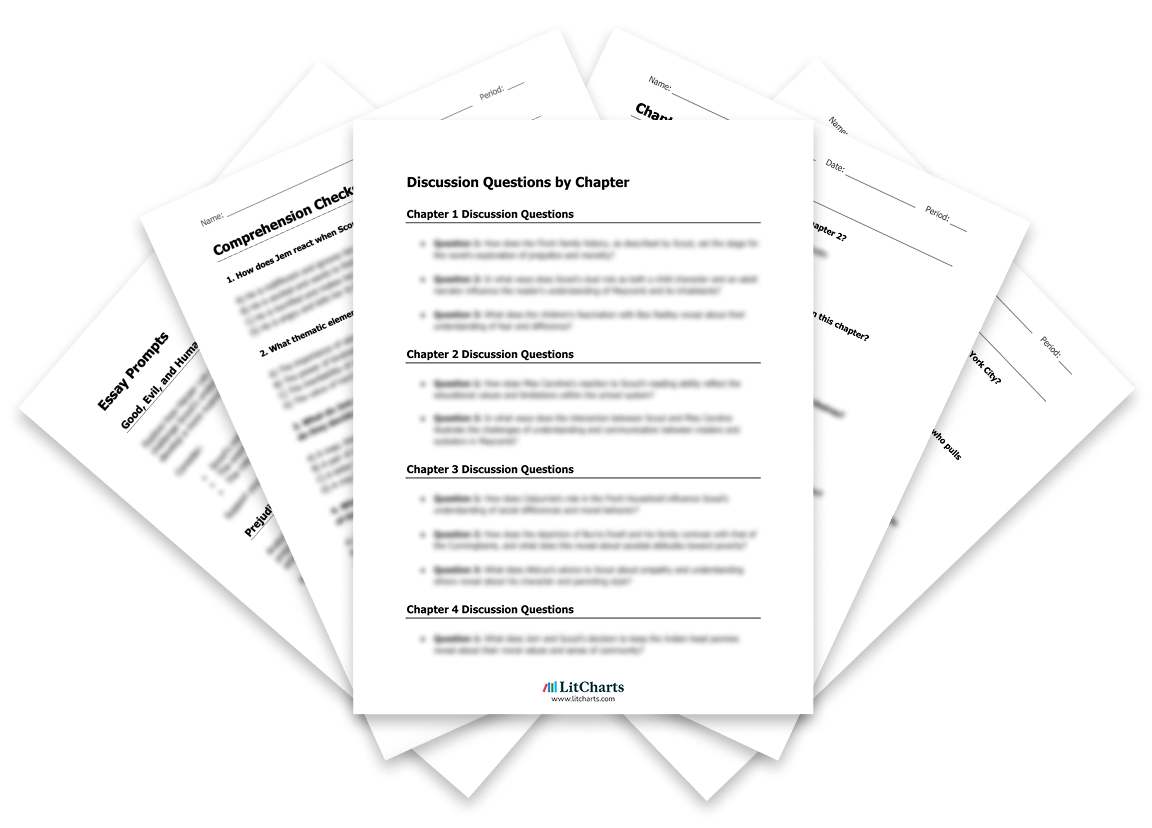


Literature Guide PDFs
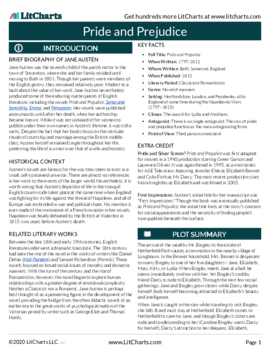
LitCharts PDFs for every book you'll read this year.
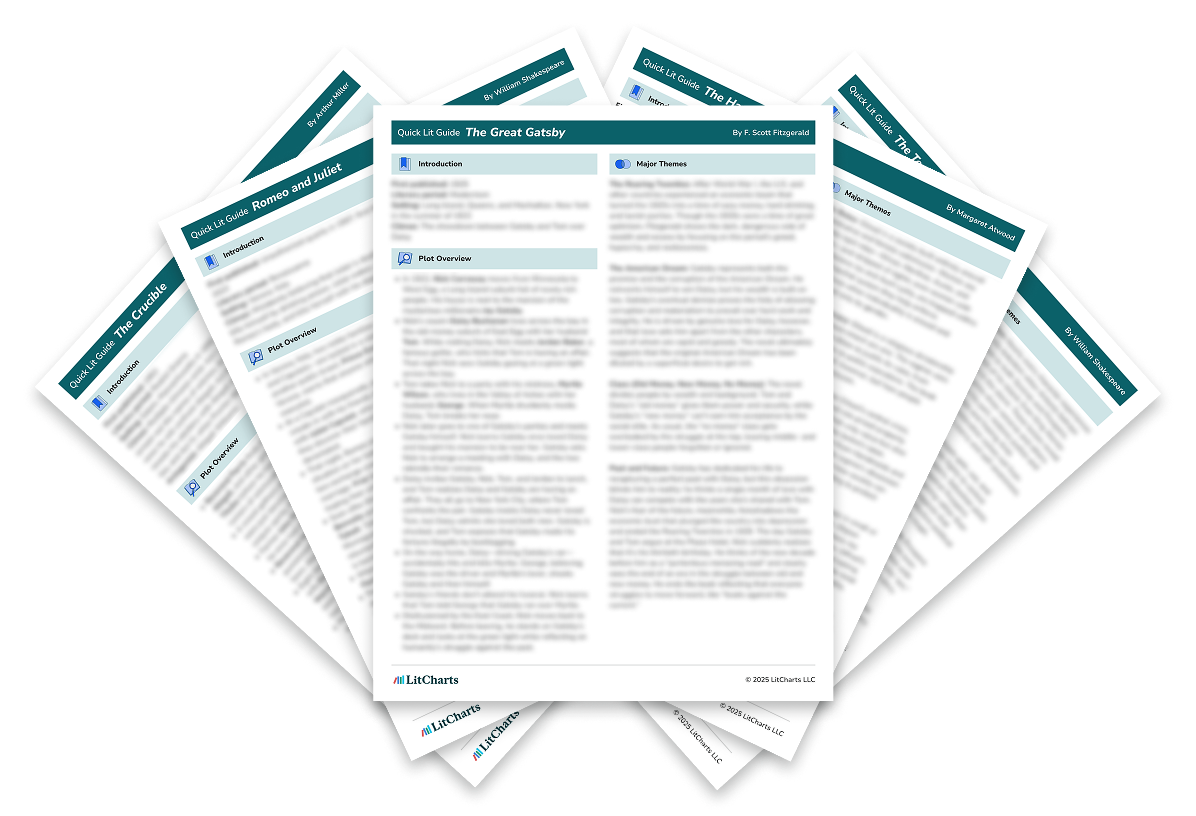
Instant PDF downloads of all 2254 LitCharts literature guides and of every new one we publish. Try a free sample literature guide.
"Would not have made it through AP Literature without the printable PDFs. They're like having in-class notes for every discussion!"





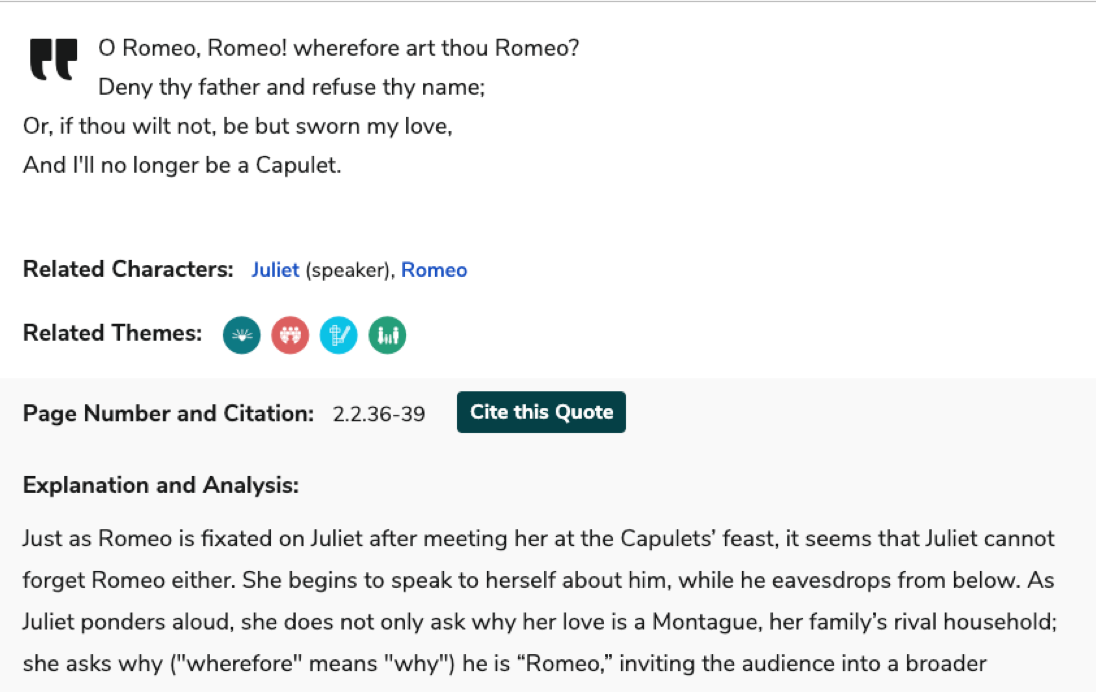
Quotes Explanations
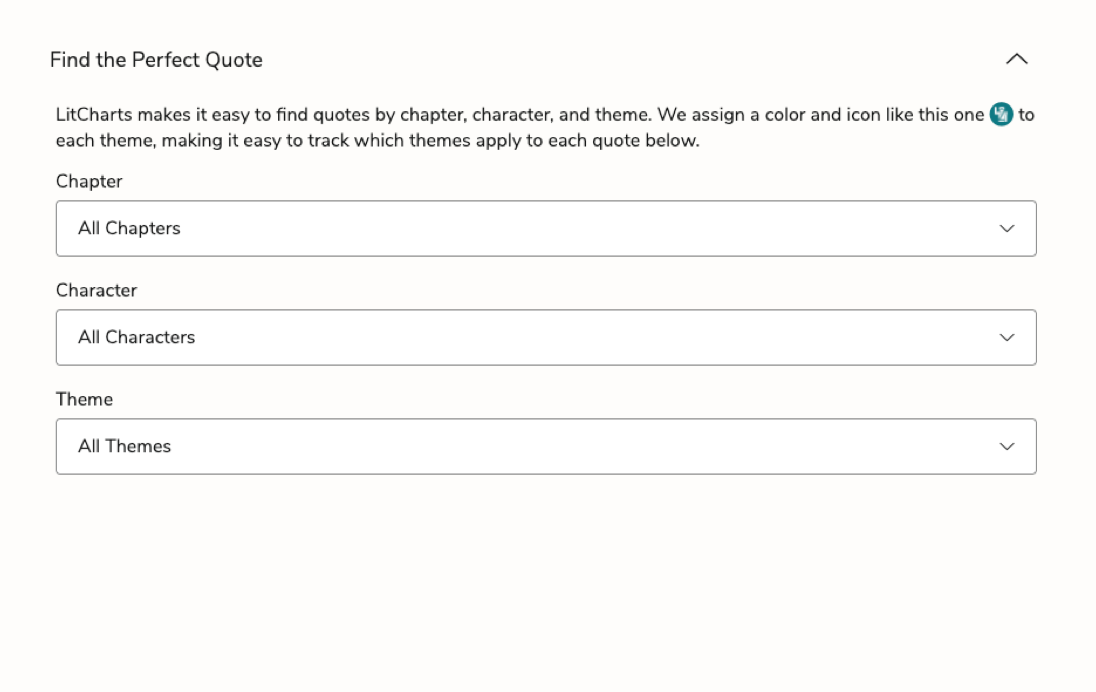
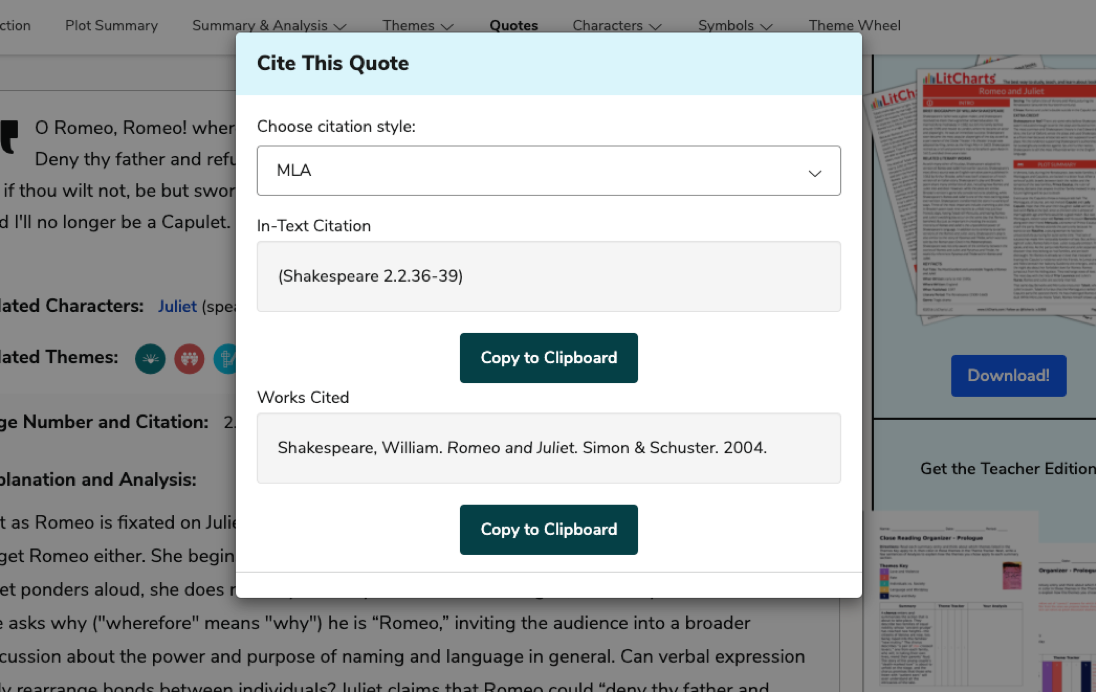
Find the perfect quote. Understand it perfectly. Then rock the citation, too.
For all 50,258 quotes we cover.
For all 50,258 quotes we cover.


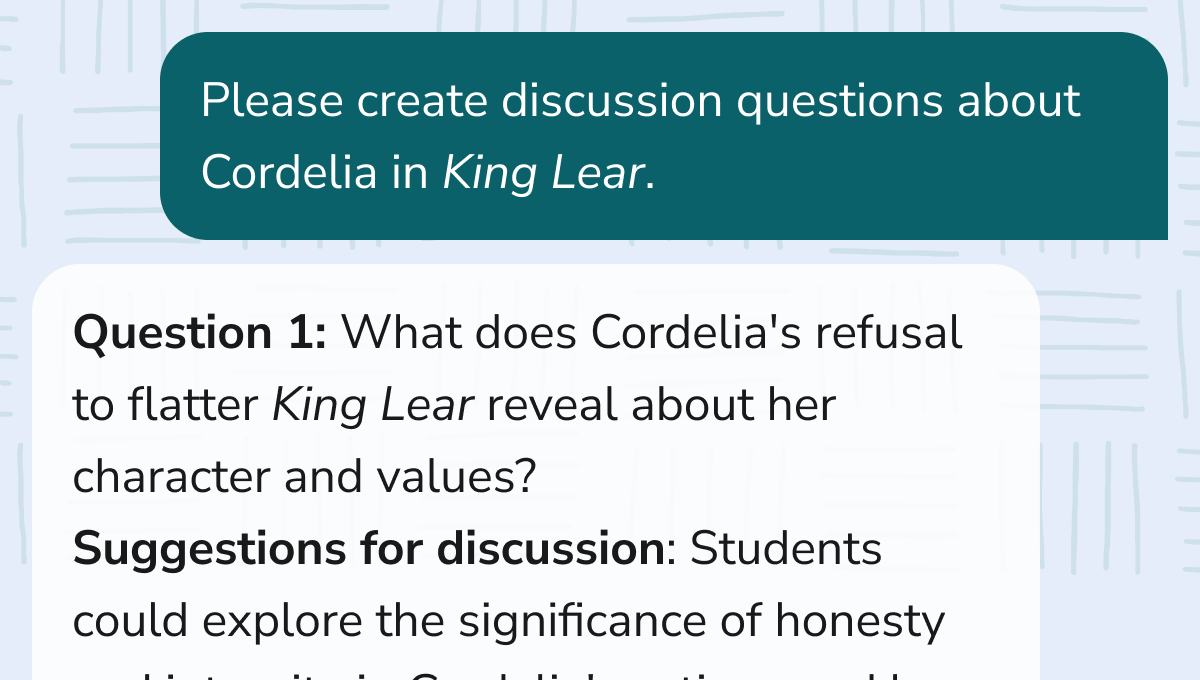
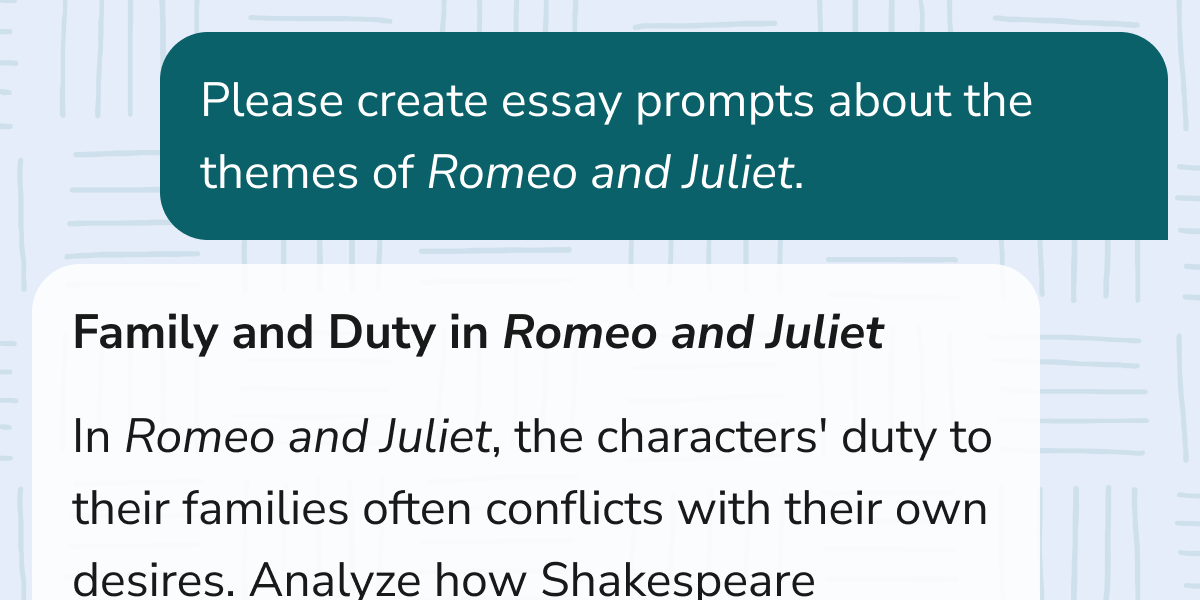
Teacher Editions
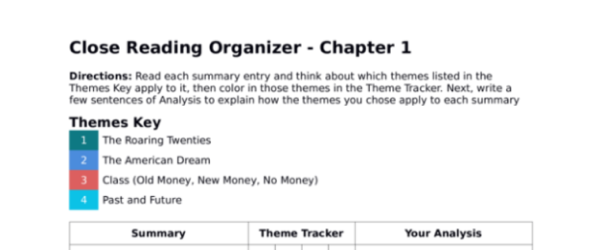
Close reading made easy for students.
Time saved for teachers.
For every book we cover.
Time saved for teachers.
For every book we cover.


Common Core-aligned


PDFs of modern translations of every one of Shakespeare's 37 plays, 154 sonnets, and 3 longer poems.

Literary Terms and Devices
Definitions and examples for every literary term and device you need to know.
Plus a quick-reference PDF with concise definitions of all 136 terms in one place.
Plus a quick-reference PDF with concise definitions of all 136 terms in one place.
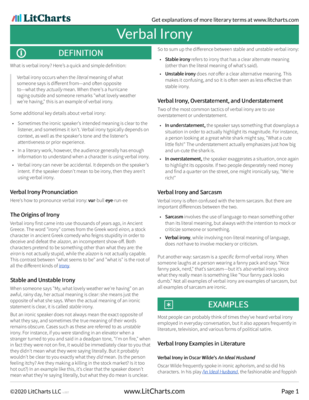
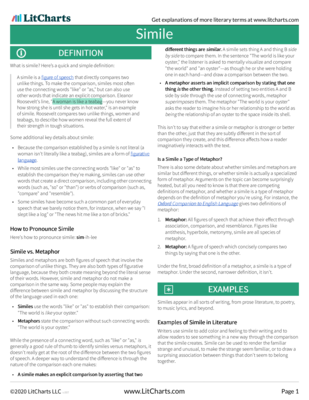
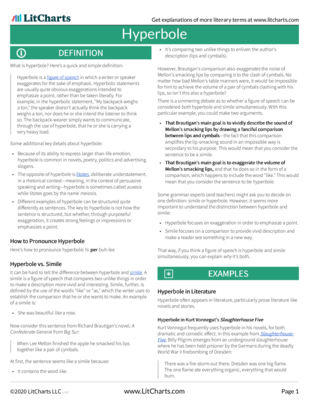
Try a free sample literary term PDF.


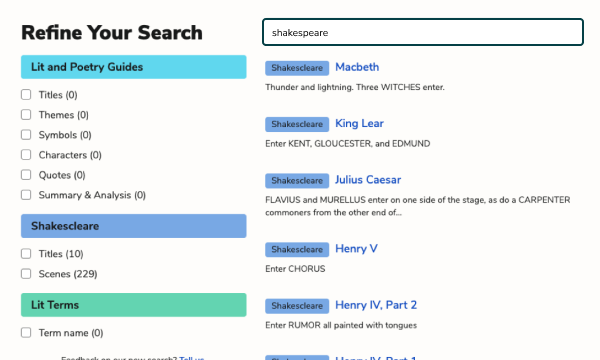
Advanced Search
Refine any search. Find related themes, quotes, symbols, characters, and more.
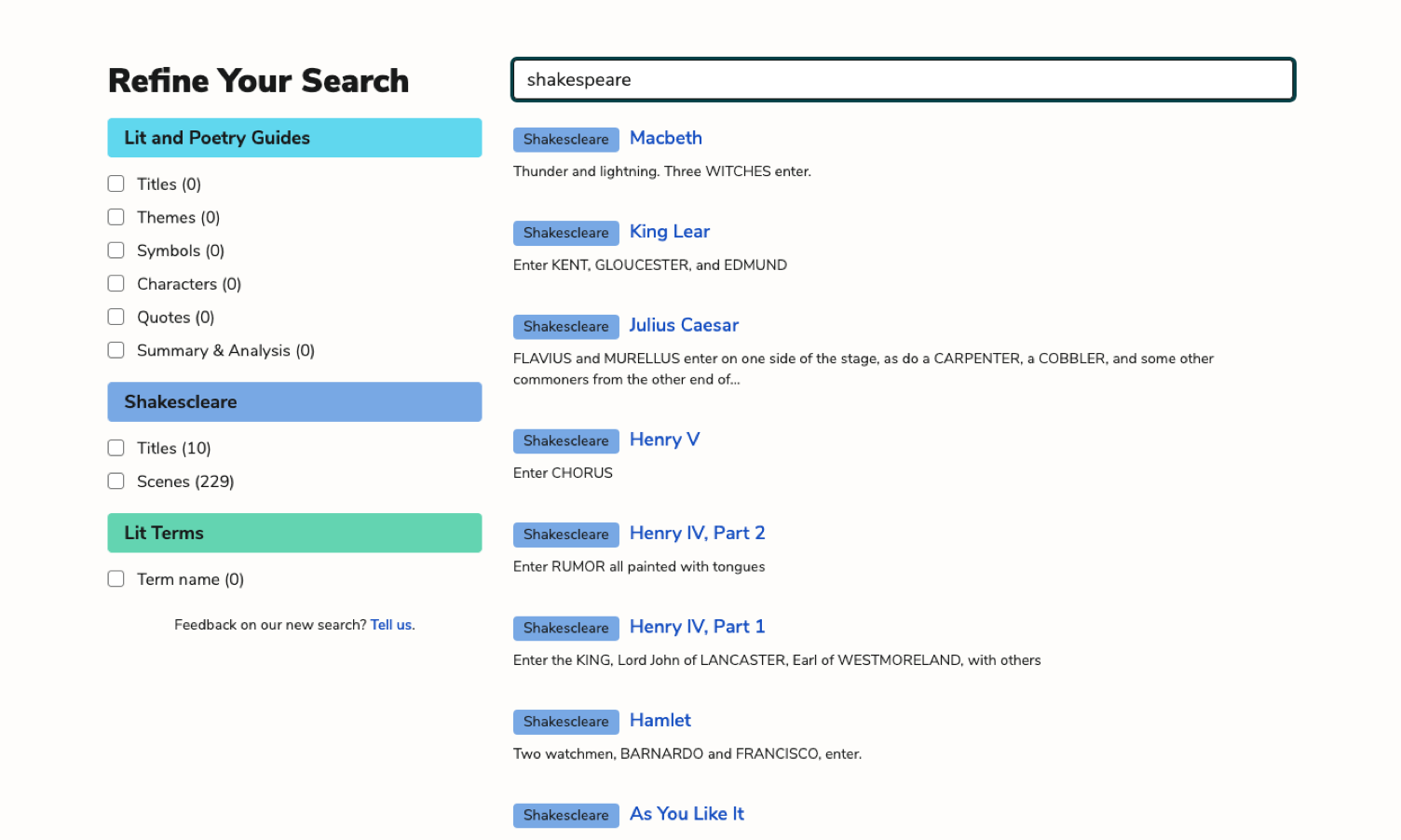

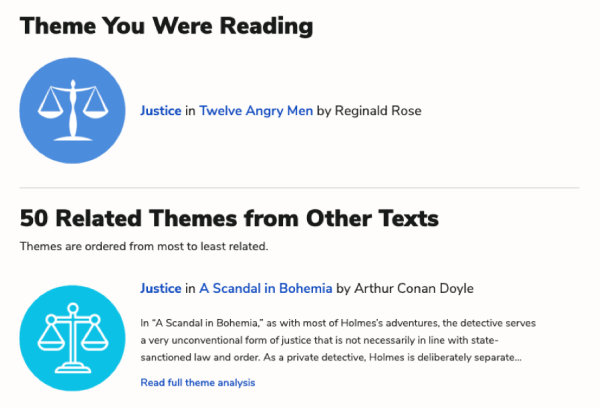
Related Themes
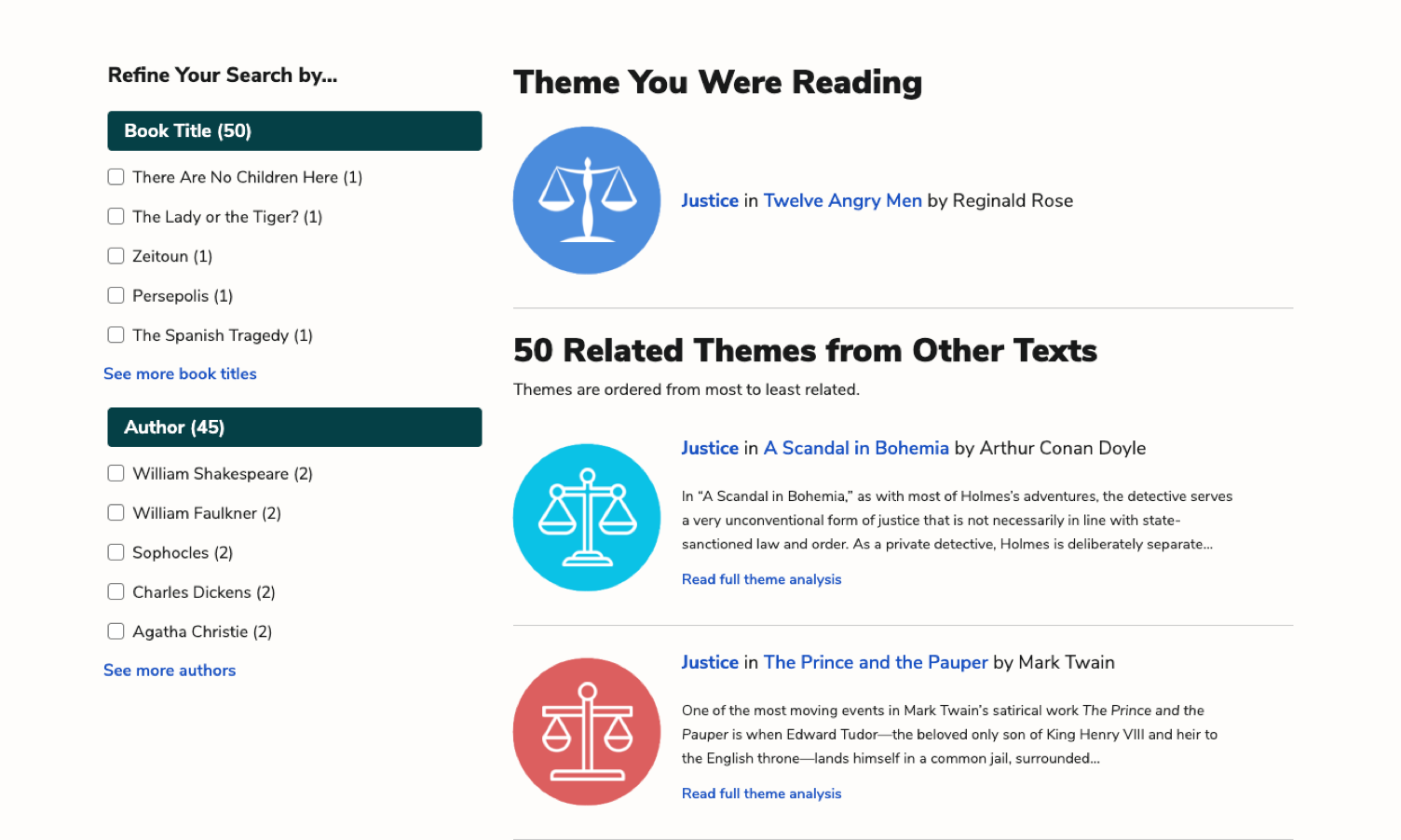
Comparing and contrasting texts? Find where any theme occurs across all of LitCharts in seconds.


Poetry Guides
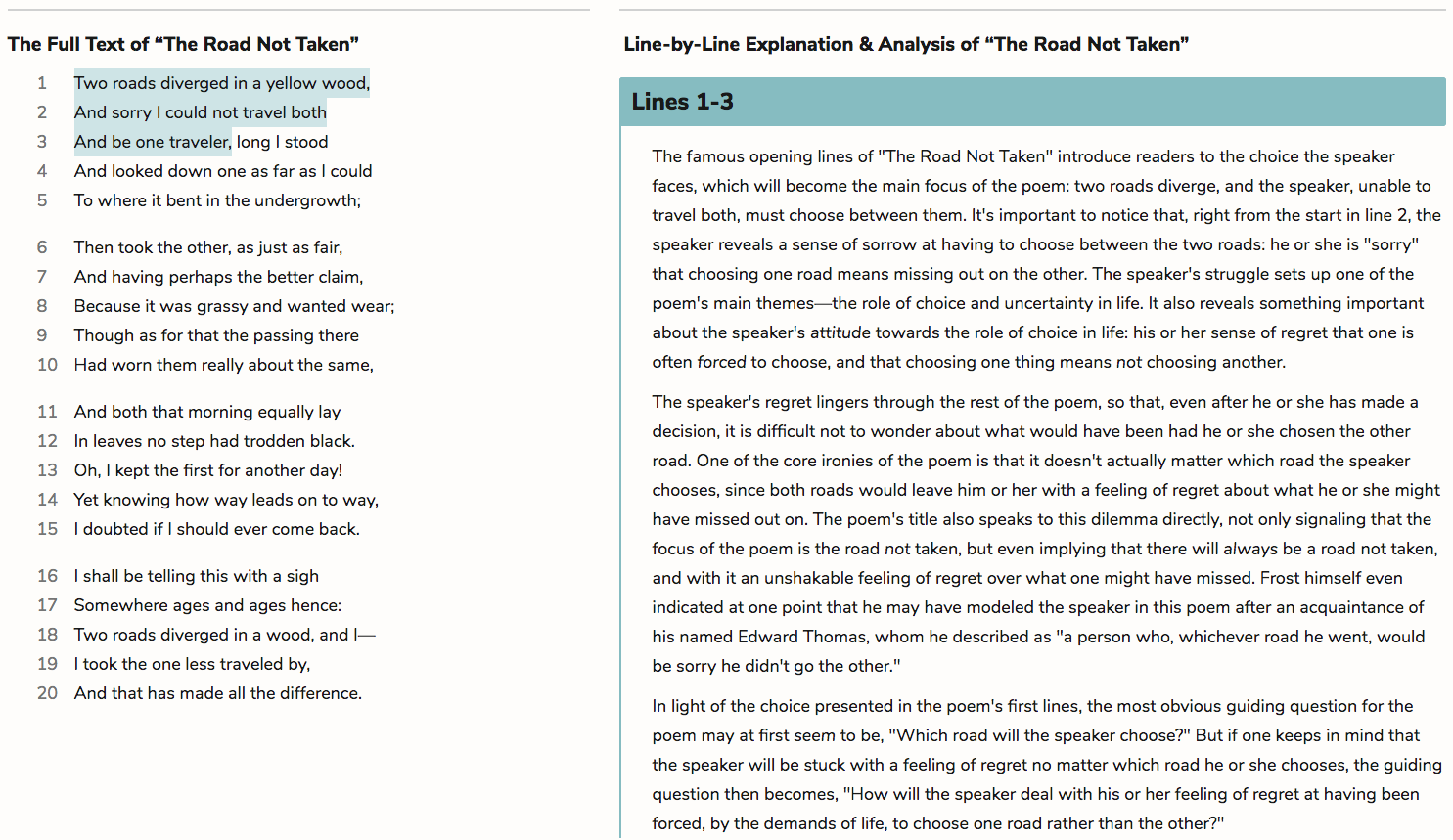
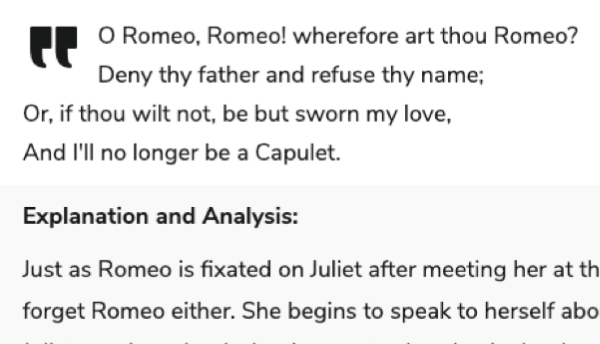
Line-by-line explanations and analysis of figurative language and poetic devices.
For every lyric poem we cover.
For every lyric poem we cover.