
|
Have questions?
Contact us
Already a member? Sign in
|
Get every literary device explanation for The Phantom of the OperaPlus so much more...
Sign up for LitCharts A+Get instant access to every literary device explanation, plus so much more...
Imagery
Explanation and Analysis—The Opera House:
Although Leroux rarely provides a sweeping panorama of the opera house, he does permit insight into its specific qualities through anecdotes about Erik, Raoul, and Christine. For example, in Chapter 12, Raoul and Christine explore its labyrinthine passageways:
And she would lead him up above the clouds, to the splendid chaos of the upper flies, where she loved to make him giddy by scampering ahead of him along the flying bridges among a thousand ropes fastened to pulleys, windlasses and drums, amidst a veritable aerial forest of masts and spars.
The opera house seems very grand and complex. Christine and Raoul use it to play inventive games; they imagine themselves to be "above the clouds" and in a "veritable aerial forest" of equipment. According to Christine, it also contains imaginary worlds. In Chapter 12, the narrator further describes their so-called travels:
the two of them, seated on some worm-eaten stage property, would listen to tales about the Opera as they had listened long ago, in their childhood, to old Breton legends. Forgotten by successive administrations and untouched by palace coups, these people had lived in the Opera House for countless years and had no recollection of the world outside.
Details like "worm-eaten stage property" give a good sense of the age of the theater. Specific moments in the story with great visual imagery provide useful snapshots of the opera house's appearance; although readers never get a complete description of the entire building, its many parts come to life at various stages of the story.
Monthly
Annual (Best Value)

$595USD/mo
Charged $71.40 USD every year
 Teacher
$795USD/mo
Charged $95.40 USD every year
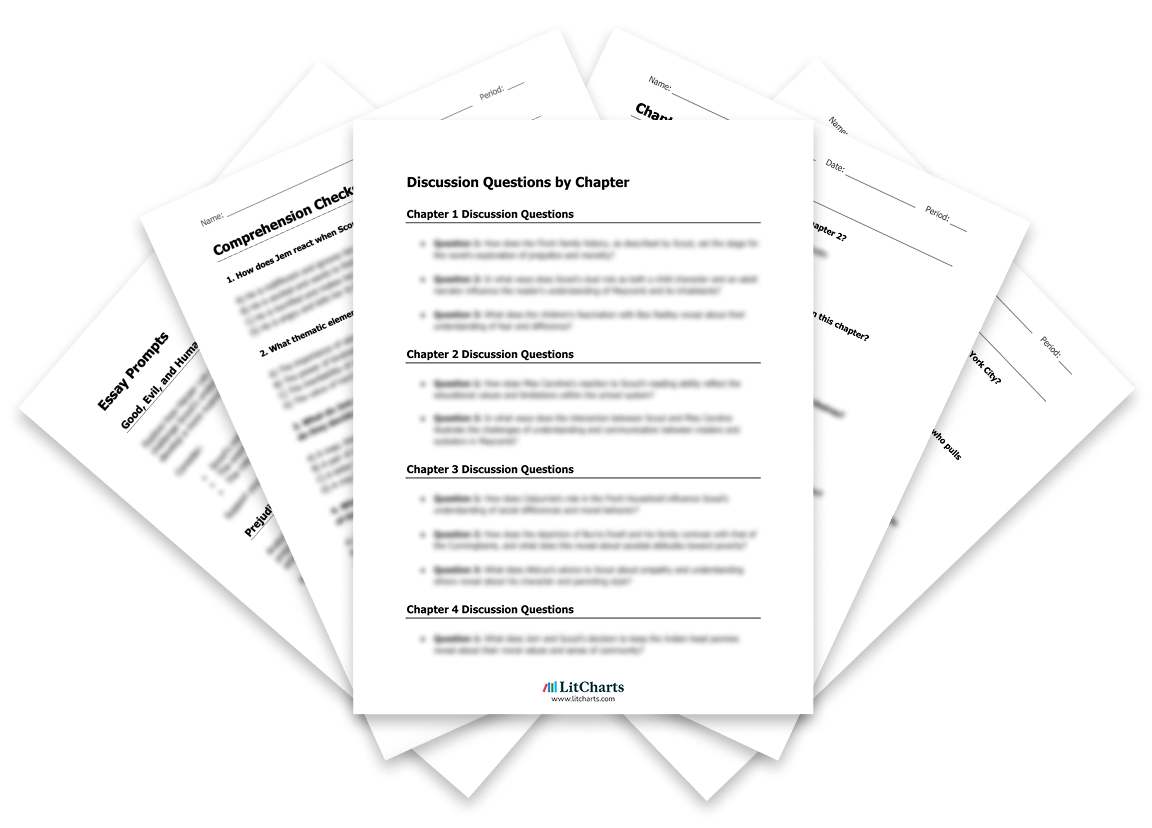


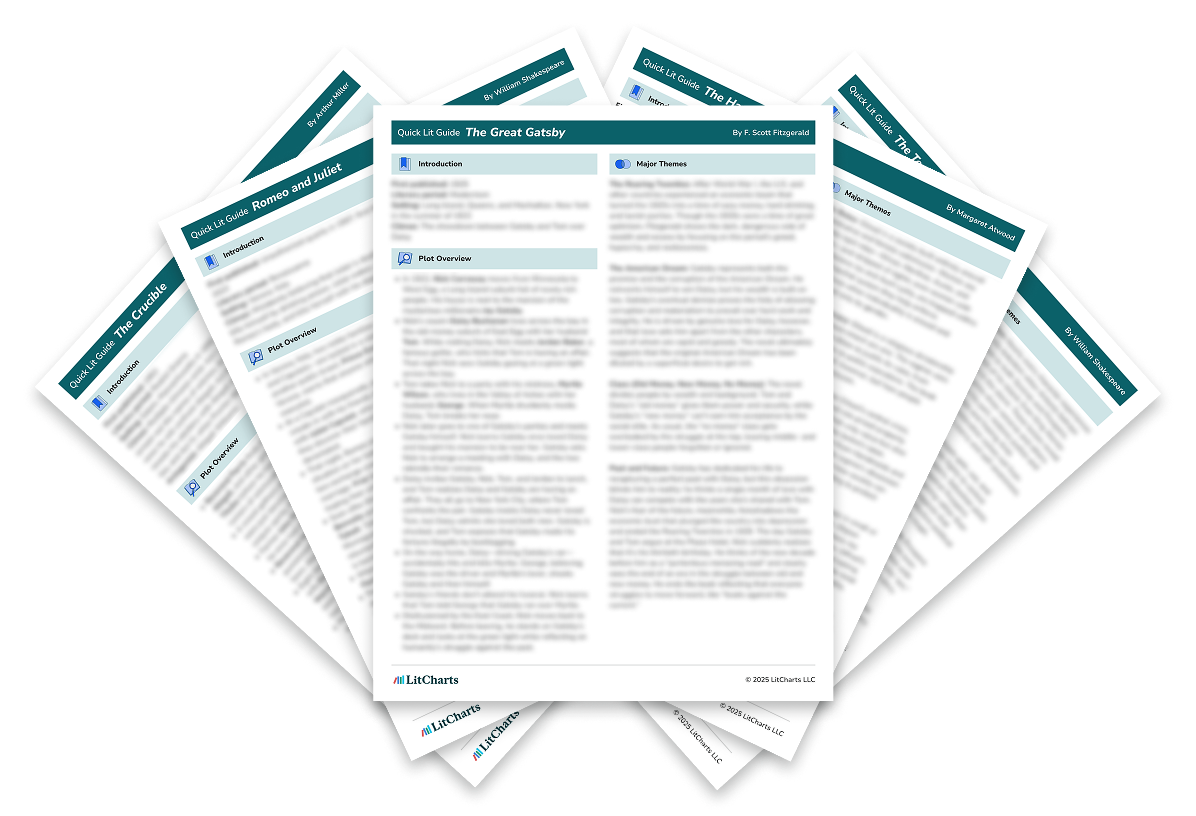
Literature Guide PDFs
LitCharts PDFs for every book you'll read this year.
Instant PDF downloads of all 2241 LitCharts literature guides and of every new one we publish. Try a free sample literature guide.
"Would not have made it through AP Literature without the printable PDFs. They're like having in-class notes for every discussion!"






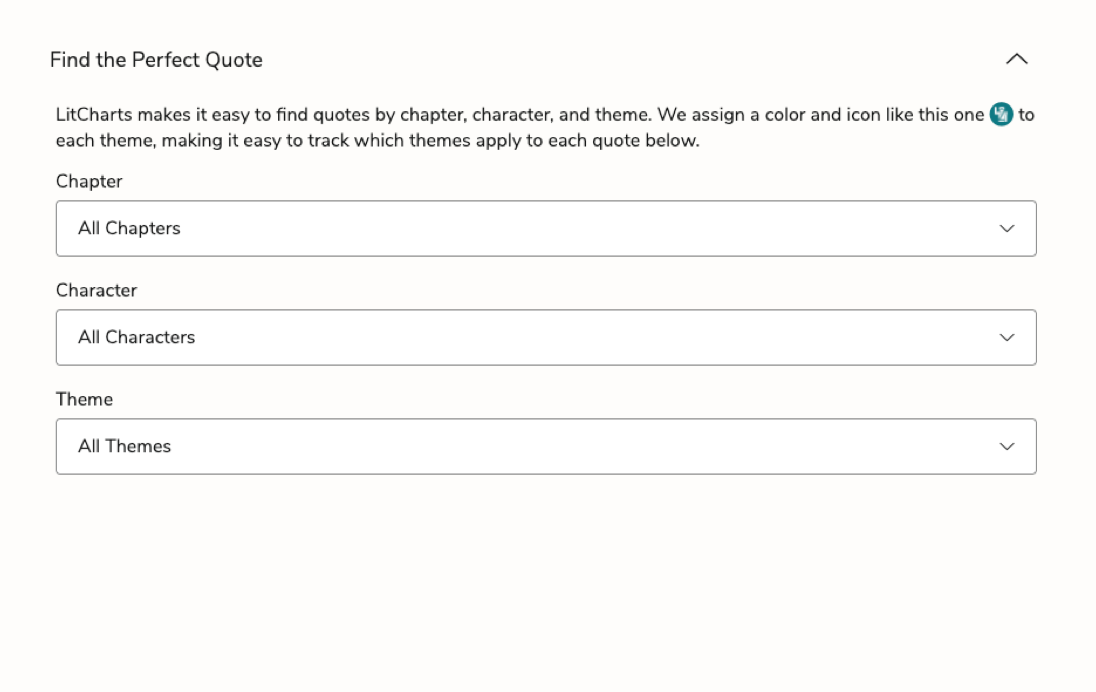
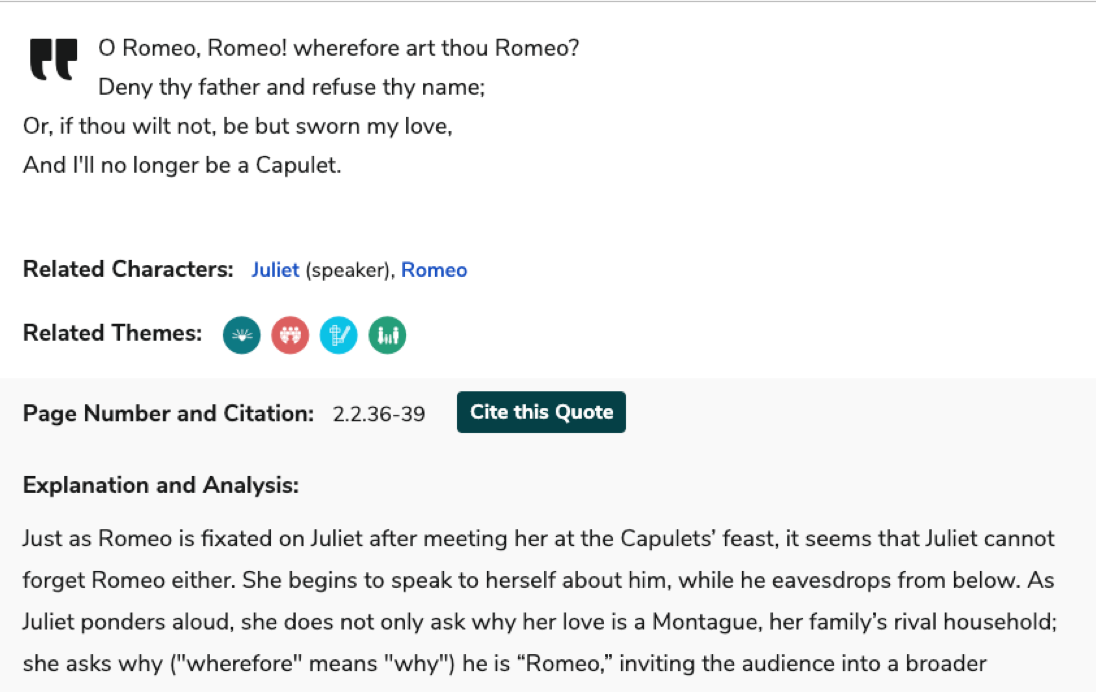
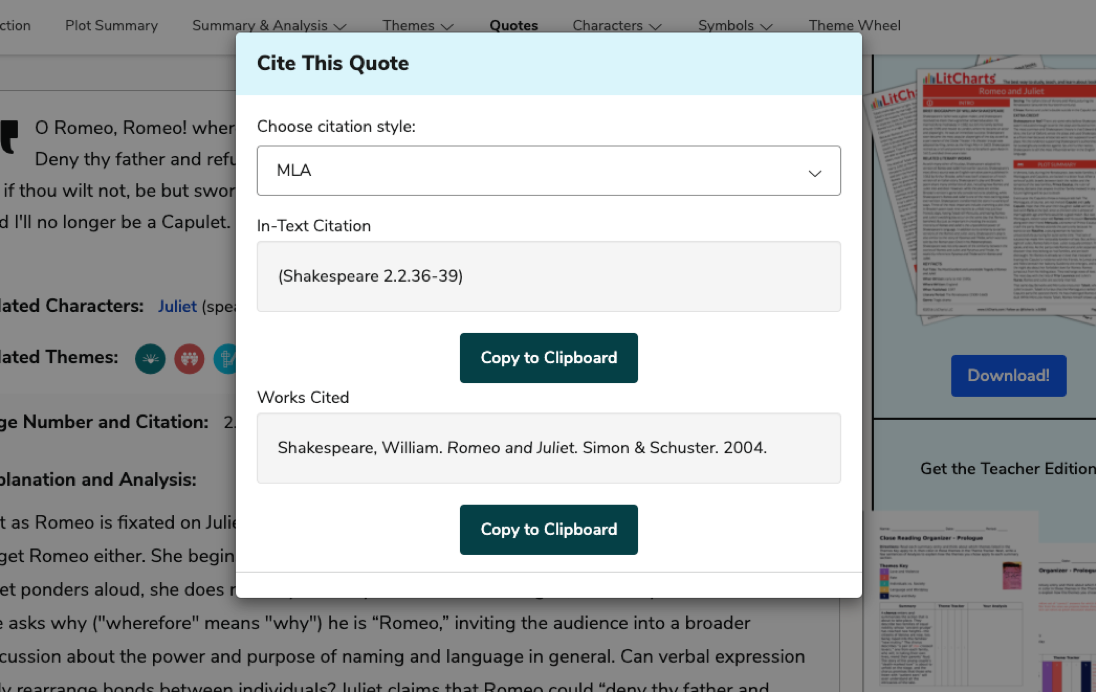
Quotes Explanations
Find the perfect quote. Understand it perfectly. Then rock the citation, too.
For all 49,971 quotes we cover.
For all 49,971 quotes we cover.


Teacher Editions
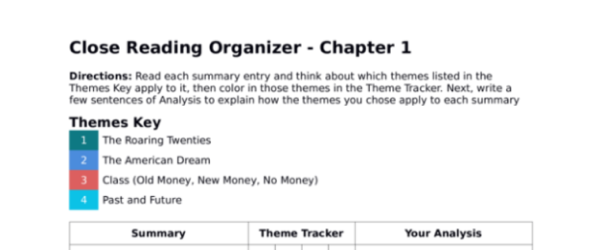
Close reading made easy for students.
Time saved for teachers.
For every book we cover.
Time saved for teachers.
For every book we cover.


Common Core-aligned


PDFs of modern translations of every one of Shakespeare's 37 plays, 154 sonnets, and 3 longer poems.

Literary Terms and Devices
Definitions and examples for every literary term and device you need to know.
Plus a quick-reference PDF with concise definitions of all 136 terms in one place.
Plus a quick-reference PDF with concise definitions of all 136 terms in one place.
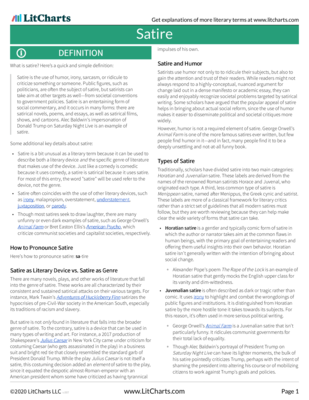
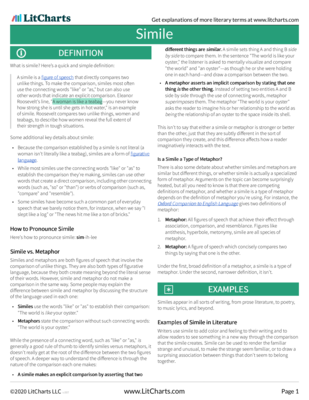
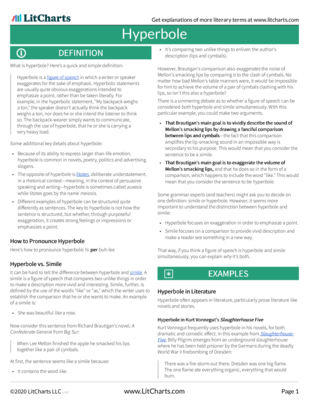
Try a free sample literary term PDF.


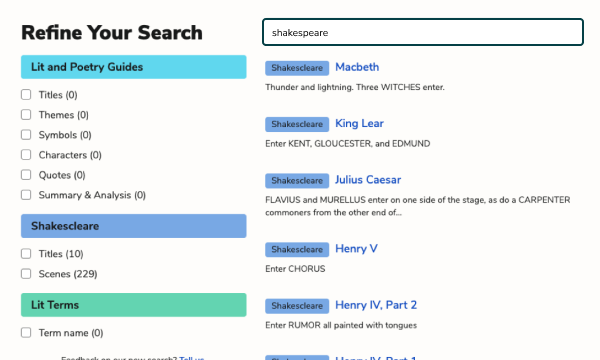
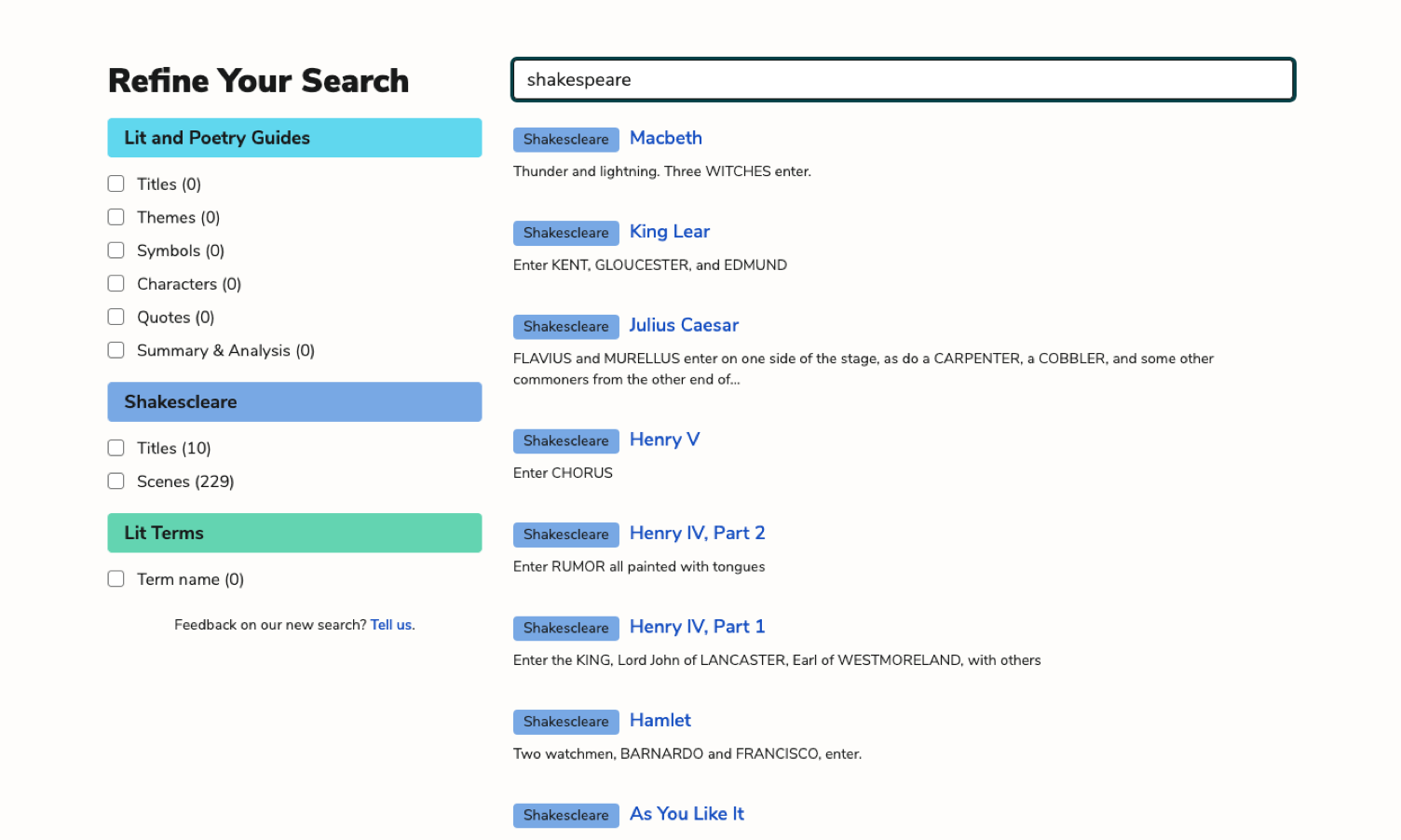
Advanced Search
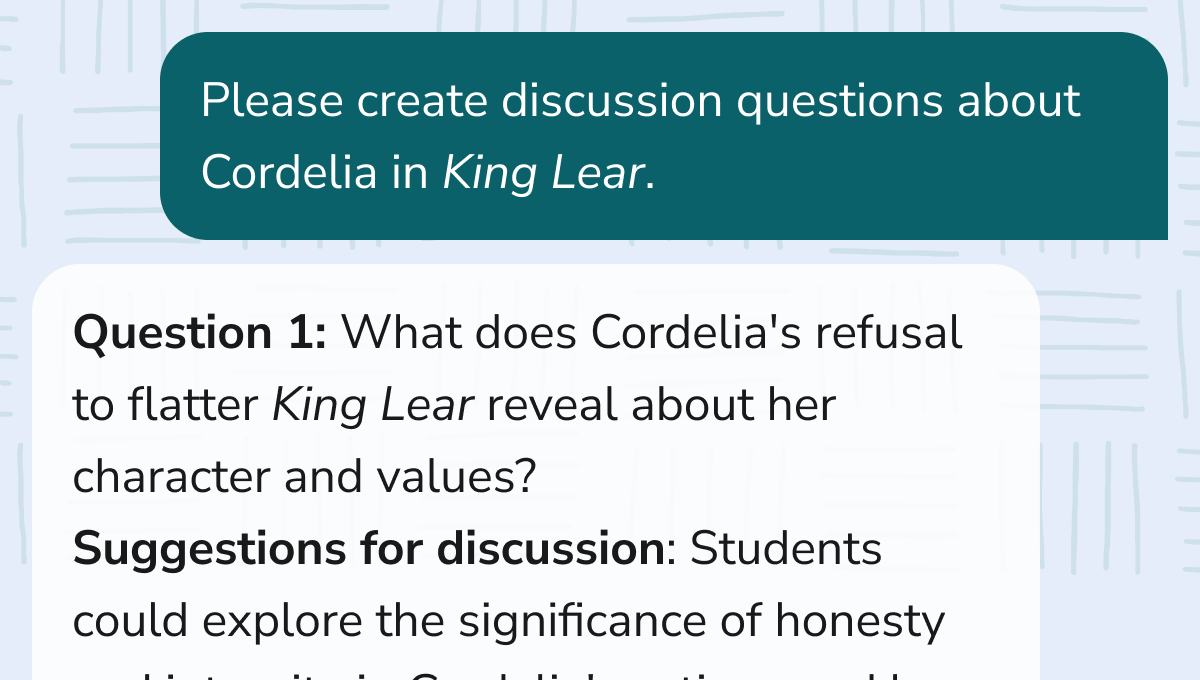
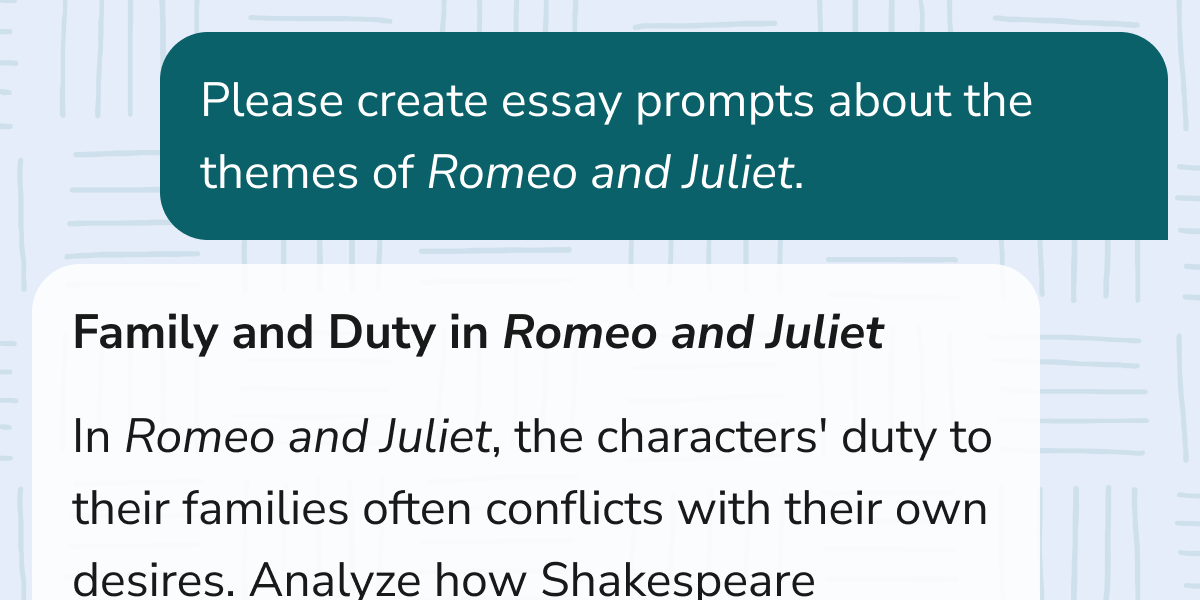
Refine any search. Find related themes, quotes, symbols, characters, and more.

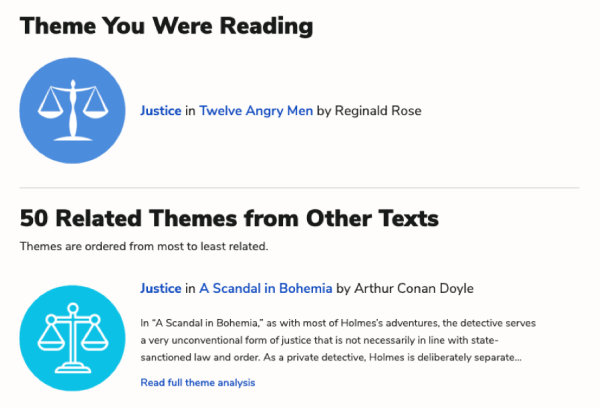
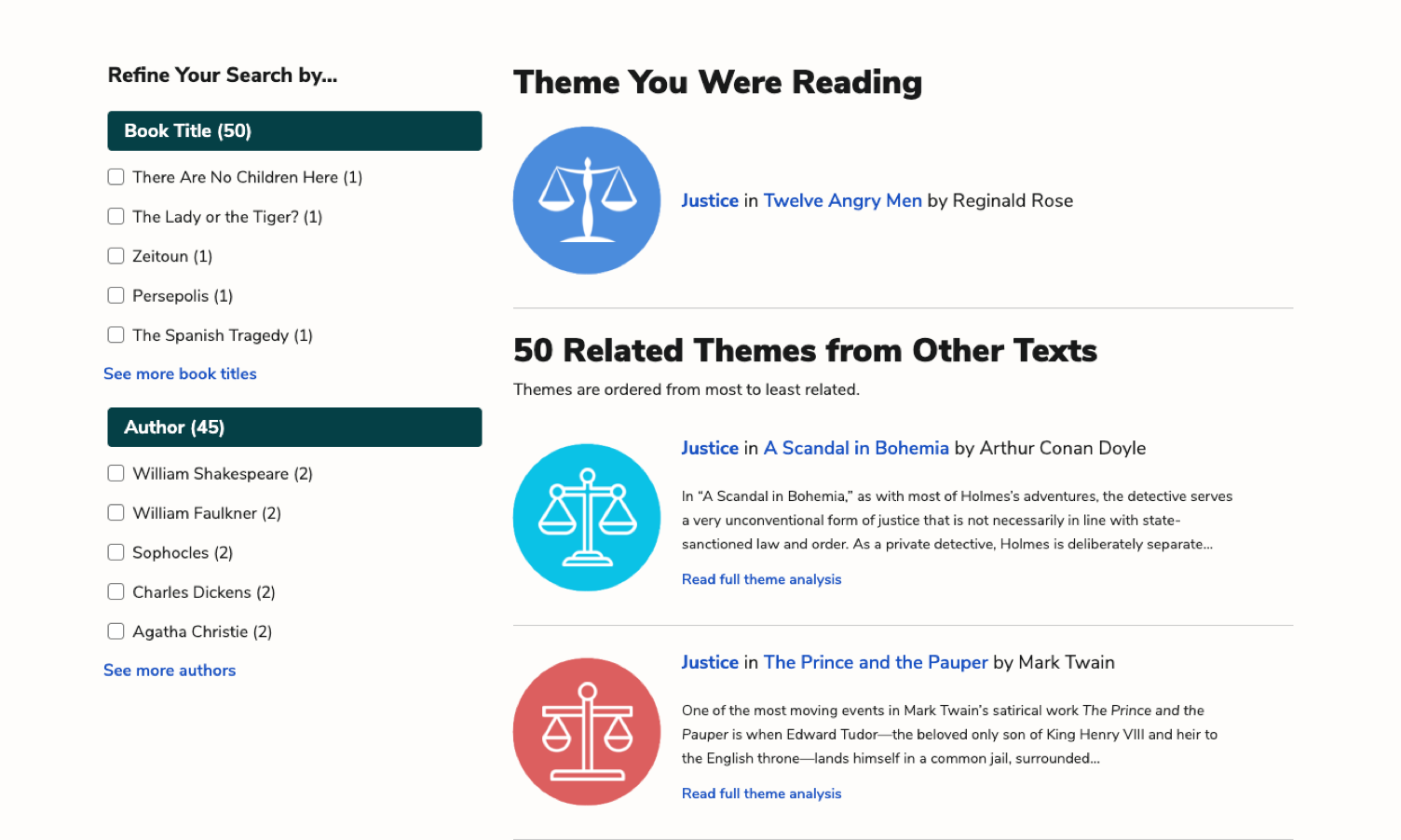
Related Themes
Comparing and contrasting texts? Find where any theme occurs across all of LitCharts in seconds.


Poetry Guides
Line-by-line explanations and analysis of figurative language and poetic devices.
For every lyric poem we cover.
For every lyric poem we cover.