
|
Have questions?
Contact us
Already a member? Sign in
|
Get every literary device explanation for The Mayor of CasterbridgePlus so much more...
Sign up for LitCharts A+Get instant access to every literary device explanation, plus so much more...
Imagery
Explanation and Analysis—A Flushed Face:
Throughout the book, Michael Henchard’s body is associated to varying degrees with images of redness, flushing, and blood, particularly in his face. Hardy does this because the color is traditionally associated with lust and anger, but also for another important reason that would have been more evident to a Victorian audience. At the beginning of Chapter 33, when Henchard is found to be publicly carousing, his face has taken on the tell-tale hue of alcoholism:
The flush upon his face proclaimed at once that the vow of twenty-one years had lapsed, and the era of recklessness begun anew.
A red face in Victorian literature, particularly a red nose, was a warning sign of a habitual drinker. Though Henchard is a teetotaler for most of the book, he is morally “stained” with the aftereffects of his vices, literally making his face take on a reddish hue. When he succumbs again in Chapter 33 to his “era of recklessness” after 21 years of sobriety, the “flush” returns, signaling his downfall.
The “recklessness” referenced here is also associated with Victorian tropes of redness or bloodiness. When characters become “flushed” in Hardy's novels, it is usually “with anger” or “with embarrassment," not necessarily with the overconsumption of alcohol. The way Hardy employs the imagery of redness in The Mayor of Casterbridge evokes all of these sensory implications together to complete the picture of the “lapsed” Henchard as an angry, drunk figure whose "red" physical body betrays his mental state.
Monthly
Annual (Best Value)

$595USD/mo
Charged $71.40 USD every year
 Teacher
$795USD/mo
Charged $95.40 USD every year
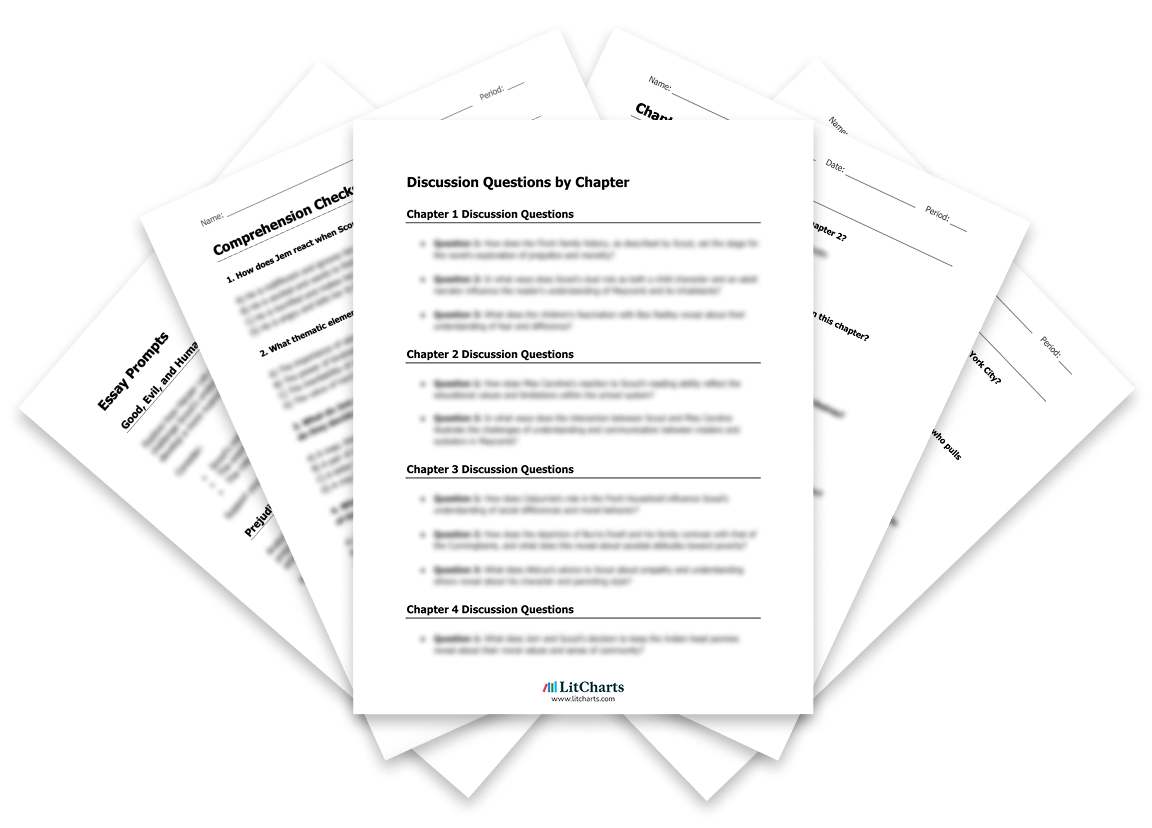


Literature Guide PDFs
LitCharts PDFs for every book you'll read this year.
Instant PDF downloads of all 2247 LitCharts literature guides and of every new one we publish. Try a free sample literature guide.
"Would not have made it through AP Literature without the printable PDFs. They're like having in-class notes for every discussion!"








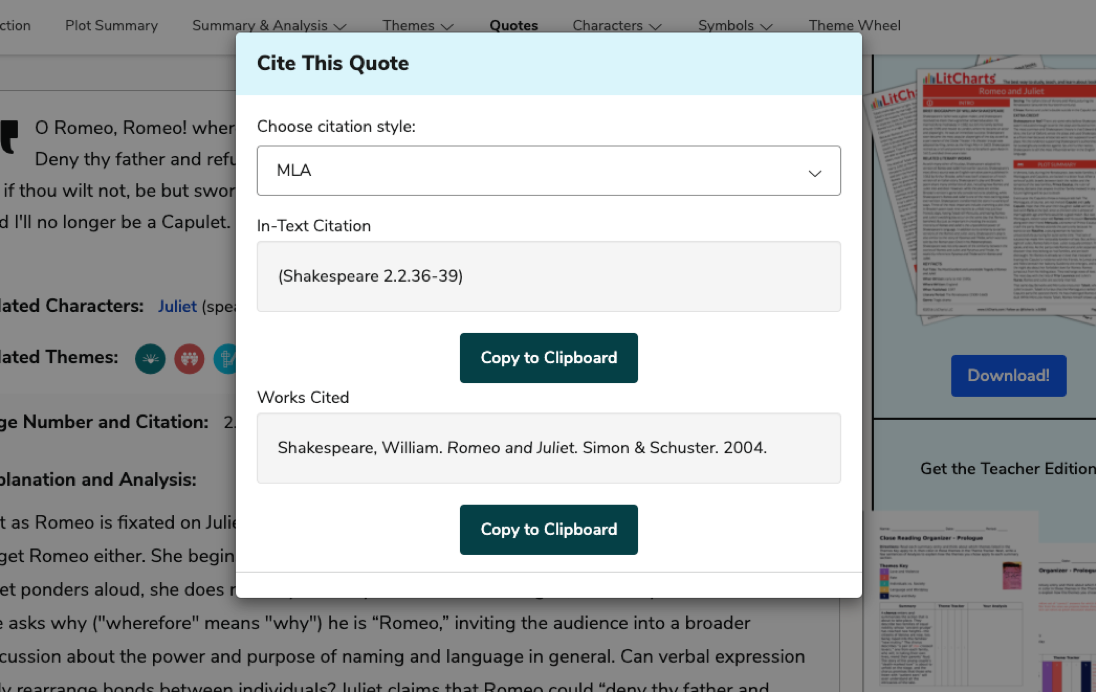
Quotes Explanations
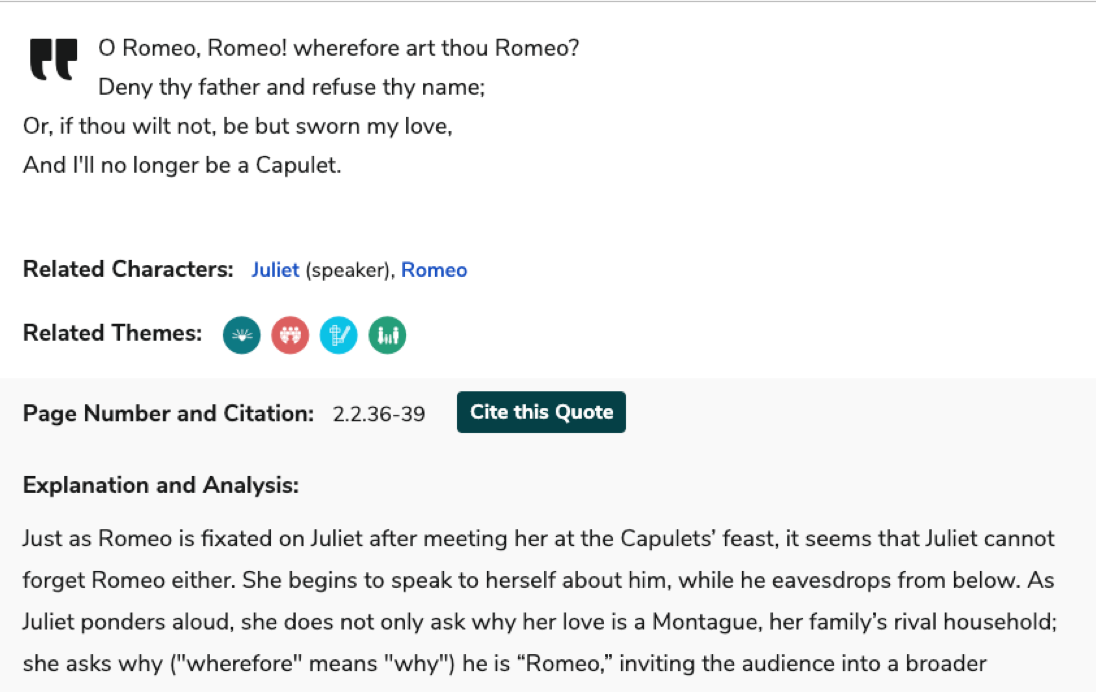
Find the perfect quote. Understand it perfectly. Then rock the citation, too.
For all 50,101 quotes we cover.
For all 50,101 quotes we cover.


Teacher Editions
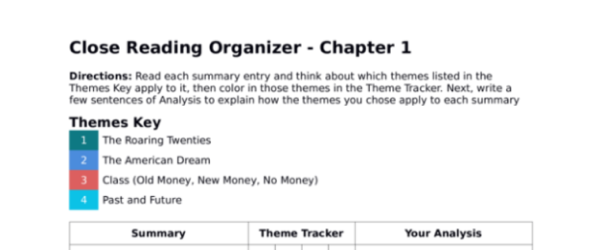
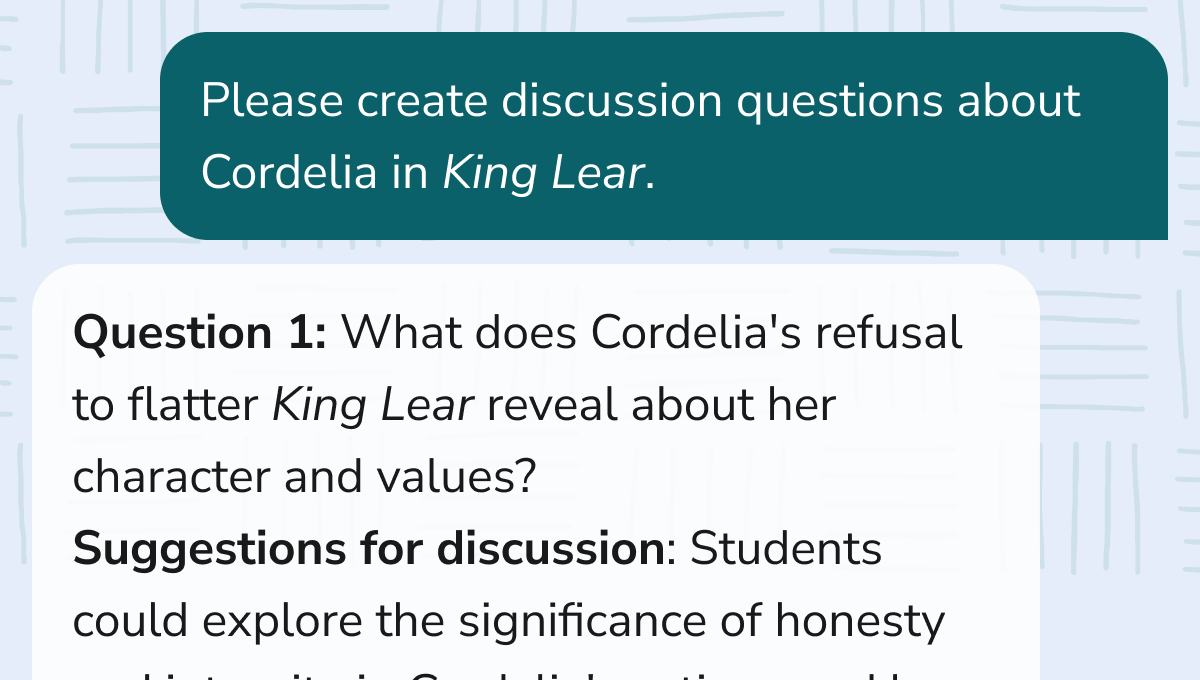
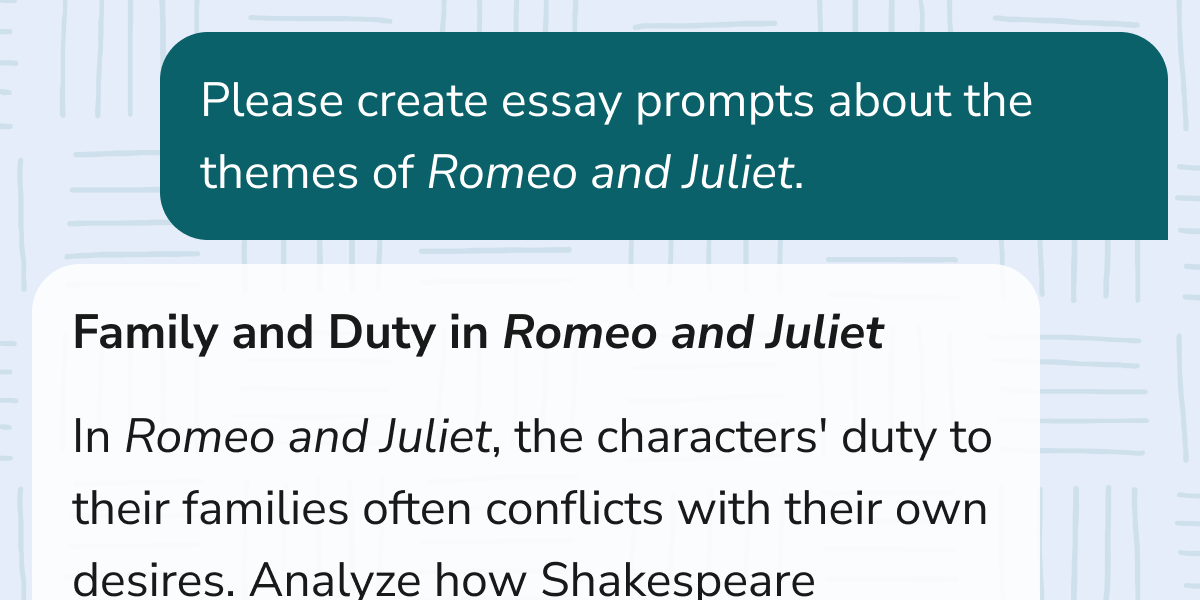
Close reading made easy for students.
Time saved for teachers.
For every book we cover.
Time saved for teachers.
For every book we cover.


Common Core-aligned


PDFs of modern translations of every one of Shakespeare's 37 plays, 154 sonnets, and 3 longer poems.

Literary Terms and Devices
Definitions and examples for every literary term and device you need to know.
Plus a quick-reference PDF with concise definitions of all 136 terms in one place.
Plus a quick-reference PDF with concise definitions of all 136 terms in one place.
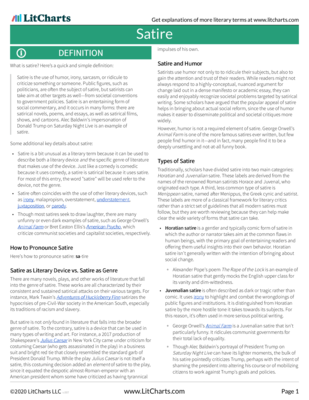
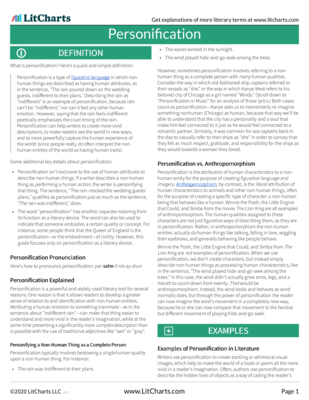
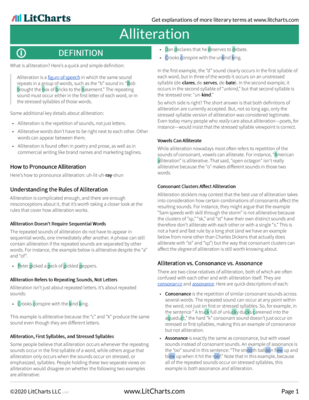
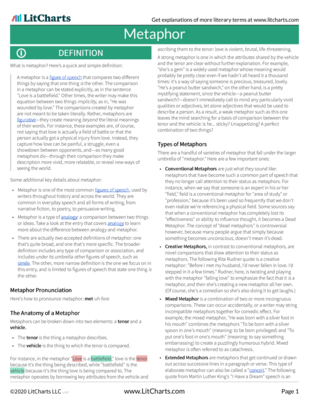
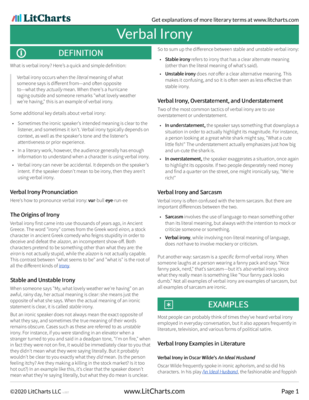
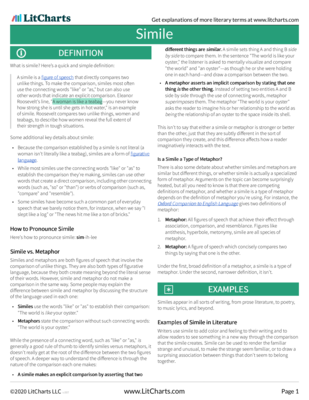
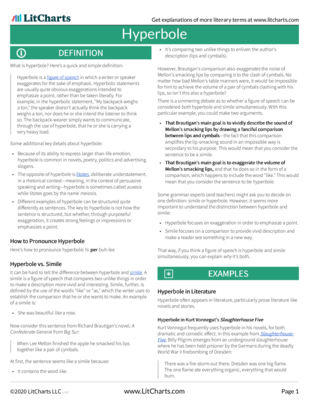
Try a free sample literary term PDF.


Advanced Search
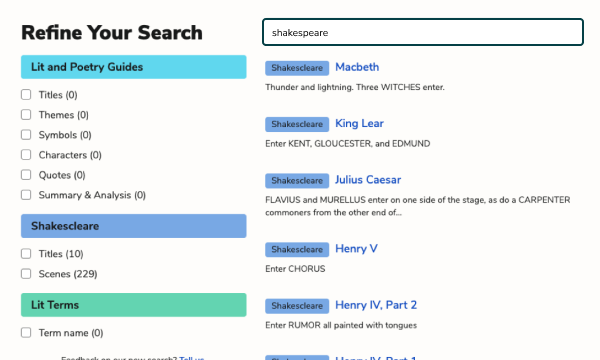
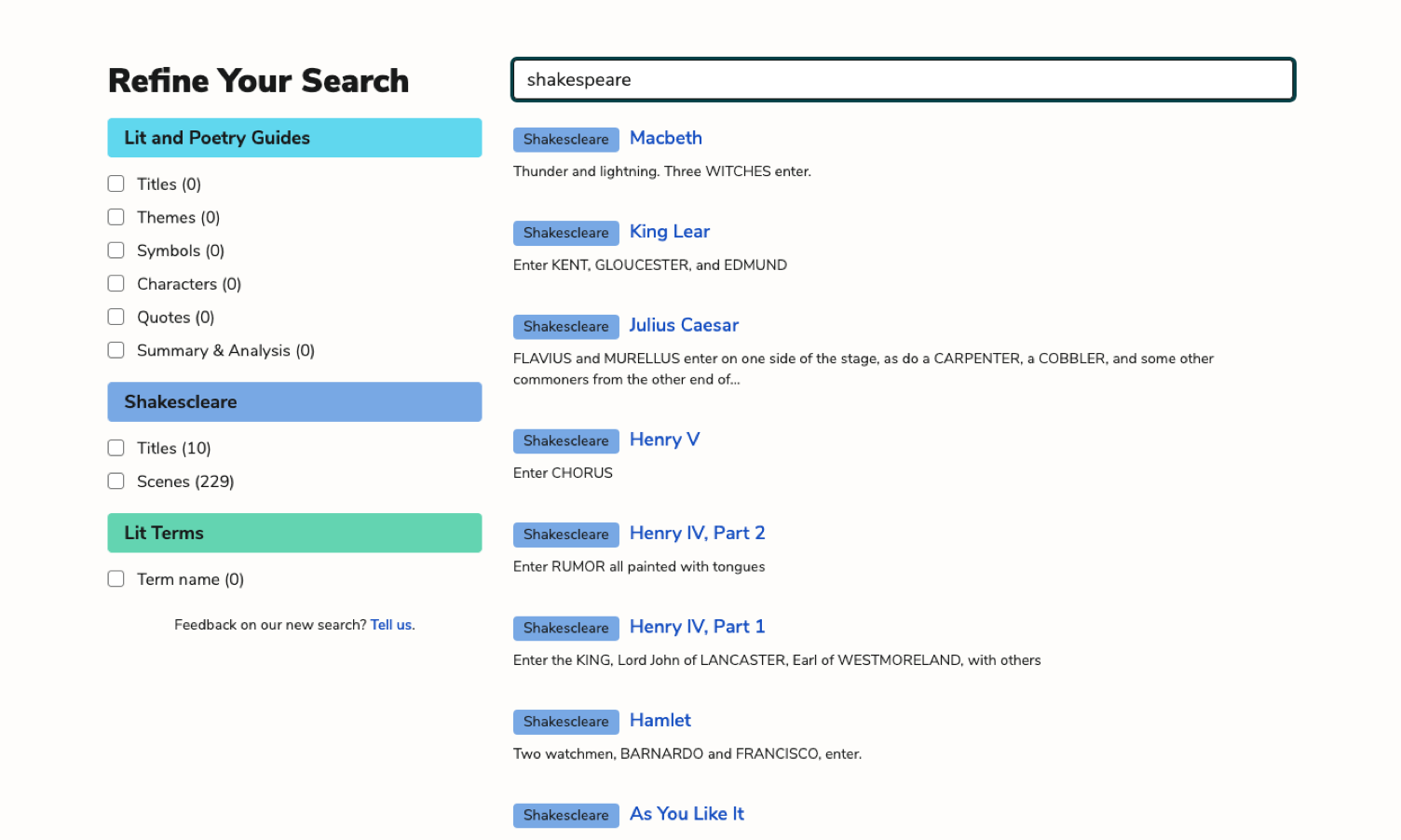
Refine any search. Find related themes, quotes, symbols, characters, and more.

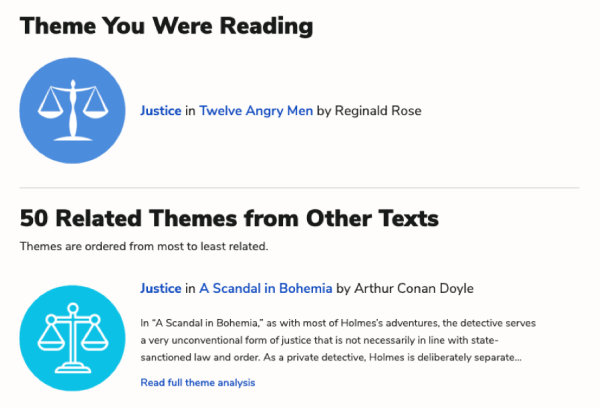
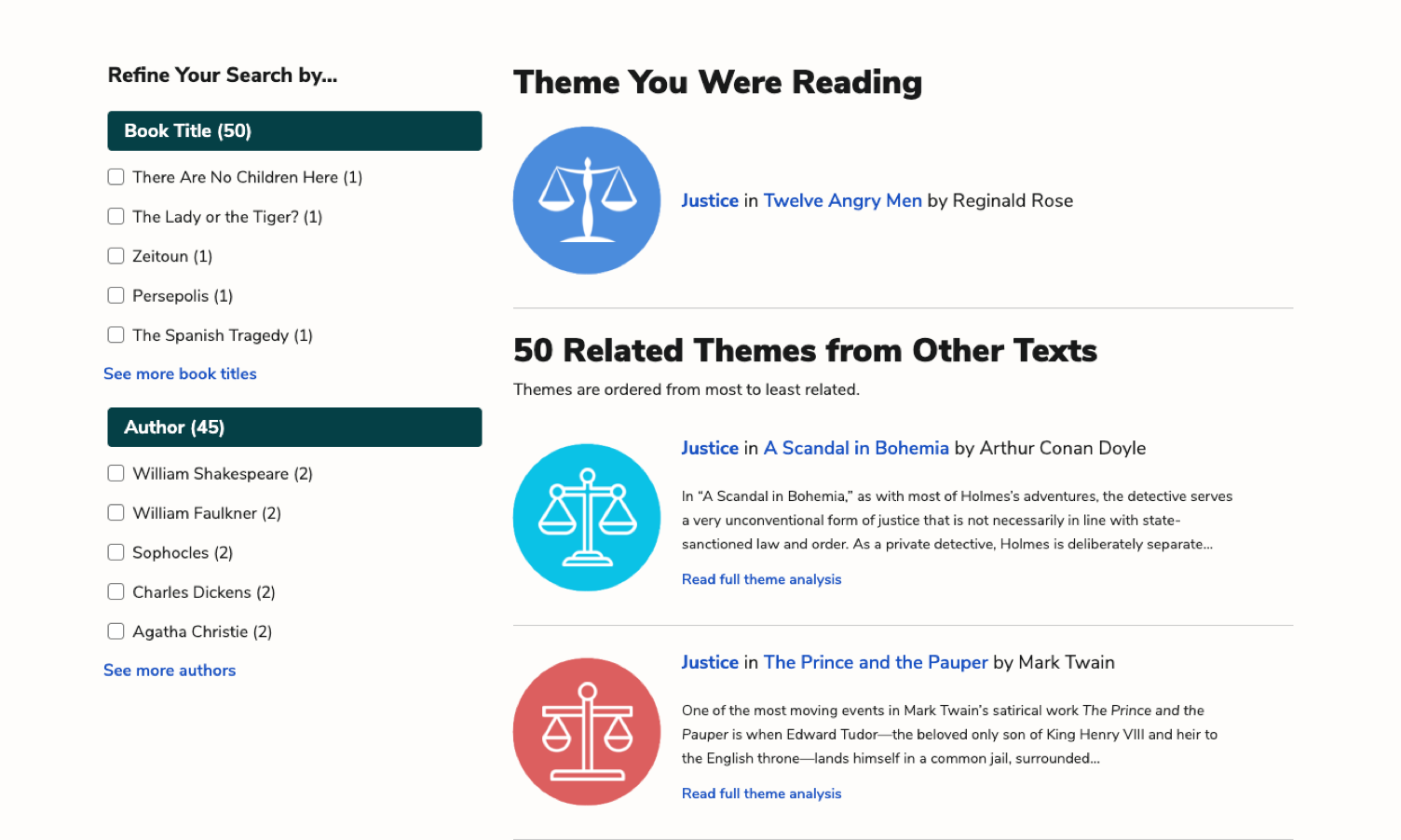
Related Themes
Comparing and contrasting texts? Find where any theme occurs across all of LitCharts in seconds.


Poetry Guides
Line-by-line explanations and analysis of figurative language and poetic devices.
For every lyric poem we cover.
For every lyric poem we cover.