
|
Have questions?
Contact us
Already a member? Sign in
|
Get every literary device explanation for Pride and PrejudicePlus so much more...
Sign up for LitCharts A+Get instant access to every literary device explanation, plus so much more...
Imagery
Explanation and Analysis—Lydia’s Reputation:
After finding out that Lydia has run away with Wickham, Mary uses imagery to highlight the ways that, in their particular context, single young women’s reputations are particularly fragile:
“Unhappy as the event must be for Lydia, we may draw from it this useful lesson: that loss of virtue in a female is irretrievable; that one false step involves her in endless ruin; that her reputation is no less brittle than it is beautiful; and that she cannot be too much guarded in her behaviour towards the undeserving of the other sex.”
By describing young women’s reputations as “brittle,” Mary communicates the fragility of single unmarried women’s reputations during this time period in England in a way that she couldn’t accomplish with a literal description alone. Readers know what brittle things feel like and that tactile imagery adds to the intensity of the climax of this story—the Bennet sisters waiting to find out if Lydia and Wickham will get married, which throws into question whether or not their brittle reputations will end up intact or not.
This moment also underlines how the Bennets in particular need their reputations to survive this scandal because they do not have the type of wealth of the aristocratic class and will lose their home as soon as Mr. Bennet passes. The Bennet sisters have to protect their fragile virtue or else they will end up with nothing.
Monthly
Annual (Best Value)

$595USD/mo
Charged $71.40 USD every year
 Teacher
$795USD/mo
Charged $95.40 USD every year
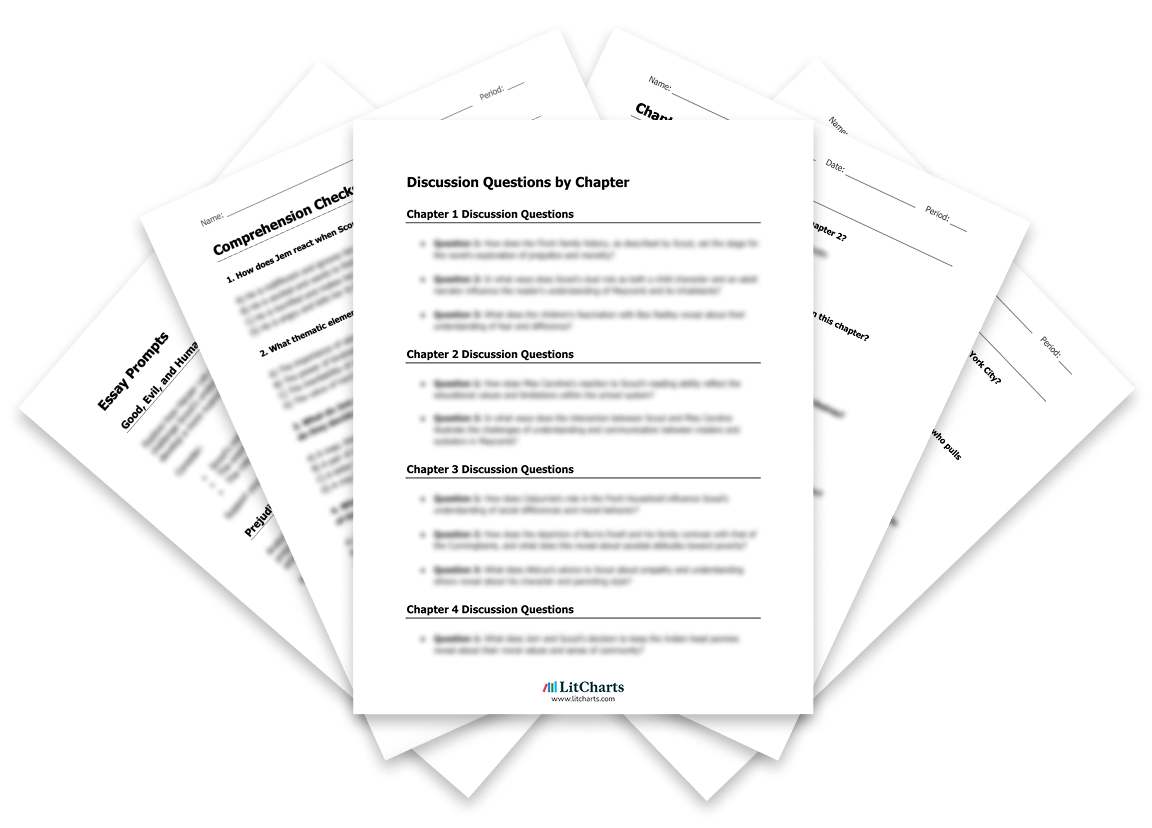


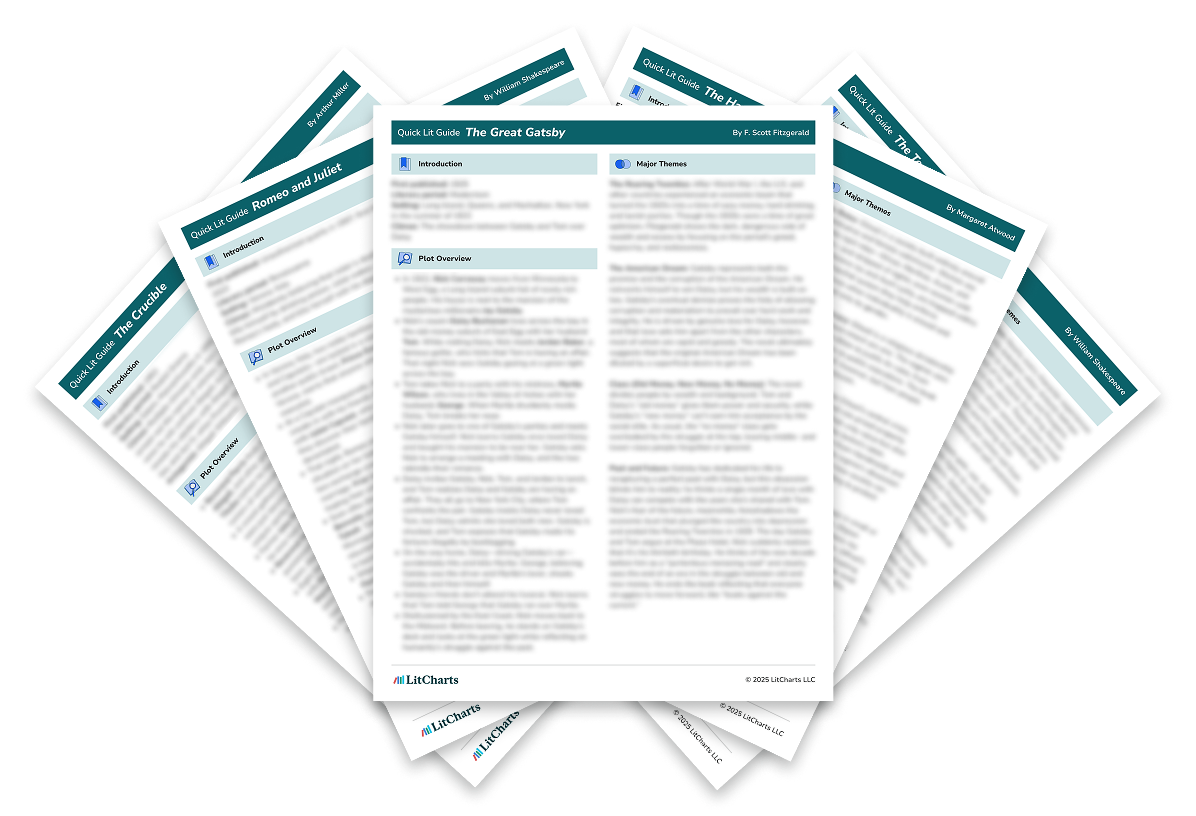
Literature Guide PDFs
LitCharts PDFs for every book you'll read this year.
Instant PDF downloads of all 2247 LitCharts literature guides and of every new one we publish. Try a free sample literature guide.
"Would not have made it through AP Literature without the printable PDFs. They're like having in-class notes for every discussion!"





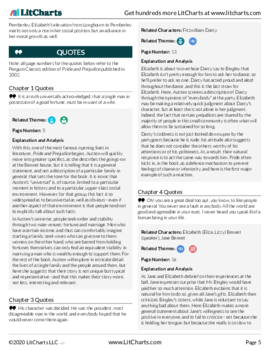



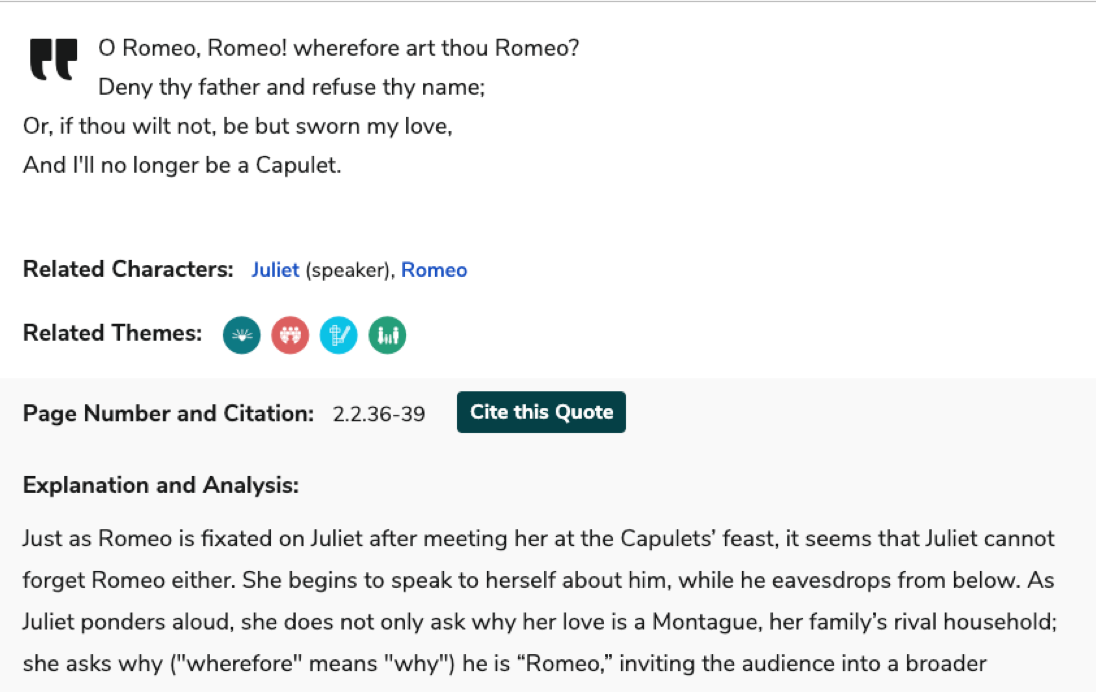
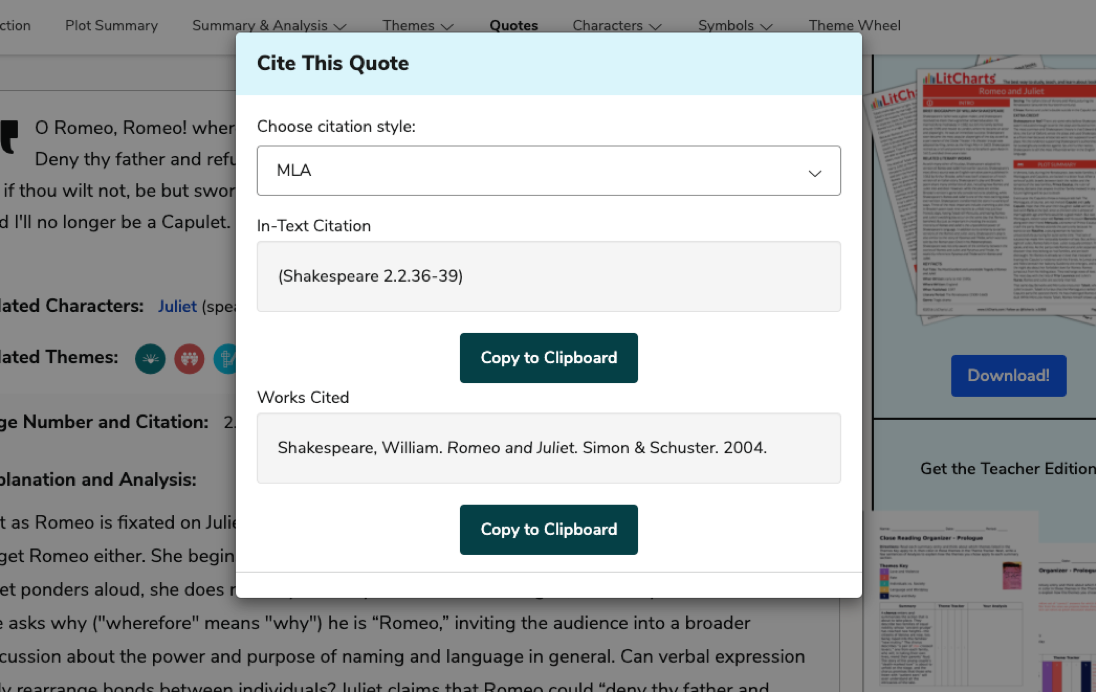
Quotes Explanations
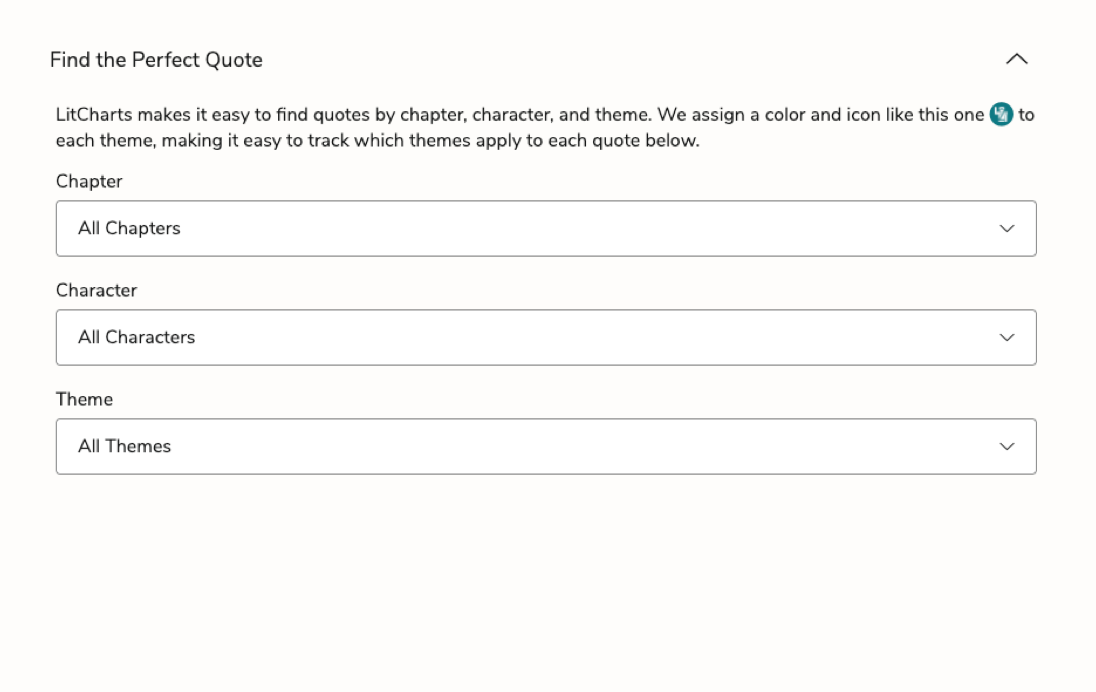
Find the perfect quote. Understand it perfectly. Then rock the citation, too.
For all 50,101 quotes we cover.
For all 50,101 quotes we cover.


Teacher Editions
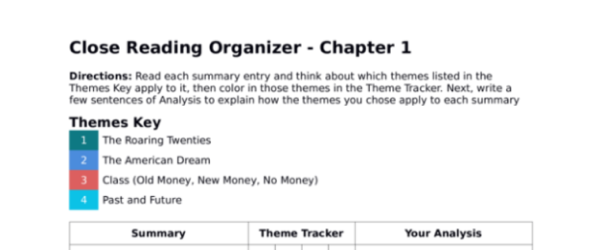
Close reading made easy for students.
Time saved for teachers.
For every book we cover.
Time saved for teachers.
For every book we cover.


Common Core-aligned


PDFs of modern translations of every one of Shakespeare's 37 plays, 154 sonnets, and 3 longer poems.

Literary Terms and Devices
Definitions and examples for every literary term and device you need to know.
Plus a quick-reference PDF with concise definitions of all 136 terms in one place.
Plus a quick-reference PDF with concise definitions of all 136 terms in one place.
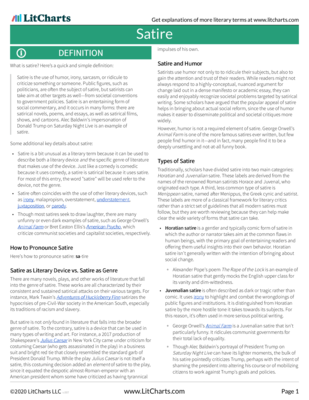
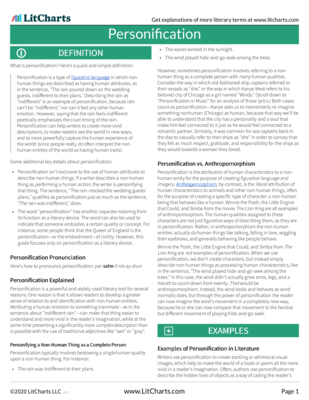
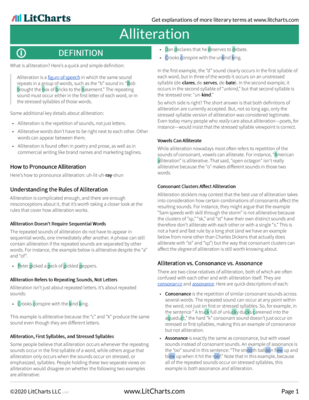
Try a free sample literary term PDF.


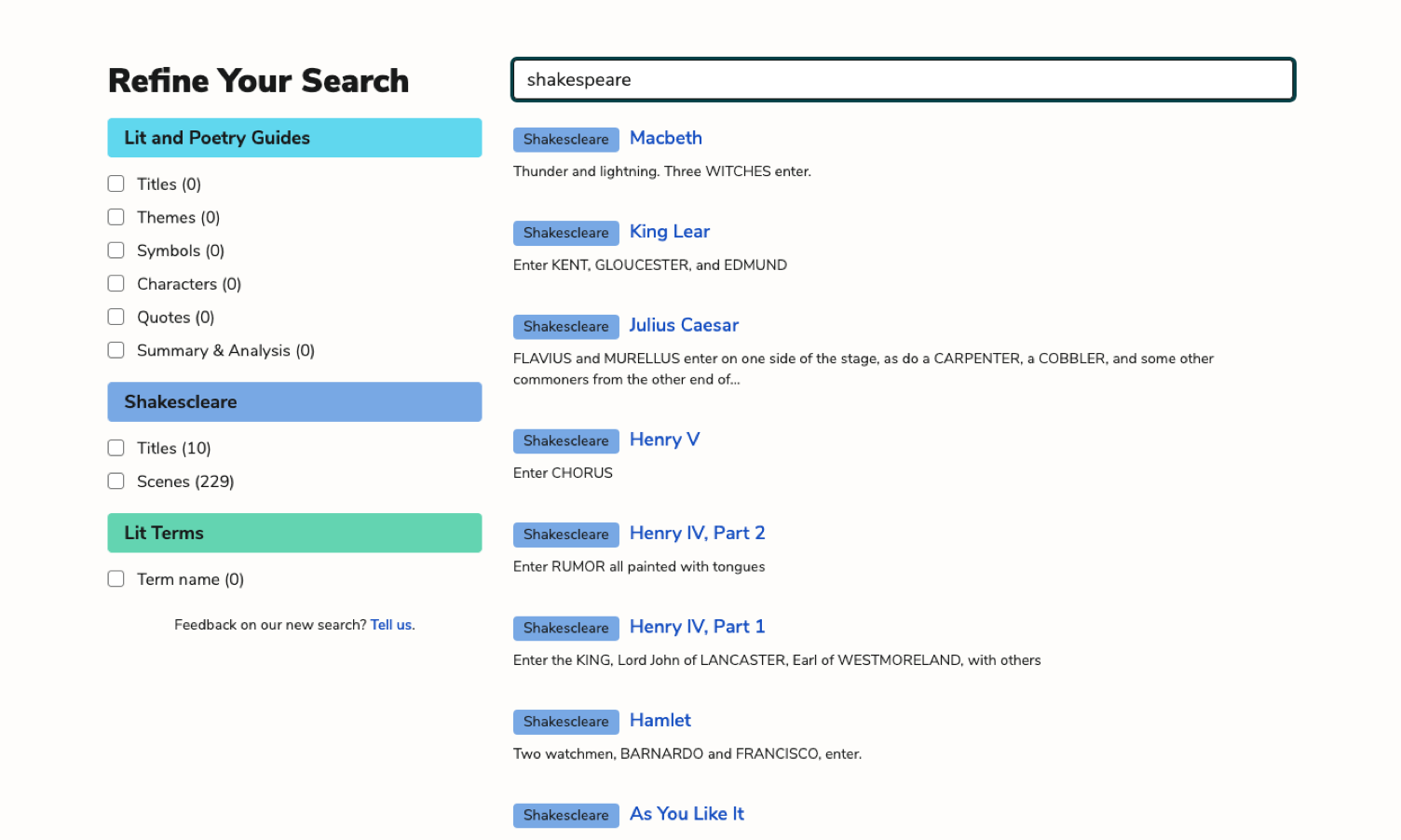
Advanced Search
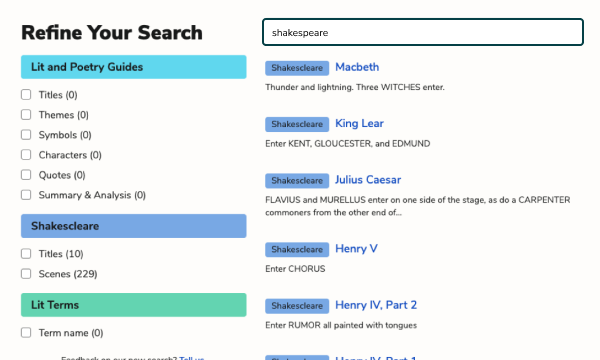
Refine any search. Find related themes, quotes, symbols, characters, and more.

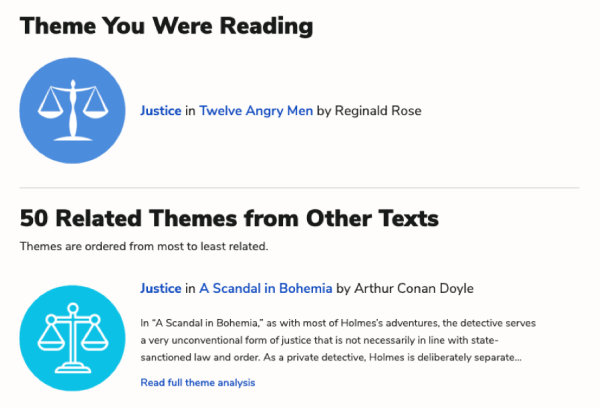
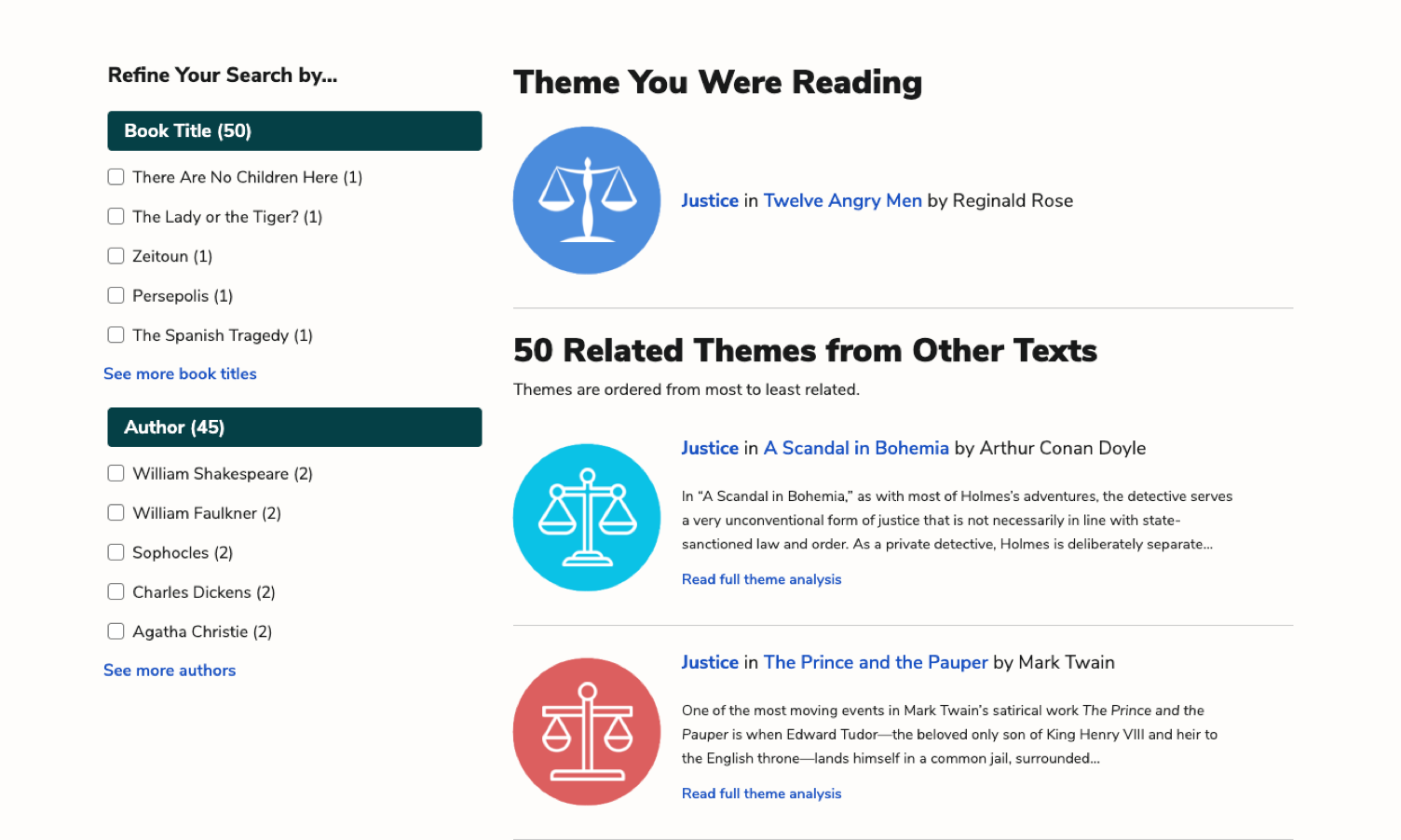
Related Themes
Comparing and contrasting texts? Find where any theme occurs across all of LitCharts in seconds.


Poetry Guides
Line-by-line explanations and analysis of figurative language and poetic devices.
For every lyric poem we cover.
For every lyric poem we cover.