


|
Have questions?
Contact us
Already a member? Sign in
|
Get every literary device explanation for Richard IIIPlus so much more...
Sign up for LitCharts A+Get instant access to every literary device explanation, plus so much more...
Imagery
Explanation and Analysis—Blasted Sapling:
Richard professes to Hastings that he believes that Queen Elizabeth has cursed him. He uses tactile imagery and a simile comparing his arm to a withered tree to paint a picture of weakness and rot:
Look how I am bewitched; behold, mine arm
Is like a blasted sapling withered up.
Richard's description of his arm as "withered" provides tactile imagery that is central to this passage. The word "withered" suggests a sensation of dryness, fragility, and a lack of vitality. The audience can almost feel the torsion and weakness of the arm, as Shakespeare intends. This perceived physical decay deepens the audience's understanding of Richard's sense of personal plight and misfortune. He’s not a very sympathetic character, but this is a moment of physical delicacy and vulnerability where the audience is invited to feel empathy for him.
Further, Richard uses a simile here, likening his arm to a "blasted sapling." This comparison invokes a vivid image of his arm as a young tree, meant to grow tall and robust, now stunted and damaged. It also extends beyond his arm: this simile serves as a metaphor for Richard himself. He is the youngest son, perceived as the weakest and least consequential among his taller, handsomer, more powerful brothers. He’s like a "blasted sapling" among towering trees, unable to grow to his full potential. Richard's life and ambitions, much like the sapling's growth, seem initially thwarted and "blasted” by his circumstances.
Monthly
Annual (Best Value)

$595USD/mo
Charged $71.40 USD every year





 Teacher
$795USD/mo
Charged $95.40 USD every year




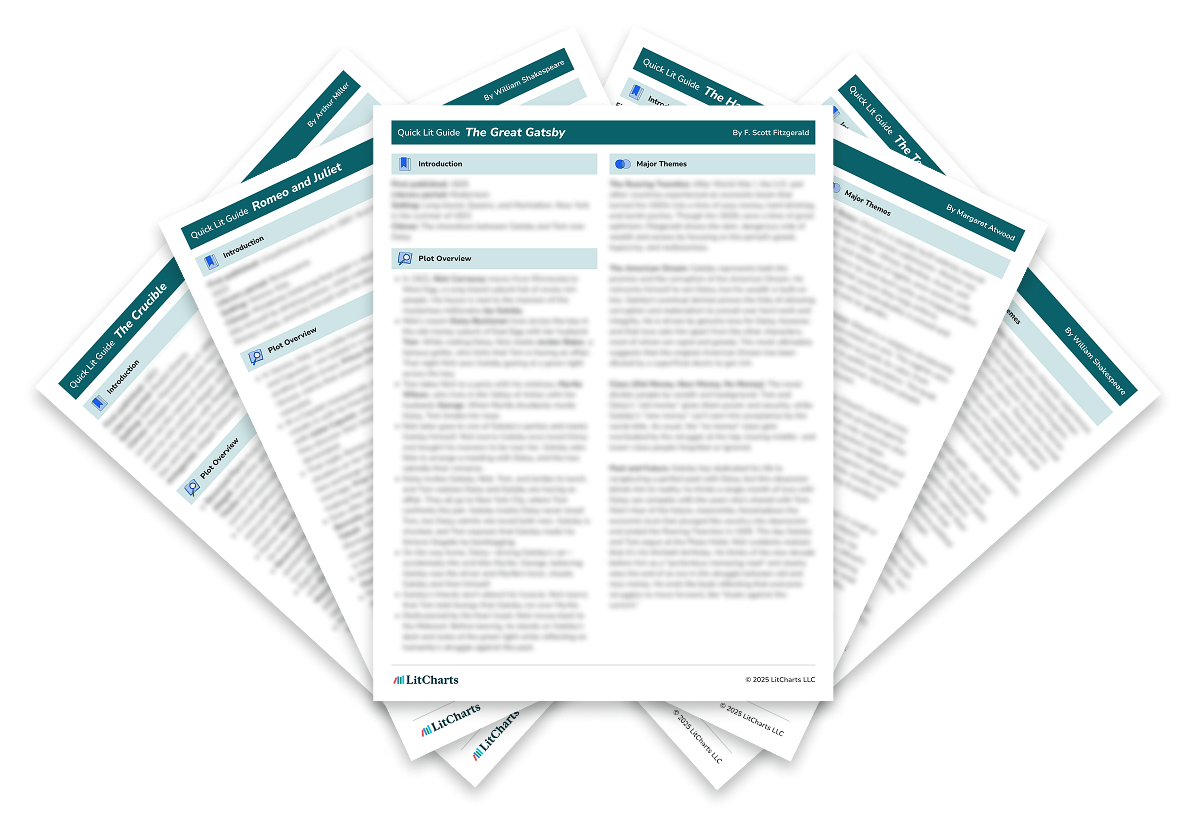
Literature Guide PDFs
LitCharts PDFs for every book you'll read this year.
Instant PDF downloads of all 2240 LitCharts literature guides and of every new one we publish. Try a free sample literature guide.
"Would not have made it through AP Literature without the printable PDFs. They're like having in-class notes for every discussion!"




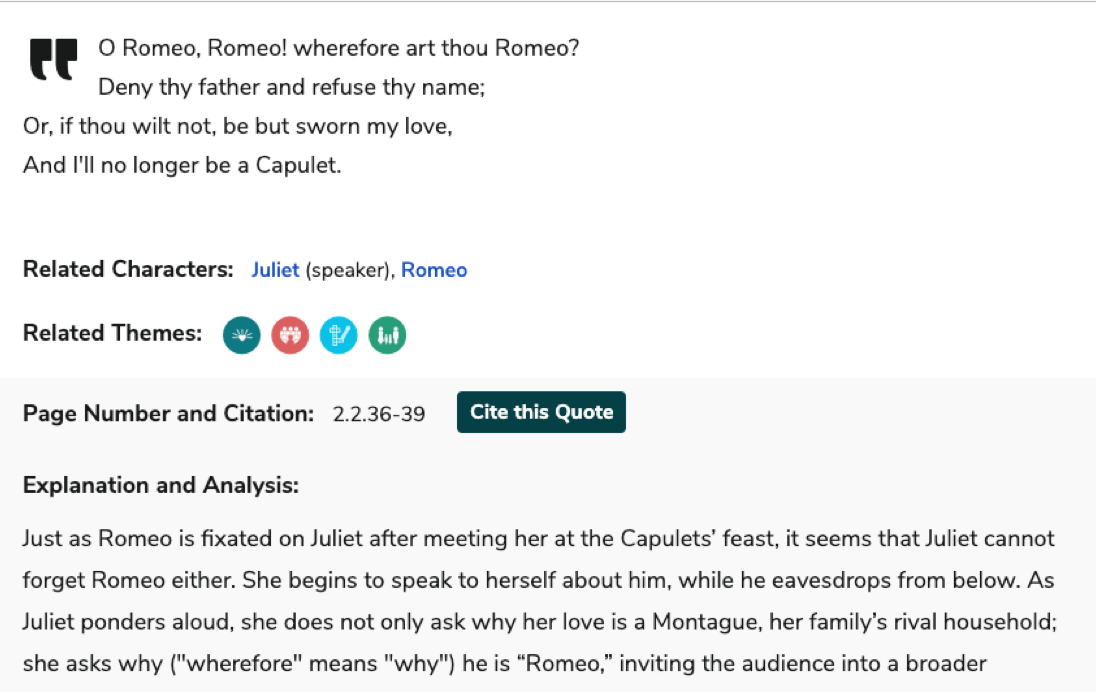
Quotes Explanations
Find the perfect quote. Understand it perfectly. Then rock the citation, too.
For all 49,945 quotes we cover.
For all 49,945 quotes we cover.



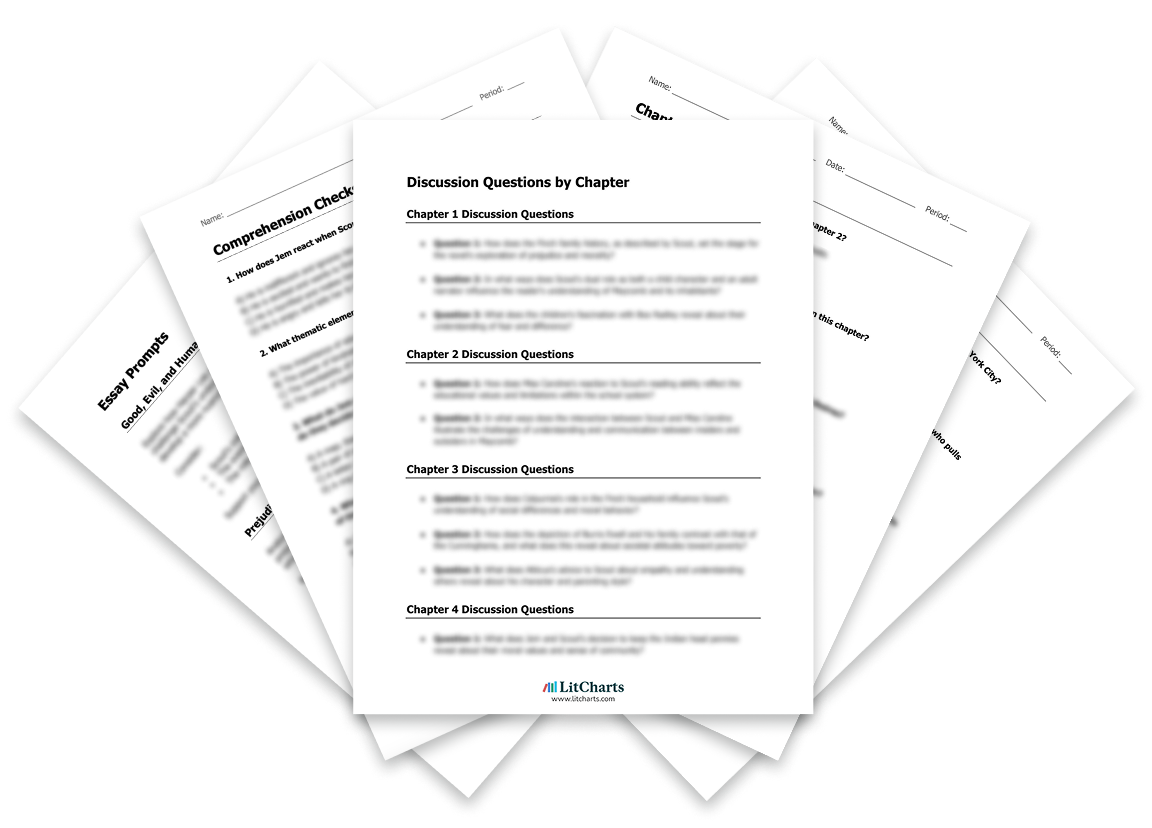
Teacher Editions
Close reading made easy for students.
Time saved for teachers.
For every book we cover.
Time saved for teachers.
For every book we cover.


Common Core-aligned


PDFs of modern translations of every one of Shakespeare's 37 plays, 154 sonnets, and 3 longer poems.

Literary Terms and Devices
Definitions and examples for every literary term and device you need to know.
Plus a quick-reference PDF with concise definitions of all 136 terms in one place.
Plus a quick-reference PDF with concise definitions of all 136 terms in one place.


Try a free sample literary term PDF.


Advanced Search
Refine any search. Find related themes, quotes, symbols, characters, and more.


Related Themes
Comparing and contrasting texts? Find where any theme occurs across all of LitCharts in seconds.



Poetry Guides
Line-by-line explanations and analysis of figurative language and poetic devices.
For every lyric poem we cover.
For every lyric poem we cover.
