
|
Have questions?
Contact us
Already a member? Sign in
|
Get every literary device explanation for To Build a FirePlus so much more...
Sign up for LitCharts A+Get instant access to every literary device explanation, plus so much more...
Imagery
Explanation and Analysis—Confused Senses:
Throughout "To Build a Fire," London mainly uses tactile imagery to emphasize the effects of cold on the man's body: his face and hands grow numb in the cold air, and feeling returns in the form of pain and tingling when he beats his hands or stamps his feet. Of all the senses, touch is perhaps the most instinctual—while visual and auditory information enter the brain through specialized organs like the eyes and ears, tactile information can come from almost anywhere in the body. Touch is also the most reliable sense—while it is fairly easy to misread or mishear something, one is far less likely to "mis-feel."
But once the man begins to freeze to death, he finds himself no longer able to rely on his most basic sense:
The man looked down at his hands in order to locate them, and found them hanging on the ends of his arms. It struck him as curious that one should have to use his eyes in order to find out where his hands were.
London's imagery in this passage showcases how the man's senses have become jumbled, as he sees rather than feels his hands. No longer able to instinctually sense the location of his own limbs, the man must rely on his eyes instead, a task that becomes more difficult as his plight becomes more desperate, until the man feels entirely disconnected from his own body:
It struck him as curious that he could run at all on feet so frozen that he could not feel them when they struck the earth and took the weight of his body. He seemed to himself to skim along above the surface, and to have no connection with the earth.
Enlightenment thinkers in the 17th and 18th centuries valued reason and the evidence of the senses, a way of thinking that carried over into the Naturalist movement. Unlike some other Naturalist authors, however, Jack London seems less confident in humans' ability to truly understand and control the natural world through rational thought. London's unusual use of tactile imagery in "To Build a Fire" shows how environmental forces can render the senses—and therefore scientific knowledge as a whole—unreliable.
Monthly
Annual (Best Value)

$595USD/mo
Charged $71.40 USD every year
 Teacher
$795USD/mo
Charged $95.40 USD every year
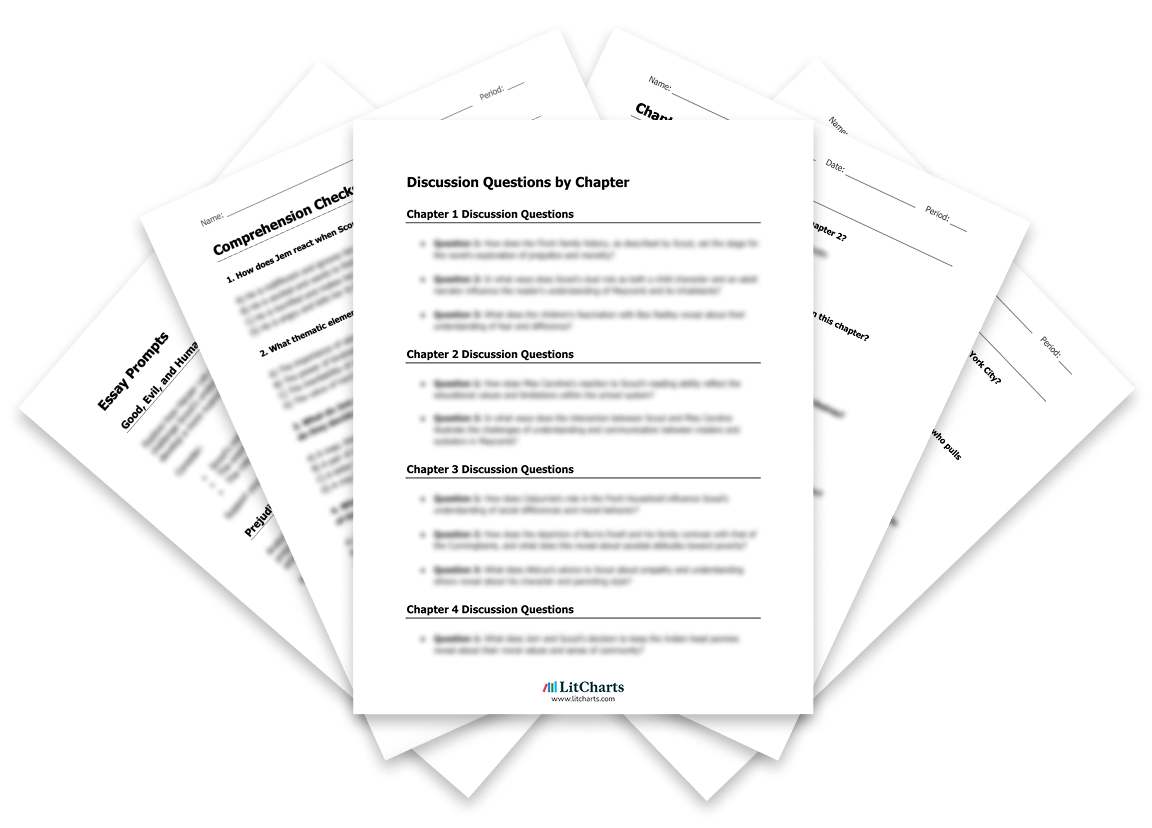


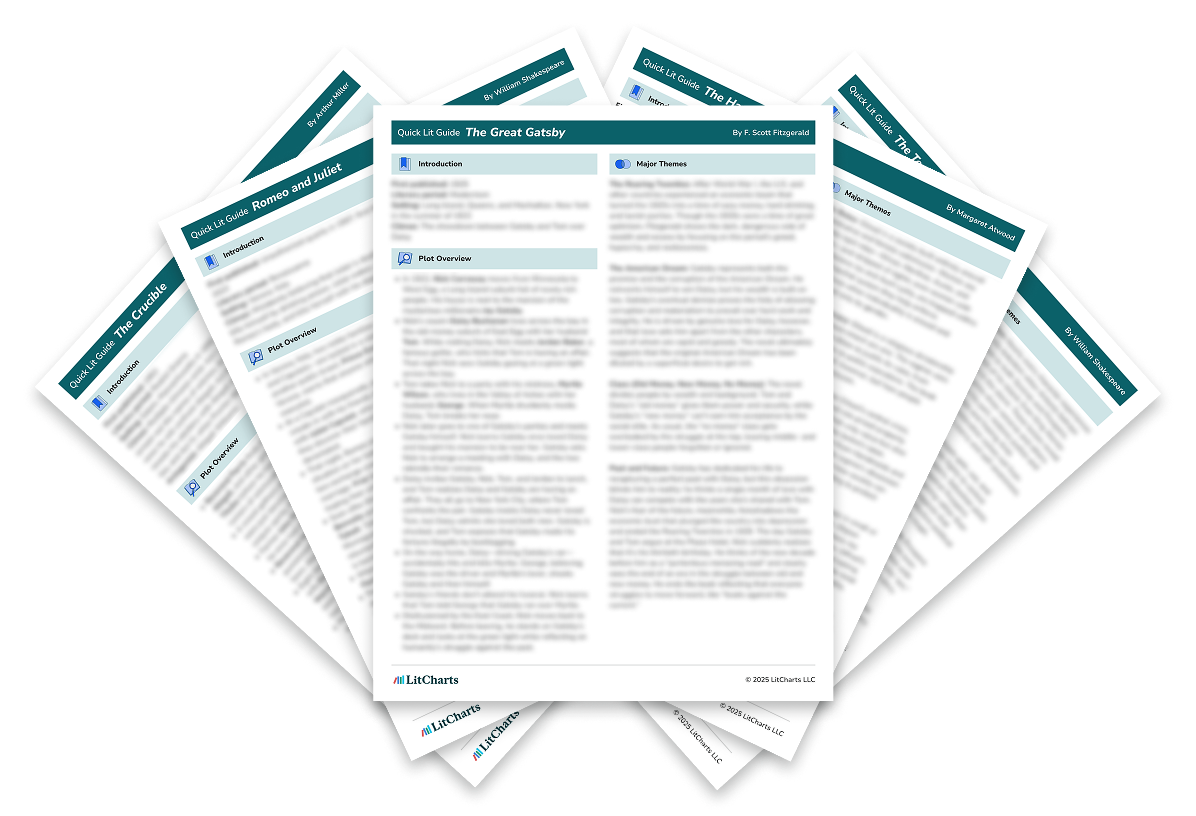
Literature Guide PDFs
LitCharts PDFs for every book you'll read this year.
Instant PDF downloads of all 2247 LitCharts literature guides and of every new one we publish. Try a free sample literature guide.
"Would not have made it through AP Literature without the printable PDFs. They're like having in-class notes for every discussion!"



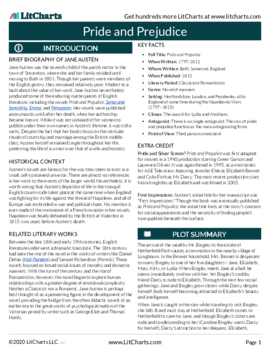


Quotes Explanations
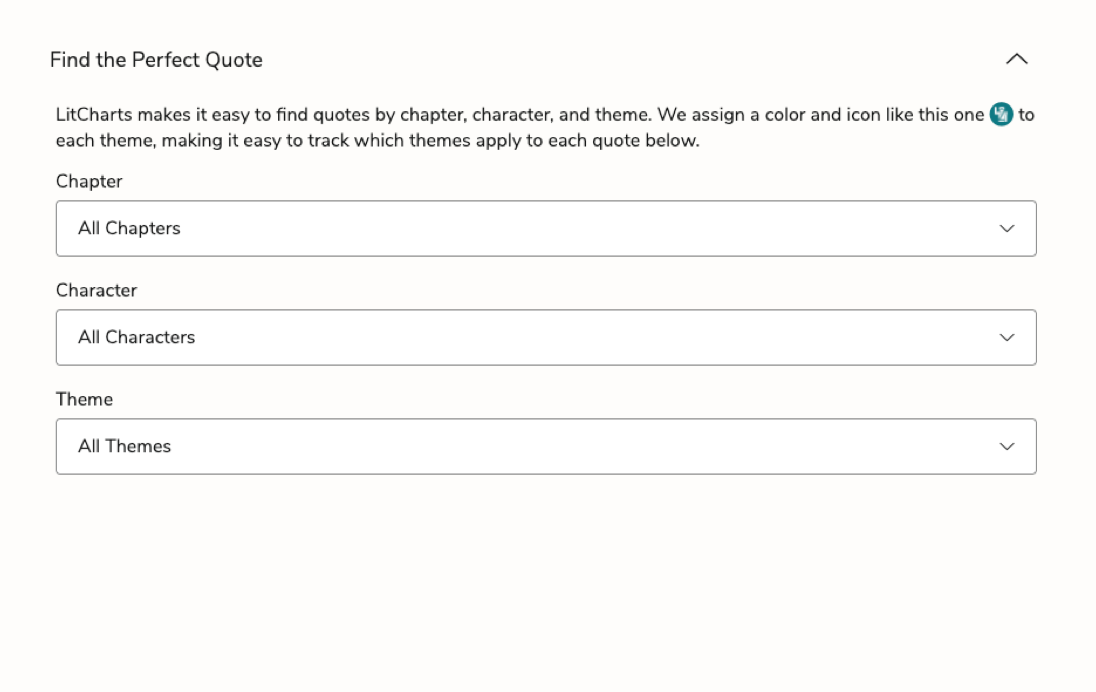
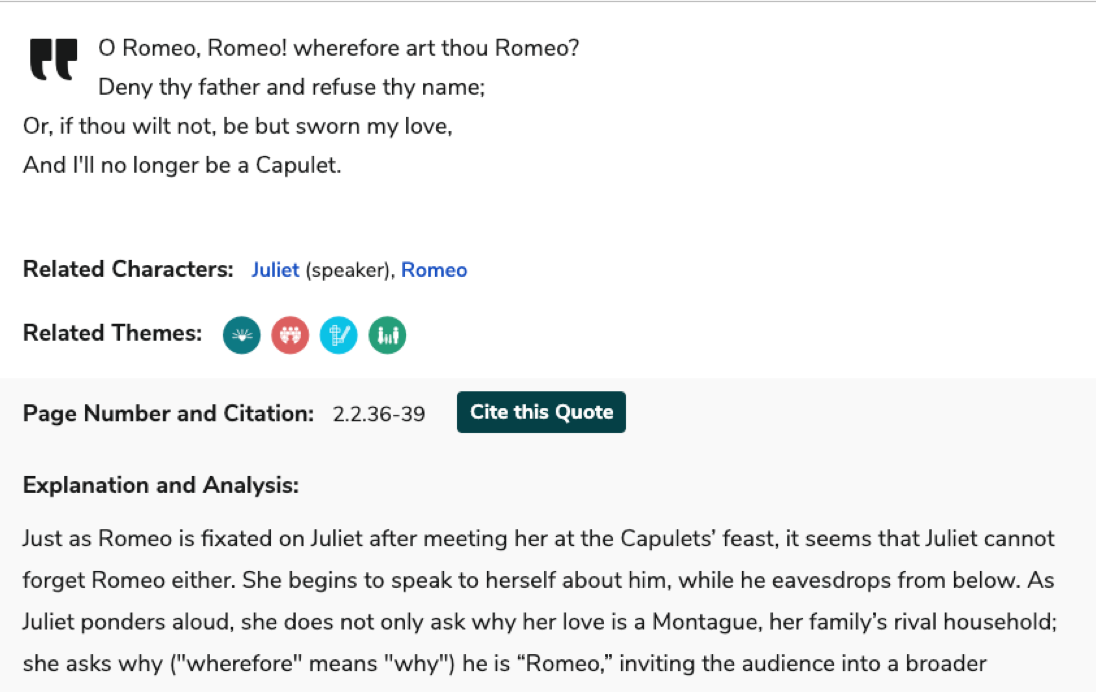
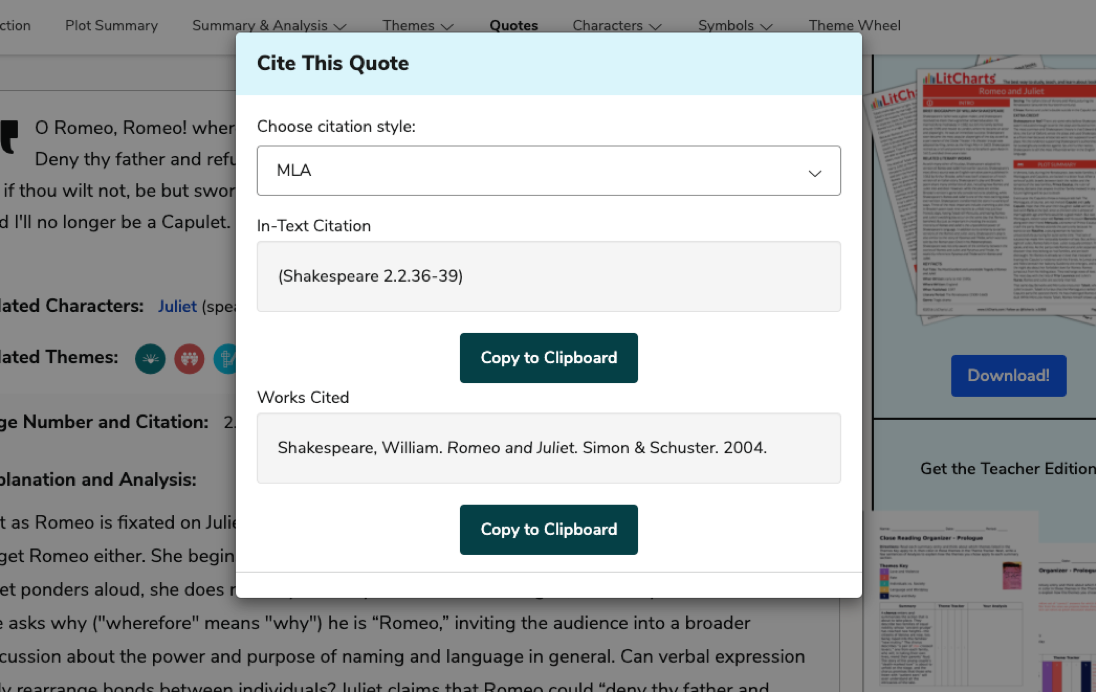
Find the perfect quote. Understand it perfectly. Then rock the citation, too.
For all 50,101 quotes we cover.
For all 50,101 quotes we cover.


Teacher Editions
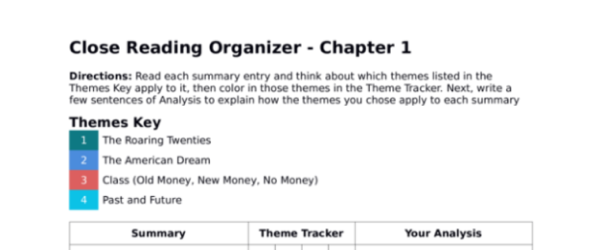
Close reading made easy for students.
Time saved for teachers.
For every book we cover.
Time saved for teachers.
For every book we cover.


Common Core-aligned


PDFs of modern translations of every one of Shakespeare's 37 plays, 154 sonnets, and 3 longer poems.

Literary Terms and Devices
Definitions and examples for every literary term and device you need to know.
Plus a quick-reference PDF with concise definitions of all 136 terms in one place.
Plus a quick-reference PDF with concise definitions of all 136 terms in one place.
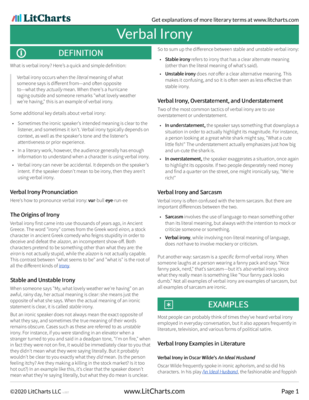
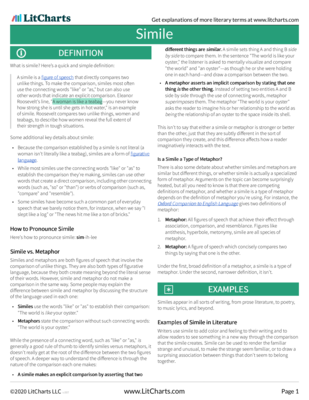
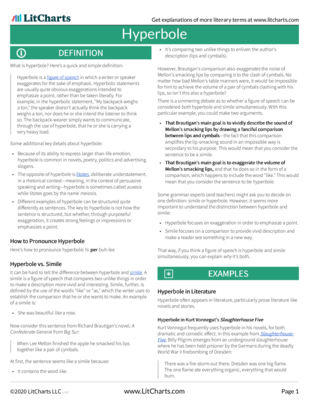
Try a free sample literary term PDF.


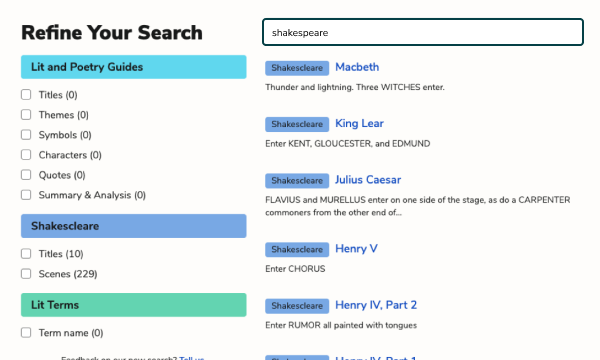
Advanced Search
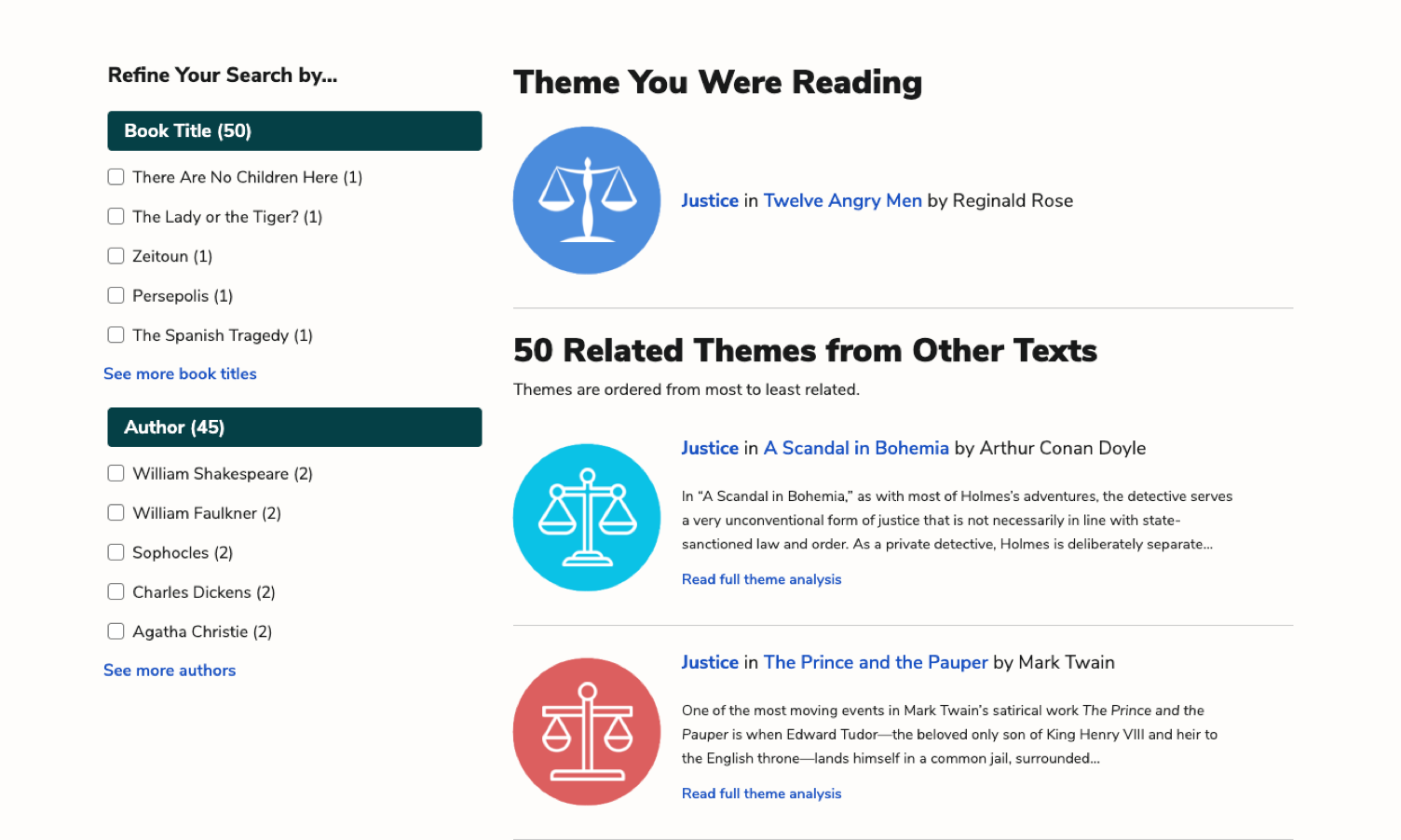
Refine any search. Find related themes, quotes, symbols, characters, and more.
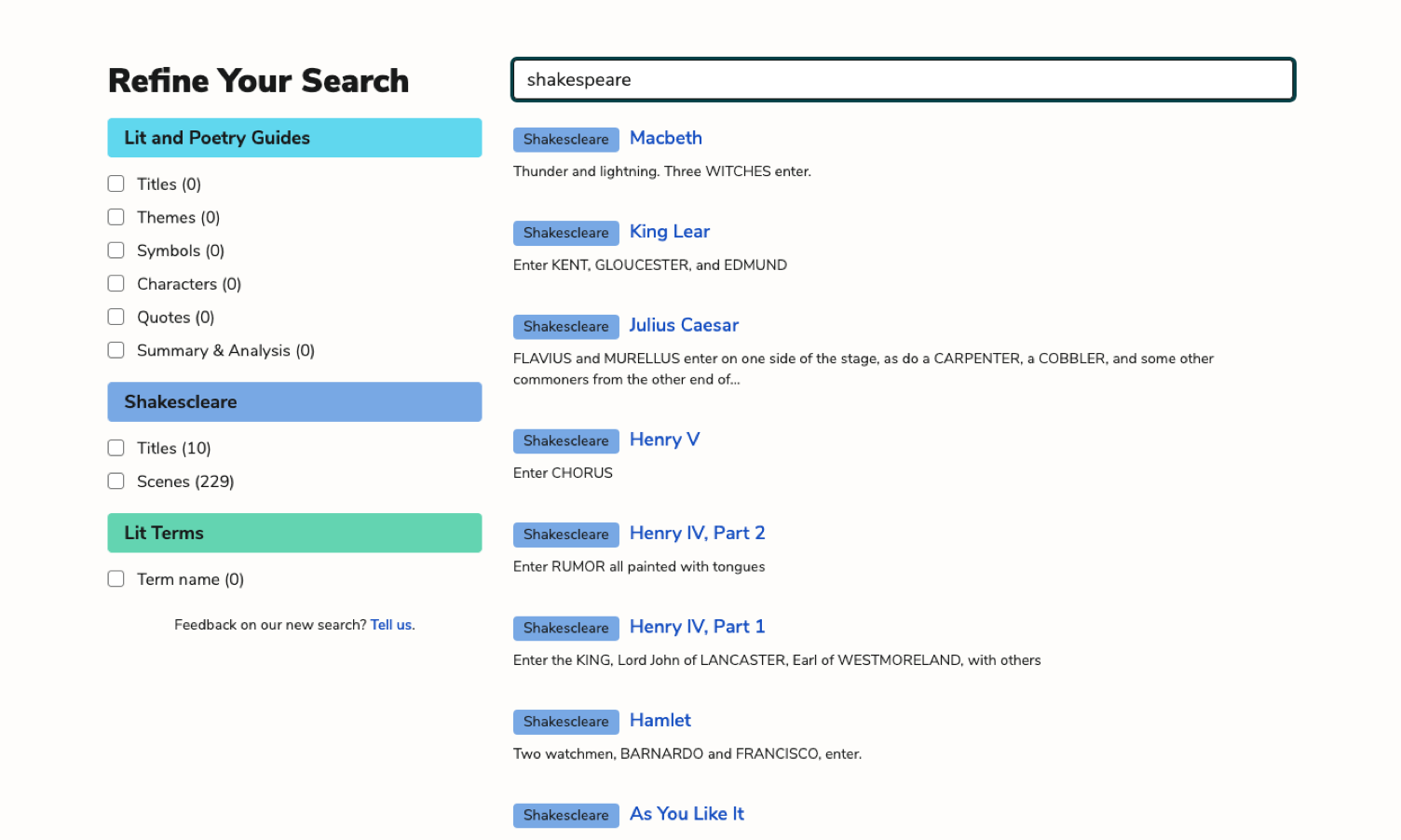
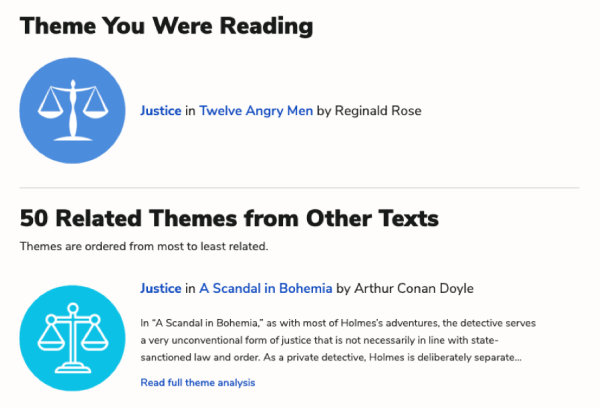
Related Themes
Comparing and contrasting texts? Find where any theme occurs across all of LitCharts in seconds.


Poetry Guides
Line-by-line explanations and analysis of figurative language and poetic devices.
For every lyric poem we cover.
For every lyric poem we cover.