
|
Have questions?
Contact us
Already a member? Sign in
|
Get every literary device explanation for CeremonyPlus so much more...
Sign up for LitCharts A+Get instant access to every literary device explanation, plus so much more...
Irony
Explanation and Analysis—Counting the Crosses:
In Section 2, Tayo reflects on his relationship with Auntie, Rocky's mother. Auntie takes care of Tayo in the wake of his release from the veteran's hospital. This kindness is unfortunately tinged with derision, as Tayo acknowledges the situational irony of Auntie's caretaking:
[Auntie] had always watched [Tayo] more closely than Rocky, because Rocky had been her own son and it had been her duty to raise him. Those who measured life by counting the crosses would not count her sacrifices for Rocky the way they counted her sacrifices for her dead sister’s half-breed child.
One might expect Auntie to look after her own son, Rocky, with more care than she would attend to her nephew. Ironically, Auntie "always watched [Tayo] more closely than Rocky," not because she cared more for Tayo or didn't care for Rocky, but because of the social capital she could acquire through charity by taking her "poor" nephew under her wing.
Silko's critique of Auntie in this passage extends beyond one character, serving as a general condemnation of Christian hypocrisy and misplaced righteousness. Her motivations are askew, centered on her own benefit rather than the core principle of loving one's neighbor (or nephew) as oneself. Auntie's charity is selfish, hence Tayo and Silko's critique of her "care."
Monthly
Annual (Best Value)

$595USD/mo
Charged $71.40 USD every year
 Teacher
$795USD/mo
Charged $95.40 USD every year
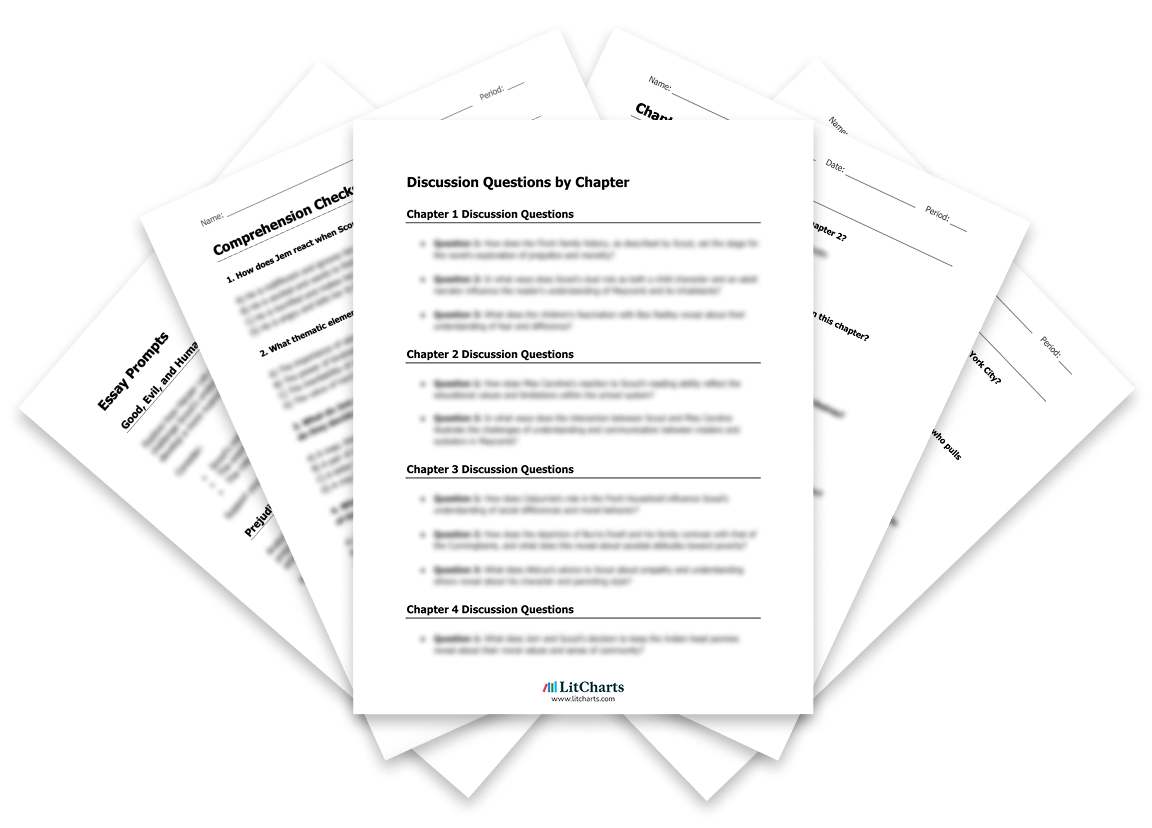


Literature Guide PDFs
LitCharts PDFs for every book you'll read this year.
Instant PDF downloads of all 2247 LitCharts literature guides and of every new one we publish. Try a free sample literature guide.
"Would not have made it through AP Literature without the printable PDFs. They're like having in-class notes for every discussion!"






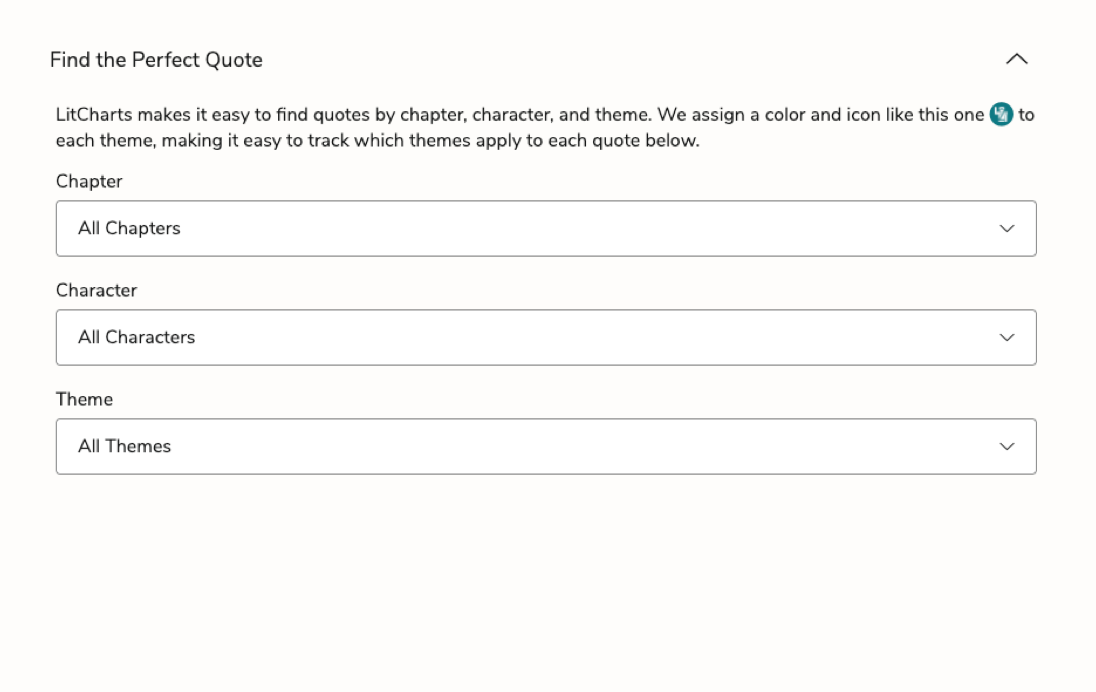
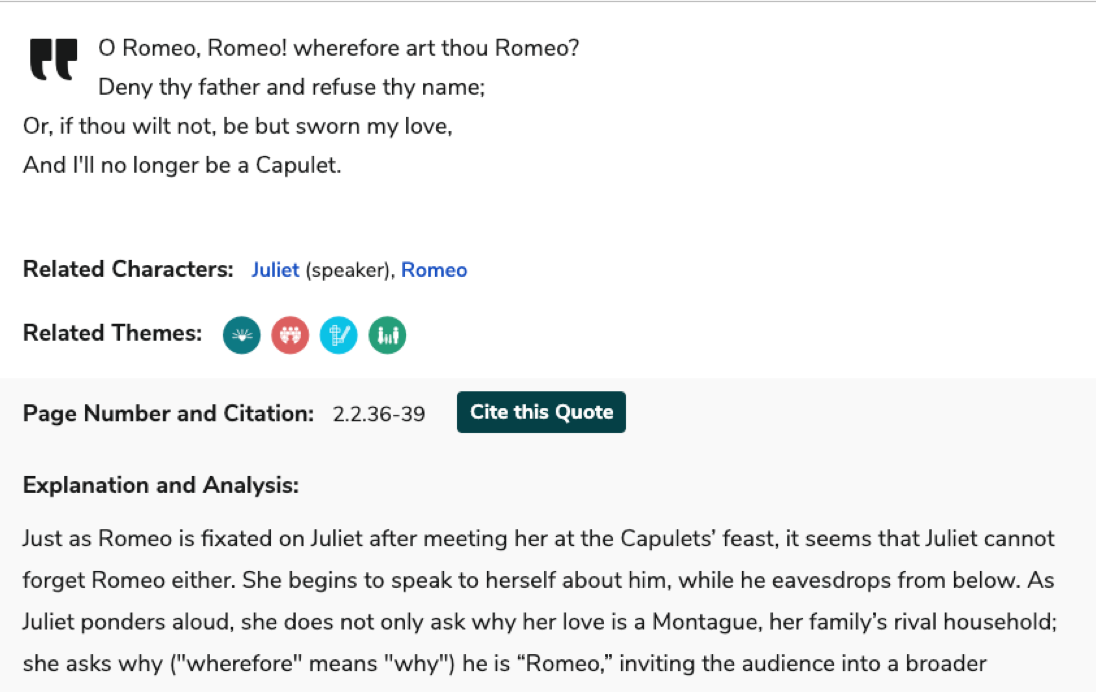
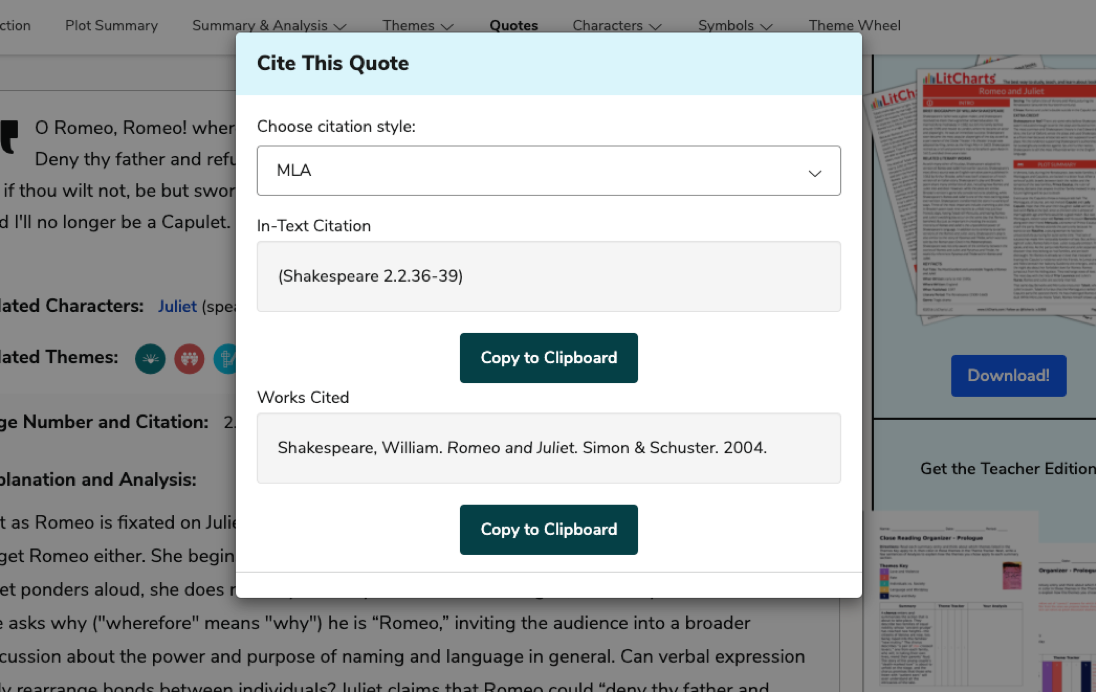
Quotes Explanations
Find the perfect quote. Understand it perfectly. Then rock the citation, too.
For all 50,101 quotes we cover.
For all 50,101 quotes we cover.


Teacher Editions
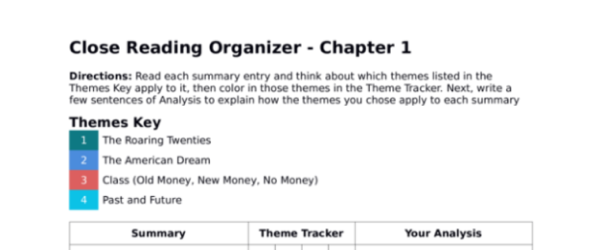
Close reading made easy for students.
Time saved for teachers.
For every book we cover.
Time saved for teachers.
For every book we cover.


Common Core-aligned


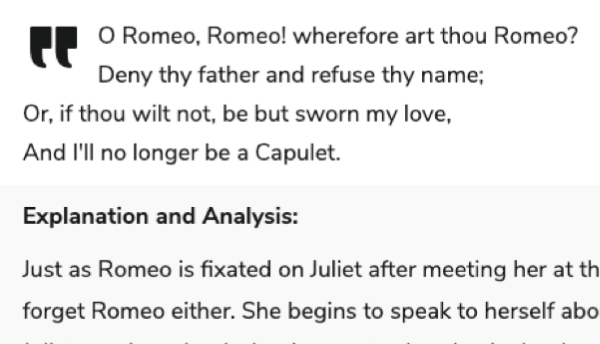
PDFs of modern translations of every one of Shakespeare's 37 plays, 154 sonnets, and 3 longer poems.

Literary Terms and Devices
Definitions and examples for every literary term and device you need to know.
Plus a quick-reference PDF with concise definitions of all 136 terms in one place.
Plus a quick-reference PDF with concise definitions of all 136 terms in one place.
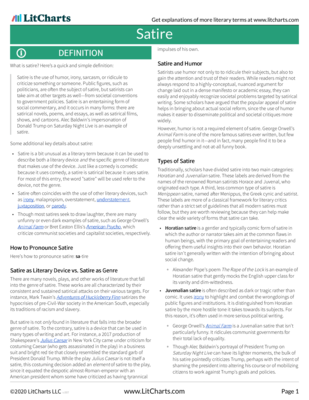
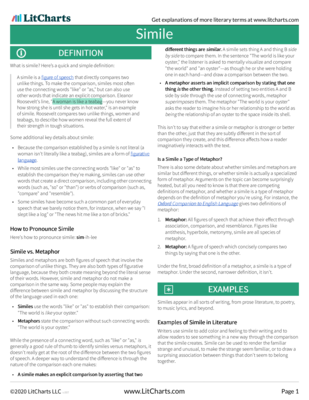
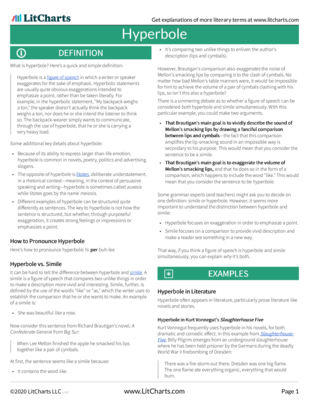
Try a free sample literary term PDF.


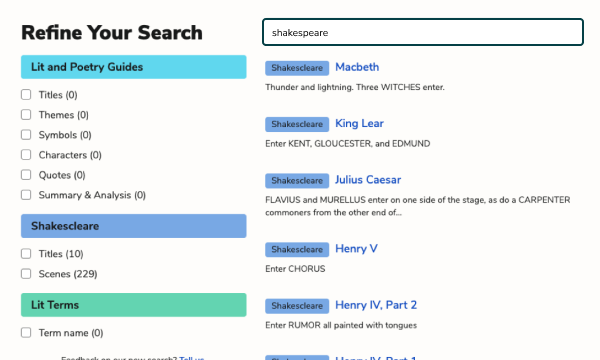
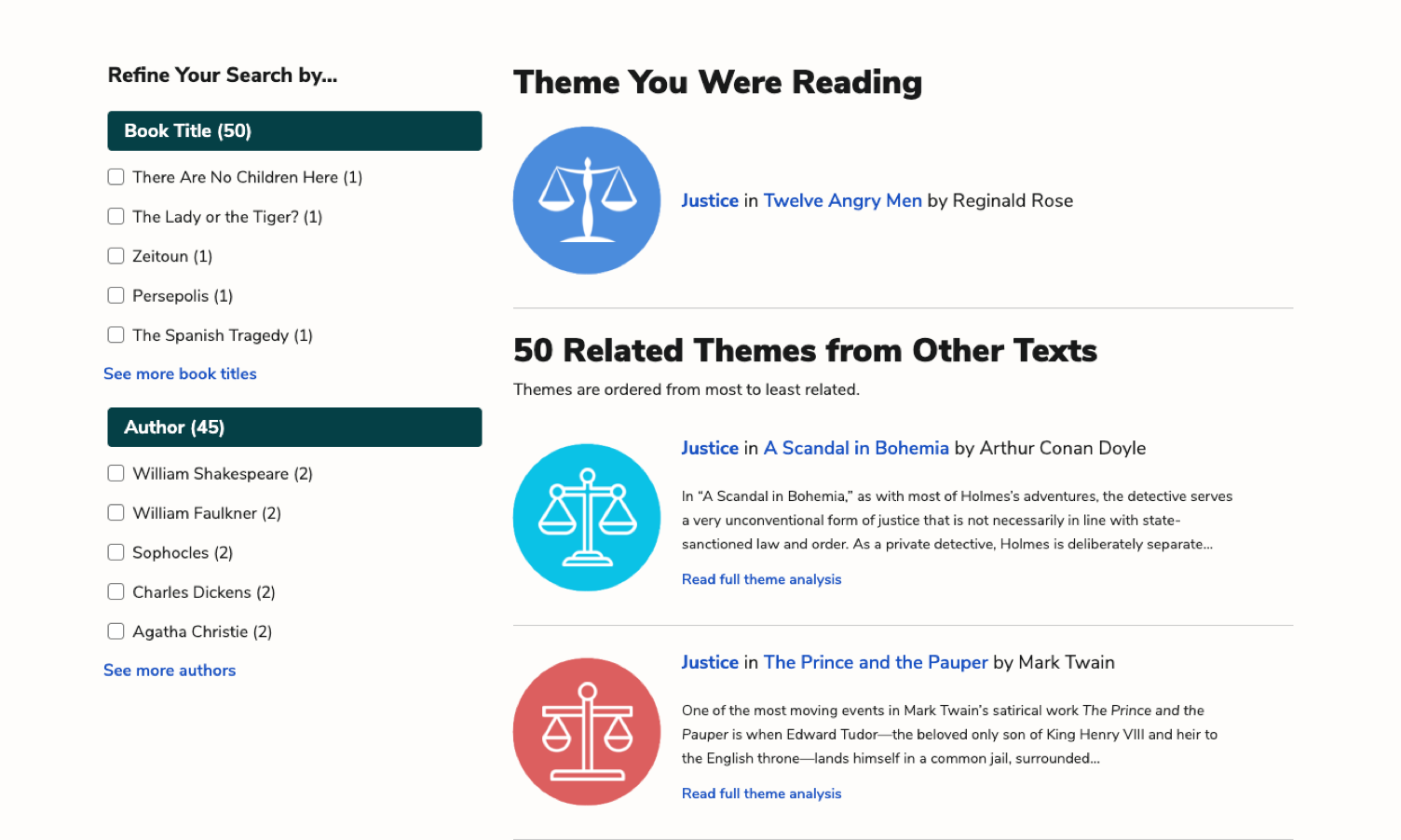
Advanced Search
Refine any search. Find related themes, quotes, symbols, characters, and more.
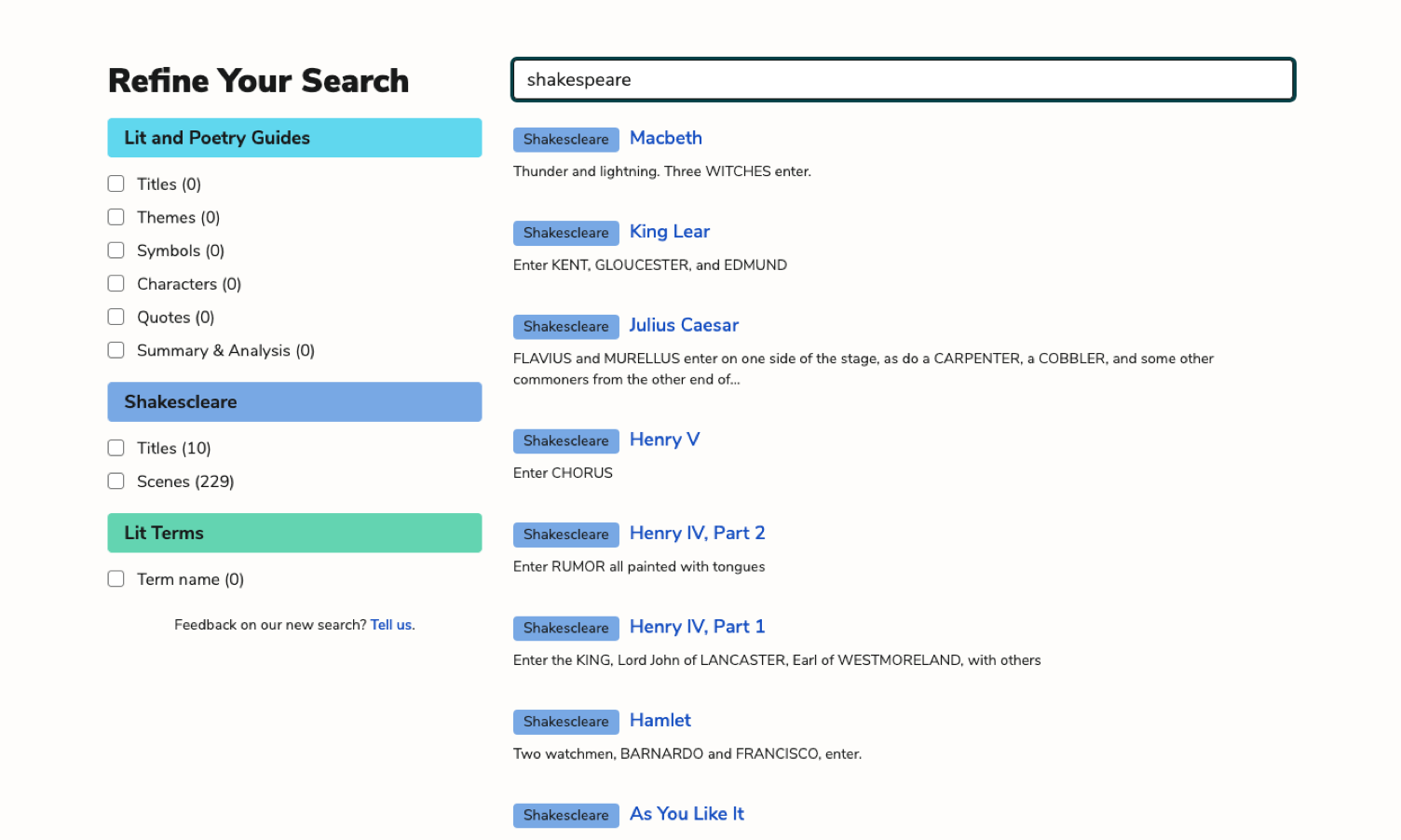

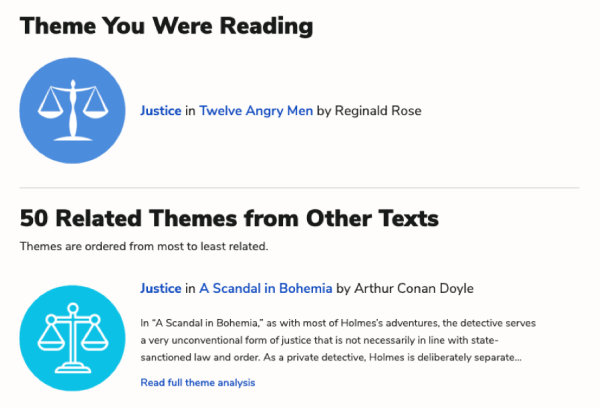
Related Themes
Comparing and contrasting texts? Find where any theme occurs across all of LitCharts in seconds.


Poetry Guides
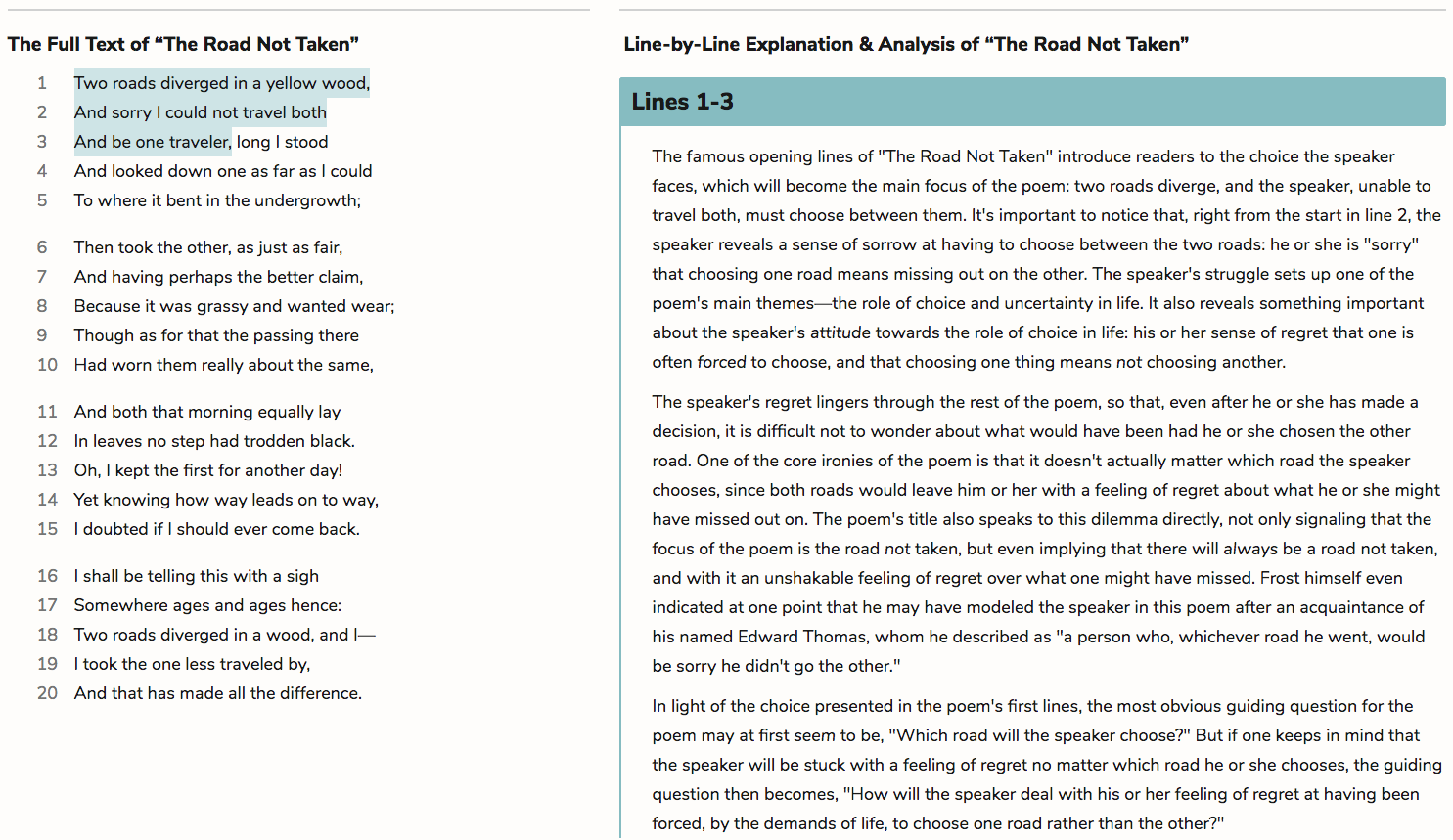
Line-by-line explanations and analysis of figurative language and poetic devices.
For every lyric poem we cover.
For every lyric poem we cover.