
|
Have questions?
Contact us
Already a member? Sign in
|
Get every literary device explanation for FencesPlus so much more...
Sign up for LitCharts A+Get instant access to every literary device explanation, plus so much more...
Irony
Explanation and Analysis—Two Hundred Miles:
Troy is a known exaggerator and unreliable narrator of his own life. Wilson explores the drawbacks of this trait through dramatic irony in Act 1: Scene 4, when the audience realizes that Lyons is no more sure than they (the audience members) are regarding when to believe Troy's biographical stories:
TROY: I got up from the creek and walked on down to Mobile. I was through with farming. Figured I could do better in the city. So I walked the two hundred miles to Mobile.
LYONS: Wait a minute . . . you ain’t walked no two hundred miles, Pop. Ain’t nobody gonna walk no two hundred miles. You talking about some walking there.
BONO: That’s the only way you got anywhere back in them days.
LYONS: Shhh. Damn if I wouldn’t have hitched a ride with somebody!
Lyons immediately clocks that 200 miles is an absurd distance to walk. His first assumption is that Troy is lying, a suspicion that is founded in reason. After all, the very first line in the play is Bono's admonition that, "Troy, you ought to stop that lying!" Lying for dramatic effect is part of Troy's personality. It takes Bono's confirmation that "That's the only way you got anywhere back in them days" to convince Lyons that Troy did in fact escape his father's abusive household at 14 by walking 200 miles to Mobile to start over. The absurdity is not Troy's claim, but rather the fact that he had to endure such hardship when he was so young.
Troy often uses humorous exaggeration as an emotional shield. Bragging and fibbing can give him a kind of swagger within a life that is more modest than he wants for himself. He may collect garbage instead of playing professional baseball, but he can enjoy telling everyone that he would have been better than all the rest if he had only been allowed into the league. In this moment, however, his unreliability as a narrator makes him all the more tragic. Lyons and the audience both need Bono to confirm the real tribulation that he endured when he was young. Without an intermediary to back him up, the assumption even Troy's son defaults to is that the man is making himself out to be more special and heroic than he actually is. Troy's tendency to self-aggrandize thus backfires on him, destroying his son's chance to know or respect him on his own merits.
Monthly
Annual (Best Value)

$595USD/mo
Charged $71.40 USD every year
 Teacher
$795USD/mo
Charged $95.40 USD every year
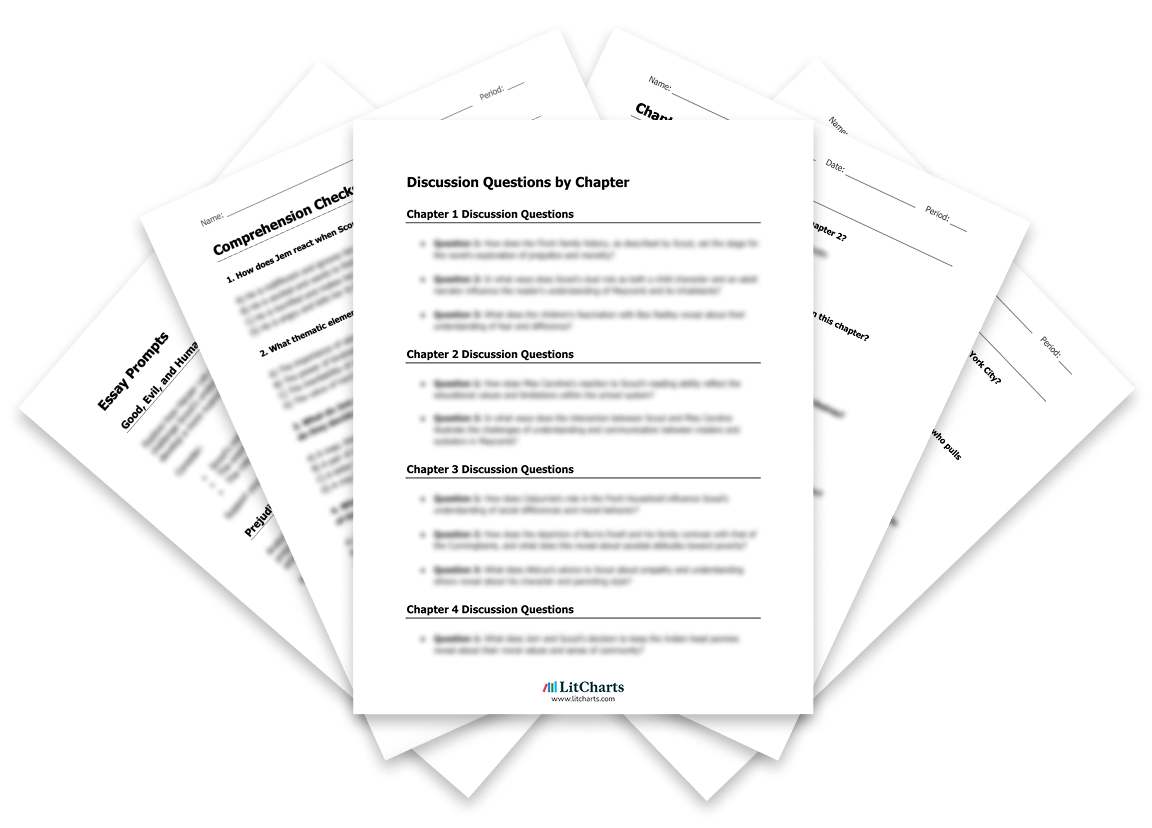


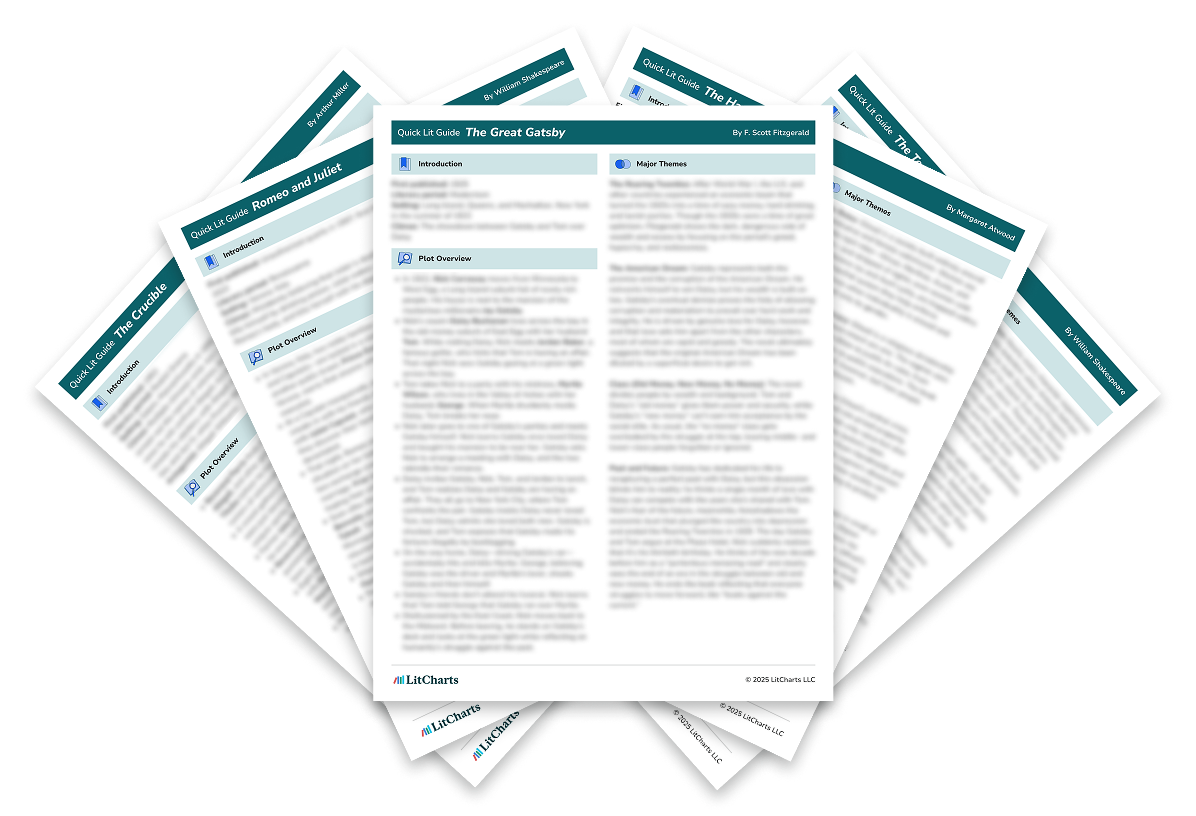
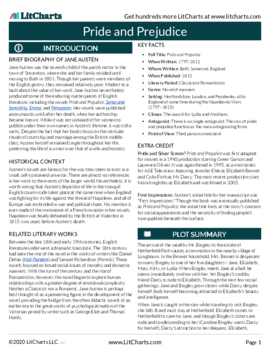
Literature Guide PDFs
LitCharts PDFs for every book you'll read this year.
Instant PDF downloads of all 2247 LitCharts literature guides and of every new one we publish. Try a free sample literature guide.
"Would not have made it through AP Literature without the printable PDFs. They're like having in-class notes for every discussion!"





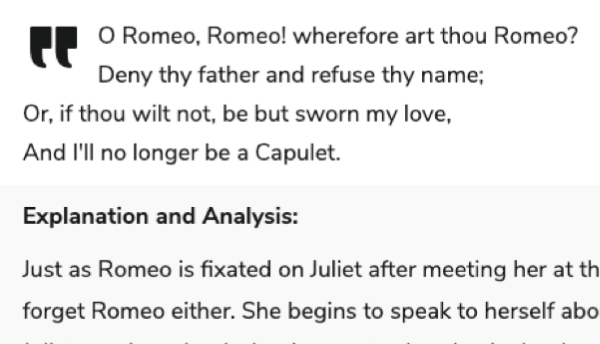
Quotes Explanations
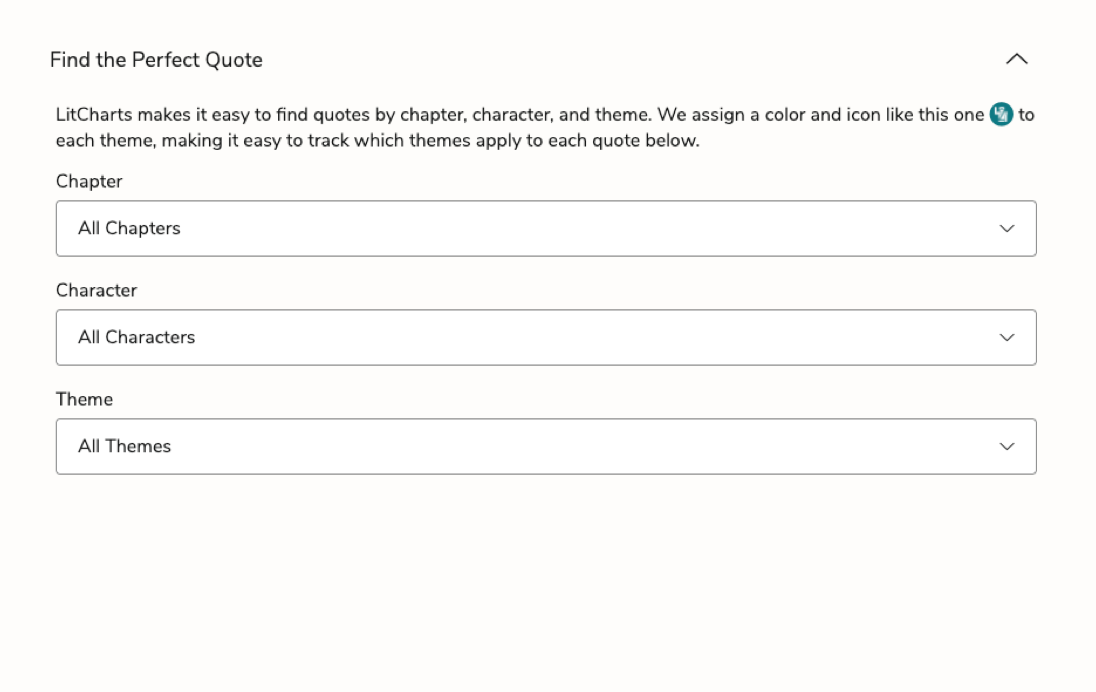
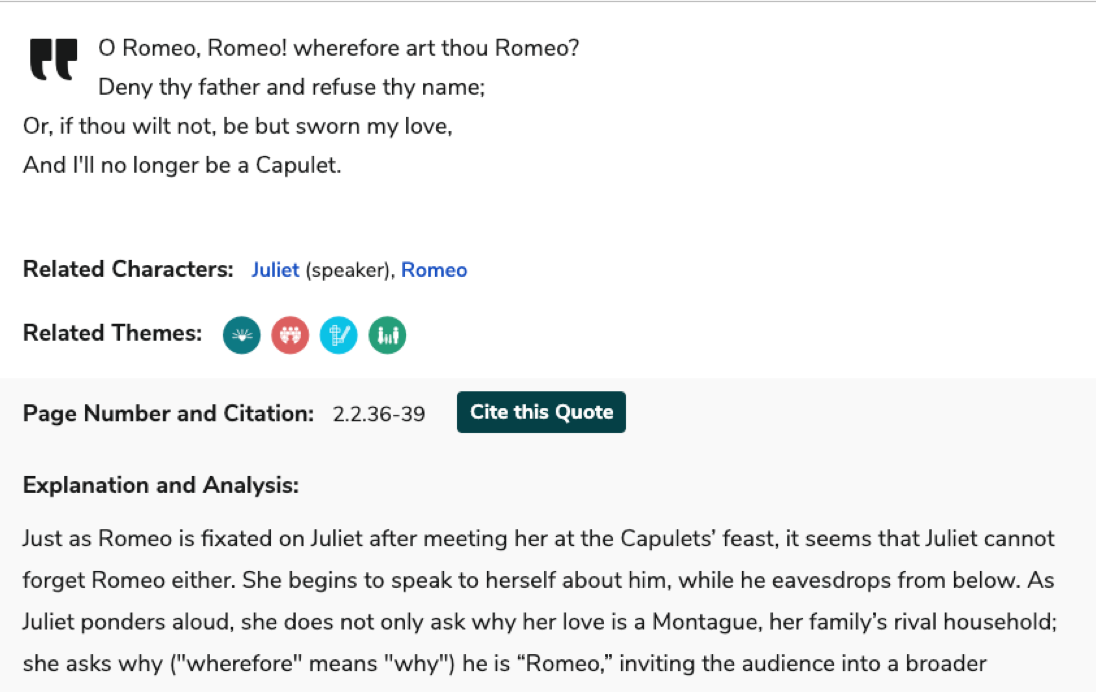
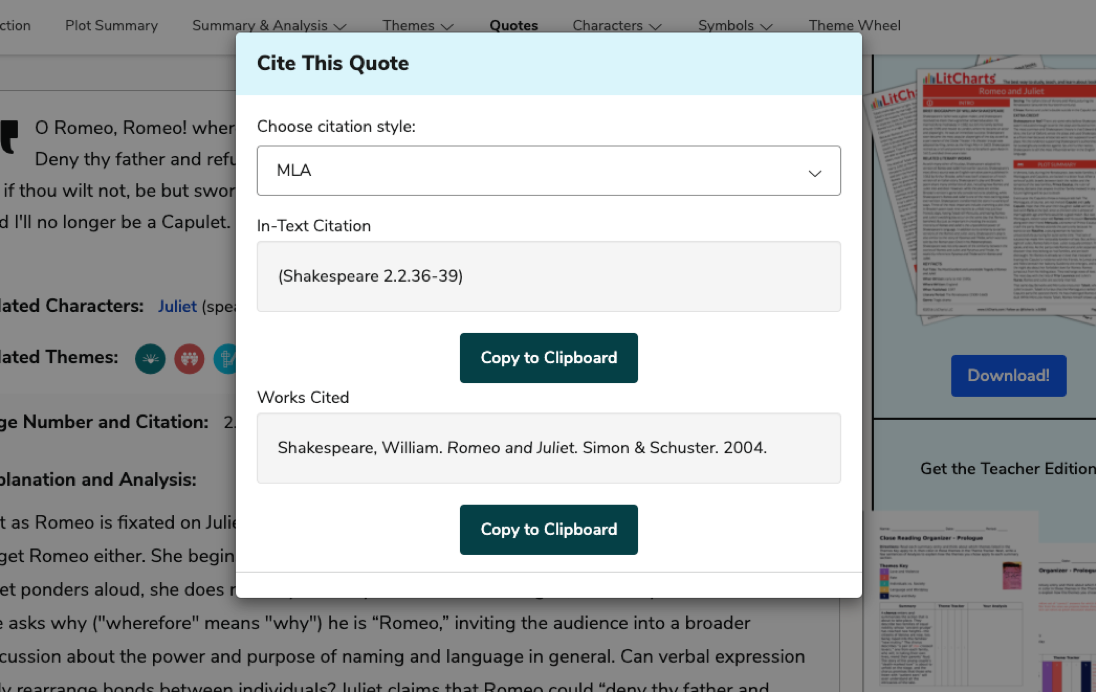
Find the perfect quote. Understand it perfectly. Then rock the citation, too.
For all 50,101 quotes we cover.
For all 50,101 quotes we cover.


Teacher Editions
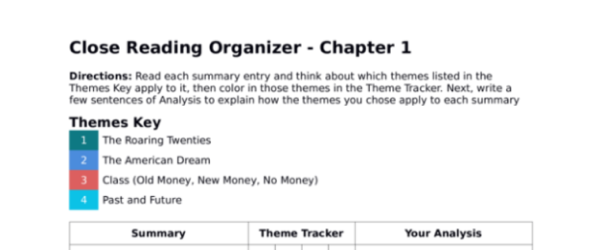
Close reading made easy for students.
Time saved for teachers.
For every book we cover.
Time saved for teachers.
For every book we cover.


Common Core-aligned


PDFs of modern translations of every one of Shakespeare's 37 plays, 154 sonnets, and 3 longer poems.

Literary Terms and Devices
Definitions and examples for every literary term and device you need to know.
Plus a quick-reference PDF with concise definitions of all 136 terms in one place.
Plus a quick-reference PDF with concise definitions of all 136 terms in one place.
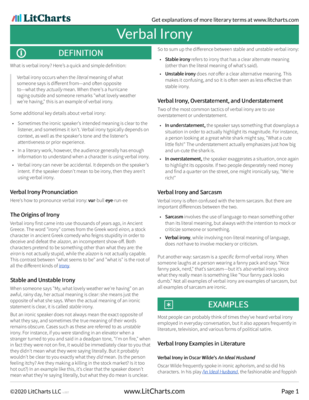
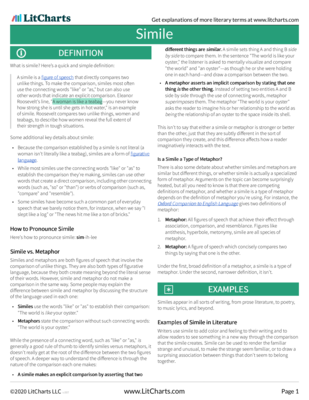
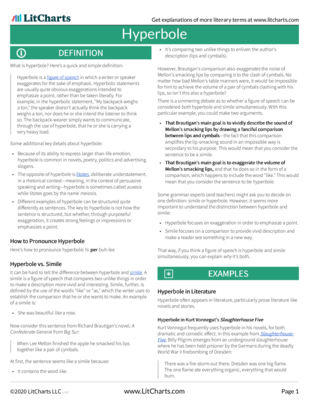
Try a free sample literary term PDF.


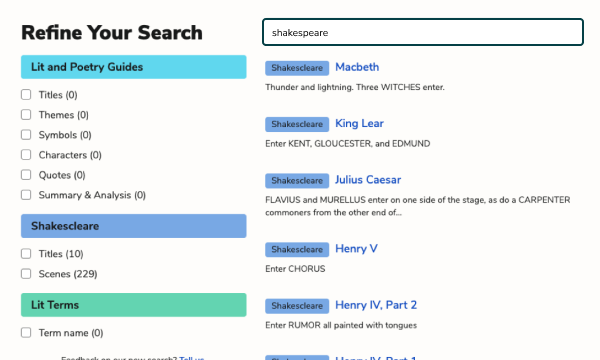
Advanced Search
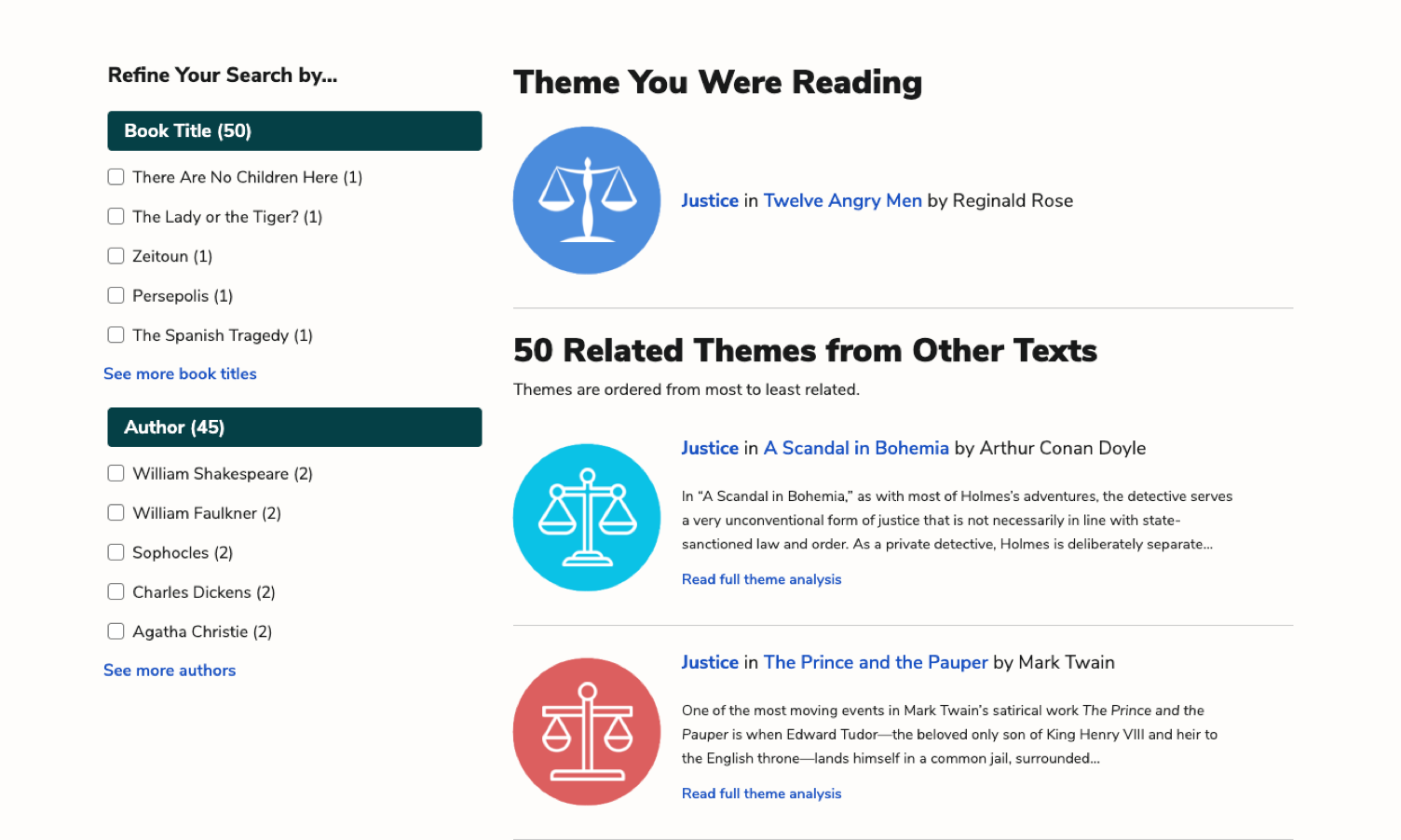
Refine any search. Find related themes, quotes, symbols, characters, and more.
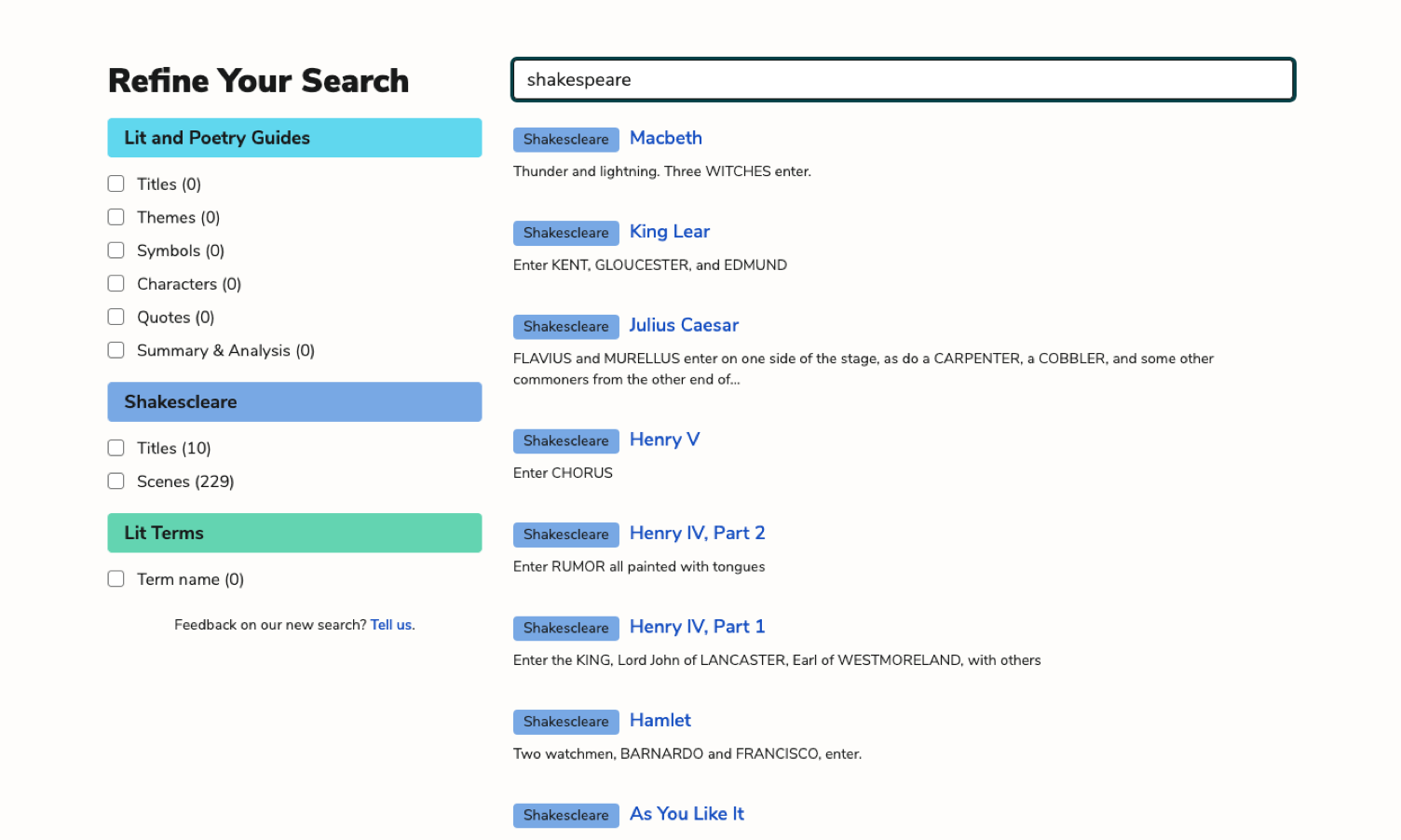

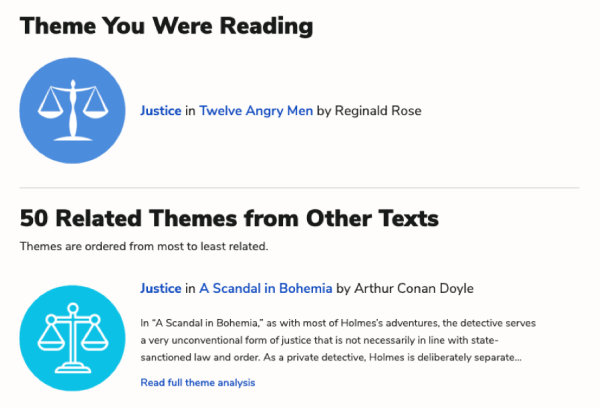
Related Themes
Comparing and contrasting texts? Find where any theme occurs across all of LitCharts in seconds.


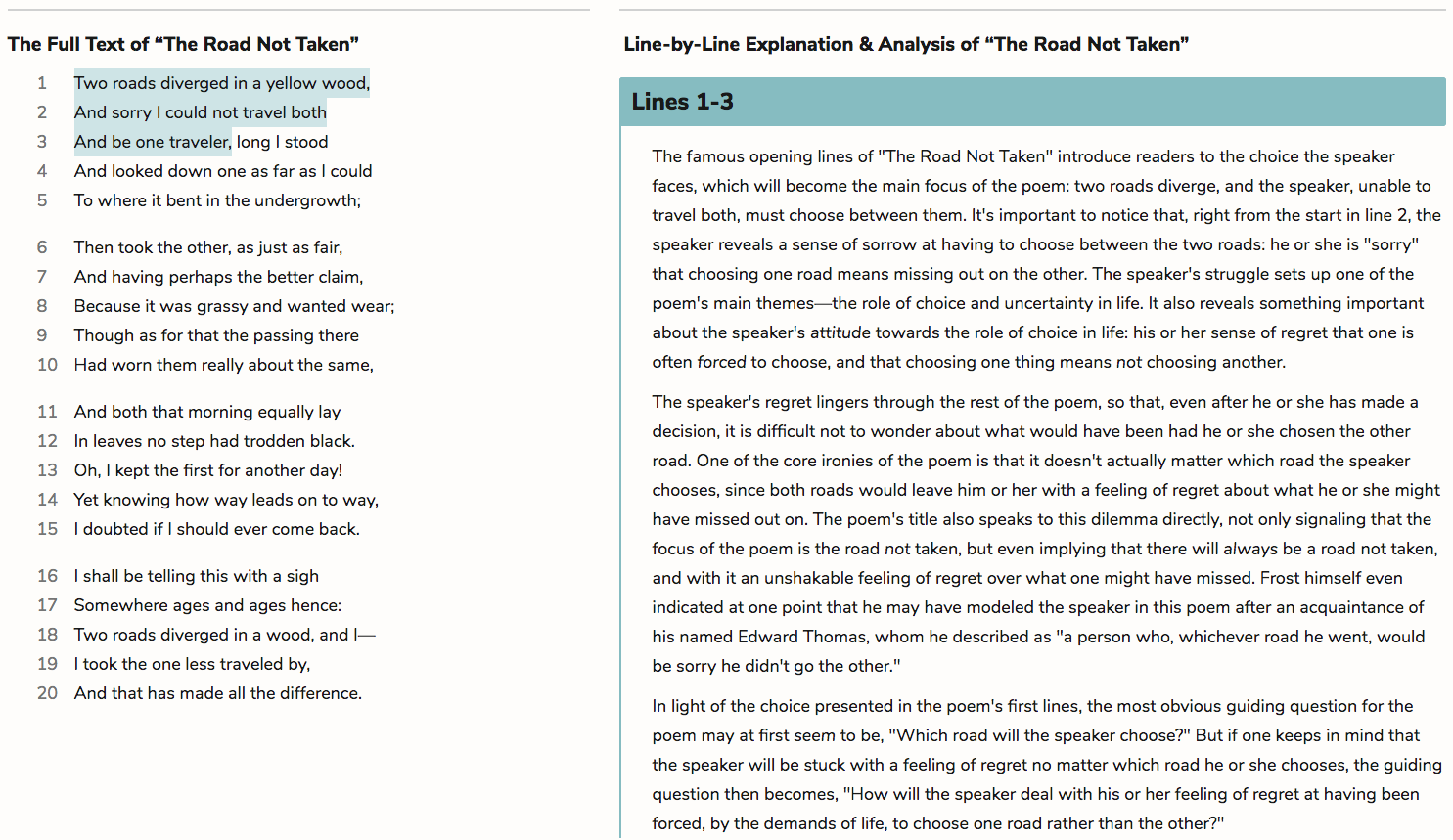
Poetry Guides
Line-by-line explanations and analysis of figurative language and poetic devices.
For every lyric poem we cover.
For every lyric poem we cover.