
|
Have questions?
Contact us
Already a member? Sign in
|
Get every literary device explanation for Half Broke Horses
Plus so much more...
Sign up for LitCharts A+
Get instant access to every literary device explanation, plus so much more...
Irony
Explanation and Analysis—A Fake Cowboy:
In Chapter 7, three men come to look at the Garden of Eden ranch, with the men reacting to Jim and the ranch by comparing it to the fake ranches they've seen in movies, leading to situational irony in their exchange:
In the middle of our tour, Gaiters stopped and looked at Jim as if seeing him for the first time. “So you’re the manager?” he asked.
“Yes, sir.”
"Funny, you don’t look like a cowboy.”
Jim was wearing what he always wore: a long-sleeve shirt, dirty jeans with the cuffs turned up, and round-toed work boots. He looked at me and shrugged.
Gaiters studied the weathered gray outbuildings with his hands on his hips. “And this doesn’t look like a ranch,” he said.
“Well, that’s what it is,” Jim said.
This passage is an example of situational irony because Gaiters is criticizing Jim for not looking like a movie cowboy and for his ranch not looking like a movie ranch. The reader knows that Jim is a genuine cowboy and rancher, but instead of accepting that, Gaiters, who is a fake rancher, is accusing a real cowboy of not being "authentic enough."
This exchange is a prime example of the difference between stereotypical ranch life, which is seen in movies, and the actual life that Lily, Jim, and their family lead. There is further irony in the fact that technological changes soon come to usurp Lily and Jim's lives as authentic ranchers. They are forced to change their lives for a society that increasingly promotes entertainment over necessity. Despite their best efforts, they cannot buy the ranch and are forced to move to Phoenix, so that the fake ranchers can take over the Garden of Eden.
Monthly
Annual (Best Value)

$595USD/mo
Charged $71.40 USD every year
 Teacher
$795USD/mo
Charged $95.40 USD every year
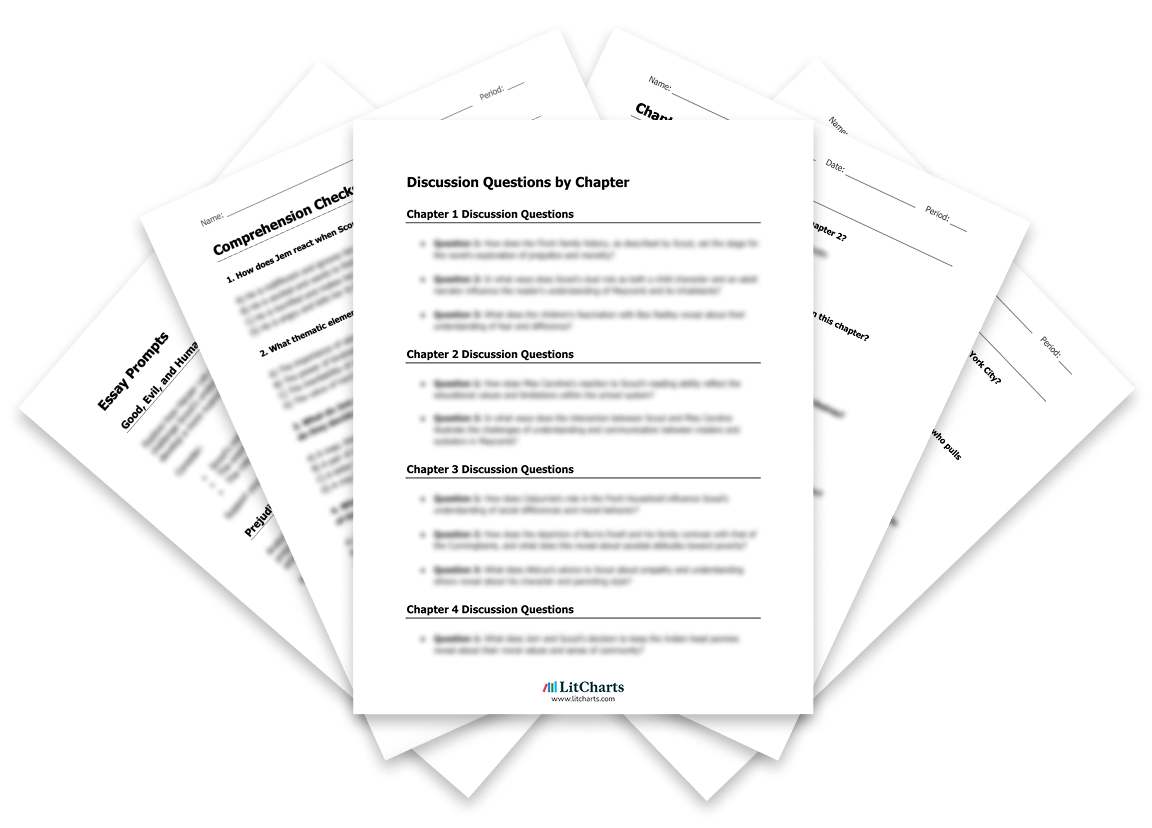
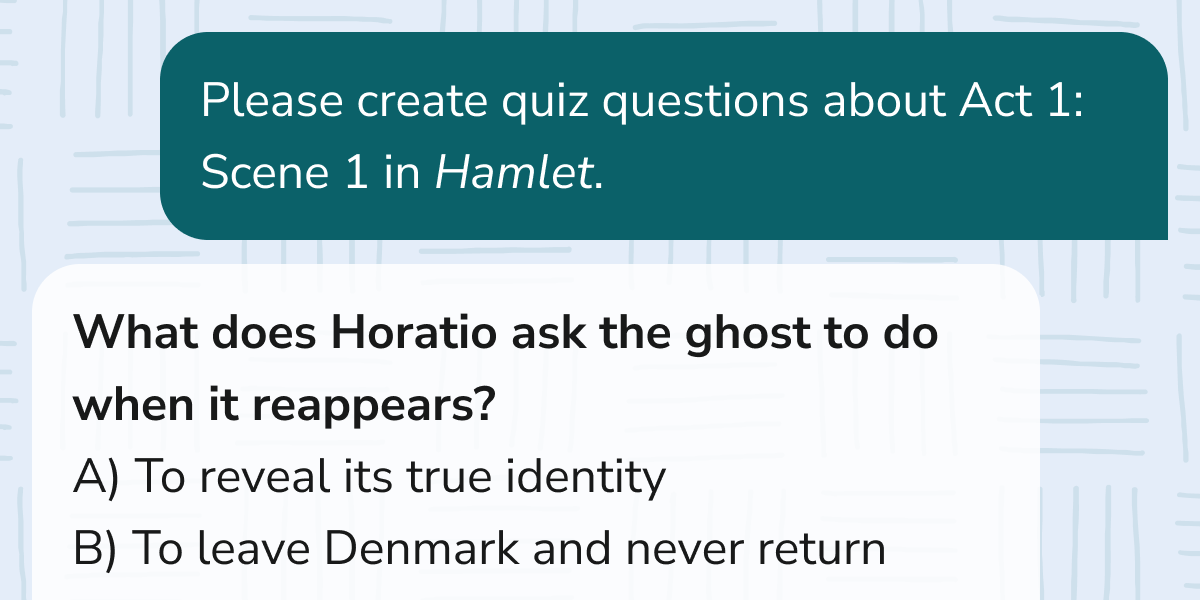


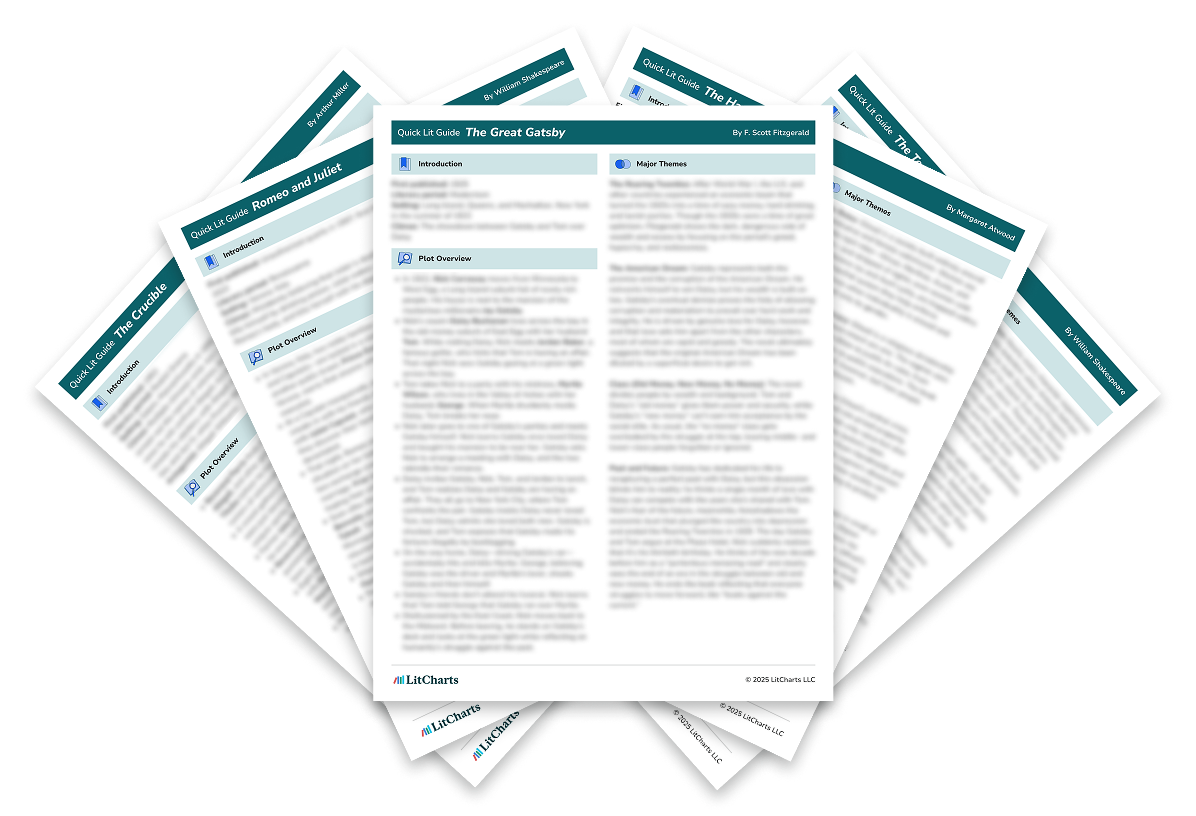
Literature Guide PDFs
LitCharts PDFs for every book you'll read this year.
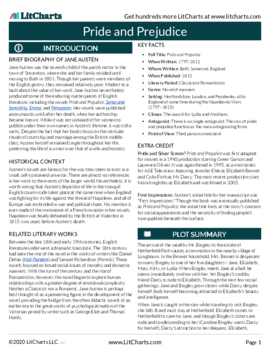
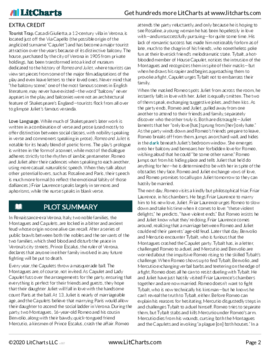
Instant PDF downloads of all 2252 LitCharts literature guides and of every new one we publish. Try a free sample literature guide.
"Would not have made it through AP Literature without the printable PDFs. They're like having in-class notes for every discussion!"








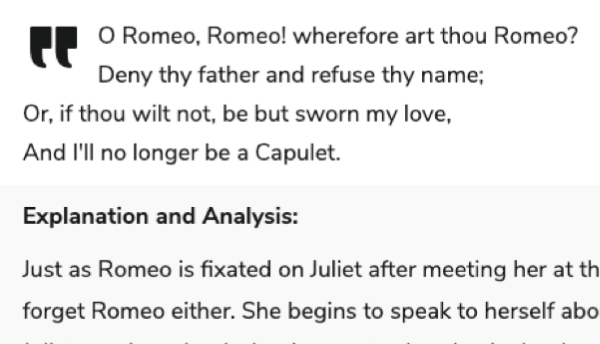
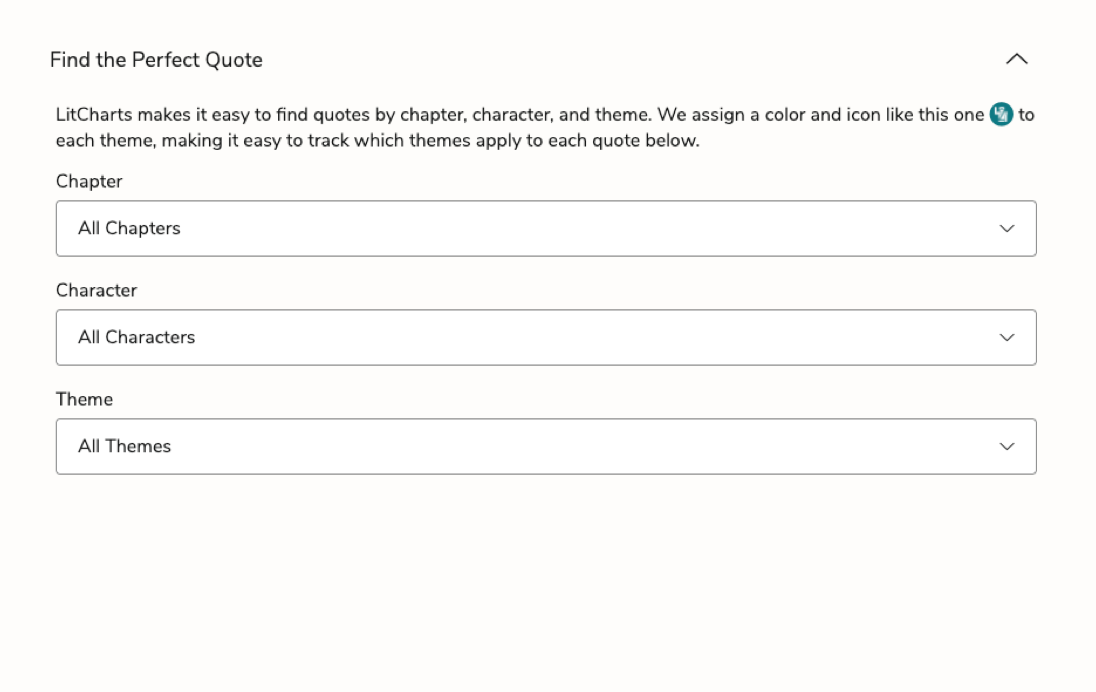
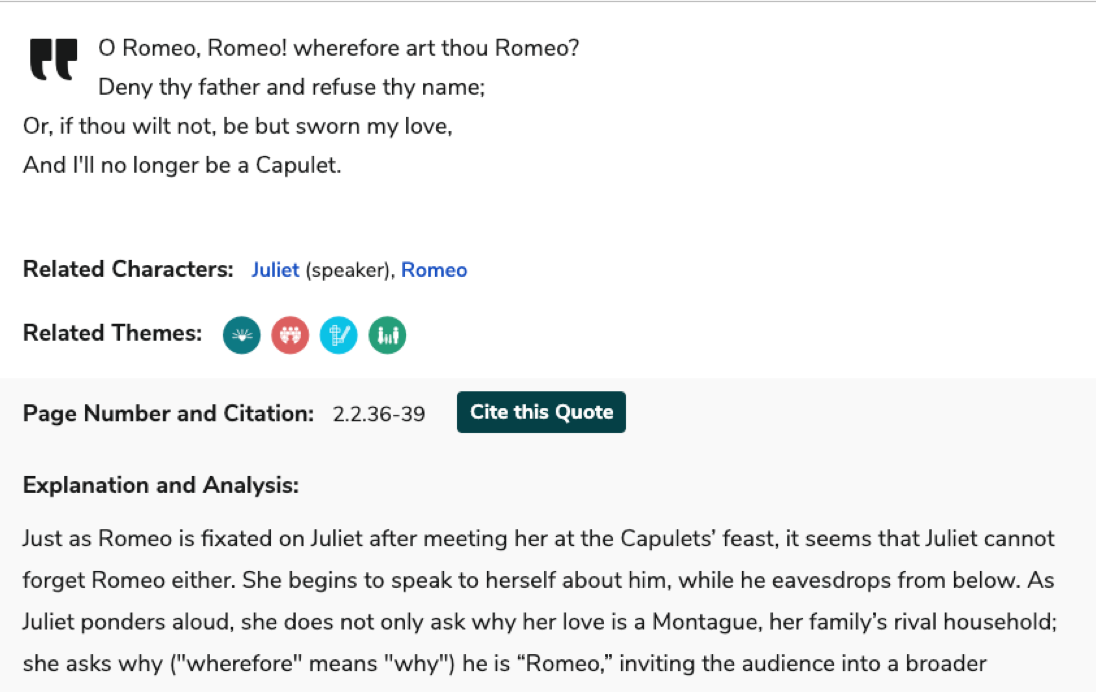
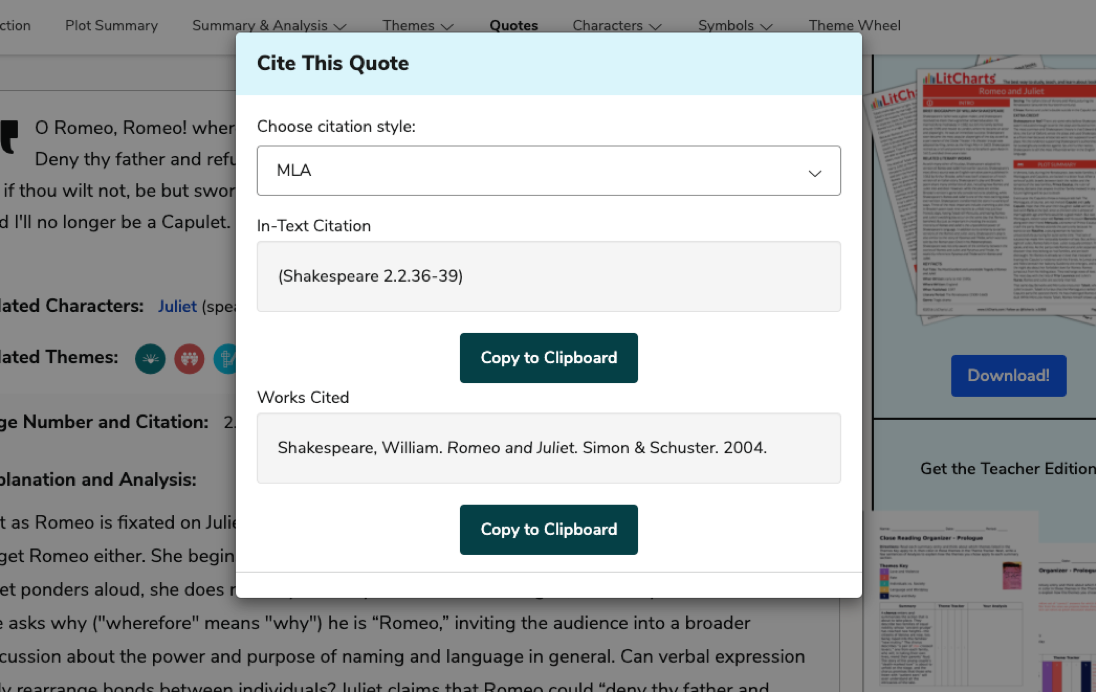
Quotes Explanations
Find the perfect quote. Understand it perfectly. Then rock the citation, too.
For all 50,213 quotes we cover.
For all 50,213 quotes we cover.


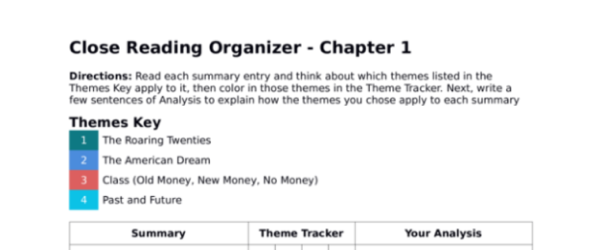
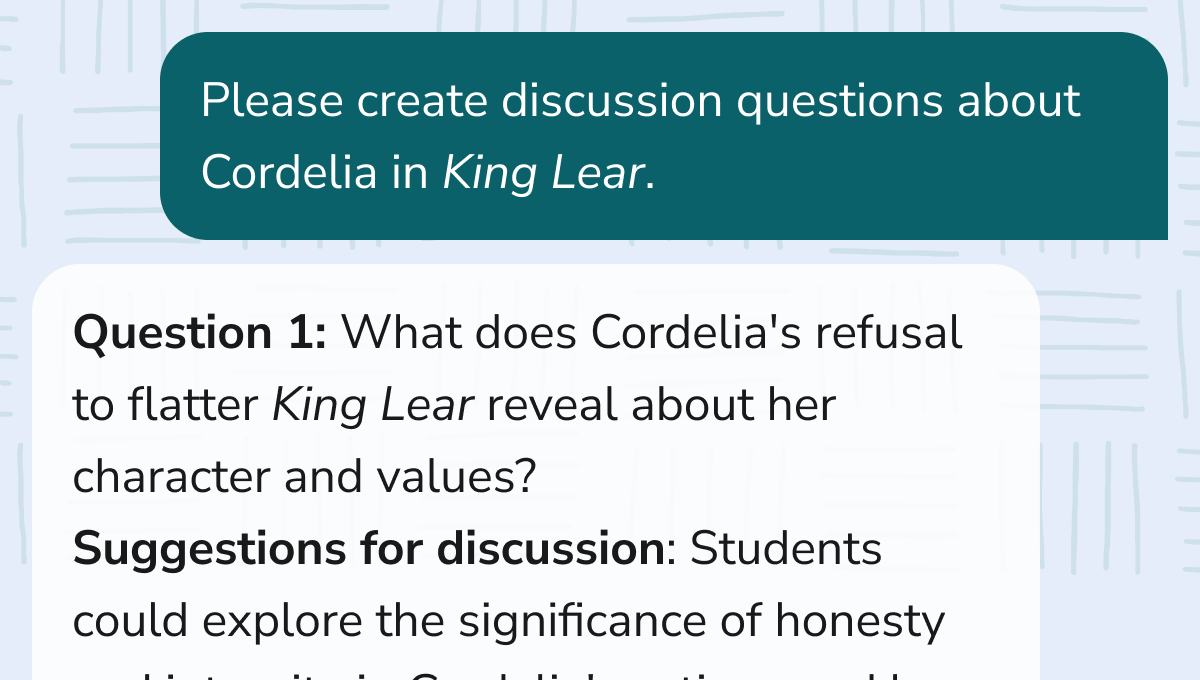
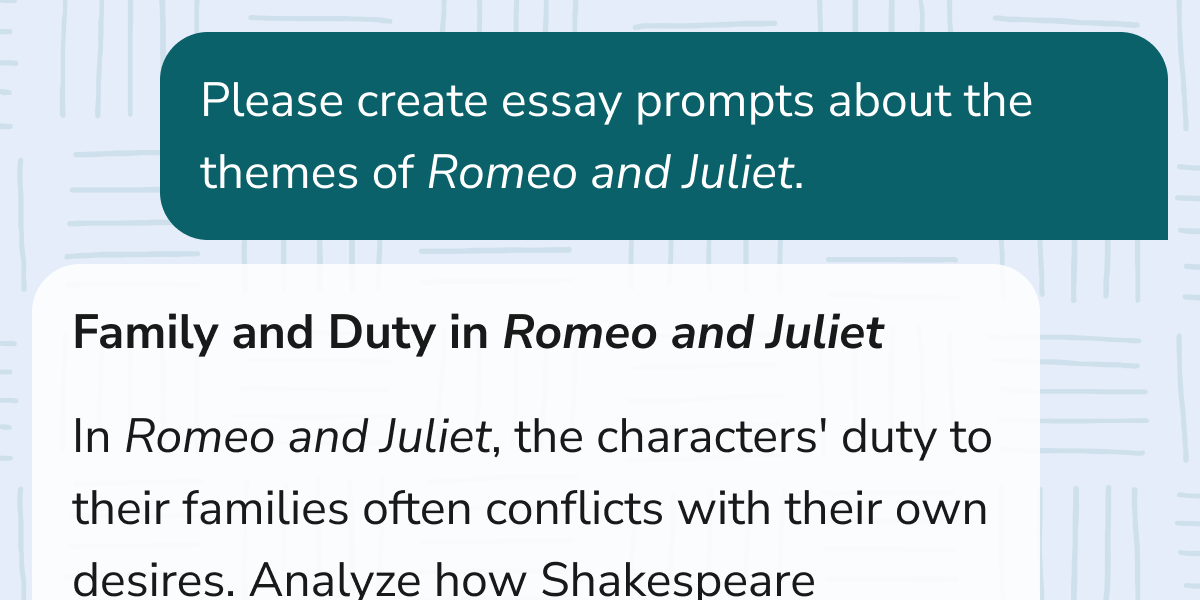
Teacher Editions
Close reading made easy for students.
Time saved for teachers.
For every book we cover.
Time saved for teachers.
For every book we cover.


Common Core-aligned


PDFs of modern translations of every one of Shakespeare's 37 plays, 154 sonnets, and 3 longer poems.

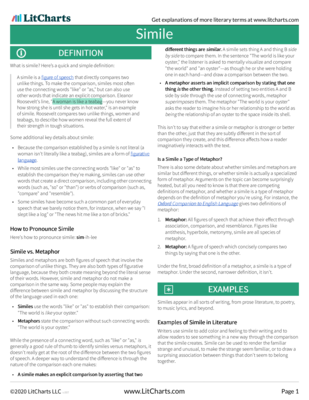
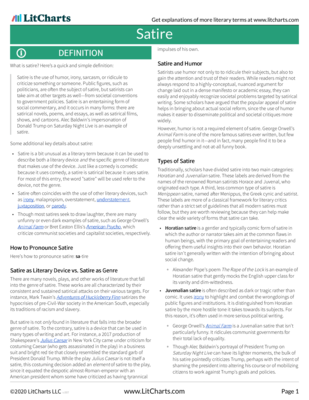
Literary Terms and Devices
Definitions and examples for every literary term and device you need to know.
Plus a quick-reference PDF with concise definitions of all 136 terms in one place.
Plus a quick-reference PDF with concise definitions of all 136 terms in one place.
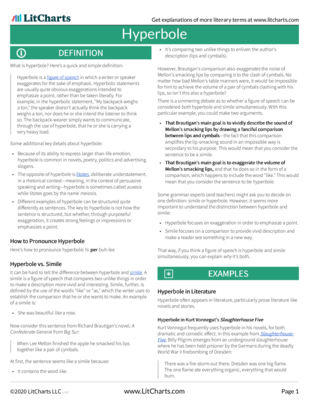
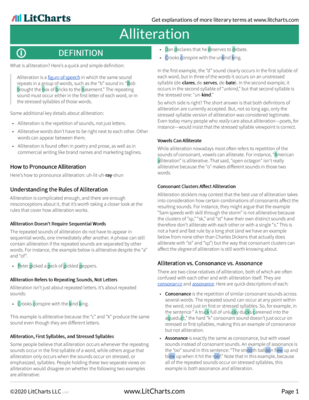
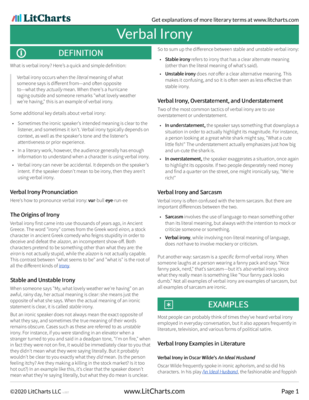
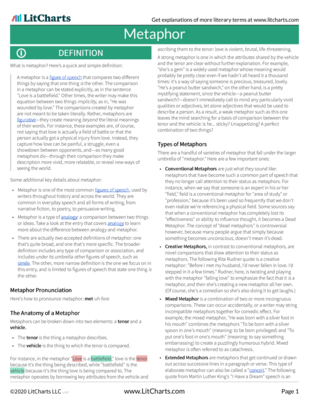
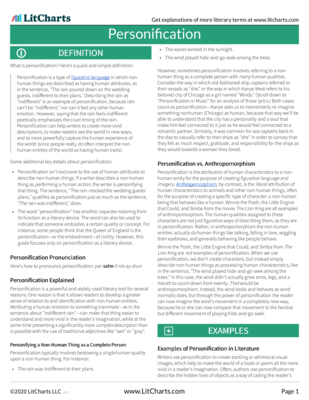
Try a free sample literary term PDF.


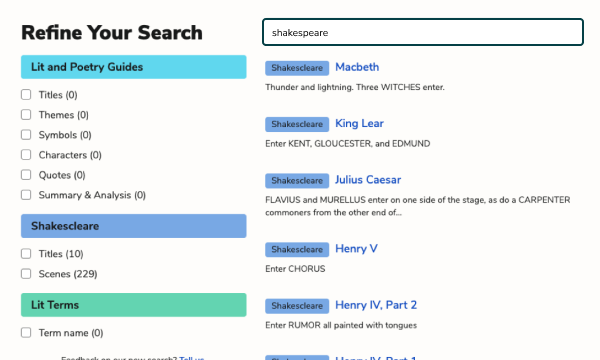
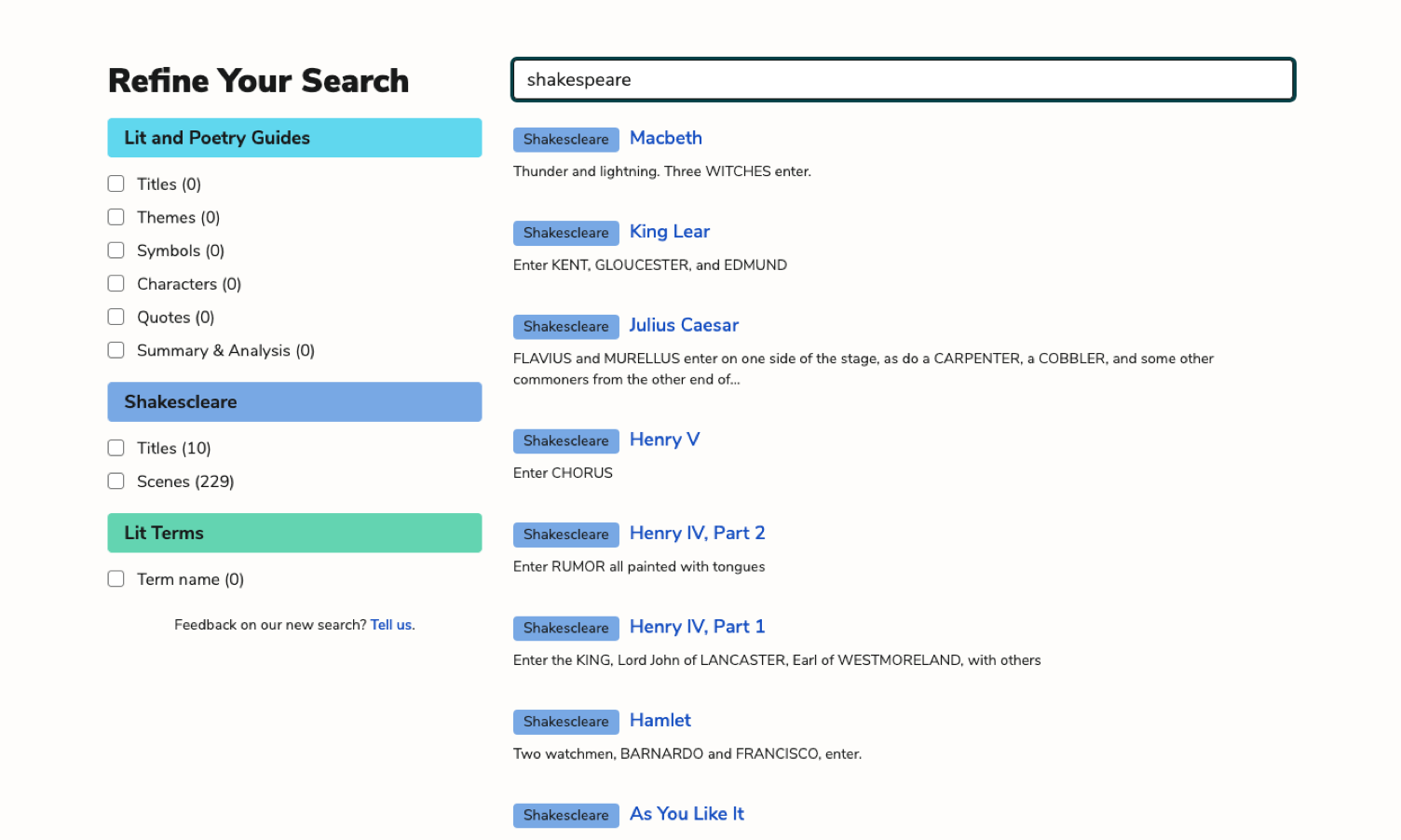
Advanced Search
Refine any search. Find related themes, quotes, symbols, characters, and more.

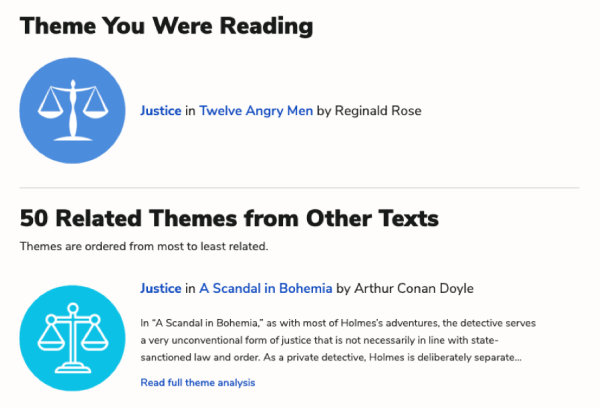
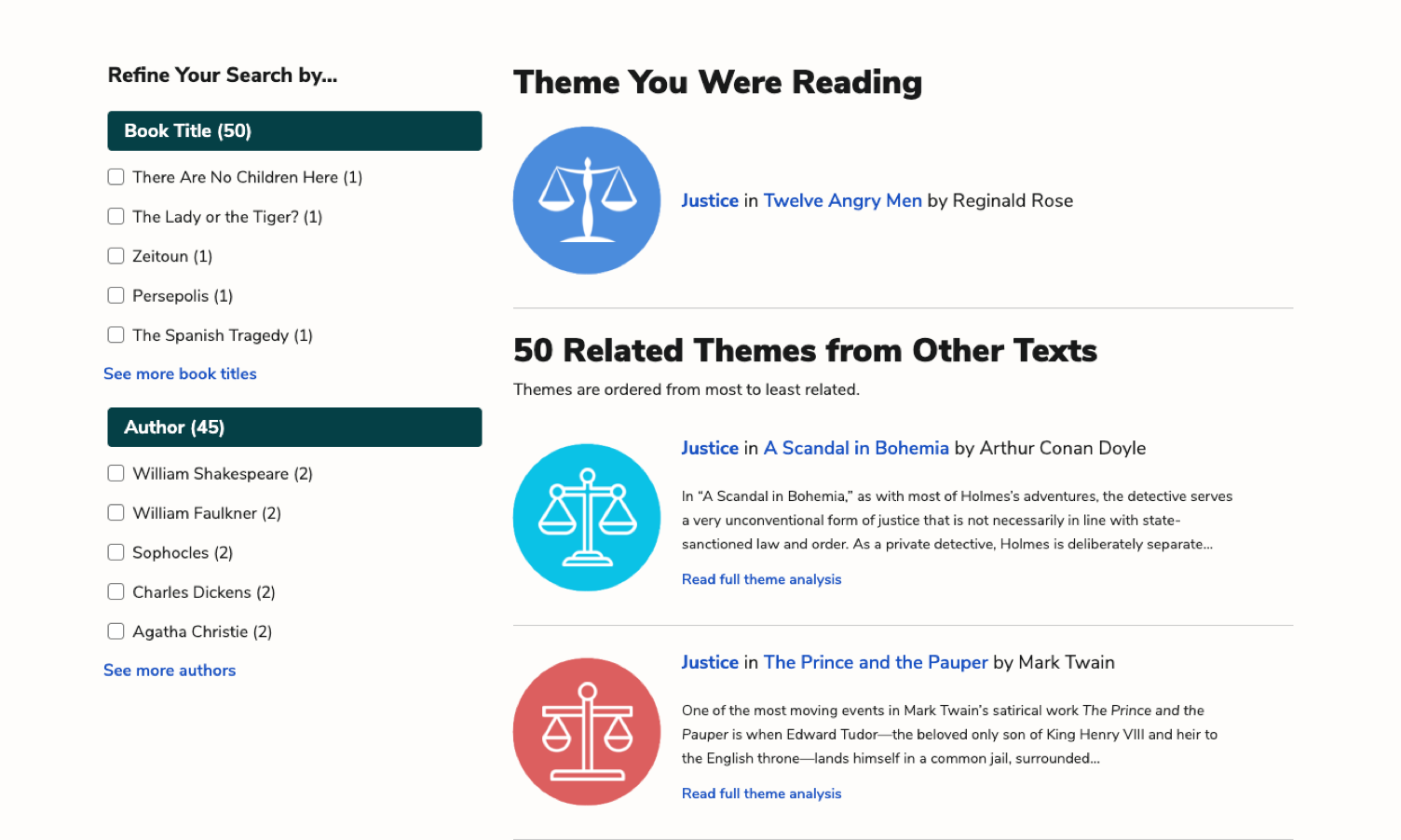
Related Themes
Comparing and contrasting texts? Find where any theme occurs across all of LitCharts in seconds.


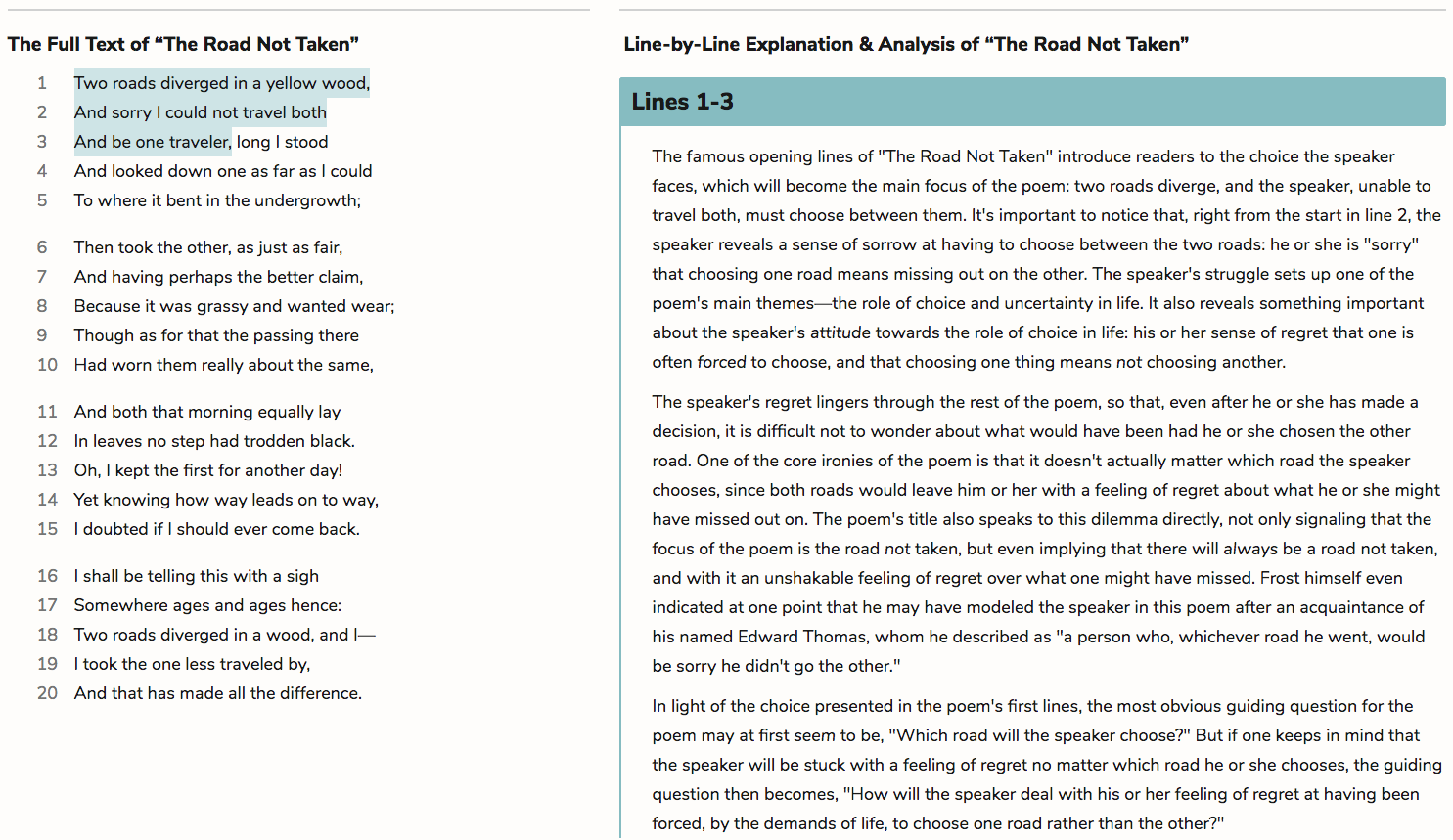
Poetry Guides
Line-by-line explanations and analysis of figurative language and poetic devices.
For every lyric poem we cover.
For every lyric poem we cover.