
|
Have questions?
Contact us
Already a member? Sign in
|
Get every literary device explanation for The Importance of Being EarnestPlus so much more...
Sign up for LitCharts A+Get instant access to every literary device explanation, plus so much more...
Irony
Explanation and Analysis—Proposals:
The majority of the humor in The Importance of Being Earnest stems from dramatic irony: the audience is always aware that Ernest does not exist and that Jack and Algernon are both pretending to be him, but the other characters are not. This dramatic irony is at its most palpable during the two parallel proposal scenes.
In Act 1, Part 2, after Jack has proposed to Gwendolen, she reveals that she has always wanted to marry a man named Ernest:
Jack: But you don't really mean to say that you couldn't love me if my name wasn't Ernest?
Gwendolen: But your name is Ernest.
Jack: Yes, I know it is. But supposing it was something else? Do you mean to say you couldn't love me then?
Gwendolen: [Glibly] Ah! that is clearly a metaphysical speculation, and like most metaphysical speculations has very little reference at all to the actual facts of real life, as we know them.
The audience, who can easily perceive Jack's agitation, knows that his question is not a metaphysical speculation but a genuine question. Jack's slip of the tongue later in the conversation is also insignificant to Gwendolen but quite meaningful to the audience:
Jack: Gwendolen, I must get christened at once—I mean we must get married at once.
In Act 2, Part 2, Algernon and Cecily have a very similar exchange:
Algernon: But, my dear child, do you mean to say you could not love me if I had some other name?
Cecily: But what name?
Algernon: Oh, any name you like—Algernon—for instance...
Cecily: But I don't like the name of Algernon.
As in the first proposal scene, the audience is aware that Algernon's name is not really Ernest and notices when he later misspeaks:
Algernon: I must see him at once on a most important christening—I mean on most important business.
This line is also ironic because the audience has just watched Jack make an appointment with Dr. Chasuble to be christened and knows that both men are intending to change their name to Ernest.
Monthly
Annual (Best Value)

$595USD/mo
Charged $71.40 USD every year
 Teacher
$795USD/mo
Charged $95.40 USD every year
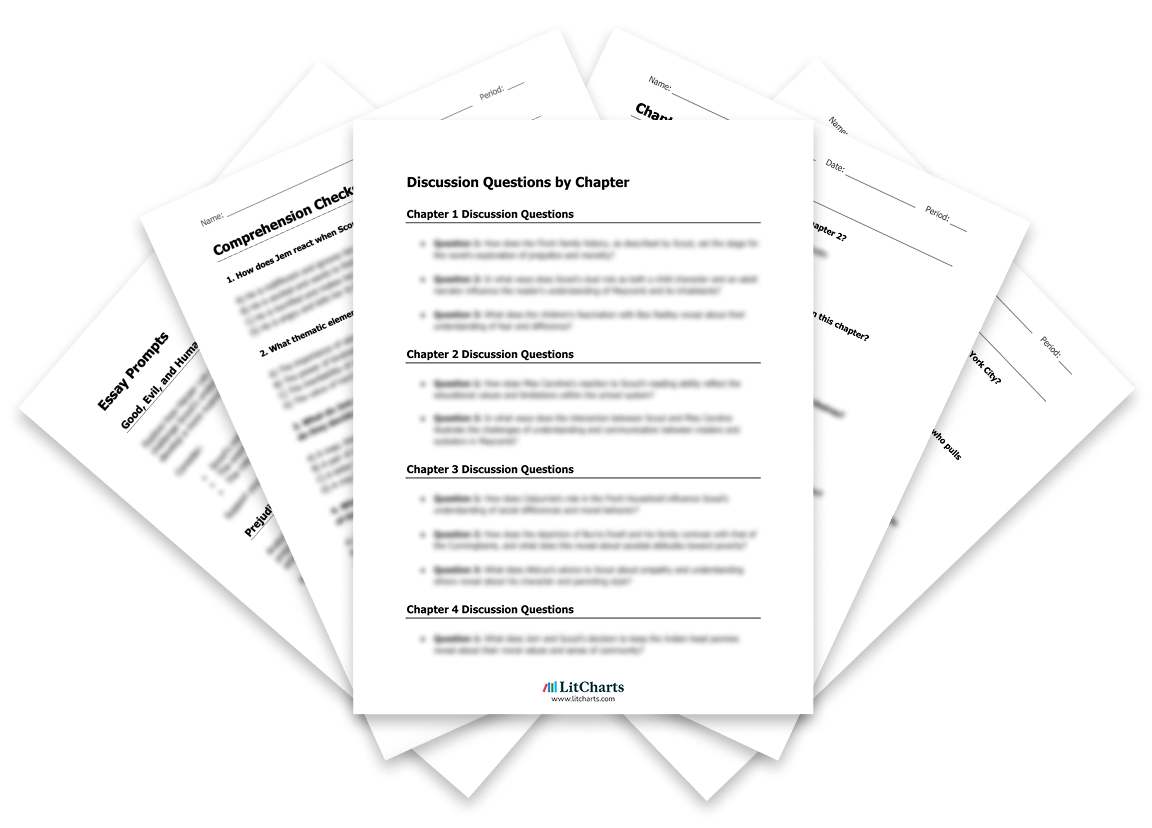


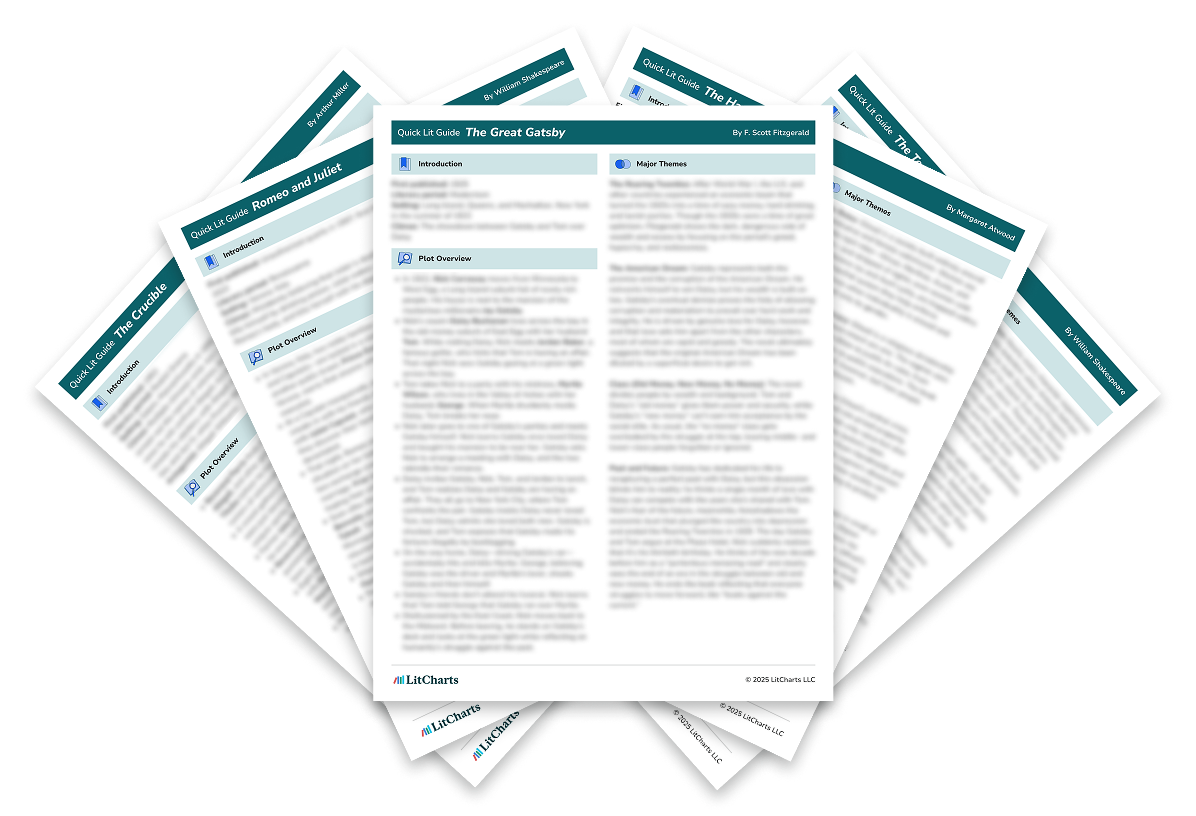
Literature Guide PDFs
LitCharts PDFs for every book you'll read this year.
Instant PDF downloads of all 2245 LitCharts literature guides and of every new one we publish. Try a free sample literature guide.
"Would not have made it through AP Literature without the printable PDFs. They're like having in-class notes for every discussion!"






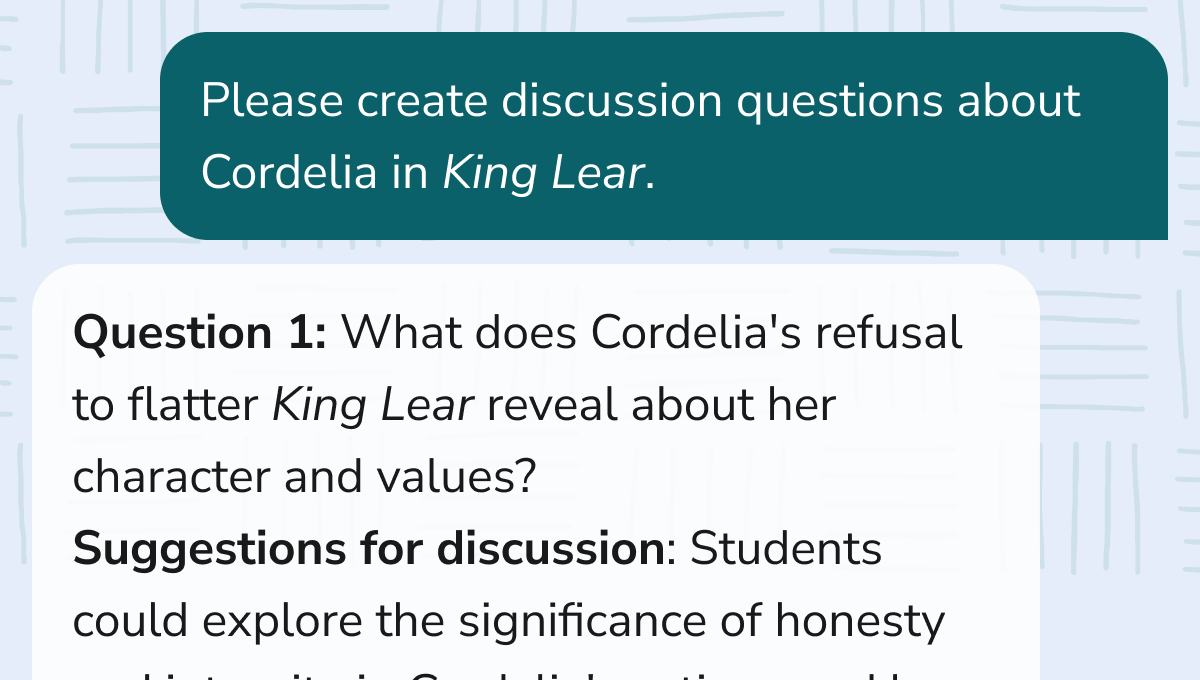
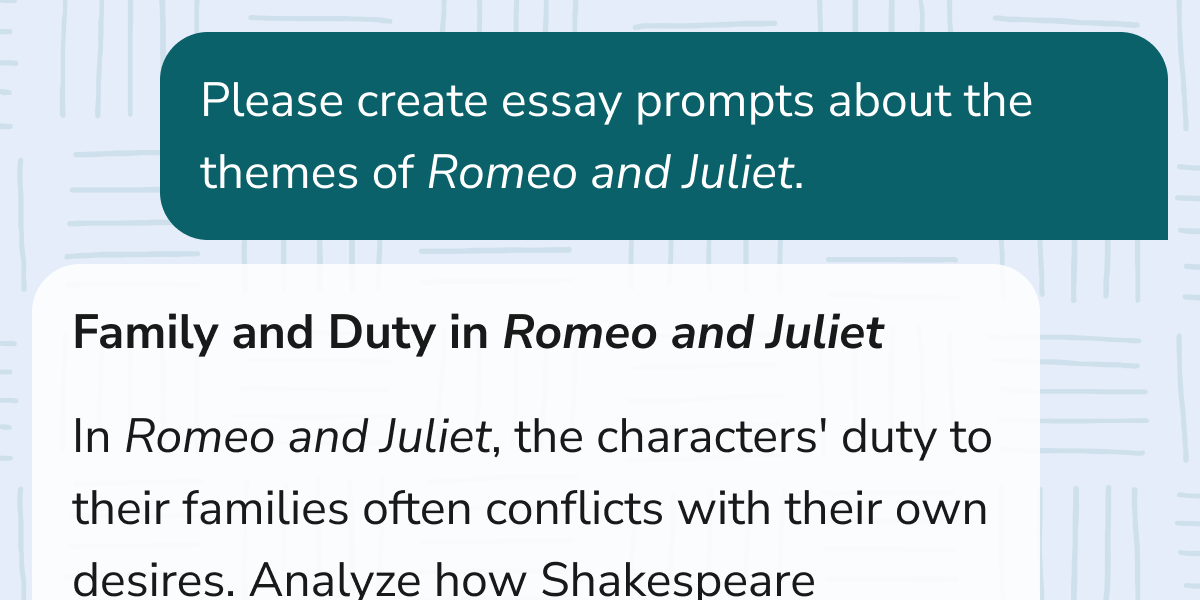
Quotes Explanations
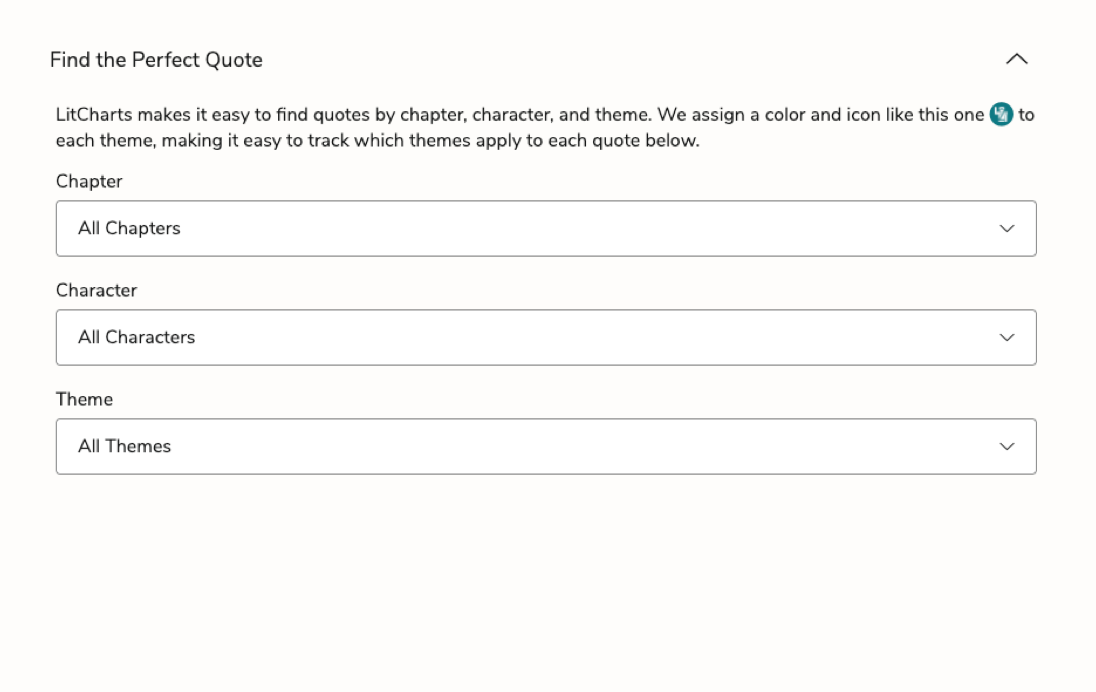
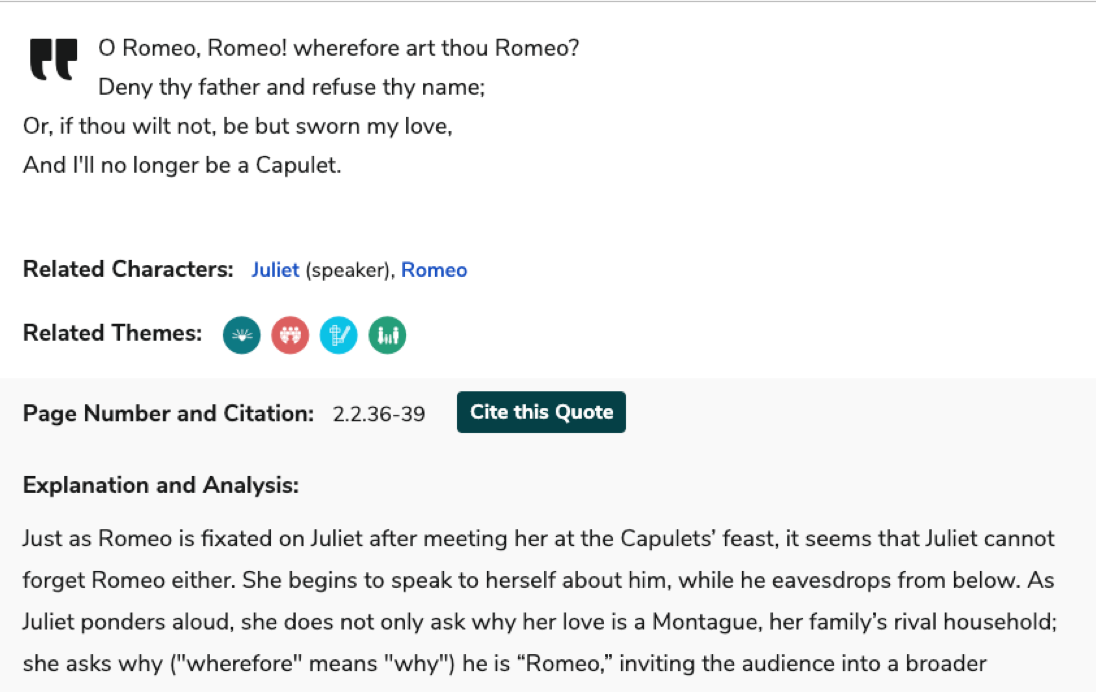
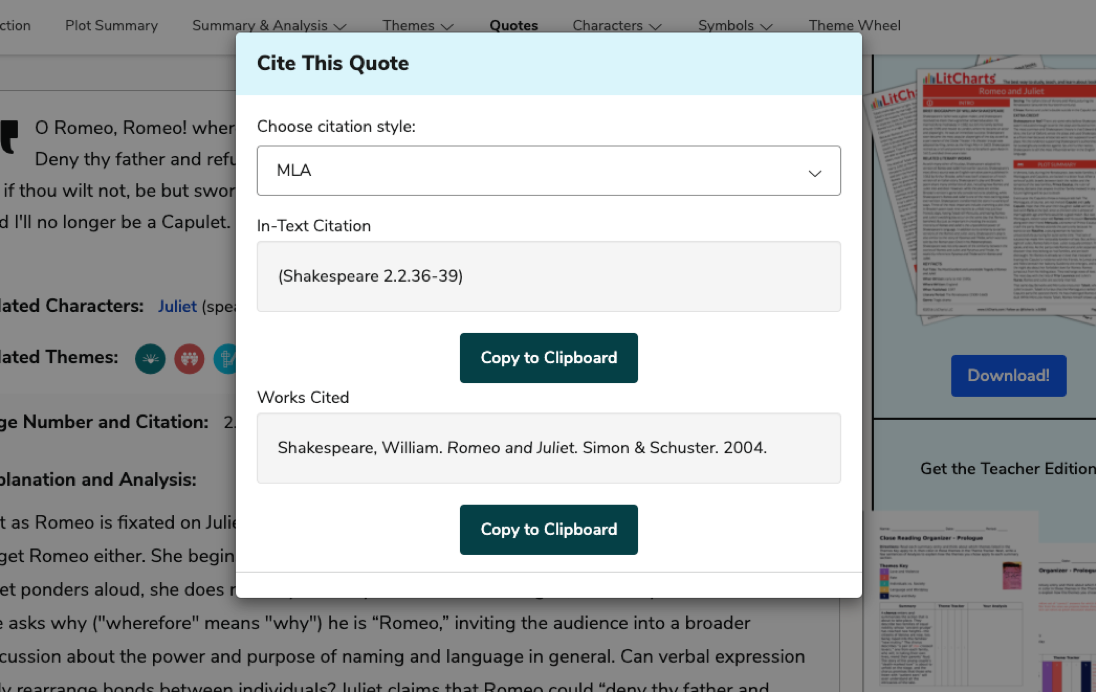
Find the perfect quote. Understand it perfectly. Then rock the citation, too.
For all 50,066 quotes we cover.
For all 50,066 quotes we cover.


Teacher Editions
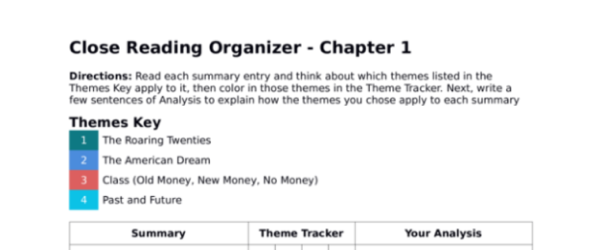
Close reading made easy for students.
Time saved for teachers.
For every book we cover.
Time saved for teachers.
For every book we cover.


Common Core-aligned


PDFs of modern translations of every one of Shakespeare's 37 plays, 154 sonnets, and 3 longer poems.

Literary Terms and Devices
Definitions and examples for every literary term and device you need to know.
Plus a quick-reference PDF with concise definitions of all 136 terms in one place.
Plus a quick-reference PDF with concise definitions of all 136 terms in one place.
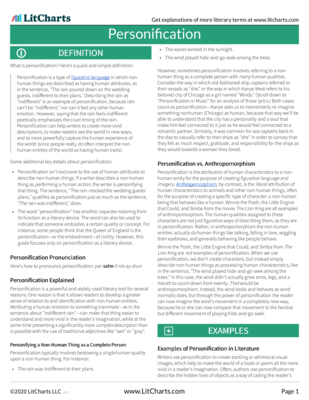
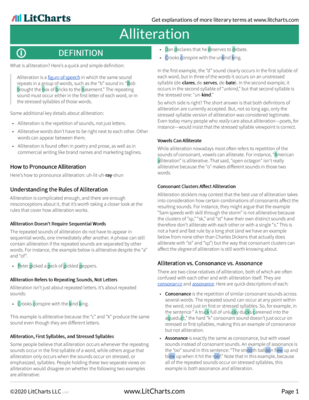
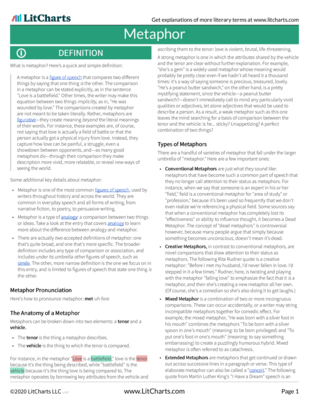
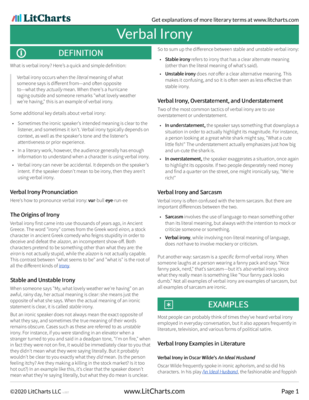
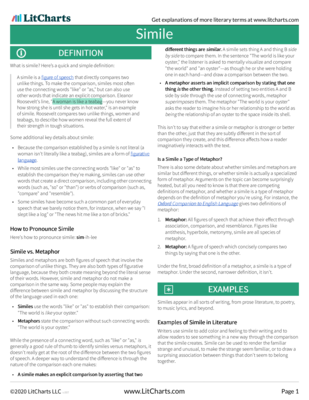
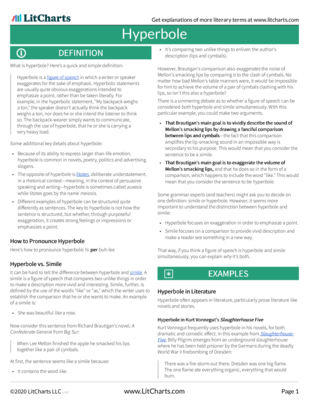
Try a free sample literary term PDF.


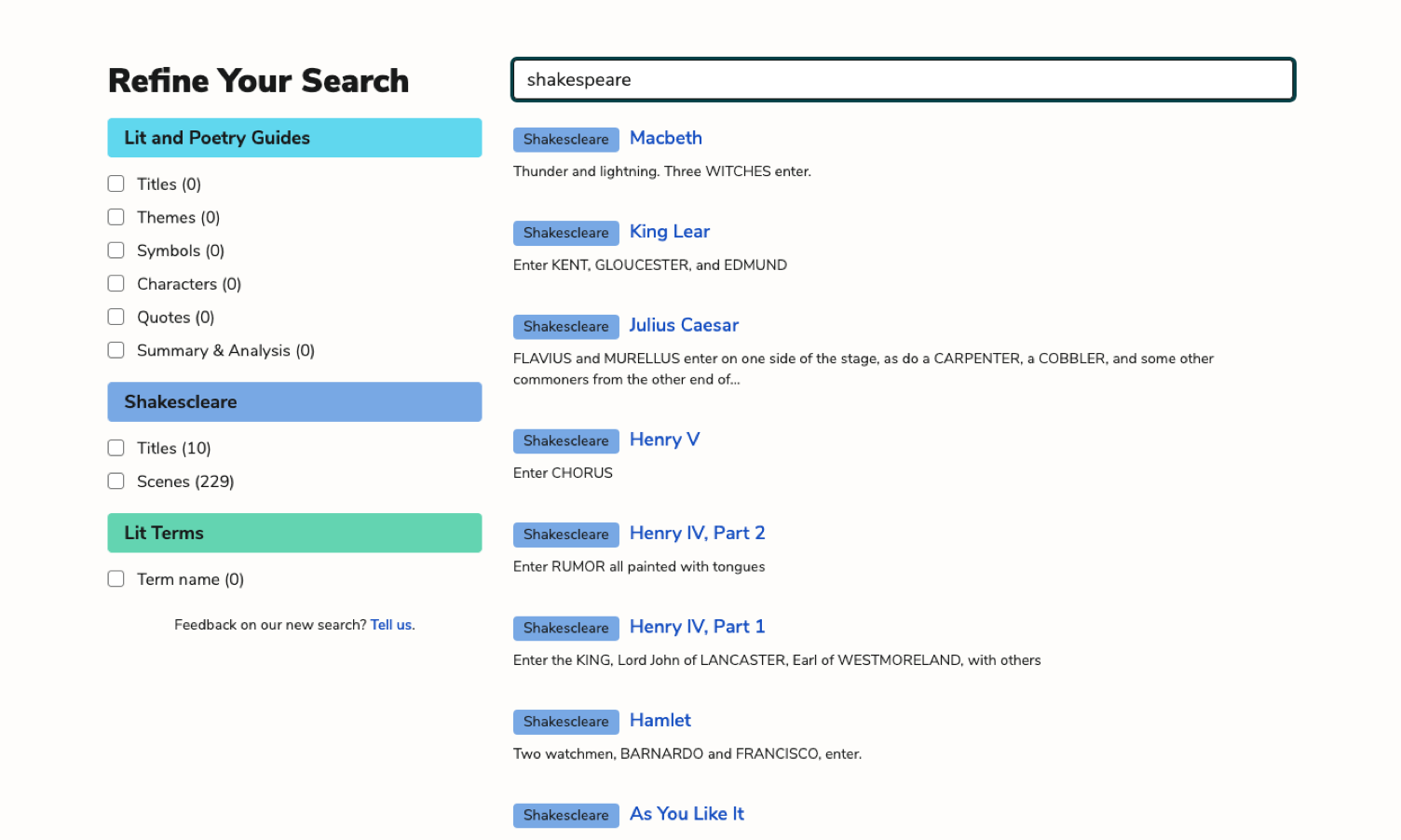
Advanced Search
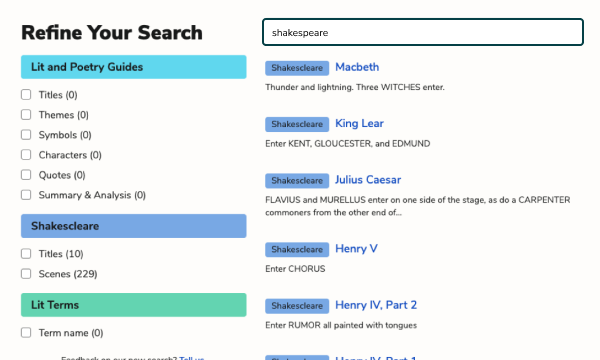
Refine any search. Find related themes, quotes, symbols, characters, and more.

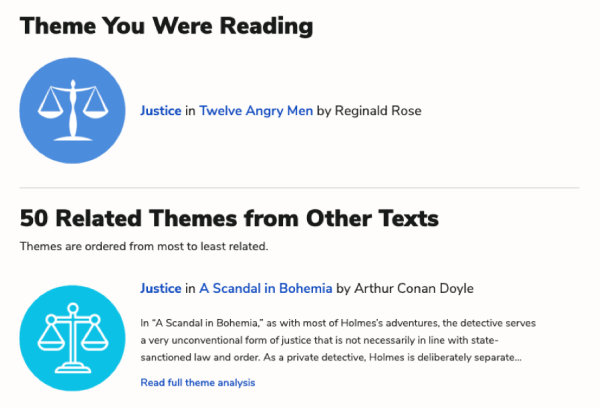
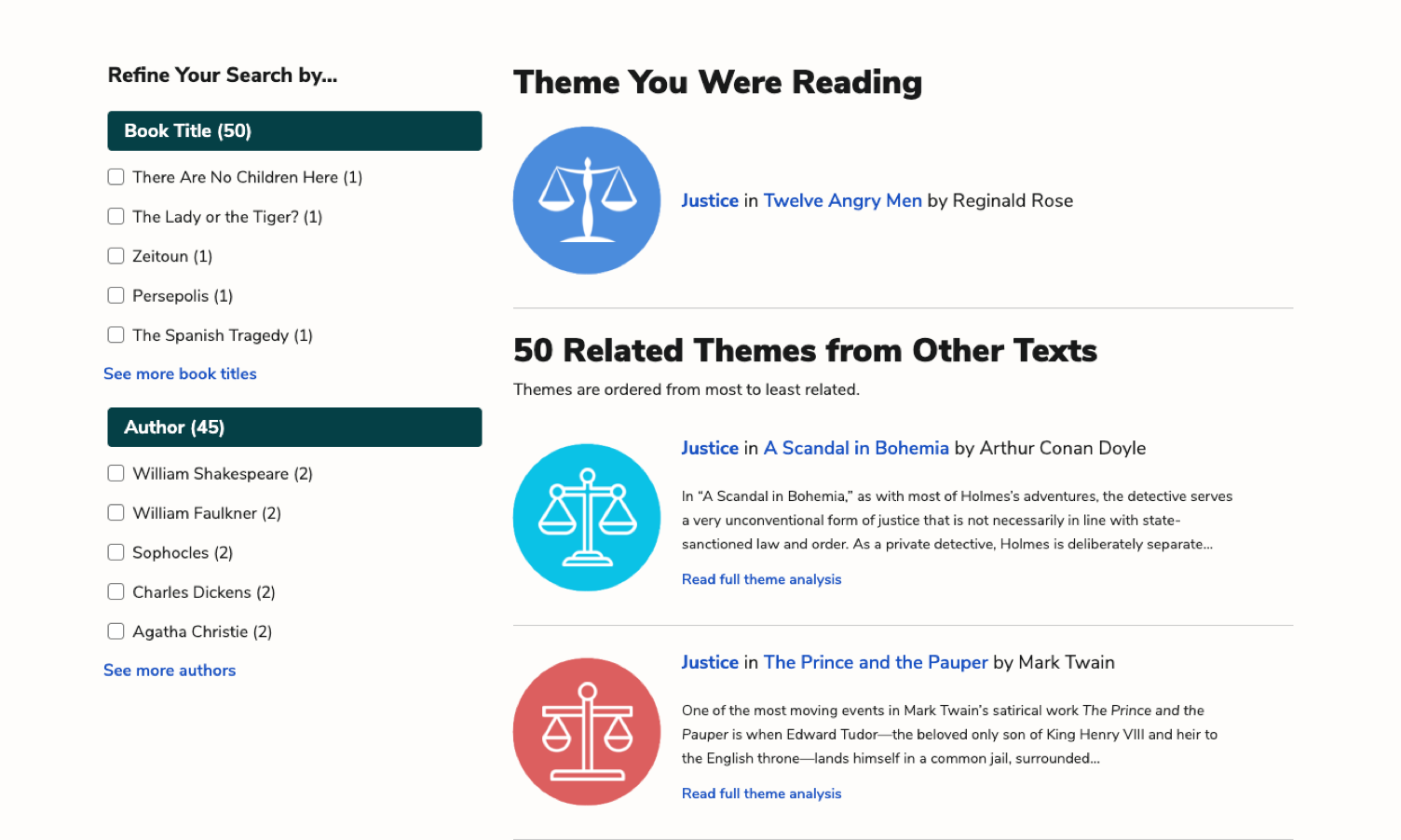
Related Themes
Comparing and contrasting texts? Find where any theme occurs across all of LitCharts in seconds.


Poetry Guides
Line-by-line explanations and analysis of figurative language and poetic devices.
For every lyric poem we cover.
For every lyric poem we cover.