
|
Have questions?
Contact us
Already a member? Sign in
|
Get every literary device explanation for The Importance of Being EarnestPlus so much more...
Sign up for LitCharts A+Get instant access to every literary device explanation, plus so much more...
Irony
Explanation and Analysis—Earnest vs. Ernest:
An ongoing source of irony in The Importance of Being Earnest is the relationship between the name "Ernest" and its homophone, the word "earnest." Throughout the play, both Gwendolen and Cecily express their desire to marry a man named Ernest, and in Act 1, Part 2, Gwendolen explains to Jack why Ernest is the only "safe" name for a husband:
Gwendolen: We live, as I hope you know, Mr. Worthing, in an age of ideals... and my ideal has always been to love someone of the name of Ernest. There is something in that name that inspires absolute confidence.
In Act 2, Part 2, Cecily tells Algernon her reasons for wishing to marry a man named Ernest, and they are remarkably similar to Gwendolen's:
Cecily: You must not laugh at me, darling, but it has always been a girlish dream of mine to love someone whose name was Ernest. [Algernon rises, Cecily also.] There is something in that name that seems to inspire absolute confidence. I pity any poor married woman whose husband is not named Ernest.
These scenes are both instances of dramatic irony. The name Ernest "inspires absolute confidence" in both women, who seem to believe that being named "Ernest" is equivalent to actually being "earnest." The audience, on the other hand, knows that Jack created the character of Ernest as a means to escape his responsibility and live a dandy's life in the city. Regardless of whether it is Jack or Algernon taking on the role, Ernest is always a symbol of deception rather than sincerity.
Cecily's confidence in the name Ernest is especially ironic, since all she knows of her guardian's brother is that he is always getting into trouble. As an individual, Ernest is neither safe nor trustworthy, which is why Cecily is attracted to him in the first place, but she still regards his name as a sign of his good character. This proclamation is also an instance of foreshadowing—at the end of the play, Lady Bracknell forbids Algernon from being baptized and prevents him from taking on the name of Ernest, which causes Cecily to end up as the "poor married woman" she earlier pitied.
Monthly
Annual (Best Value)

$595USD/mo
Charged $71.40 USD every year
 Teacher
$795USD/mo
Charged $95.40 USD every year
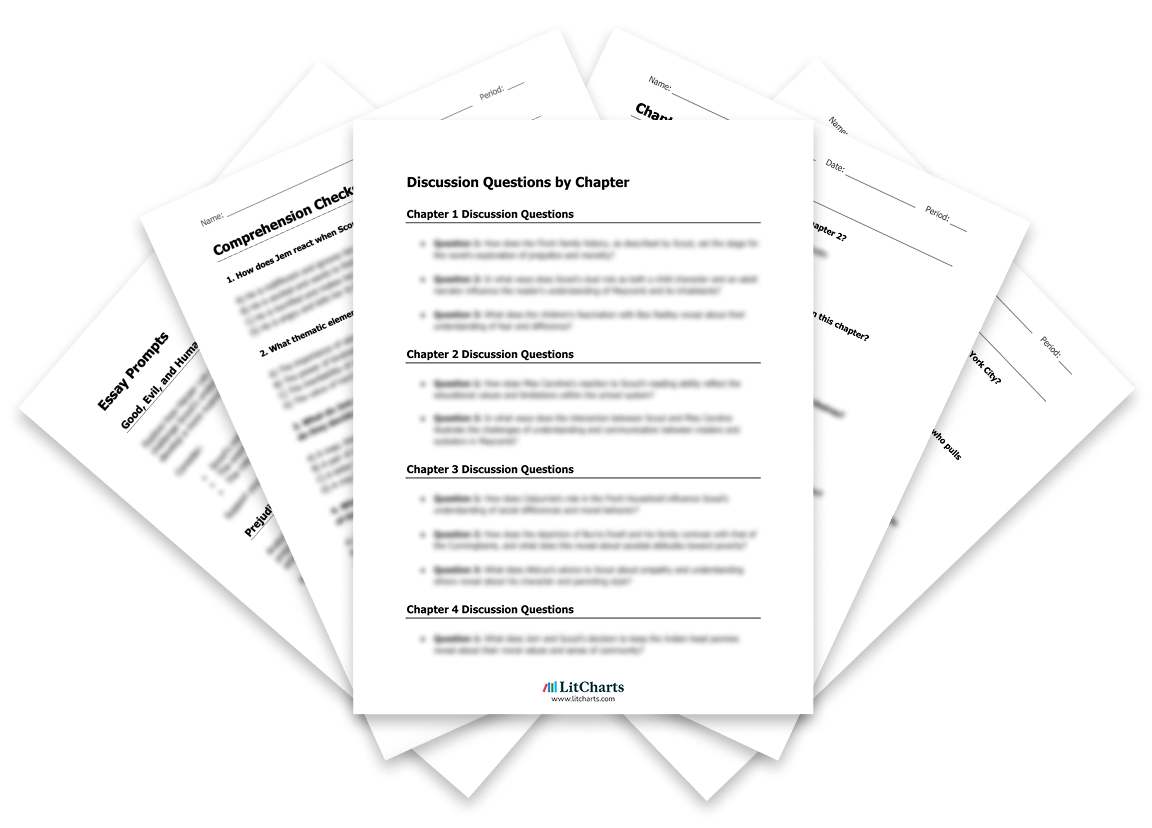
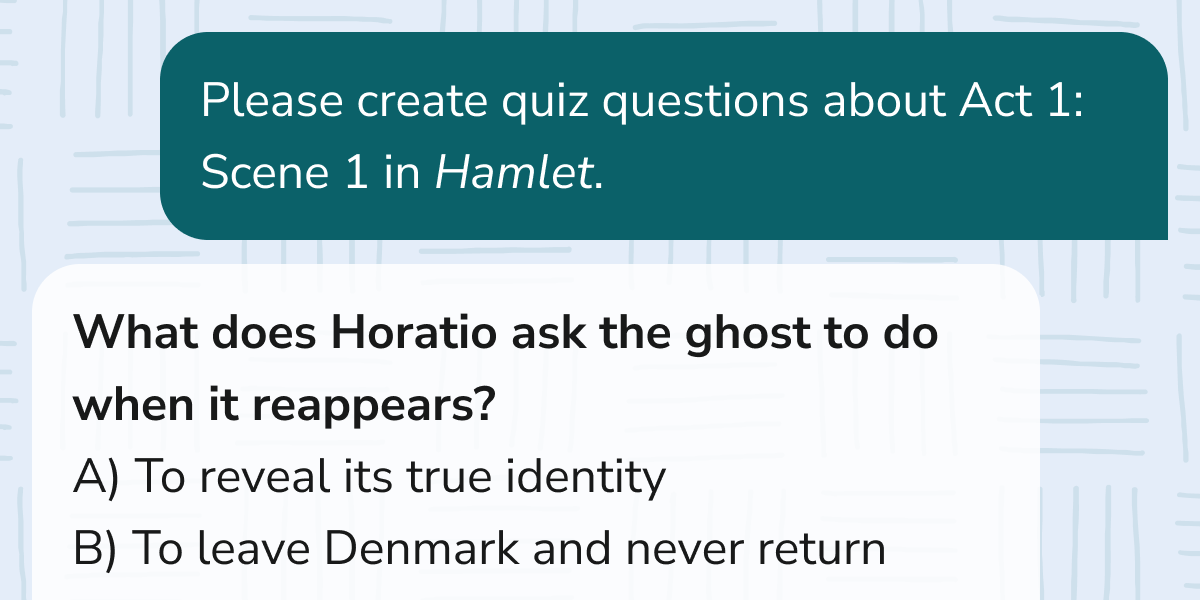


Literature Guide PDFs
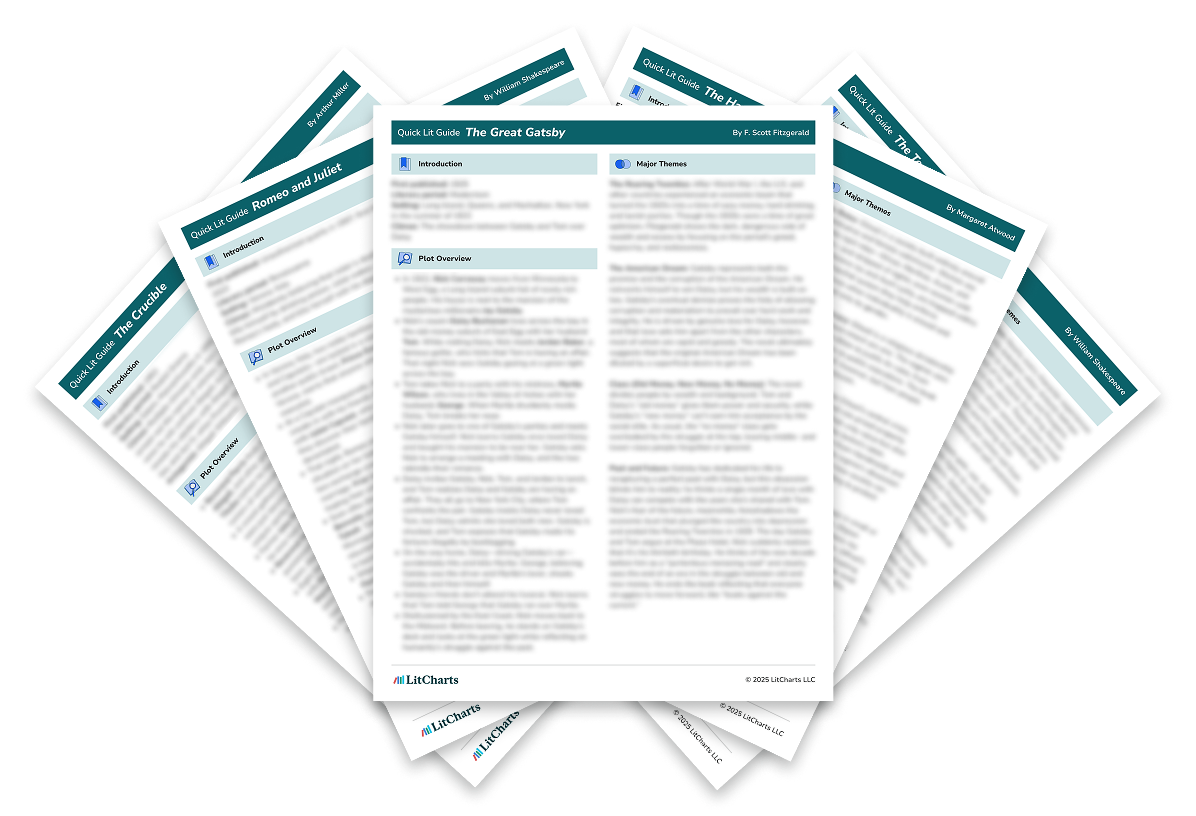
LitCharts PDFs for every book you'll read this year.
Instant PDF downloads of all 2245 LitCharts literature guides and of every new one we publish. Try a free sample literature guide.
"Would not have made it through AP Literature without the printable PDFs. They're like having in-class notes for every discussion!"




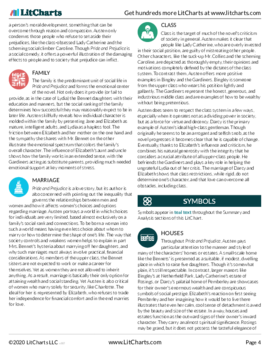
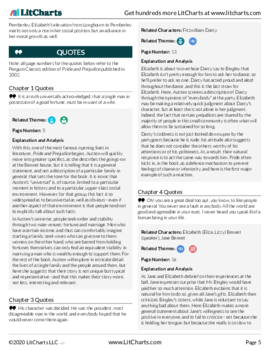



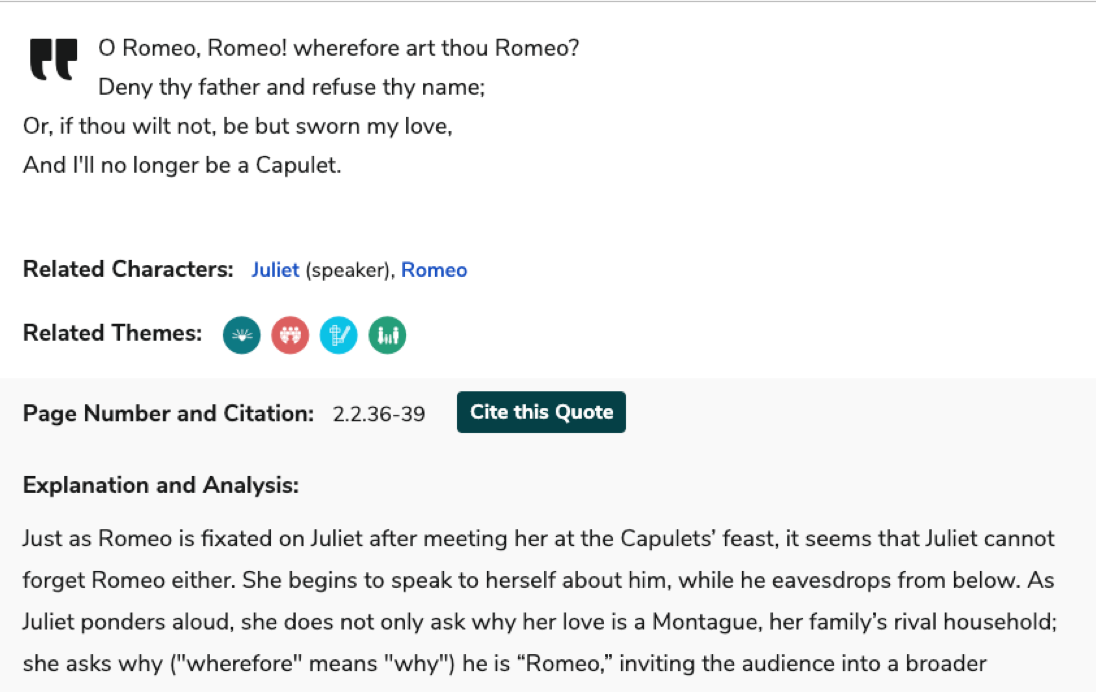
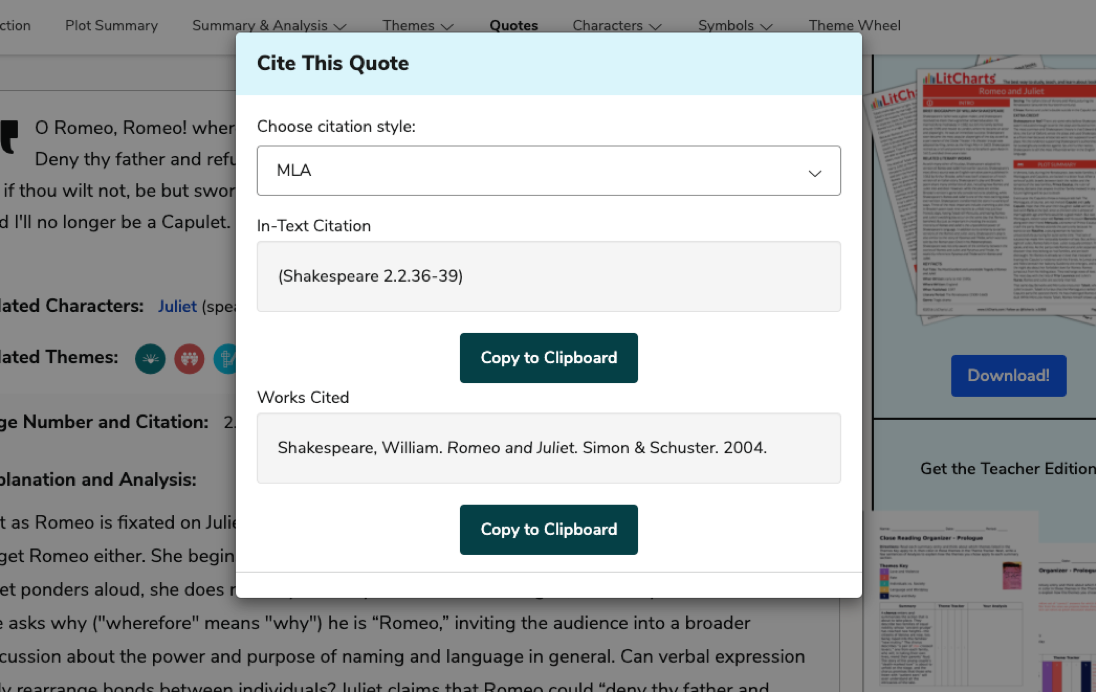
Quotes Explanations
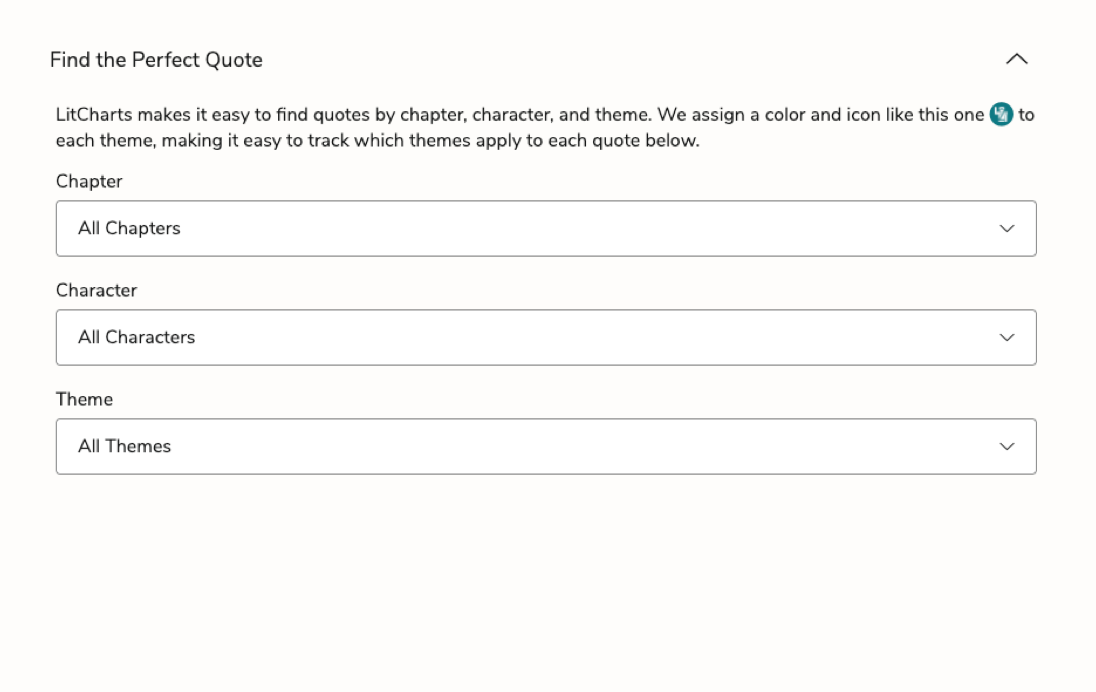
Find the perfect quote. Understand it perfectly. Then rock the citation, too.
For all 50,066 quotes we cover.
For all 50,066 quotes we cover.


Teacher Editions
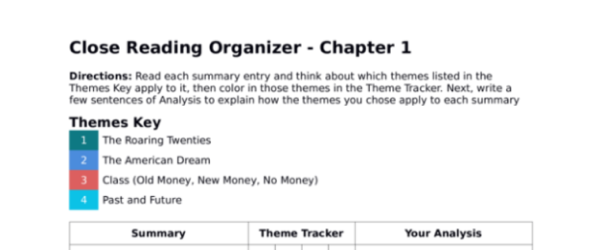
Close reading made easy for students.
Time saved for teachers.
For every book we cover.
Time saved for teachers.
For every book we cover.


Common Core-aligned


PDFs of modern translations of every one of Shakespeare's 37 plays, 154 sonnets, and 3 longer poems.

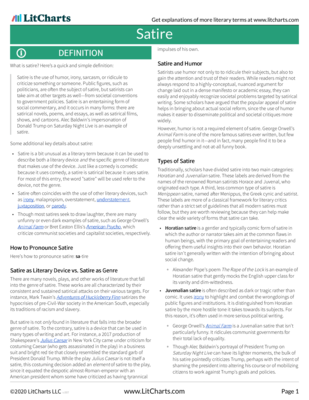
Literary Terms and Devices
Definitions and examples for every literary term and device you need to know.
Plus a quick-reference PDF with concise definitions of all 136 terms in one place.
Plus a quick-reference PDF with concise definitions of all 136 terms in one place.
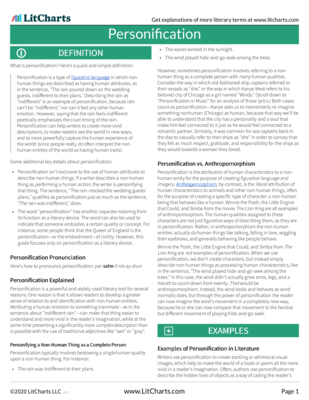
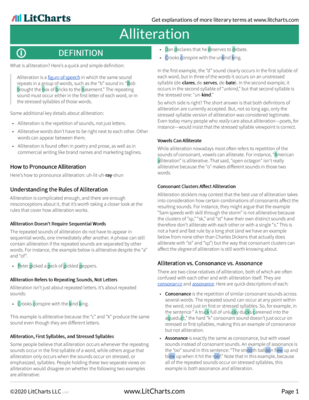
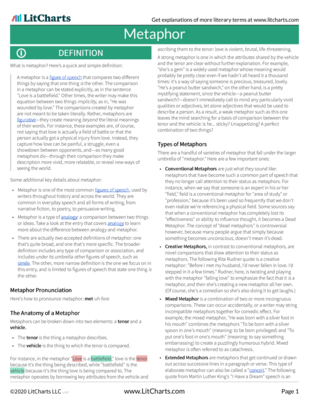
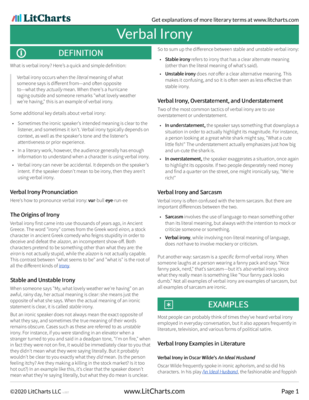
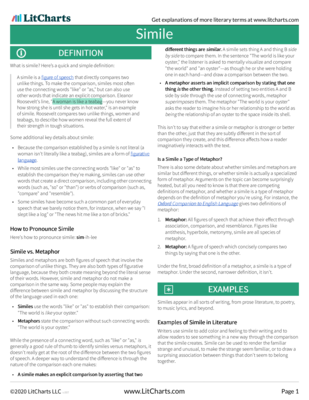
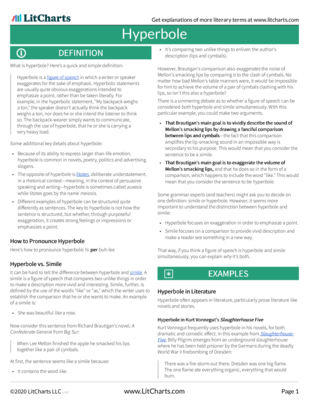
Try a free sample literary term PDF.


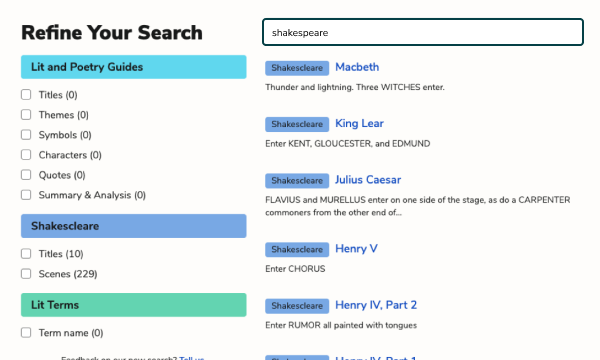
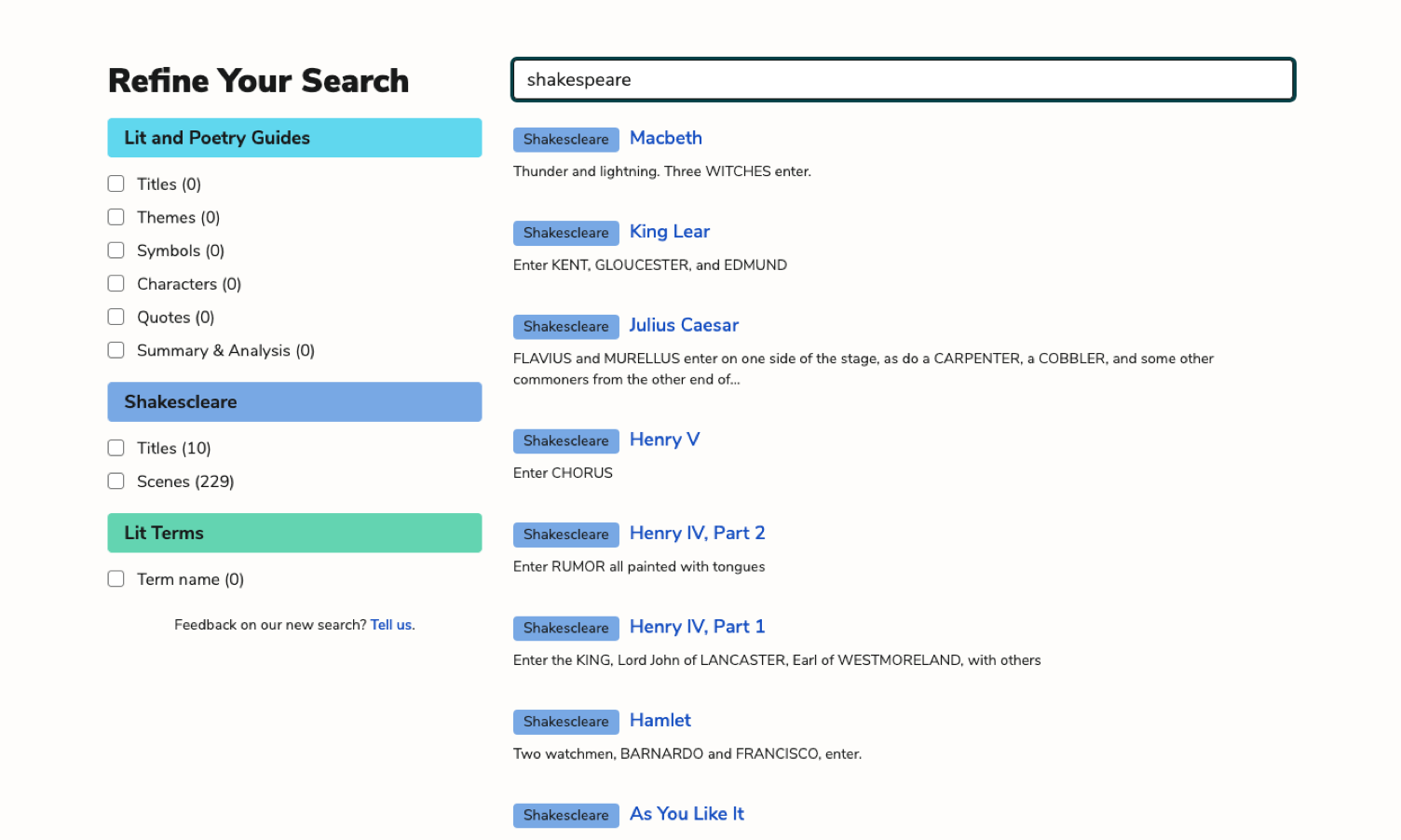
Advanced Search
Refine any search. Find related themes, quotes, symbols, characters, and more.

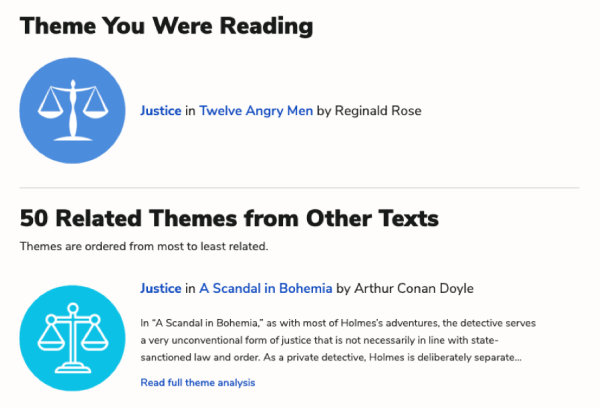
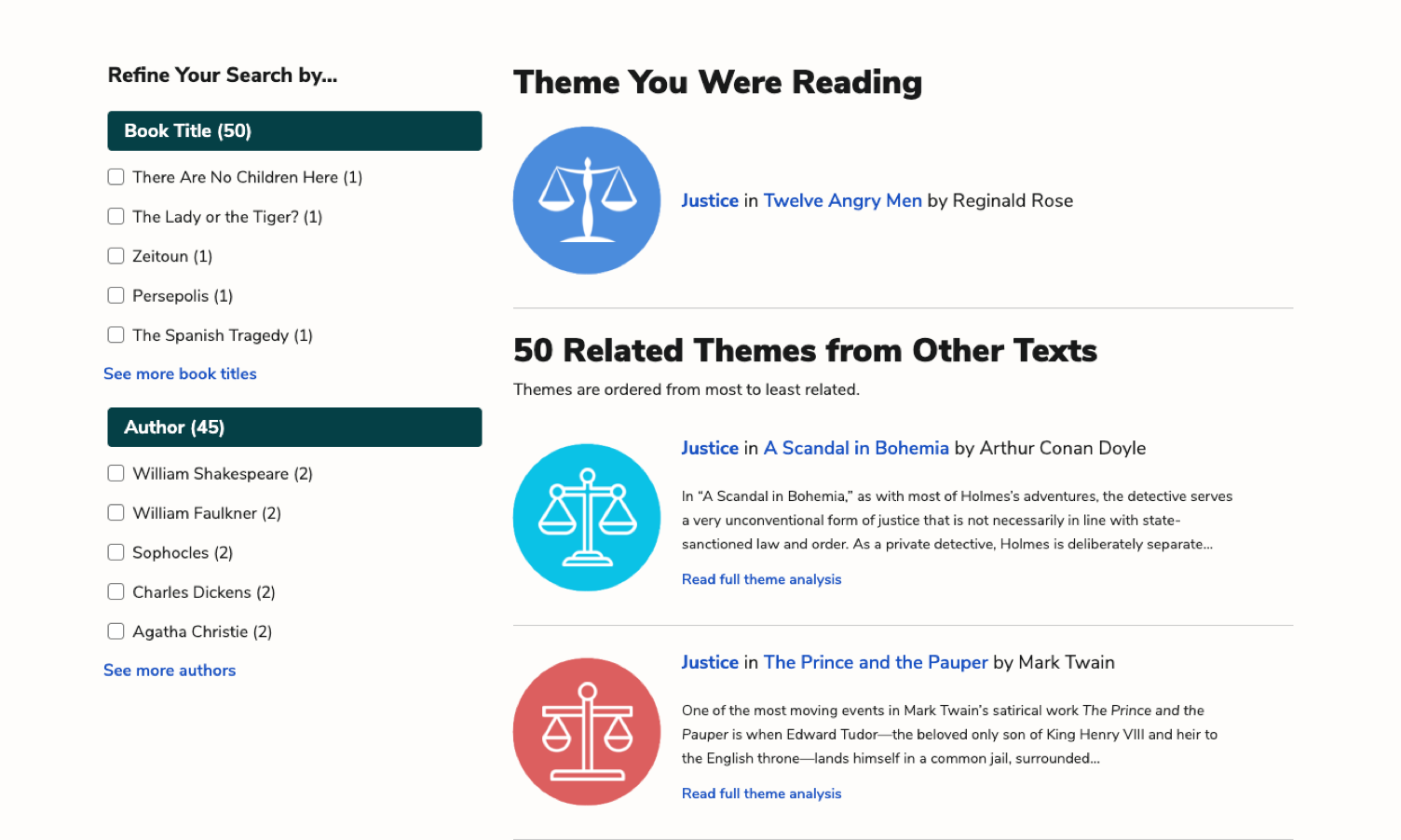
Related Themes
Comparing and contrasting texts? Find where any theme occurs across all of LitCharts in seconds.


Poetry Guides
Line-by-line explanations and analysis of figurative language and poetic devices.
For every lyric poem we cover.
For every lyric poem we cover.