
|
Have questions?
Contact us
Already a member? Sign in
|
Get every literary device explanation for GrendelPlus so much more...
Sign up for LitCharts A+Get instant access to every literary device explanation, plus so much more...
Metaphor
Explanation and Analysis—Stalactites of the Heart:
In Chapter 9, Grendel observes some priests sacrificing a calf to pagan gods. Grendel is rater disgusted by these proceedings, thinking that the grisly dismemberment is only "showmanship." Grendel believes that no human actually believes in such ritualistic practices. Humans, instead, are much more simple, desiring only power. He describes this deep-seated desire using a bodily metaphor:
There is no conviction in the old priests’ songs; there is only showmanship. No one in the kingdom is convinced that the gods have life in them. The weak observe the rituals—take their hats off, put them on again, raise their arms, lower their arms, moan, intone, press their palms together—but no one harbors unreasonable expectations. The strong—old Hrothgar, Unferth—ignore the images. The will to power resides among the stalactites of the heart.
Grendel claims that humanity's power-hungry nature goes as deep as "the stalactites of the heart." This metaphor refers evocatively to the deepest, most central core of human nature. Grendel depicts the heartstrings as stony, rigid structures, unchanging over time: the "will to power" is embedded in stone. This metaphor is perhaps most striking due to the fact that Grendel himself grew up among stalactites in the cave with his mother. Grendel uses a highly personal image of the emotional core of his own life, the cave, in order to describe humans' violent nature. Here we see perhaps the most profound example in the novel of Grendel's cunning perception of human life; only from his unique perspective, as a monster from an unchanging cave, can he perceive humans' will to power.
Monthly
Annual (Best Value)

$595USD/mo
Charged $71.40 USD every year

 Teacher
$795USD/mo
Charged $95.40 USD every year
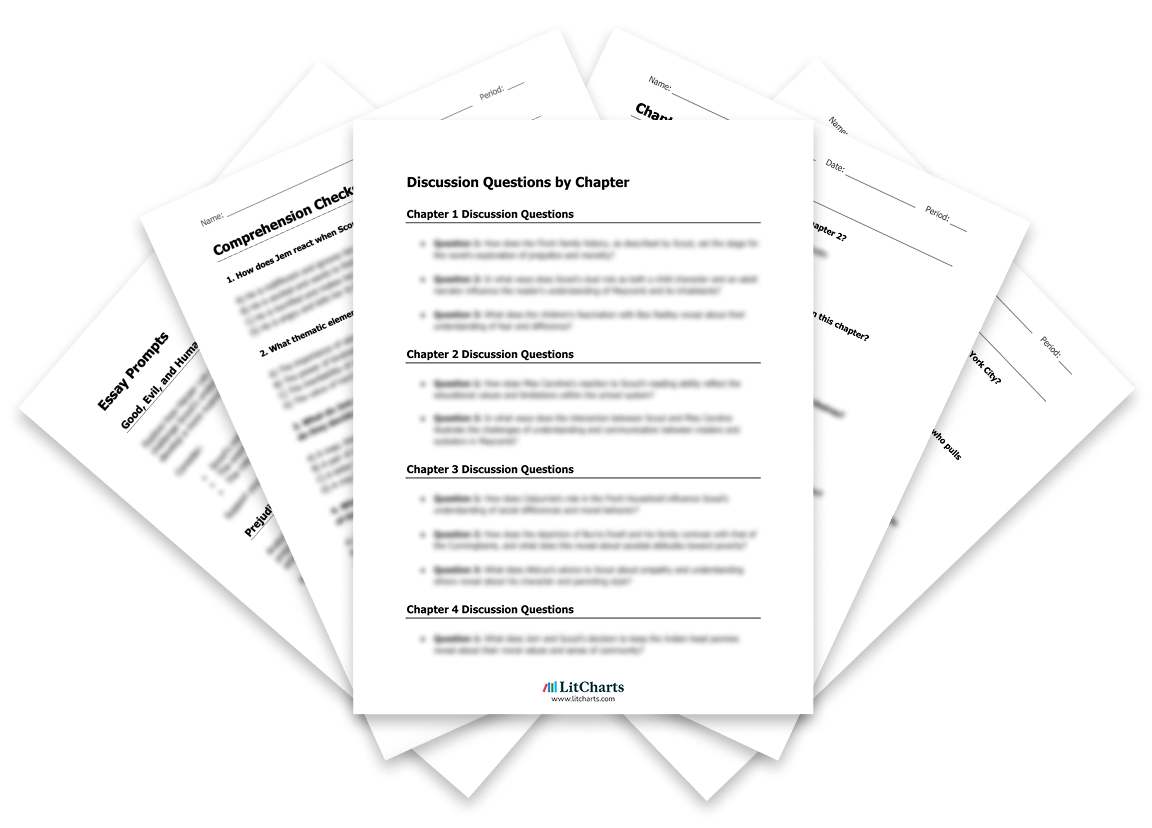


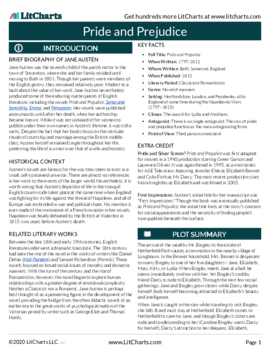
Literature Guide PDFs
LitCharts PDFs for every book you'll read this year.
Instant PDF downloads of all 2252 LitCharts literature guides and of every new one we publish. Try a free sample literature guide.
"Would not have made it through AP Literature without the printable PDFs. They're like having in-class notes for every discussion!"








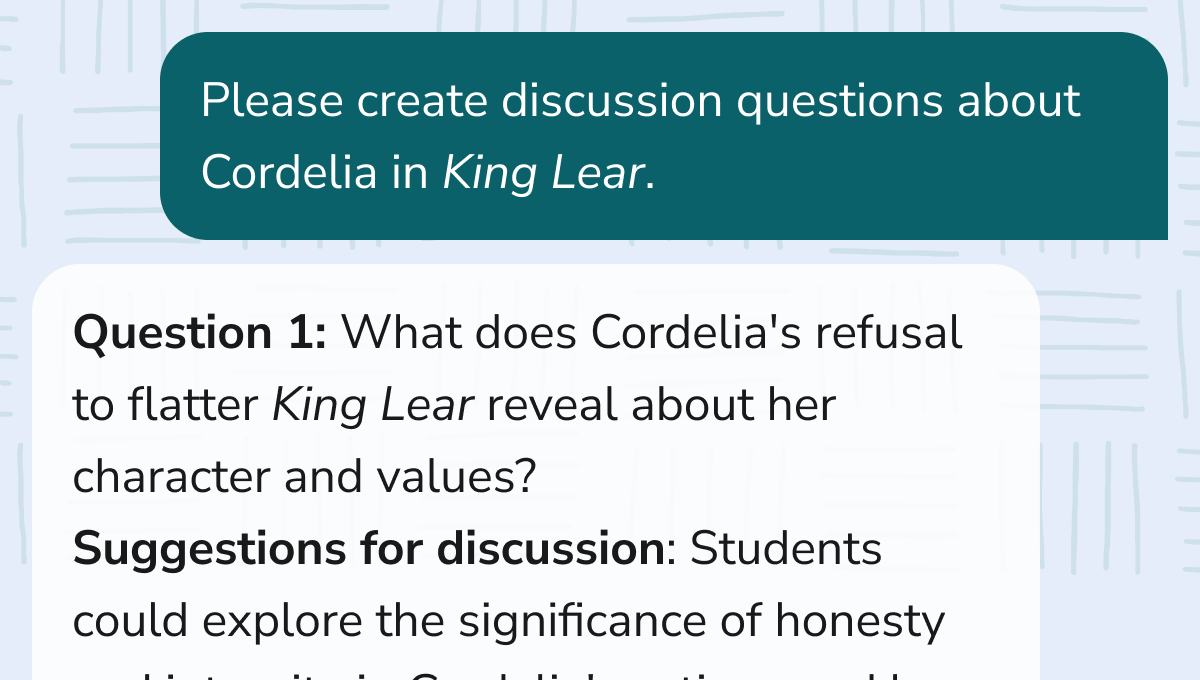
Quotes Explanations
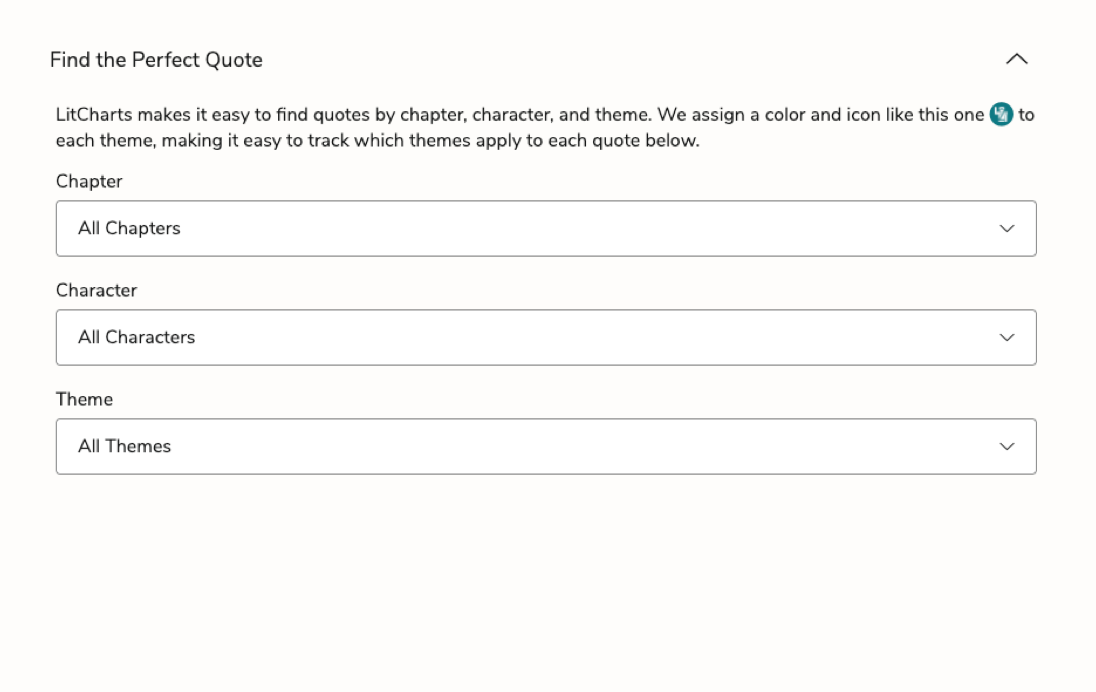
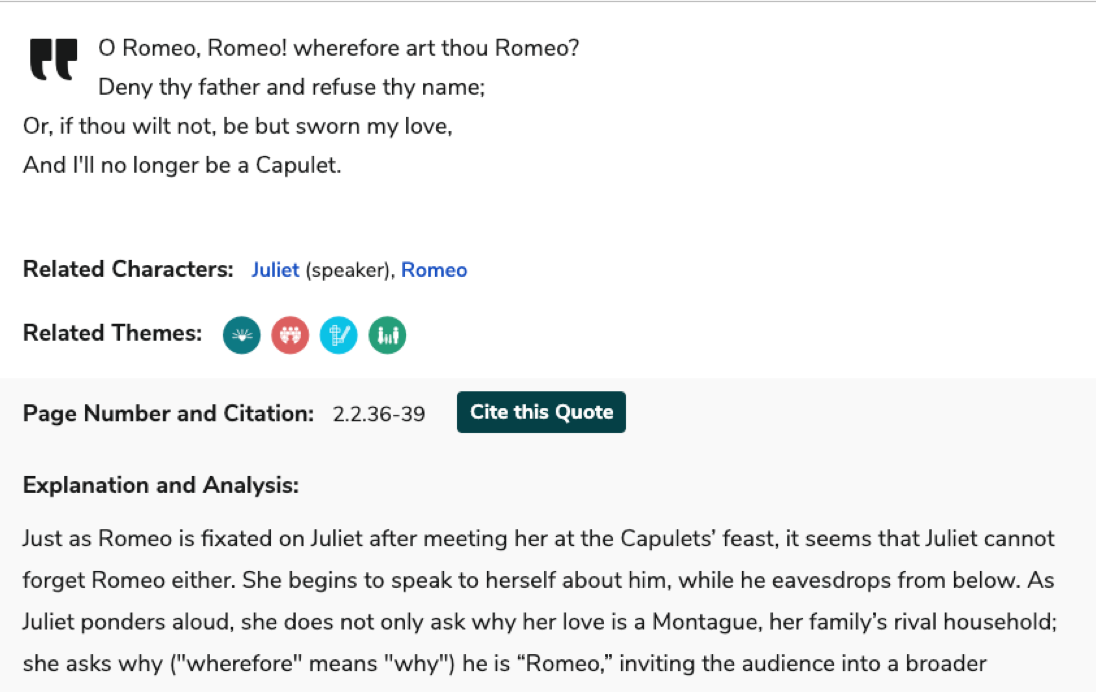
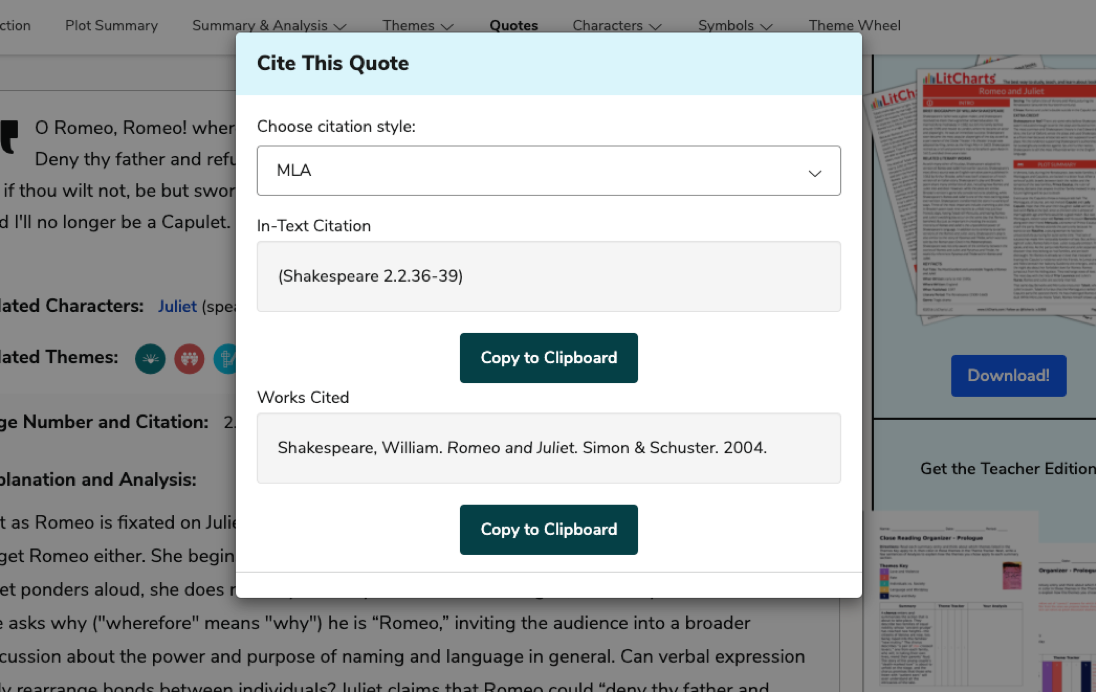
Find the perfect quote. Understand it perfectly. Then rock the citation, too.
For all 50,213 quotes we cover.
For all 50,213 quotes we cover.


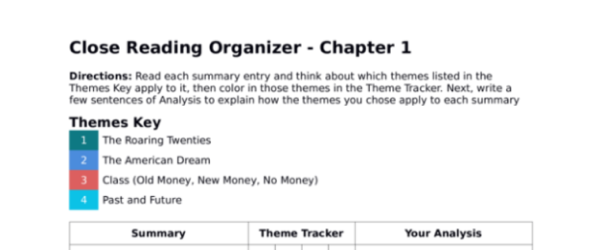
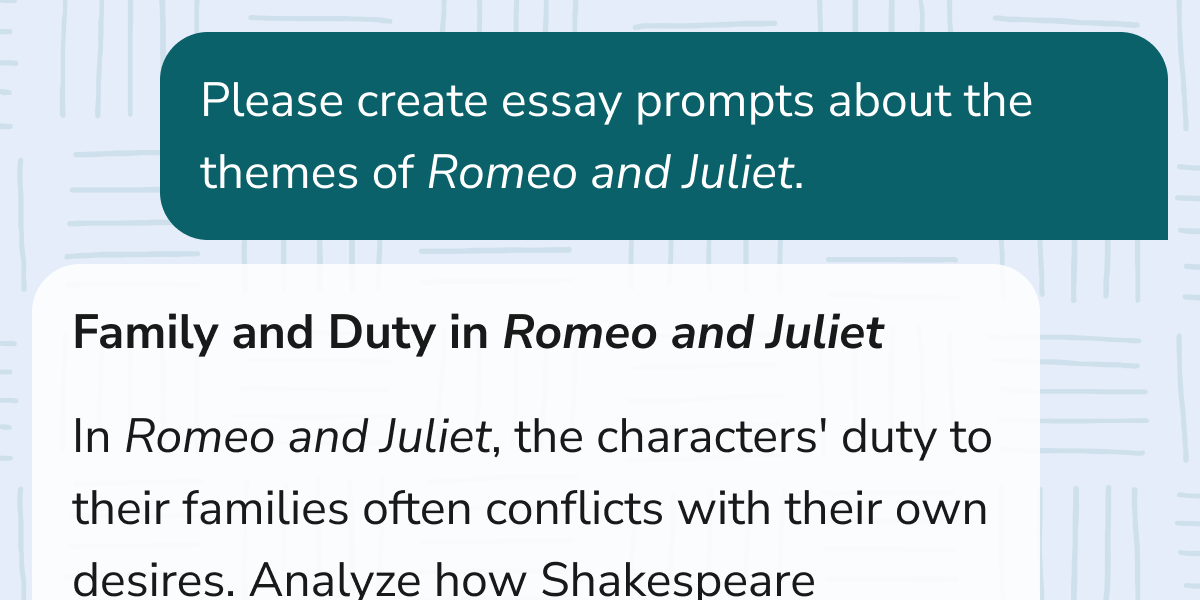
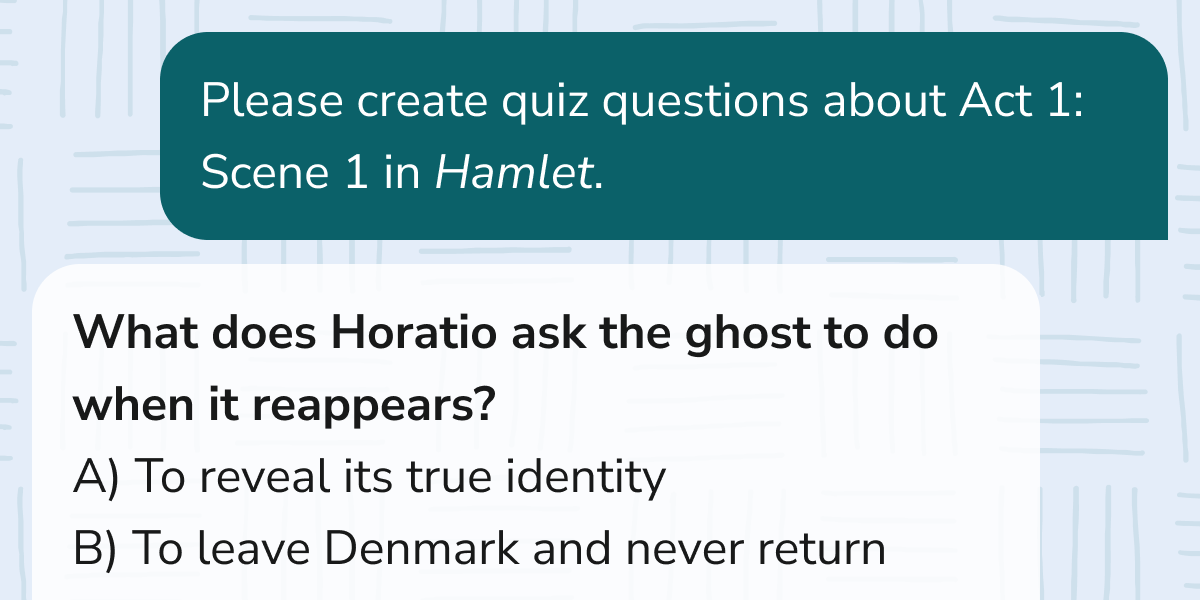
Teacher Editions
Close reading made easy for students.
Time saved for teachers.
For every book we cover.
Time saved for teachers.
For every book we cover.


Common Core-aligned


PDFs of modern translations of every one of Shakespeare's 37 plays, 154 sonnets, and 3 longer poems.

Literary Terms and Devices
Definitions and examples for every literary term and device you need to know.
Plus a quick-reference PDF with concise definitions of all 136 terms in one place.
Plus a quick-reference PDF with concise definitions of all 136 terms in one place.
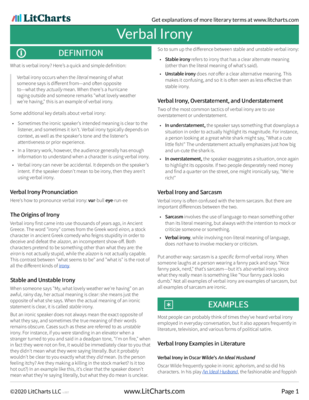
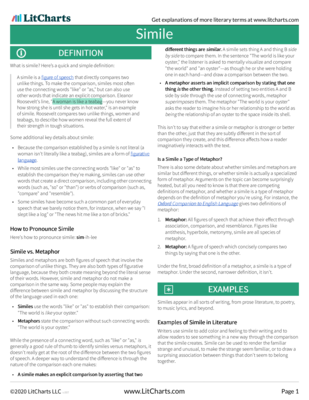
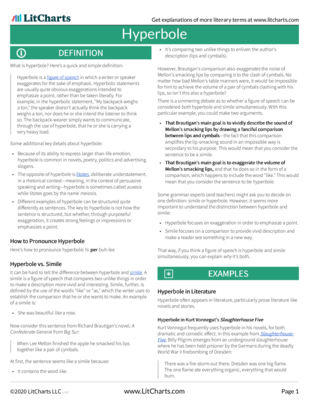
Try a free sample literary term PDF.


Advanced Search
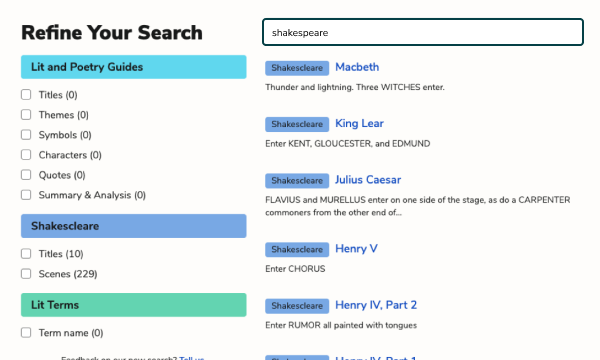
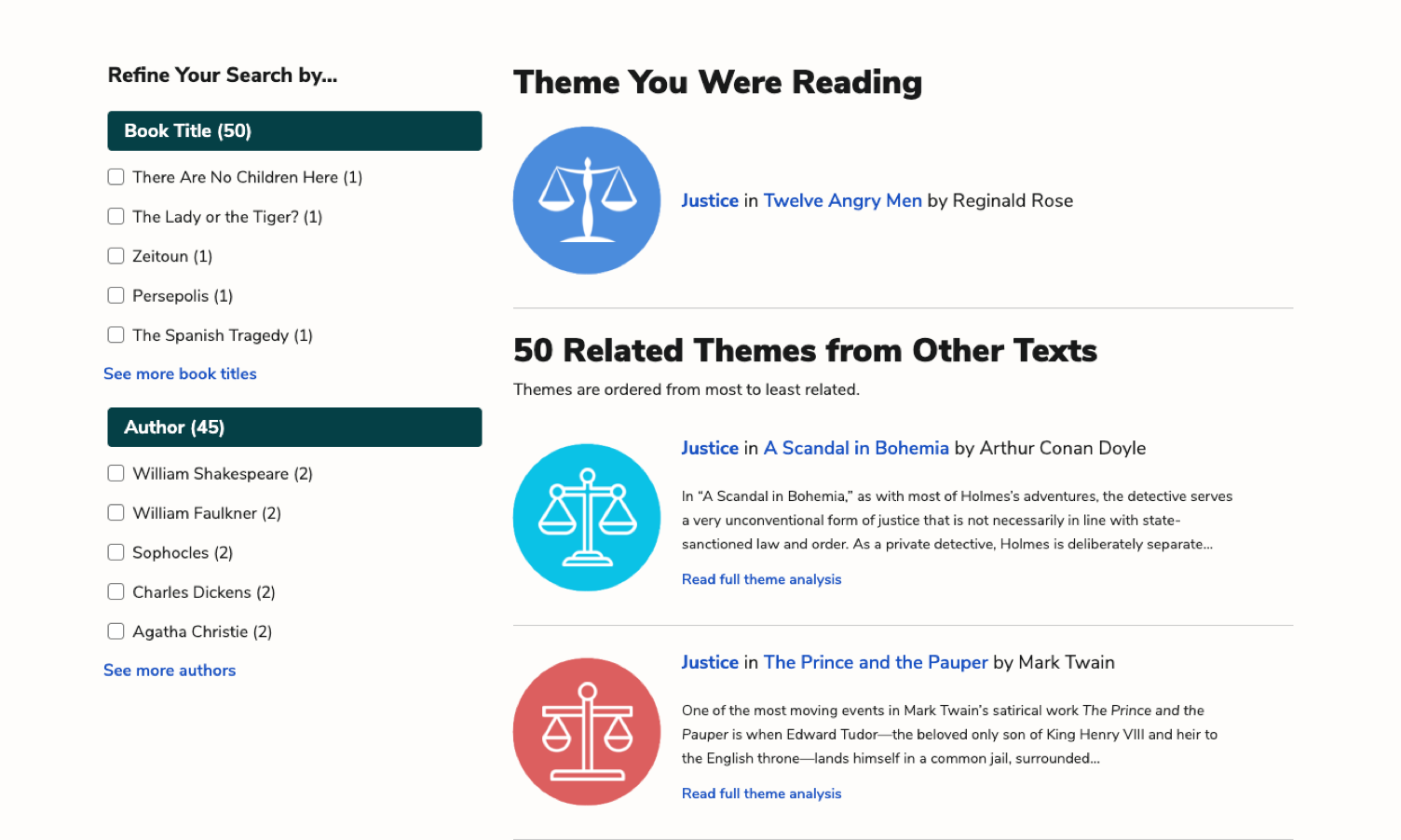
Refine any search. Find related themes, quotes, symbols, characters, and more.
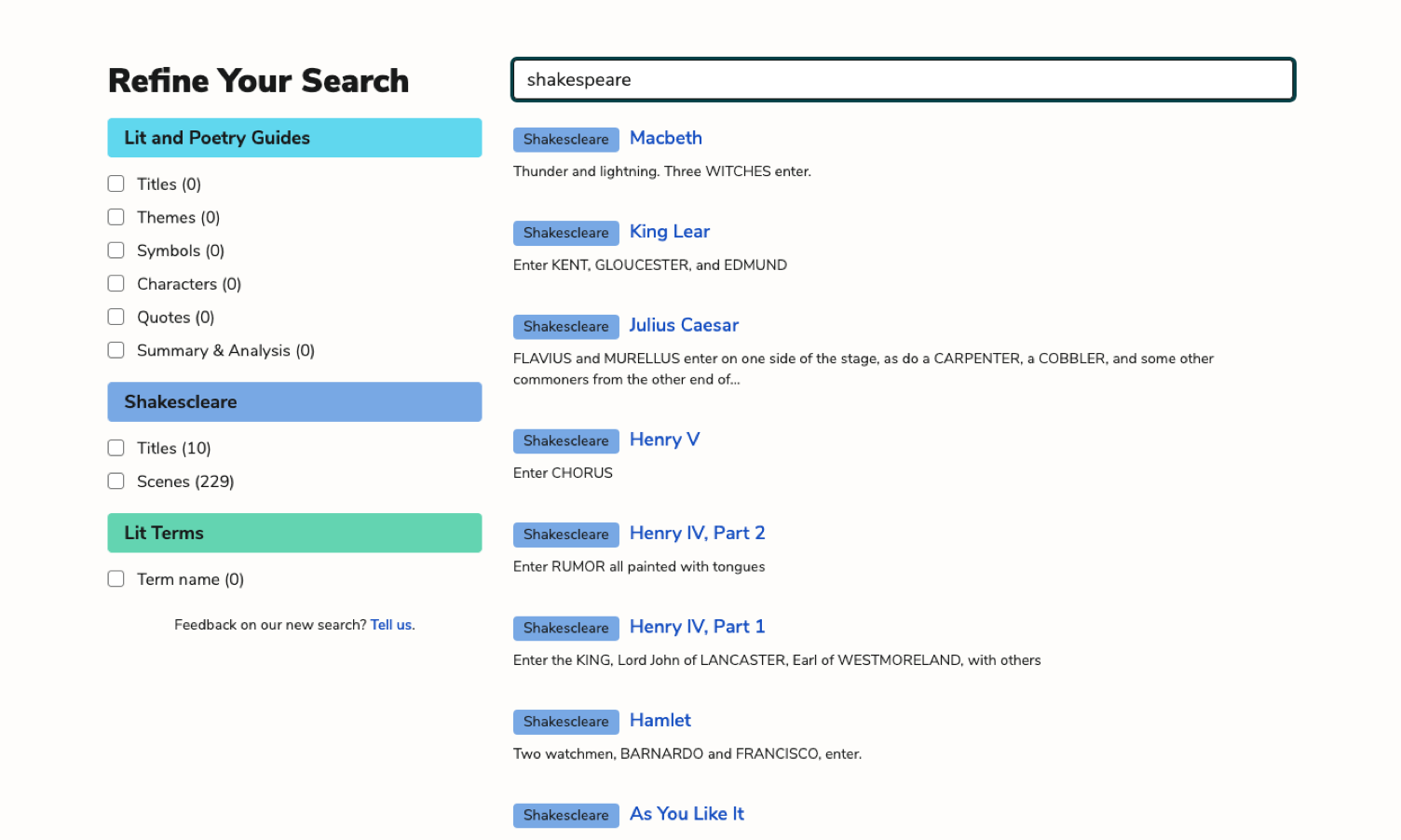

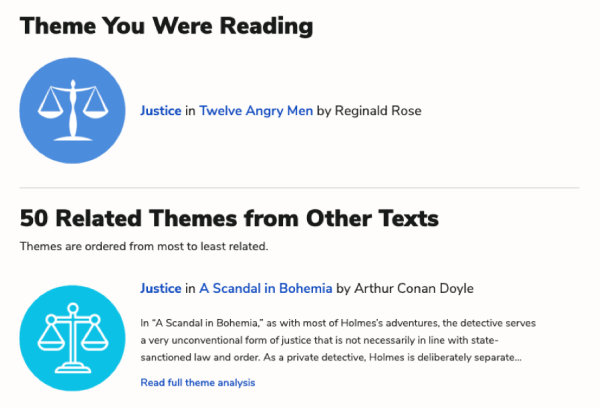
Related Themes
Comparing and contrasting texts? Find where any theme occurs across all of LitCharts in seconds.


Poetry Guides
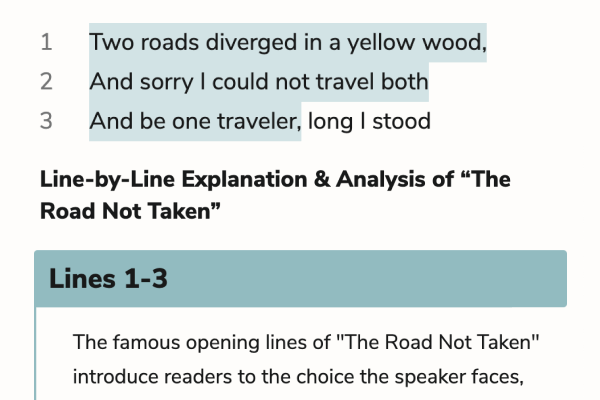
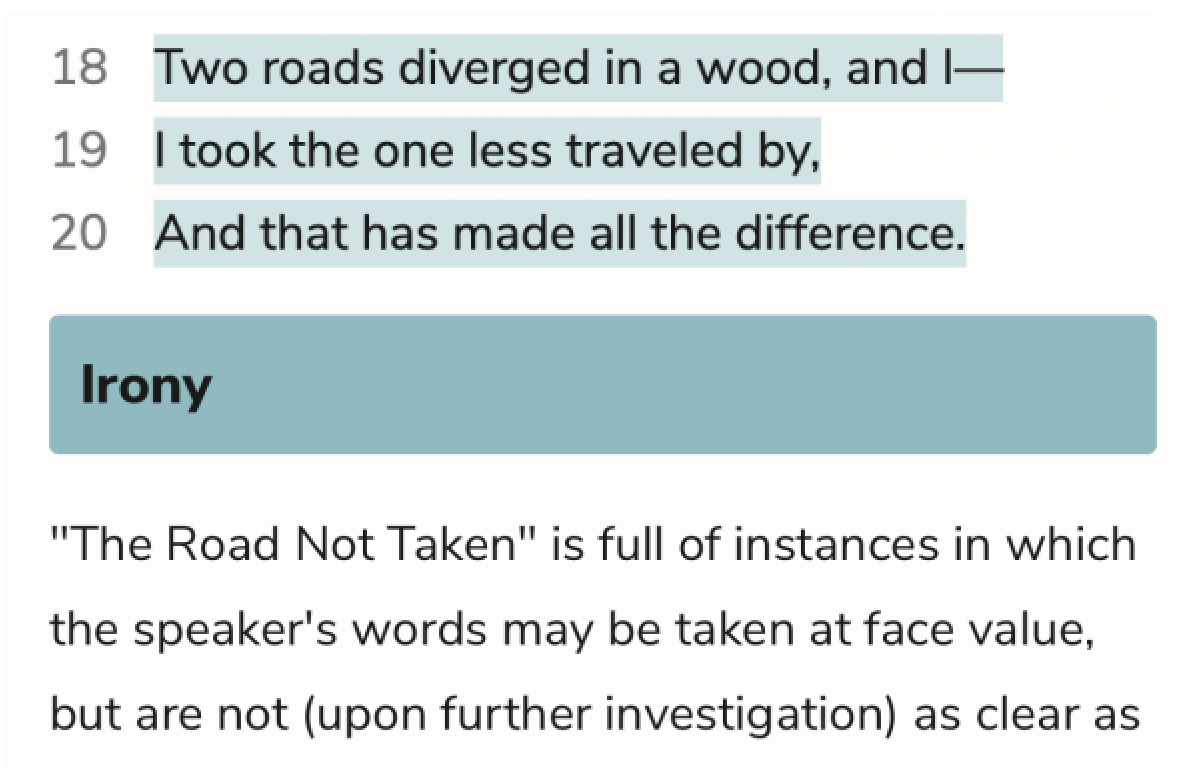
Line-by-line explanations and analysis of figurative language and poetic devices.
For every lyric poem we cover.
For every lyric poem we cover.