
|
Have questions?
Contact us
Already a member? Sign in
|
Get every literary device explanation for Beneath a Scarlet SkyPlus so much more...
Sign up for LitCharts A+Get instant access to every literary device explanation, plus so much more...
Metaphor
Explanation and Analysis—Song of Savagery:
As Pino observes the chaotic and violent moments preceding Anna and Dolly's deaths by firing squad, he likens the traumatizing and horrific experience to a song. However, the song is not one of joy or freedom, but one that becomes a metaphor for the cacophony of brutality:
But his voice was drowned out by a song of savageness and bloodlust that built and swept through the courtyard of Castello Sforzesco, echoing around and off the condemned beings lined up against the wall. The crowd squeezed forward and pinned Pino from all sides. Helpless, sick, and disbelieving, he watched Anna being pushed into position beside Dolly.
In the passage above, a partisan firing squad prepares to execute Anna, Dolly, and many others on false accusations of sympathizing with the Nazi Party. During this profound moment of tension and horror, Sullivan returns to the theme of music, creating a metaphor for the overstimulating experience of bearing witness to the murder scene. Music appears throughout Beneath a Scarlet Sky as a consistent source of comfort for Pino. Pino often imagines the patterns of his life—as well as the people in it—as musical instruments, all part of the metaphorical orchestra in his mind's eye. However, in this climactic moment Sullivan utilizes music as a vehicle for horror, demonstrating how the sounds of the crowd and of the accused become a “song of savageness.” This so-called "song" is the opposite of comforting for Pino: it is traumatizing. The metaphor heightens the poignancy of the novel’s climax.
Monthly
Annual (Best Value)

$595USD/mo
Charged $71.40 USD every year
 Teacher
$795USD/mo
Charged $95.40 USD every year
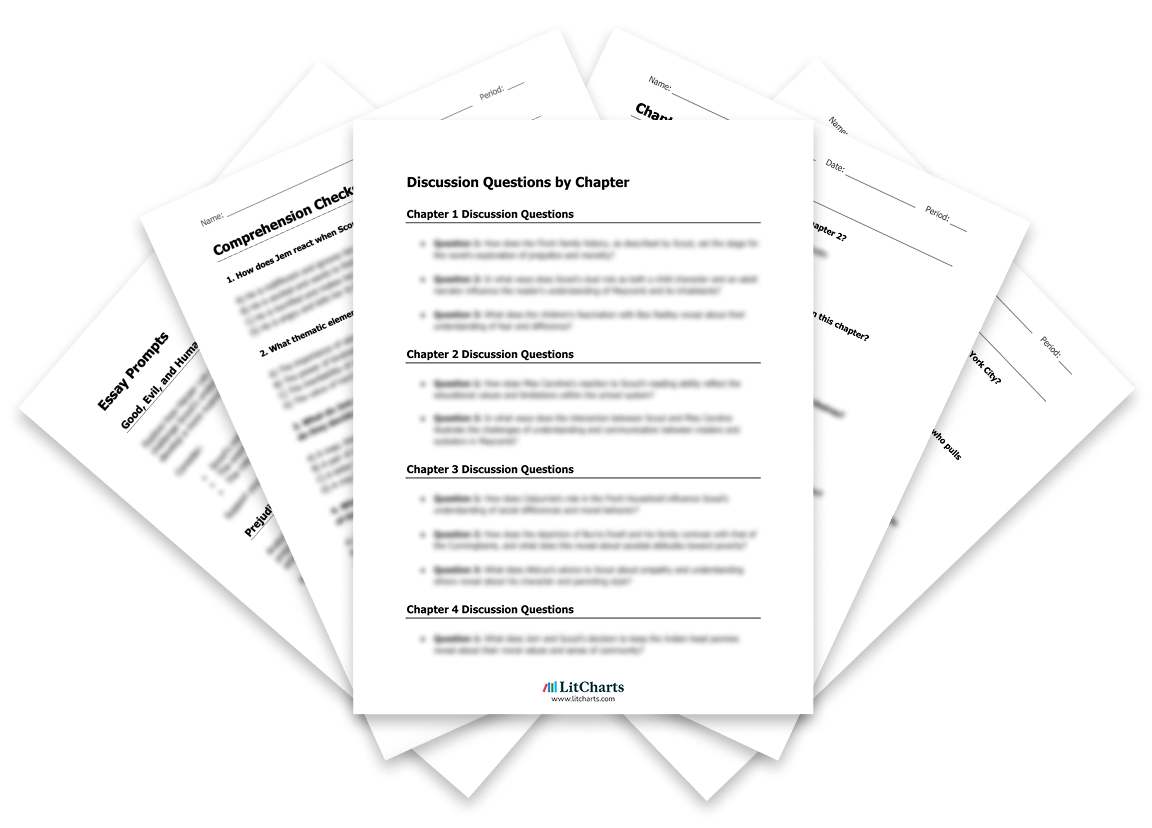


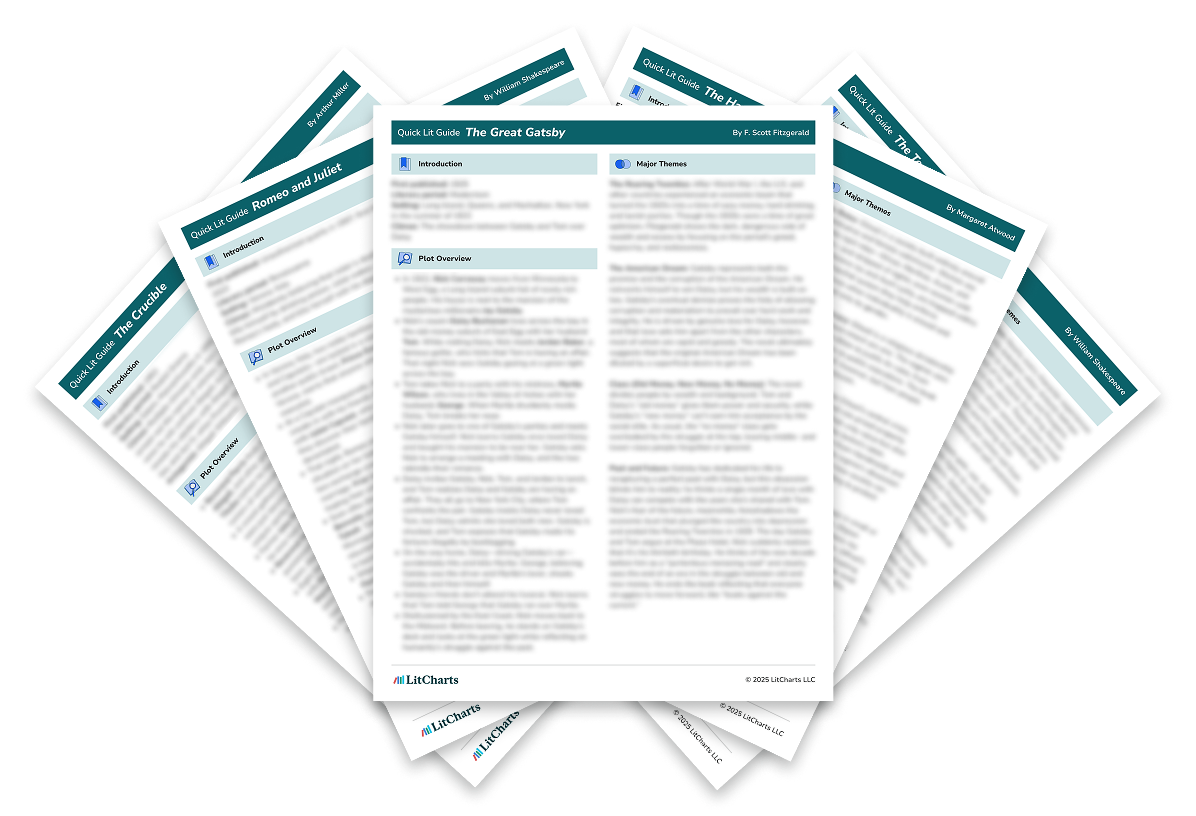
Literature Guide PDFs
LitCharts PDFs for every book you'll read this year.
Instant PDF downloads of all 2241 LitCharts literature guides and of every new one we publish. Try a free sample literature guide.
"Would not have made it through AP Literature without the printable PDFs. They're like having in-class notes for every discussion!"


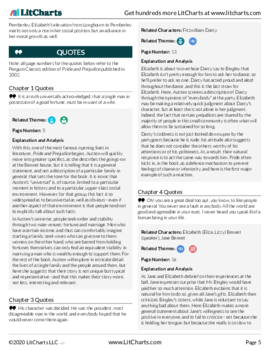


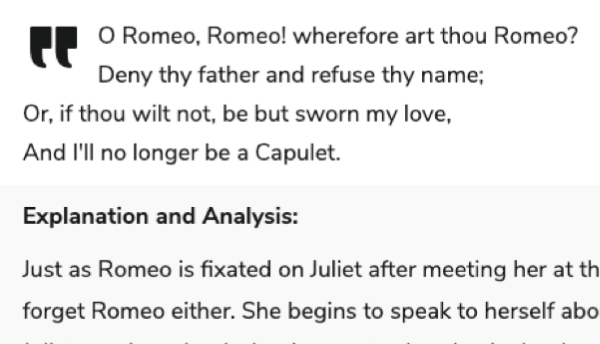
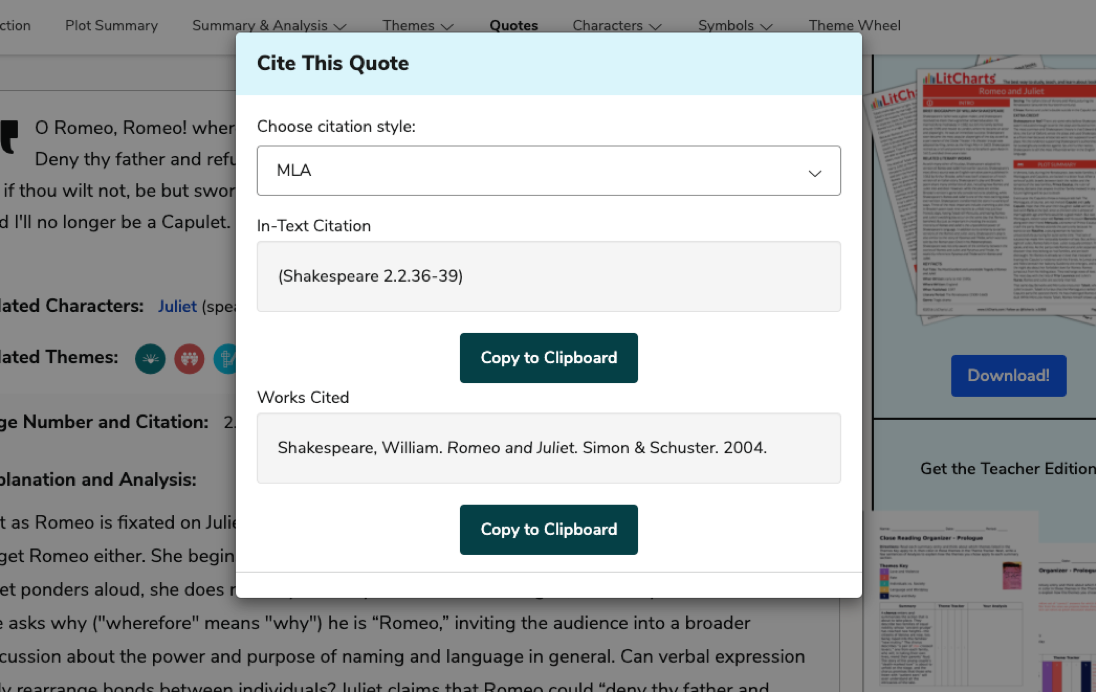
Quotes Explanations
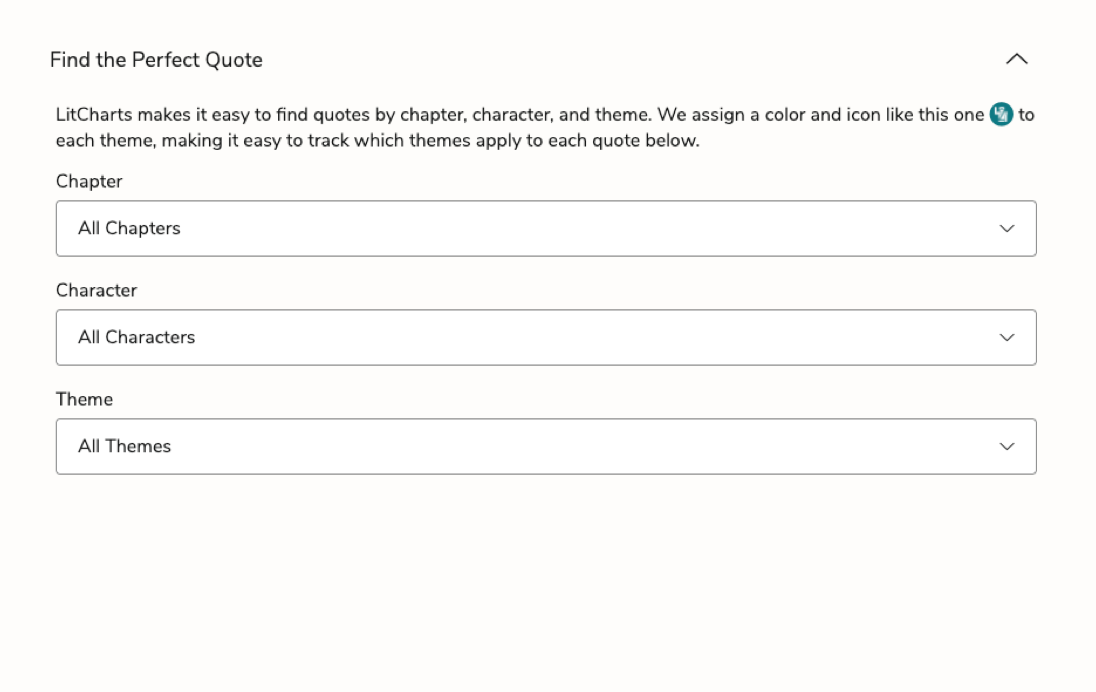
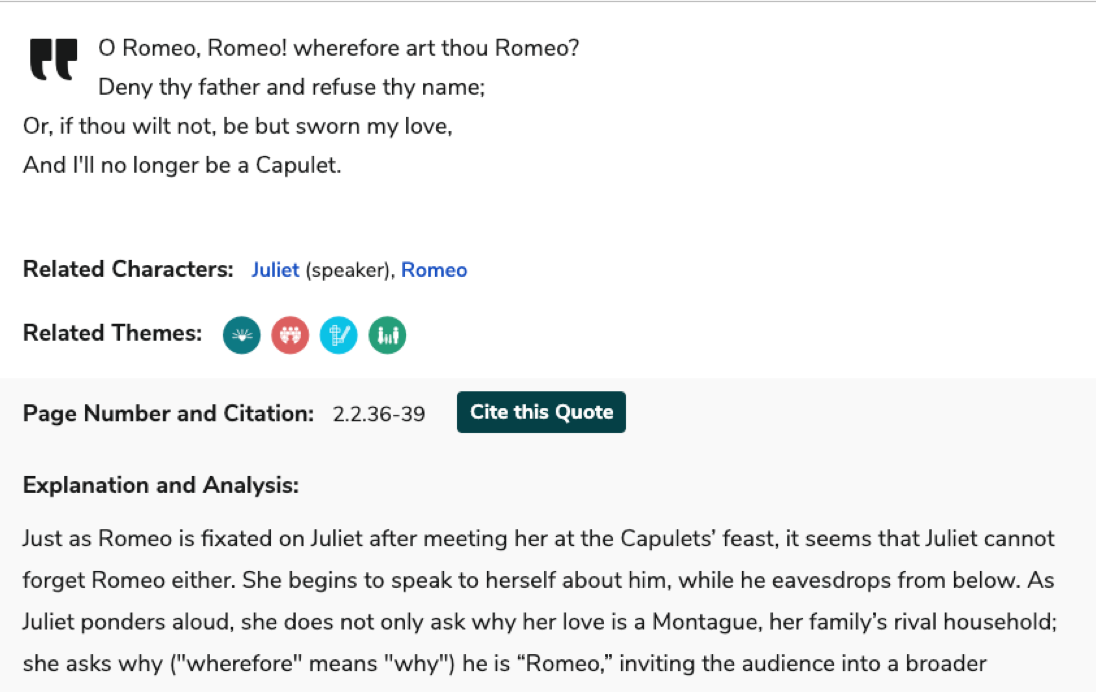
Find the perfect quote. Understand it perfectly. Then rock the citation, too.
For all 49,971 quotes we cover.
For all 49,971 quotes we cover.


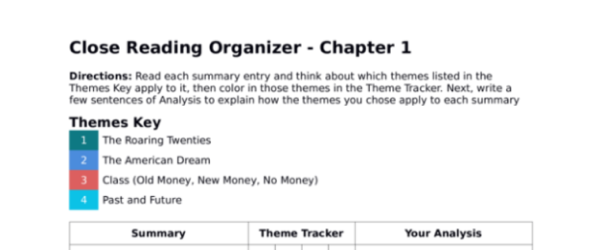
Teacher Editions
Close reading made easy for students.
Time saved for teachers.
For every book we cover.
Time saved for teachers.
For every book we cover.


Common Core-aligned


PDFs of modern translations of every one of Shakespeare's 37 plays, 154 sonnets, and 3 longer poems.

Literary Terms and Devices
Definitions and examples for every literary term and device you need to know.
Plus a quick-reference PDF with concise definitions of all 136 terms in one place.
Plus a quick-reference PDF with concise definitions of all 136 terms in one place.
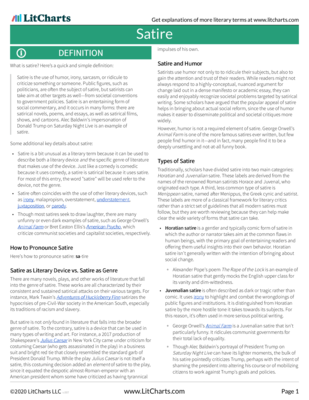
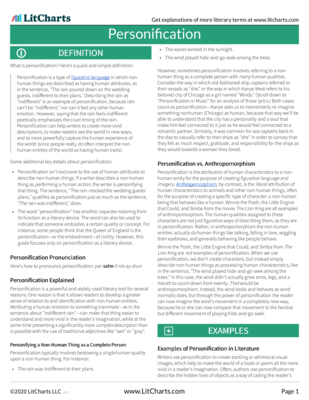
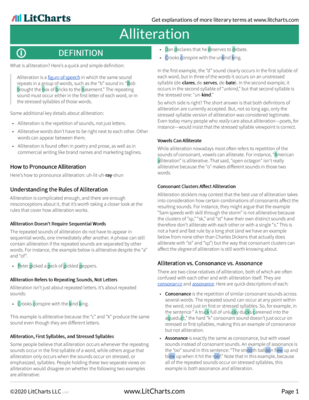
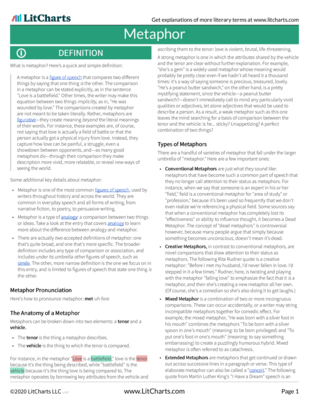
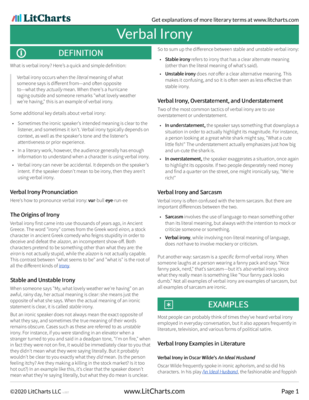
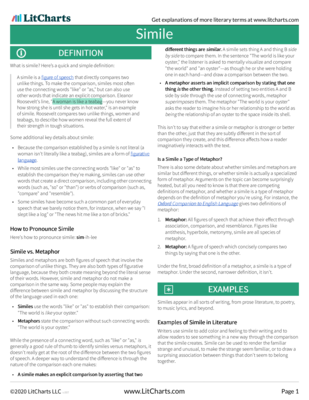
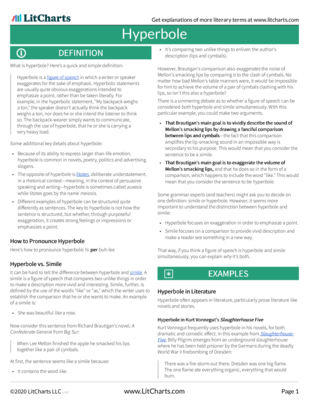
Try a free sample literary term PDF.


Advanced Search
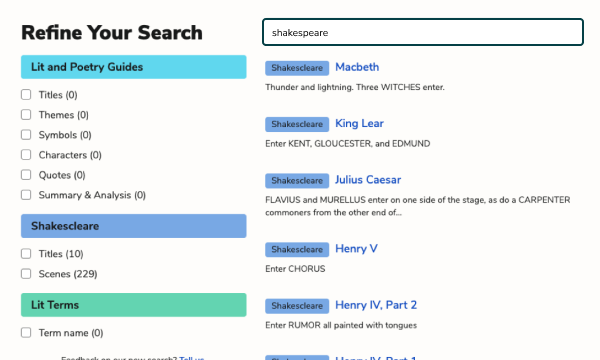
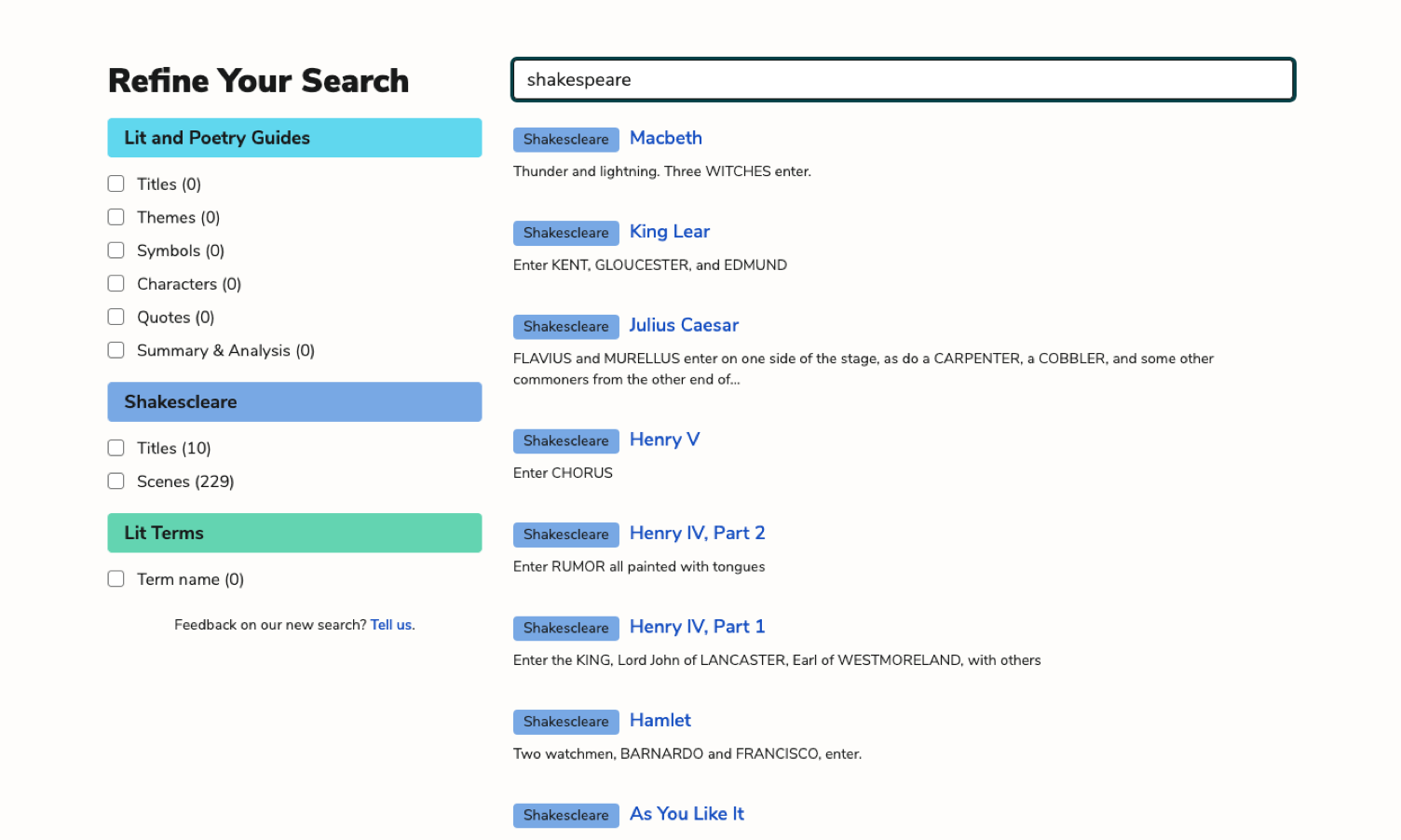
Refine any search. Find related themes, quotes, symbols, characters, and more.
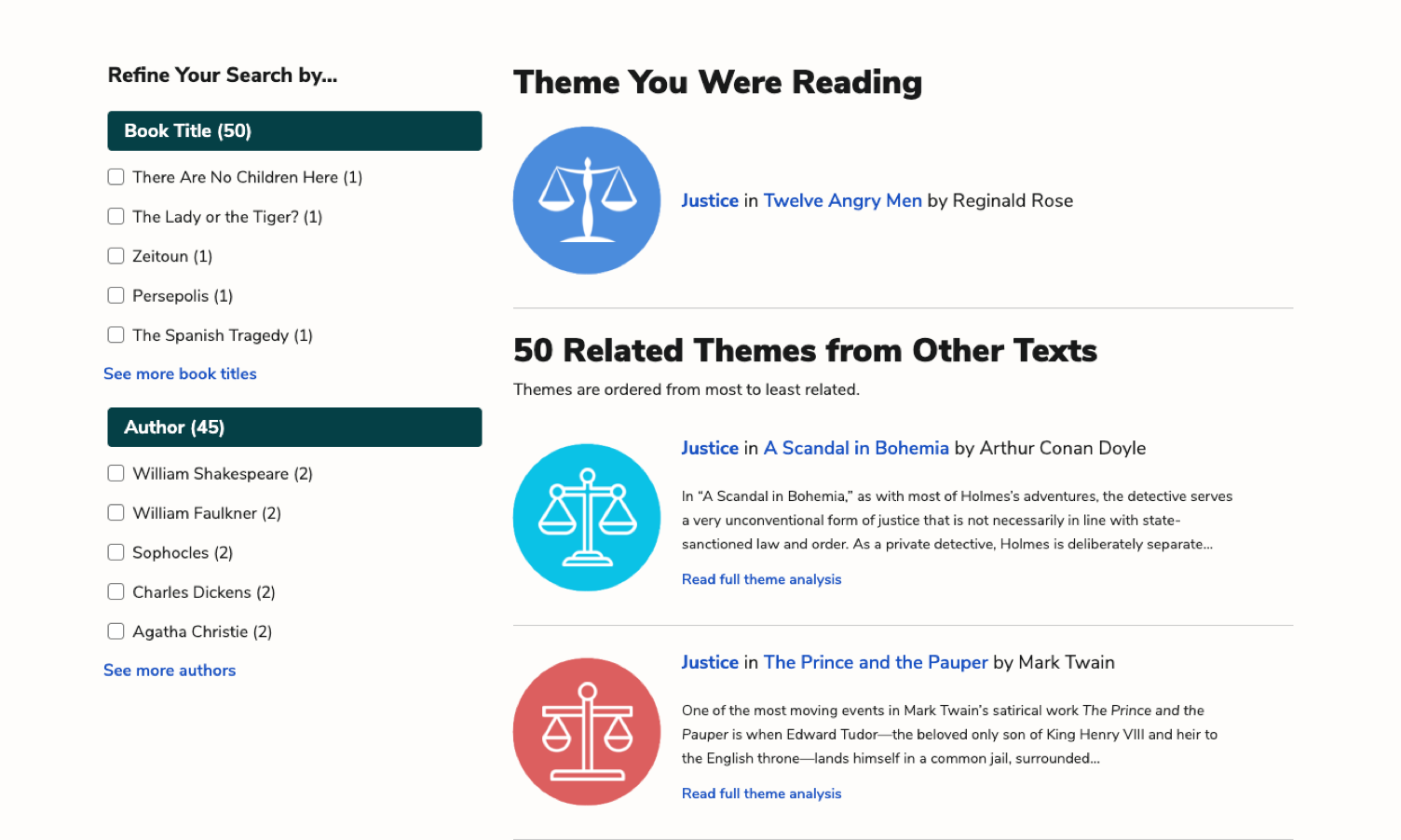
Related Themes
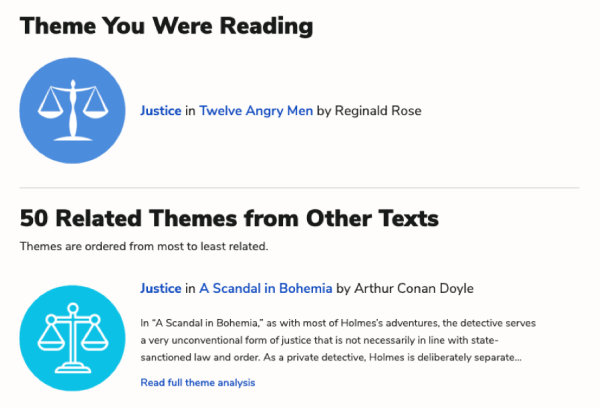
Comparing and contrasting texts? Find where any theme occurs across all of LitCharts in seconds.


Poetry Guides
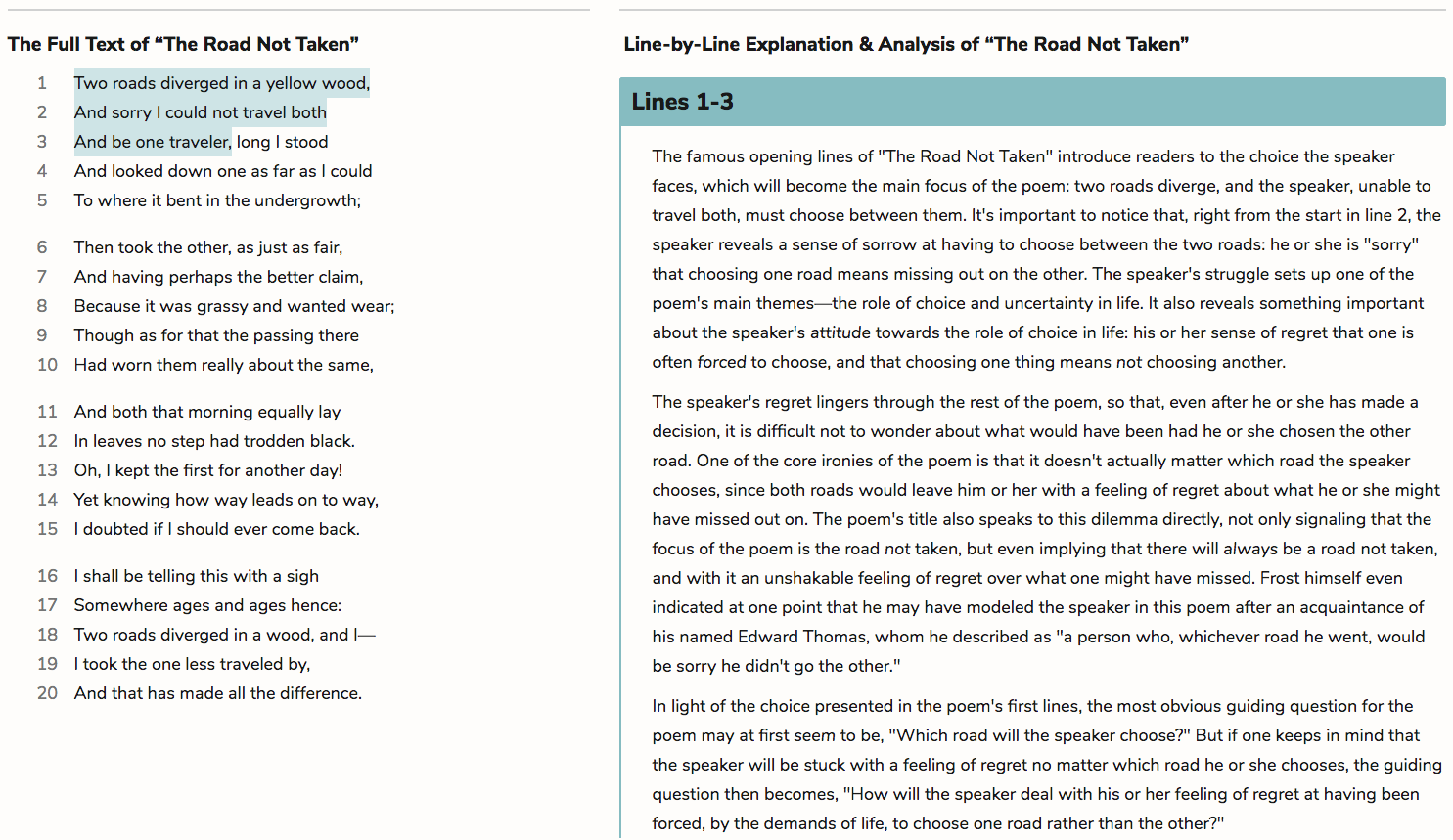
Line-by-line explanations and analysis of figurative language and poetic devices.
For every lyric poem we cover.
For every lyric poem we cover.