
|
Have questions?
Contact us
Already a member? Sign in
|
Get every literary device explanation for The RainbowPlus so much more...
Sign up for LitCharts A+Get instant access to every literary device explanation, plus so much more...
Metaphor
Explanation and Analysis—Stream of Life:
Though Tom and Lydia remain distant during the early days of their marriage, Tom grows increasingly close to his step-daughter, Anna, as they seek emotional support in each other. In his depiction of this growing closeness, Lawrence employs a metaphor that imagines affection as a stream of water:
[Tom]wanted to give [Lydia] all his love, all his passion, all his essential energy. But it could not be. He must find other things than her, other centres of living. She sat close and impregnable with the child [...] But he loved her, and time came to give some sort of course to his troublesome current of life, so that it did not foam and flood and make misery. He formed another centre of love in her child, Anna. Gradually a part of his stream of life was diverted to the child, relieving the main flood to his wife.
Though Tom and Lydia are occasionally close and treat each other with tenderness, Lydia often falls into a state of depression and detachment. Though Tom would be happy to give his wife "all his love, all his passion, all his essential energy," she is not yet open to this kind of emotional and physical closeness. In order to give "some sort of course to his troublesome current of life," Tom diverts "a part of his stream of life" to Anna, "relieving the main flood to his wife."
In this metaphor, then, Lawrence imagines Tom's capacity for love and affection as an overflowing river. Just as the strength and volume of a river might be reduced by creating channels or alternate routes for water, so too is Tom able to channel his energy and emotions to Anna. Ultimately, Tom develops a closer relationship to Anna than to his own sons with Lydia, though she later hurts him deeply by suggesting that she does not truly view him as her father.
Monthly
Annual (Best Value)

$595USD/mo
Charged $71.40 USD every year
 Teacher
$795USD/mo
Charged $95.40 USD every year


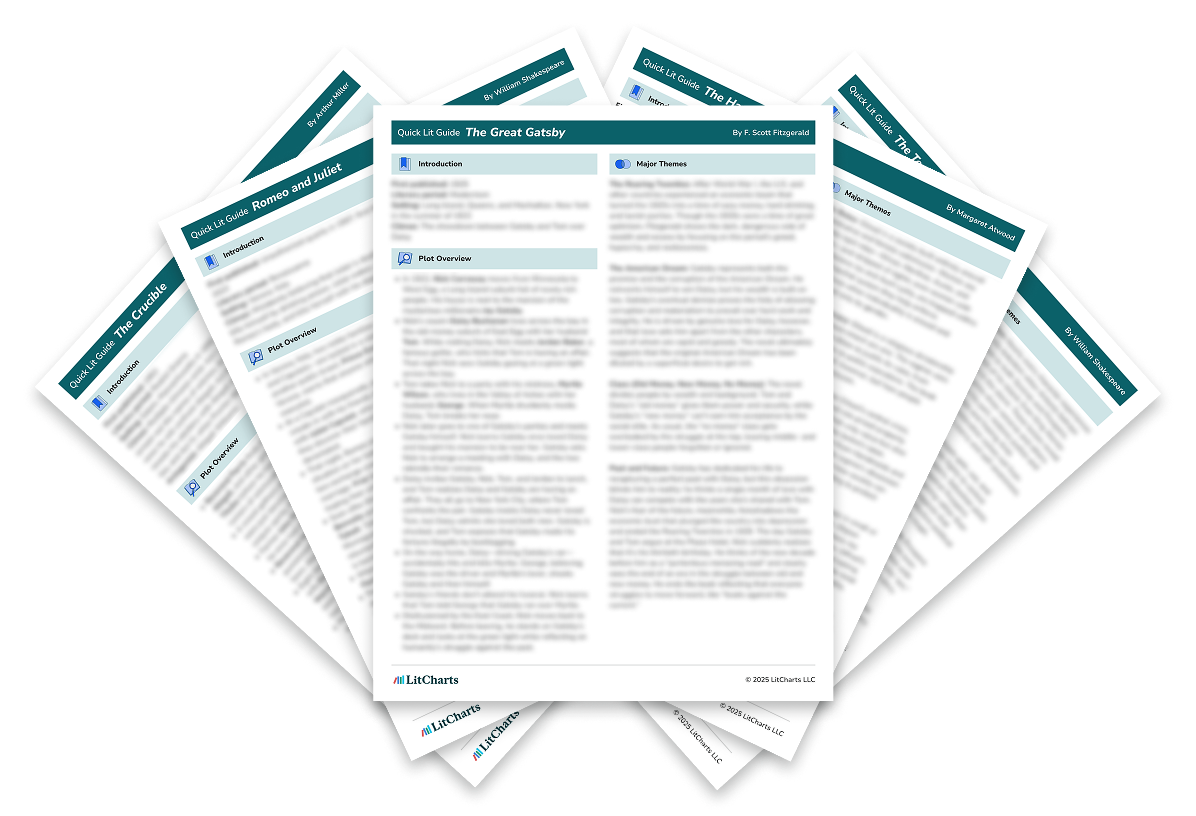
Literature Guide PDFs
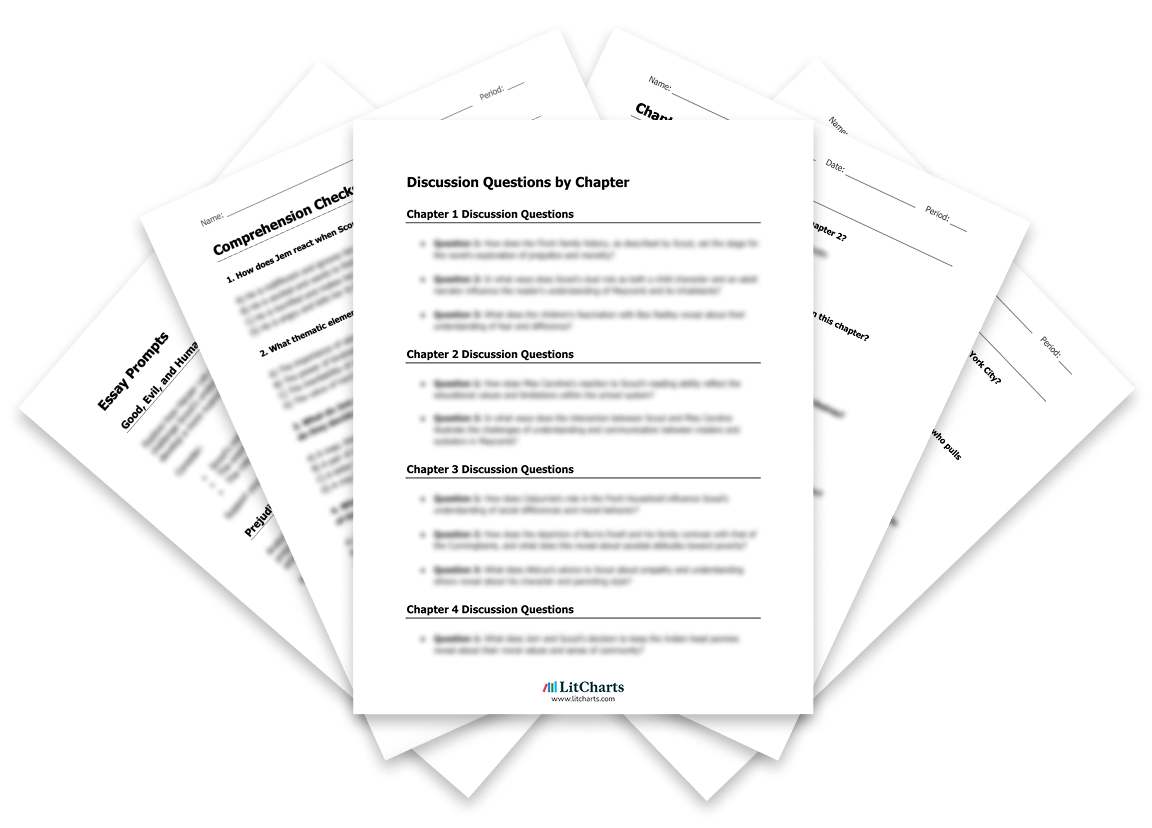
LitCharts PDFs for every book you'll read this year.
Instant PDF downloads of all 2242 LitCharts literature guides and of every new one we publish. Try a free sample literature guide.
"Would not have made it through AP Literature without the printable PDFs. They're like having in-class notes for every discussion!"



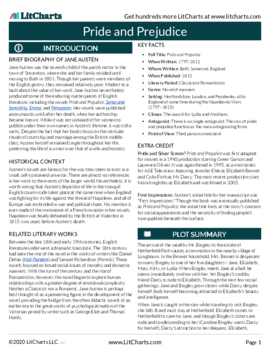


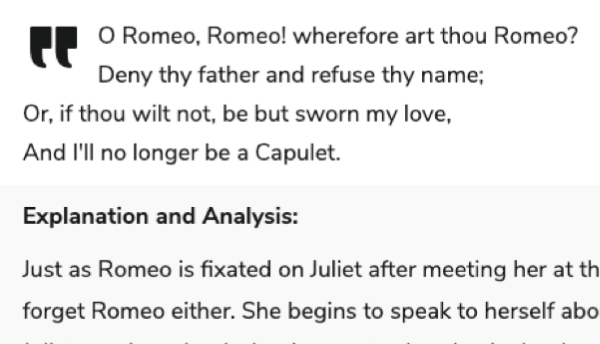
Quotes Explanations
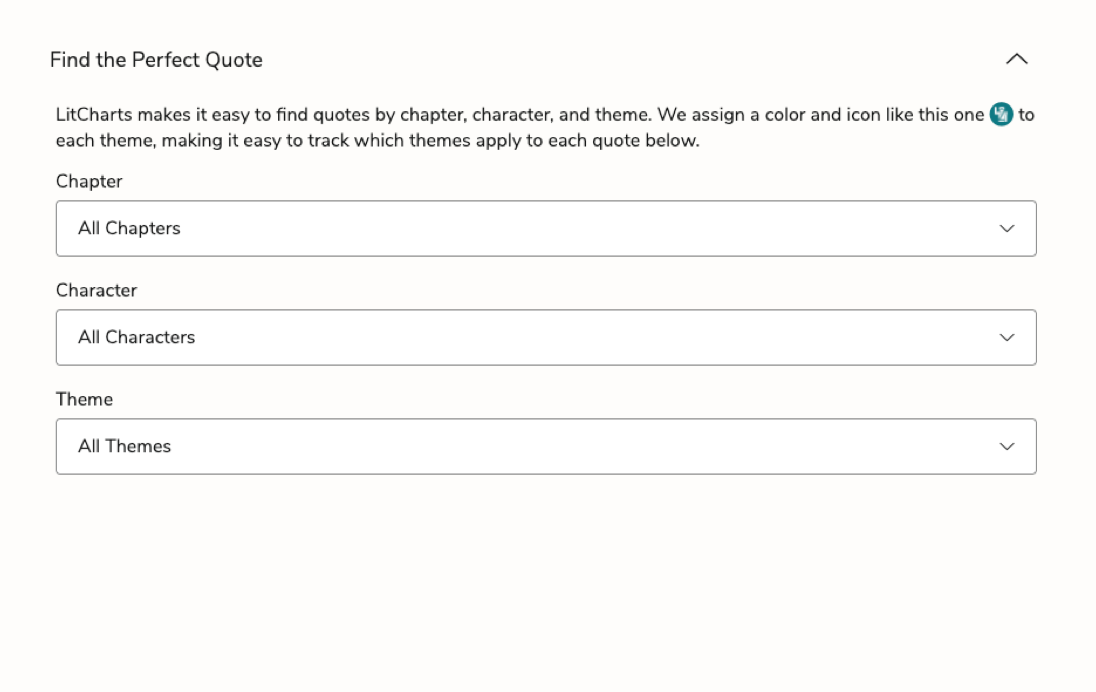
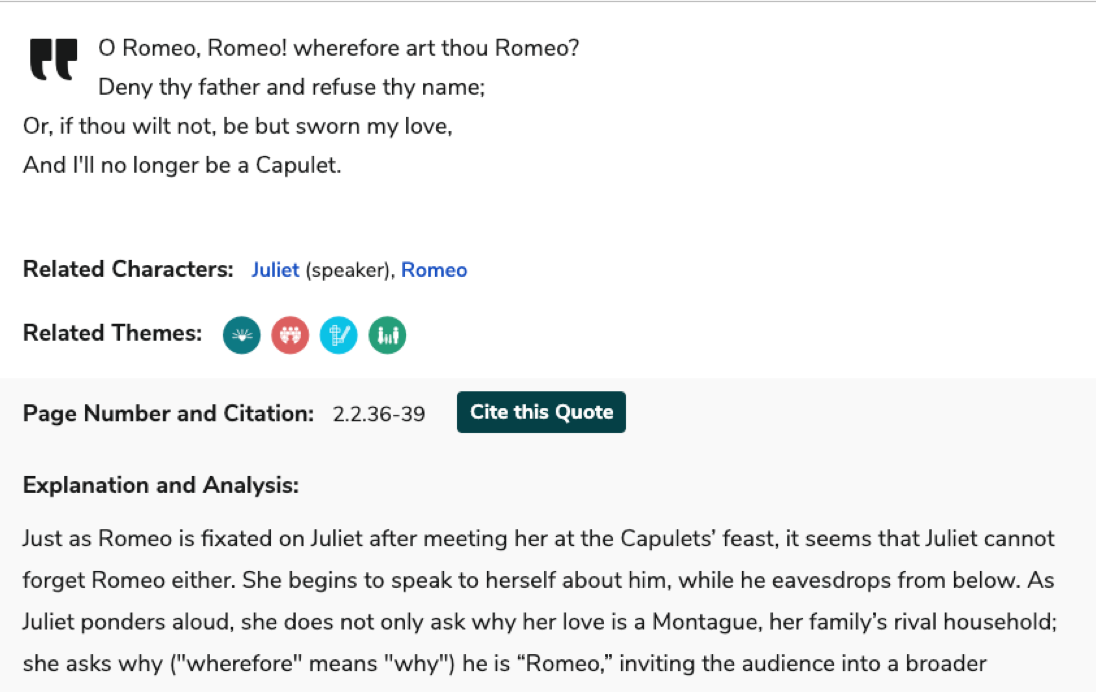
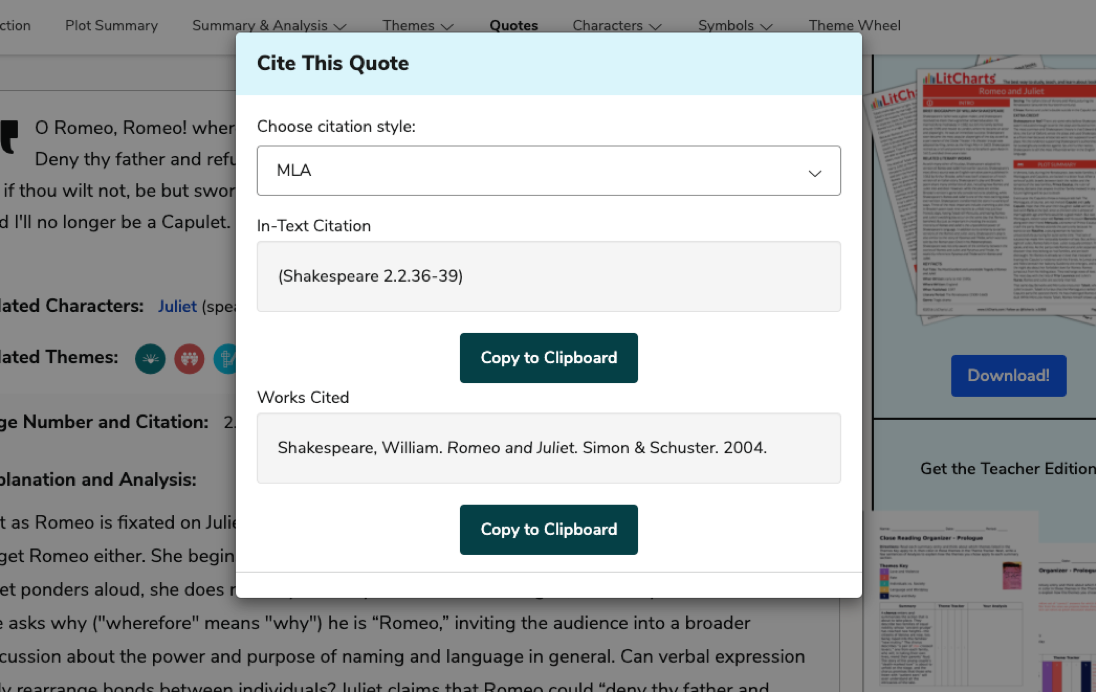
Find the perfect quote. Understand it perfectly. Then rock the citation, too.
For all 50,016 quotes we cover.
For all 50,016 quotes we cover.


Teacher Editions
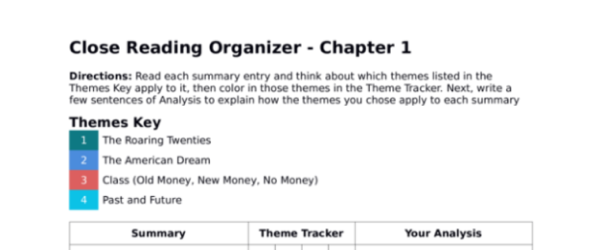
Close reading made easy for students.
Time saved for teachers.
For every book we cover.
Time saved for teachers.
For every book we cover.


Common Core-aligned


PDFs of modern translations of every one of Shakespeare's 37 plays, 154 sonnets, and 3 longer poems.

Literary Terms and Devices
Definitions and examples for every literary term and device you need to know.
Plus a quick-reference PDF with concise definitions of all 136 terms in one place.
Plus a quick-reference PDF with concise definitions of all 136 terms in one place.
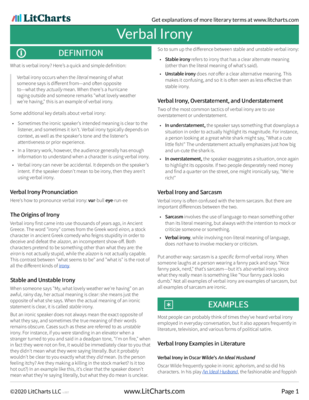
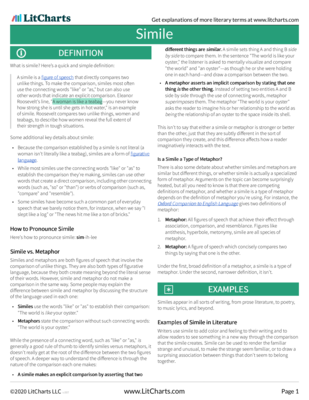
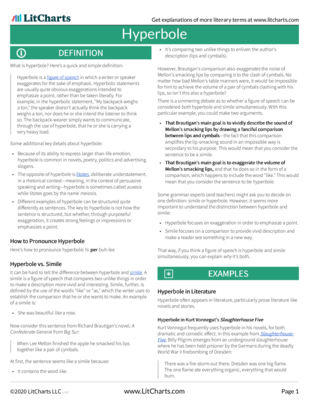
Try a free sample literary term PDF.


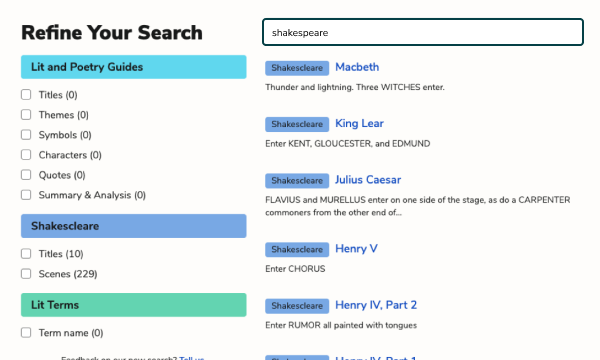
Advanced Search
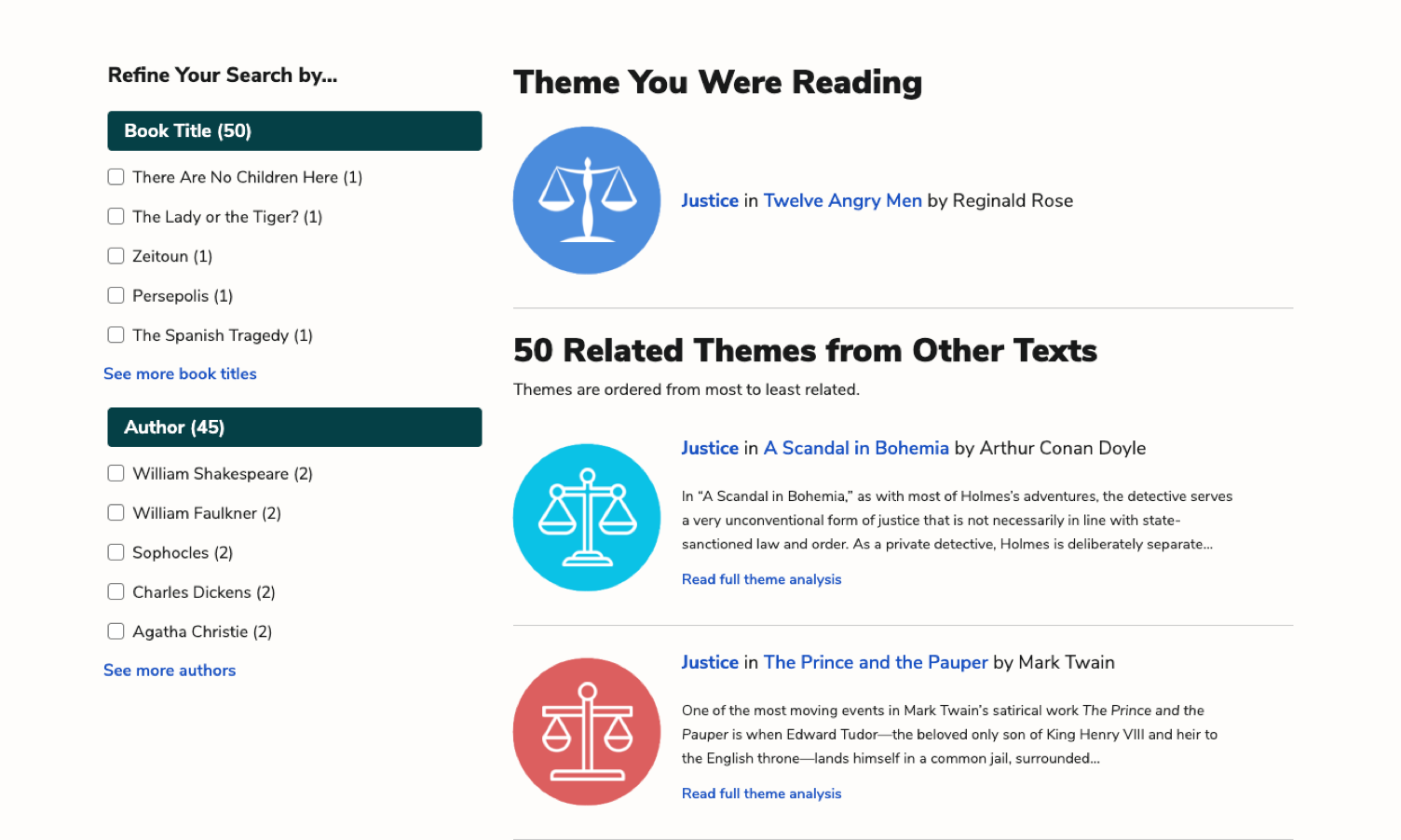
Refine any search. Find related themes, quotes, symbols, characters, and more.
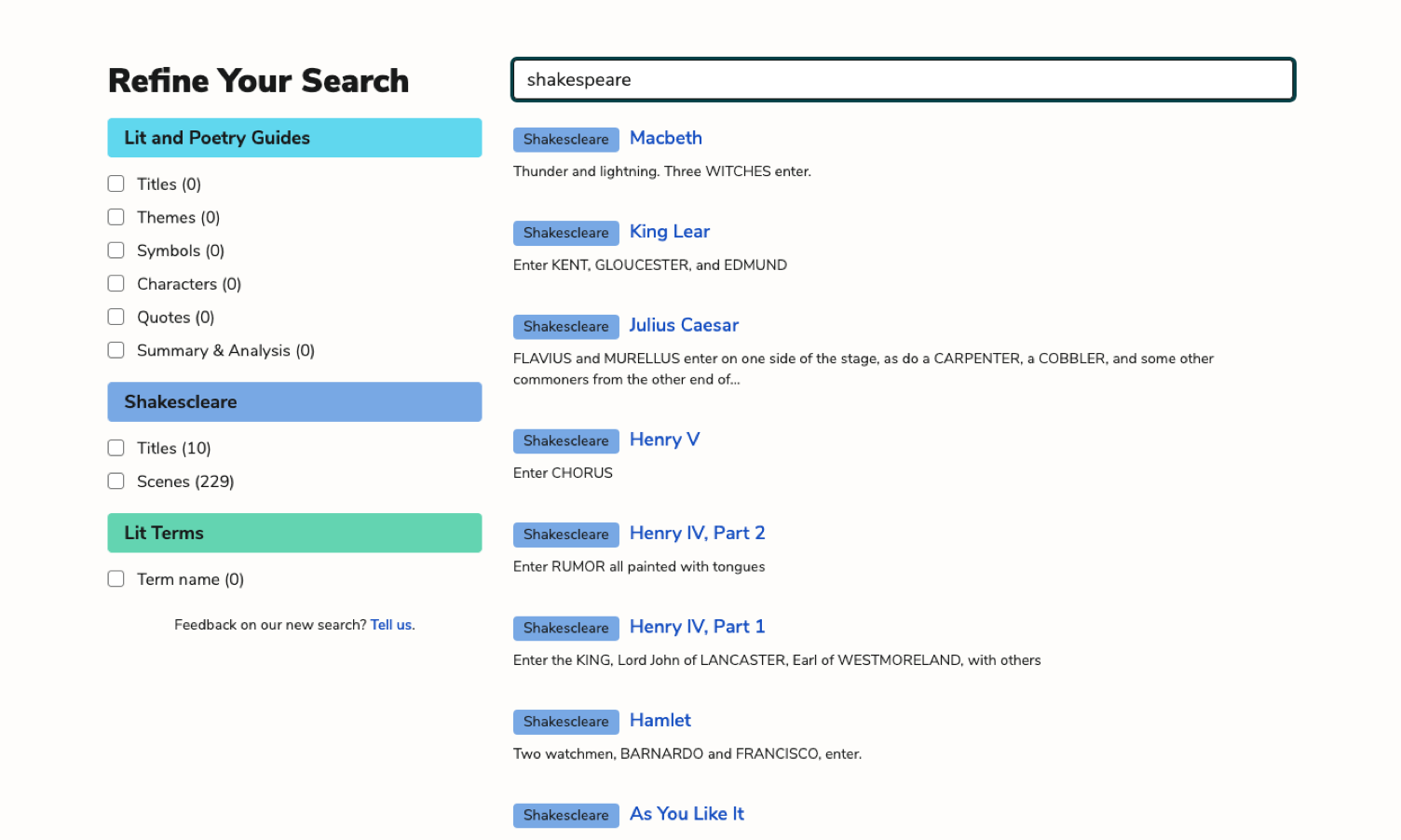

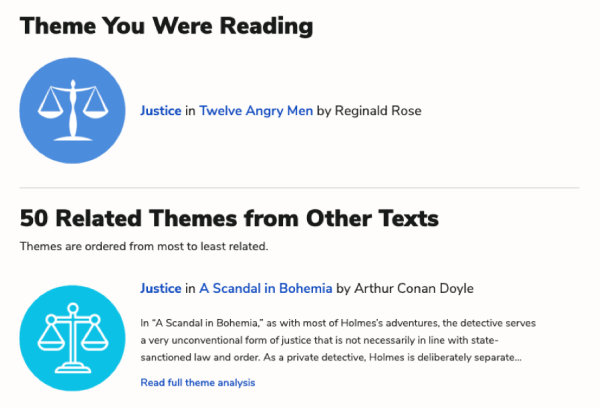
Related Themes
Comparing and contrasting texts? Find where any theme occurs across all of LitCharts in seconds.


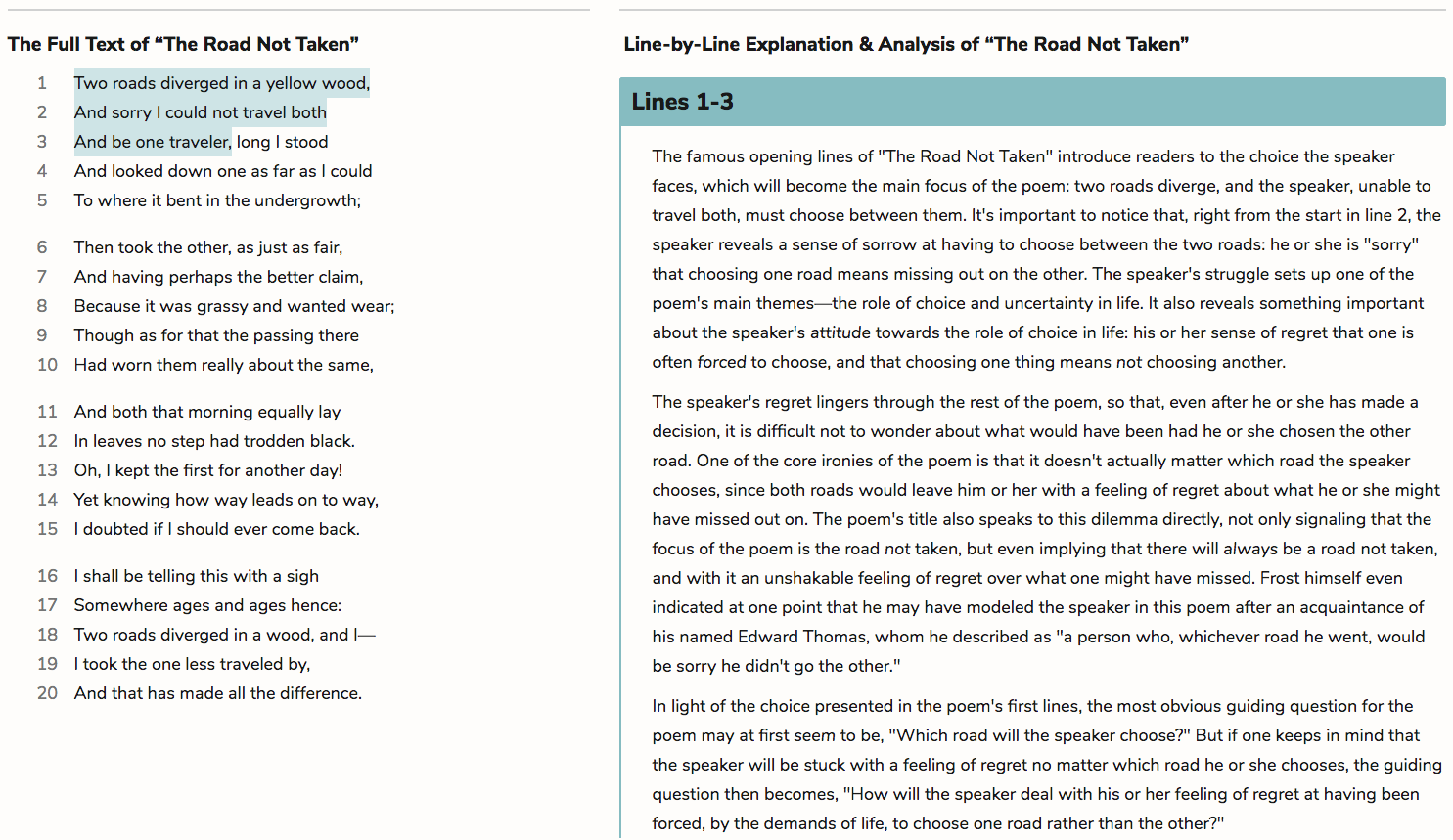
Poetry Guides
Line-by-line explanations and analysis of figurative language and poetic devices.
For every lyric poem we cover.
For every lyric poem we cover.