
|
Have questions?
Contact us
Already a member? Sign in
|
Get every literary device explanation for The RainbowPlus so much more...
Sign up for LitCharts A+Get instant access to every literary device explanation, plus so much more...
Metaphor
Explanation and Analysis—The Battle:
In the opening pages of the novel, Lawrence describes the members of the Brangwen family in very general terms, distinguishing between the common attitudes held by the men and women of the family. When describing the perspective of the Brangwen women toward the broader world beyond their family farm, the Marsh Farm, Lawrence uses a series of metaphors related to warfare and battles:
Looking out, as she must, from the front of her house towards the activity of man in the world at large, whilst her husband looked out to the back at sky and harvest and beast and land, she strained her eyes to see what man had done in fighting outwards to knowledge, she strained to hear how he uttered himself in his conquest, her deepest desire hung on the battle that she heard, far off, being waged on the edge of the unknown. She also wanted to know, and to be of the fighting host.
Here, "She" refers both to Mrs. Brangwen but also to the women of the family in general. "She" is not fully satisfied by the family's isolated life in a rural farm, instead looking out toward "the activity of man in the world at large." Lawrence uses a series of metaphors related to warfare in order to express the longing felt by the Brangwen women for greater connection to the world beyond the farm. The women, he writes, "strained her eyes to see what man had done in fighting outwards to knowledge." Here, advances in science, technology, the arts, and other arenas of cultural accomplishment are described, metaphorically, as a war or act of "conquest," a "battle" taking place in some far off place. The Brangwen women, despite the lack of opportunities available to women in Britain in the 19th century, long to "be a part of the fighting host," or in other words, hope to participate in cultural transformations of modernity. Throughout the novel, Lawrence contrasts the familiar comforts of traditional rural life with new, more "modern" ways of living.
Monthly
Annual (Best Value)

$595USD/mo
Charged $71.40 USD every year
 Teacher
$795USD/mo
Charged $95.40 USD every year
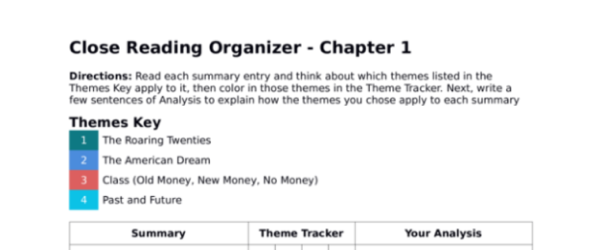
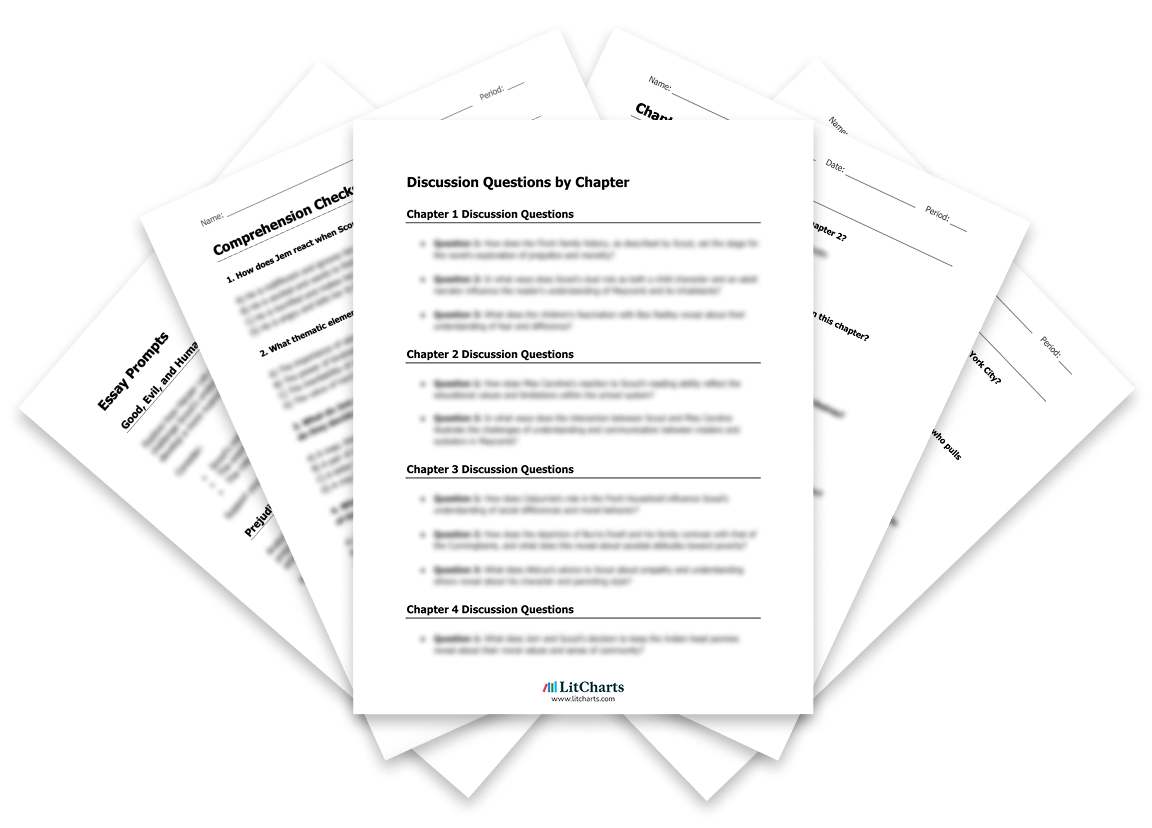
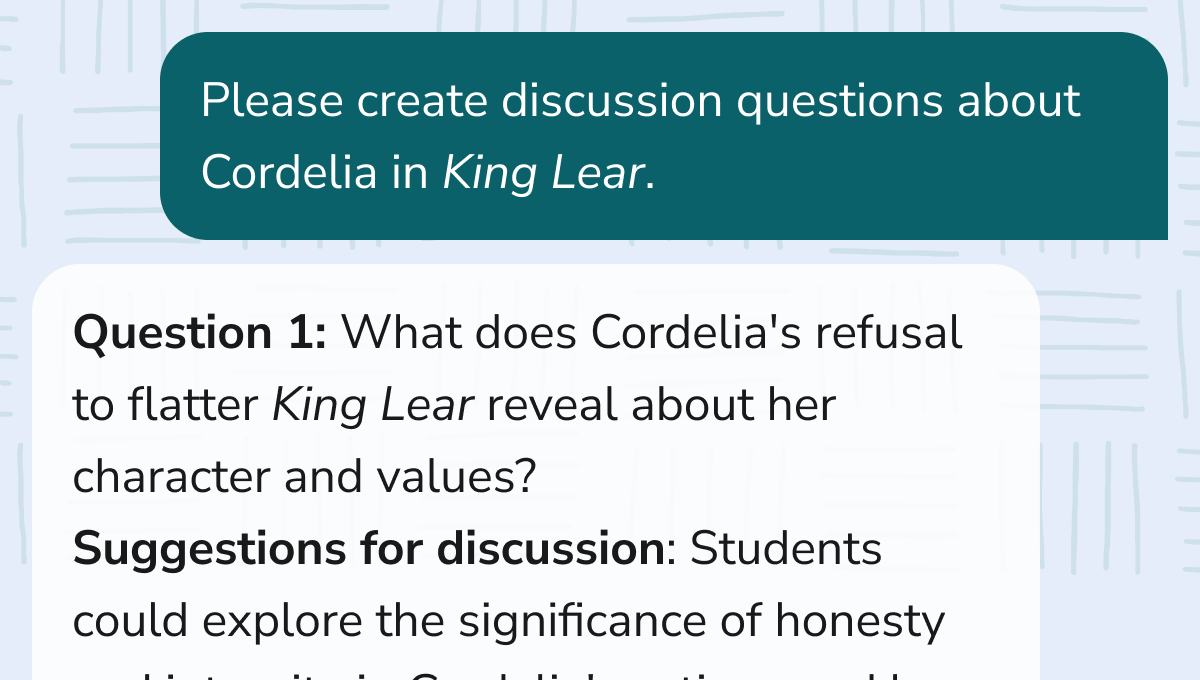
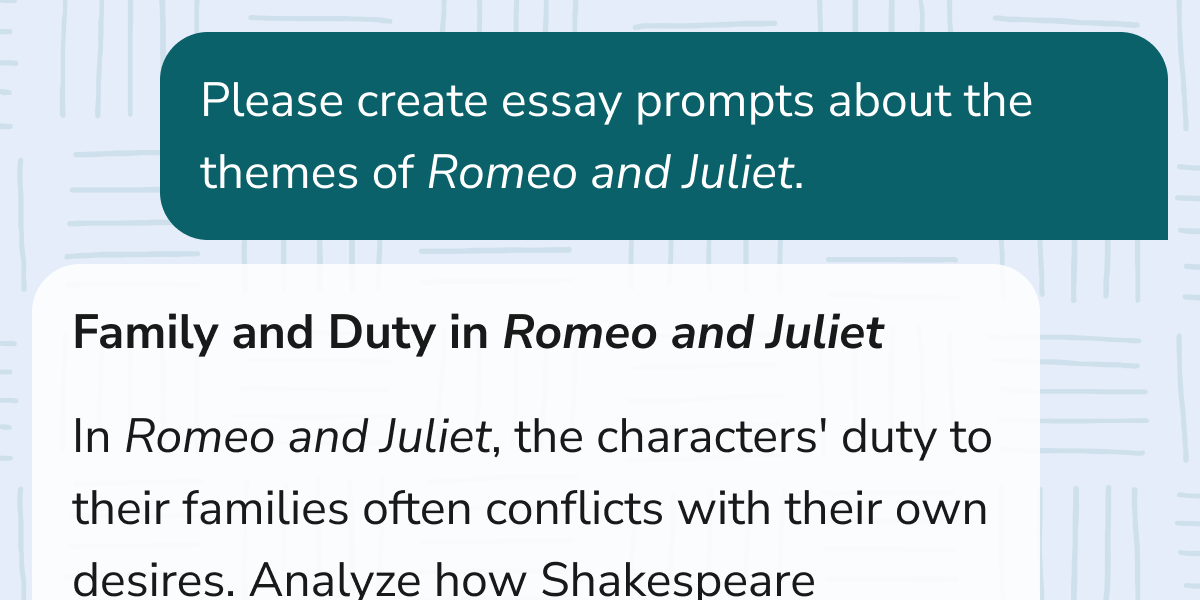


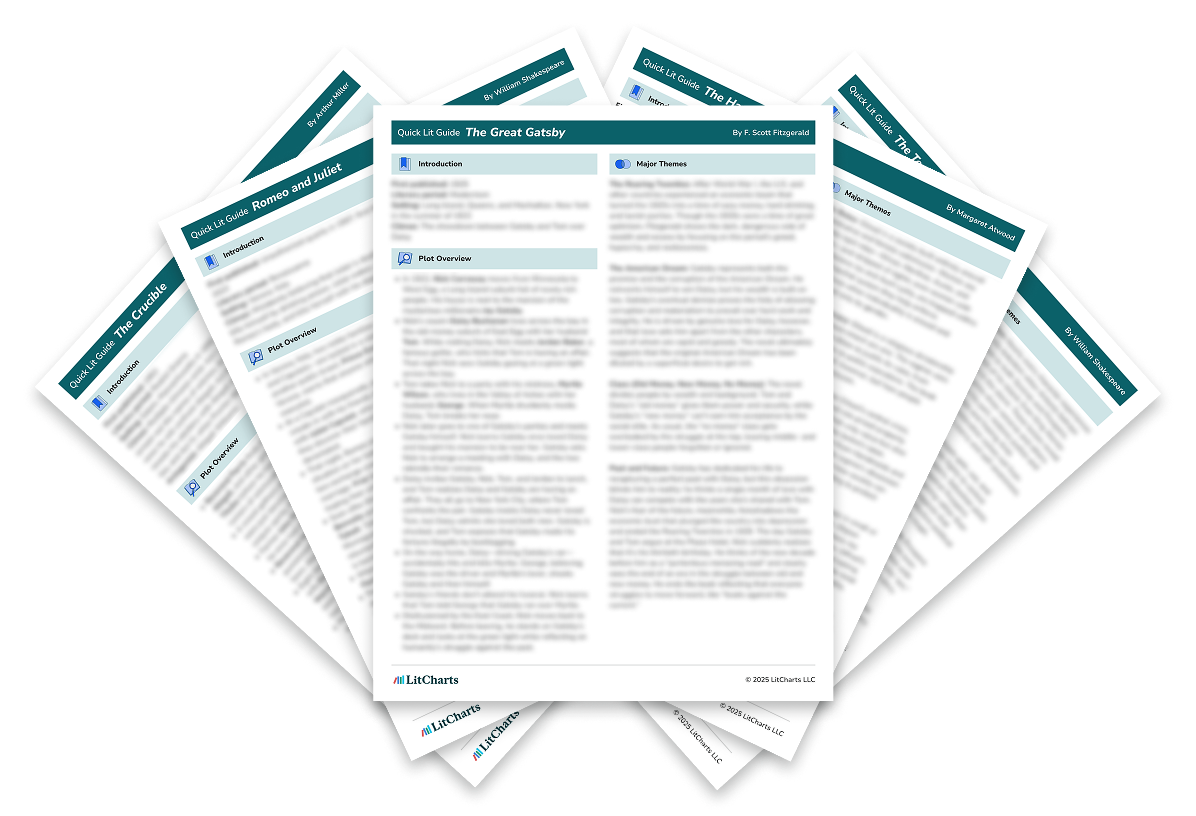
Literature Guide PDFs
LitCharts PDFs for every book you'll read this year.
Instant PDF downloads of all 2242 LitCharts literature guides and of every new one we publish. Try a free sample literature guide.
"Would not have made it through AP Literature without the printable PDFs. They're like having in-class notes for every discussion!"






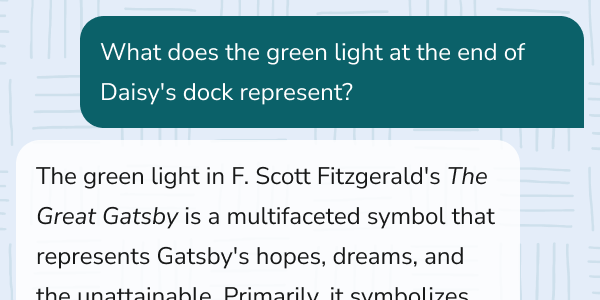
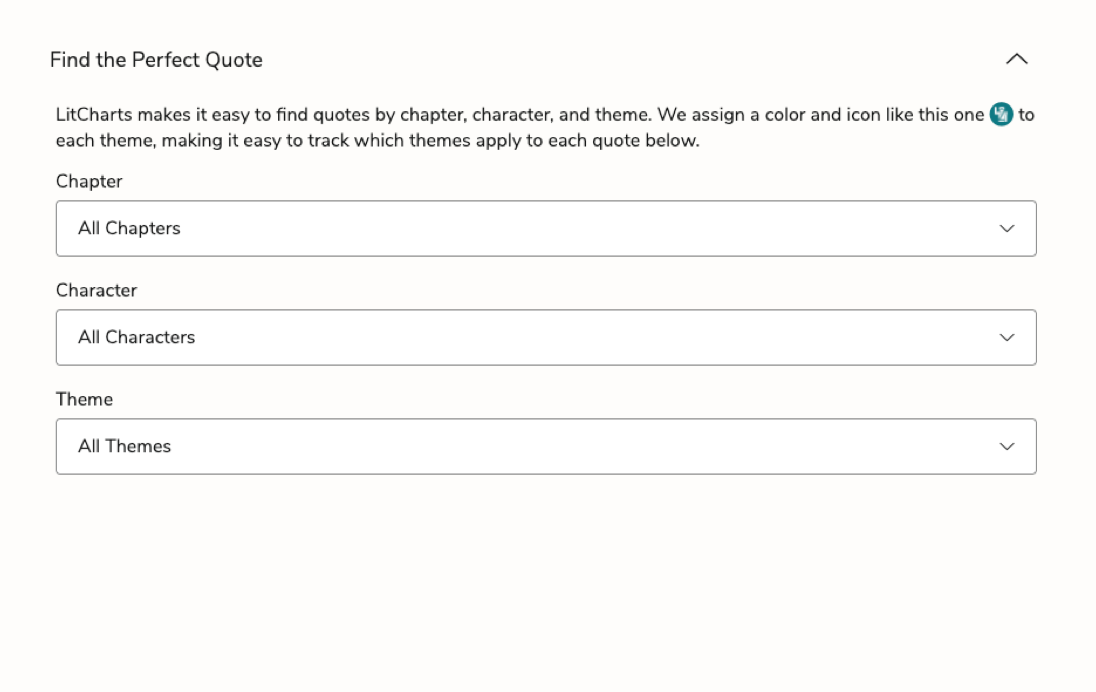
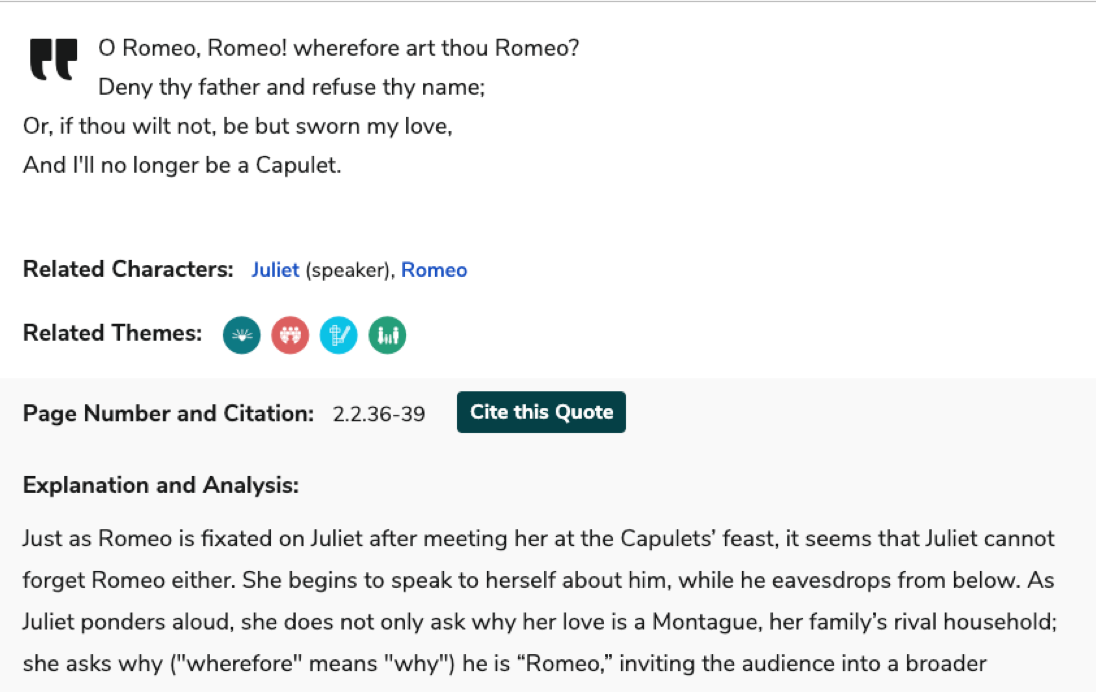
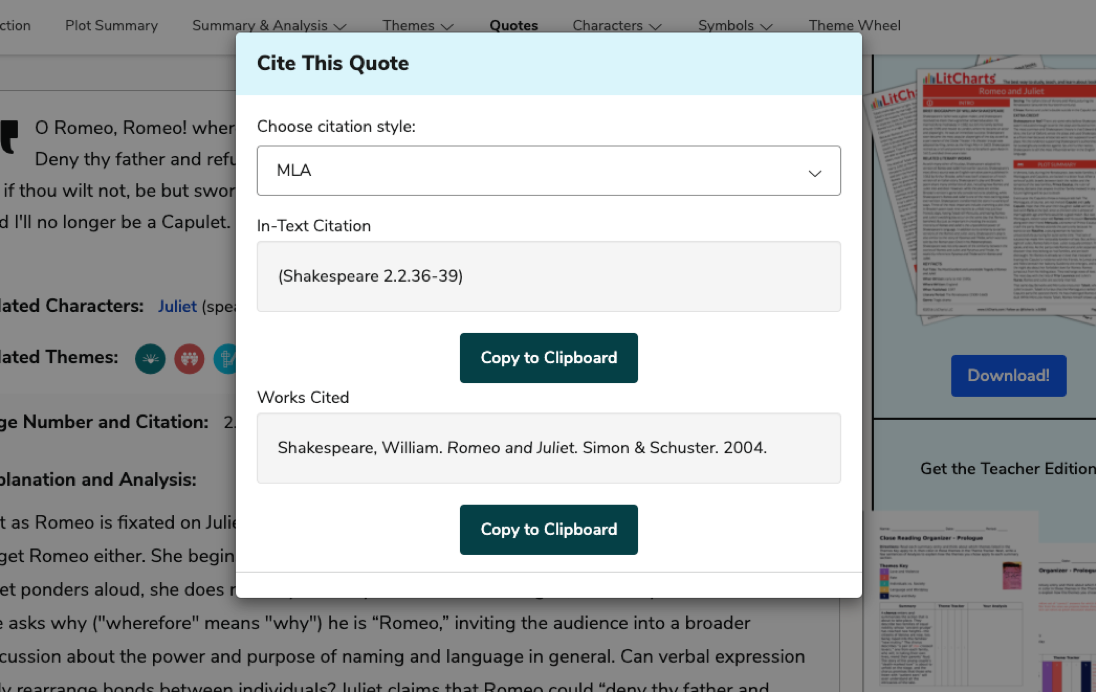
Quotes Explanations
Find the perfect quote. Understand it perfectly. Then rock the citation, too.
For all 50,016 quotes we cover.
For all 50,016 quotes we cover.


Teacher Editions
Close reading made easy for students.
Time saved for teachers.
For every book we cover.
Time saved for teachers.
For every book we cover.


Common Core-aligned


PDFs of modern translations of every one of Shakespeare's 37 plays, 154 sonnets, and 3 longer poems.

Literary Terms and Devices
Definitions and examples for every literary term and device you need to know.
Plus a quick-reference PDF with concise definitions of all 136 terms in one place.
Plus a quick-reference PDF with concise definitions of all 136 terms in one place.
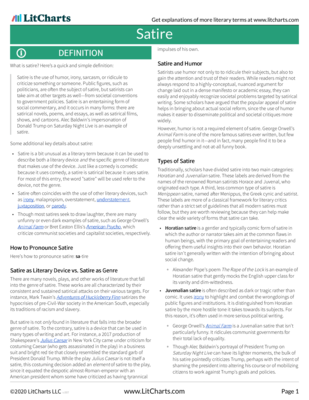
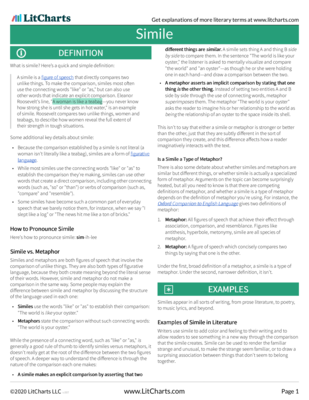
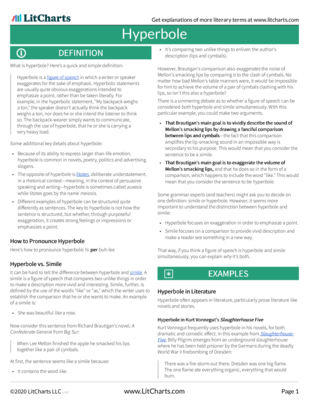
Try a free sample literary term PDF.


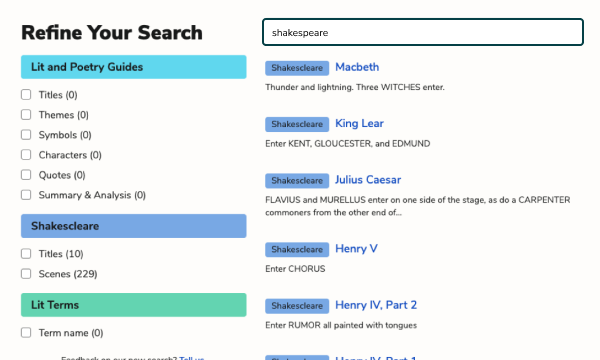
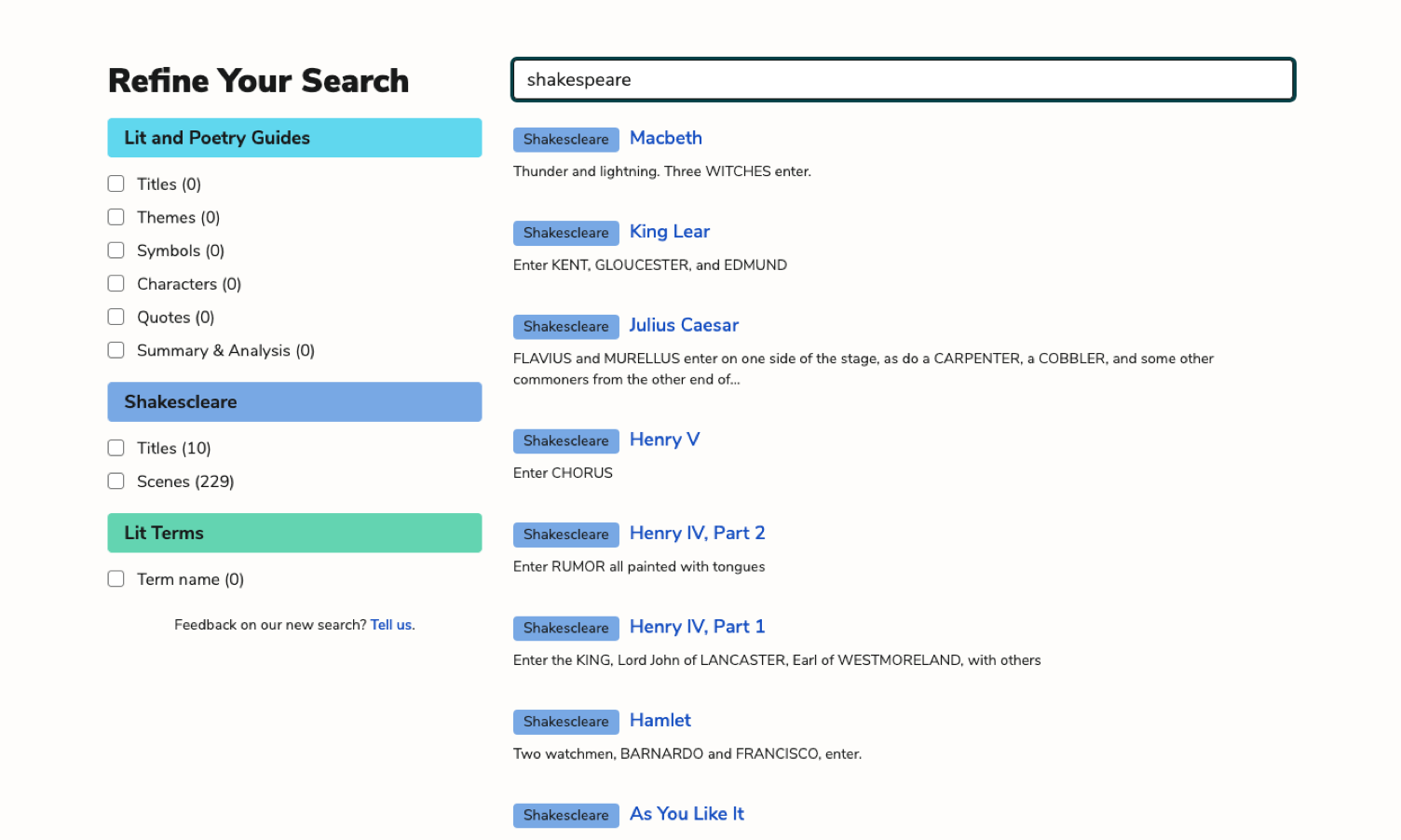
Advanced Search
Refine any search. Find related themes, quotes, symbols, characters, and more.

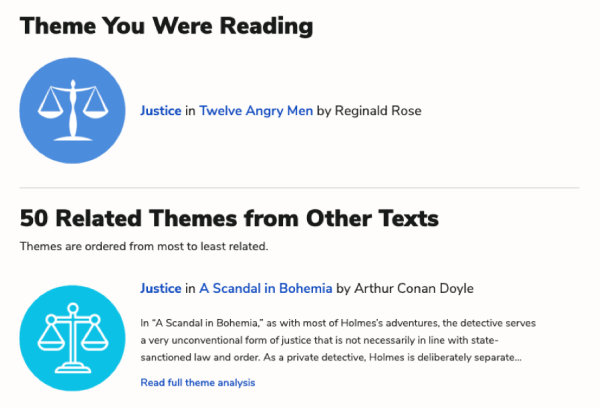
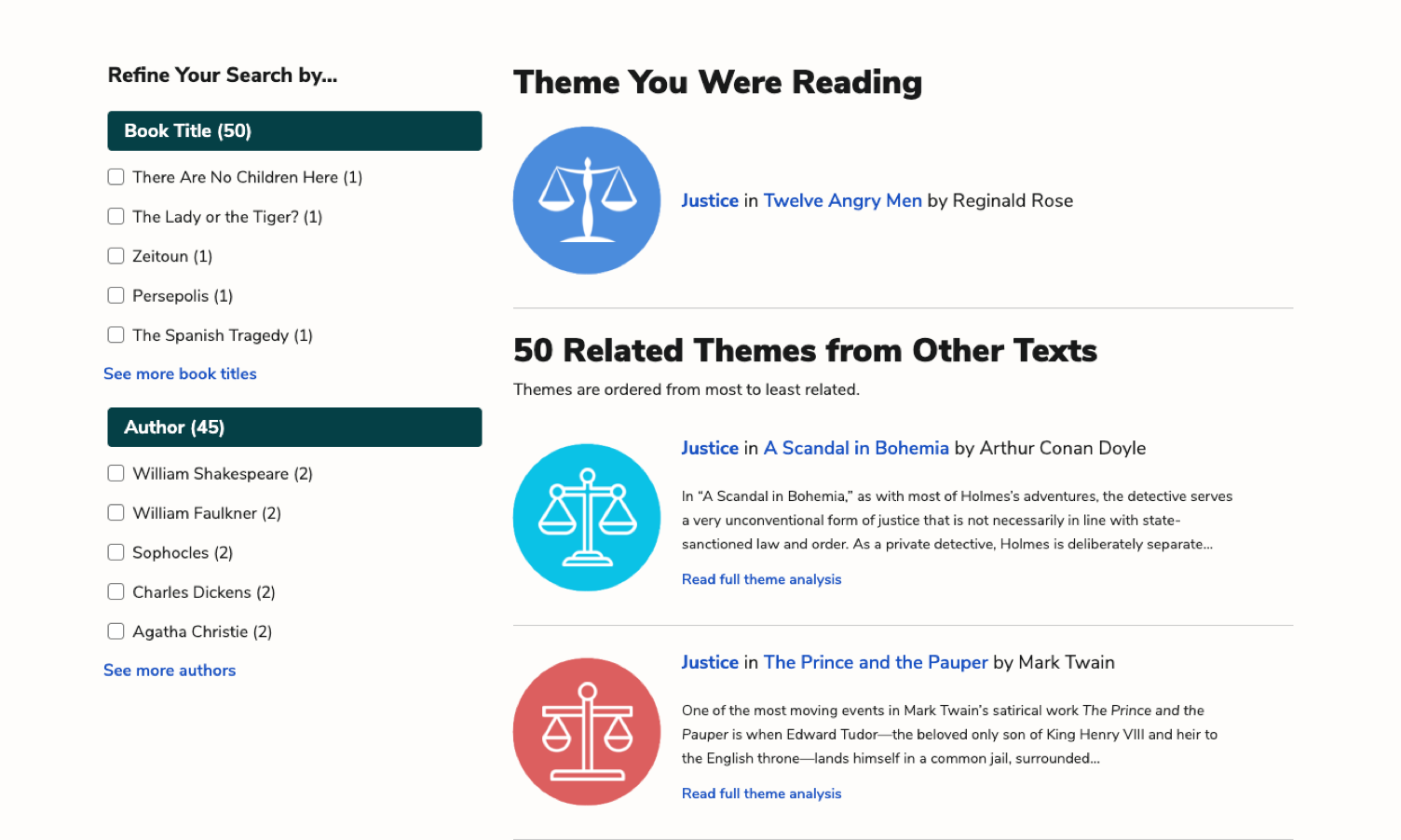
Related Themes
Comparing and contrasting texts? Find where any theme occurs across all of LitCharts in seconds.


Poetry Guides
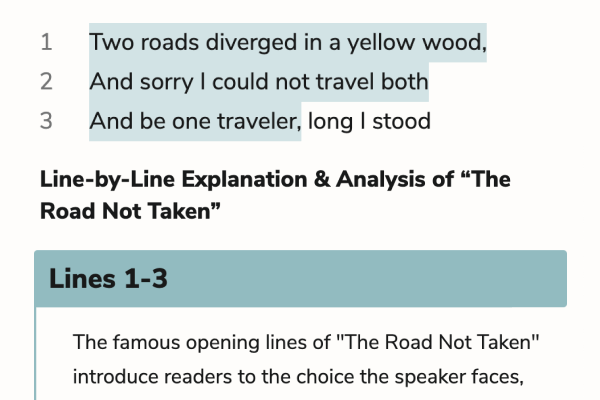
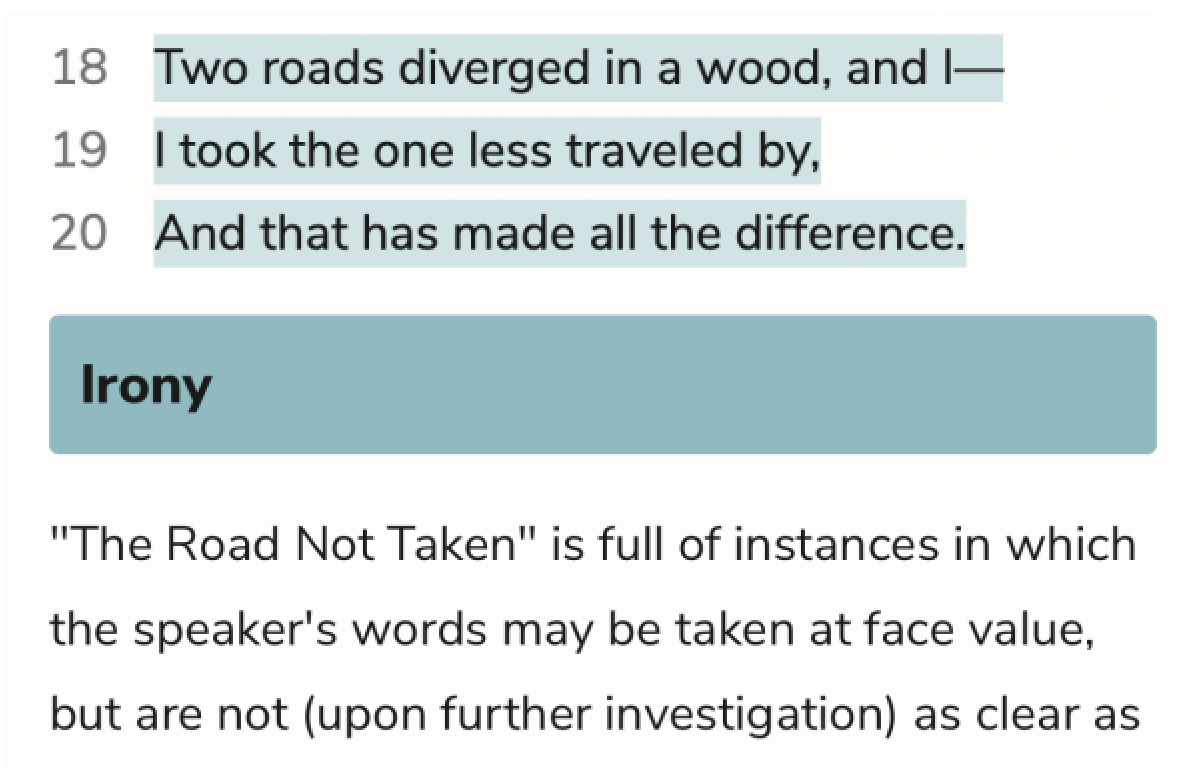
Line-by-line explanations and analysis of figurative language and poetic devices.
For every lyric poem we cover.
For every lyric poem we cover.