
|
Have questions?
Contact us
Already a member? Sign in
|
Get every literary device explanation for The Scarlet LetterPlus so much more...
Sign up for LitCharts A+Get instant access to every literary device explanation, plus so much more...
Metaphor
Explanation and Analysis—Pedestal of Shame:
The scaffold is a metaphor at once for shame and truth-telling. In Chapter 3, when Dimmesdale tells Hester that she ought to reveal Pearl's father to the public, he uses a metaphor to call the scaffold a "pedestal of shame:"
["...B]elieve me, Hester, though he were to step down from a high place, and stand there beside thee, on thy pedestal of shame, yet better were it so than to hide a guilty heart through life.["]
Dimmesdale metaphorically suggests that the entire scaffold is constructed out of Hester's shame. She rises up before the public not just because she is standing on a physical platform, but because her shame makes her stand out like a sore thumb. Dimmesdale, knowing that he is Pearl's father, imagines that having his identity revealed publicly would instantly place him next to Hester on the pedestal of shared shame. Dimmesdale believes he is rejecting public shame in favor of private guilt, which he suffers in secret and isolation. He imagines that it would be better to be shamed publicly than to suffer alone from guilt, but he can't bear to mount his own "pedestal of shame" without being named by Hester.
Over the course of the novel, Dimmesdale comes to realize that the scaffold is not made out of shame, but rather out of the truth. In Chapter 23, Dimmesdale asks Hester to help him onto the scaffold so that he can reveal to all that he is Pearl's father:
["]Come, Hester, come! Support me up yonder scaffold!”
Dimmesdale's decision to reveal himself has come slowly, and it is driven by a desire to stand with his family (Hester and Pearl) in public. Dimmesdale has held his secret in his heart for seven years, and it has driven him deeper into isolation from his community. He still gives sermons, but they make him feel more cut off from his community because he knows that he is a hypocrite. Although it has long been his impression that he is saving himself from public shame by living in perpetual private guilt, Hester has not been consumed by shame. She has suffered social consequences for adultery, but her openness about what she has done allows her shame to evaporate. For instance, the scarlet letter comes to be devoid of so much meaning over the years. Some people come to wonder why she even wears it.
When Dimmesdale asks Hester to help him onto the scaffold, he has finally come to the realization that standing there seven years ago is what has allowed Hester to heal from the shame of adultery. He is asking her, at last, to help him onto a pedestal of truth-telling. He stood there once before with her and Pearl, under the cover of night, and he is finally ready to stand there when the whole town can see him. By the end of the novel, then, the scaffold is not a pedestal of shame so much as a pedestal where shame can be cured through public honesty.
Monthly
Annual (Best Value)

$595USD/mo
Charged $71.40 USD every year
 Teacher
$795USD/mo
Charged $95.40 USD every year
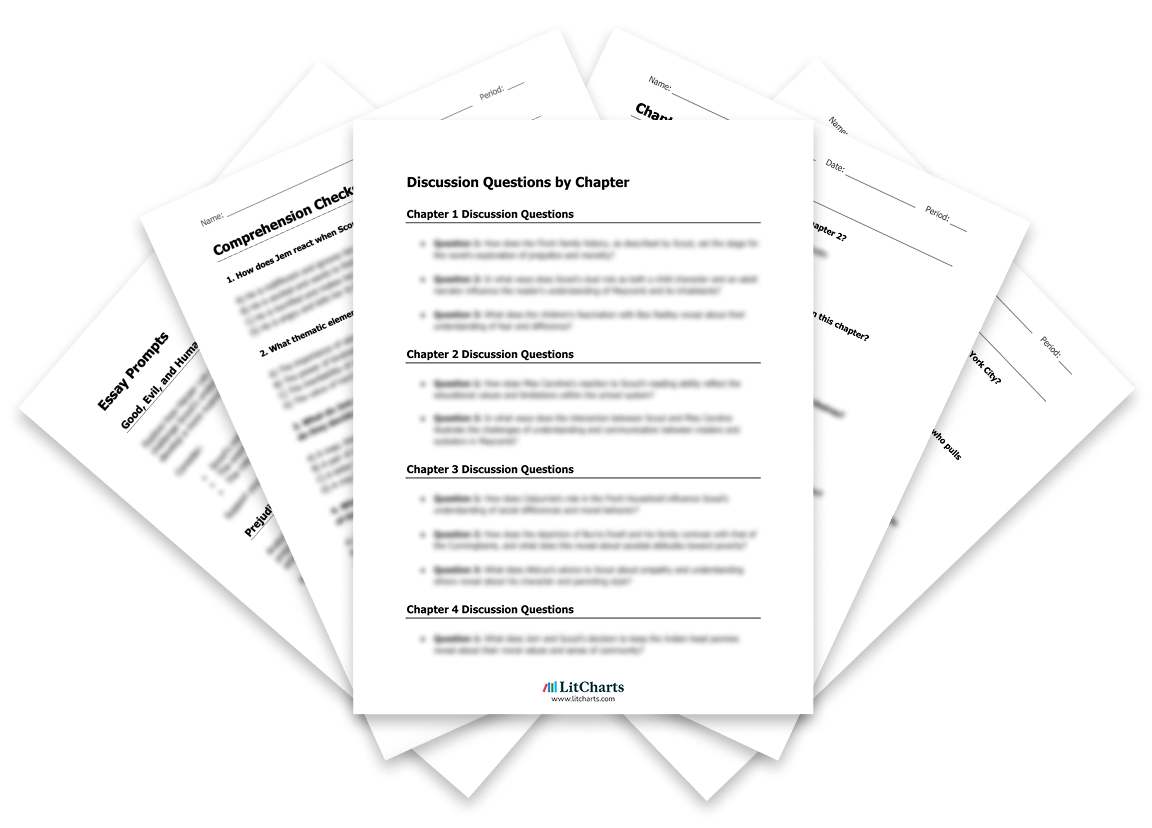


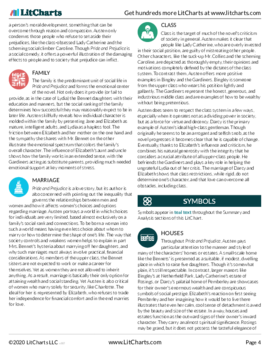
Literature Guide PDFs
LitCharts PDFs for every book you'll read this year.
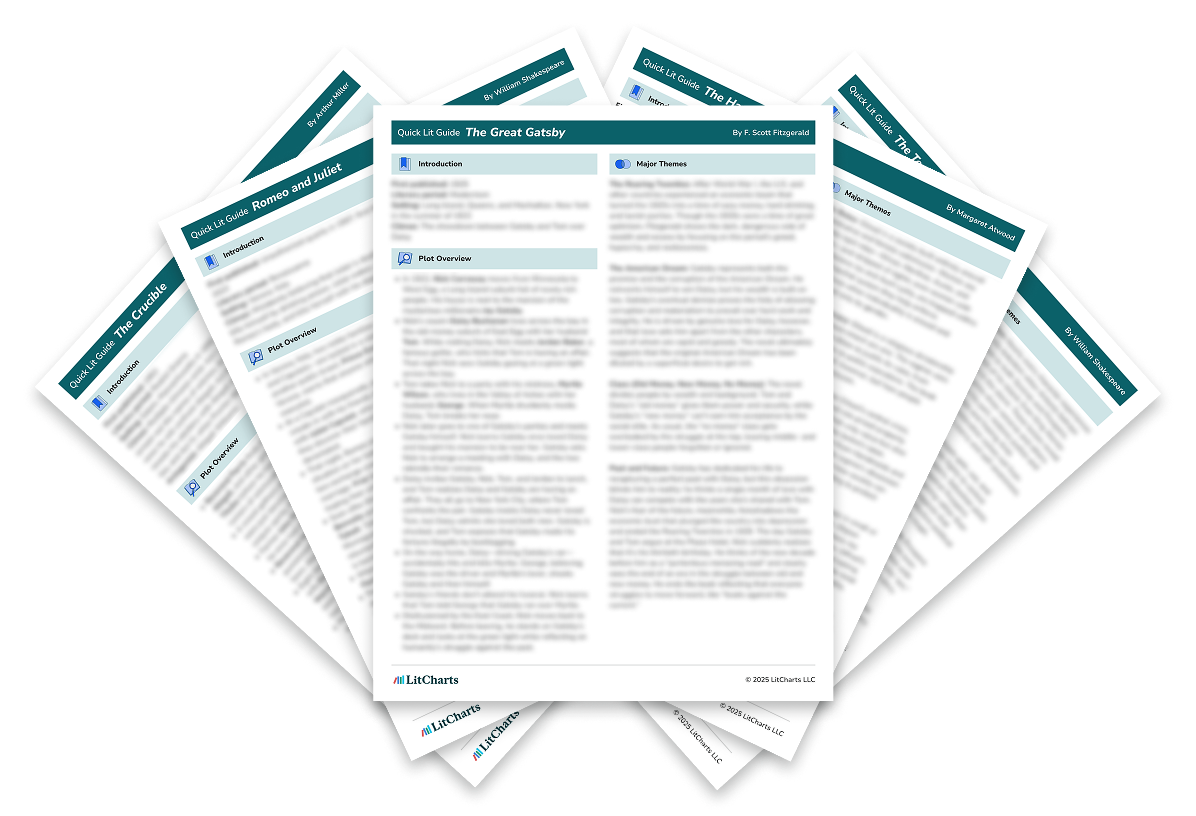
Instant PDF downloads of all 2245 LitCharts literature guides and of every new one we publish. Try a free sample literature guide.
"Would not have made it through AP Literature without the printable PDFs. They're like having in-class notes for every discussion!"





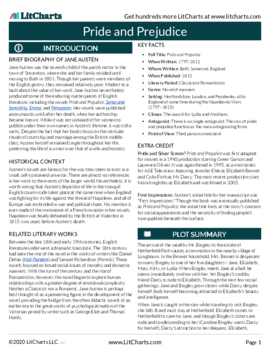


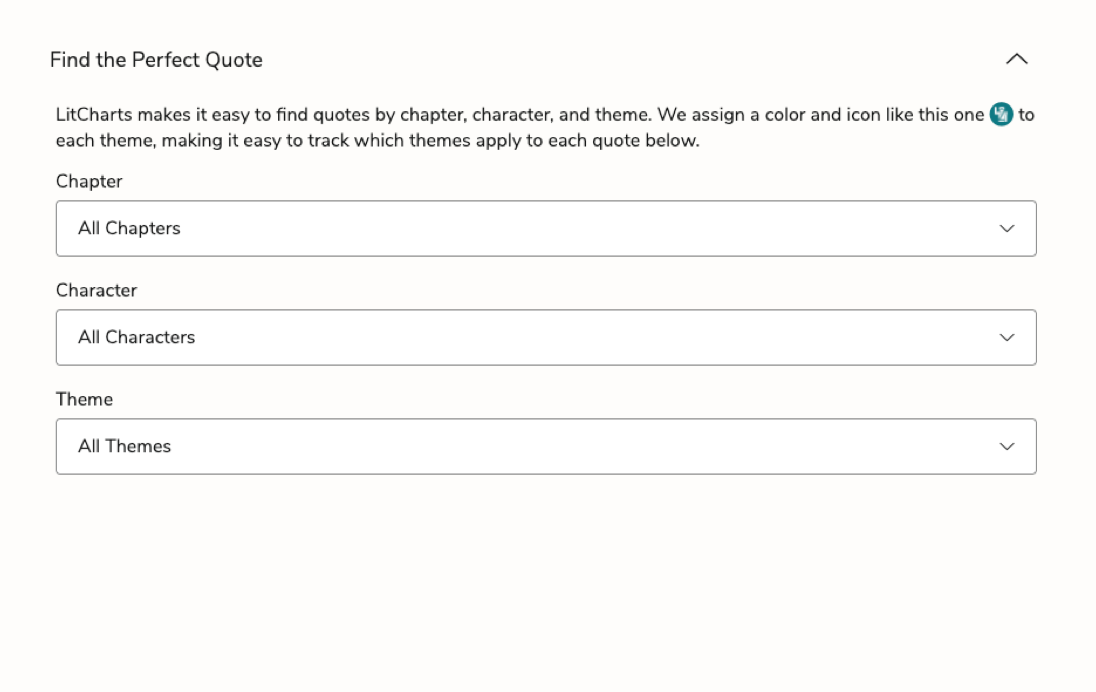
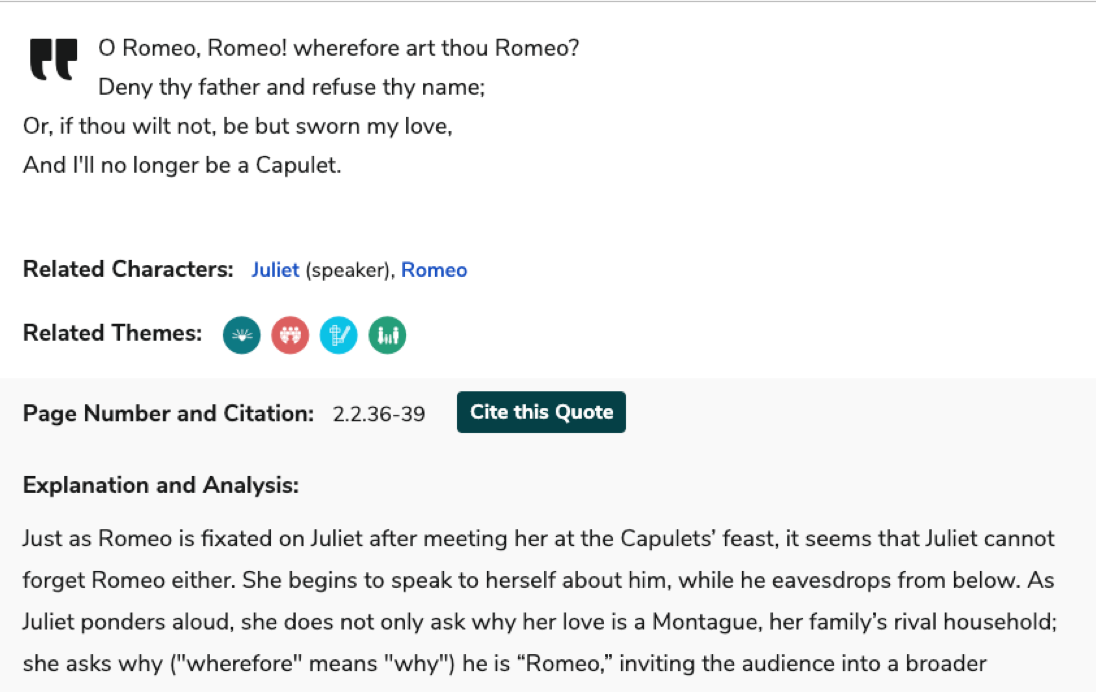
Quotes Explanations
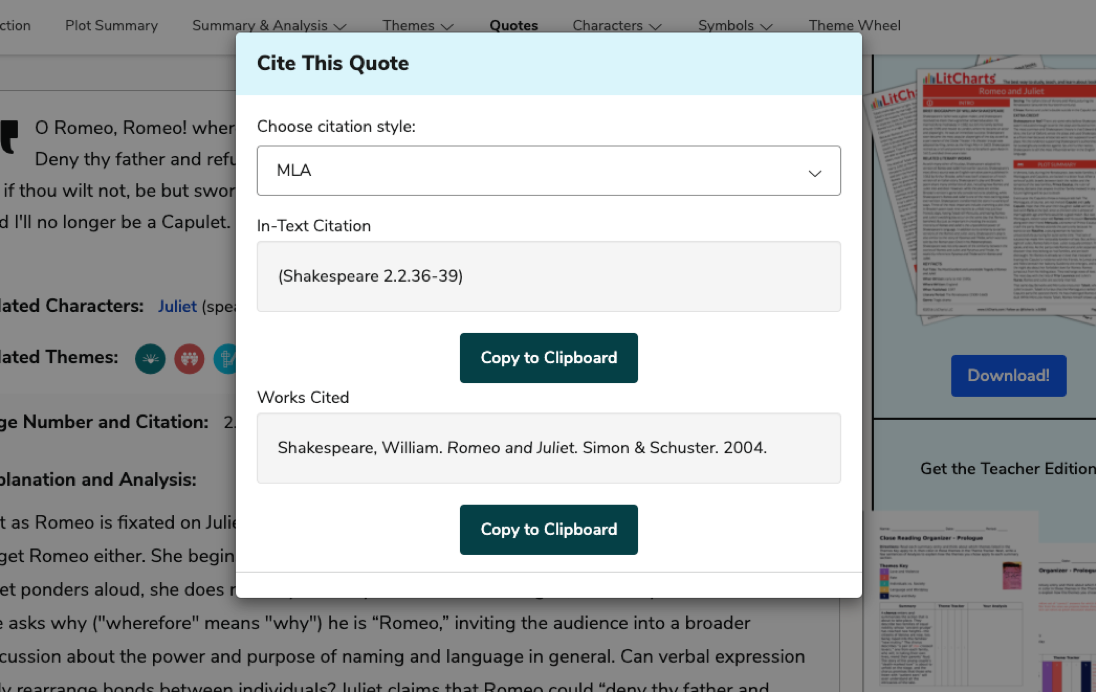
Find the perfect quote. Understand it perfectly. Then rock the citation, too.
For all 50,066 quotes we cover.
For all 50,066 quotes we cover.


Teacher Editions
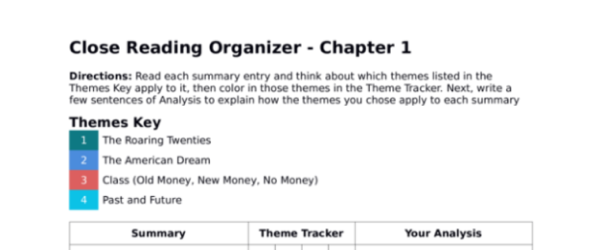
Close reading made easy for students.
Time saved for teachers.
For every book we cover.
Time saved for teachers.
For every book we cover.


Common Core-aligned


PDFs of modern translations of every one of Shakespeare's 37 plays, 154 sonnets, and 3 longer poems.

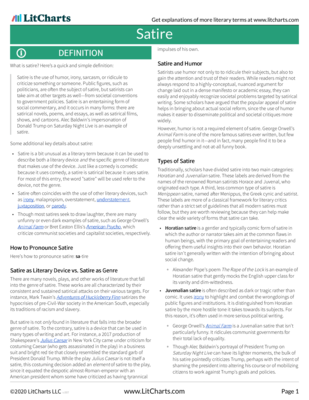
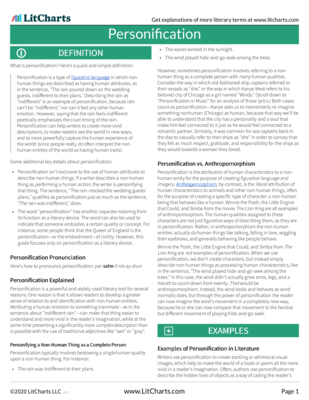
Literary Terms and Devices
Definitions and examples for every literary term and device you need to know.
Plus a quick-reference PDF with concise definitions of all 136 terms in one place.
Plus a quick-reference PDF with concise definitions of all 136 terms in one place.
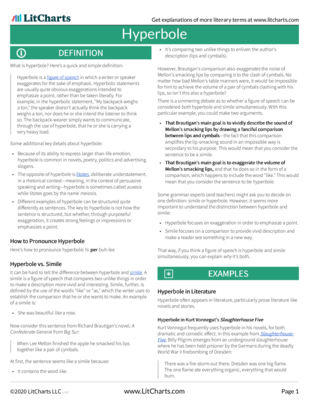
Try a free sample literary term PDF.


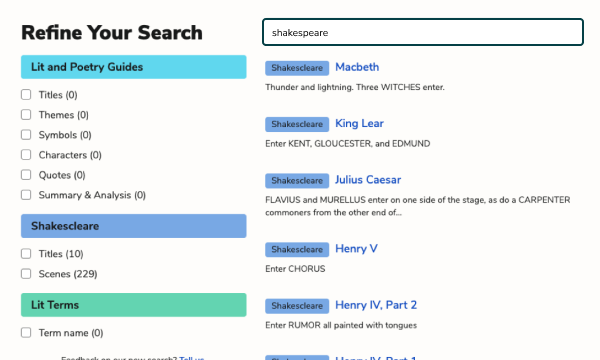
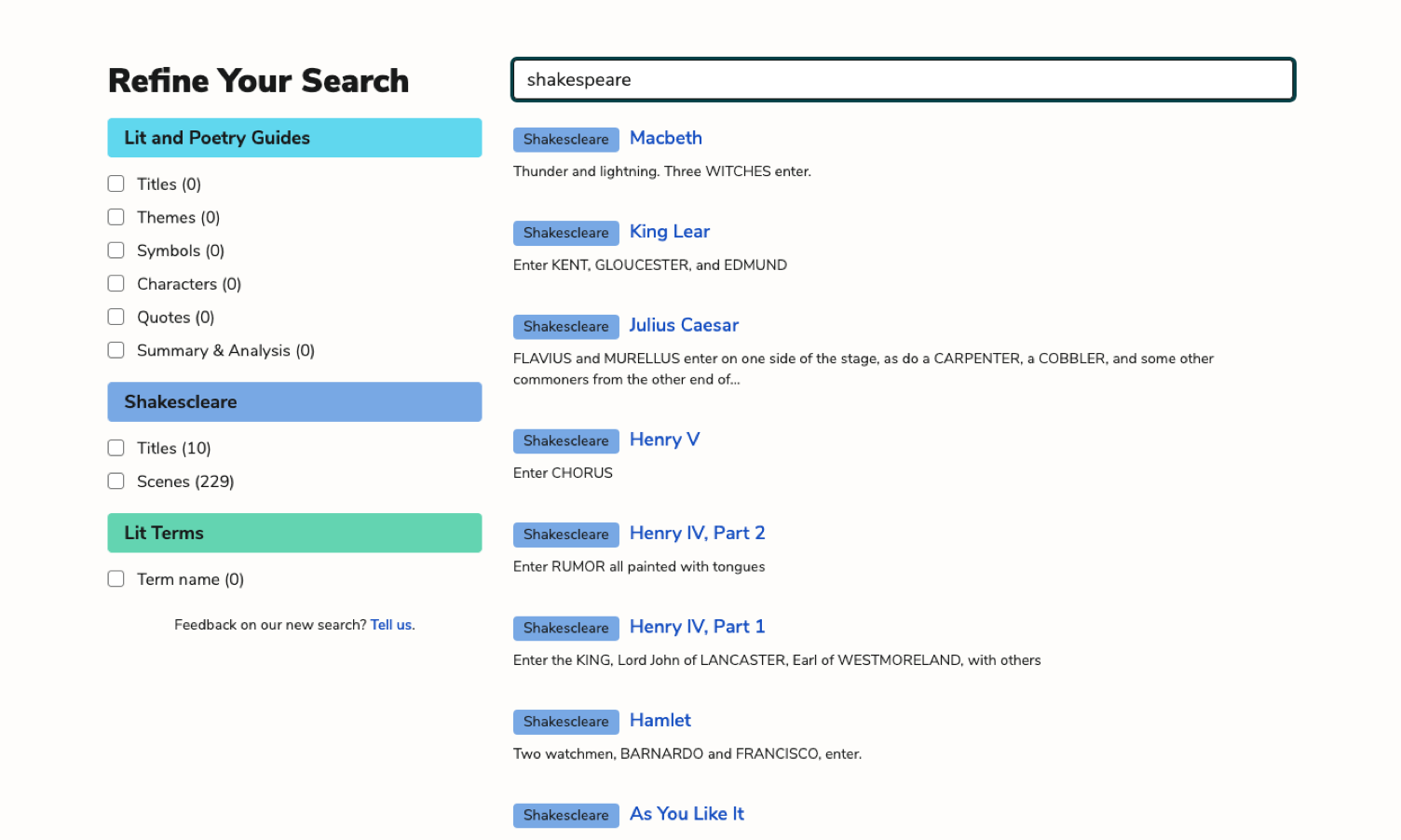
Advanced Search
Refine any search. Find related themes, quotes, symbols, characters, and more.

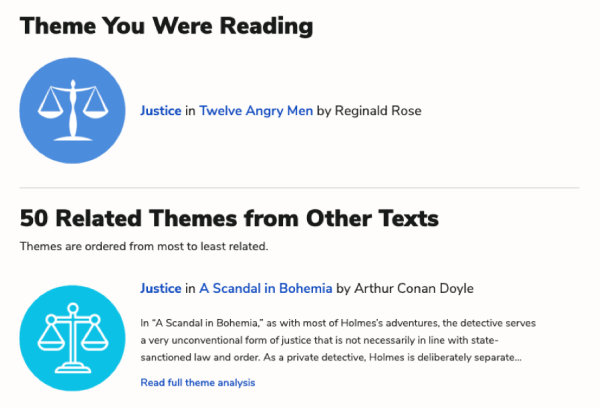
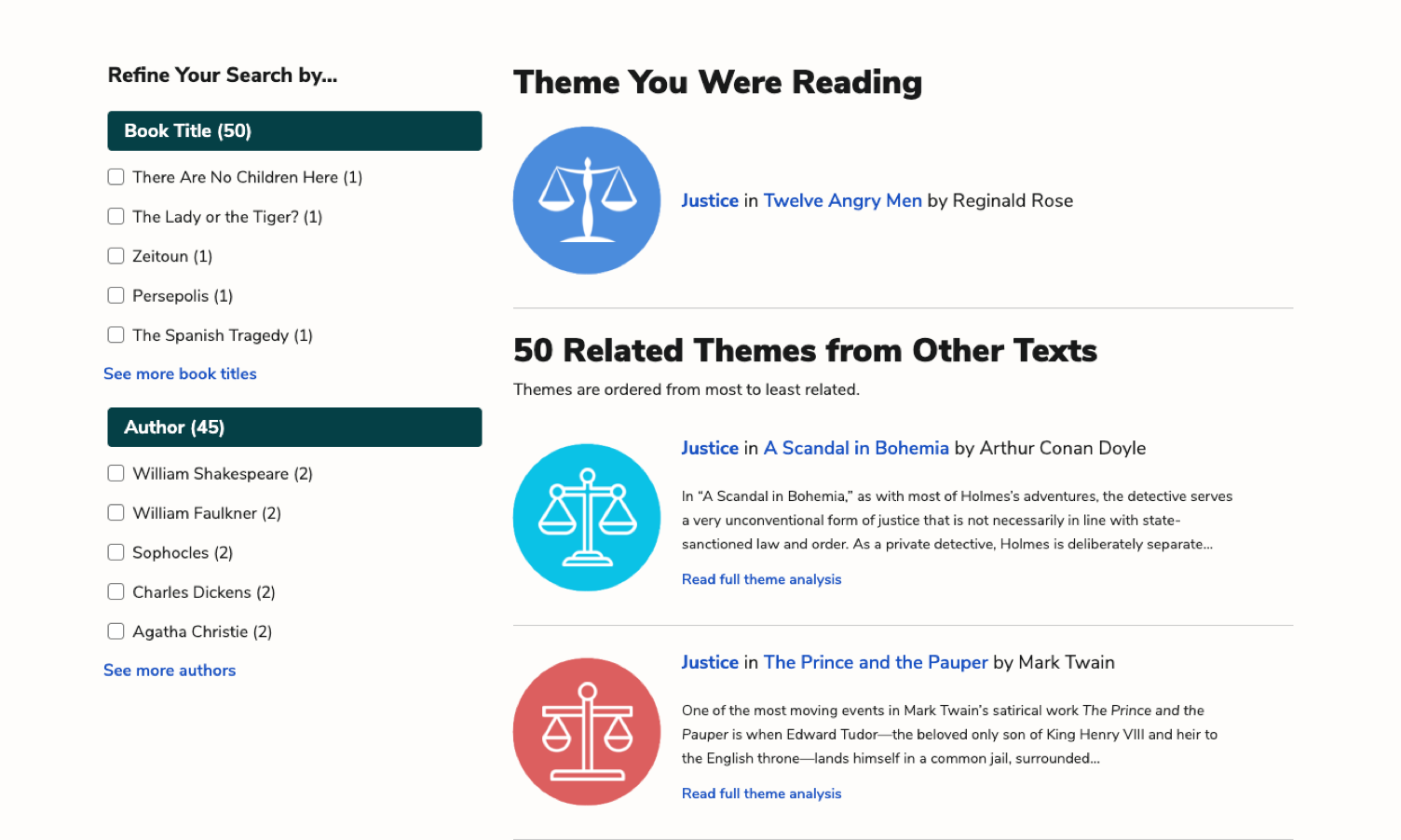
Related Themes
Comparing and contrasting texts? Find where any theme occurs across all of LitCharts in seconds.


Poetry Guides
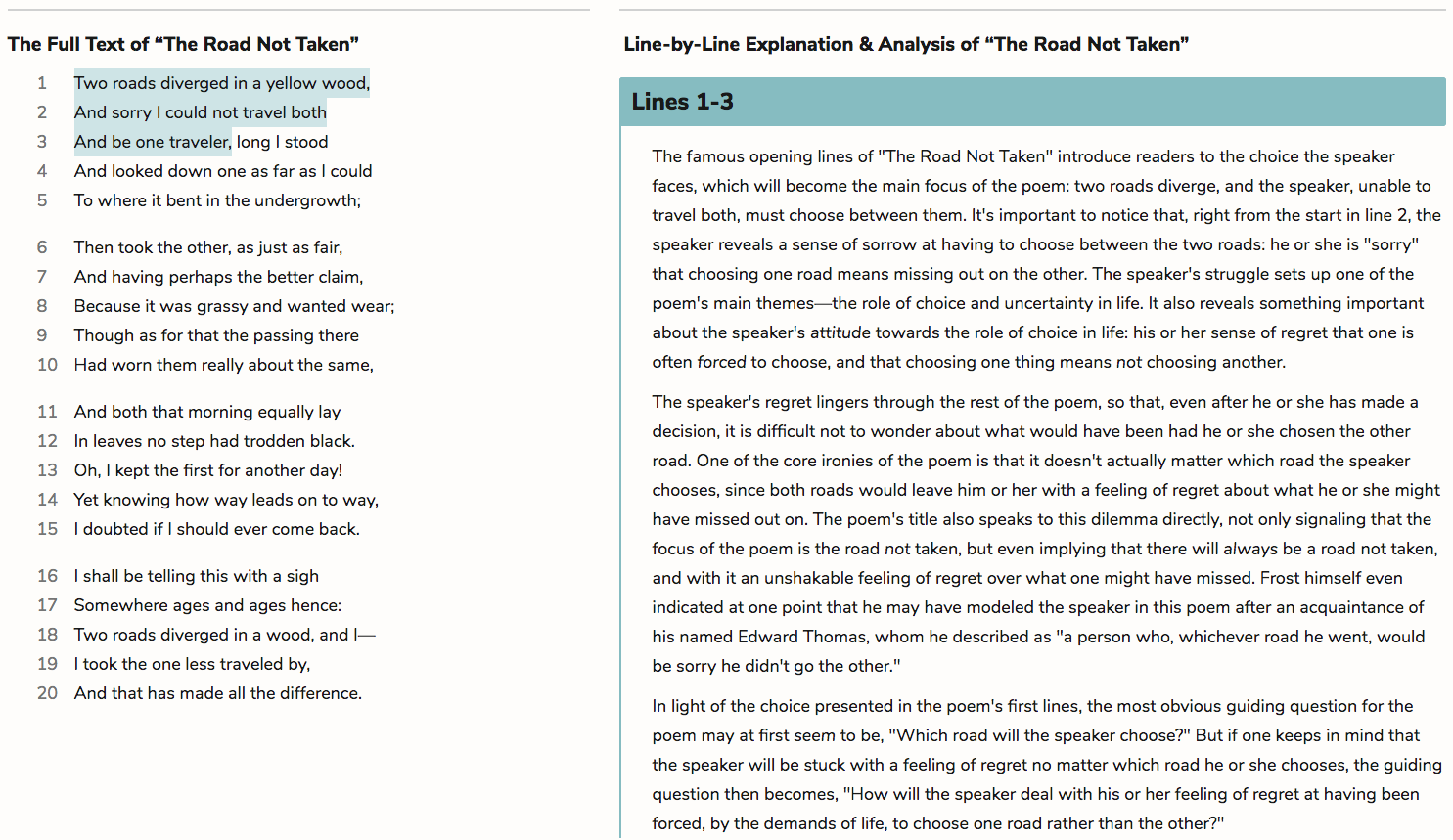
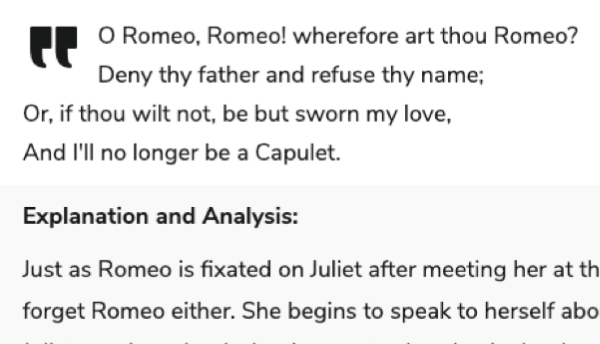
Line-by-line explanations and analysis of figurative language and poetic devices.
For every lyric poem we cover.
For every lyric poem we cover.