
|
Have questions?
Contact us
Already a member? Sign in
|
Get every literary device explanation for The Scarlet LetterPlus so much more...
Sign up for LitCharts A+Get instant access to every literary device explanation, plus so much more...
Metaphor
Explanation and Analysis—Flower of Sin:
In Chapter 6, the narrator uses a great deal of figurative language to describe Pearl and how strange she is. In one metaphor, the narrator compares Pearl to a "lovely and immortal flower" that has emerged from the "rank luxuriance of a guilty passion":
We have as yet hardly spoken of the infant; that little creature, whose innocent life had sprung, by the inscrutable decree of Providence, a lovely and immortal flower, out of the rank luxuriance of a guilty passion.
This metaphor speaks to the fact that Pearl is living proof that Hester and Dimmesdale sinned (in the eyes of the Church) by having extramarital sex, even if Pearl herself is beautiful and seems as natural and innocent as a flower. She is a living contradiction, and no one is quite sure what to make of her. This is one of many instances in which the novel juxtaposes beauty and sin or wrongdoing. For instance, in Chapter 1, the roses outside the prison door are a bit of beauty in a place where people may not expect to find it. Under the Puritan government, law and religion were fully intertwined, and there's a strong sense in the novel that the prison is a place not just for lawbreakers, but for sinners. The town tries to contain its sin in the prison, and yet flowers grow at the entrance. Like Pearl, the flowers flourish despite seemingly hostile growing conditions.
The frequency with which sin and beauty appear together in the novel suggests that, unlike Puritan society, the novel is reluctant to condemn sin outright. Pearl is the primary example of the way the novel presents sin and beauty, or sin and life, as intertwined forces. Pearl often seems to know too much. Recalling that Eve's original sin in the Garden of Eden was eating fruit from the tree of knowledge, Pearl seems strongly associated with sin. It is not just her origin story, but also an integral part of her. Still, the novel treats her as something beautiful and good, "a lovely and immortal flower" that is all the more compelling because of its connection to sin.
Monthly
Annual (Best Value)

$595USD/mo
Charged $71.40 USD every year
 Teacher
$795USD/mo
Charged $95.40 USD every year
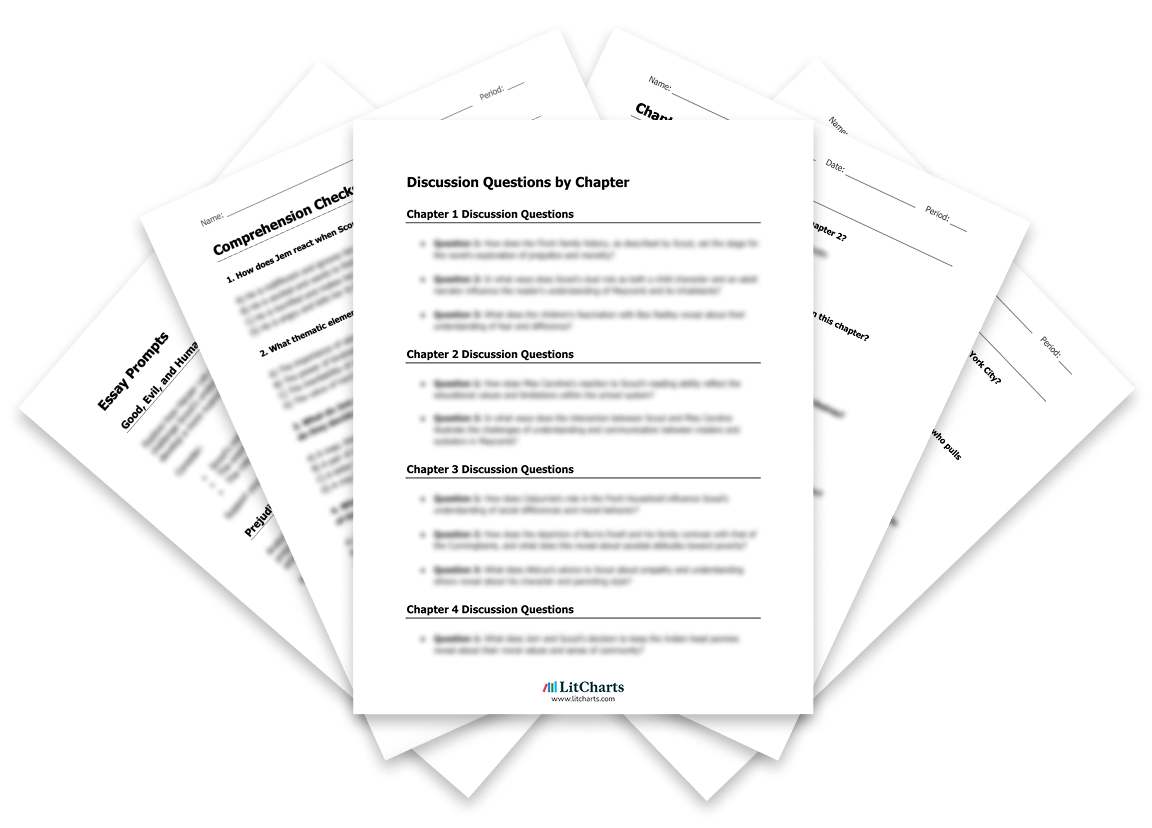


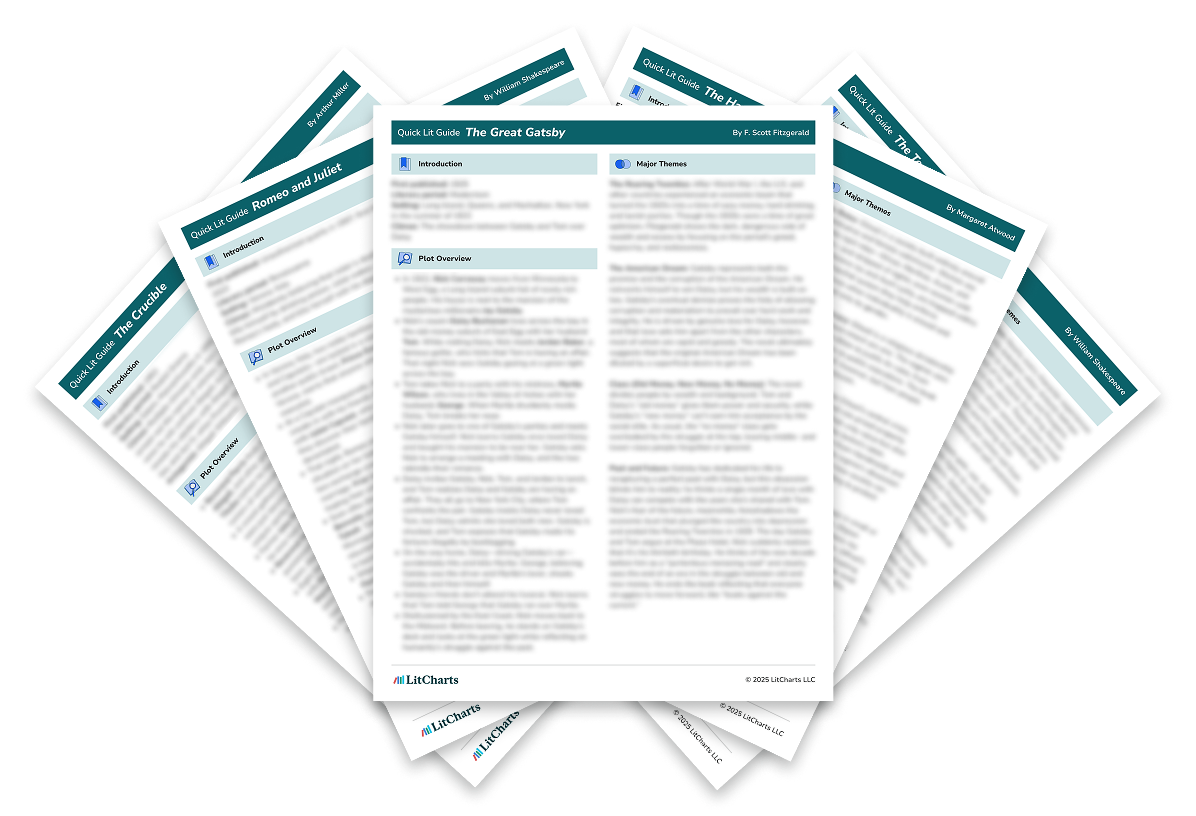
Literature Guide PDFs
LitCharts PDFs for every book you'll read this year.
Instant PDF downloads of all 2245 LitCharts literature guides and of every new one we publish. Try a free sample literature guide.
"Would not have made it through AP Literature without the printable PDFs. They're like having in-class notes for every discussion!"






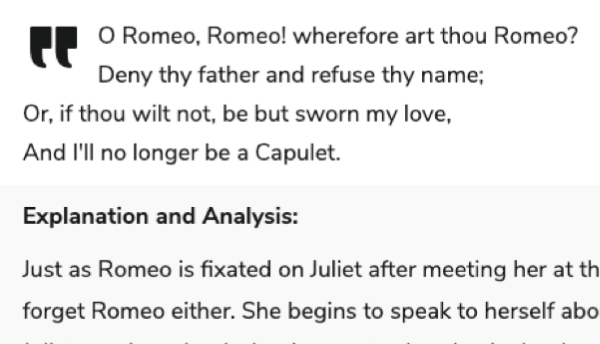
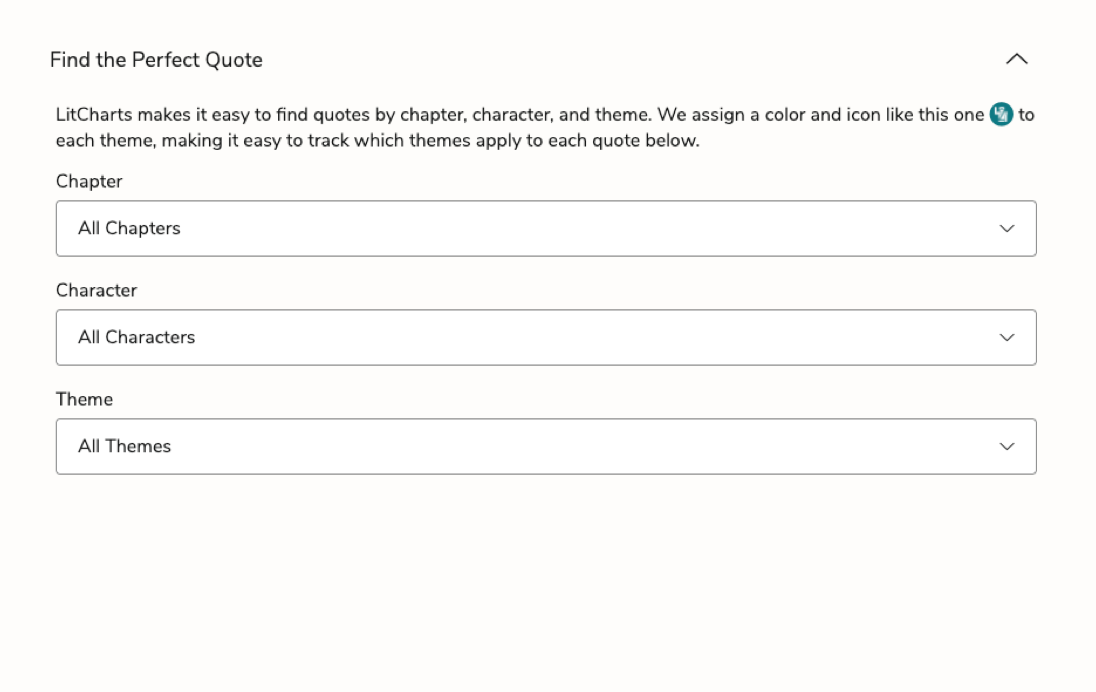
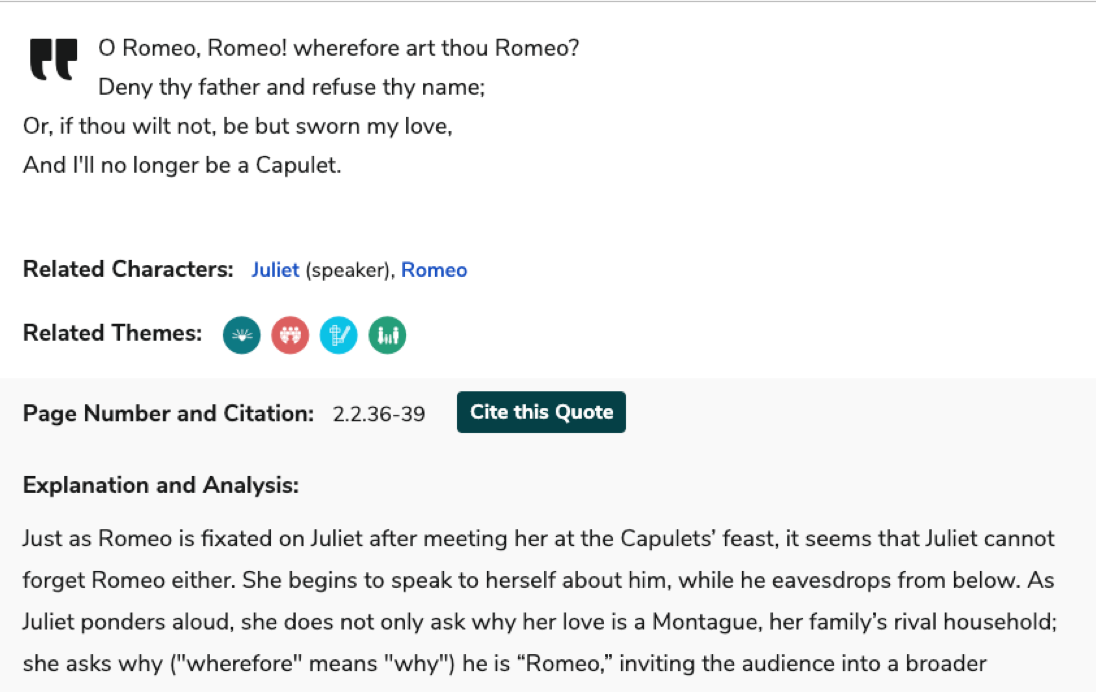
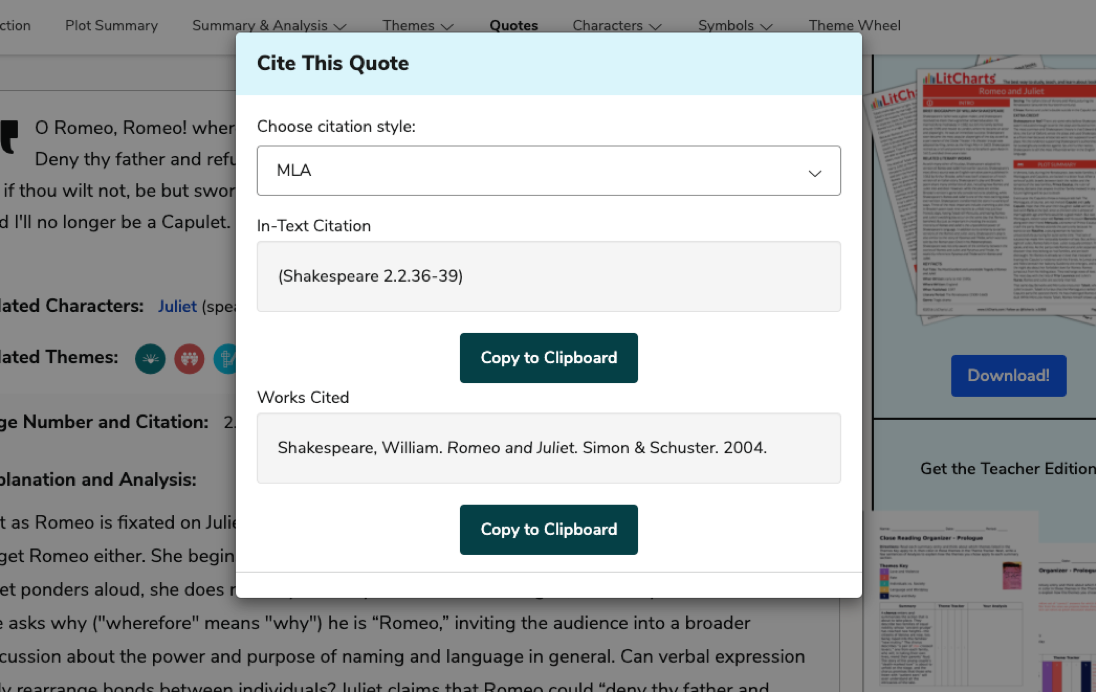
Quotes Explanations
Find the perfect quote. Understand it perfectly. Then rock the citation, too.
For all 50,066 quotes we cover.
For all 50,066 quotes we cover.


Teacher Editions
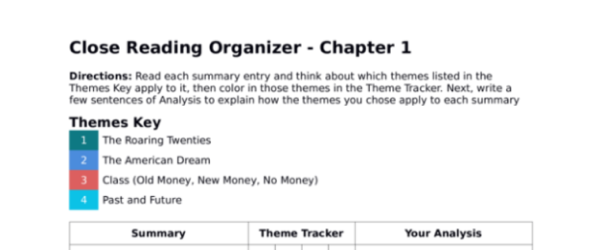
Close reading made easy for students.
Time saved for teachers.
For every book we cover.
Time saved for teachers.
For every book we cover.


Common Core-aligned


PDFs of modern translations of every one of Shakespeare's 37 plays, 154 sonnets, and 3 longer poems.

Literary Terms and Devices
Definitions and examples for every literary term and device you need to know.
Plus a quick-reference PDF with concise definitions of all 136 terms in one place.
Plus a quick-reference PDF with concise definitions of all 136 terms in one place.
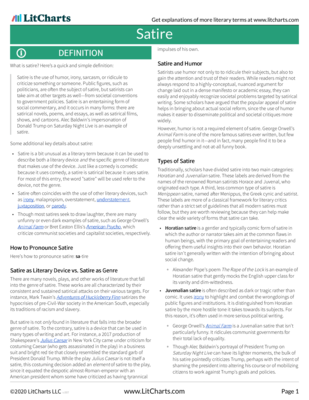
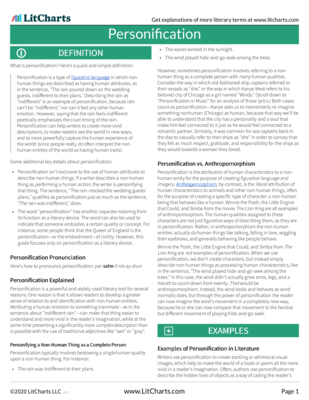
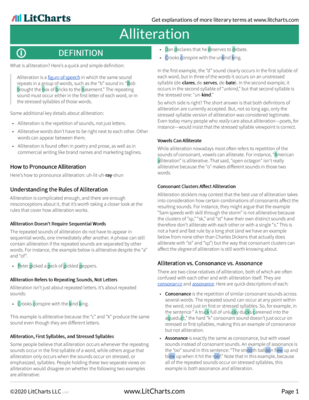
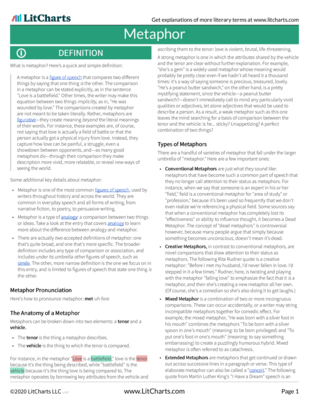
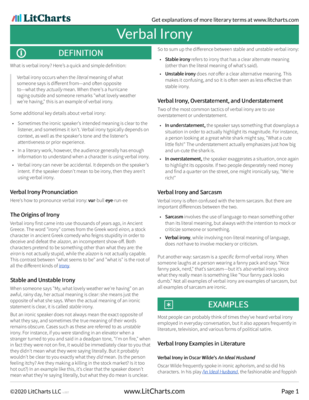
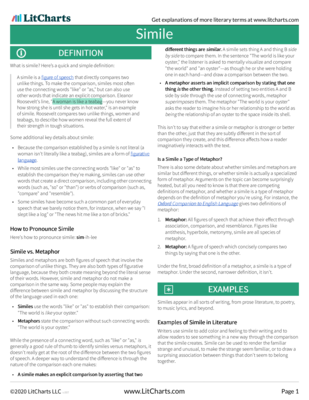
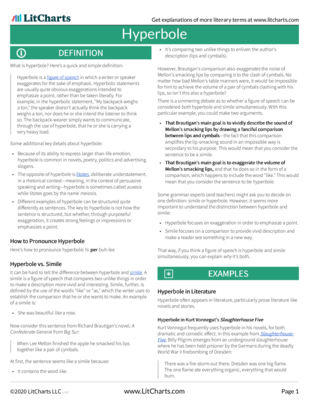
Try a free sample literary term PDF.


Advanced Search
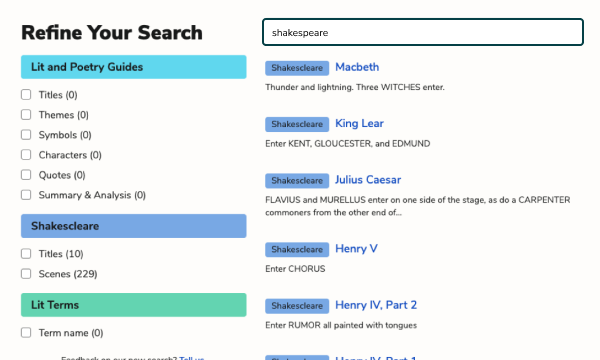
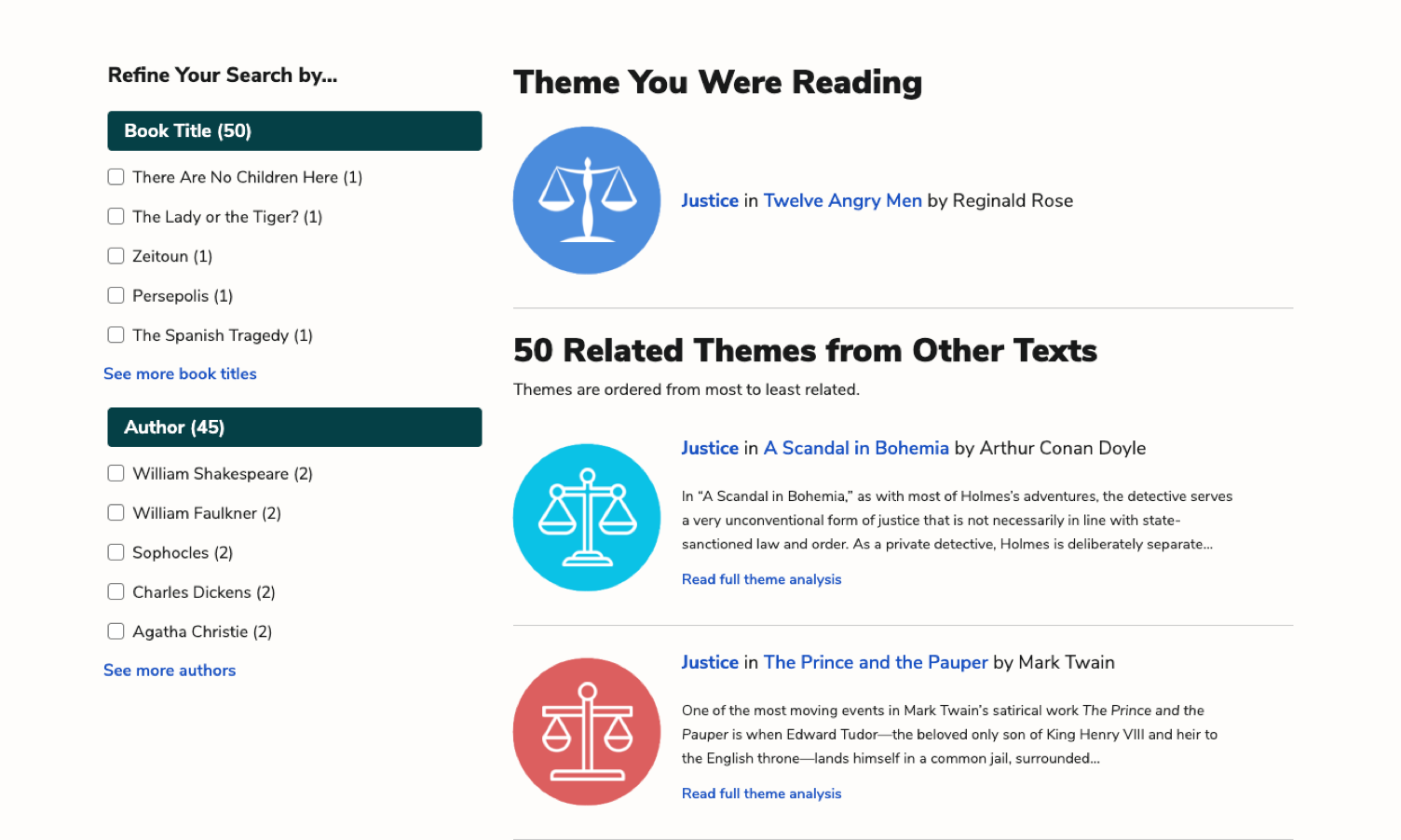
Refine any search. Find related themes, quotes, symbols, characters, and more.
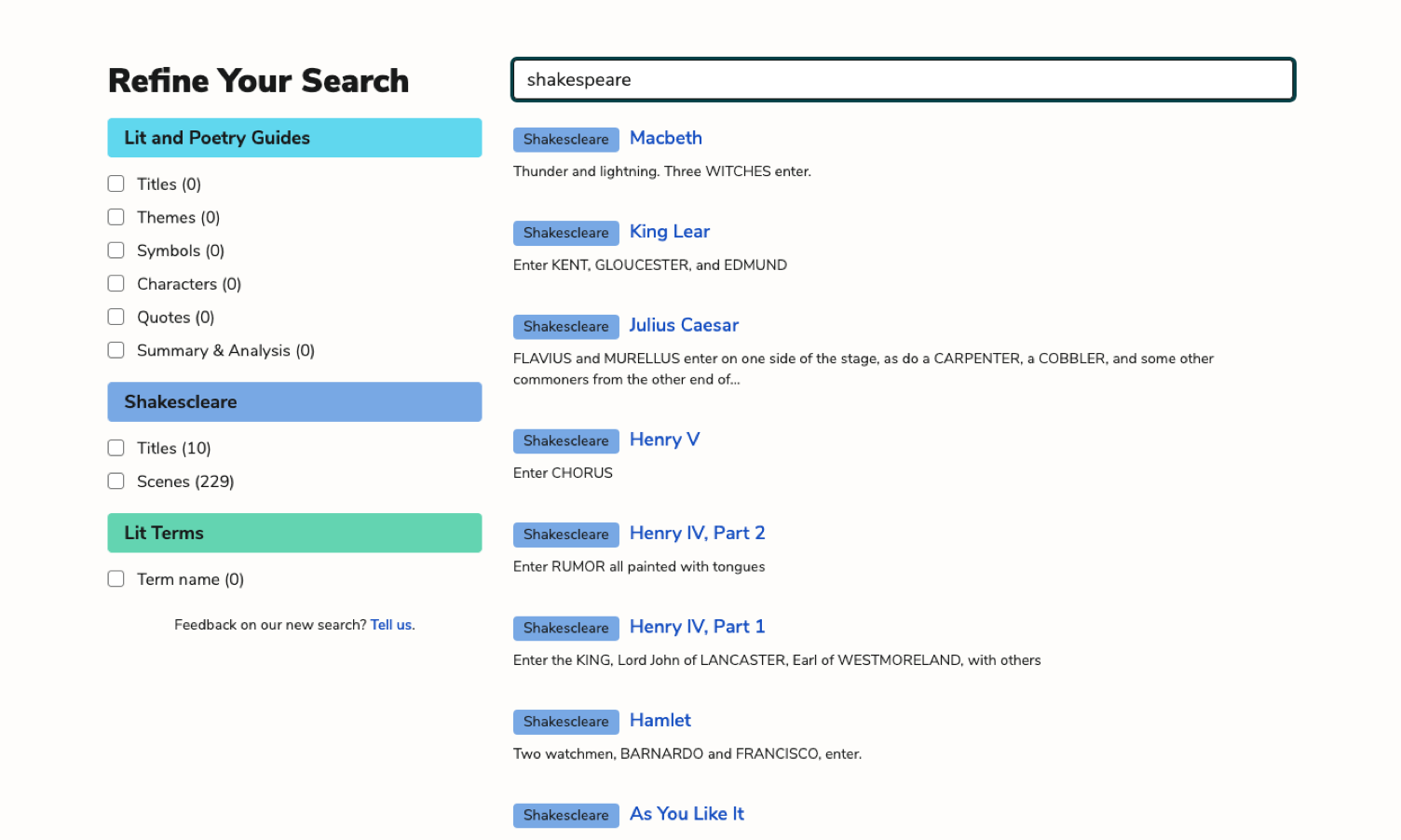

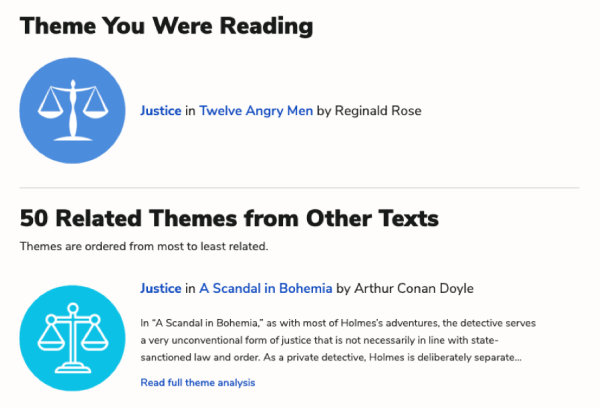
Related Themes
Comparing and contrasting texts? Find where any theme occurs across all of LitCharts in seconds.


Poetry Guides
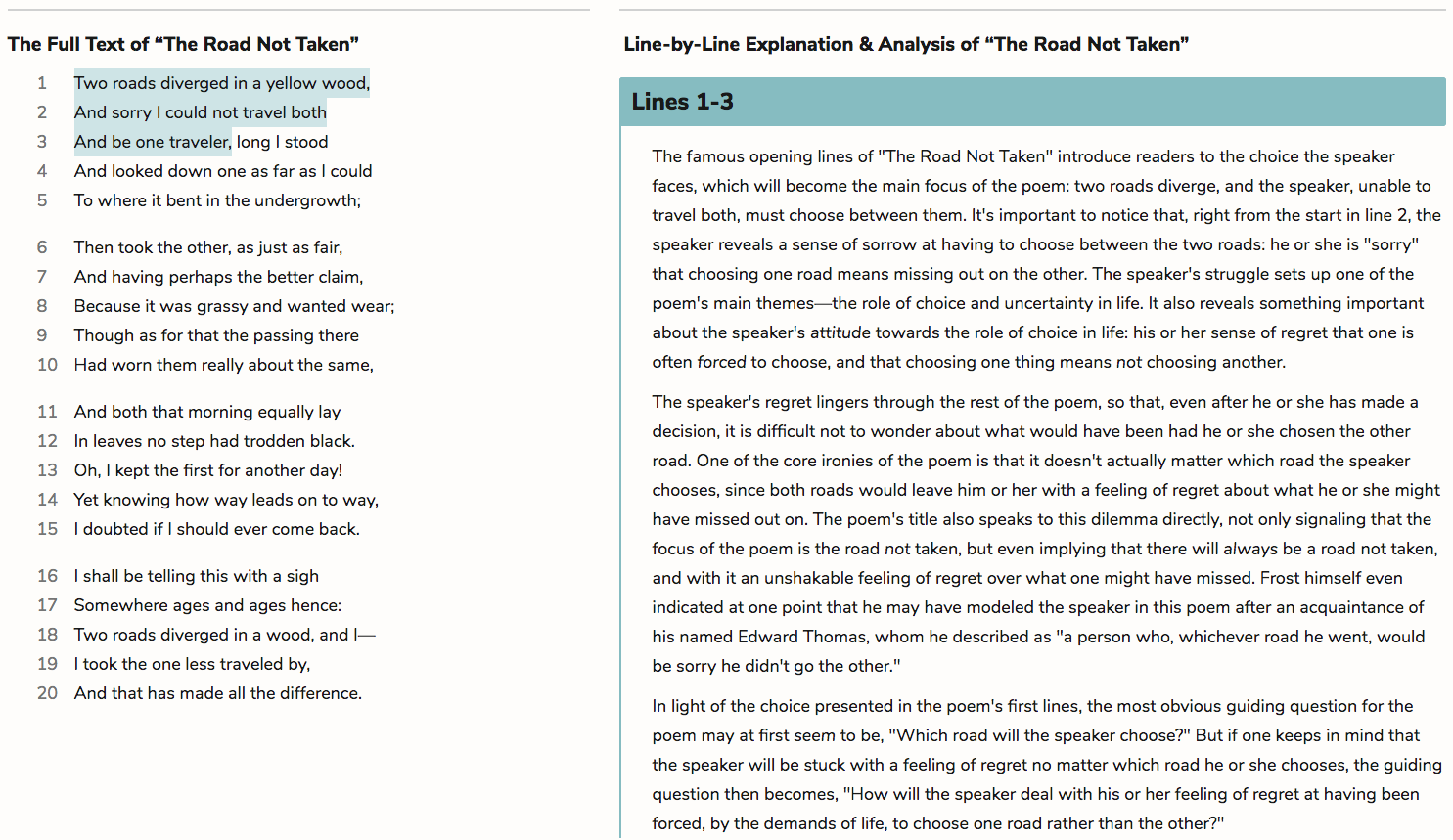
Line-by-line explanations and analysis of figurative language and poetic devices.
For every lyric poem we cover.
For every lyric poem we cover.