
|
Have questions?
Contact us
Already a member? Sign in
|
Get every literary device explanation for WaldenPlus so much more...
Sign up for LitCharts A+Get instant access to every literary device explanation, plus so much more...
Metaphor
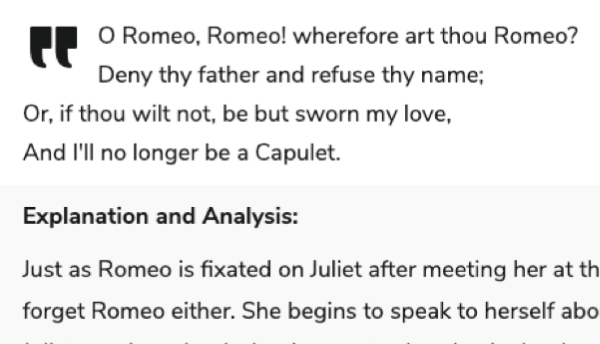
Explanation and Analysis—Art:
In "Where I Lived, and What I Lived For," Thoreau likens self-creation to artwork via metaphor:
It is something to be able to paint a particular picture, or to carve a statue, and so to make a few objects beautiful; but it is far more glorious to carve and paint the very atmosphere and medium through which we look, which morally we can do. To affect the quality of the day, that is the highest of arts.
Here, the author claims that the highest art is the formation of one's own perspective. He acknowledges the power and beauty of actual art, but he argues that it is more glorious to "carve and paint the very atmosphere" in which we live. This metaphor likens humans to artists, and their lives (or environments) to art. In other words, people can shape their own minds and make life worth living. Modernity remains at odds with this idea; the modern world places such great emphasis on making things, and on producing work, that many people forget their power to create themselves.
This metaphor nicely introduces the idea of self-reliance and deliberate living. It appears right before the famous line: "I went to the woods because I wished to live deliberately." Creating one's own life—and art—requires deliberate intention and effort. Just as an artist spends most of his time dreaming up new ways to hone his craft, regular people must spend more time intentionally crafting their own lives.
This idea appears again in the Conclusion when Thoreau writes about a parable of an artist in Kouroo who rejects petty concerns and strives instead for a transcendent existence. He dedicates himself to his work and becomes a sort of higher being able to produce beautiful works of art—but also able to forge the path of his own life. This anecdote resonates with Thoreau's initial commentary on art because this artist crafts both his projects and his life.
Monthly
Annual (Best Value)

$595USD/mo
Charged $71.40 USD every year
 Teacher
$795USD/mo
Charged $95.40 USD every year
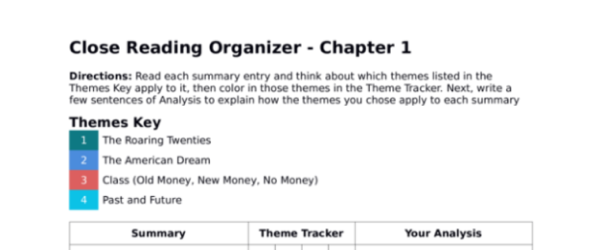
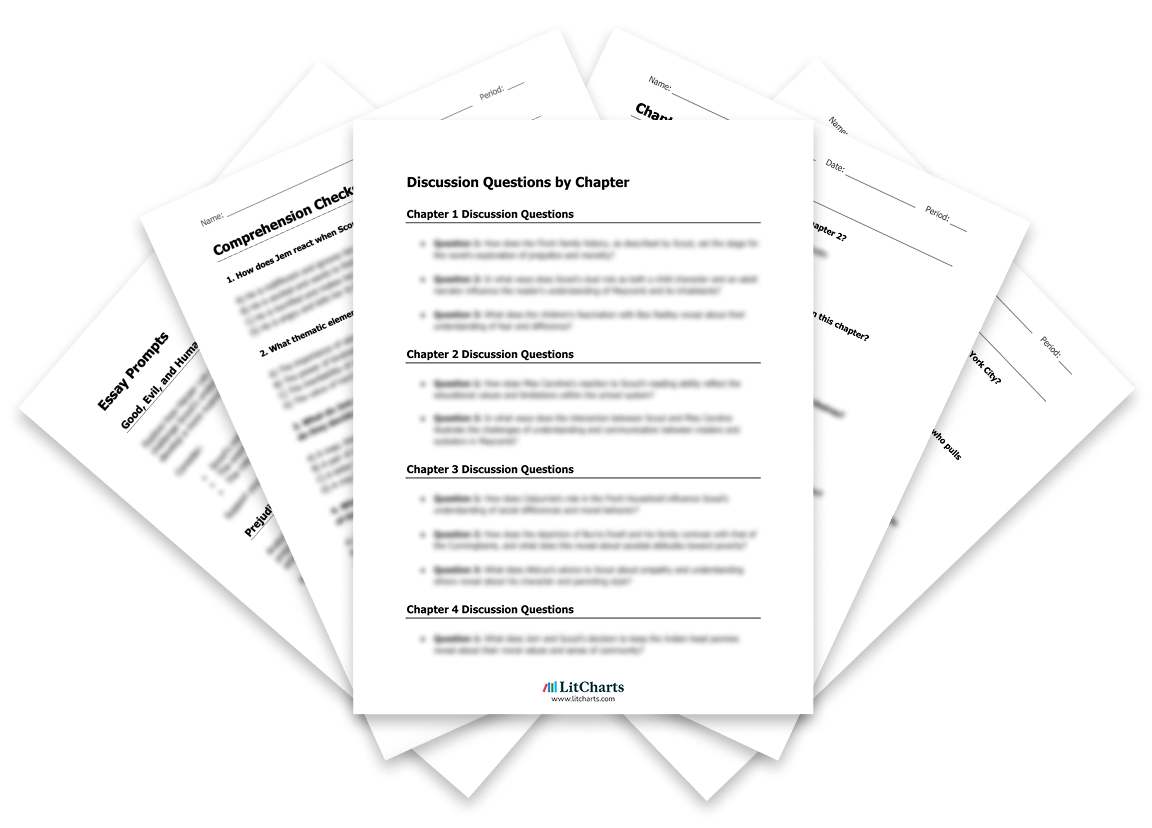


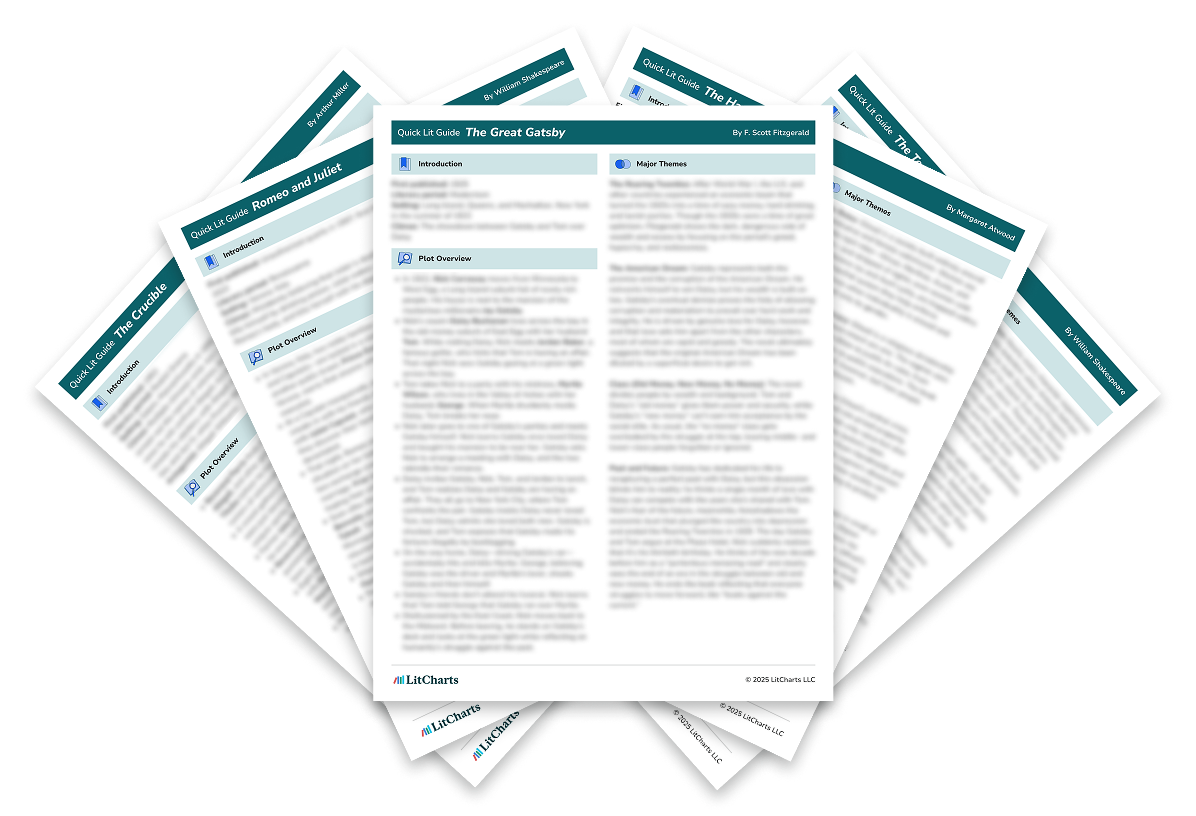
Literature Guide PDFs
LitCharts PDFs for every book you'll read this year.
Instant PDF downloads of all 2251 LitCharts literature guides and of every new one we publish. Try a free sample literature guide.
"Would not have made it through AP Literature without the printable PDFs. They're like having in-class notes for every discussion!"






Quotes Explanations
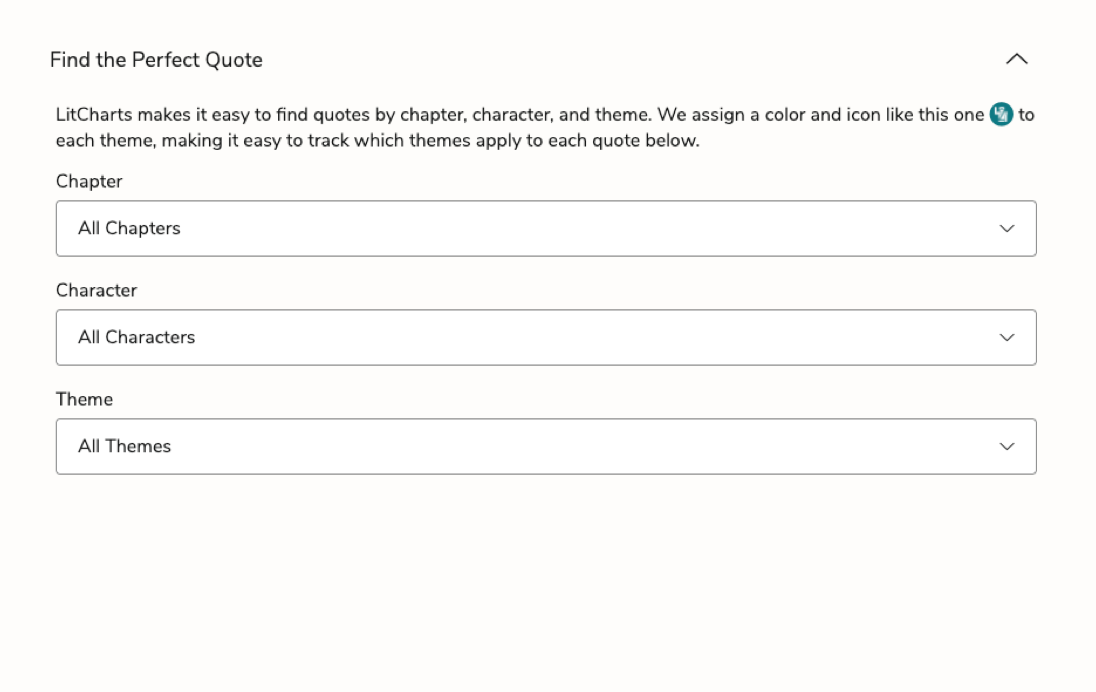
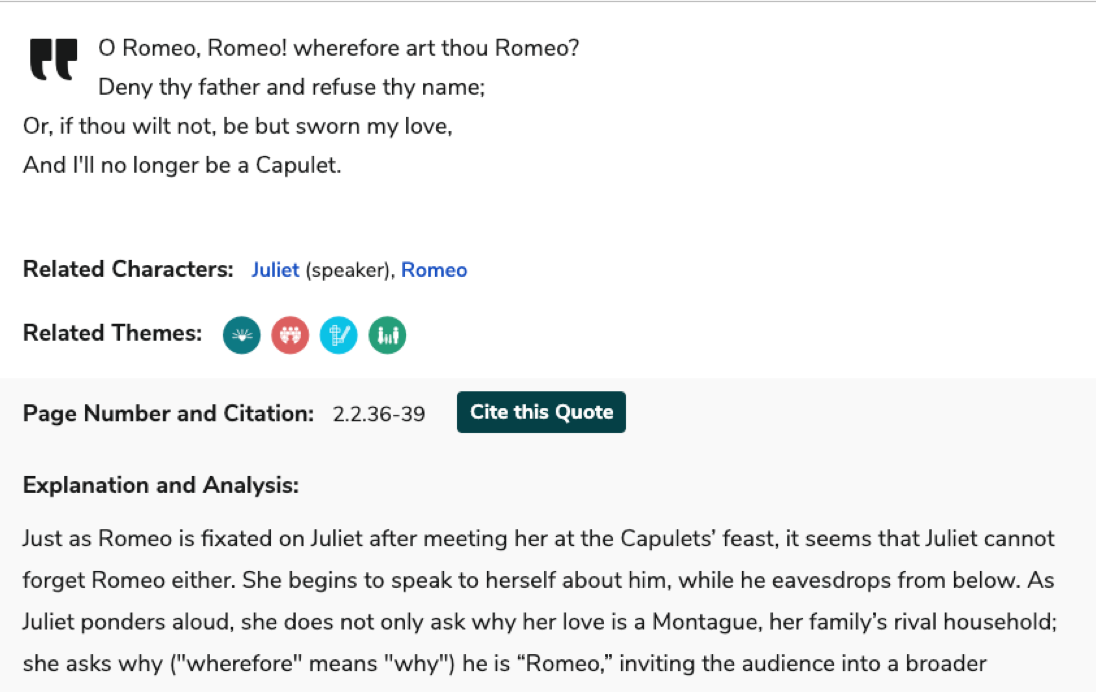
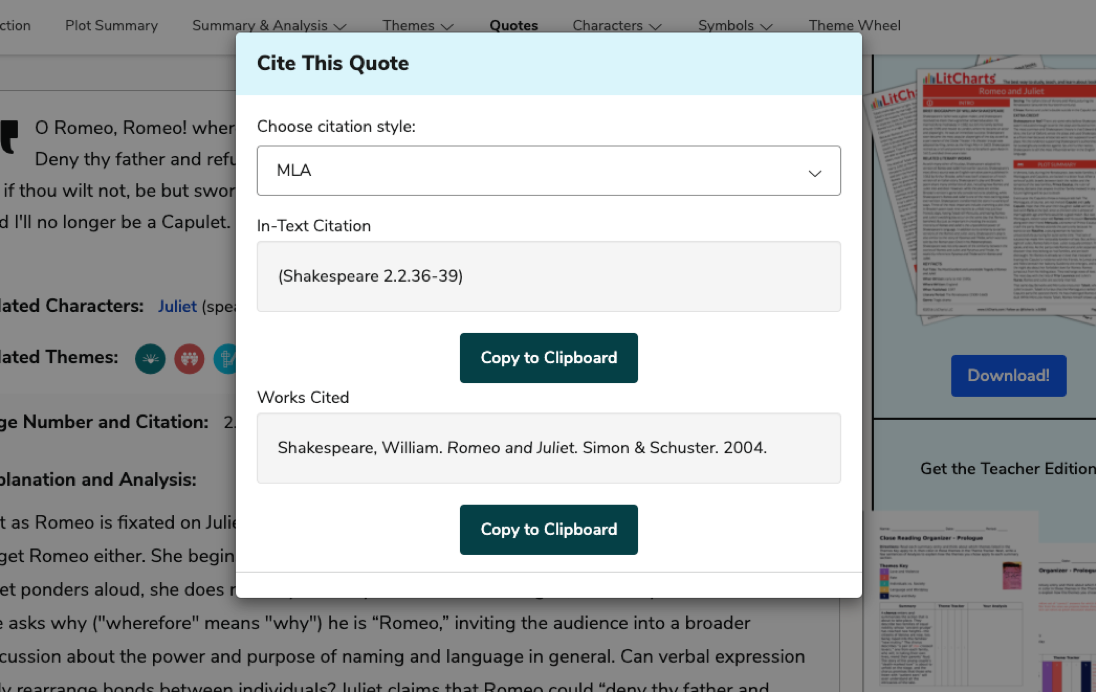
Find the perfect quote. Understand it perfectly. Then rock the citation, too.
For all 50,202 quotes we cover.
For all 50,202 quotes we cover.


Teacher Editions
Close reading made easy for students.
Time saved for teachers.
For every book we cover.
Time saved for teachers.
For every book we cover.


Common Core-aligned


PDFs of modern translations of every one of Shakespeare's 37 plays, 154 sonnets, and 3 longer poems.

Literary Terms and Devices
Definitions and examples for every literary term and device you need to know.
Plus a quick-reference PDF with concise definitions of all 136 terms in one place.
Plus a quick-reference PDF with concise definitions of all 136 terms in one place.
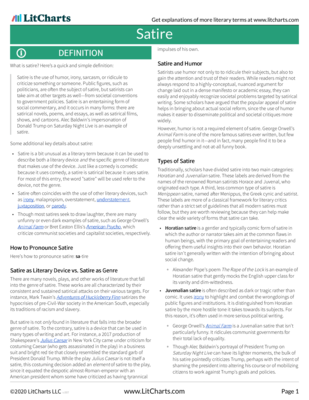
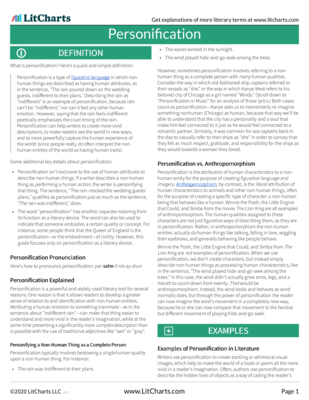
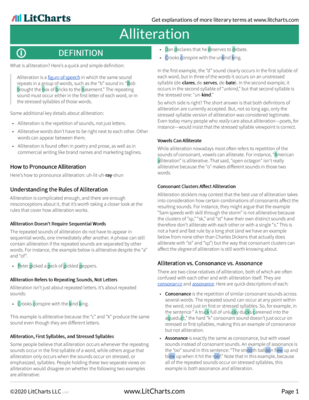
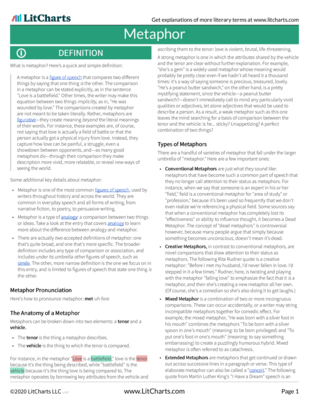
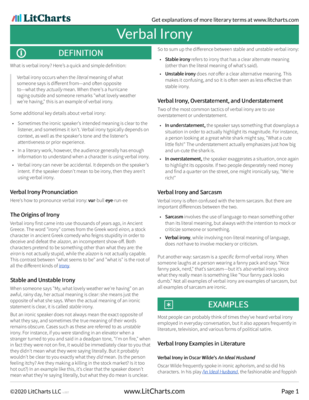
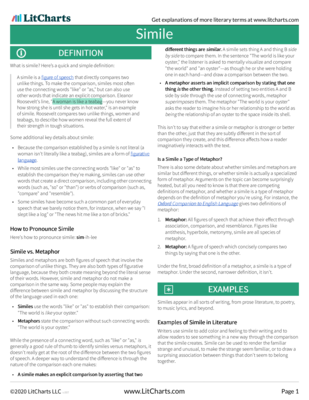
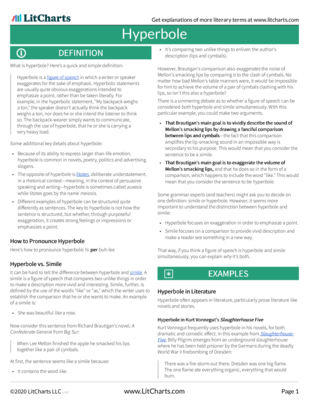
Try a free sample literary term PDF.


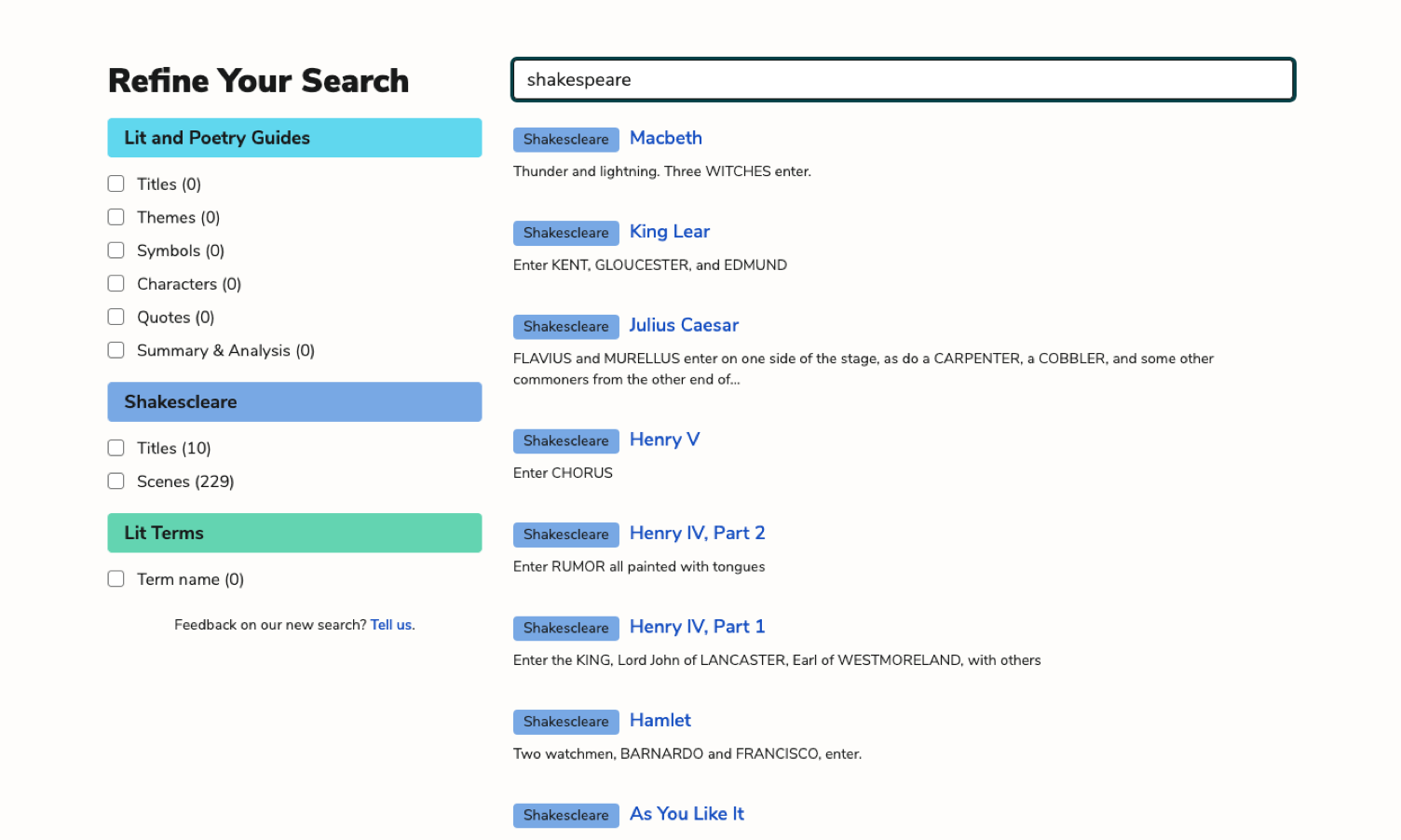
Advanced Search
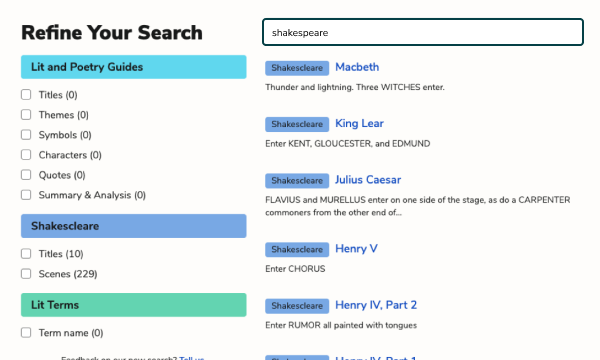
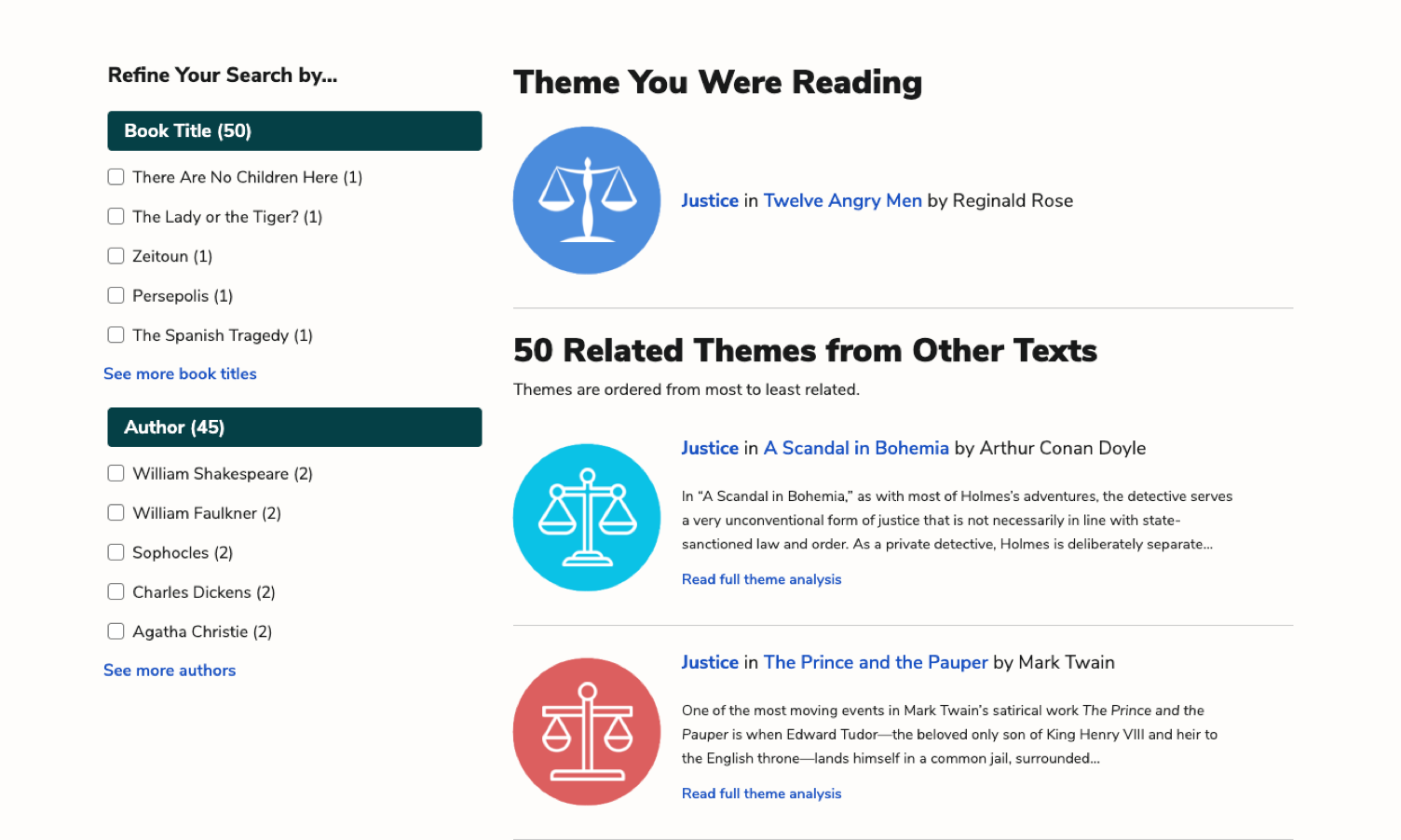
Refine any search. Find related themes, quotes, symbols, characters, and more.
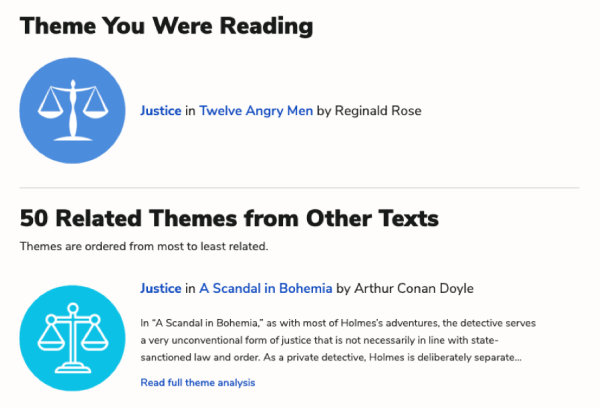
Related Themes
Comparing and contrasting texts? Find where any theme occurs across all of LitCharts in seconds.


Poetry Guides
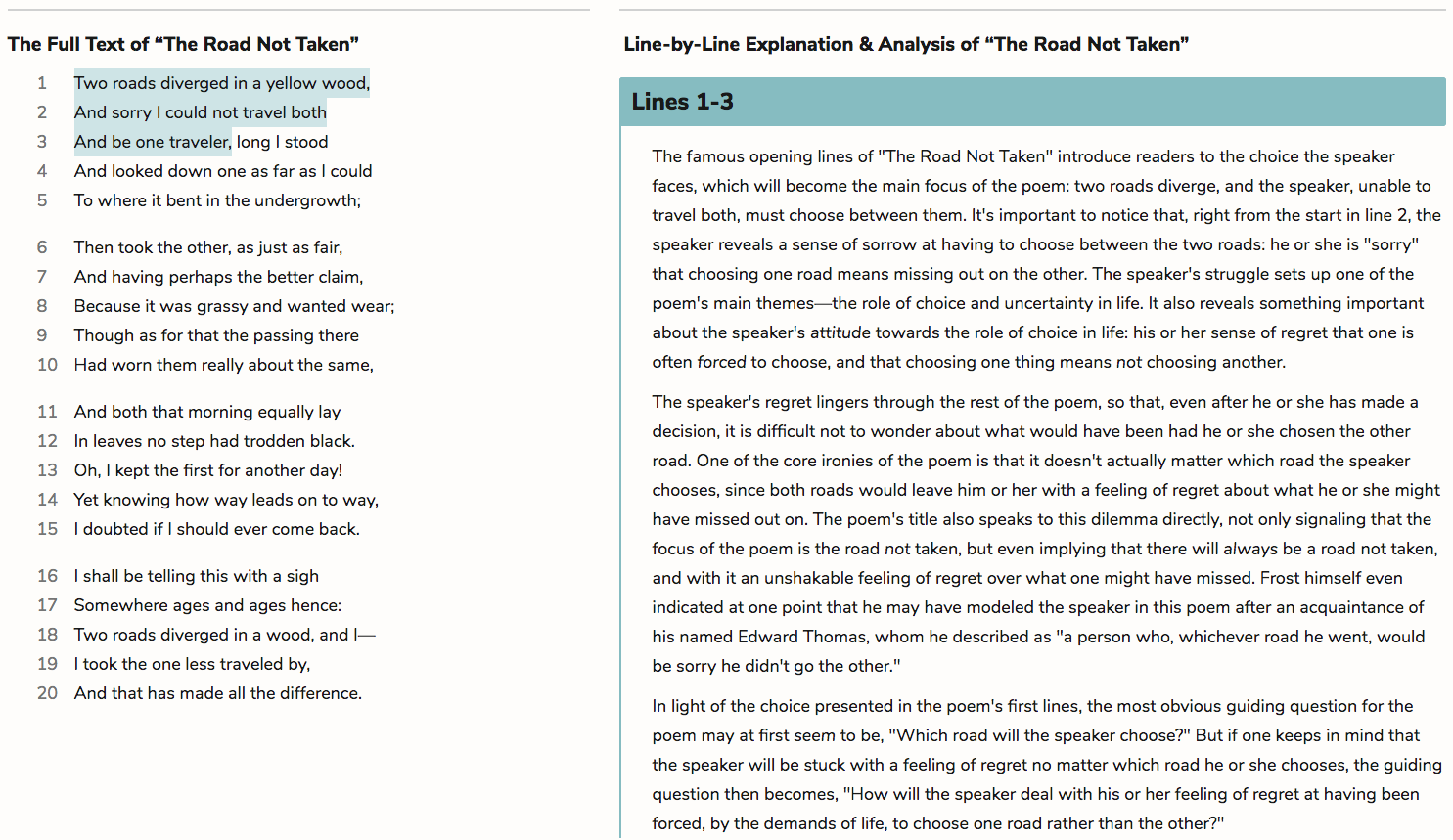
Line-by-line explanations and analysis of figurative language and poetic devices.
For every lyric poem we cover.
For every lyric poem we cover.