
|
Have questions?
Contact us
Already a member? Sign in
|
Get every literary device explanation for An Ideal Husband
Plus so much more...
Sign up for LitCharts A+
Get instant access to every literary device explanation, plus so much more...
Metaphor
Explanation and Analysis—Night of the Living Shame:
At the end of Act 2, Part 2, Sir Robert laments that Lady Chiltern, his wife, has prevented him from acquiescing to Mrs. Cheveley’s request that he present a falsified report on the Argentine Canal before Parliament. As Robert explains how obeying Mrs. Cheveley would have kept his shameful secret safe, he uses an extended metaphor that personifies the secret:
What this woman asked of me was nothing compared to what she offered to me. She offered security, peace, stability. The sin of my youth, that I had thought was buried, rose up in front of me, hideous, horrible, with its hands at my throat. I could have killed it for ever, sent it back into its tomb, destroyed its record, burned the one witness against me. You prevented me. No one but you, you know it.
Robert’s wordplay relies on the double meaning of “bury”—literally, to bury is to inter a dead body in a grave or tomb, but “to bury” can also mean to cover something up like a salacious news story or scandal. Robert’s personification, the original “sin” of his youth, his sale of insider information on the Suez Canal to Baron Arnheim, is a zombie of sorts: a once-buried corpse come horrifyingly back to life through Mrs. Cheveley’s blackmail. To “kill” this secret once again would be to bury it back into its tomb of obscurity.
This scene, including Robert’s larger appeal to Lady Chiltern, is a turning point in the play: Robert can no longer hide his past from his wife, and their future together relies on her ability to forgive him—to break from the social expectations of the London elite and see Robert as a complex, flawed human being worthy of love.
Monthly
Annual (Best Value)

$595USD/mo
Charged $71.40 USD every year
 Teacher
$795USD/mo
Charged $95.40 USD every year
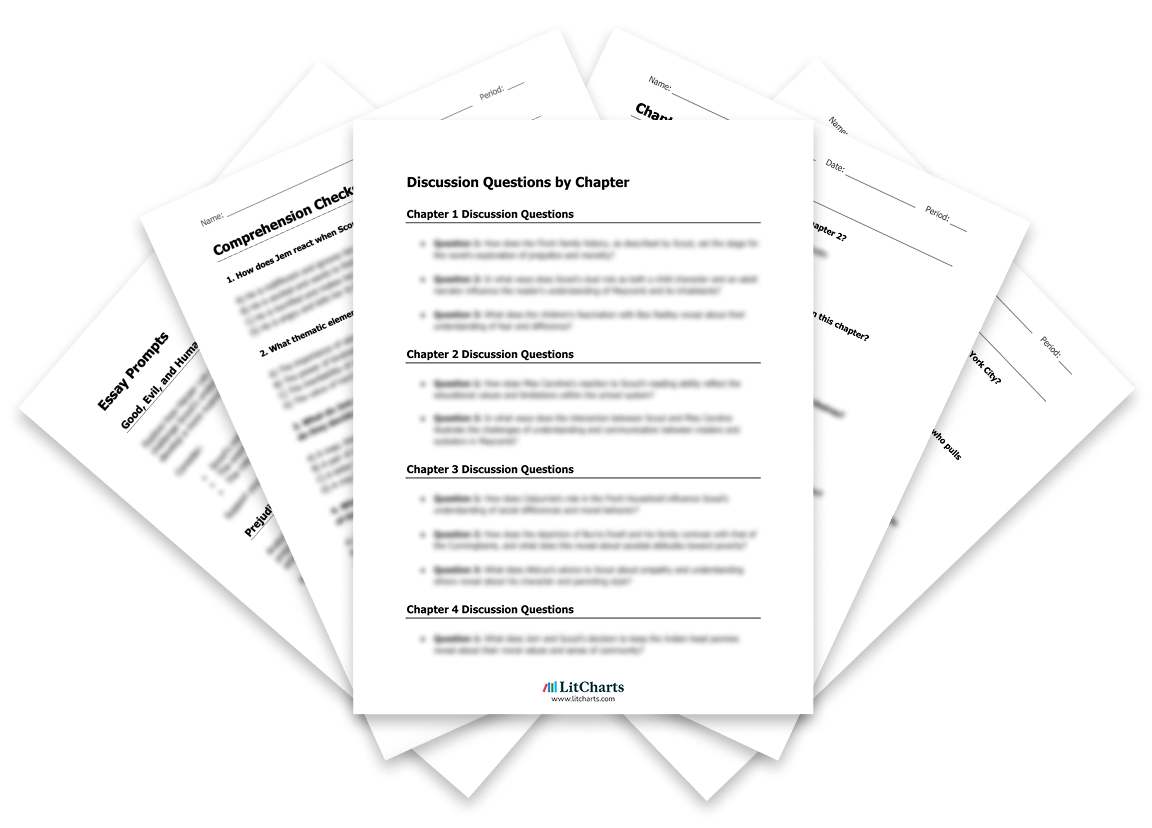


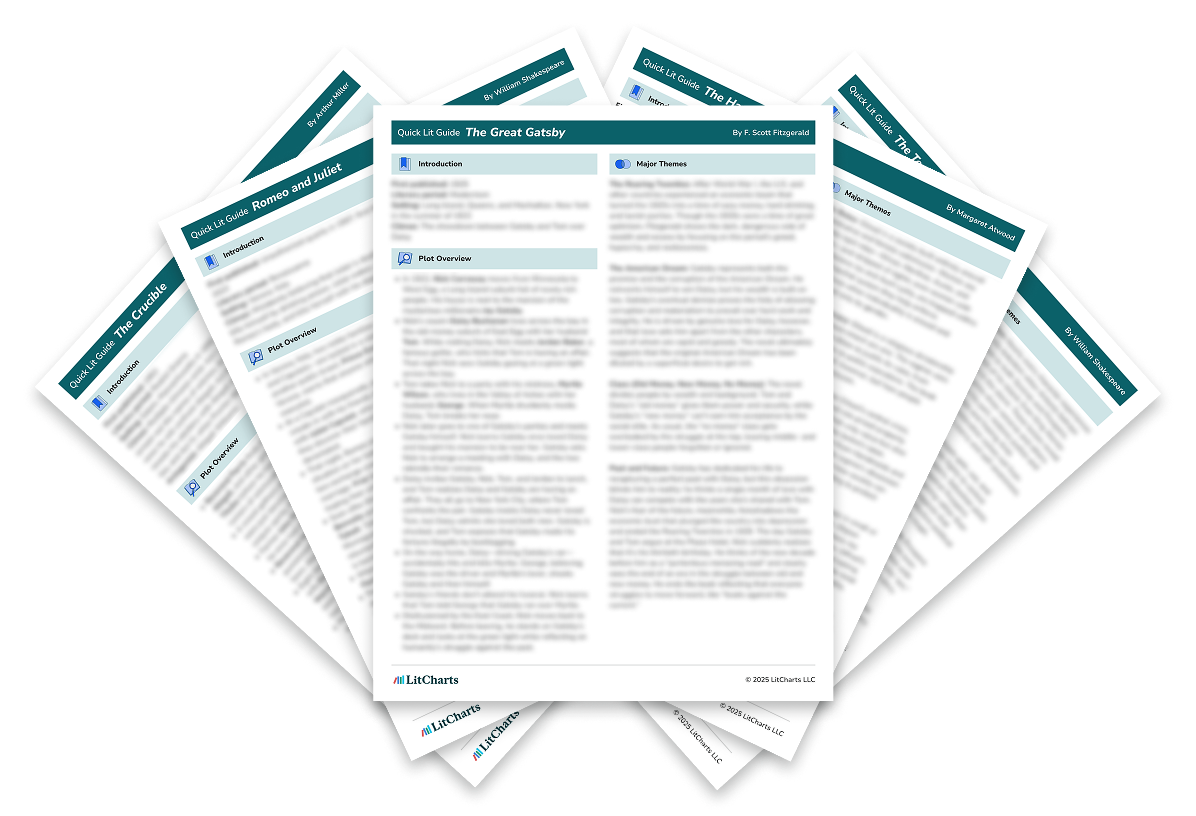
Literature Guide PDFs
LitCharts PDFs for every book you'll read this year.
Instant PDF downloads of all 2256 LitCharts literature guides and of every new one we publish. Try a free sample literature guide.
"Would not have made it through AP Literature without the printable PDFs. They're like having in-class notes for every discussion!"






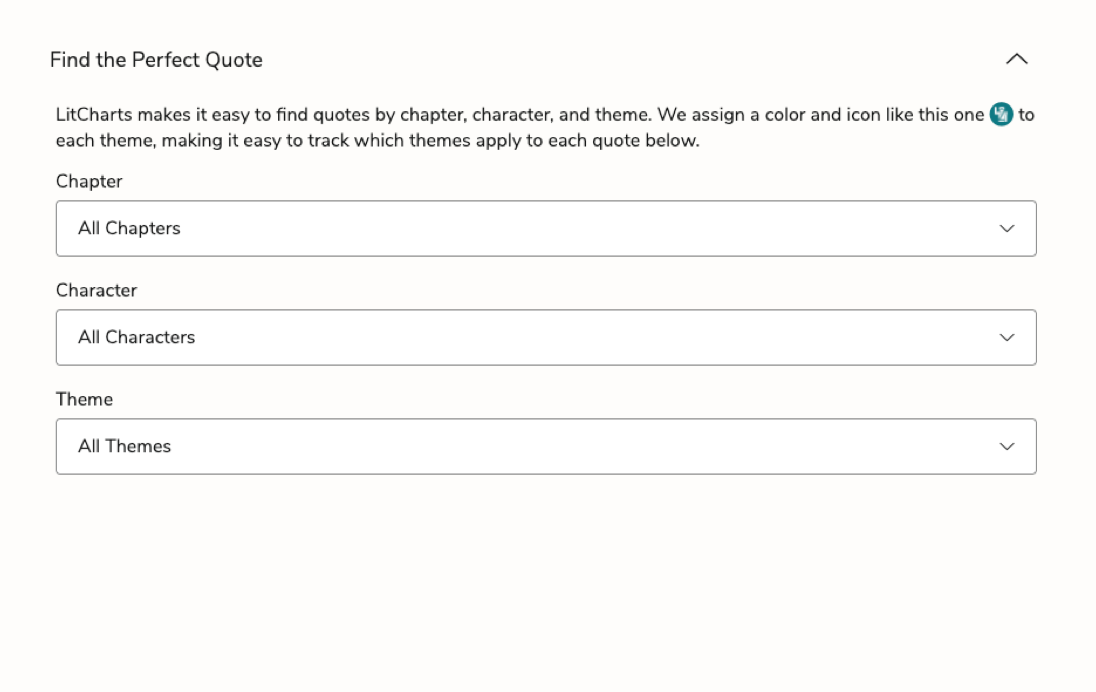
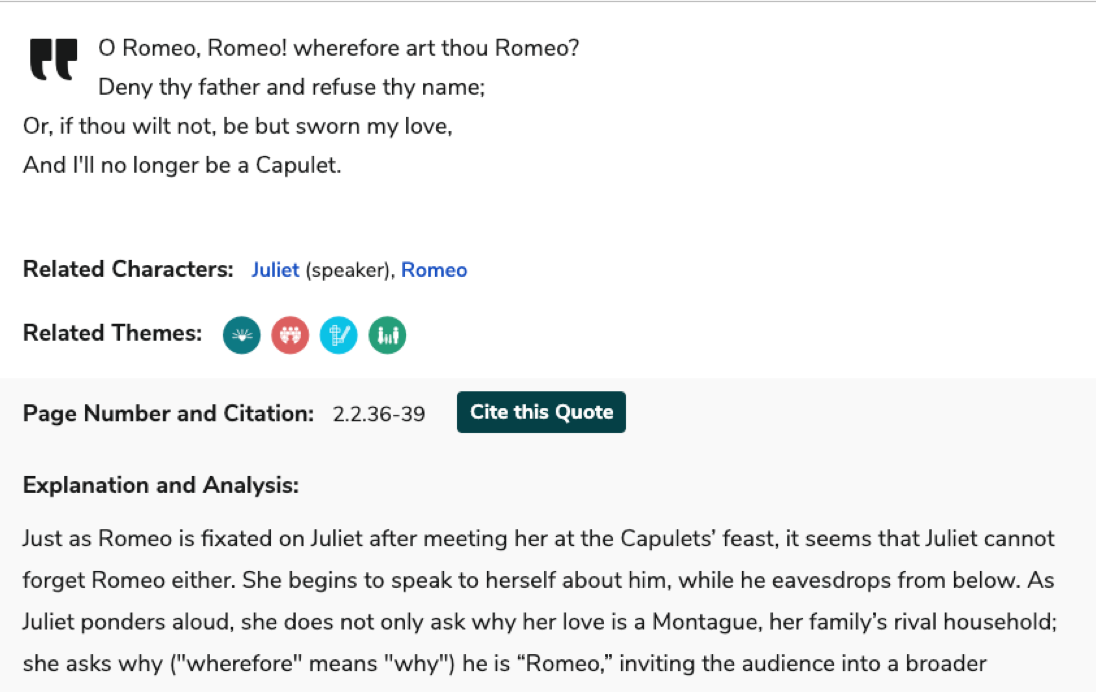
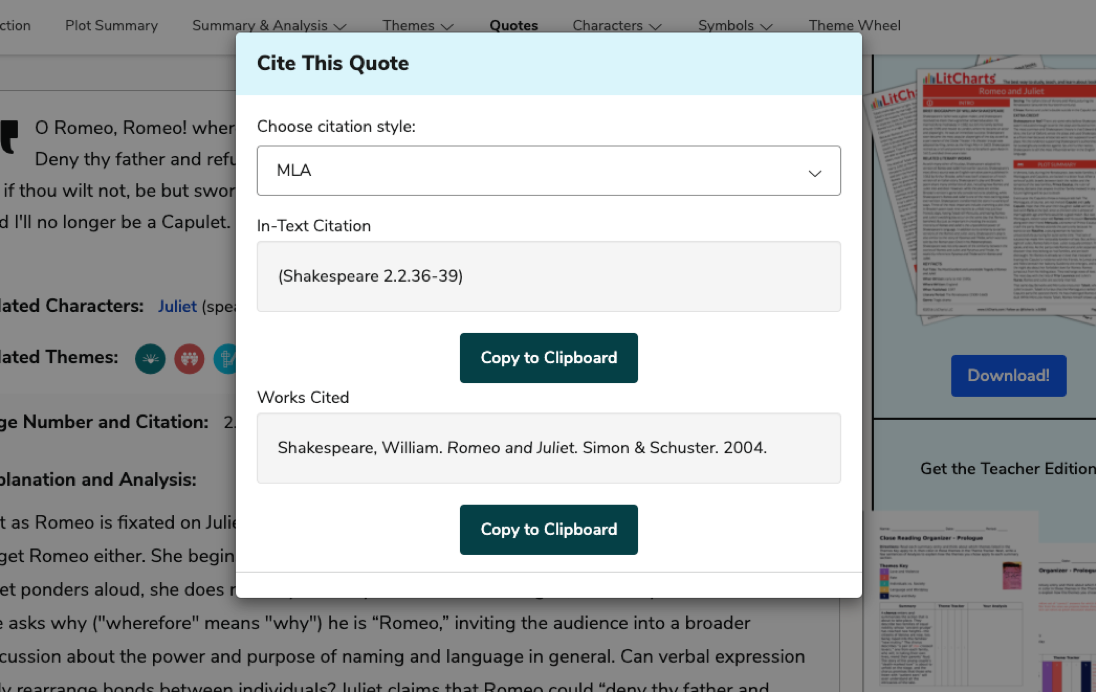
Quotes Explanations
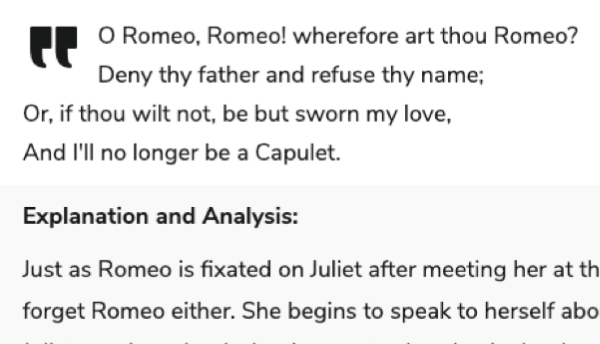
Find the perfect quote. Understand it perfectly. Then rock the citation, too.
For all 50,308 quotes we cover.
For all 50,308 quotes we cover.


Teacher Editions
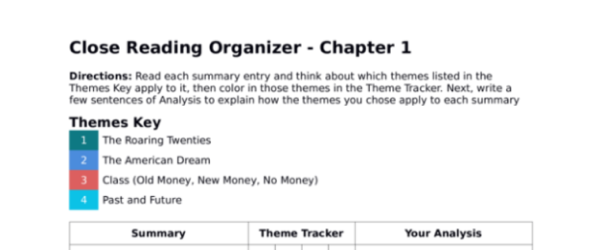
Close reading made easy for students.
Time saved for teachers.
For every book we cover.
Time saved for teachers.
For every book we cover.


Common Core-aligned


PDFs of modern translations of every one of Shakespeare's 37 plays, 154 sonnets, and 3 longer poems.

Literary Terms and Devices
Definitions and examples for every literary term and device you need to know.
Plus a quick-reference PDF with concise definitions of all 136 terms in one place.
Plus a quick-reference PDF with concise definitions of all 136 terms in one place.
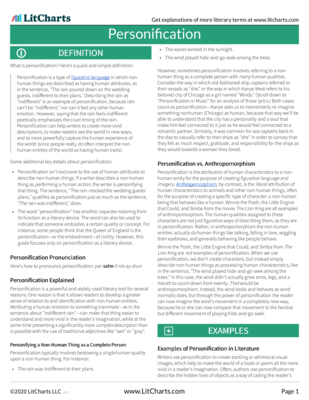
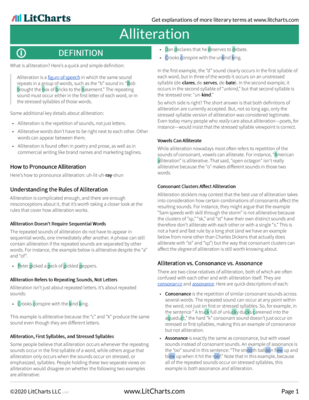
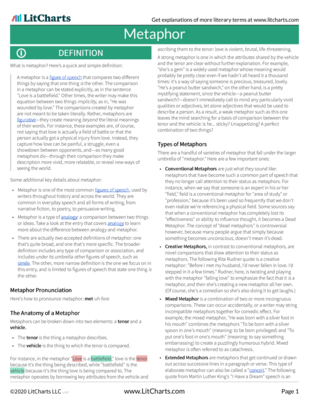
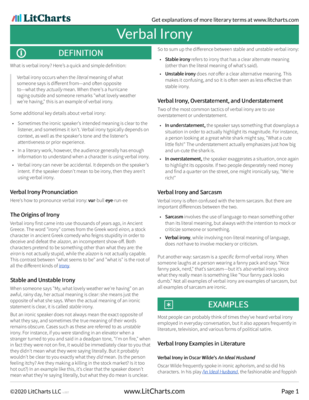
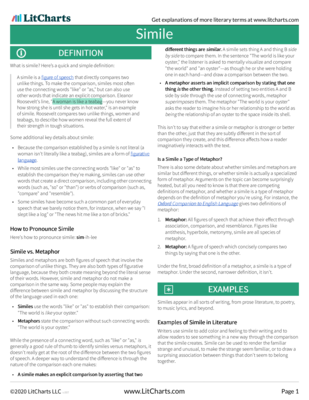
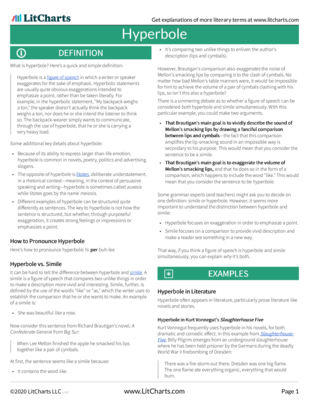
Try a free sample literary term PDF.


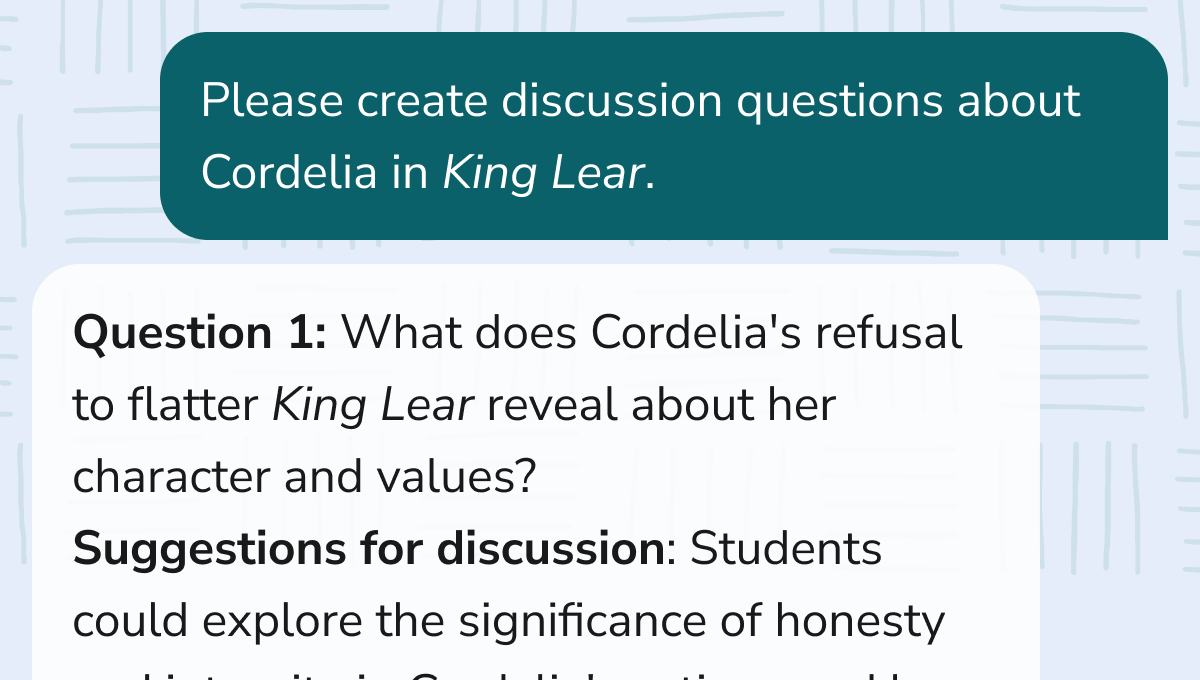
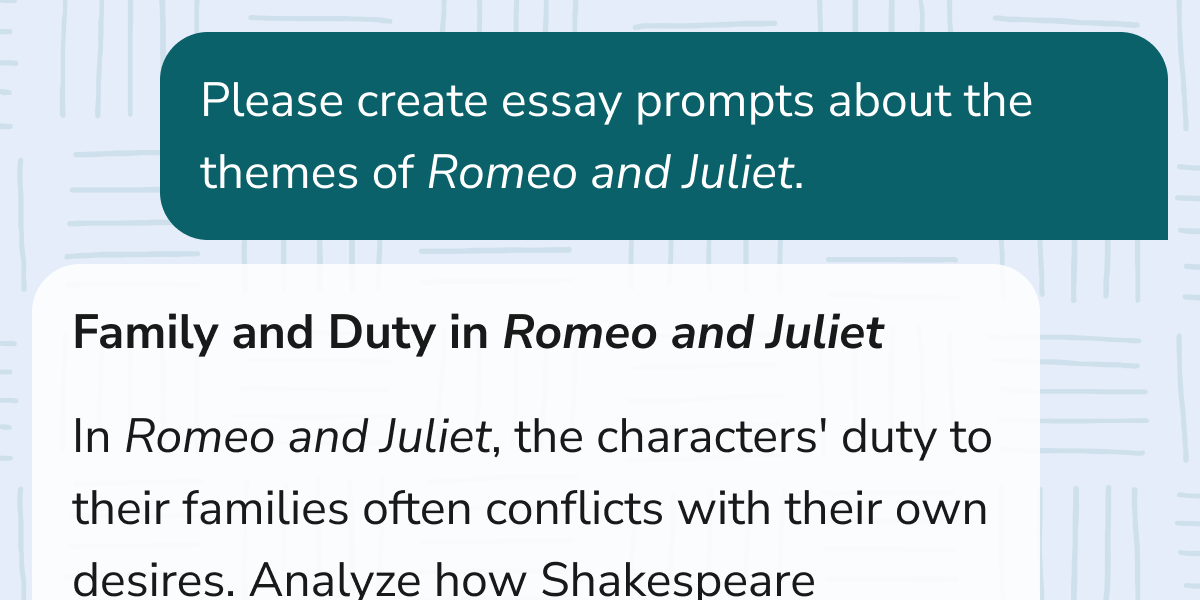
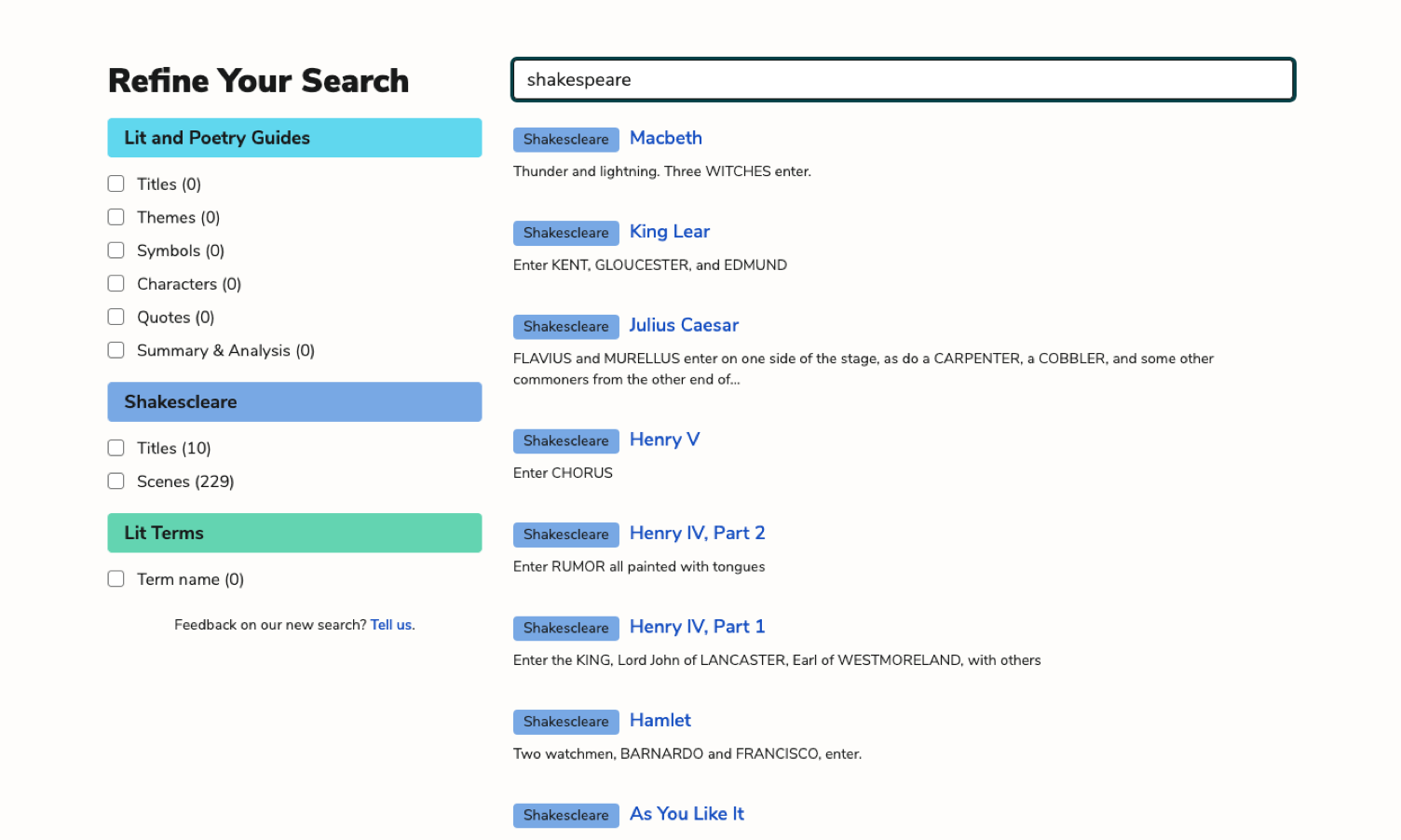
Advanced Search
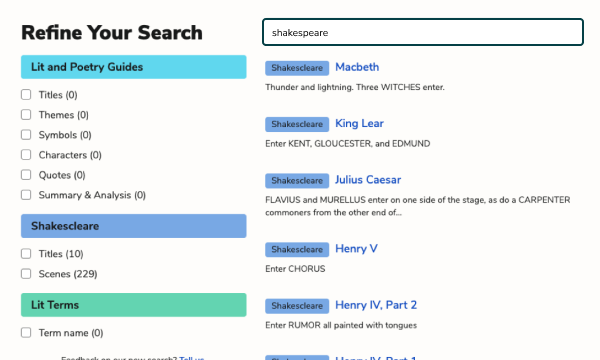
Refine any search. Find related themes, quotes, symbols, characters, and more.

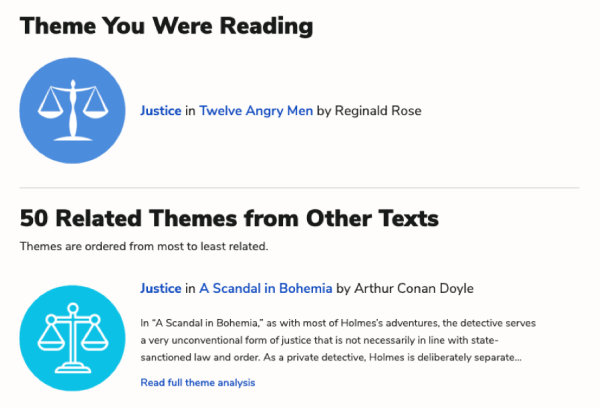
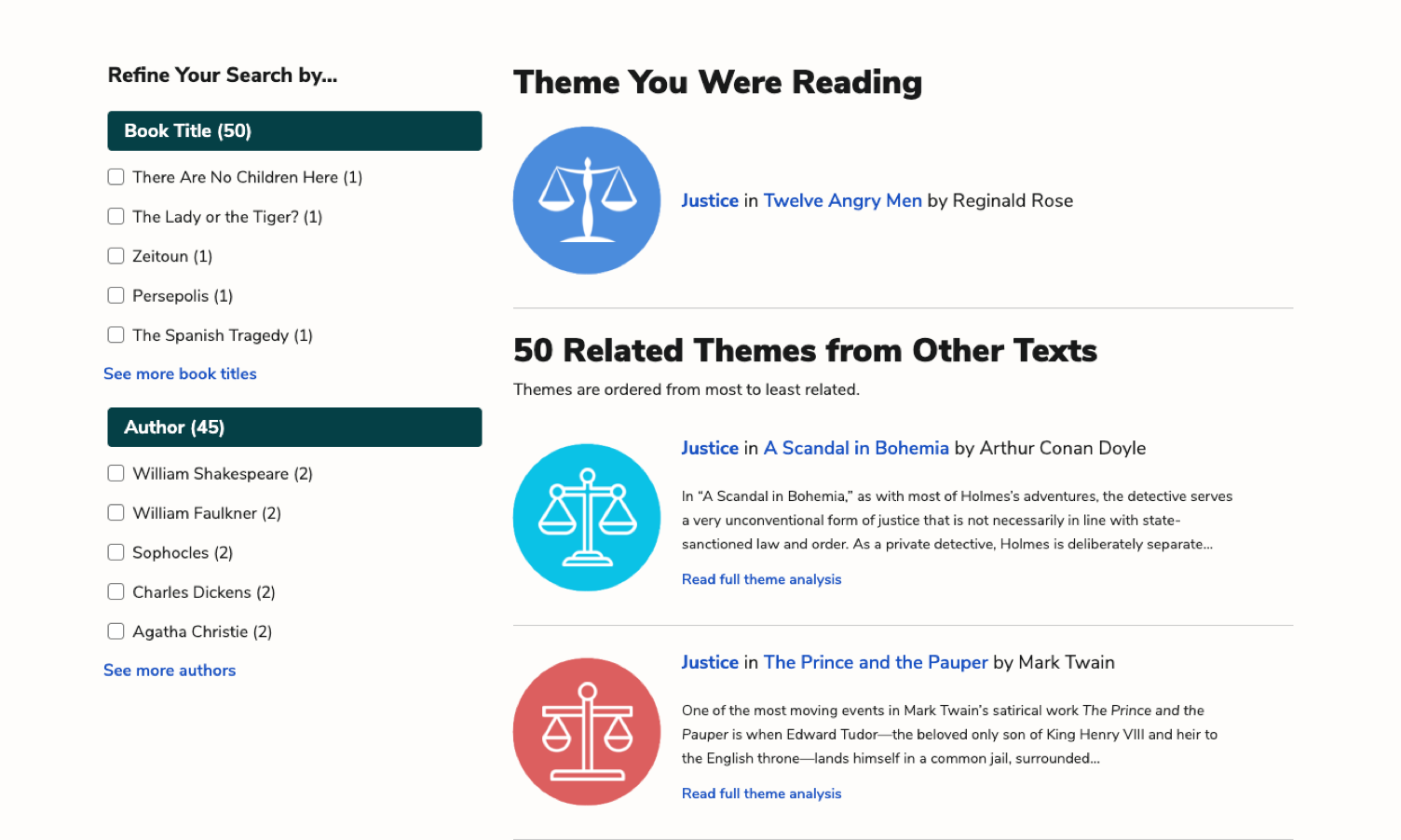
Related Themes
Comparing and contrasting texts? Find where any theme occurs across all of LitCharts in seconds.


Poetry Guides
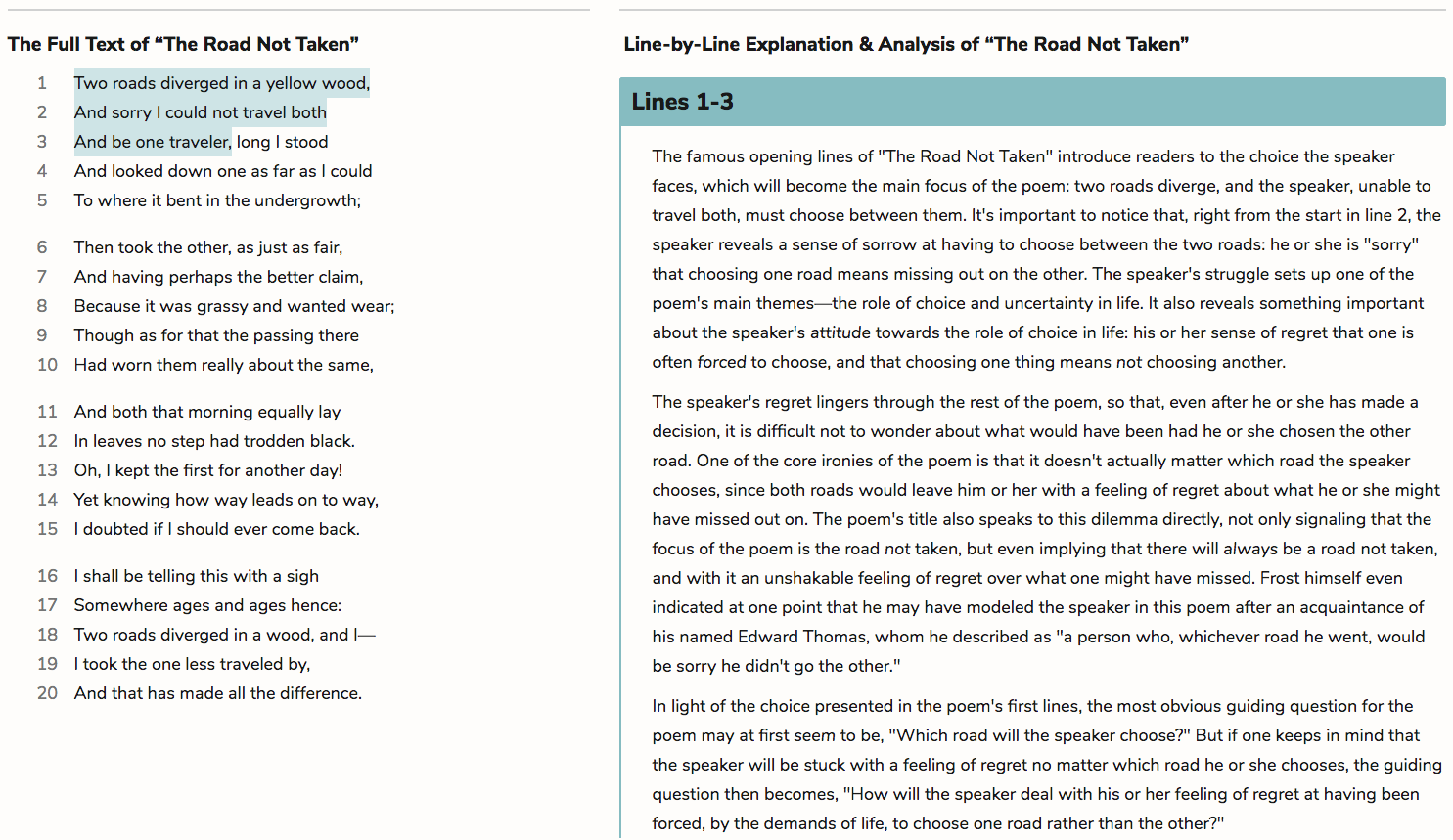
Line-by-line explanations and analysis of figurative language and poetic devices.
For every lyric poem we cover.
For every lyric poem we cover.