
|
Have questions?
Contact us
Already a member? Sign in
|
Get every literary device explanation for Oliver TwistPlus so much more...
Sign up for LitCharts A+Get instant access to every literary device explanation, plus so much more...
Metaphor
Explanation and Analysis—The Stain:
Harry Maylie and Rose Maylie are cousins, but in the context of Victorian England, that is not what gets in the way of them marrying one another for much of the novel. Despite being a perfect match, in Chapter 35, Rose describes a metaphorical "stain" that makes her unfit to marry Harry:
"[T]here is a stain upon my name which the world visits on innocent heads; I will carry it into no blood but my own and the reproach shall rest alone on me."
The stain is not a literal mark, but rather a metaphor for the scandal that has touched Rose's family. It is not clear until the end of the novel what this scandal is. As it turns out, Rose is the much younger sister of Agnes, who became pregnant with Oliver before technically marrying his father. When Rose and Agnes's father died, Rose was taken in by a poor couple. Monks's mother, the jilted former wife of Oliver's father, tracked Rose down and maliciously told the couple a more scandalous version of the family history. When Rose was eventually adopted by Mrs. Maylie, the extra scandal accompanied her as a "stain." Because a spotless reputation for virtue and a good fortune was important to a woman's marketability for marriage in Victorian England, the stain makes Rose an unsuitable prospect for Mrs. Maylie's son or virtually any other wealthy man who might deserve such an otherwise perfect bride. Rose herself does not want to pass the stain on to Harry or their hypothetical children.
The stain is an example of Dickens's reliance on darkness to represent corruption and light to represent inherent good. Although racist, it was common in 19th-century fiction for not only light but specifically racial whiteness to be associated with moral purity. Sickly, delicate, and wealthy with a heart of gold, Rose fits the stereotype of the morally pure white woman in a sentimental novel. Both Oliver and Harry Maylie have a difficult time believing that a "stain" could really stick to angelic Rose. Following Oliver and Harry, readers are skeptical, too. The revelation of the true family history at the end of the novel confirms what Oliver, Harry, and the reader suspected all along: for the most part, the stain can be scrubbed right off. Like Oliver, Rose's inherent goodness makes her impervious to real, lasting corruption.
Monthly
Annual (Best Value)

$595USD/mo
Charged $71.40 USD every year
 Teacher
$795USD/mo
Charged $95.40 USD every year
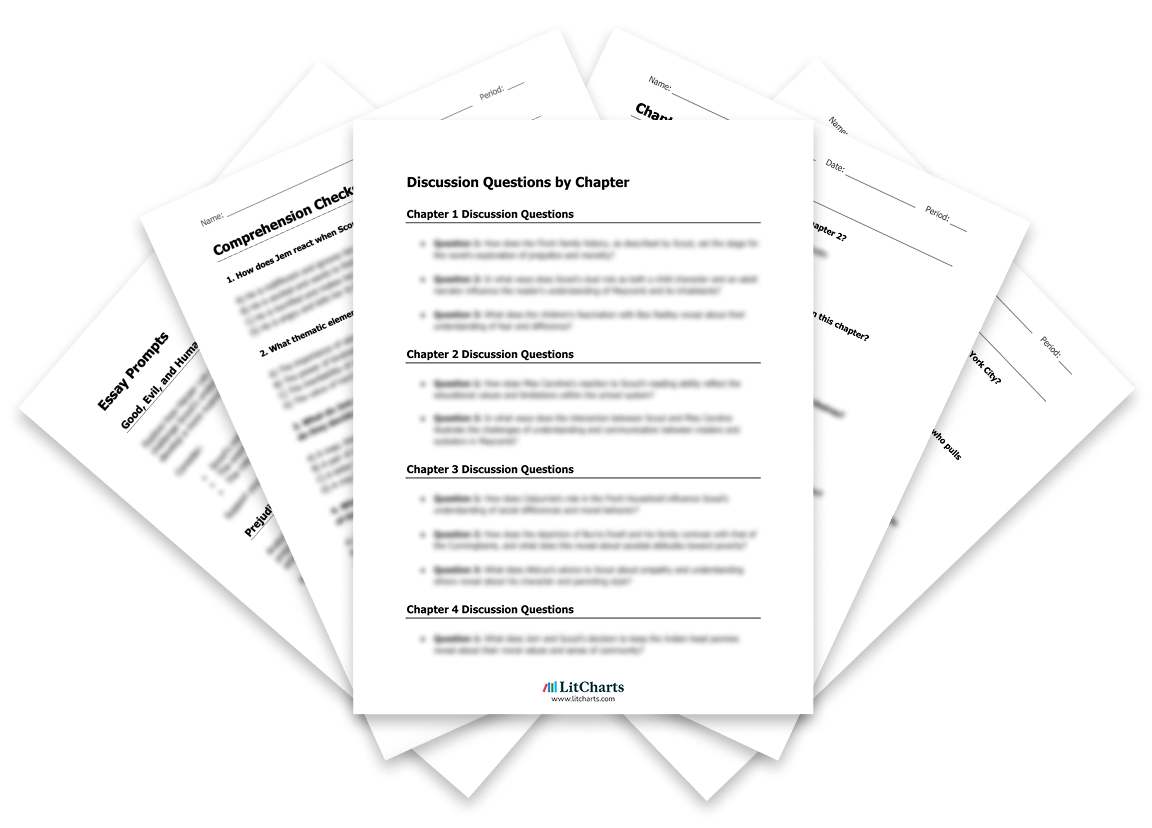


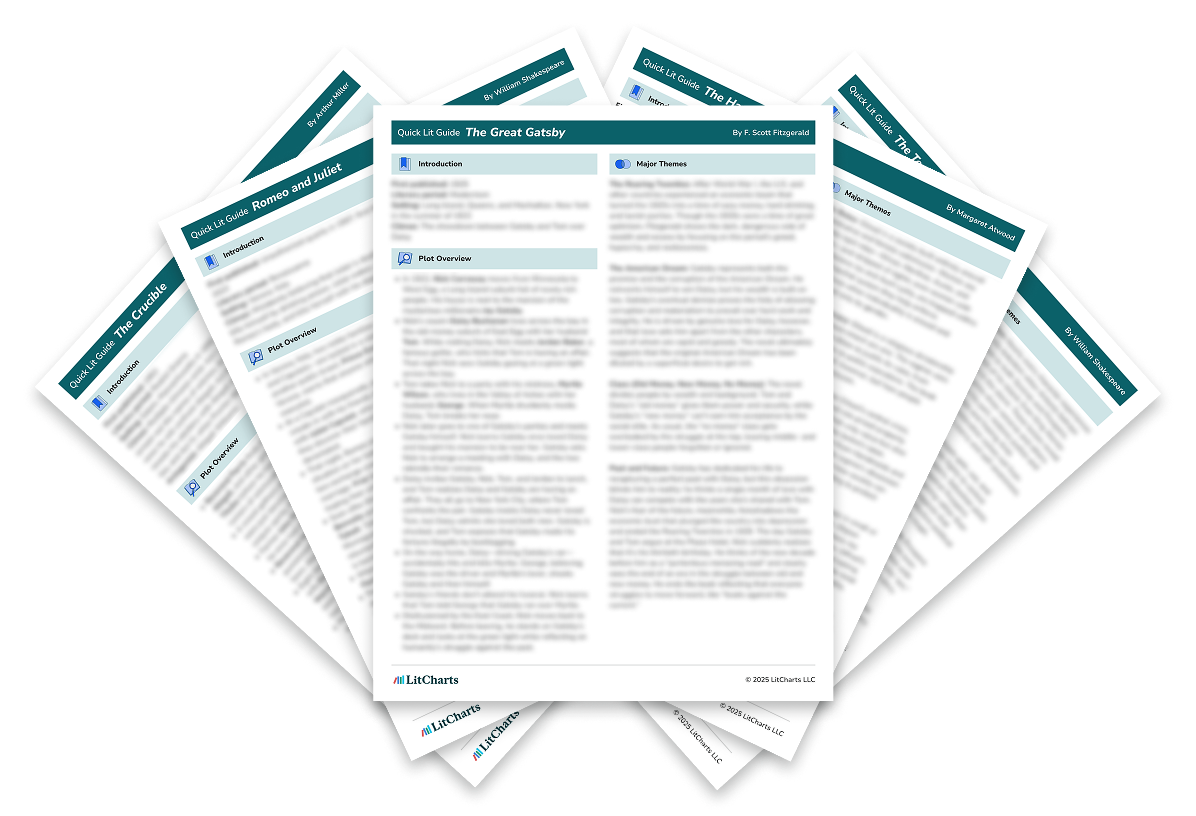
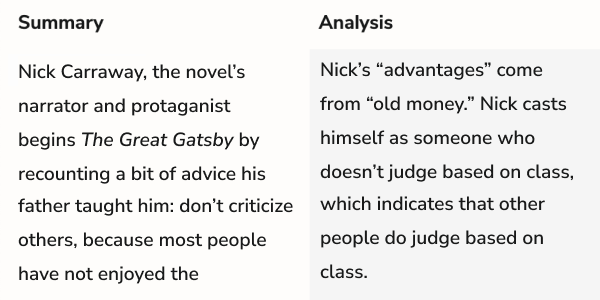
Literature Guide PDFs
LitCharts PDFs for every book you'll read this year.
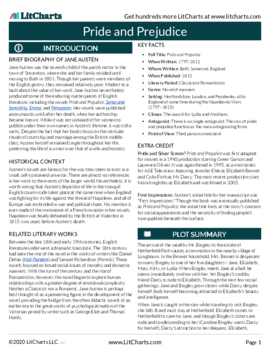
Instant PDF downloads of all 2250 LitCharts literature guides and of every new one we publish. Try a free sample literature guide.
"Would not have made it through AP Literature without the printable PDFs. They're like having in-class notes for every discussion!"





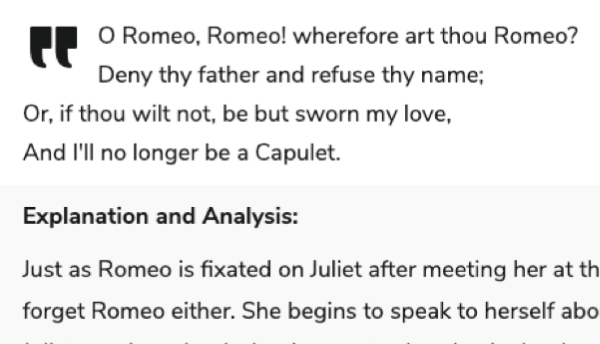
Quotes Explanations
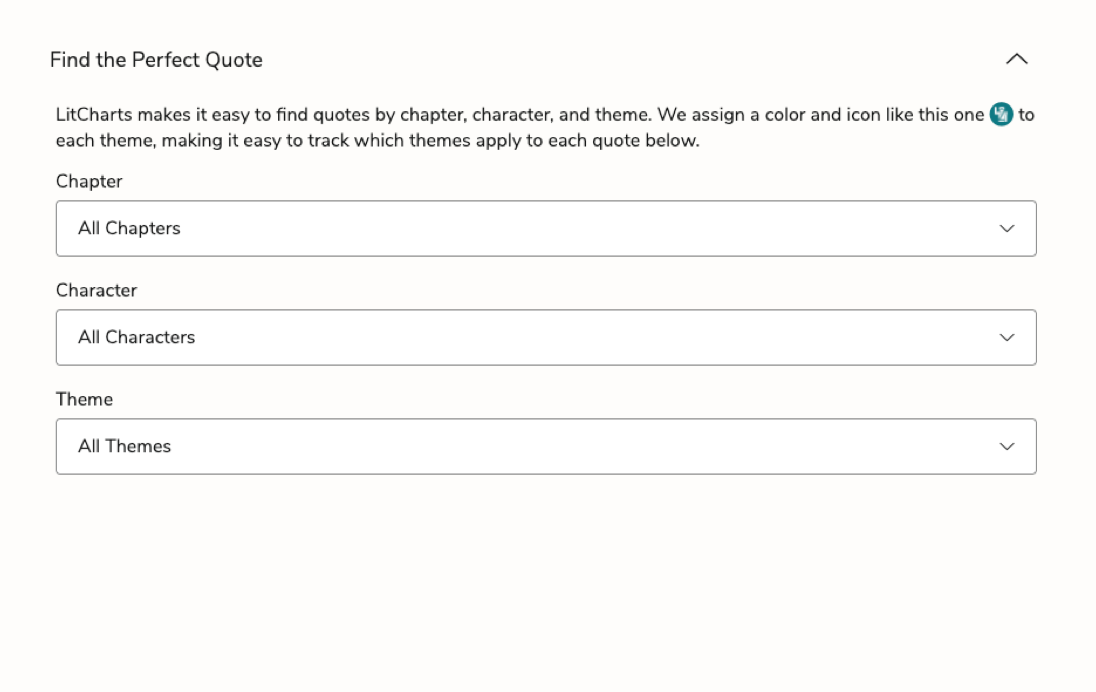
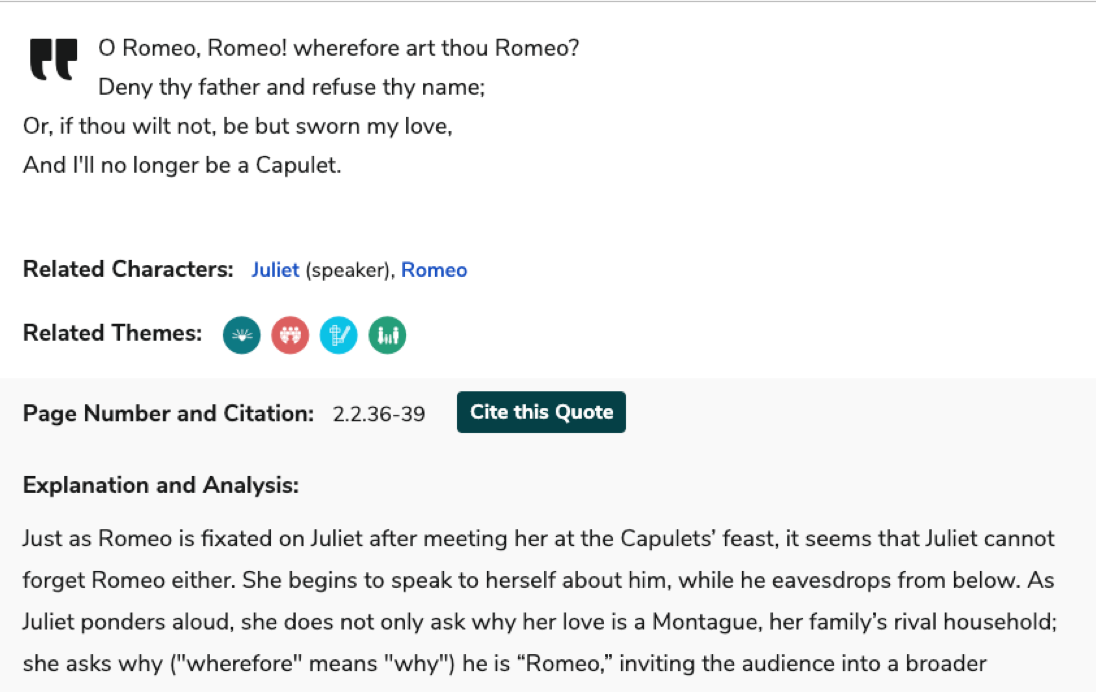
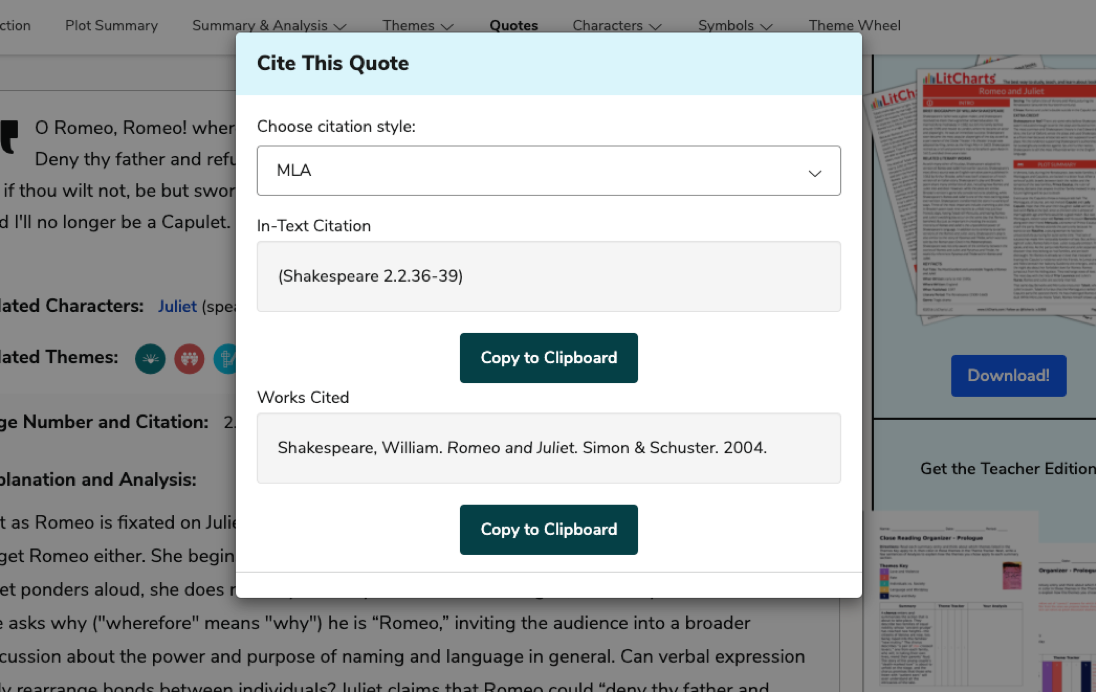
Find the perfect quote. Understand it perfectly. Then rock the citation, too.
For all 50,177 quotes we cover.
For all 50,177 quotes we cover.


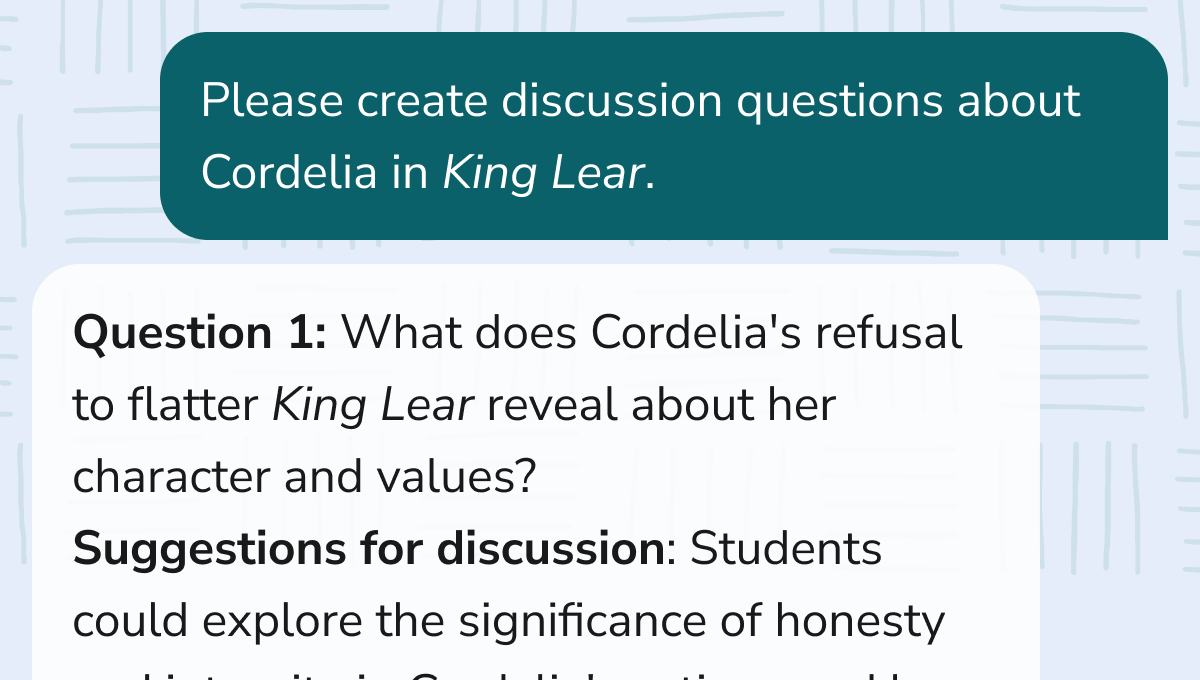
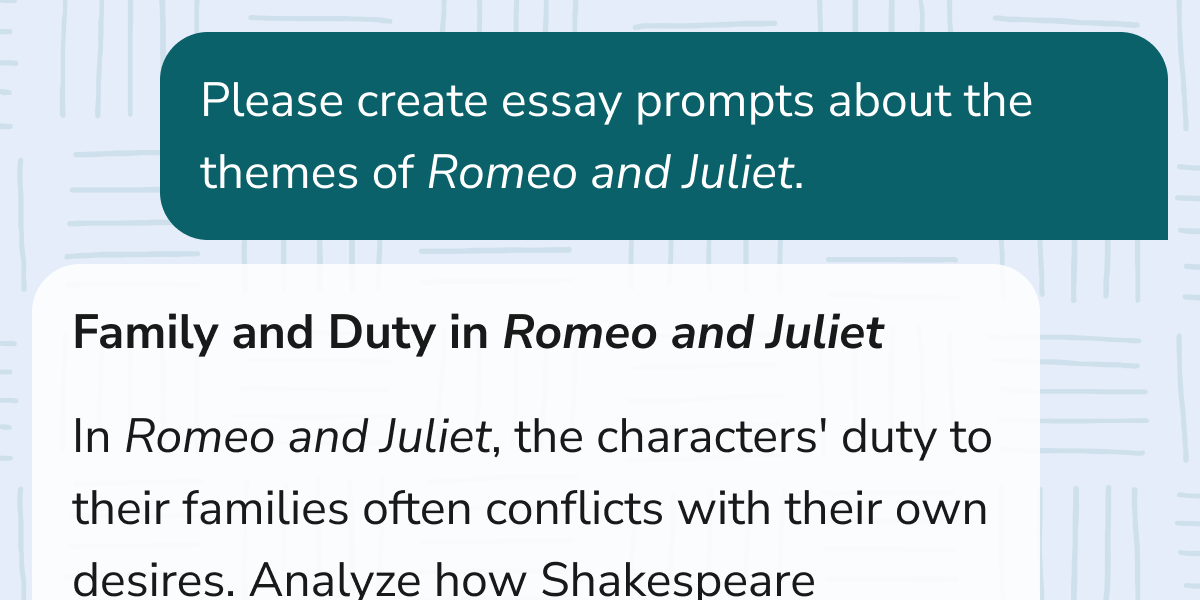
Teacher Editions
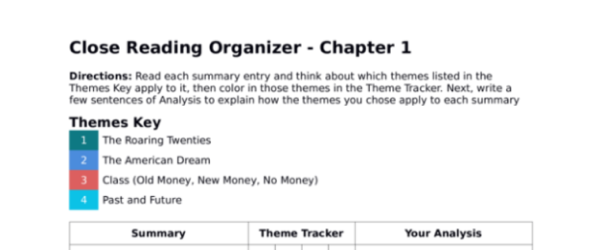
Close reading made easy for students.
Time saved for teachers.
For every book we cover.
Time saved for teachers.
For every book we cover.


Common Core-aligned


PDFs of modern translations of every one of Shakespeare's 37 plays, 154 sonnets, and 3 longer poems.

Literary Terms and Devices
Definitions and examples for every literary term and device you need to know.
Plus a quick-reference PDF with concise definitions of all 136 terms in one place.
Plus a quick-reference PDF with concise definitions of all 136 terms in one place.
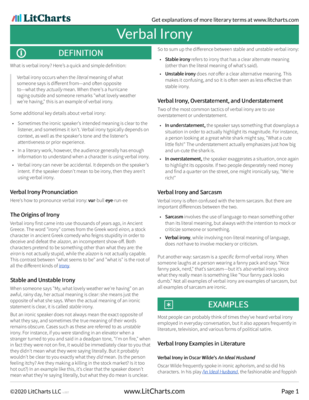
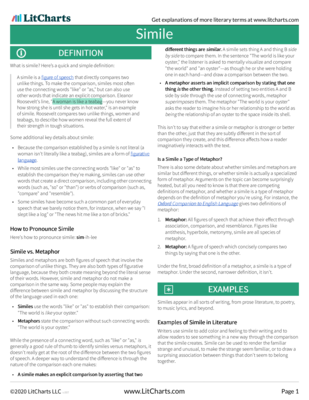
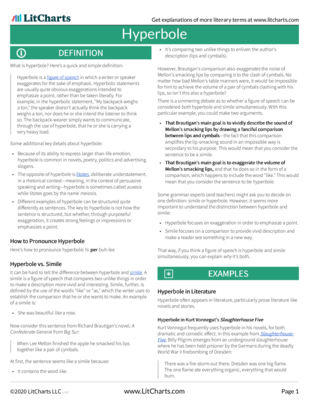
Try a free sample literary term PDF.


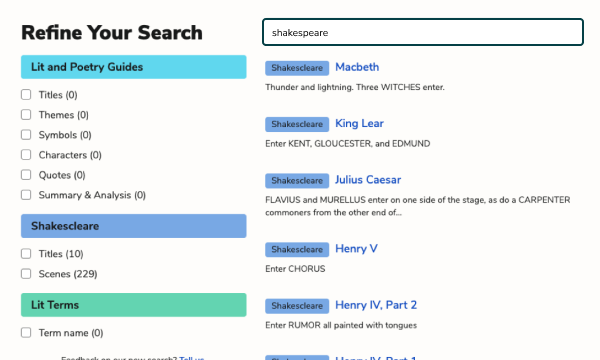
Advanced Search
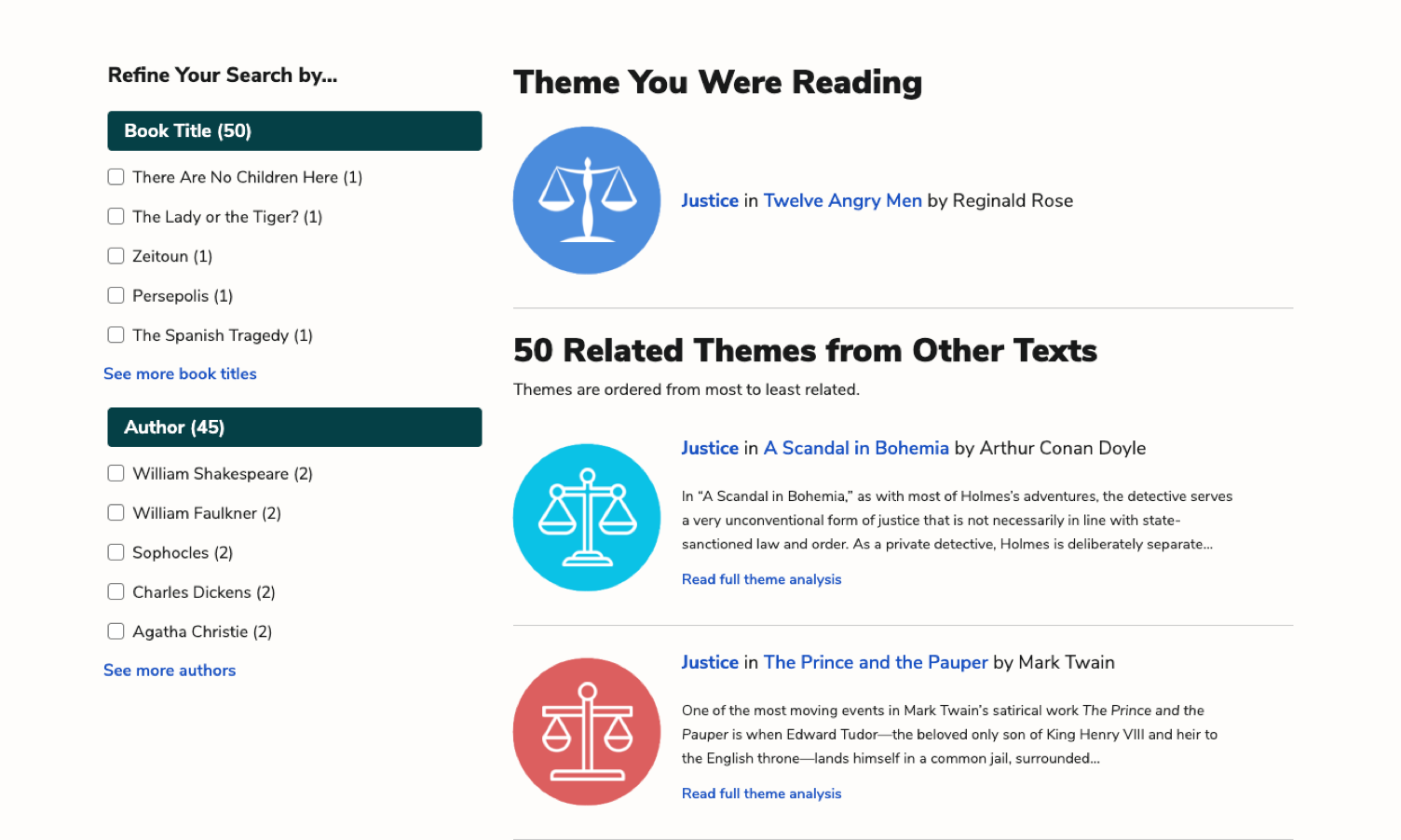
Refine any search. Find related themes, quotes, symbols, characters, and more.
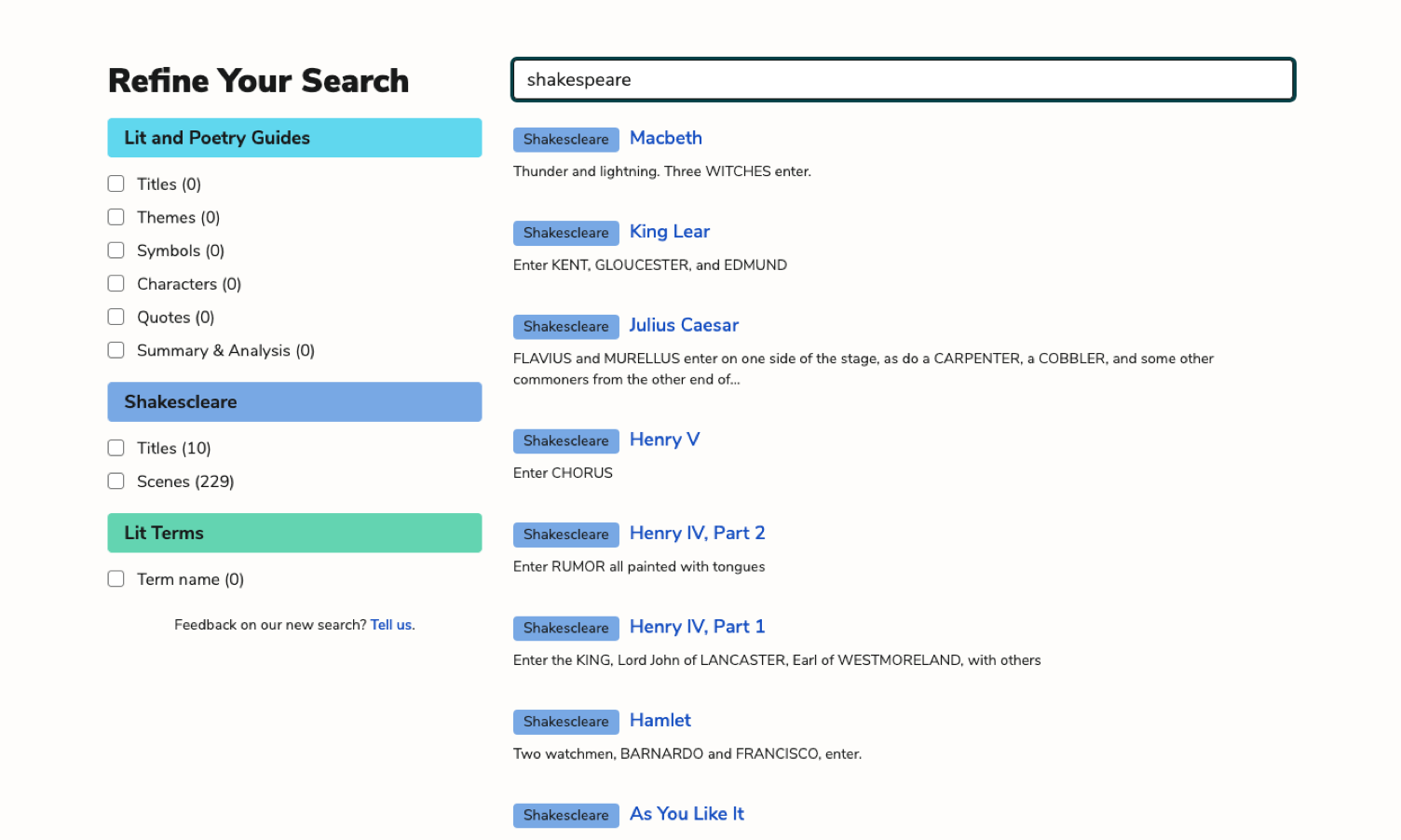

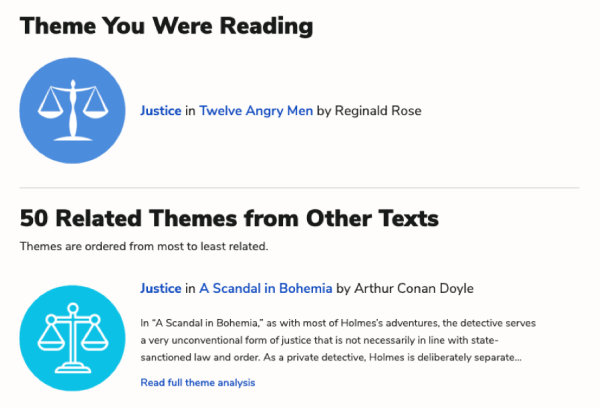
Related Themes
Comparing and contrasting texts? Find where any theme occurs across all of LitCharts in seconds.


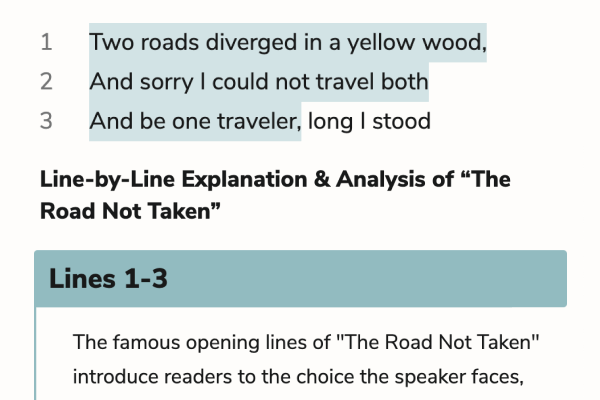
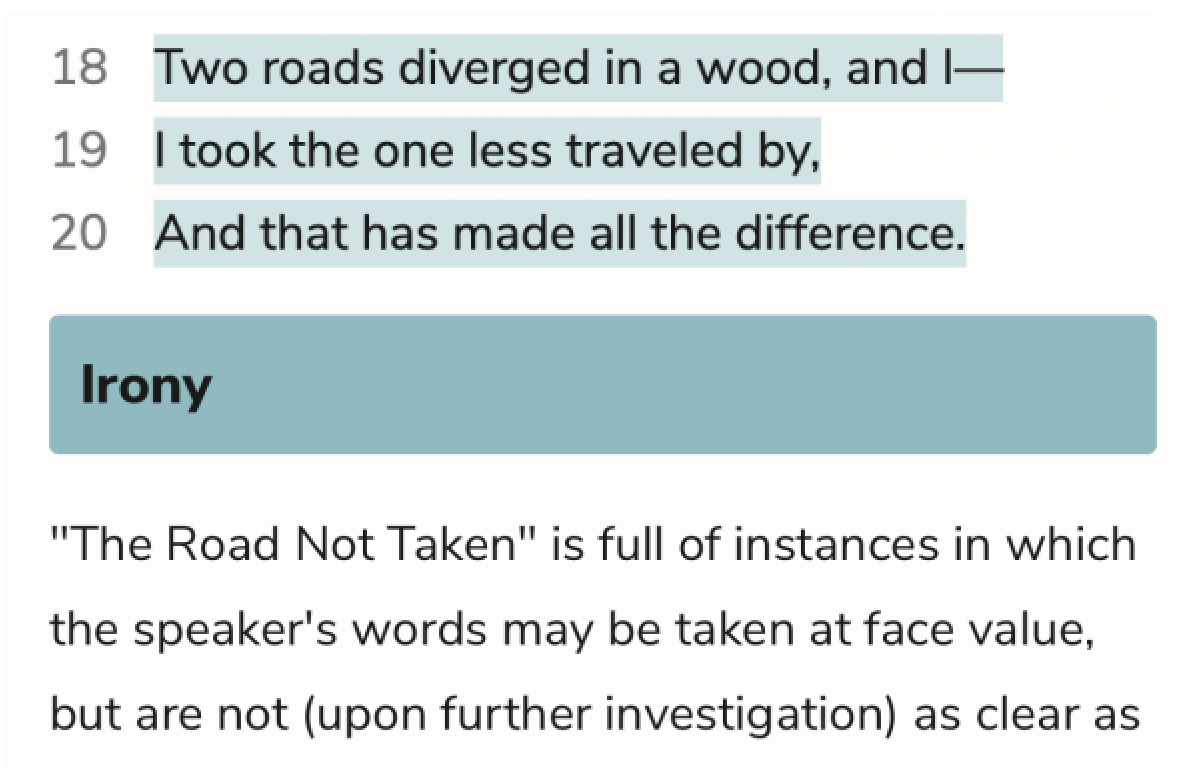
Poetry Guides
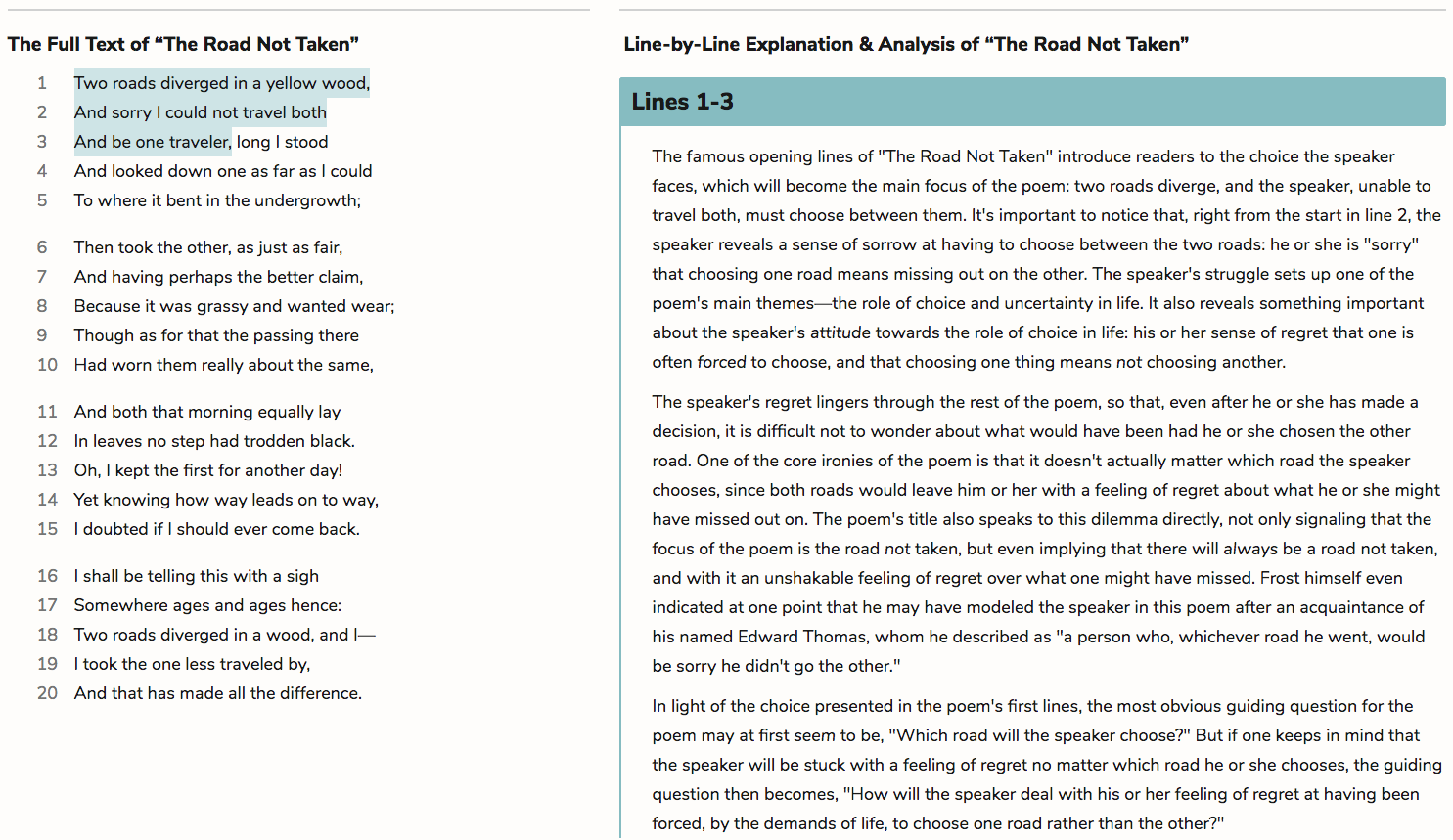
Line-by-line explanations and analysis of figurative language and poetic devices.
For every lyric poem we cover.
For every lyric poem we cover.