
|
Have questions?
Contact us
Already a member? Sign in
|
Get every literary device explanation for The Praise of Folly
Plus so much more...
Sign up for LitCharts A+
Get instant access to every literary device explanation, plus so much more...
Metaphor
Explanation and Analysis—Honey and Spice:
In praising the personal and civic benefits of flattery, Folly uses a metaphor which imagines flattery as “the honey and spice of all human intercourse”:
My flattery raises the dejected spirit, it soothes those who are grieving, freshens the faint, quickens the dull, eases the suffering, mollifies the fierce, joins loves together and keeps them so joined. It allures childhood to pursue the study of literature, it cheers the old, and, under the color of praise, it warns and instructs princes without offense. In brief, it acts to make every man more pleasing and more dear to himself; this is indeed the main point of happiness [...] To conclude, it is honey and spice of all human intercourse.
Throughout her speech, Folly has claimed the concept of flattery, or insincere praise, as one of her primary gifts to mankind. Here, she expounds upon the various advantages of flattery. Flattery, she claims, is able to bring relief to those who are “grieving” or “suffering,” and so too does it bring people together and maintain all interpersonal relationships. Folly, then, believes that there is a degree of insincerity in the kind words that people exchange with each other, though ultimately these polite deceptions make everyone happier. Flattery, she concludes, is the “honey and spice” that brings sweetness to all social interactions, a metaphor which suggests that false compliments make everyday encounters pleasurable, much as honey and spice make food enjoyable.
Monthly
Annual (Best Value)

$595USD/mo
Charged $71.40 USD every year
 Teacher
$795USD/mo
Charged $95.40 USD every year
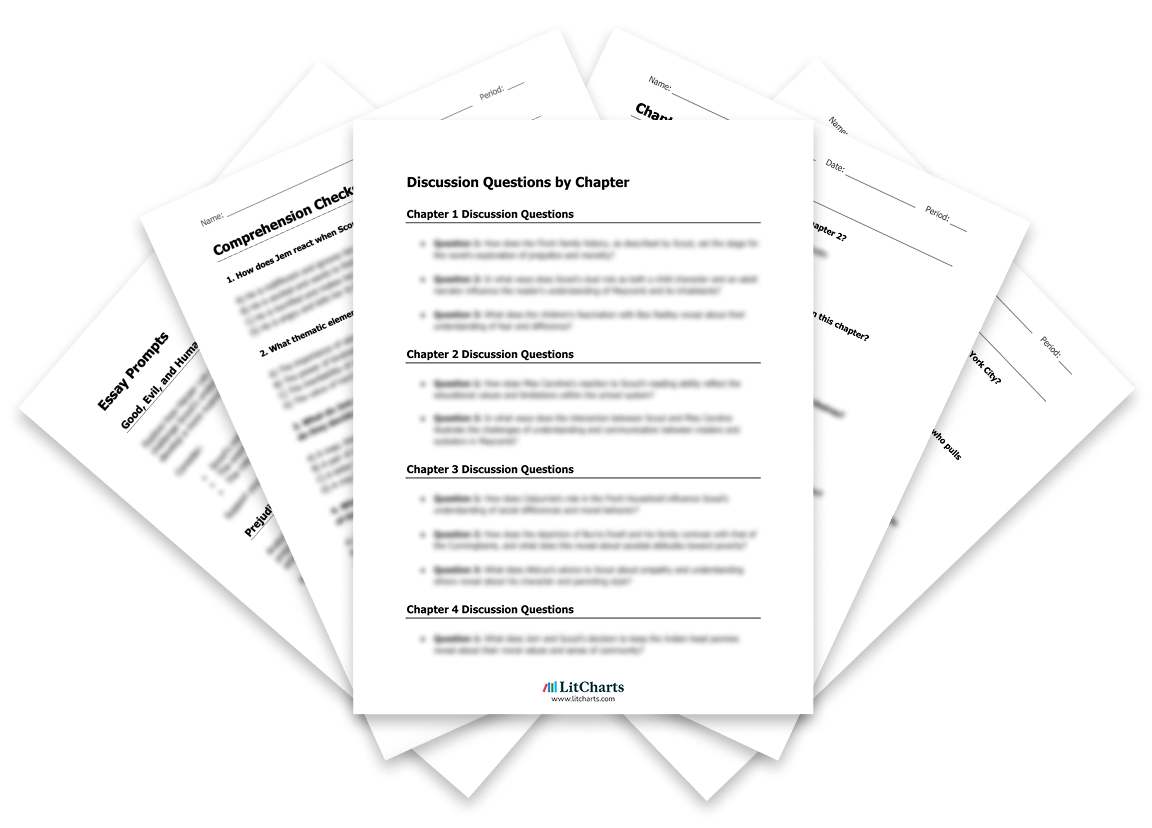


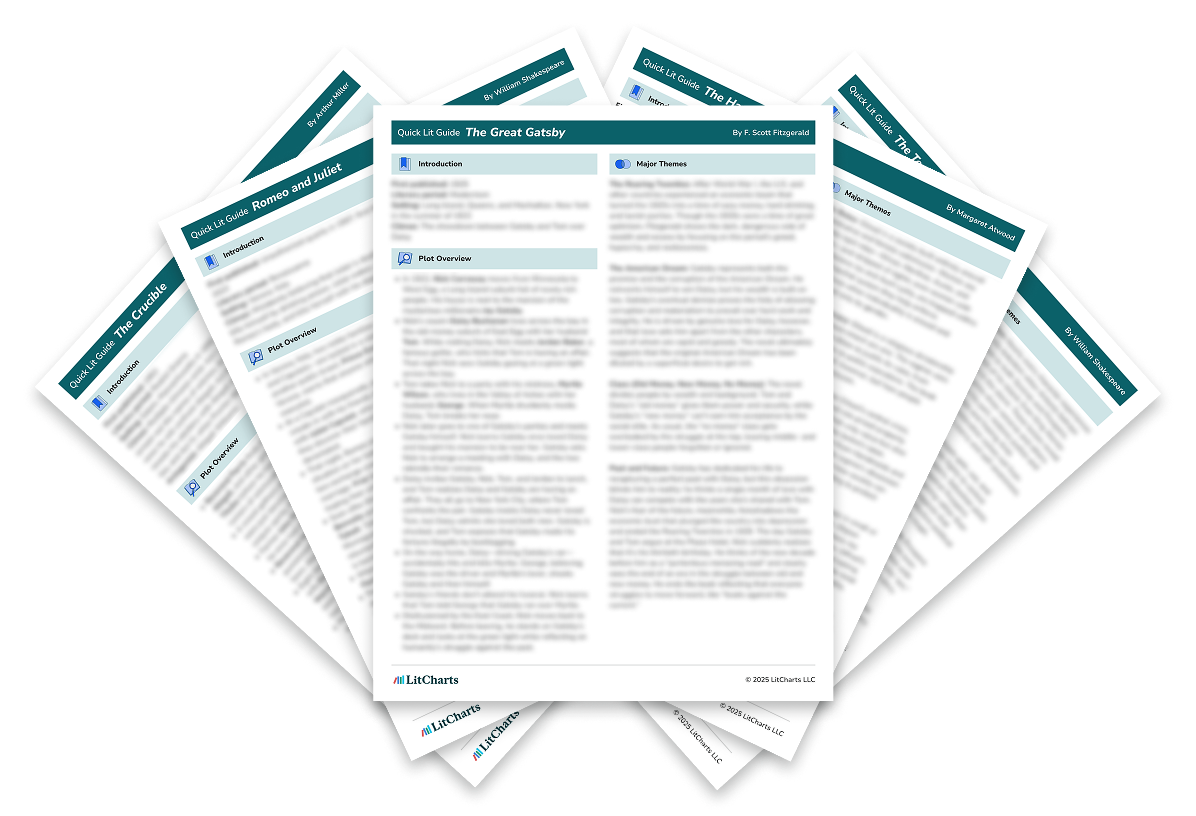
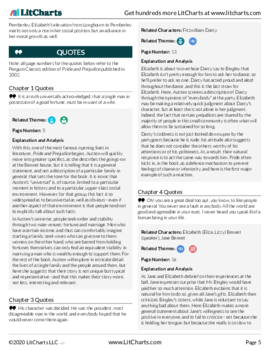
Literature Guide PDFs
LitCharts PDFs for every book you'll read this year.
Instant PDF downloads of all 2253 LitCharts literature guides and of every new one we publish. Try a free sample literature guide.
"Would not have made it through AP Literature without the printable PDFs. They're like having in-class notes for every discussion!"








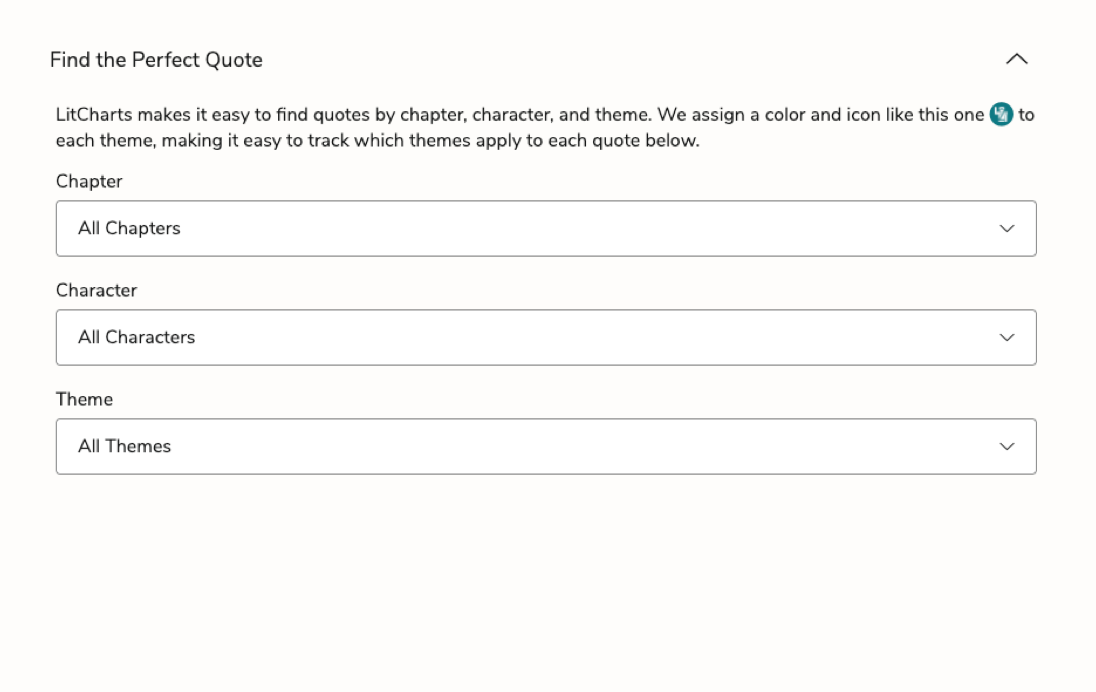
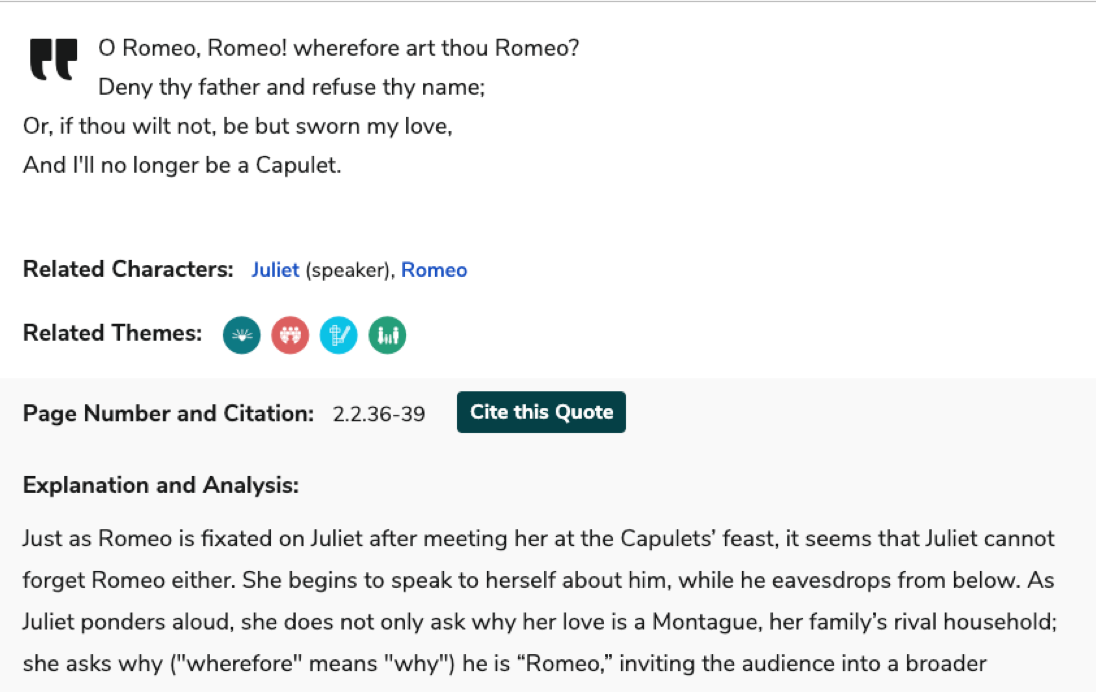
Quotes Explanations
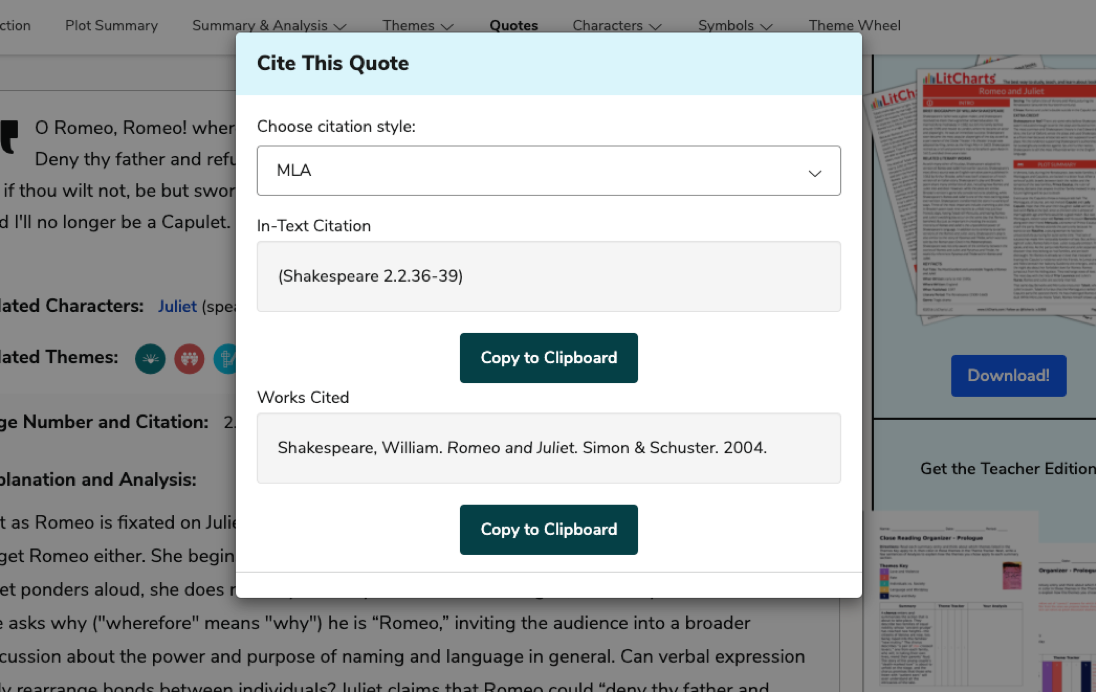
Find the perfect quote. Understand it perfectly. Then rock the citation, too.
For all 50,238 quotes we cover.
For all 50,238 quotes we cover.


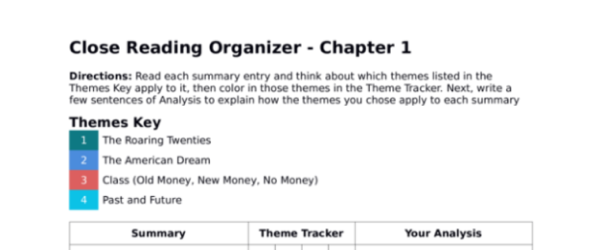
Teacher Editions
Close reading made easy for students.
Time saved for teachers.
For every book we cover.
Time saved for teachers.
For every book we cover.


Common Core-aligned


PDFs of modern translations of every one of Shakespeare's 37 plays, 154 sonnets, and 3 longer poems.

Literary Terms and Devices
Definitions and examples for every literary term and device you need to know.
Plus a quick-reference PDF with concise definitions of all 136 terms in one place.
Plus a quick-reference PDF with concise definitions of all 136 terms in one place.
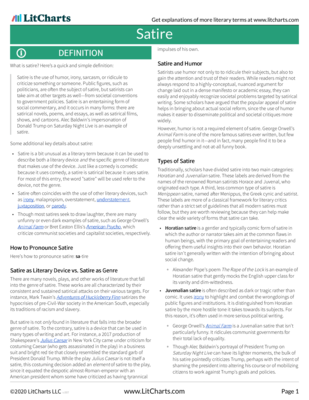
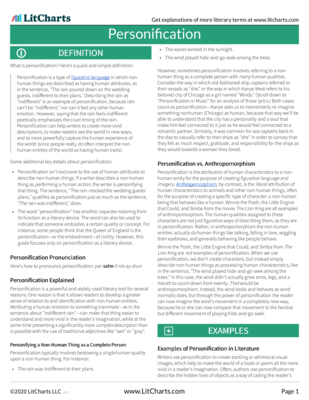
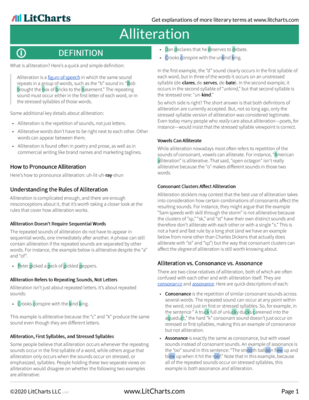
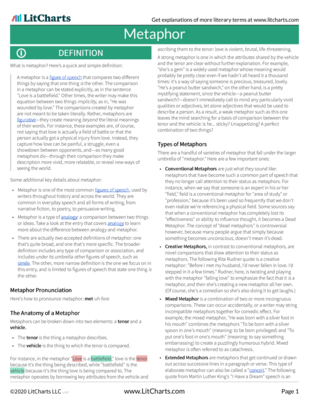
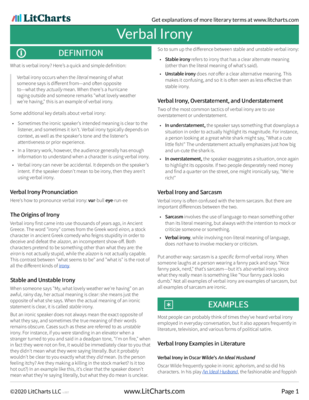
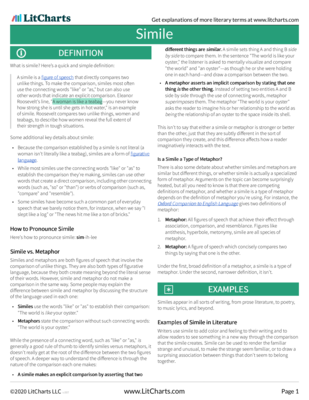
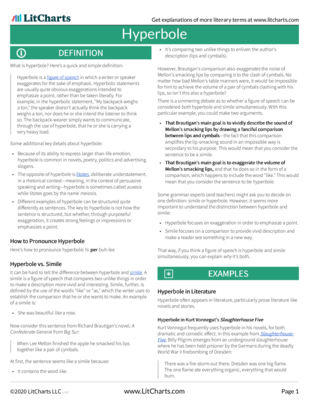
Try a free sample literary term PDF.


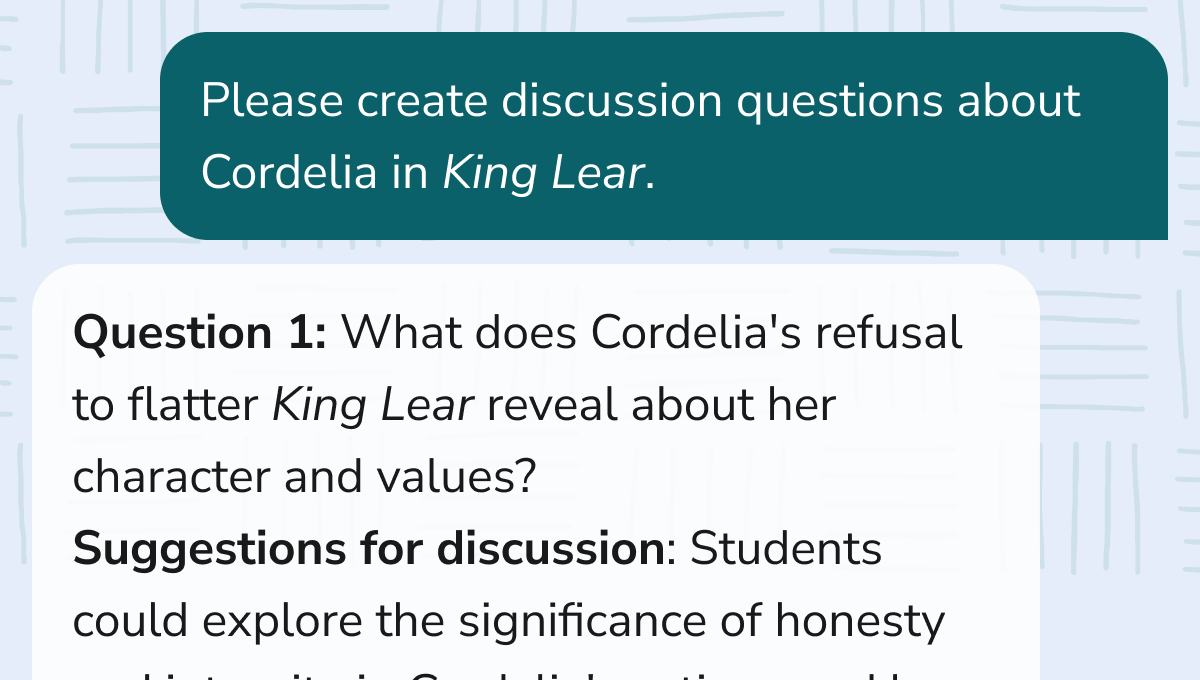
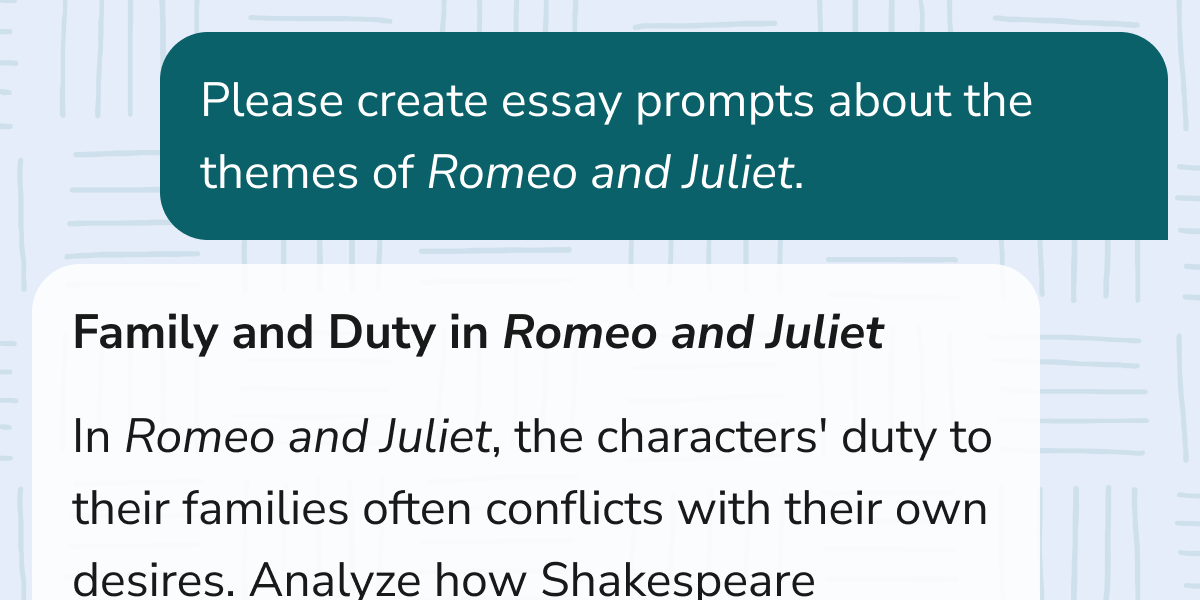
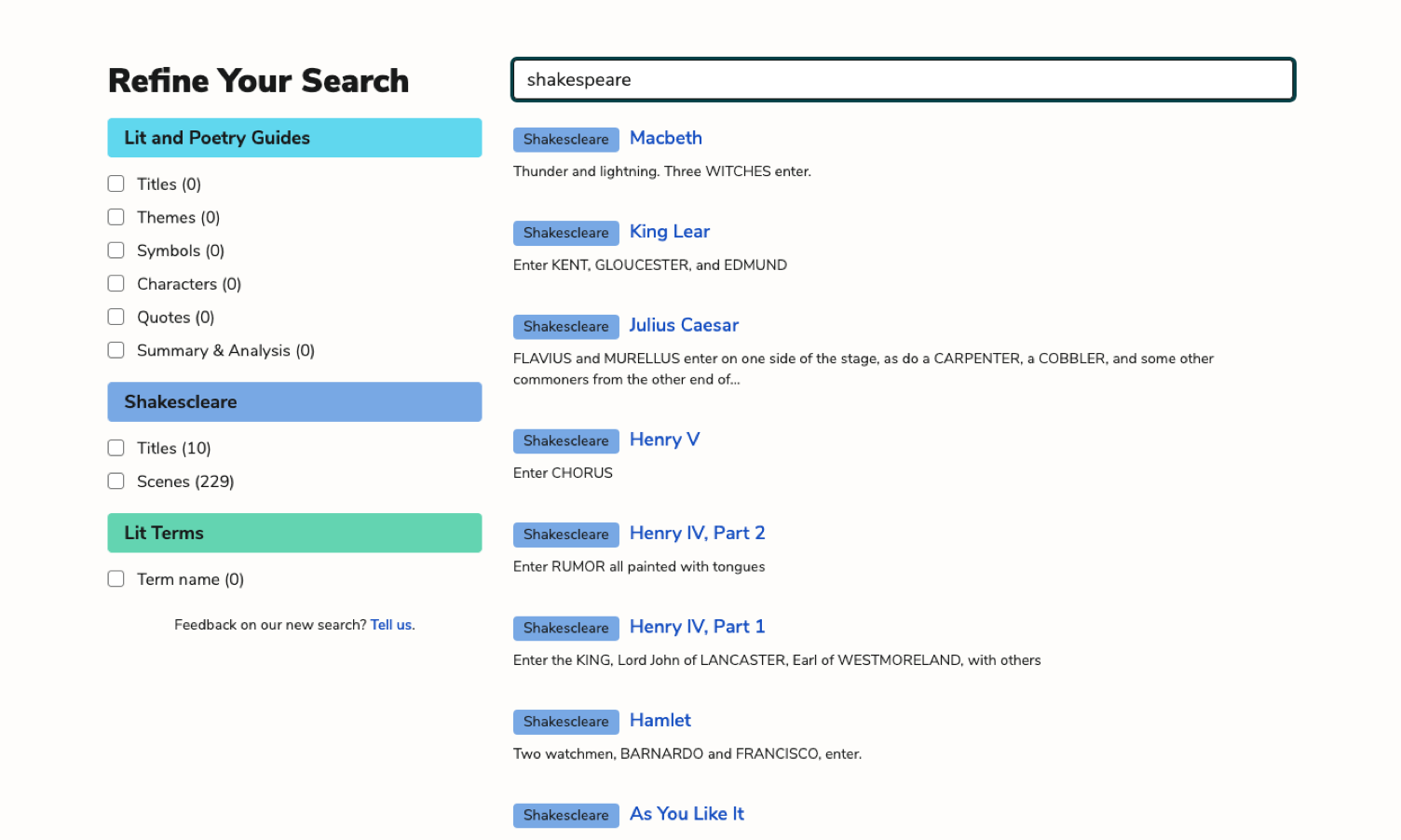
Advanced Search
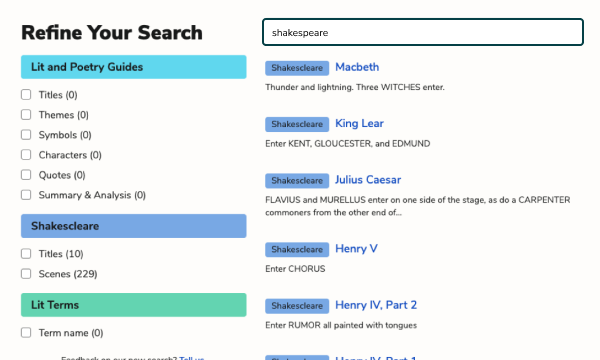
Refine any search. Find related themes, quotes, symbols, characters, and more.

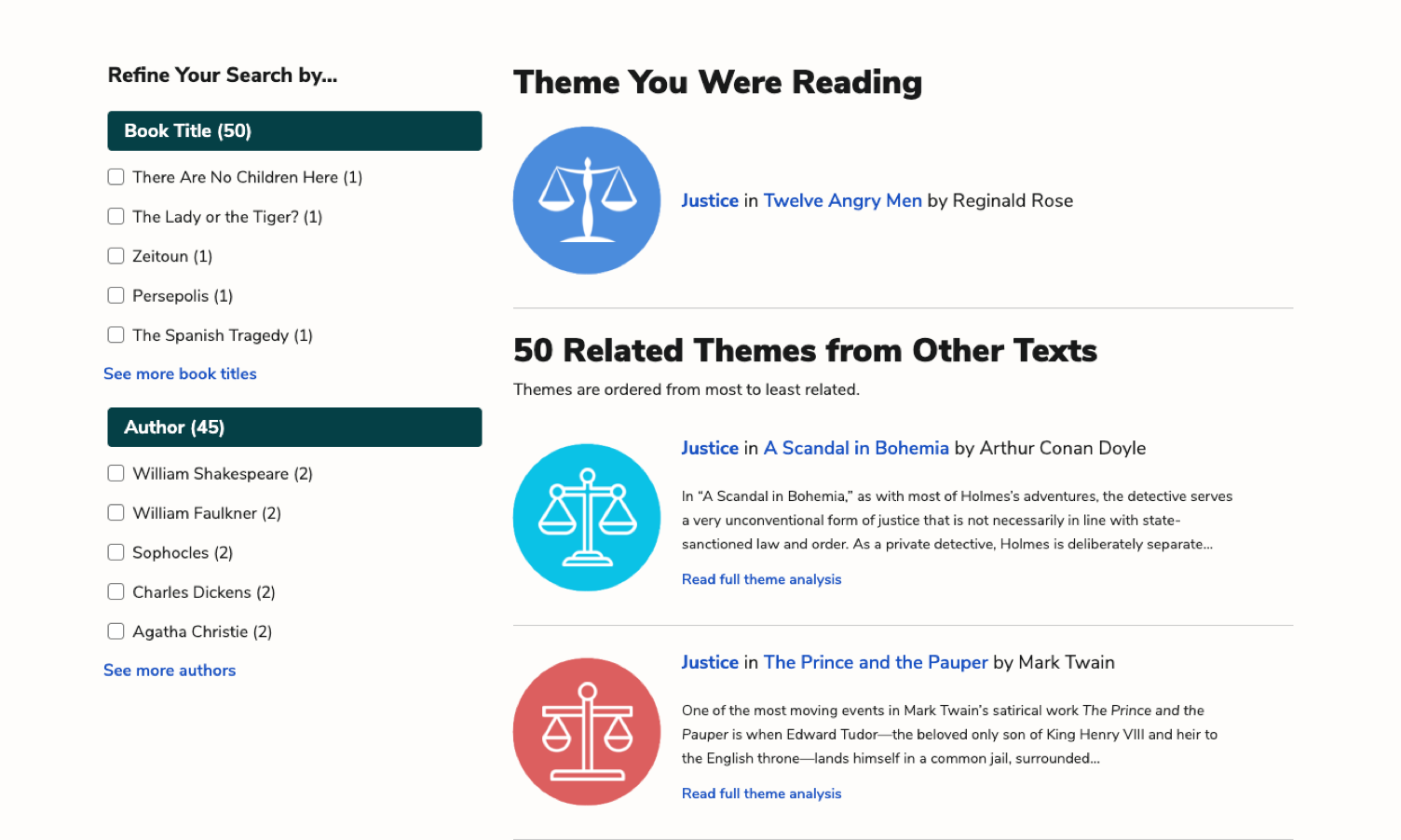
Related Themes
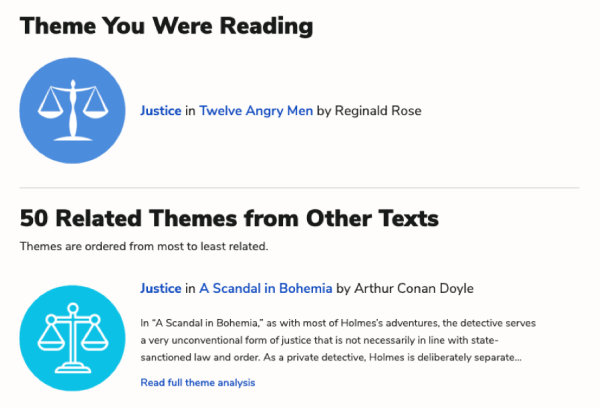
Comparing and contrasting texts? Find where any theme occurs across all of LitCharts in seconds.


Poetry Guides
Line-by-line explanations and analysis of figurative language and poetic devices.
For every lyric poem we cover.
For every lyric poem we cover.