
|
Have questions?
Contact us
Already a member? Sign in
|
Get every literary device explanation for 1984
Plus so much more...
Sign up for LitCharts A+
Get instant access to every literary device explanation, plus so much more...
Metaphor
Explanation and Analysis—Animal Analogies:
Orwell makes frequent use of animal analogies to describe characters in 1984. While the novel is lacking in actual animals, it is full of people with animalistic appearances and tendencies, which Orwell underlines through metaphors and similes.
Animal analogies are not only a motif in this specific novel, but in Orwell's work overall. For example, in his allegorical novella Animal Farm, he uses anthropomorphized animal characters to criticize human society and political systems. In 1984, Orwell uses animal analogies to shed light on the inhumane nature of totalitarian governance, suggesting that the ability to feel compassion for others and think for oneself distinguishes people from animals. The comparisons also feel appropriate in the novel's propagandistic atmosphere, as propaganda cartoons often depict animals to criticize leaders, armies, and people.
The first book includes many instances in which the narrator compares characters to animals. For example, when Goldstein appears on the telescreen during the Two Minutes Hate, the narrator compares his face to that of a sheep, specifying that "the voice, too, has a sheeplike quality." At first, the similarity seems to be limited to simile and metaphor. Eventually, however, it becomes evident that the sheep resemblance is intended by the Party members who have created the footage of Goldstein, as his bleating voice turns into "an actual sheep's bleat, and for an instant the face changed into that of a sheep." The sheep comparison is, in some ways, rather ironic. While similes and metaphors revolving around sheep tend to connote the inability to think for oneself, the Party's issue with Goldstein is precisely that he thinks and acts independently of their will.
When Winston reflects back on people's responses to the telescreens during the Two Minutes Hate, the passage includes other animal analogies. There was, for example, a "little sandy-haired woman" whose mouth opened and shut "like that of a landed fish." In addition, the dark-haired girl cries "Swine! Swine! Swine!" at the screen.
At lunch in the canteen later that day, Winston seems to be surrounded by animals. To begin with, he is struck by how a man at a nearby table sounds like a duck: "The stuff that was coming out of him consisted of words, but it was not speech in the true sense: it was a noise uttered in unconsciousness, like the quacking of a duck." In the same chapter, the narrator calls Winston's neighbor Parsons "froglike" and a man sitting on the other side of the room "beetlelike." Winston finds it curious how the Ministries is full of the latter: "little dumpy men, growing stout very early in life, with short legs, swift scuttling movements, and fat inscrutable faces with very small eyes." None of these animal comparisons give a positive impression of the characters surrounding Winston: the man who sounds like a duck is characterized as a propaganda machine, unable to think for himself; Parsons is characterized as clueless and slimy; the Ministry men are characterized as dirty and fickle.
Later in the novel, the specific metaphors and similes give way to more general animal analogies. Especially during Winston's torture in the third part, the narrator compares characters to animals in general. When the Skull-Faced Man is sent to Room 101, he begins howling "like an animal." Winston himself becomes "as shameless as an animal." The specific animal analogies in the beginning of the novel indicate that, under the totalitarian system, people are robbed of their humanity. The more general animal analogies at the end show that once they become prisoners and victims, people also lose their individuality.
Monthly
Annual (Best Value)

$595USD/mo
Charged $71.40 USD every year
 Teacher
$795USD/mo
Charged $95.40 USD every year
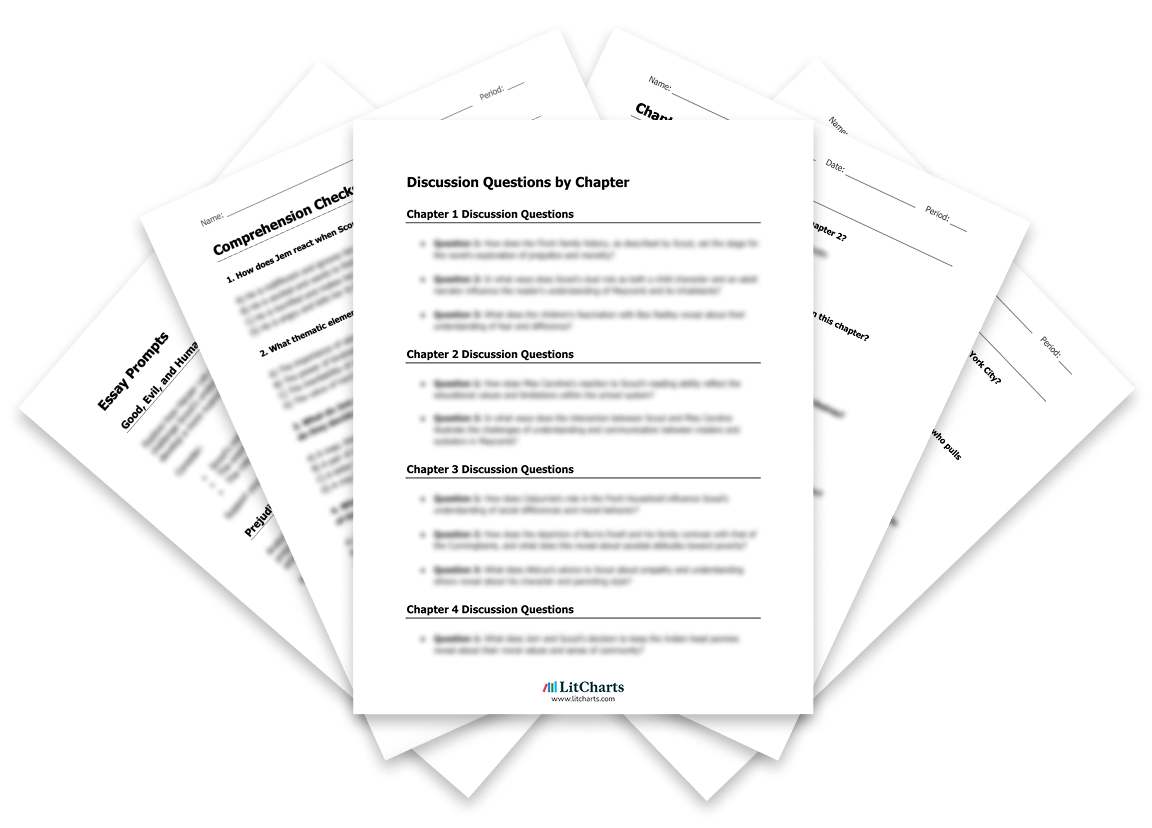
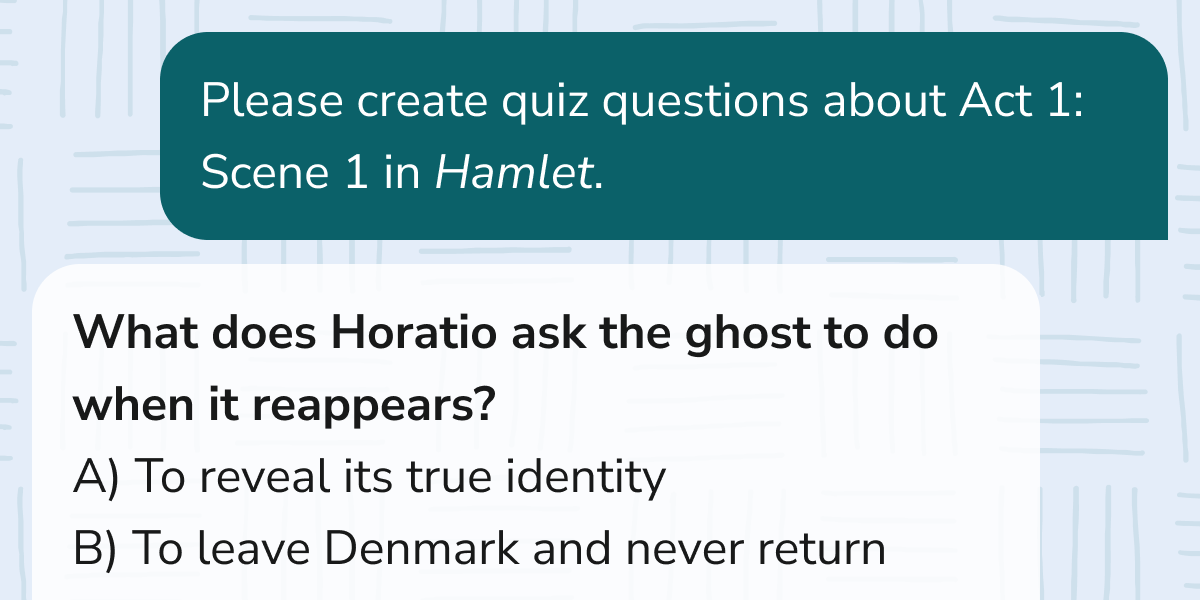


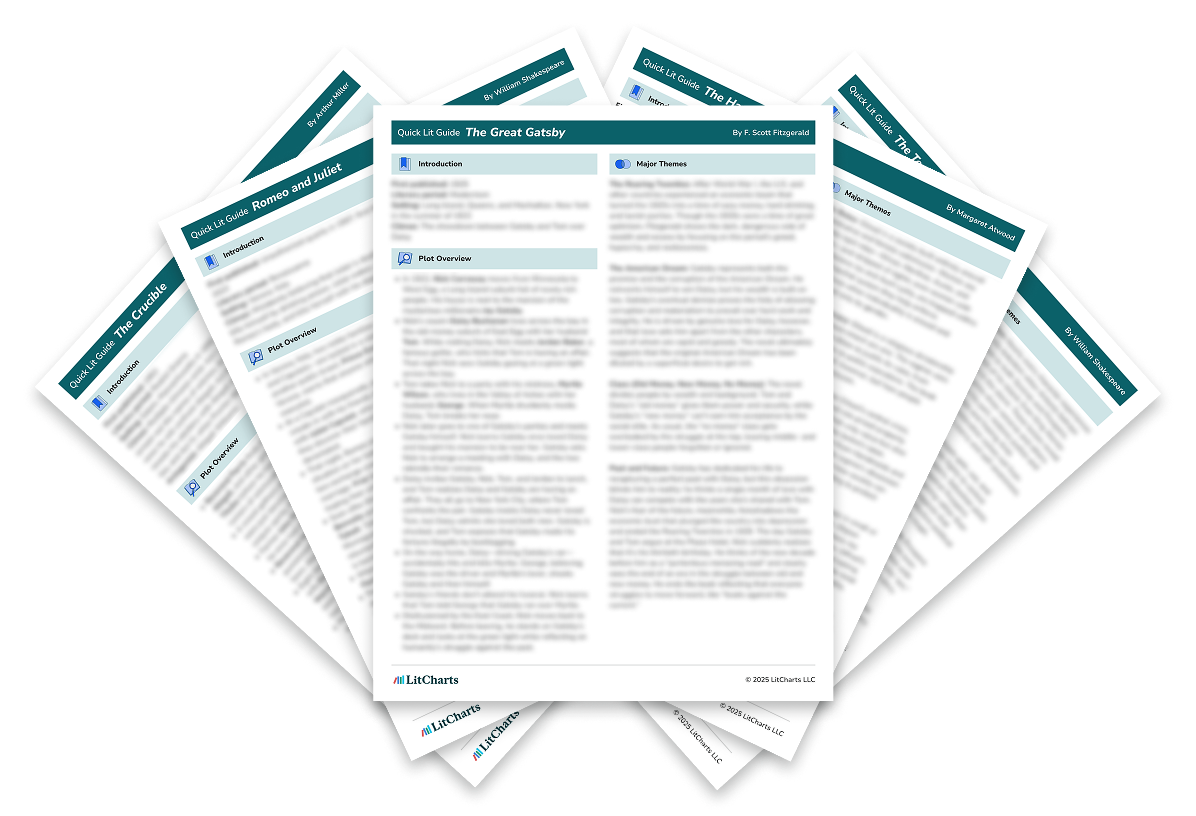
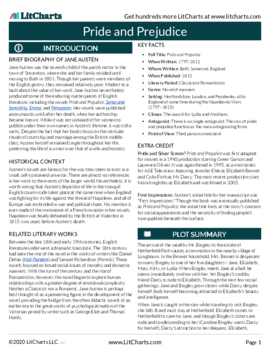
Literature Guide PDFs
LitCharts PDFs for every book you'll read this year.
Instant PDF downloads of all 2256 LitCharts literature guides and of every new one we publish. Try a free sample literature guide.
"Would not have made it through AP Literature without the printable PDFs. They're like having in-class notes for every discussion!"





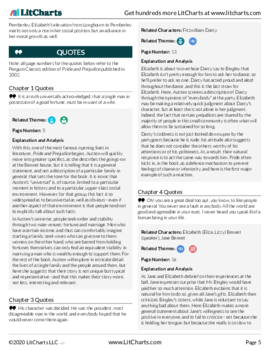


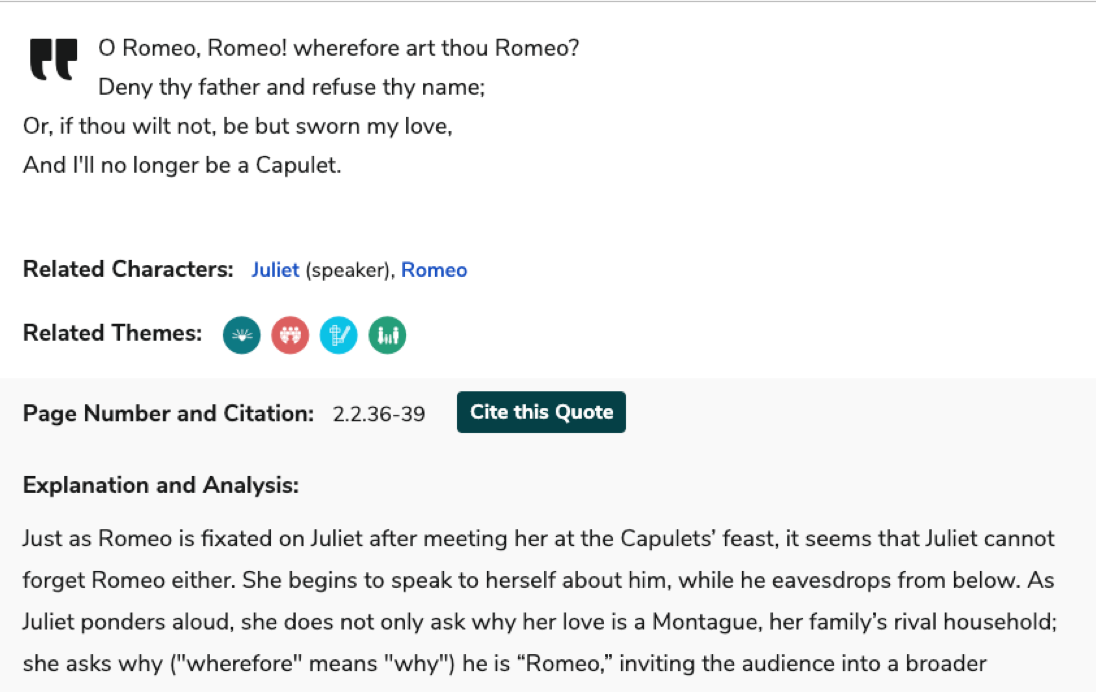
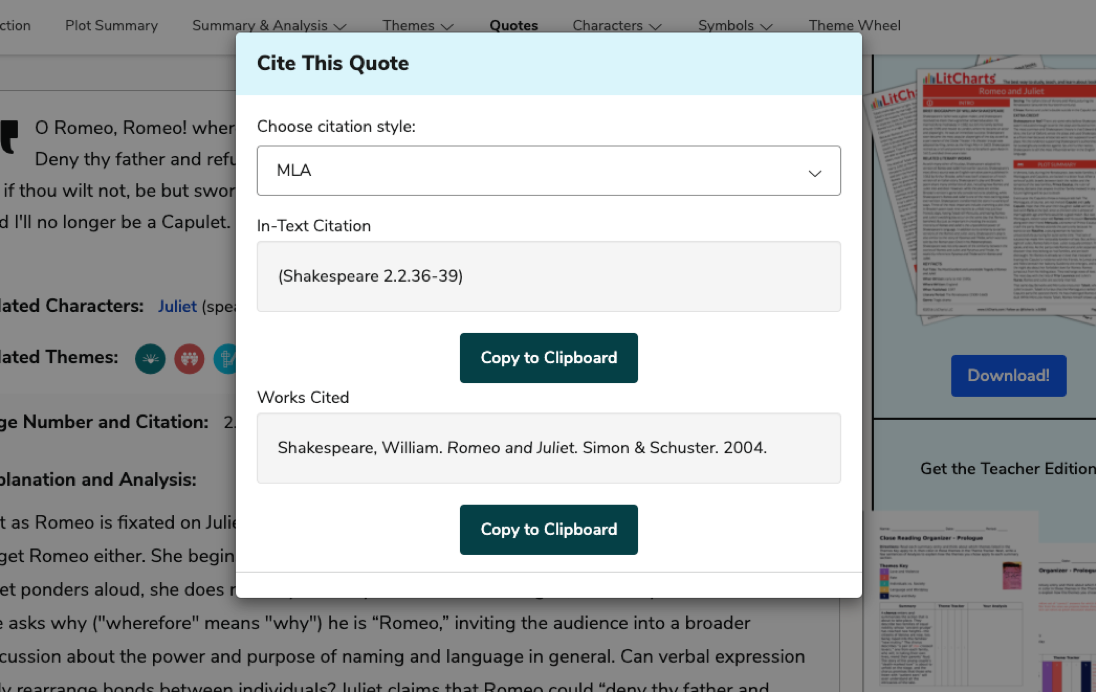
Quotes Explanations
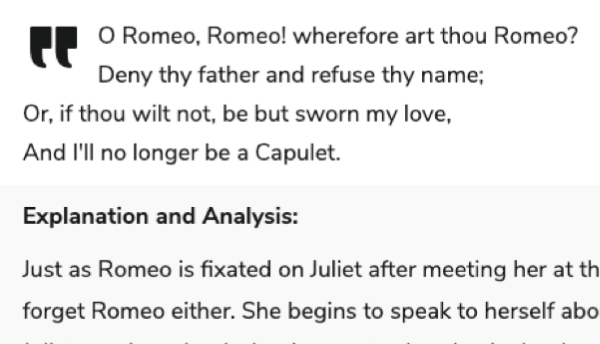
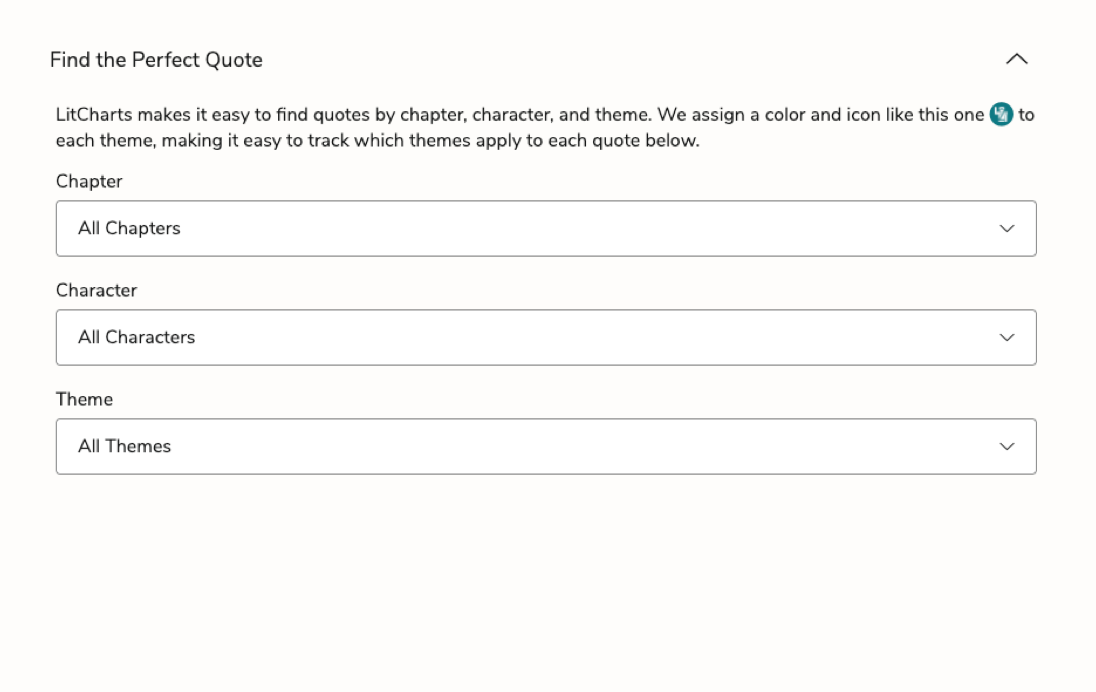
Find the perfect quote. Understand it perfectly. Then rock the citation, too.
For all 50,308 quotes we cover.
For all 50,308 quotes we cover.


Teacher Editions
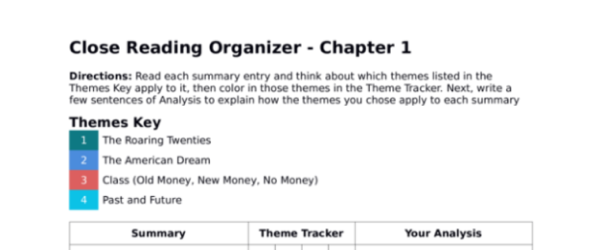
Close reading made easy for students.
Time saved for teachers.
For every book we cover.
Time saved for teachers.
For every book we cover.


Common Core-aligned


PDFs of modern translations of every one of Shakespeare's 37 plays, 154 sonnets, and 3 longer poems.

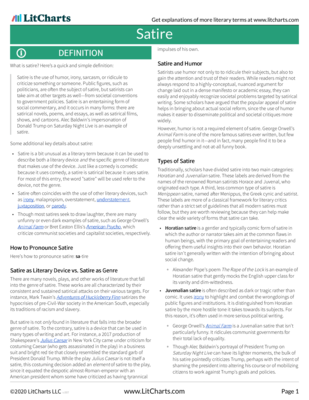
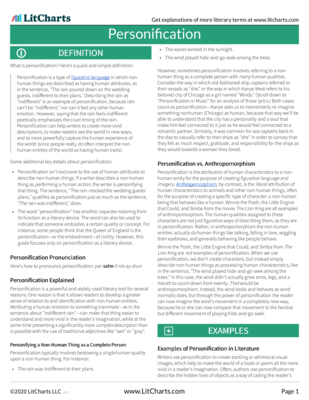
Literary Terms and Devices
Definitions and examples for every literary term and device you need to know.
Plus a quick-reference PDF with concise definitions of all 136 terms in one place.
Plus a quick-reference PDF with concise definitions of all 136 terms in one place.
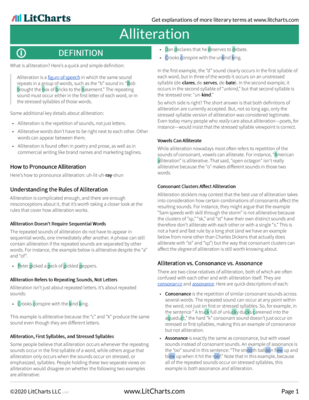
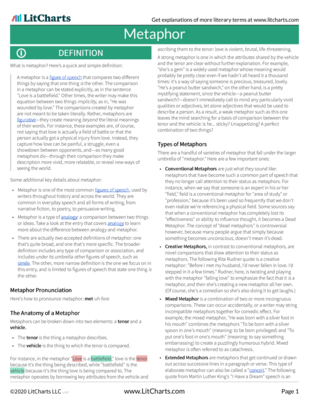
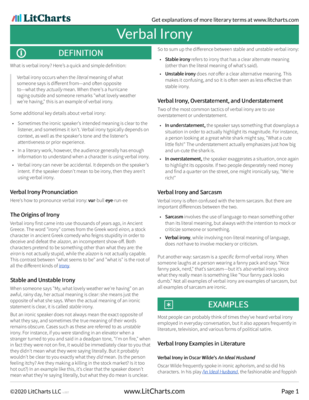
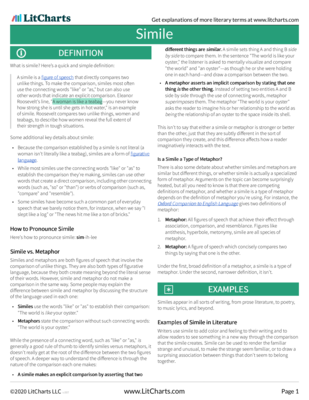
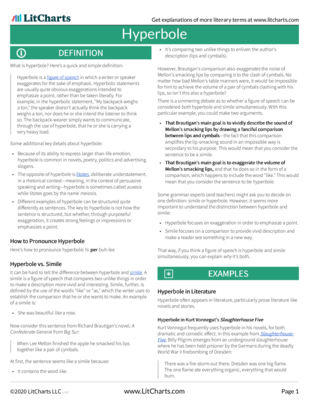
Try a free sample literary term PDF.


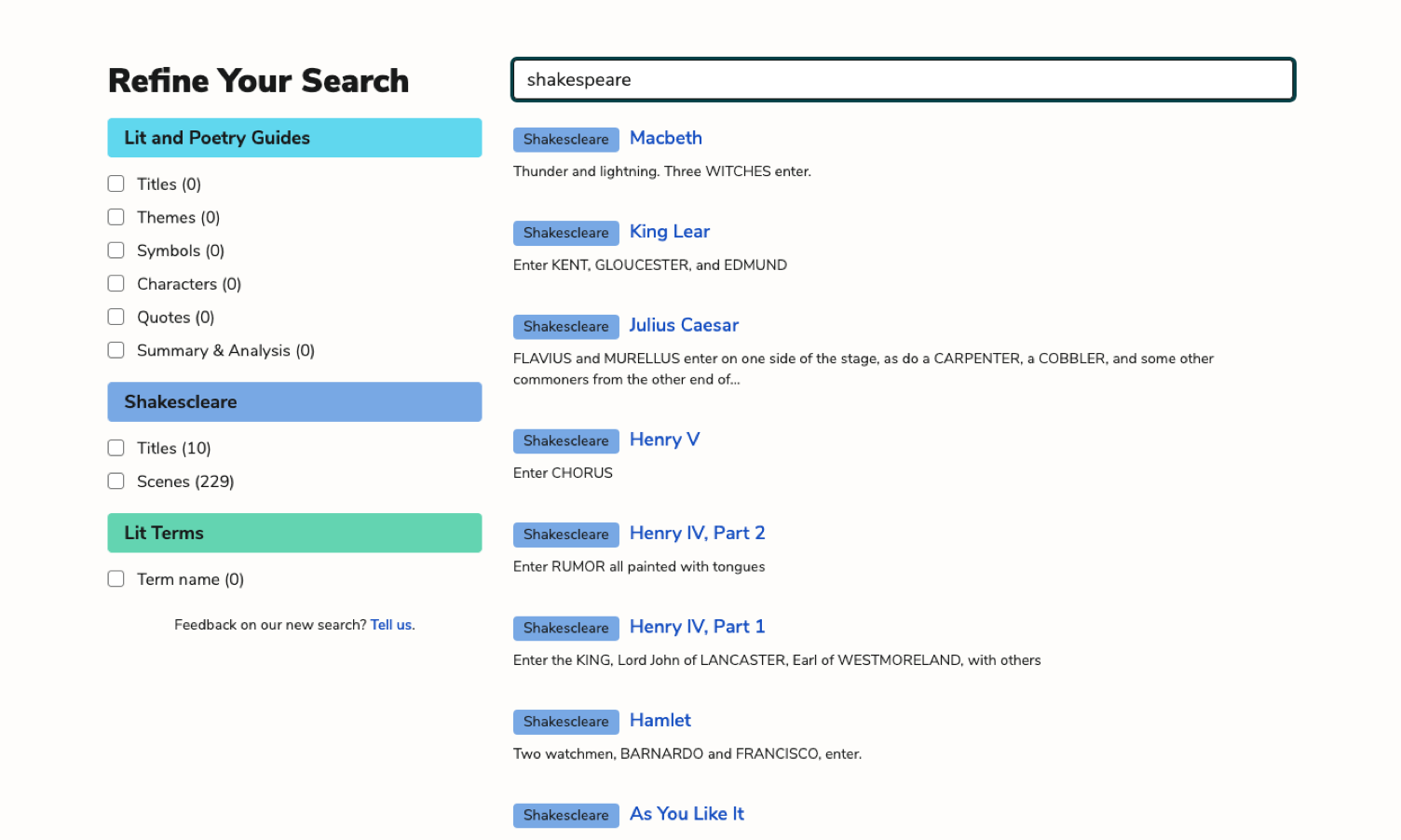
Advanced Search
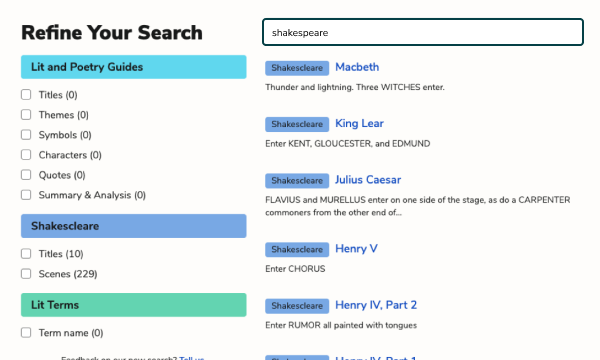
Refine any search. Find related themes, quotes, symbols, characters, and more.

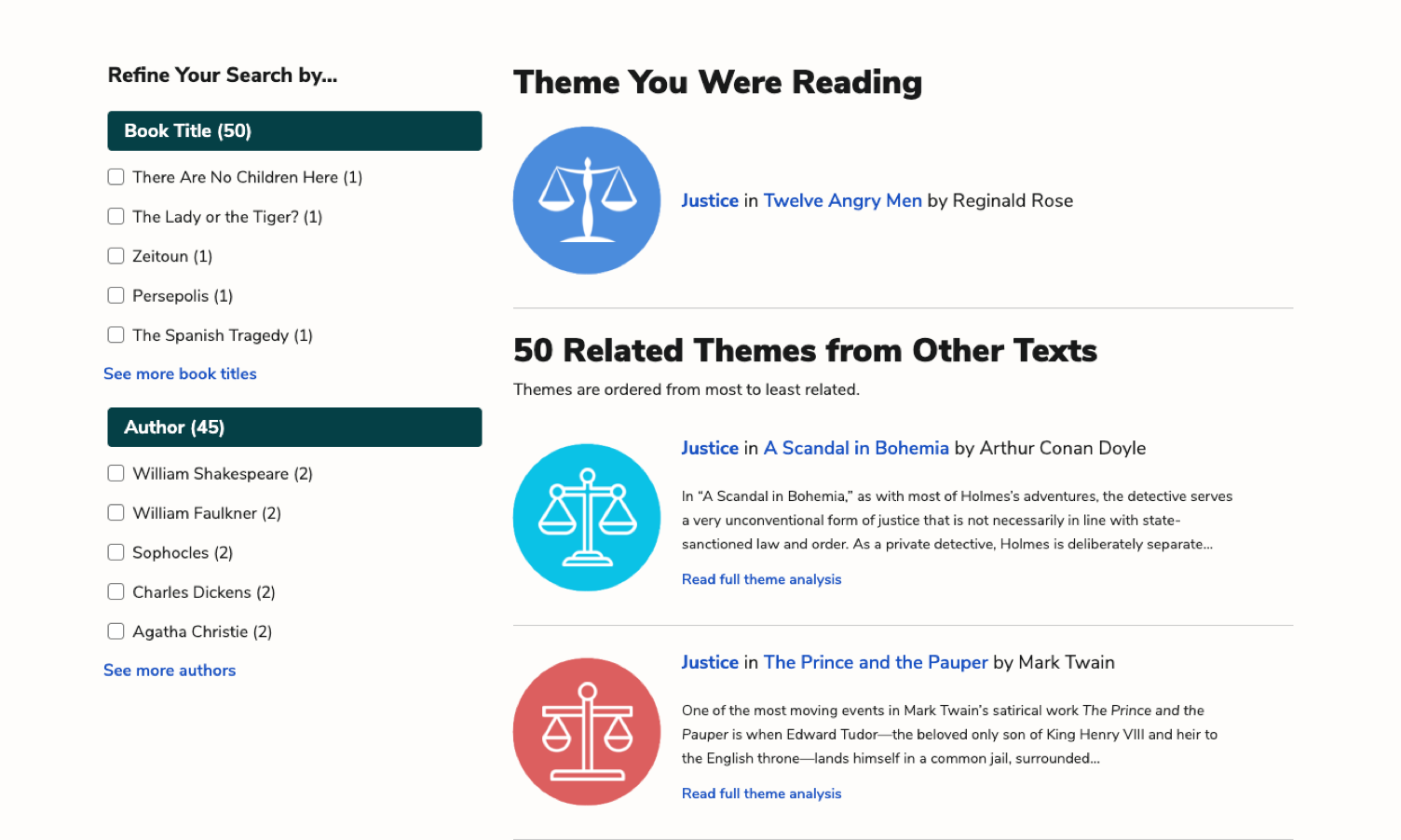
Related Themes
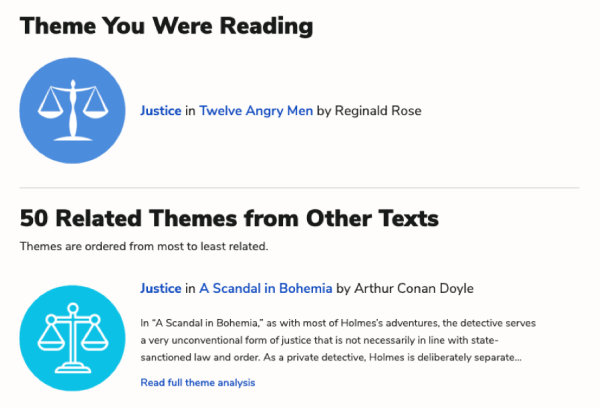
Comparing and contrasting texts? Find where any theme occurs across all of LitCharts in seconds.


Poetry Guides
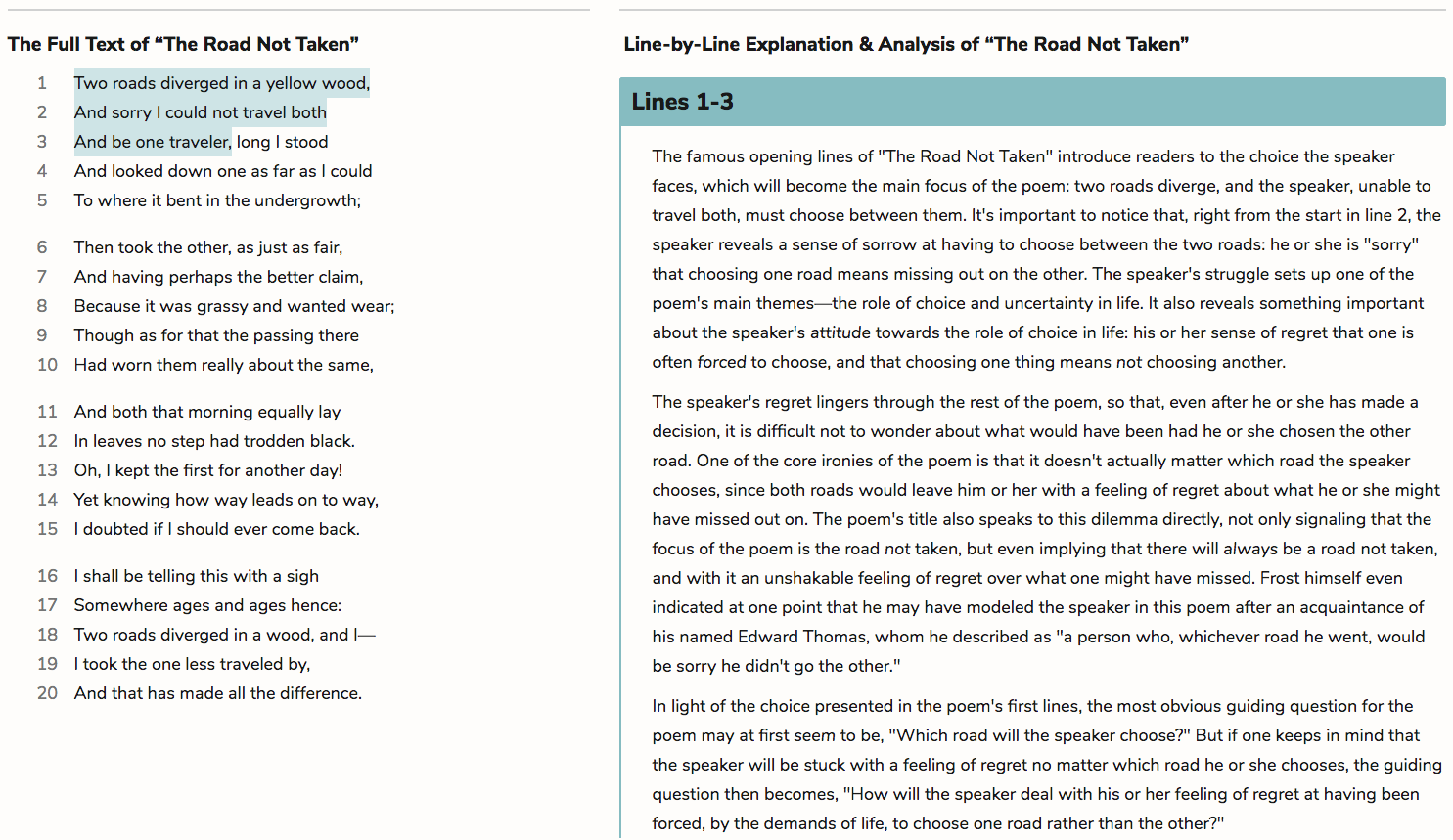
Line-by-line explanations and analysis of figurative language and poetic devices.
For every lyric poem we cover.
For every lyric poem we cover.