
|
Have questions?
Contact us
Already a member? Sign in
|
Get every literary device explanation for 1984
Plus so much more...
Sign up for LitCharts A+
Get instant access to every literary device explanation, plus so much more...
Metaphor
Explanation and Analysis—The Room:
As the relationship between Julia and Winston develops, the room over Mr. Charrington's shop acquires many layers of meaning. In the fourth and fifth chapters of the second book, Orwell uses metaphors to describe the room, capturing Winston's awe over having a space where he is free to think, feel, and rest in private.
Mr. Charrington's room is a place where Julia and Winston are able to talk openly about the world they live in, as well as to imagine life in a different world. Calling forth this other world, Julia brings treats from the black market and even brings makeup and a dress. In a kind of roleplaying ritual, she dresses up every time she arrives. The room holds conflicting meanings for Winston and Julia. On the one hand, it comes to represent reprieve, escape, and fantasy. On the other hand, it represents transience, ephemerality, and vulnerability, as it reminds them of everything they cannot have.
The room is also closely associated with the glass paperweight, which Winston is attached to because it is useless and belongs to the past. For him, the room and the paperweight seem to contain each other: both are portals to the past, or perhaps to a future in which everyone is free to live as they live in the room. He reflects on this in the fourth chapter of the second book.
He turned over toward the light and lay gazing into the glass paperweight. [...] It was as though the surface of the glass had been the arch of the sky, enclosing a tiny world with its atmosphere complete. He had the feeling that he could get inside it, and that in fact he was inside it, along with the mahogany bed and the gateleg table and the clock and the steel engraving and the paperweight itself. The paperweight was the room he was in, and the coral was Julia’s life and his own, fixed in a sort of eternity at the heart of the crystal.
The metaphor of the room as a paperweight conjures up the awe Winston feels in the room, but it also sheds light on the fragility and impermanence of their life in it. It also demonstrates their isolation. The only place they feel safe to be themselves in the entire world can be contained in a small, fragile lump of glass.
Nevertheless, Winston and Julia don't have to be in the room to tap into its reprieve. The narrator explains this, on behalf of Winston, in the fifth chapter of the second book:
What mattered was that the room over the junk shop should exist. To know that it was there, inviolate, was almost the same as being in it. The room was a world, a pocket of the past where extinct animals could walk.
In this metaphor, the room is not transformed into something smaller than itself, but into an entire, fantastical world. The metaphor imbues the room with boundless possibility, highlighting the hope and dynamism Winston builds by way of his relationship with Julia.
In the following paragraph, the narrator introduces yet another metaphor: "the room itself was sanctuary." Even if getting there is "difficult and dangerous" and they both know that "what was not happening could not last long," the room gives Winston and Julia escape from the surveillance, discipline, and overall gloom of the world beyond it. In it, they eat better, dress differently, and feel happier. At some point, the room doesn't simply represent a different world but becomes a different world.
Monthly
Annual (Best Value)

$595USD/mo
Charged $71.40 USD every year
 Teacher
$795USD/mo
Charged $95.40 USD every year
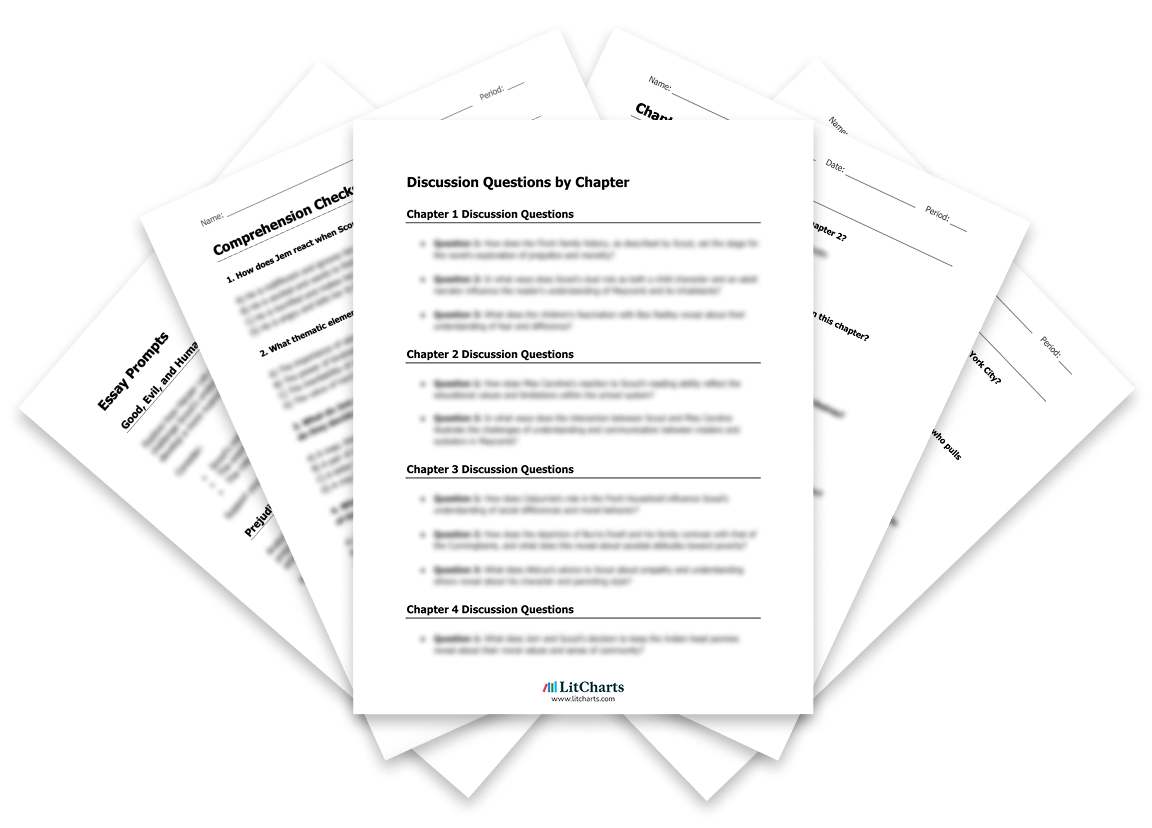


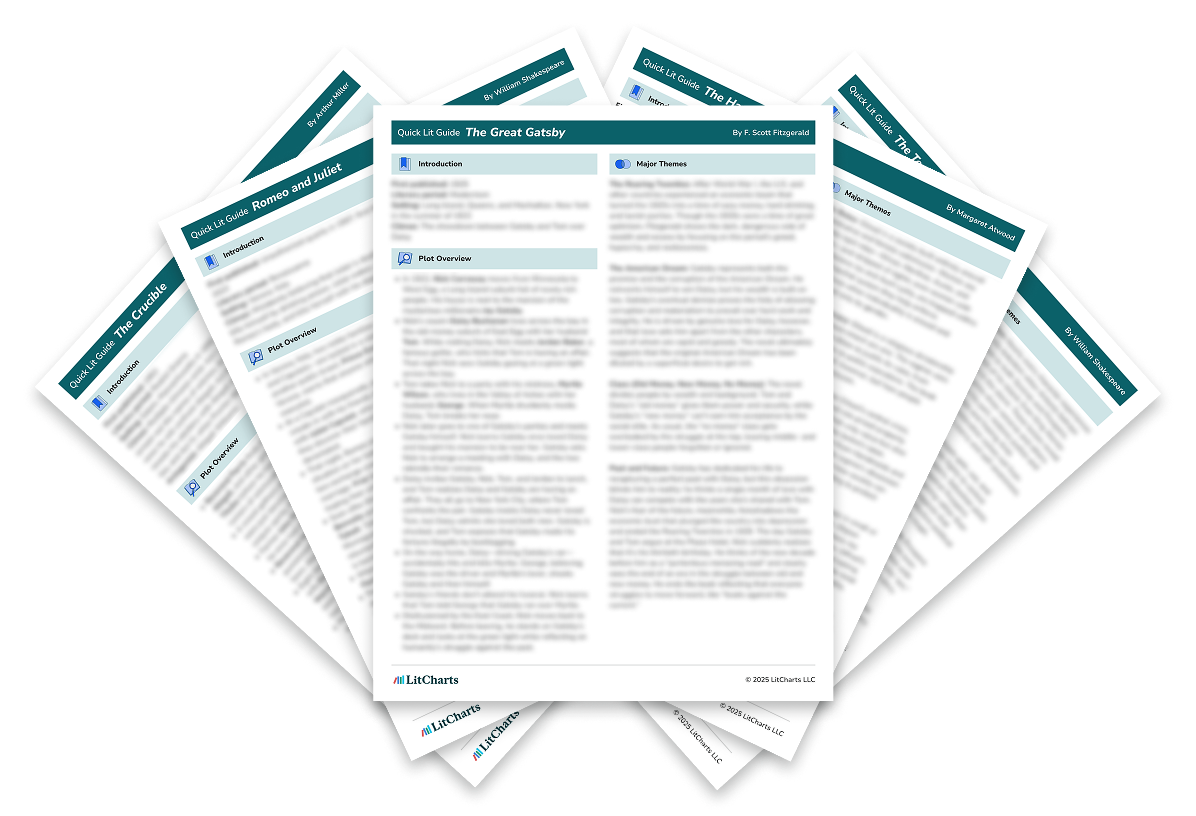
Literature Guide PDFs
LitCharts PDFs for every book you'll read this year.
Instant PDF downloads of all 2256 LitCharts literature guides and of every new one we publish. Try a free sample literature guide.
"Would not have made it through AP Literature without the printable PDFs. They're like having in-class notes for every discussion!"



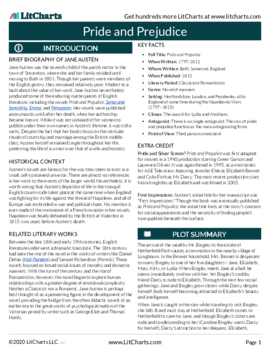


Quotes Explanations
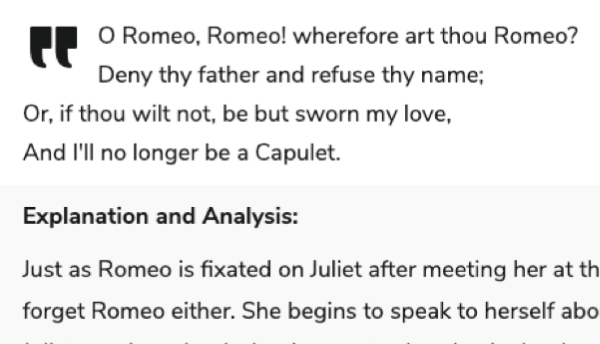
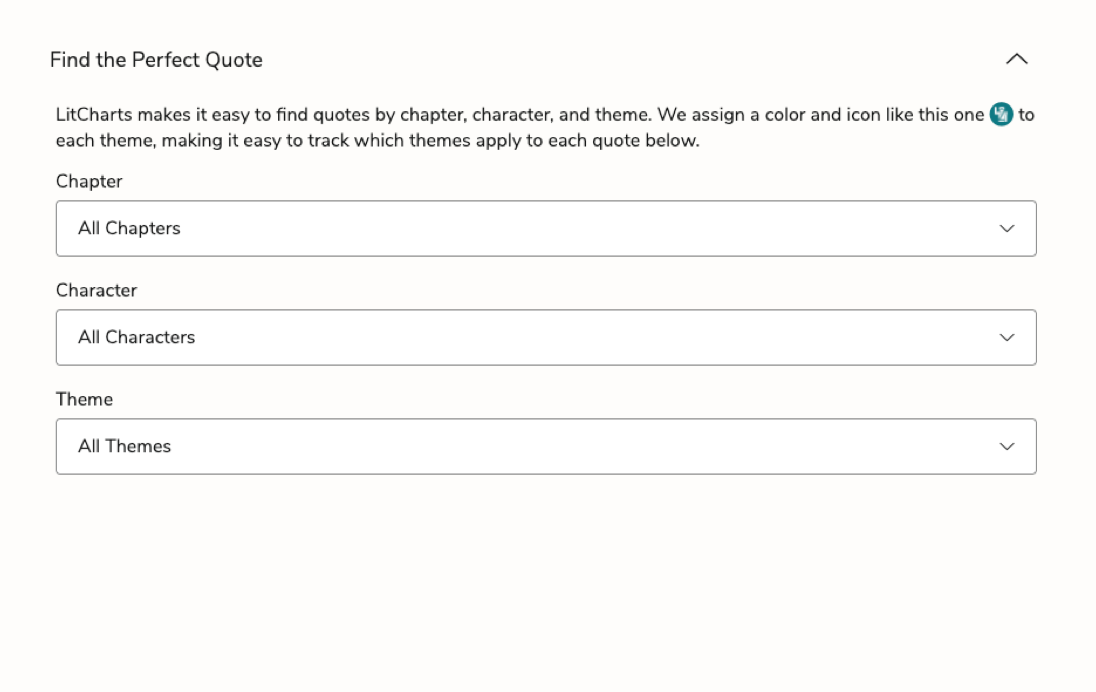
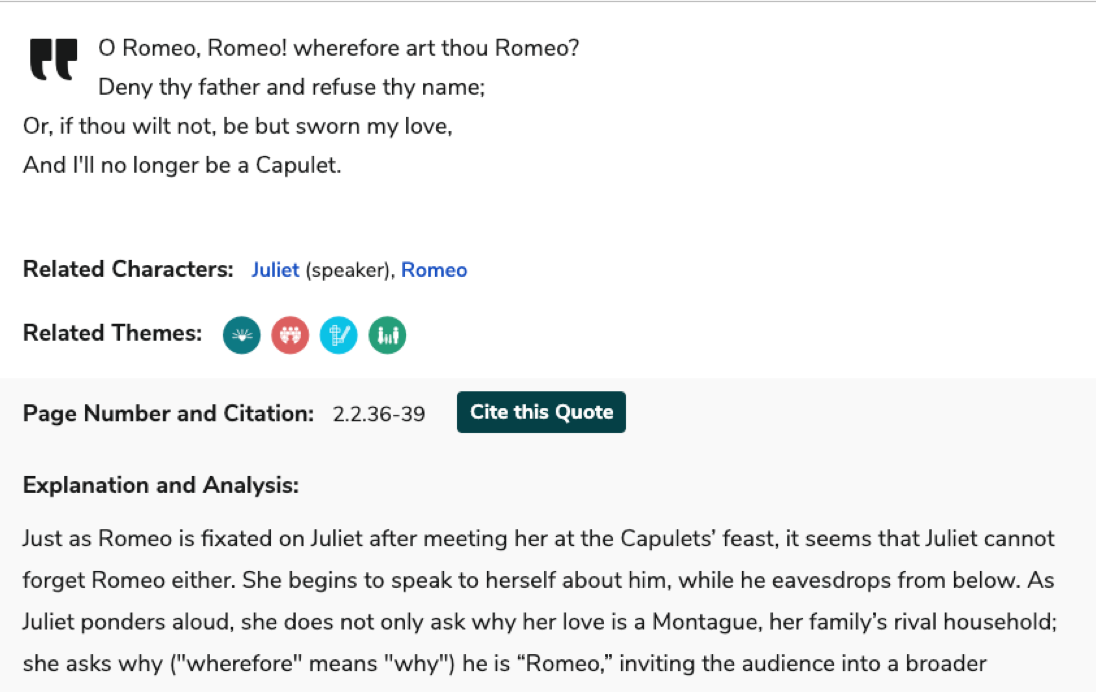
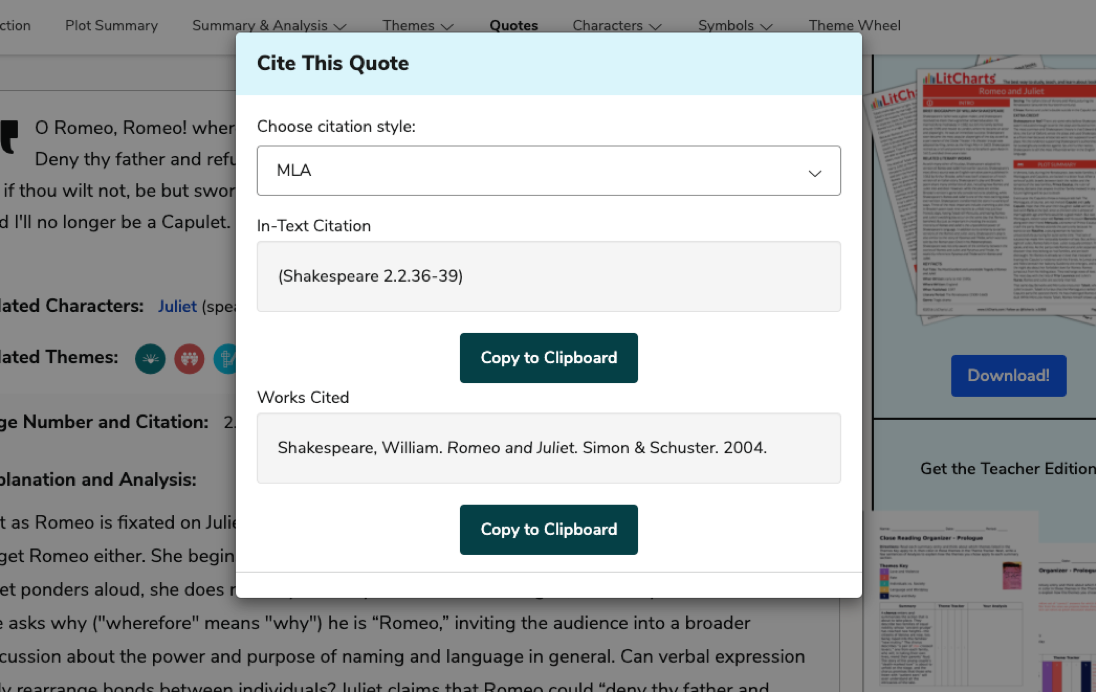
Find the perfect quote. Understand it perfectly. Then rock the citation, too.
For all 50,308 quotes we cover.
For all 50,308 quotes we cover.


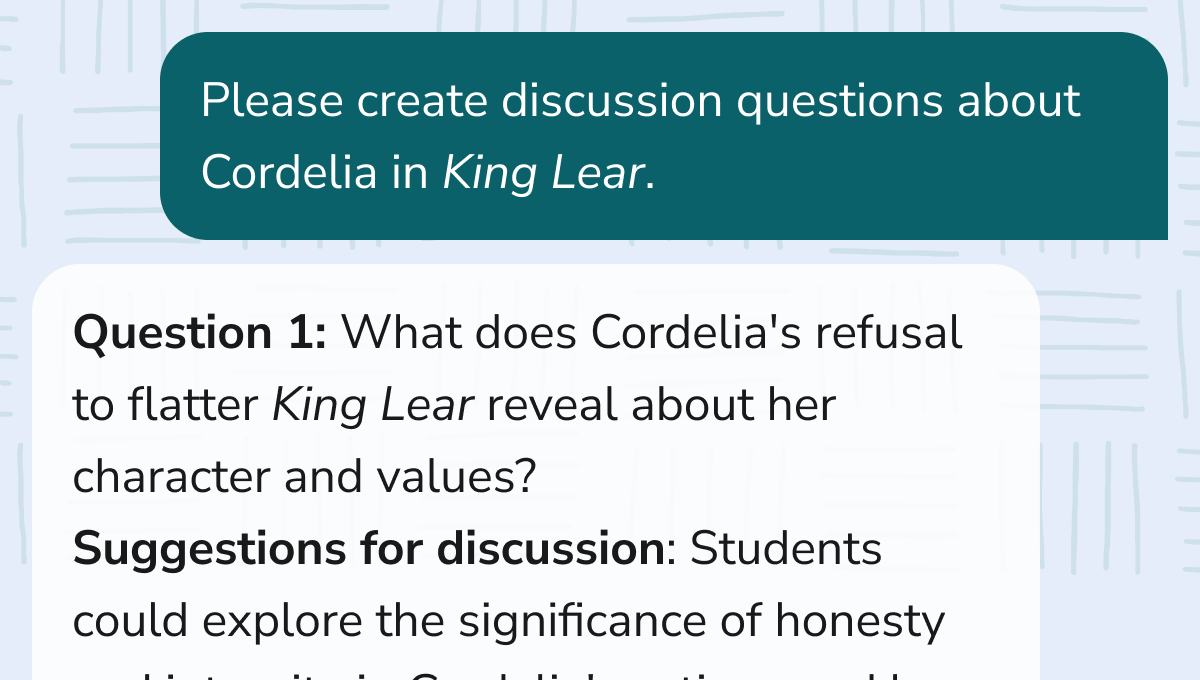
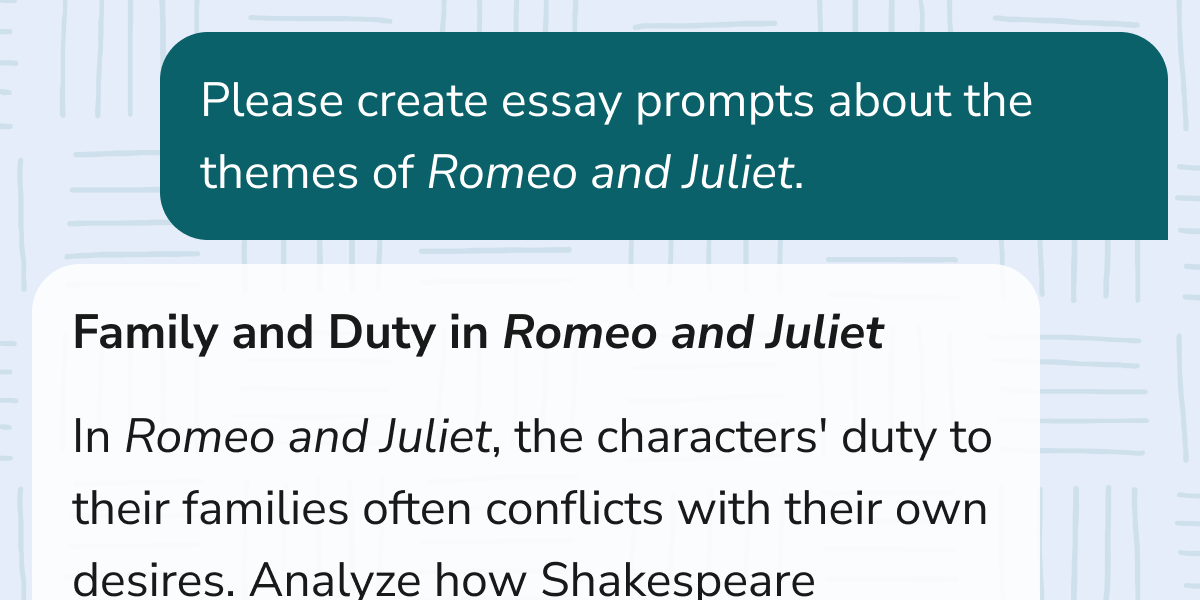
Teacher Editions
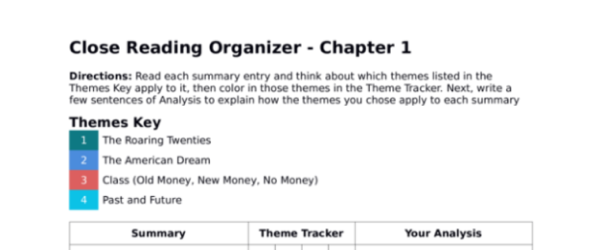
Close reading made easy for students.
Time saved for teachers.
For every book we cover.
Time saved for teachers.
For every book we cover.


Common Core-aligned


PDFs of modern translations of every one of Shakespeare's 37 plays, 154 sonnets, and 3 longer poems.

Literary Terms and Devices
Definitions and examples for every literary term and device you need to know.
Plus a quick-reference PDF with concise definitions of all 136 terms in one place.
Plus a quick-reference PDF with concise definitions of all 136 terms in one place.
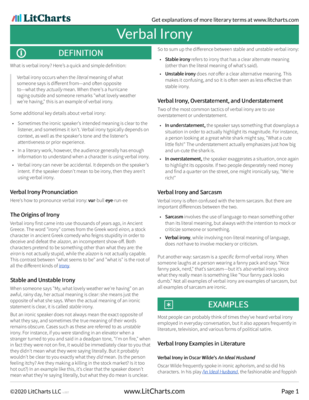
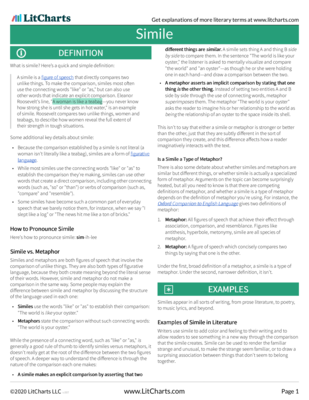
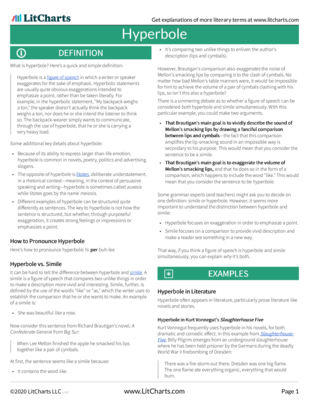
Try a free sample literary term PDF.


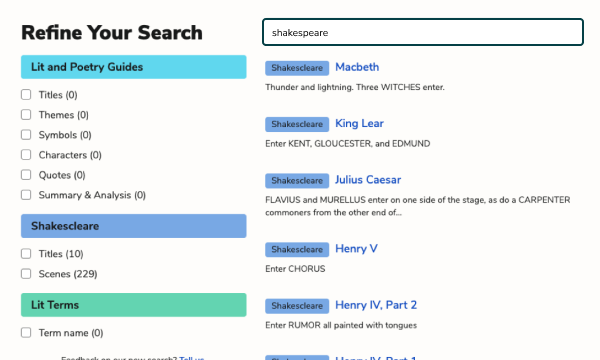
Advanced Search
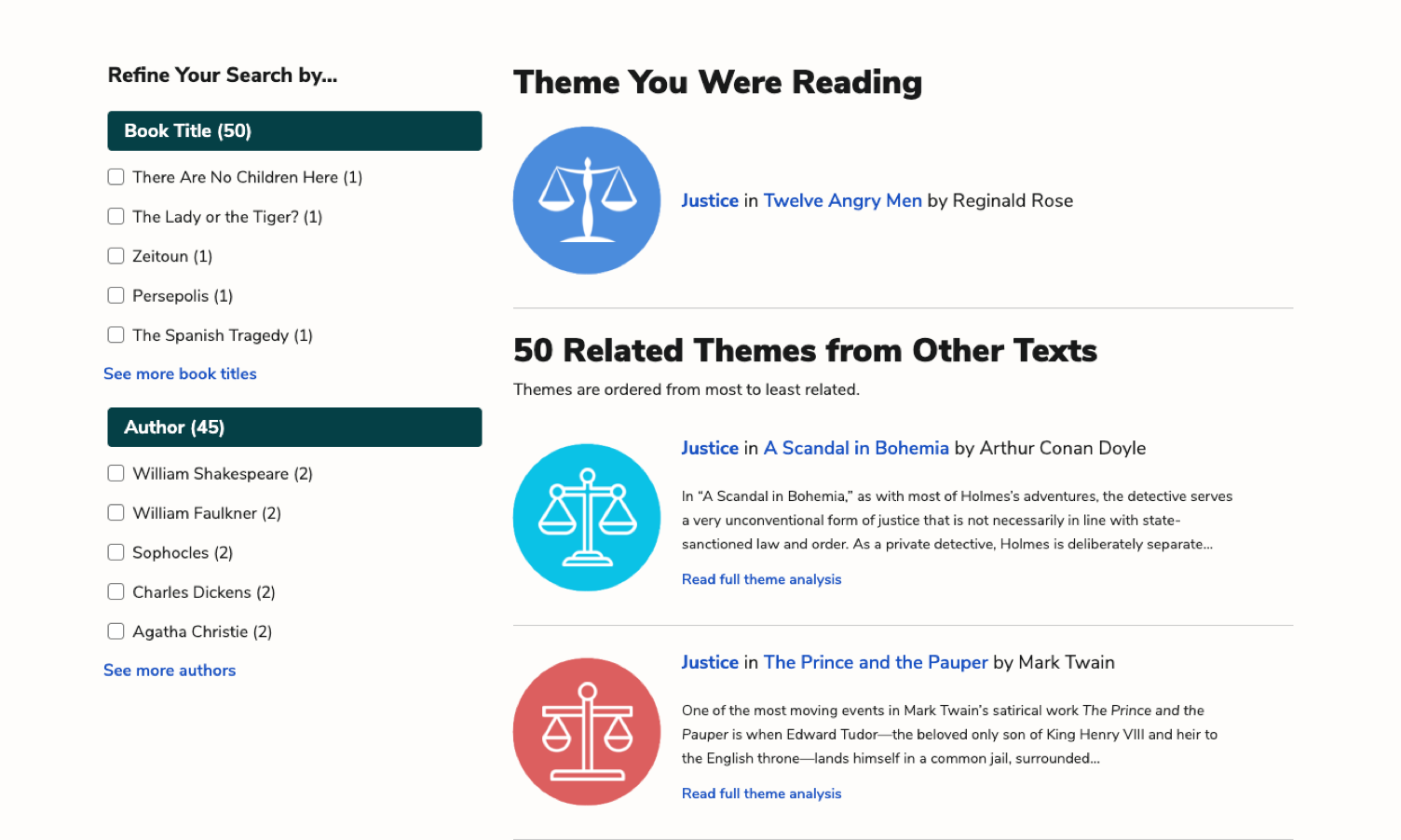
Refine any search. Find related themes, quotes, symbols, characters, and more.
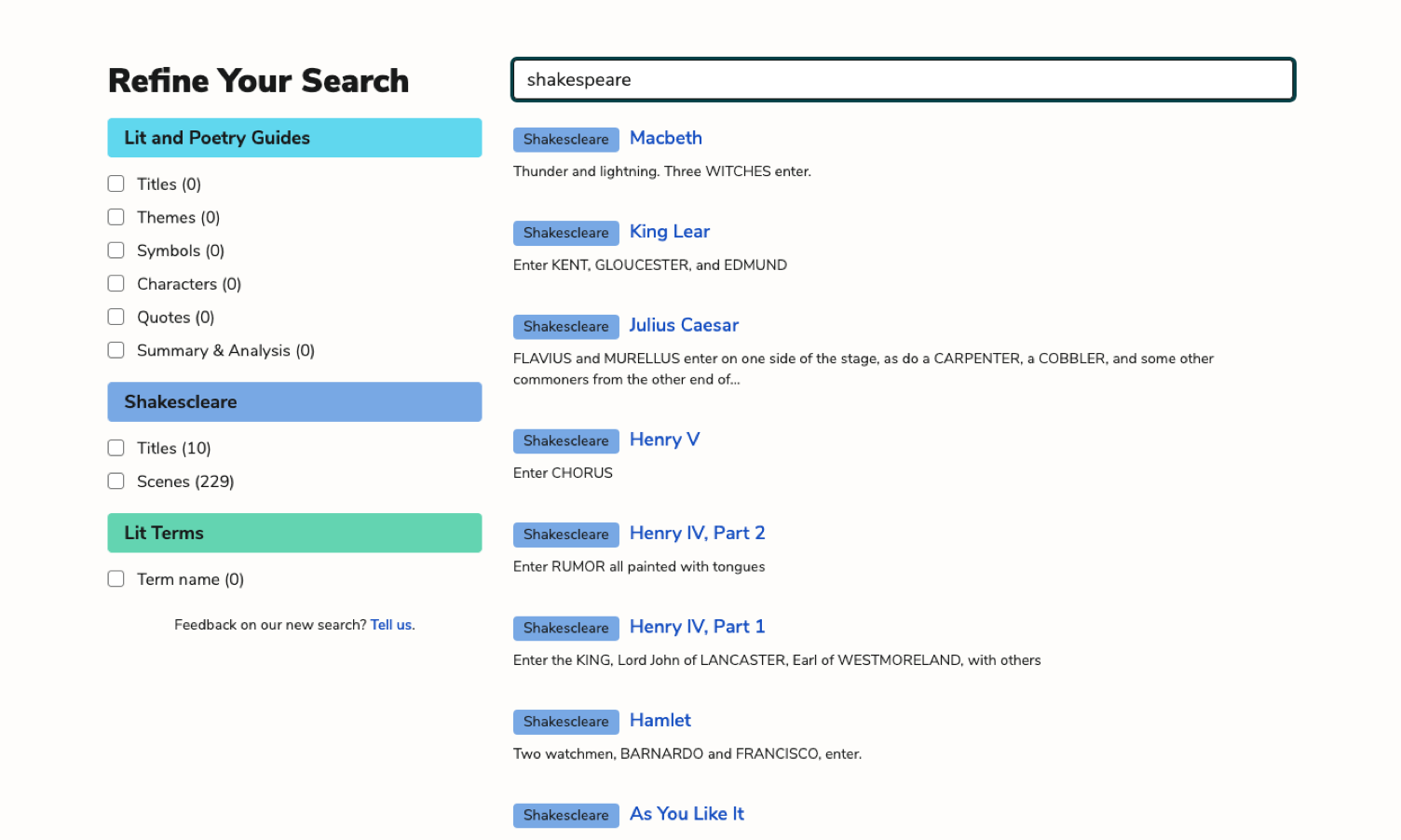

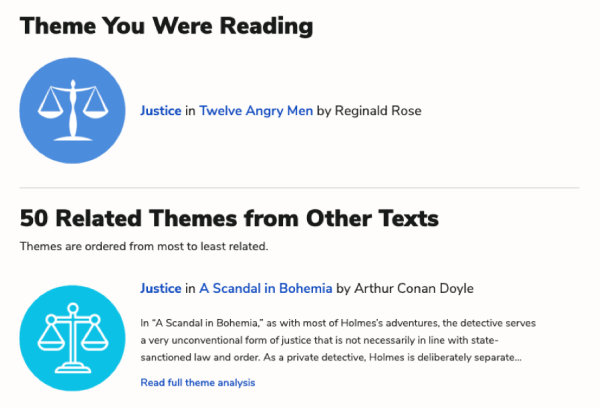
Related Themes
Comparing and contrasting texts? Find where any theme occurs across all of LitCharts in seconds.


Poetry Guides
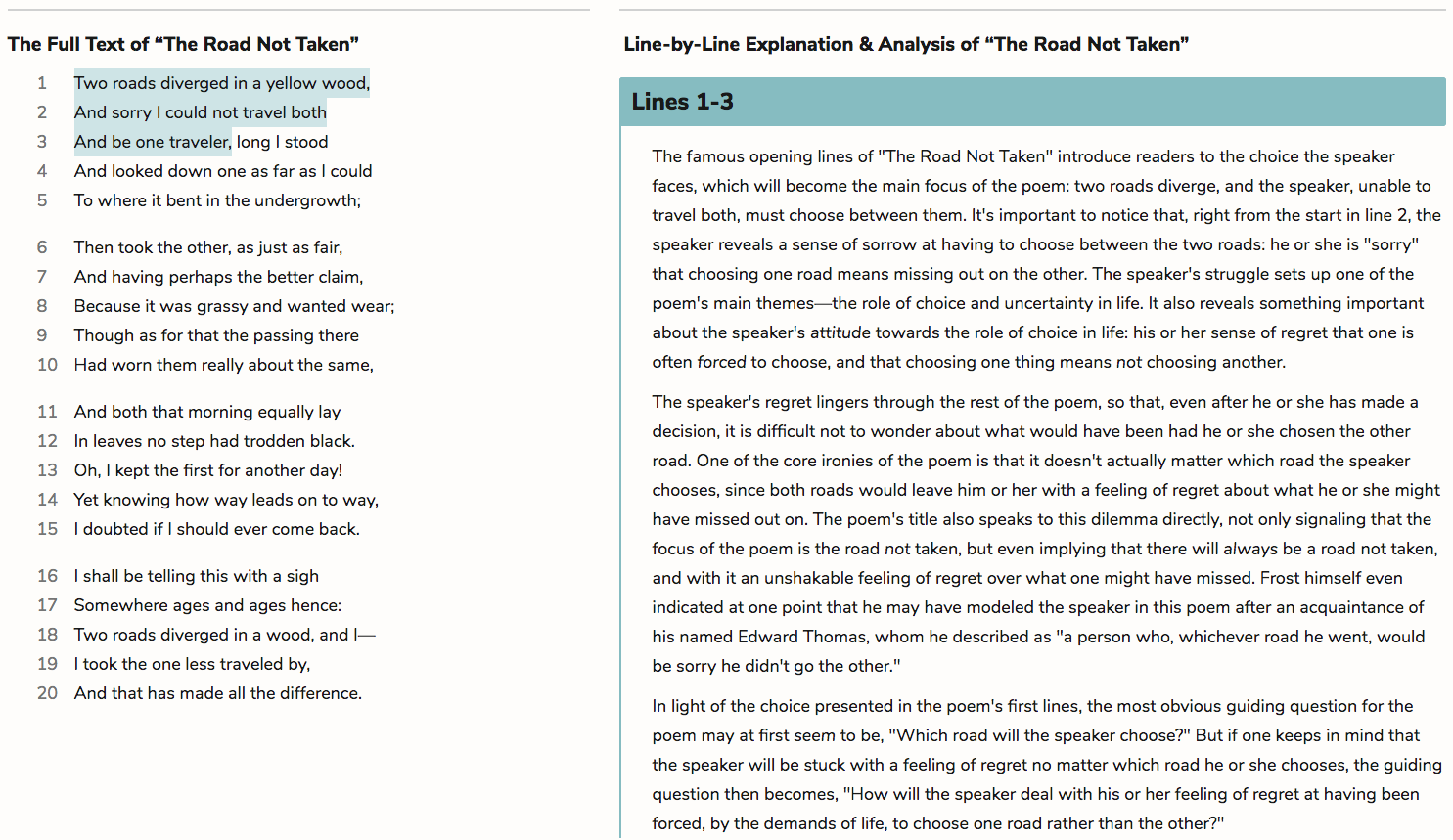
Line-by-line explanations and analysis of figurative language and poetic devices.
For every lyric poem we cover.
For every lyric poem we cover.