
|
Have questions?
Contact us
Already a member? Sign in
|
Get every literary device explanation for There Will Come Soft RainsPlus so much more...
Sign up for LitCharts A+Get instant access to every literary device explanation, plus so much more...
Metaphor
Explanation and Analysis—Elephants and Snakes:
The story features an instance of simile, metaphor, and personification in describing the house’s combat with the fire. As the fire sweeps across the kitchen, the ranks of vacuum mice scuttle out to contain the flames and the attic trapdoors deploy a “gushing green chemical”:
The fire backed off, as even an elephant must at the sight of a dead snake. Now there were twenty snakes whipping over the floor, killing the fire with a clear cold venom of green froth.
In the first of these sentences, a simile links the fire’s movements to that of a frightened “elephant” recoiling before a snake. This is followed immediately by a metaphor that develops the comparison, identifying the “repellant” as the “snake.” Importantly, this transition from simile to metaphor intensifies the degree of comparison. The green chemicals don’t merely resemble “snakes”—at this point, they have become them. What had been understood to be the “dead snake” just one sentence before is now “whipping over the floor” and spewing “cold venom.” The repellant becomes more lifelike through the metaphor’s tightened association.
In doing so, this elaborate act of comparison invests the fire and repellant with an unlikely dynamism. Both the fire and its adversary are moving, attacking, and defending themselves. Their animalistic intensity creates a sense of vitality that is absent anywhere else. In a town of ruined houses buried beneath charcoal ash, they seem to be more lifelike and vivid than all of humanity’s own doomed creations.
Monthly
Annual (Best Value)

$595USD/mo
Charged $71.40 USD every year
 Teacher
$795USD/mo
Charged $95.40 USD every year
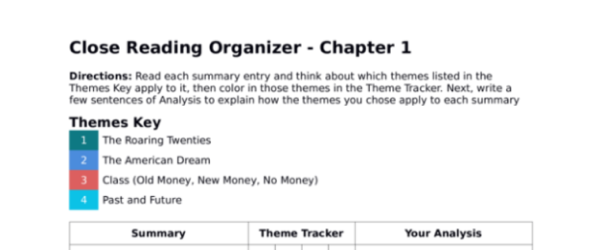
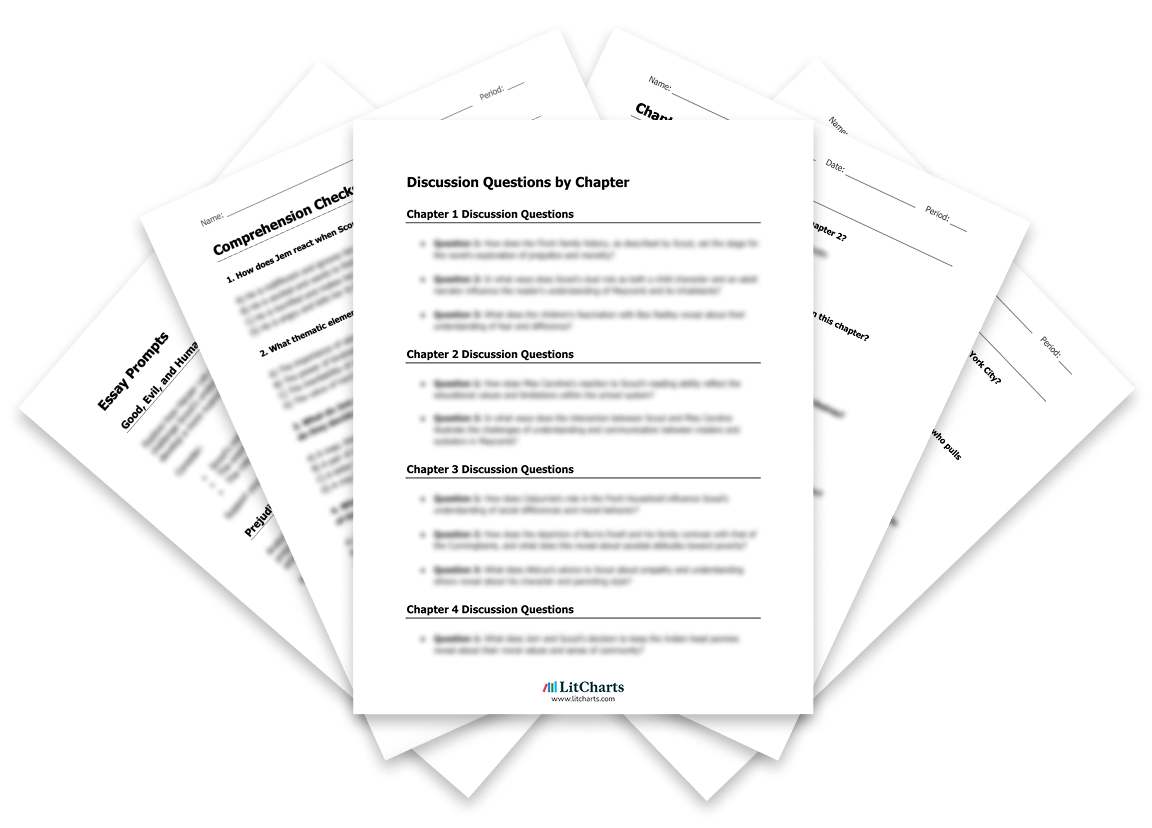
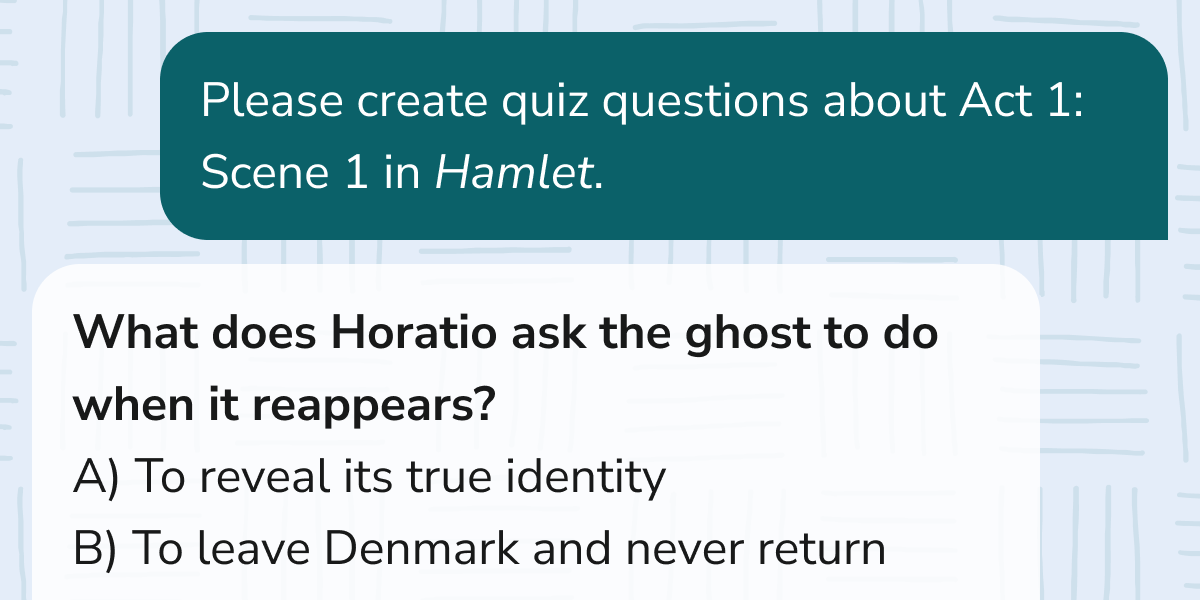


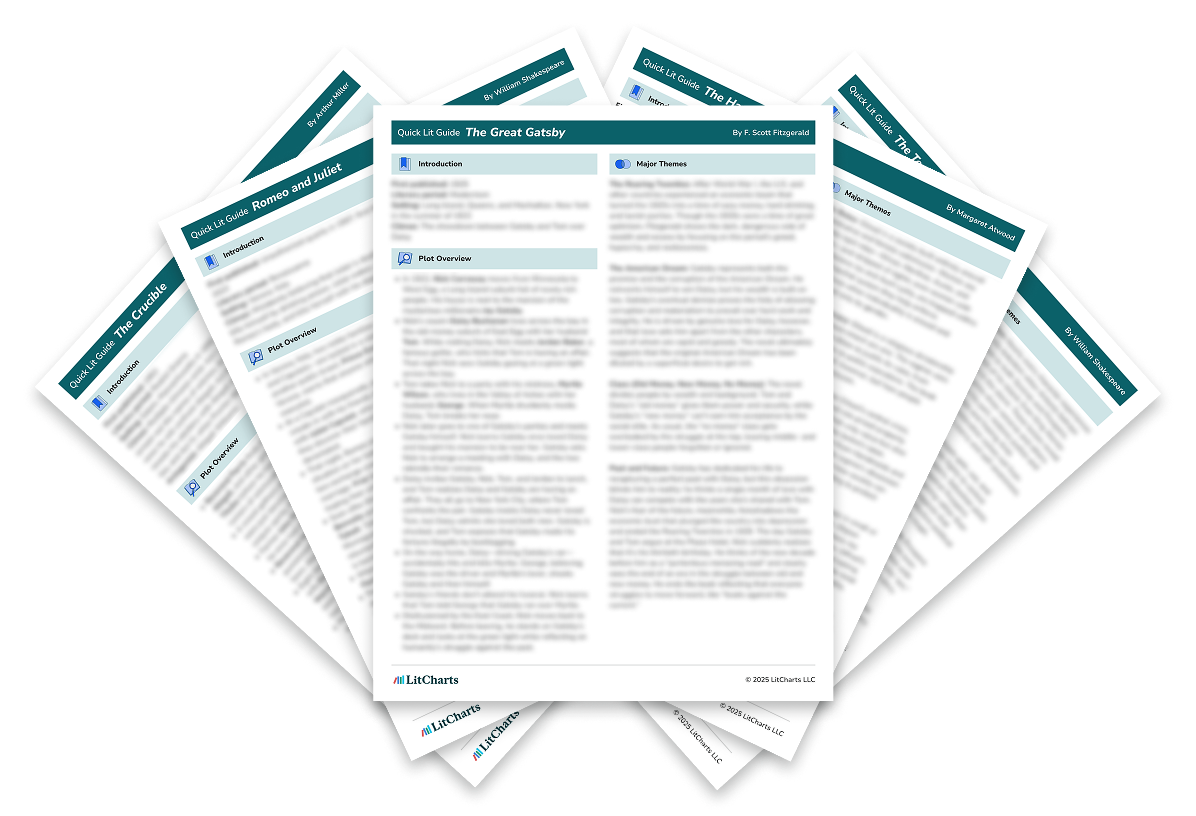
Literature Guide PDFs
LitCharts PDFs for every book you'll read this year.
Instant PDF downloads of all 2252 LitCharts literature guides and of every new one we publish. Try a free sample literature guide.
"Would not have made it through AP Literature without the printable PDFs. They're like having in-class notes for every discussion!"







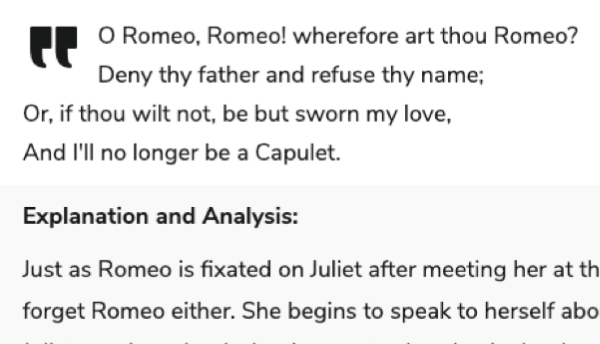
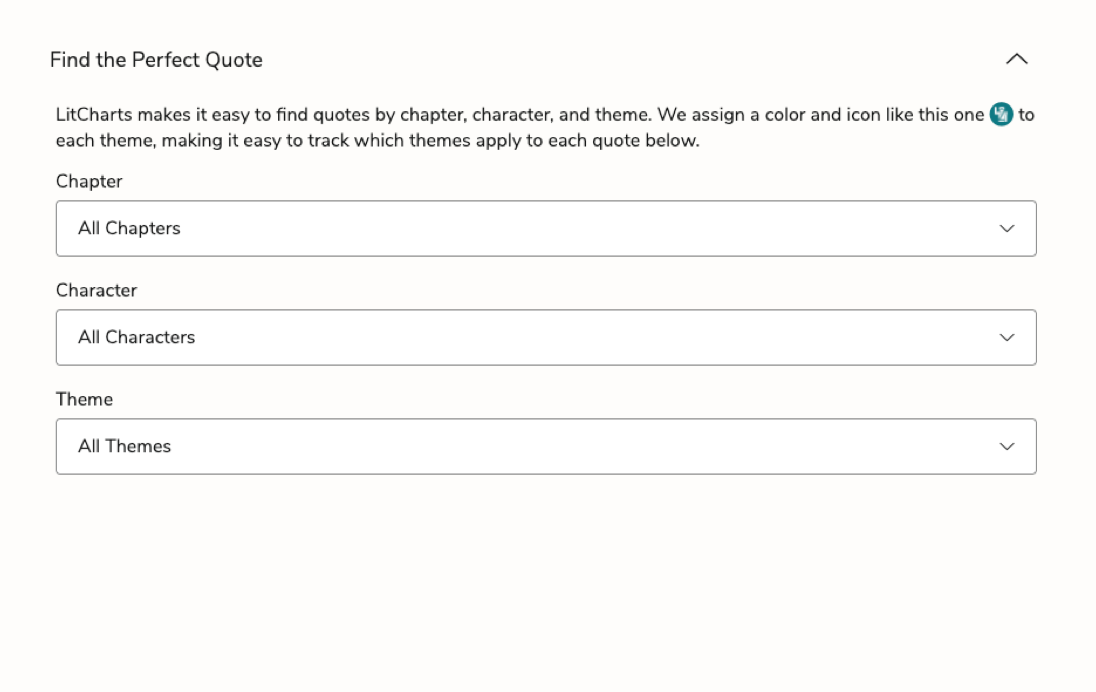
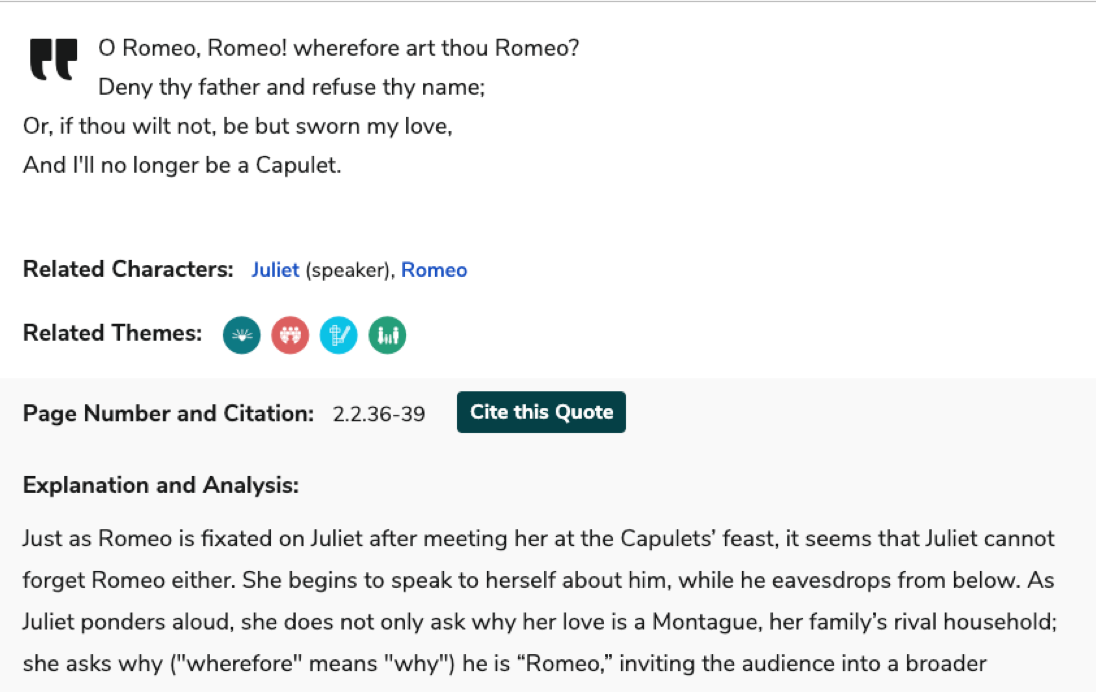
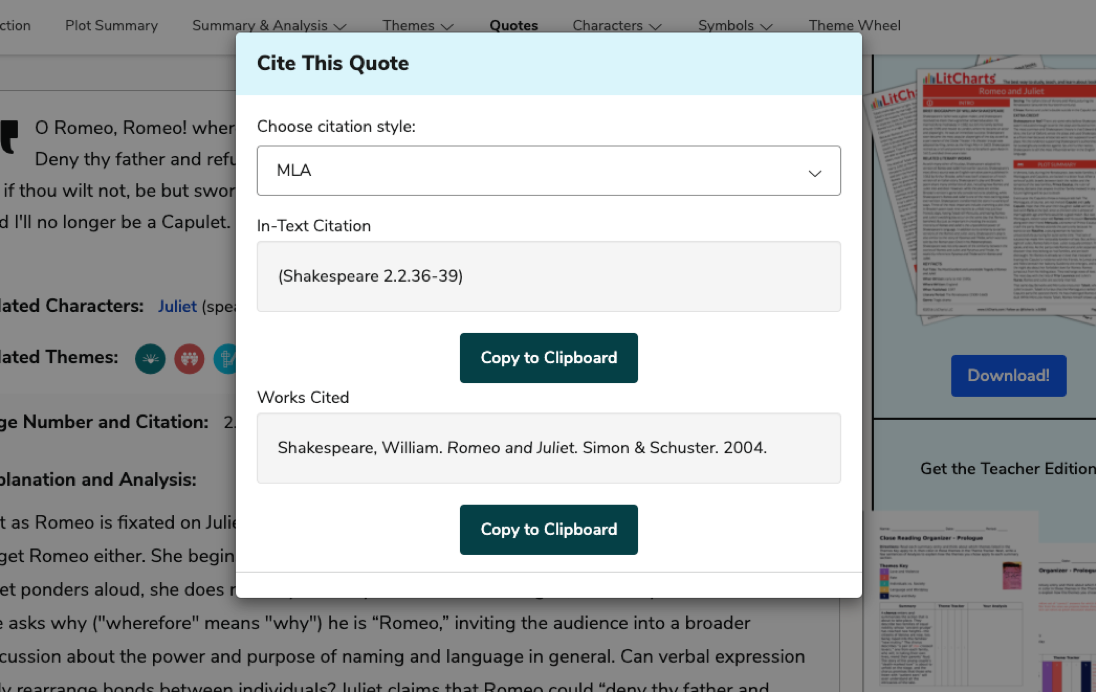
Quotes Explanations
Find the perfect quote. Understand it perfectly. Then rock the citation, too.
For all 50,213 quotes we cover.
For all 50,213 quotes we cover.


Teacher Editions
Close reading made easy for students.
Time saved for teachers.
For every book we cover.
Time saved for teachers.
For every book we cover.


Common Core-aligned


PDFs of modern translations of every one of Shakespeare's 37 plays, 154 sonnets, and 3 longer poems.

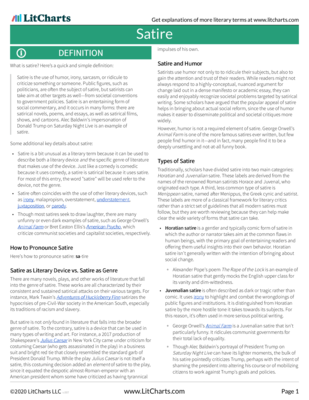
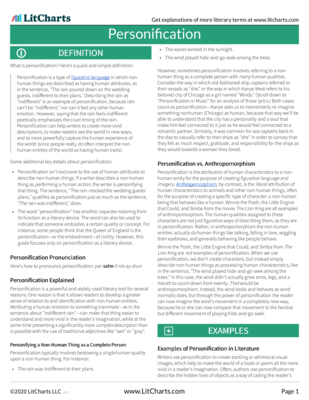
Literary Terms and Devices
Definitions and examples for every literary term and device you need to know.
Plus a quick-reference PDF with concise definitions of all 136 terms in one place.
Plus a quick-reference PDF with concise definitions of all 136 terms in one place.
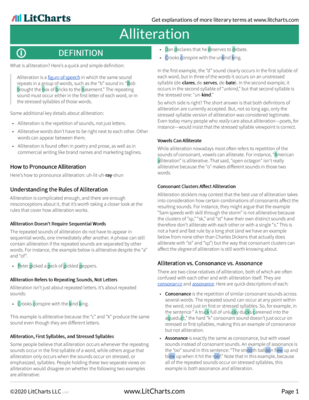
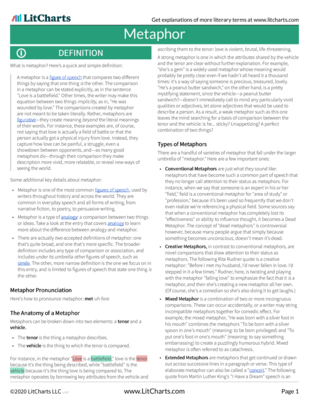
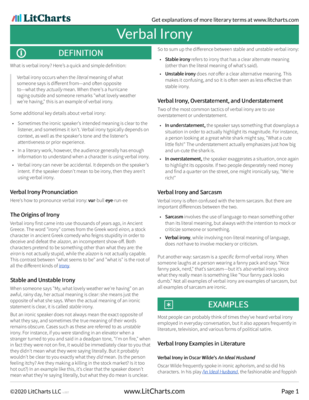
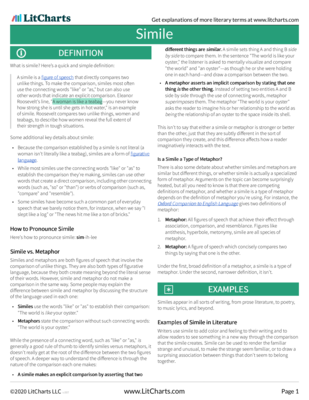
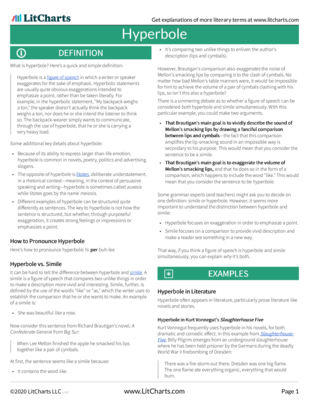
Try a free sample literary term PDF.


Advanced Search
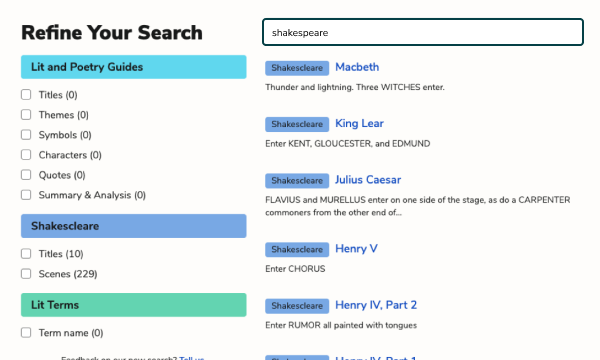
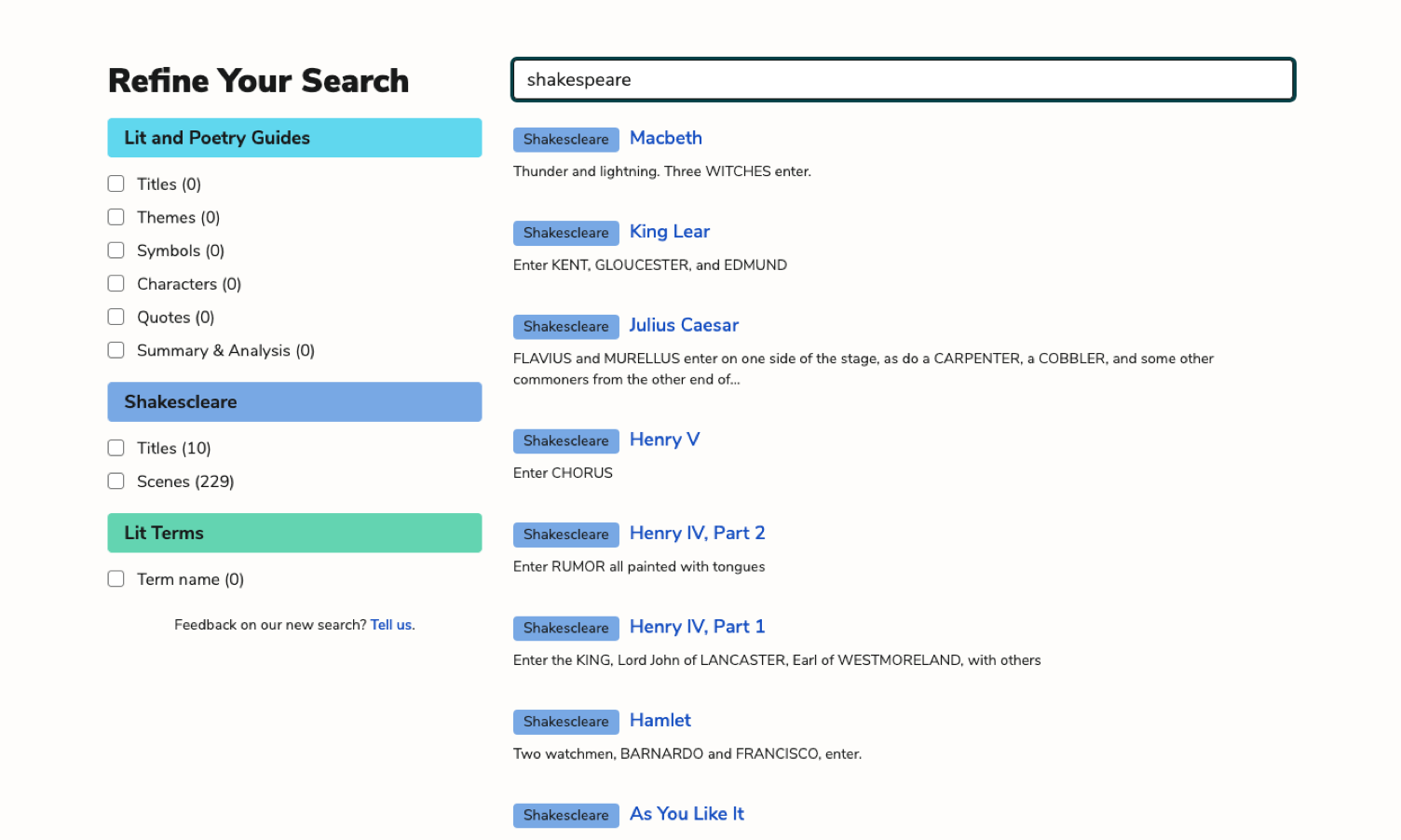
Refine any search. Find related themes, quotes, symbols, characters, and more.

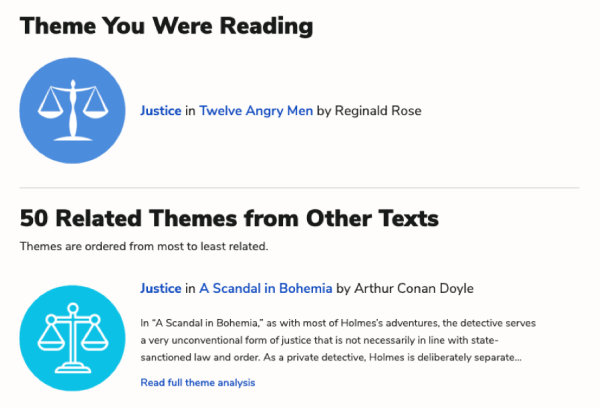
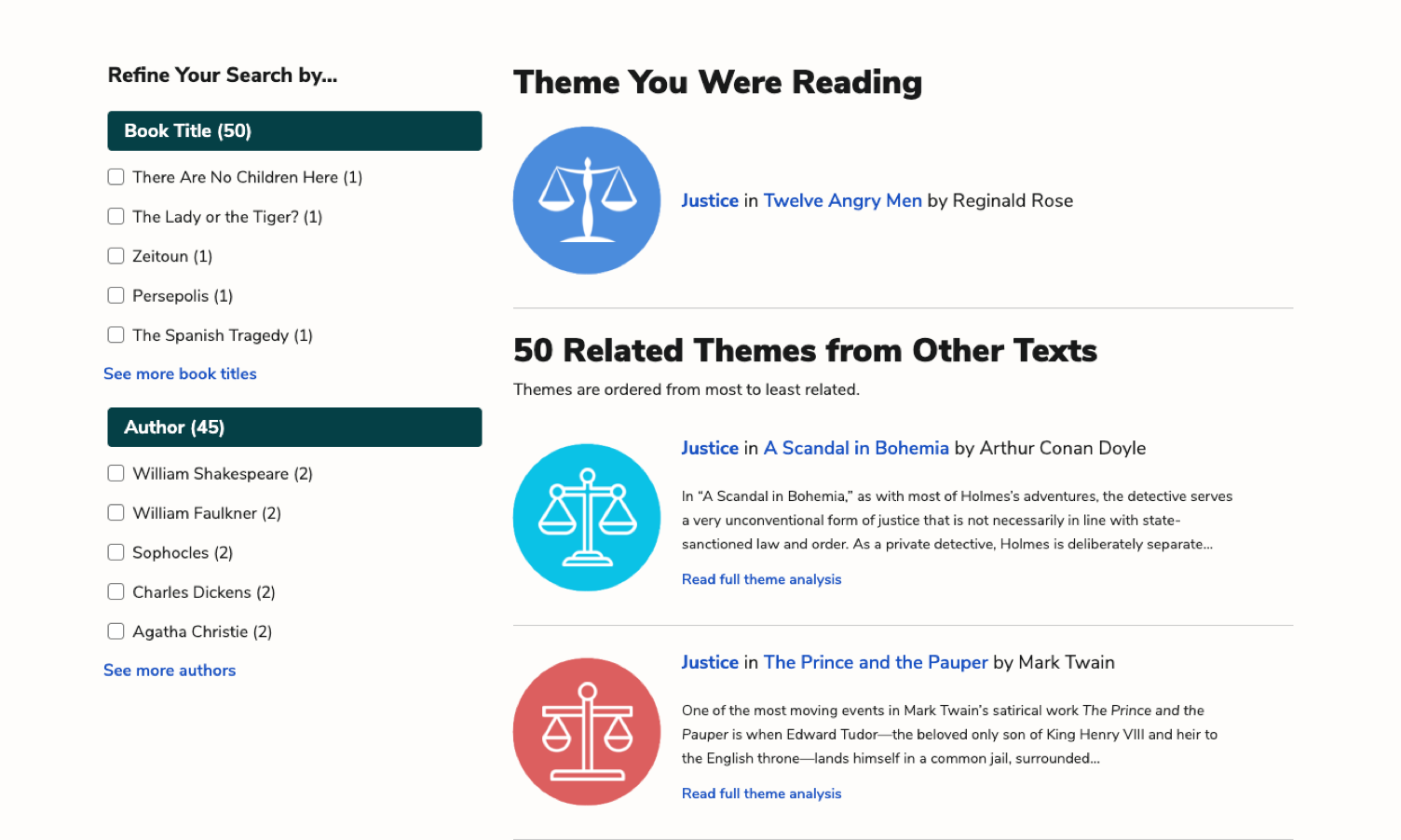
Related Themes
Comparing and contrasting texts? Find where any theme occurs across all of LitCharts in seconds.


Poetry Guides
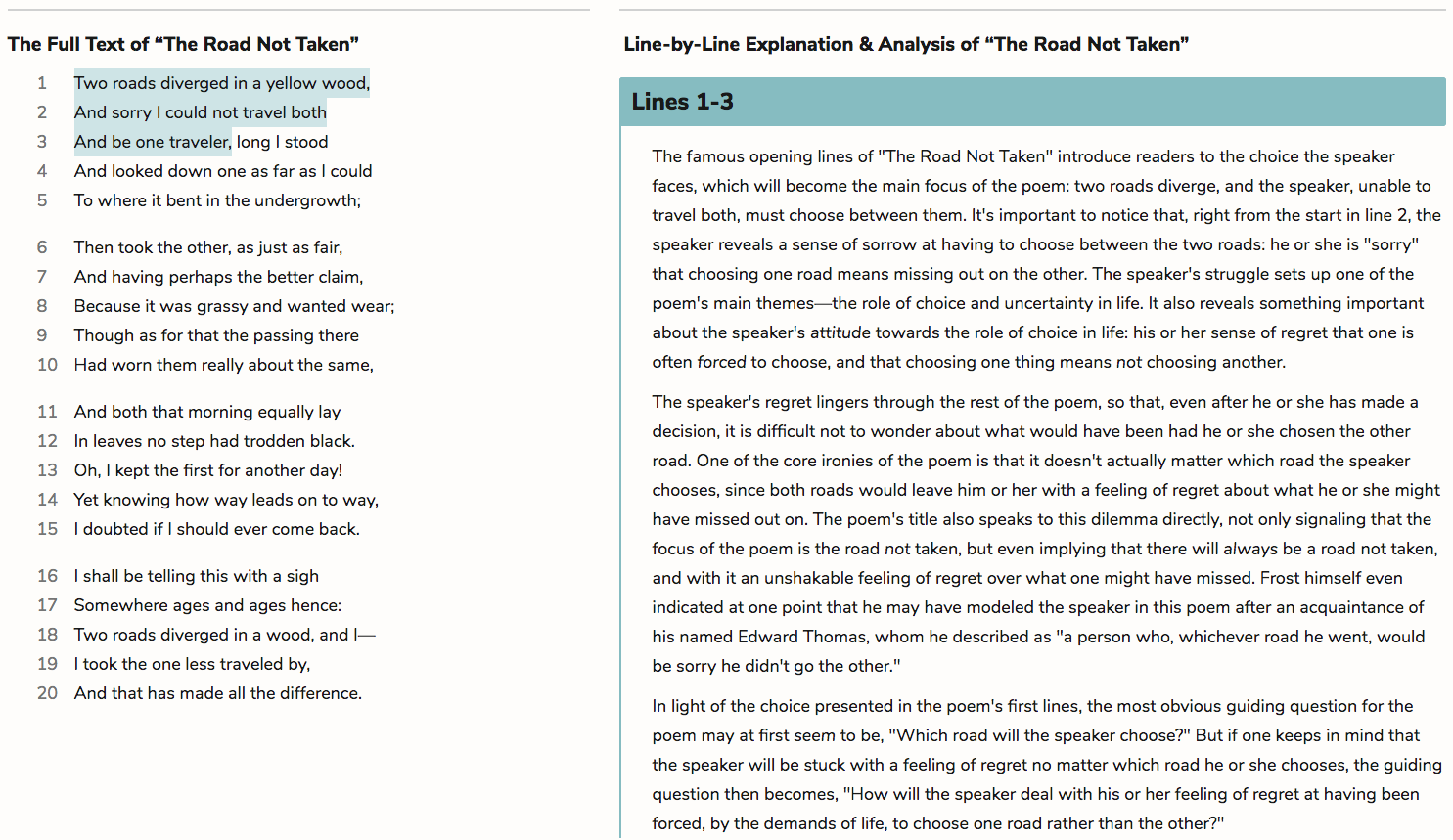
Line-by-line explanations and analysis of figurative language and poetic devices.
For every lyric poem we cover.
For every lyric poem we cover.