
|
Have questions?
Contact us
Already a member? Sign in
|
Get every literary device explanation for Another Country
Plus so much more...
Sign up for LitCharts A+
Get instant access to every literary device explanation, plus so much more...
Motif
Explanation and Analysis—Jazz:
The motif of jazz music appears throughout Another Country, especially in the parts of the novel that take place in Harlem. Jazz often appears in scenes where characters gather in clubs or bars, so it’s also associated with social connection and community conflict. It's the soundtrack to life in the novel.
Jazz music originated in the early 20th century within Black communities in America. It was considered very culturally subversive at the time, as it was also associated with nightlife and blended elements of blues, ragtime, and gospel to form a completely new sound. Jazz is primarily characterized by its use of improvisation and “riffing,” where pre-existing melodies are improvised on and extended. It’s also known for its stirring, syncopated percussion lines. Jazz as it's known today encompasses a wide range of styles from swing to fusion, is widely played on the radio, and doesn’t seem particularly scandalous. However, at the time of writing, jazz music was considered subversive and revolutionary, and the people who played it and danced to it risked criticism and even arrest for disturbing the peace. It’s a uniquely Black art form, as musicians in Harlem—and other American communities primarily populated by African Americans—produced some of the first and best-known jazz musicians and songs.
The improvisational element of jazz reflects the often unpredictable nature of Baldwin's characters’ lives and relationships. As melodies would in a jazz performance, their commitments and desires shift rapidly between harmony and discord. The repeating refrains or lines of song that recur throughout the novel also mostly come from the jazz tradition; they too reflect the repetitive patterns of behavior Baldwin’s characters cannot escape.
Monthly
Annual (Best Value)

$595USD/mo
Charged $71.40 USD every year
 Teacher
$795USD/mo
Charged $95.40 USD every year
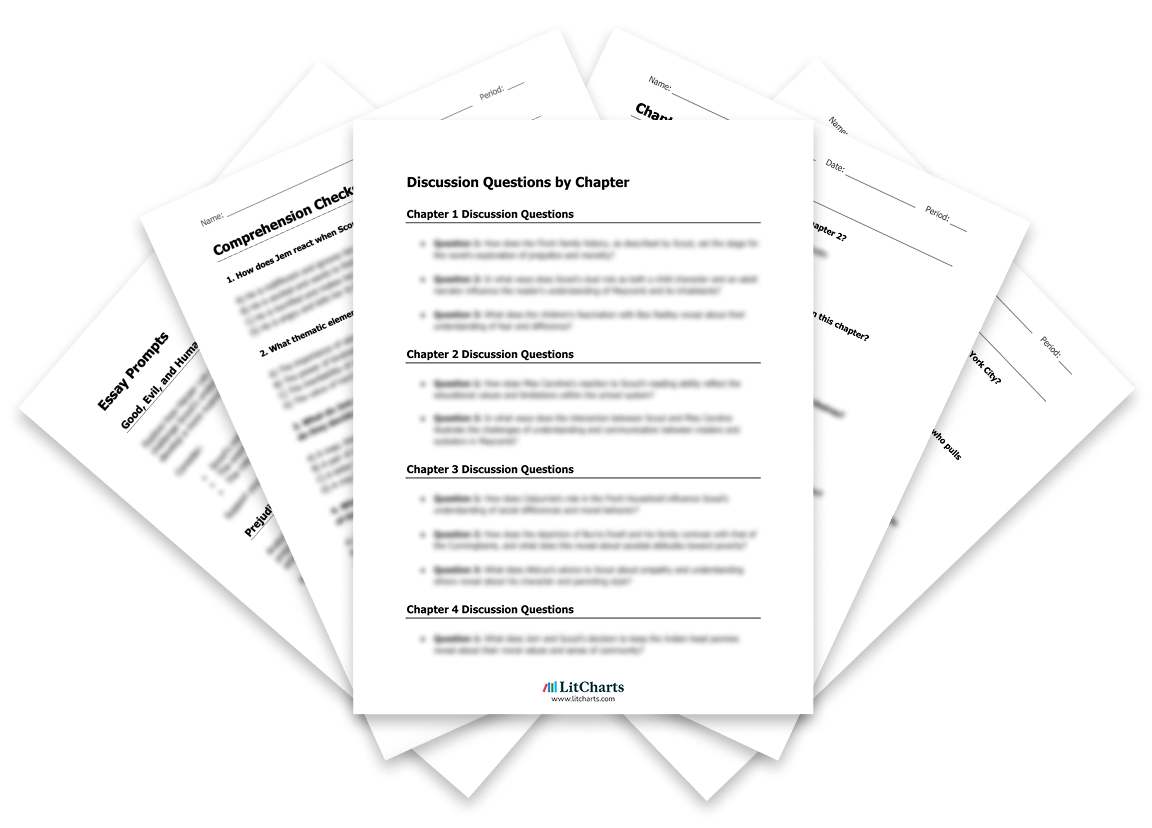


Literature Guide PDFs
LitCharts PDFs for every book you'll read this year.
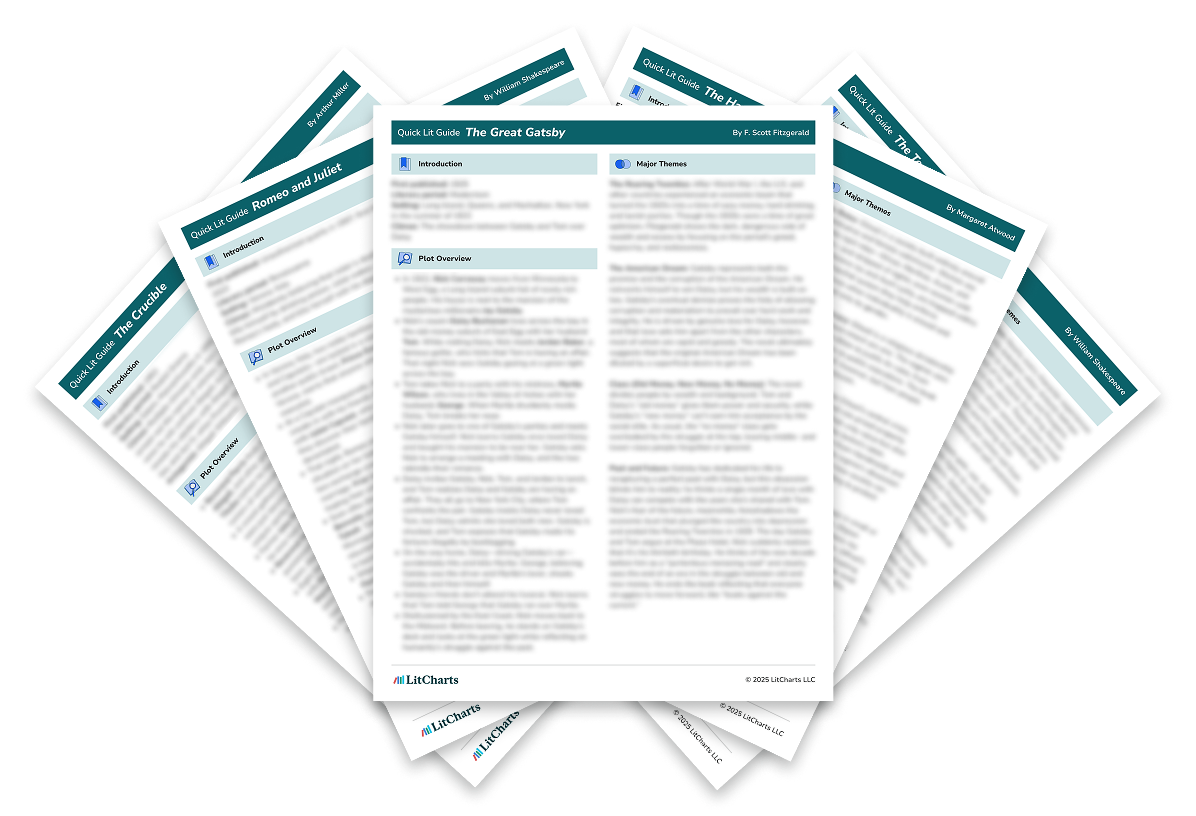
Instant PDF downloads of all 2254 LitCharts literature guides and of every new one we publish. Try a free sample literature guide.
"Would not have made it through AP Literature without the printable PDFs. They're like having in-class notes for every discussion!"



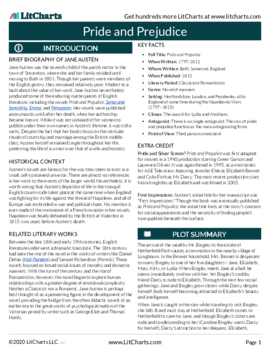


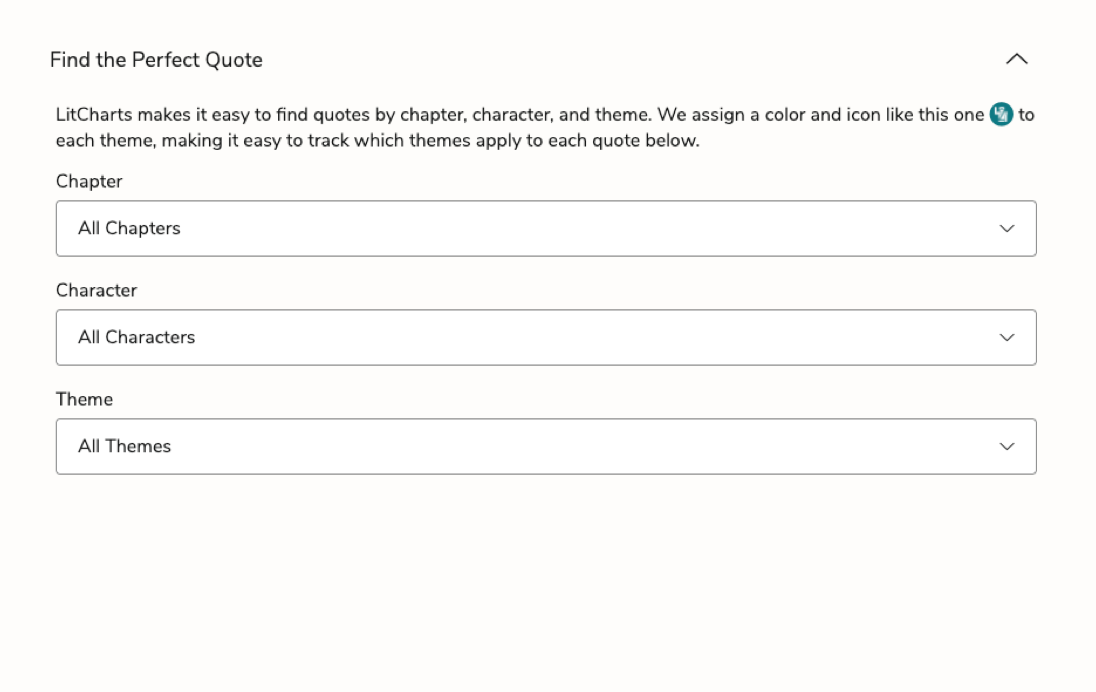
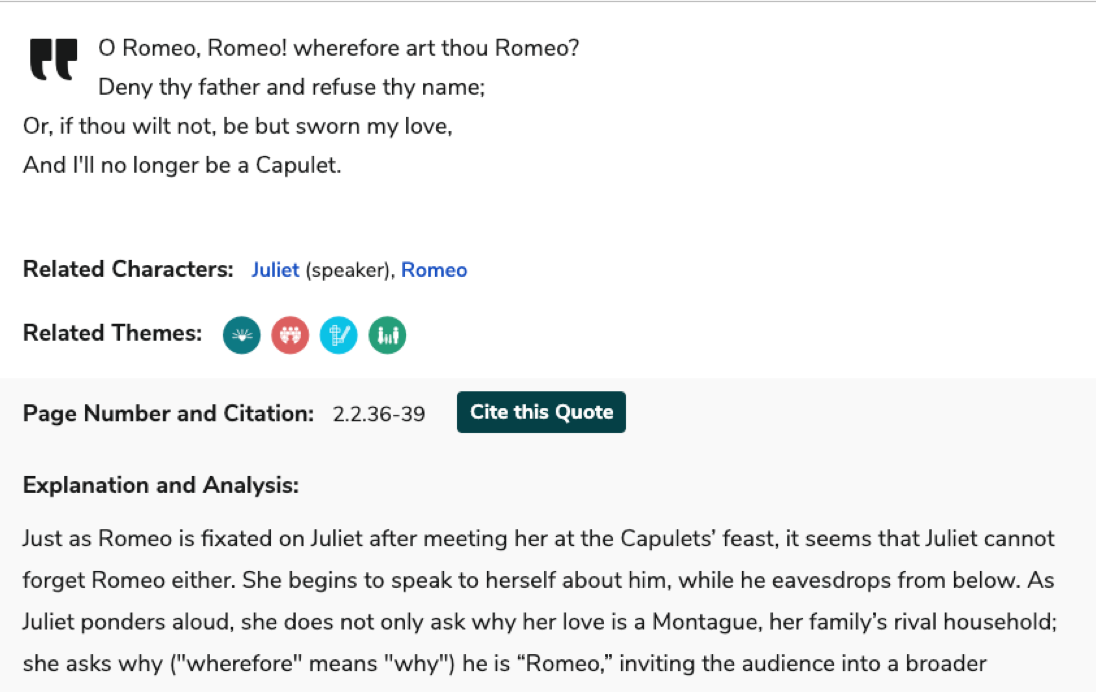
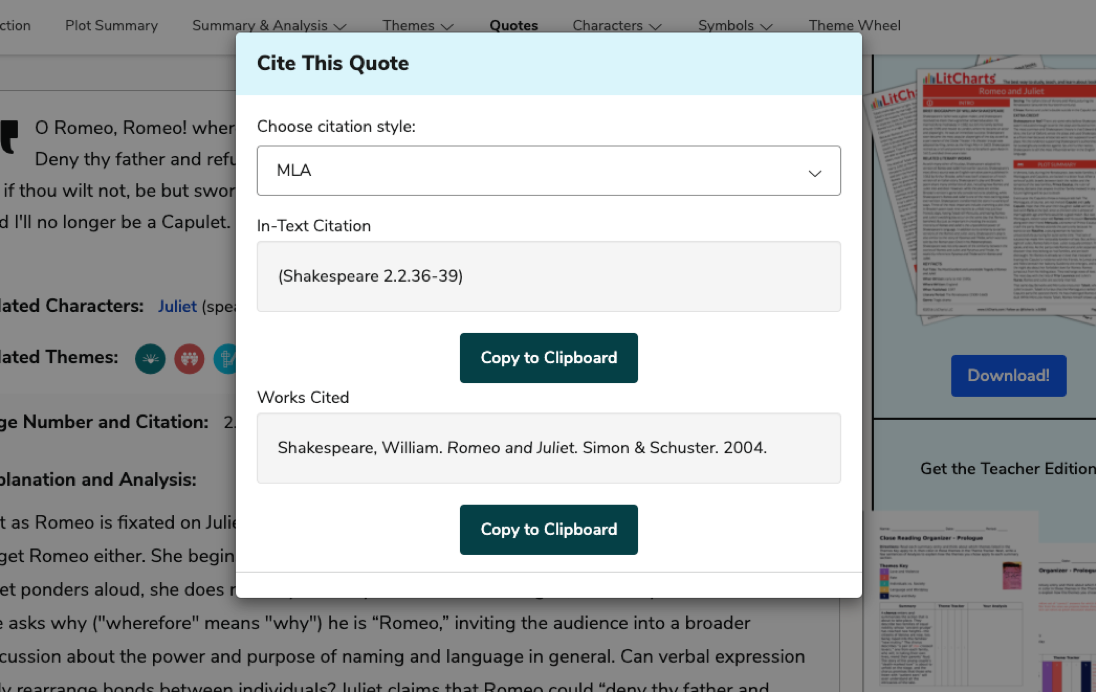
Quotes Explanations
Find the perfect quote. Understand it perfectly. Then rock the citation, too.
For all 50,258 quotes we cover.
For all 50,258 quotes we cover.


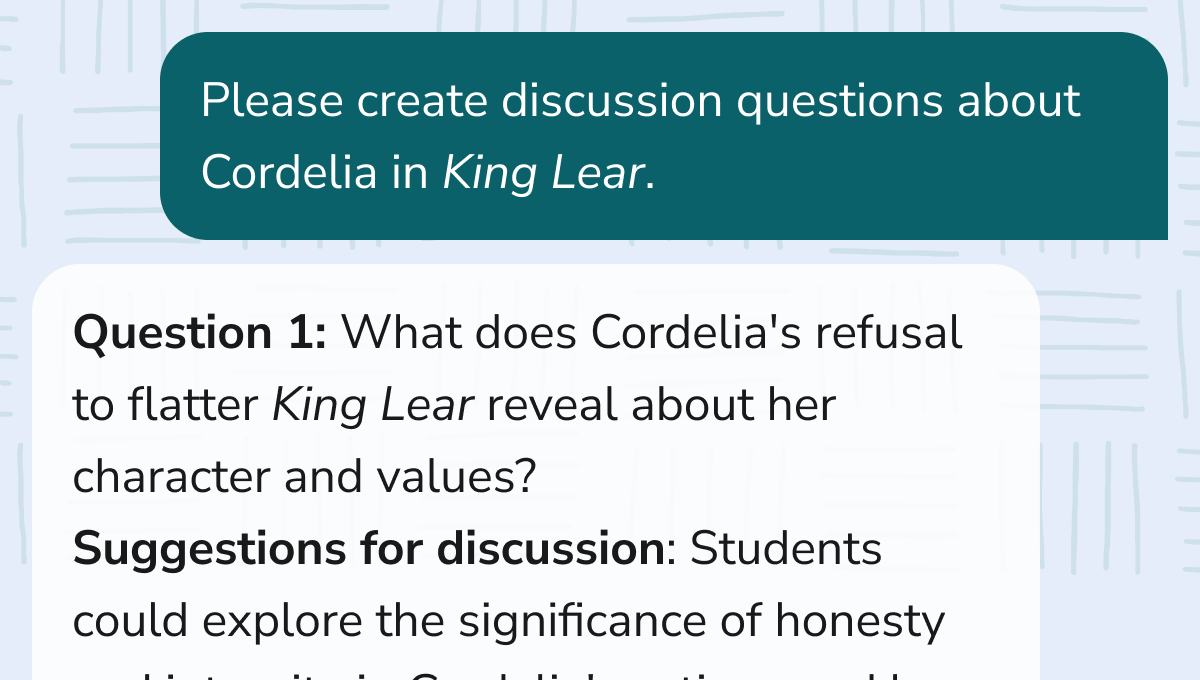
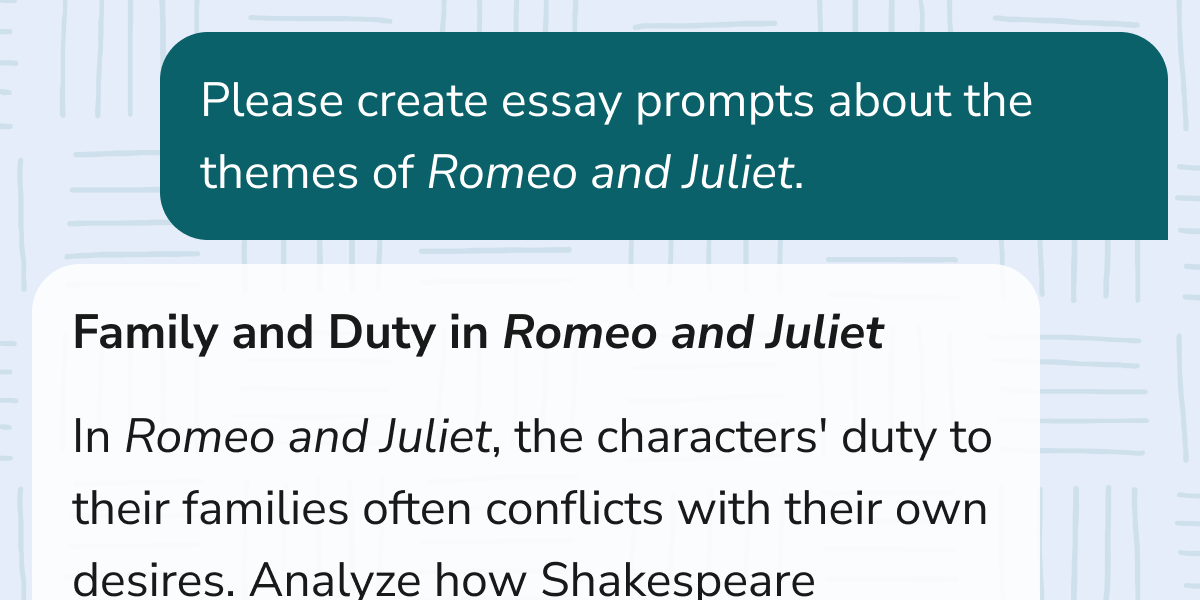
Teacher Editions
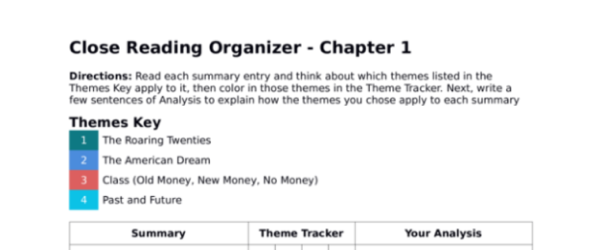
Close reading made easy for students.
Time saved for teachers.
For every book we cover.
Time saved for teachers.
For every book we cover.


Common Core-aligned


PDFs of modern translations of every one of Shakespeare's 37 plays, 154 sonnets, and 3 longer poems.

Literary Terms and Devices
Definitions and examples for every literary term and device you need to know.
Plus a quick-reference PDF with concise definitions of all 136 terms in one place.
Plus a quick-reference PDF with concise definitions of all 136 terms in one place.
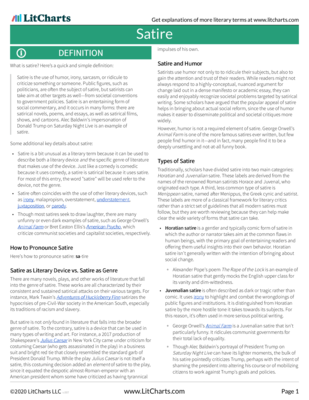
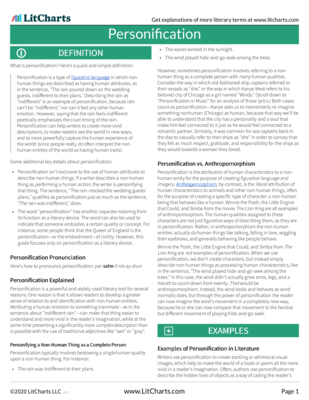
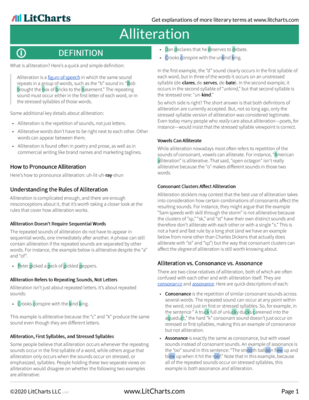
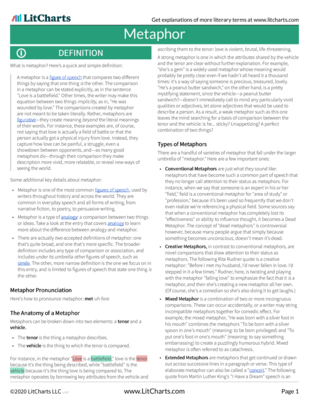
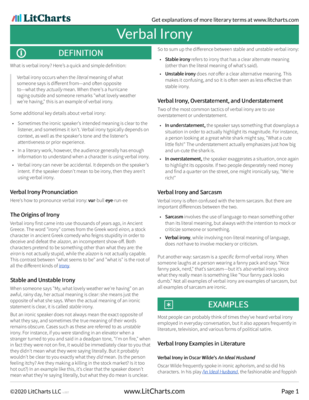
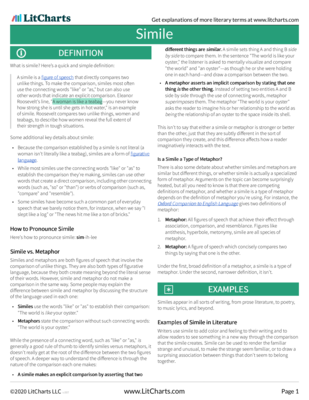
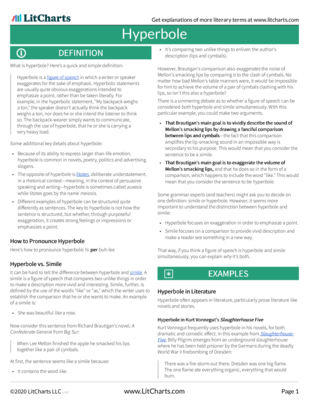
Try a free sample literary term PDF.


Advanced Search
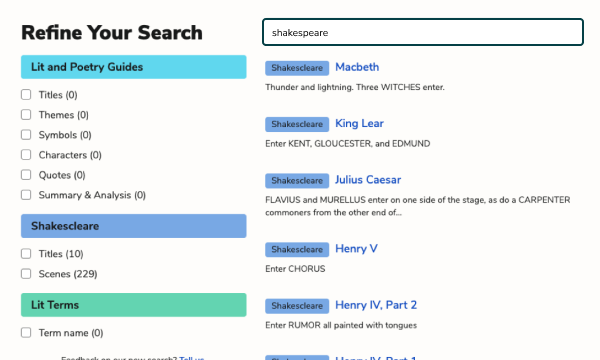
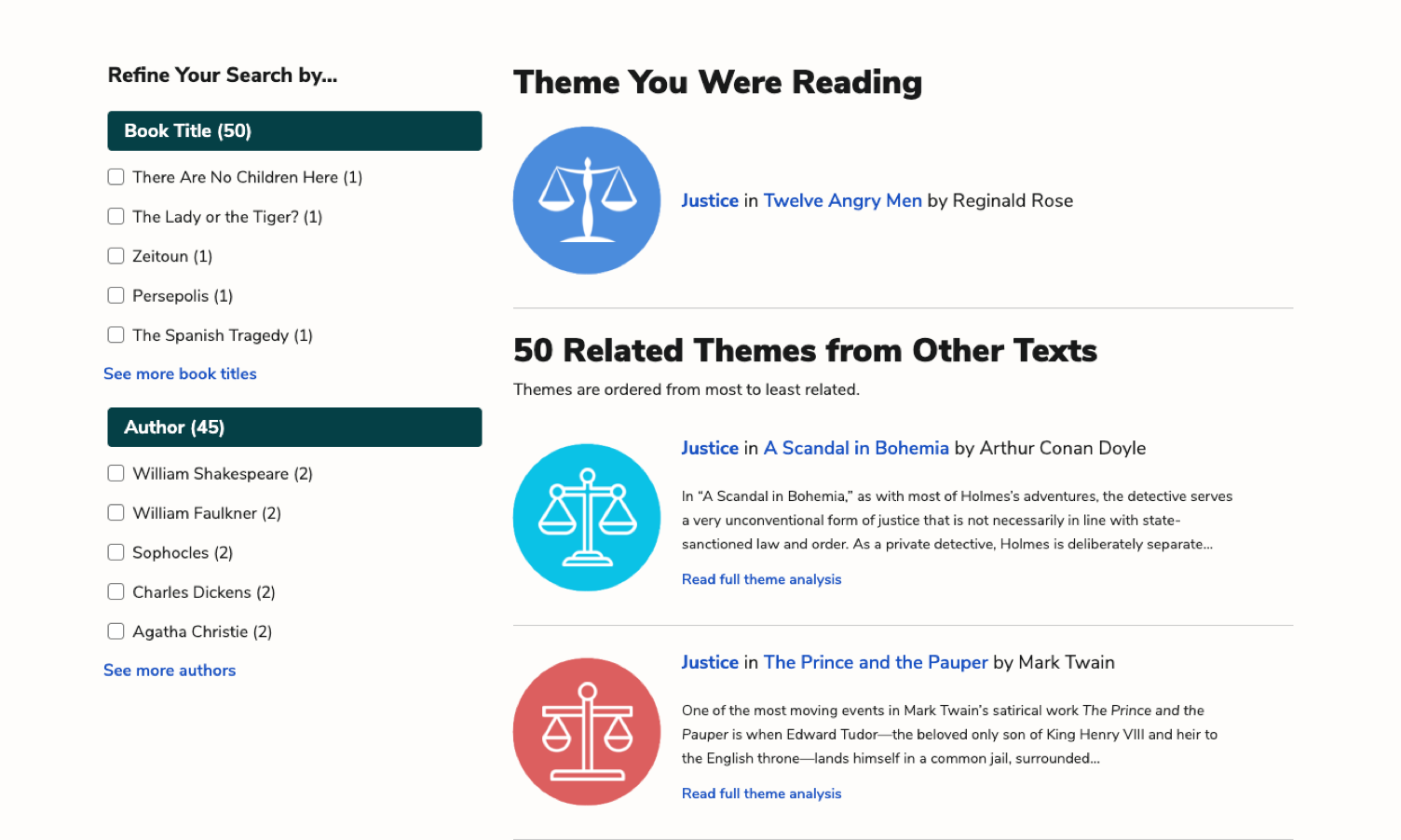
Refine any search. Find related themes, quotes, symbols, characters, and more.
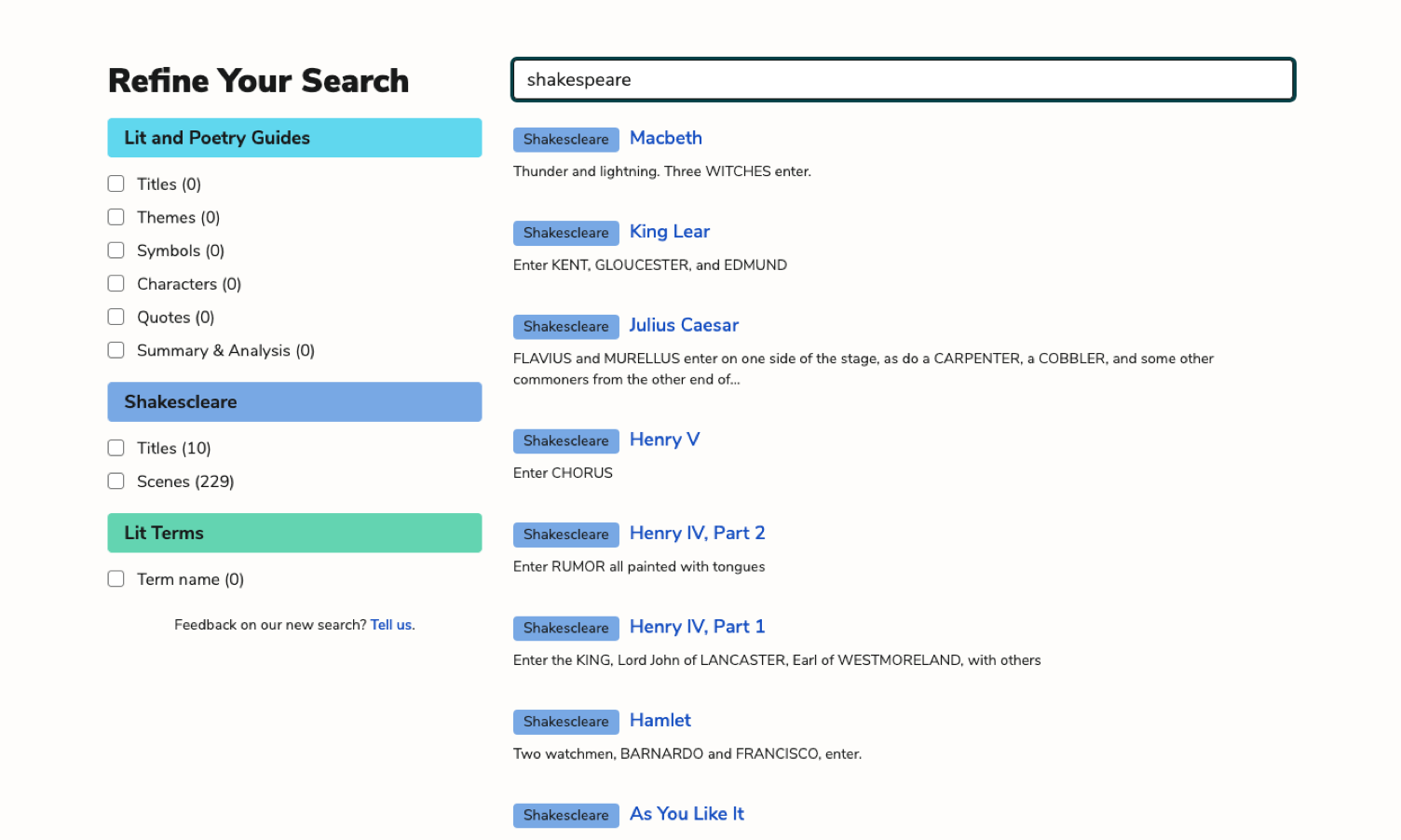

Related Themes
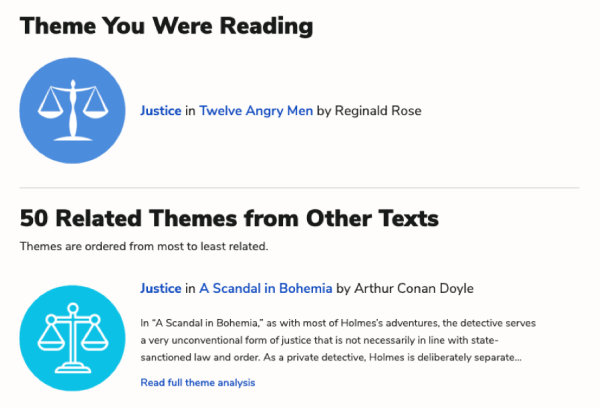
Comparing and contrasting texts? Find where any theme occurs across all of LitCharts in seconds.


Poetry Guides
Line-by-line explanations and analysis of figurative language and poetic devices.
For every lyric poem we cover.
For every lyric poem we cover.