
|
Have questions?
Contact us
Already a member? Sign in
|
Get every literary device explanation for Just MercyPlus so much more...
Sign up for LitCharts A+Get instant access to every literary device explanation, plus so much more...
Motif
Explanation and Analysis—Sorrow Songs:
In Chapter 16, after a successful hearing, Stevenson encounters an old woman who calls him a "stonecatcher." Her comments are a double-layered allusion that helps make sense of the book's singing motif:
She squeezed me a bit and then said, “Now, you keep this up and you’re gonna end up like me, singing some sad songs. Ain’t no way to do what we do and not learn how to appreciate a good sorrow song."
The woman instantly recognizes Stevenson as someone else who has committed his life to helping the helpless. She calls them both "stonecatchers," a title that, as Stevenson explains, alludes to a Christian parable about mercy. In the story, Jesus tells his followers that before throwing stones at sinners, they should consider whether they themselves have always behaved perfectly. Stevenson and this woman are surrounded by people throwing stones, heedless of this lesson. The woman recognizes how tired Stevenson is from catching stones before they can hit their targets.
While Stevenson is resting against her shoulder, the woman tells him that he needs to sing "sorrow songs" to cope with the ongoing struggle of catching stones. W.E.B. Du Bois coined the term "sorrow songs" in The Souls of Black Folk (a foundational work of sociology) to describe a genre of soulful vocal music developed by enslaved Black people as they labored on American plantations. Often religious and sometimes called "spirituals," these songs were a defiant expression of enslaved people's humanity under the most dehumanizing of conditions. Sometimes the songs were a way for enslaved people to pass messages to one another in code. The songs were instrumental in facilitating escape, rebellion, and forbidden relationships. Sometimes, though, the songs' only use was to express or cope with the experience of enslavement. Many of the songs that Stevenson hears his clients and others singing throughout the book were originally "sorrow songs." When a client is on his way to be executed in the most cruel and humiliating way, all he wants is a song for comfort.
One way to read the musical motif in Stevenson's book is as a reminder that mass incarceration of Black Americans is intimately linked to the system of slavery. These two systems are so disturbingly similar that they have the same soundscape. By invoking Du Bois's term for sorrow songs, the woman in this passage invites the reader to connect the motif with Du Bois's larger project in The Souls of Black Folk. Du Bois wrote his book in response to racist claims that Black Americans were unworthy of full citizenship because, supposedly, they were incapable of producing their own art and culture. Du Bois urges White readers especially to see sorrow songs as an artistic tradition that is just as legitimate and culturally significant as Western classical music. Essentially, he defines the genre of sorrow songs to prove that Black people are fully developed humans.
In light of Du Bois's musical project, it is apparent that sorrow songs connect Stevenson's clients not only to the institutional history they can never seem to escape, but also to the culture their communities have created and sustained themselves on through generations of oppression. They are making and appreciating art and culture, even and especially on death row. Stevenson thus uses music to show the reader that incarcerating a person or condemning them to die cannot make them less human.
Monthly
Annual (Best Value)

$595USD/mo
Charged $71.40 USD every year



 Teacher
$795USD/mo
Charged $95.40 USD every year
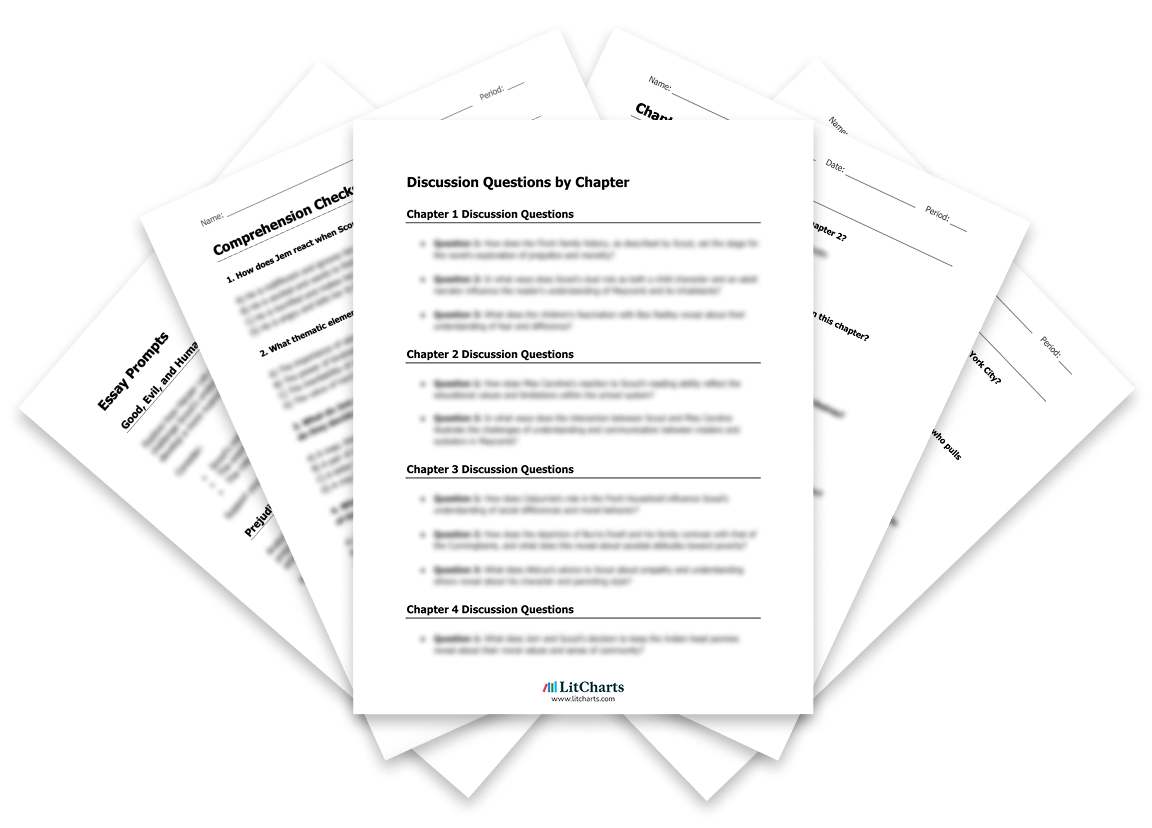


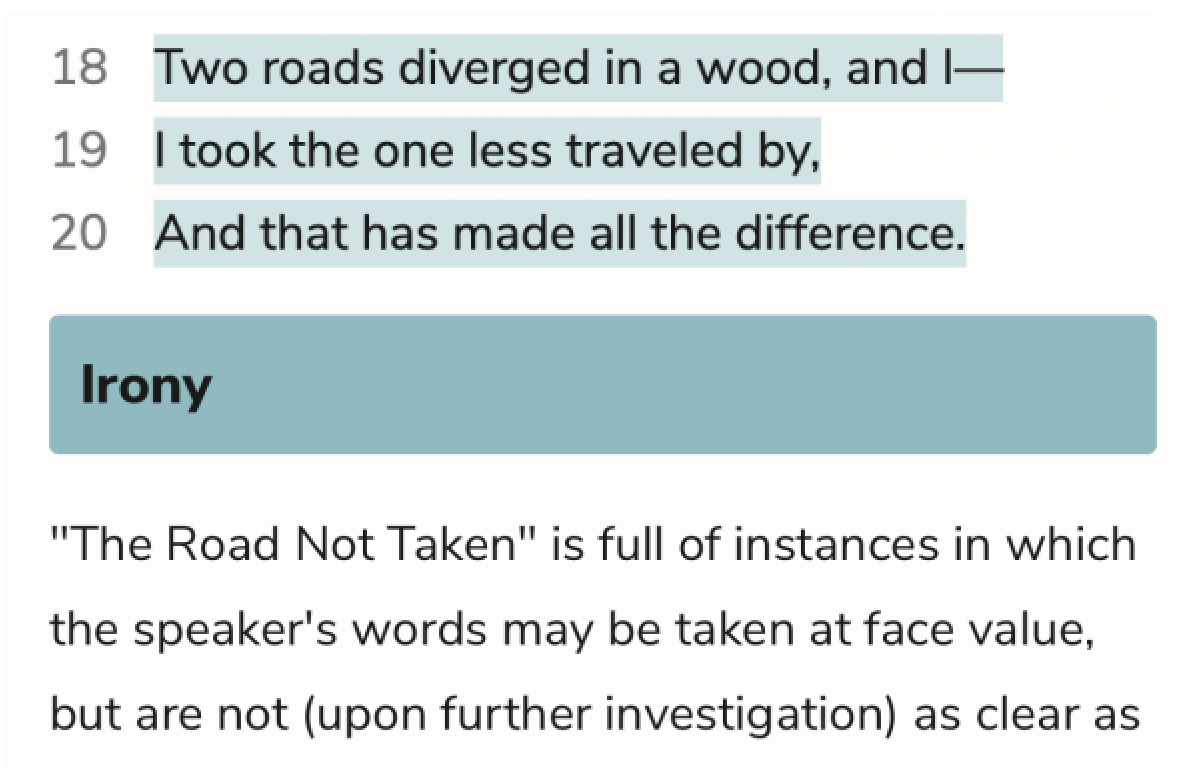
Literature Guide PDFs
LitCharts PDFs for every book you'll read this year.
Instant PDF downloads of all 2247 LitCharts literature guides and of every new one we publish. Try a free sample literature guide.
"Would not have made it through AP Literature without the printable PDFs. They're like having in-class notes for every discussion!"









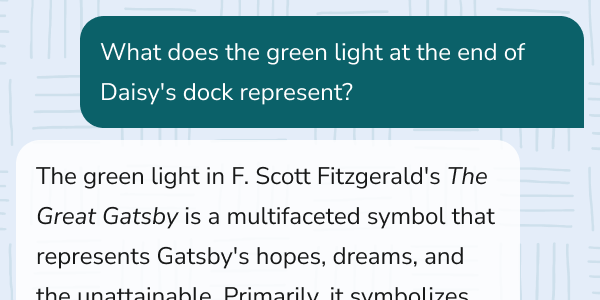
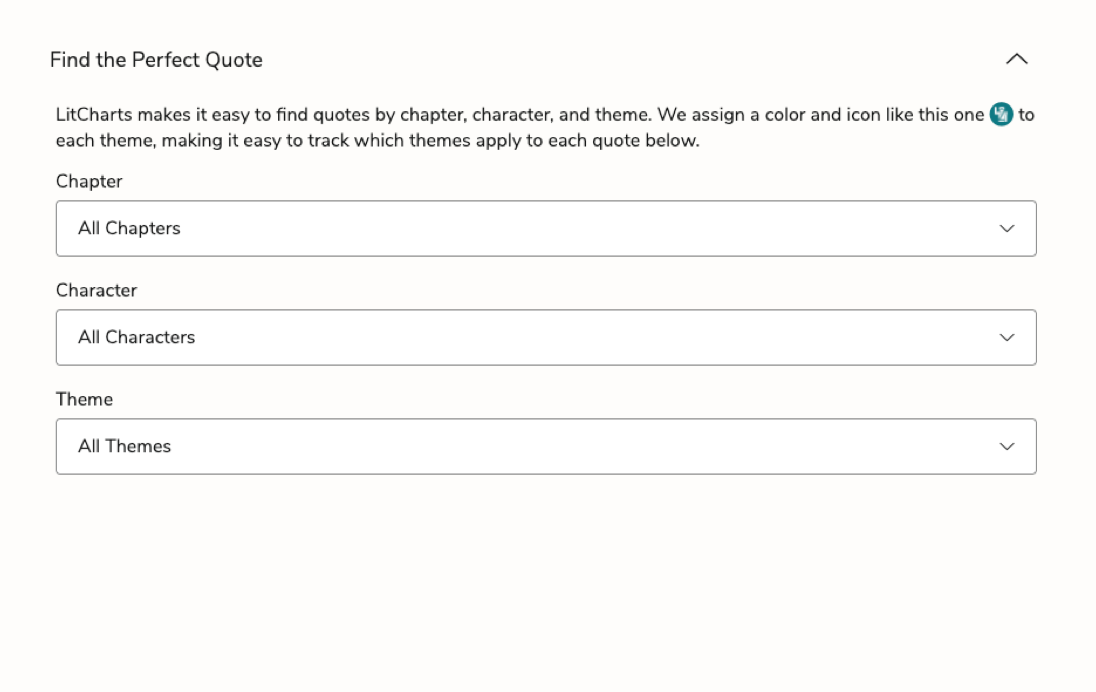
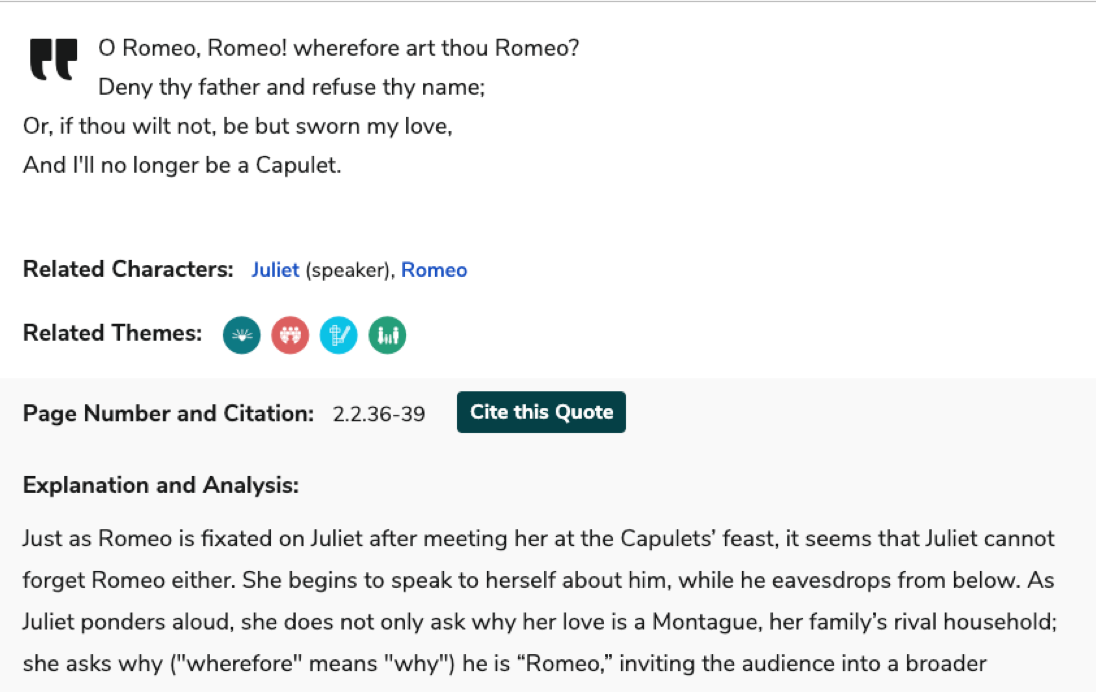
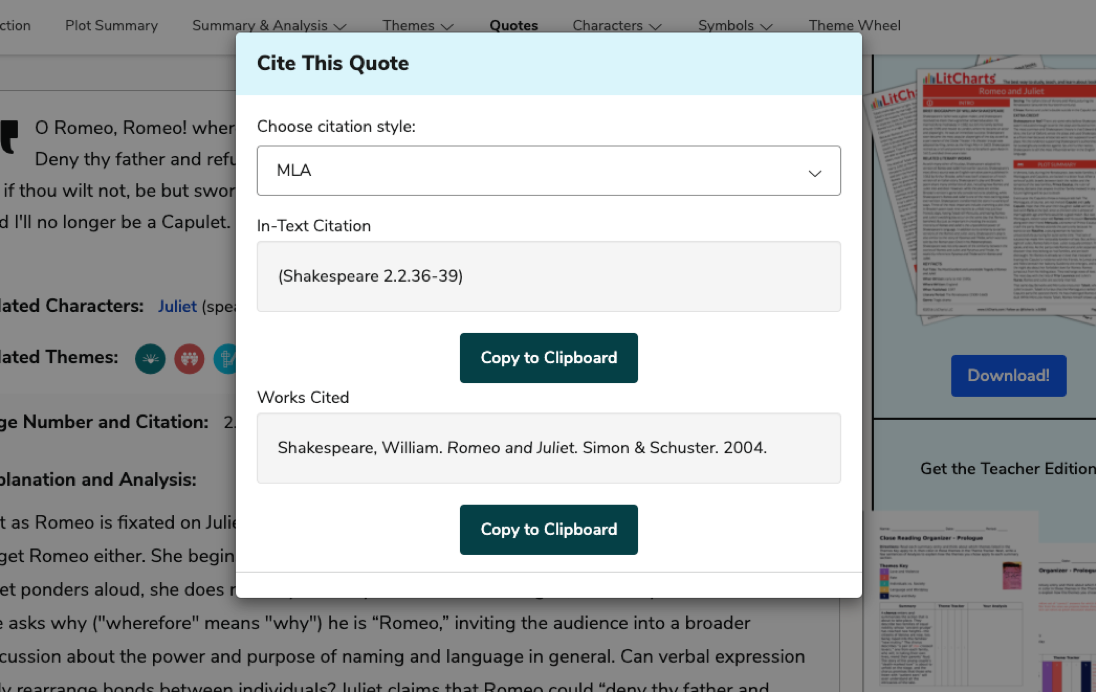
Quotes Explanations
Find the perfect quote. Understand it perfectly. Then rock the citation, too.
For all 50,101 quotes we cover.
For all 50,101 quotes we cover.


Teacher Editions
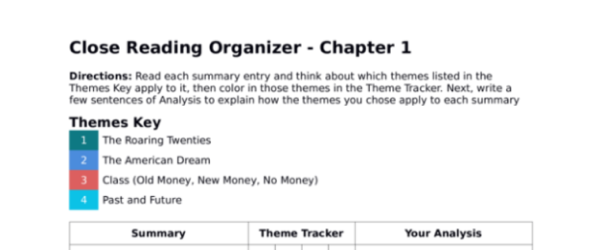
Close reading made easy for students.
Time saved for teachers.
For every book we cover.
Time saved for teachers.
For every book we cover.


Common Core-aligned


PDFs of modern translations of every one of Shakespeare's 37 plays, 154 sonnets, and 3 longer poems.

Literary Terms and Devices
Definitions and examples for every literary term and device you need to know.
Plus a quick-reference PDF with concise definitions of all 136 terms in one place.
Plus a quick-reference PDF with concise definitions of all 136 terms in one place.
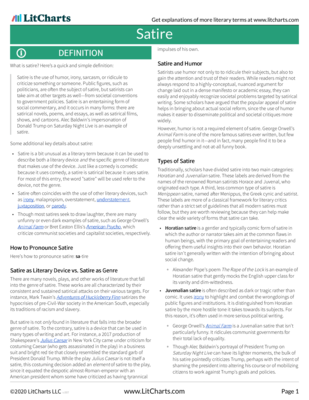
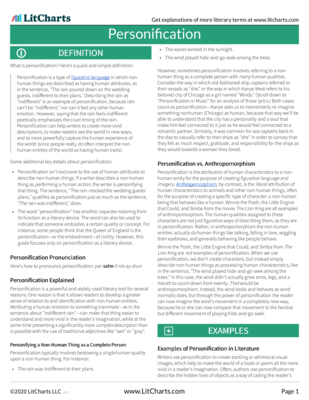
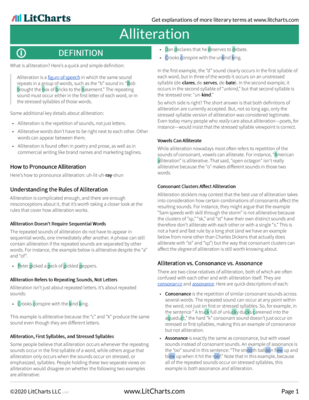
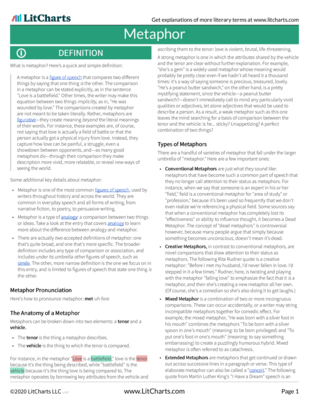
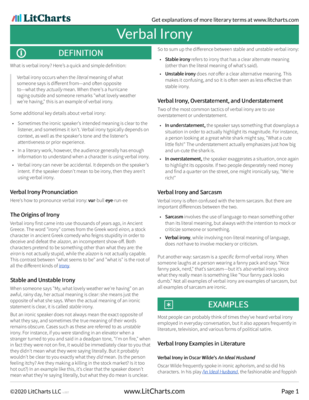
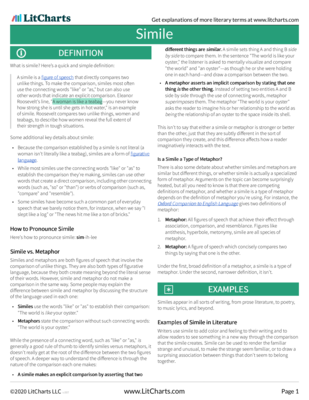
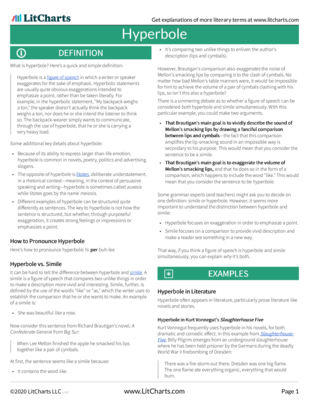
Try a free sample literary term PDF.


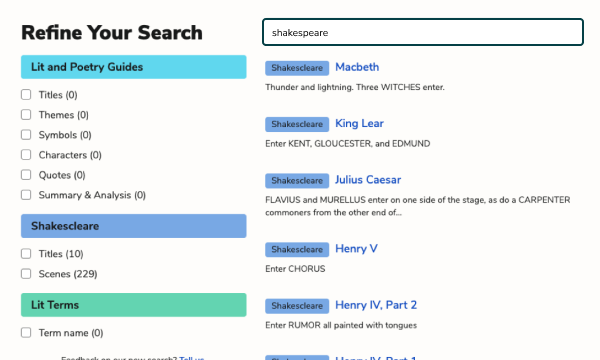
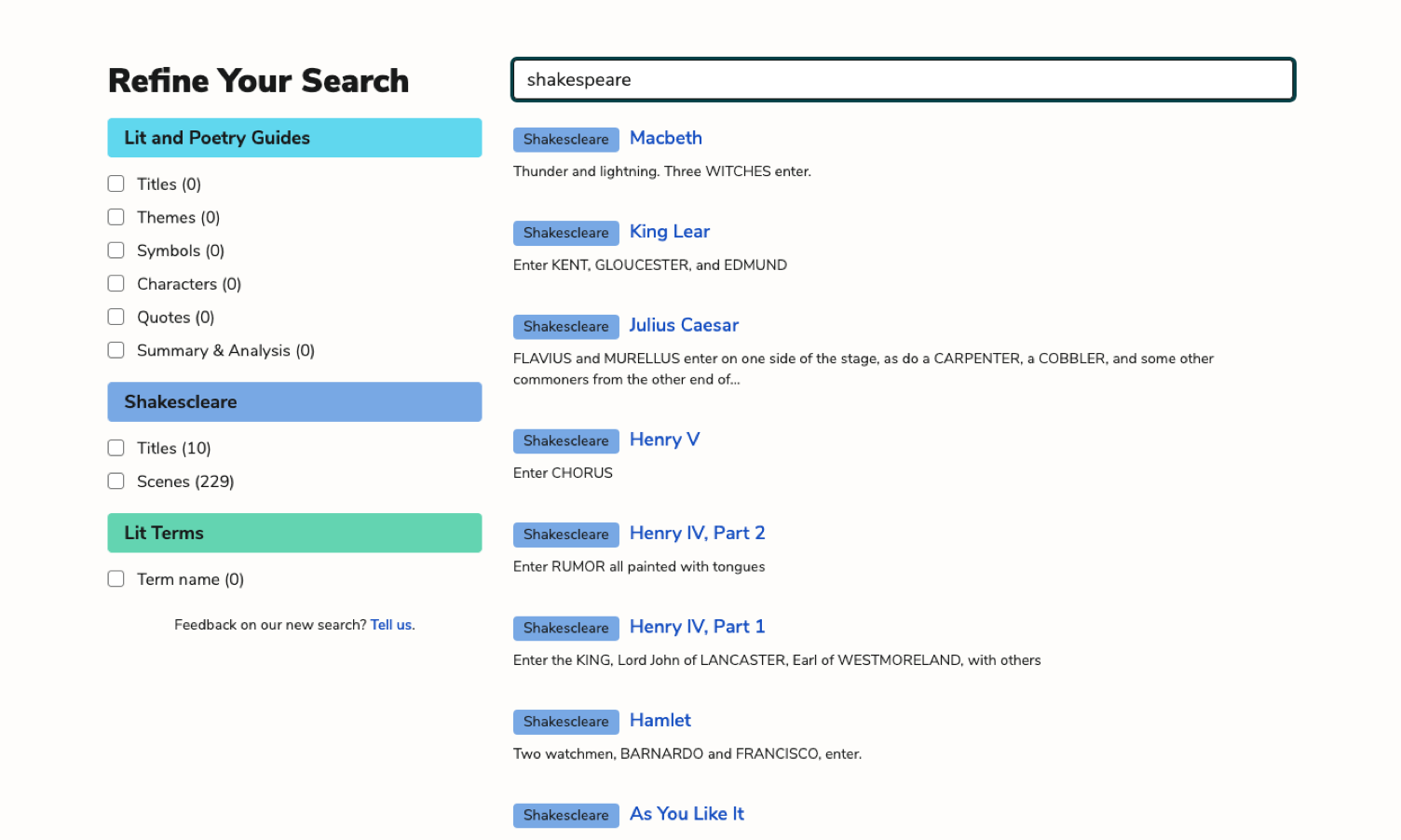
Advanced Search
Refine any search. Find related themes, quotes, symbols, characters, and more.

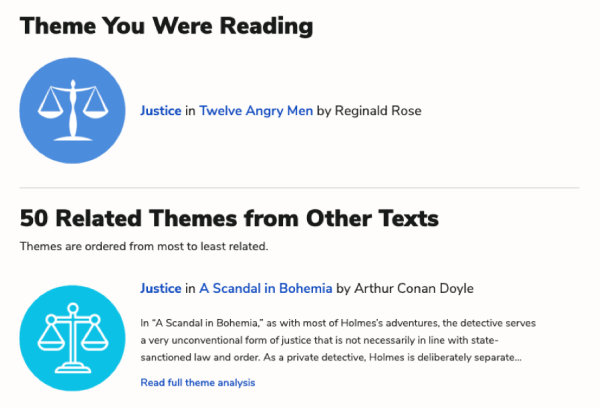
Related Themes
Comparing and contrasting texts? Find where any theme occurs across all of LitCharts in seconds.


Poetry Guides
Line-by-line explanations and analysis of figurative language and poetic devices.
For every lyric poem we cover.
For every lyric poem we cover.