
|
Have questions?
Contact us
Already a member? Sign in
|
Get every literary device explanation for Self-ReliancePlus so much more...
Sign up for LitCharts A+Get instant access to every literary device explanation, plus so much more...
Motif
Explanation and Analysis—Time vs. Timelessness:
In a motif, Emerson contrasts the essential, timeless truths of nature with the societal conception of linear time:
These roses under my window make no reference to former roses or to better ones [...] There is no time to them. There is simply the rose; it is perfect in every moment of its existence.
Through this motif, he argues that the timelessness of nature allows for a greater sense of contentment. The roses, because they exist outside of human ideas of time, can simply be exactly what they are. This makes them a perfect embodiment of transcendentalist ideals. Because they can’t compare themselves to former or better roses, the roses are entirely self-reliant. This timelessness allows nature to be in the exact moment it’s in—not living in the past or worrying about the future.
Similarly, Emerson uses this motif to argue against the idea that the past should provide models for the future:
Is the acorn better than the oak which is its fullness and completion? Is the parent better than the child into whom he has cast his ripened being?
An oak tree is generally considered to be more evolved and beautiful than an acorn, even though the acorn came before the oak tree. In the same way, each generation can be seen as even more evolved than the last, even though they came later. Emerson doesn’t think that society should valorize the past. But he doesn’t think the future is always better than the past, either. In fact, he argues against the idea that society always progresses as it develops:
The civilized man has built a coach, but has lost the use of his feet. He is supported on crutches, but lacks so much support of muscle.
The development of a coach or of crutches can be seen as a sign of progress. But Emerson argues that these kinds of progress cause losses, too—new technology can make people lose old ways of doing things. Without walking, we use our feet less. While using crutches, muscles weaken. Emerson is arguing against the notion that the most advanced or recent version of something is inherently the best.
Instead of looking to the past or focusing on progress, then, Emerson believes that fulfillment comes from connection with essential truths that exist outside of a particular time.
Monthly
Annual (Best Value)

$595USD/mo
Charged $71.40 USD every year
 Teacher
$795USD/mo
Charged $95.40 USD every year
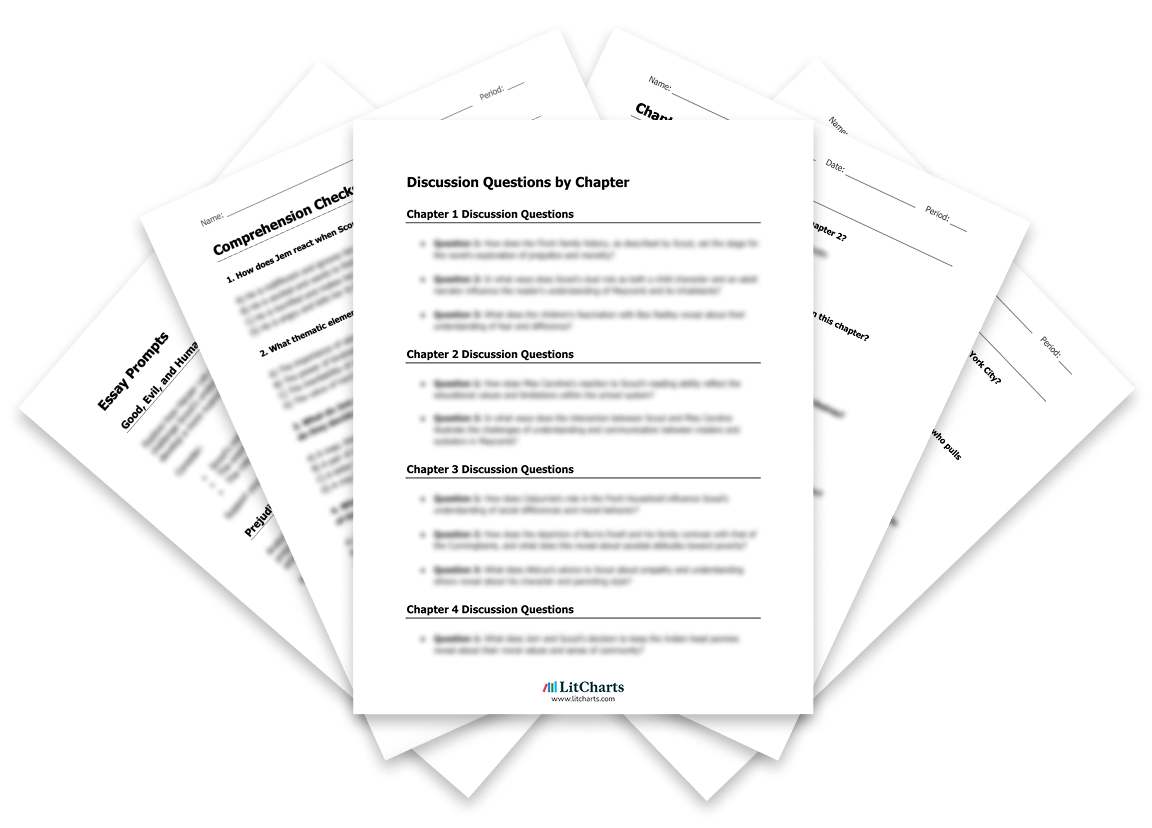


Literature Guide PDFs
LitCharts PDFs for every book you'll read this year.
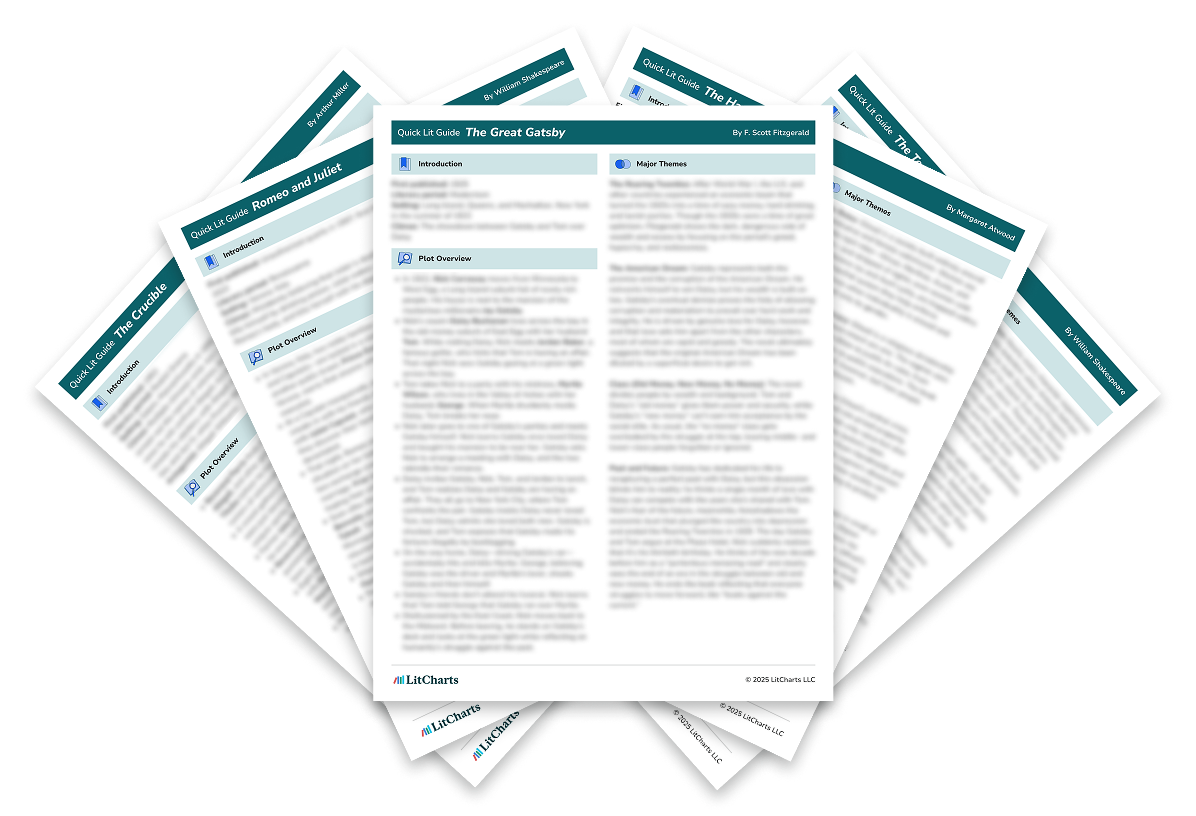
Instant PDF downloads of all 2247 LitCharts literature guides and of every new one we publish. Try a free sample literature guide.
"Would not have made it through AP Literature without the printable PDFs. They're like having in-class notes for every discussion!"


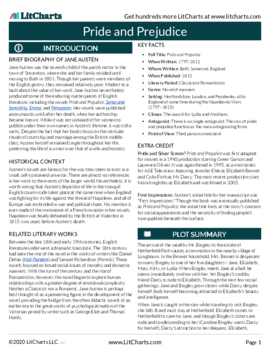


Quotes Explanations
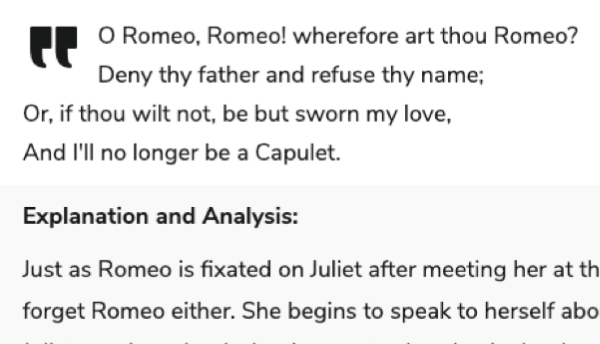
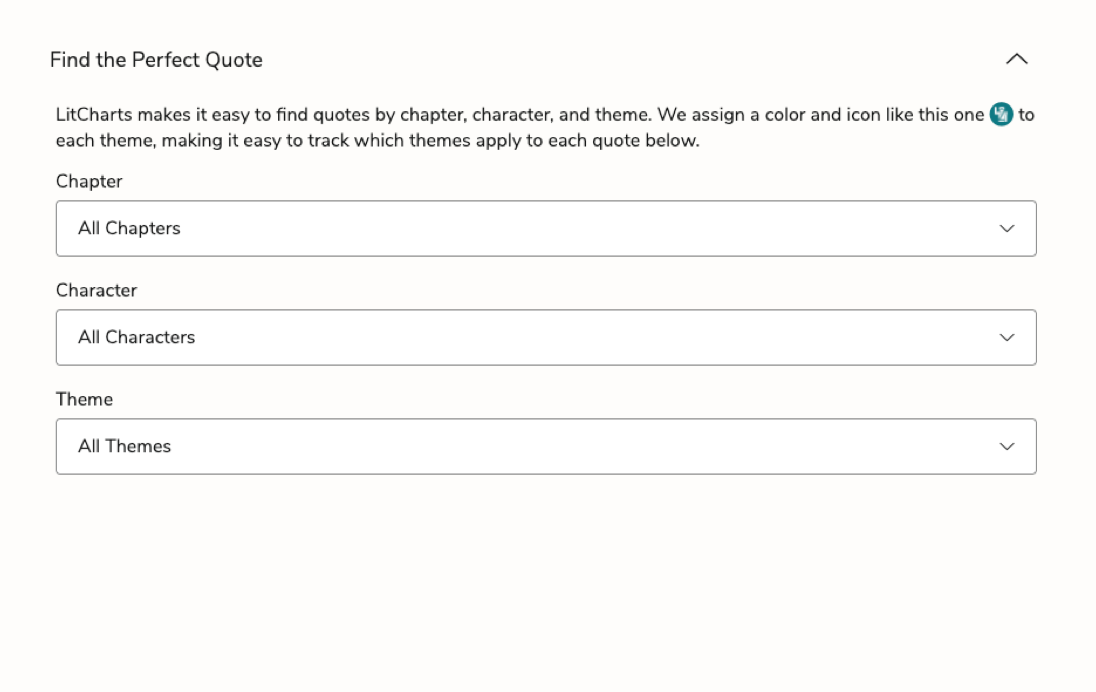
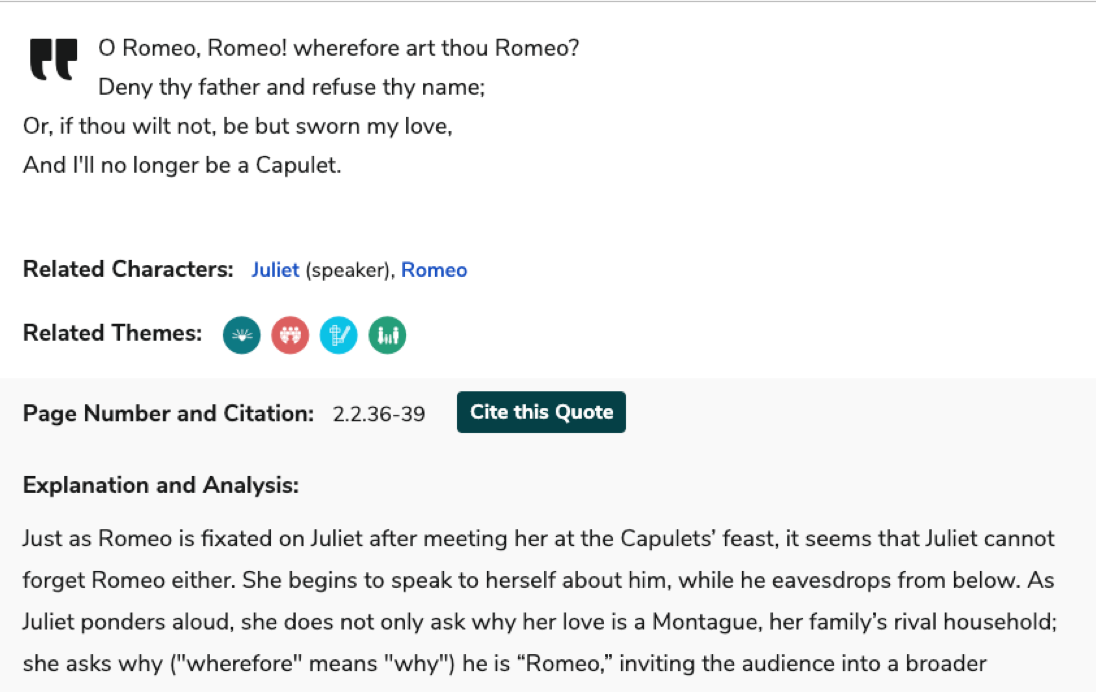
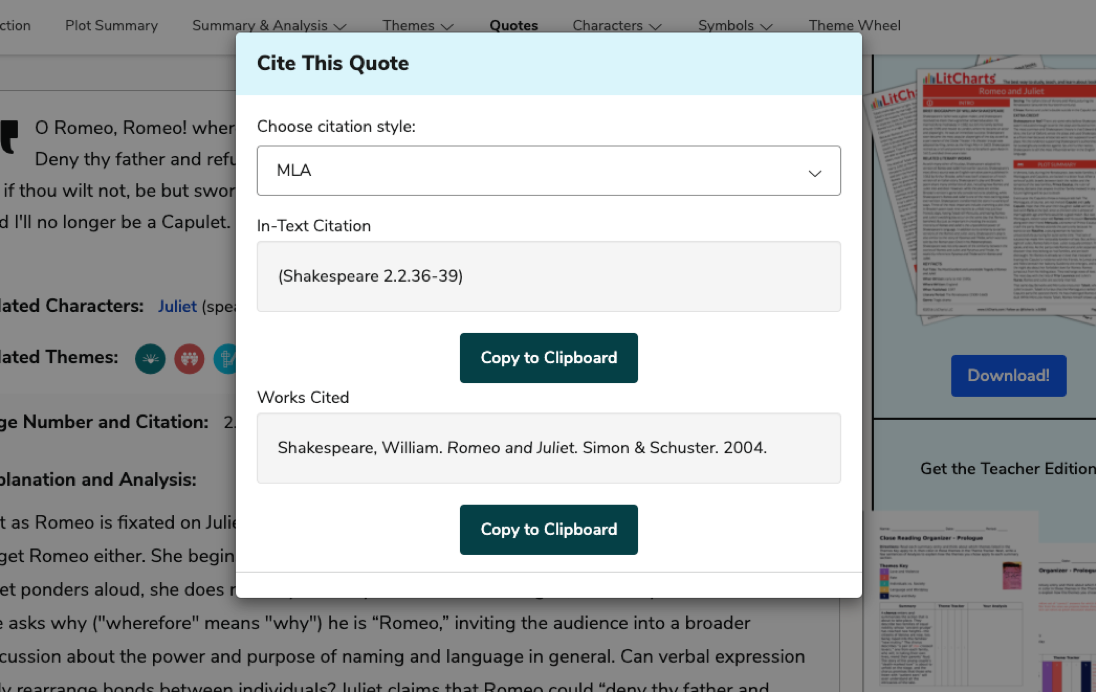
Find the perfect quote. Understand it perfectly. Then rock the citation, too.
For all 50,101 quotes we cover.
For all 50,101 quotes we cover.


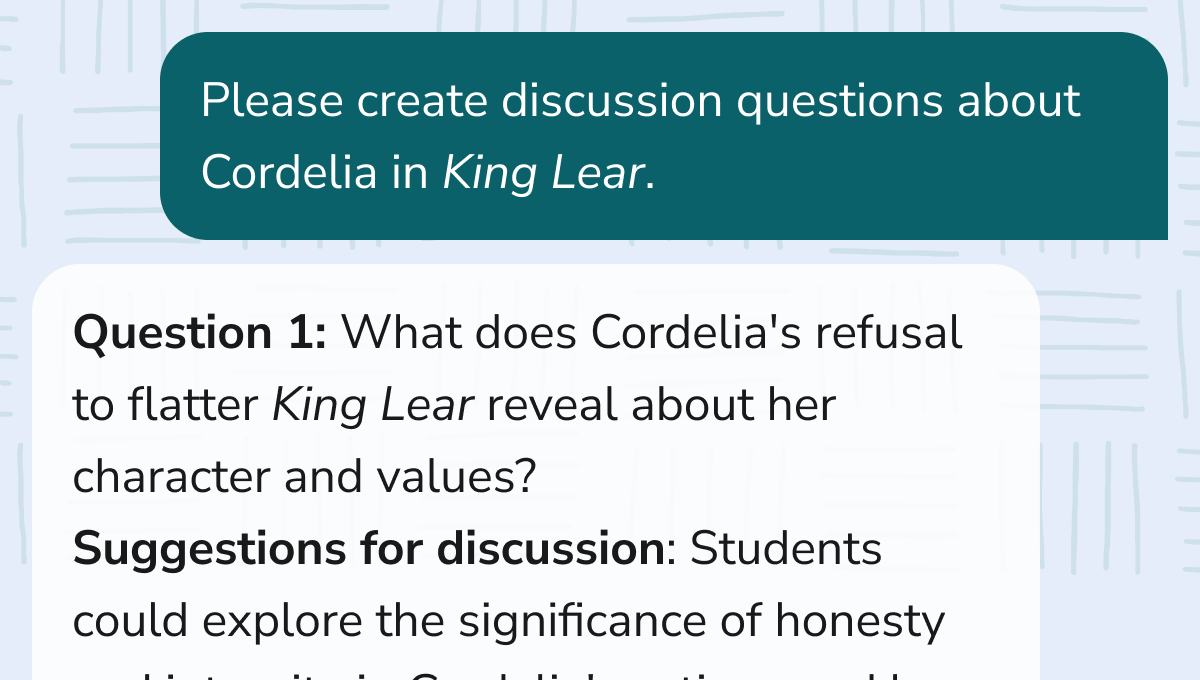
Teacher Editions
Close reading made easy for students.
Time saved for teachers.
For every book we cover.
Time saved for teachers.
For every book we cover.


Common Core-aligned


PDFs of modern translations of every one of Shakespeare's 37 plays, 154 sonnets, and 3 longer poems.

Literary Terms and Devices
Definitions and examples for every literary term and device you need to know.
Plus a quick-reference PDF with concise definitions of all 136 terms in one place.
Plus a quick-reference PDF with concise definitions of all 136 terms in one place.
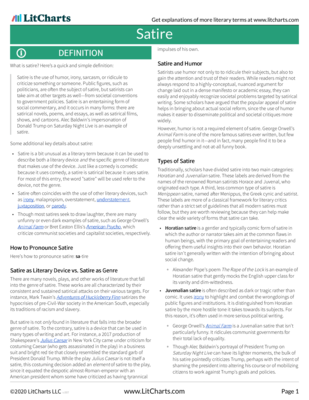
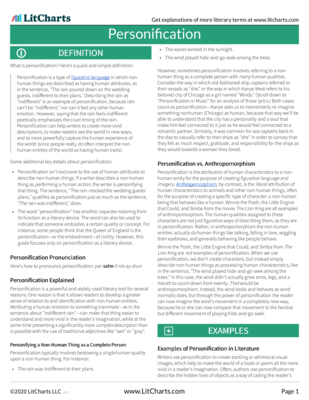
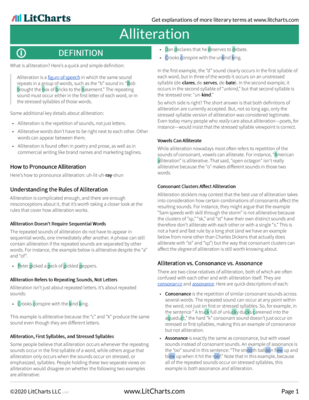
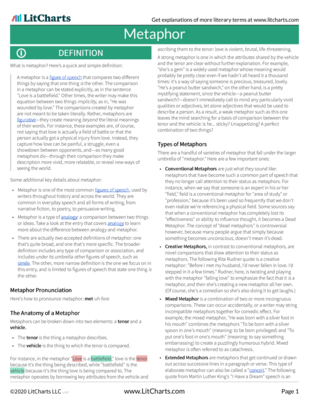
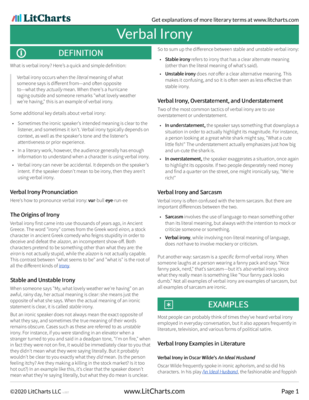
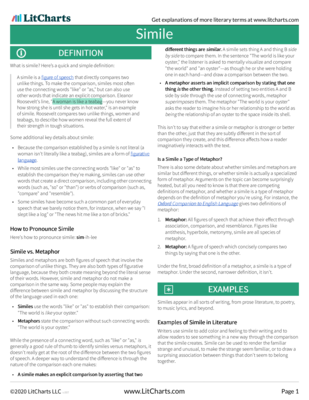
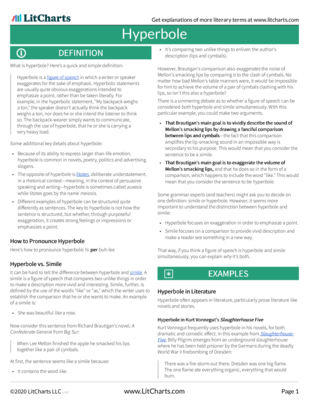
Try a free sample literary term PDF.

Advanced Search
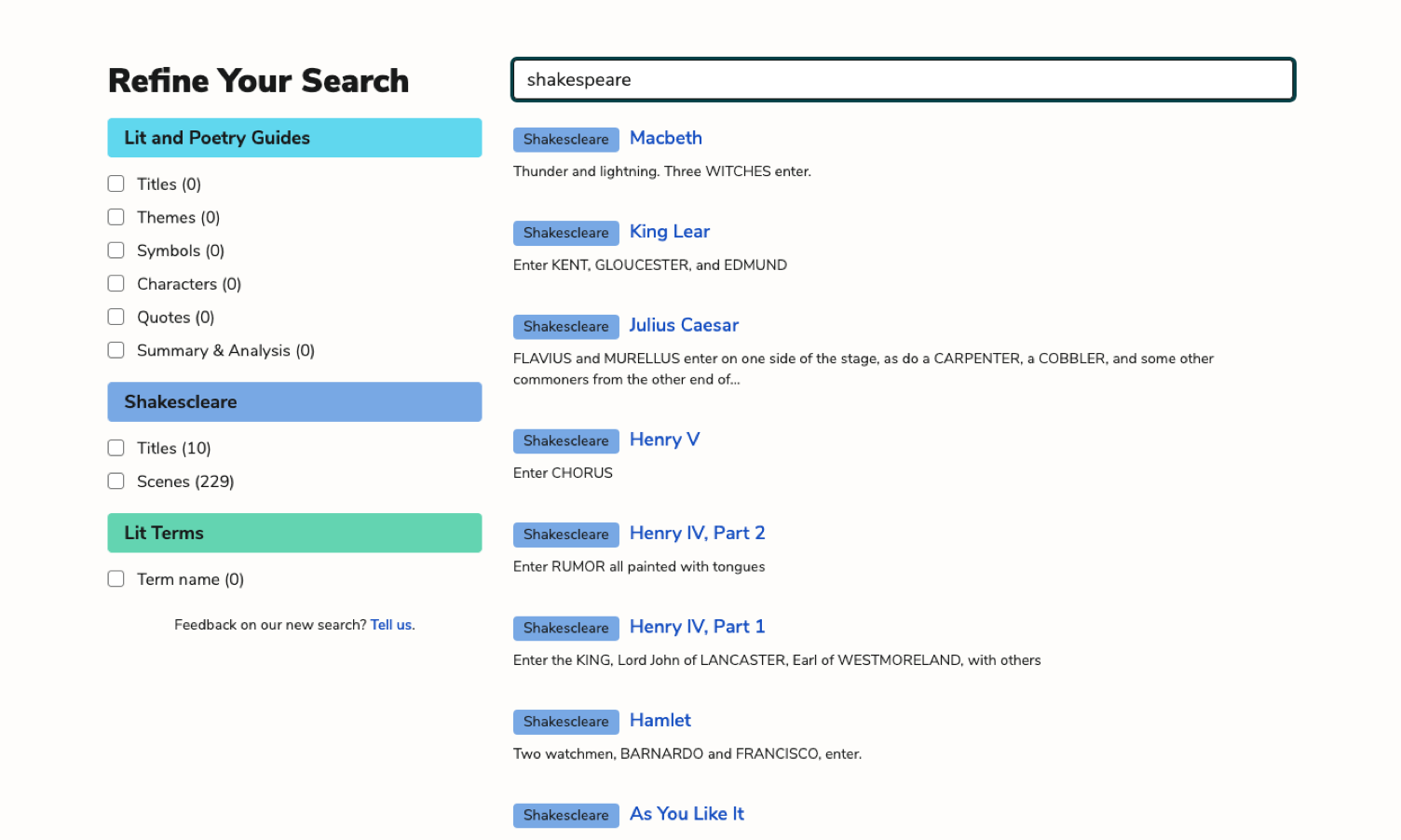
Refine any search. Find related themes, quotes, symbols, characters, and more.
Related Themes
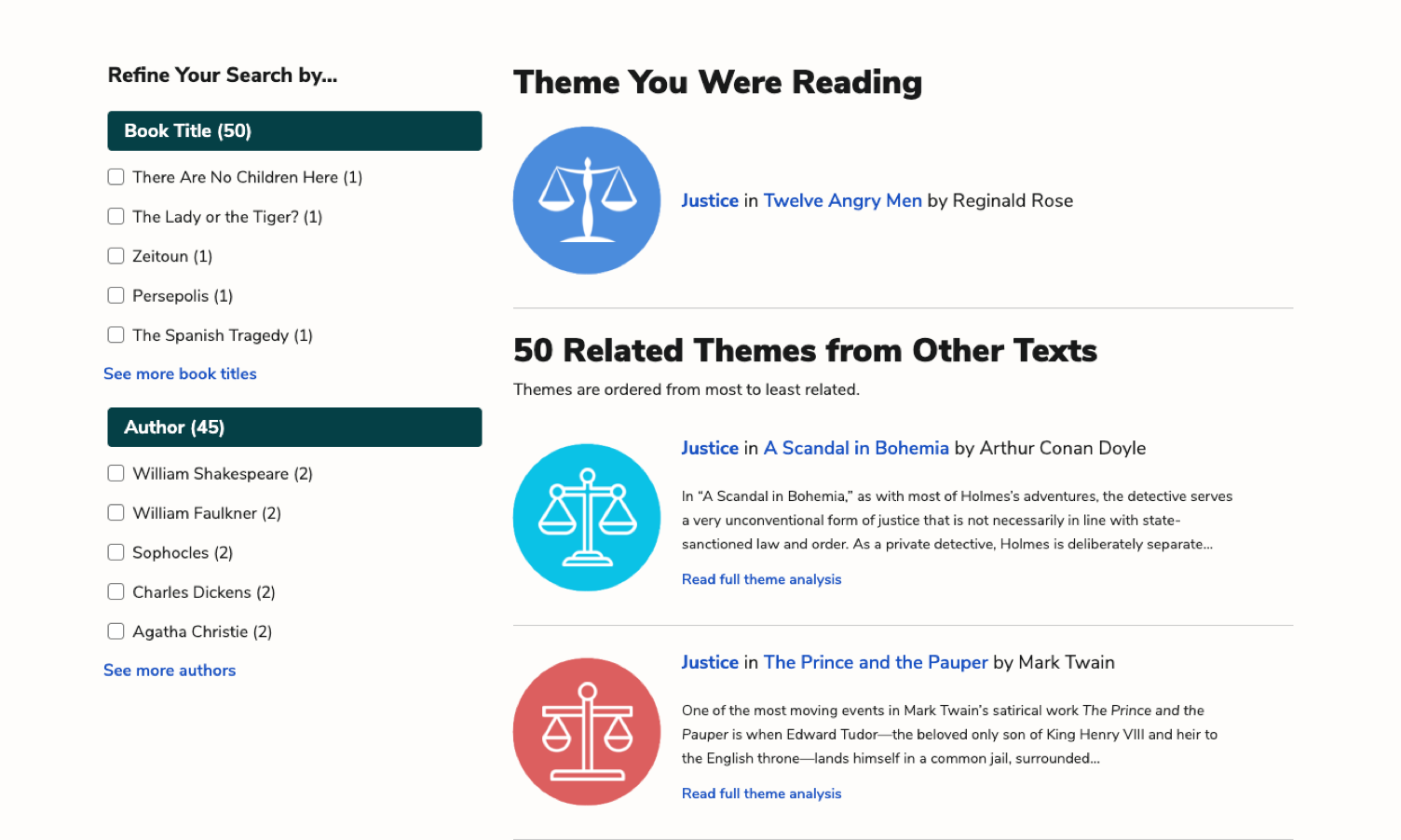
Comparing and contrasting texts? Find where any theme occurs across all of LitCharts in seconds.

Poetry Guides
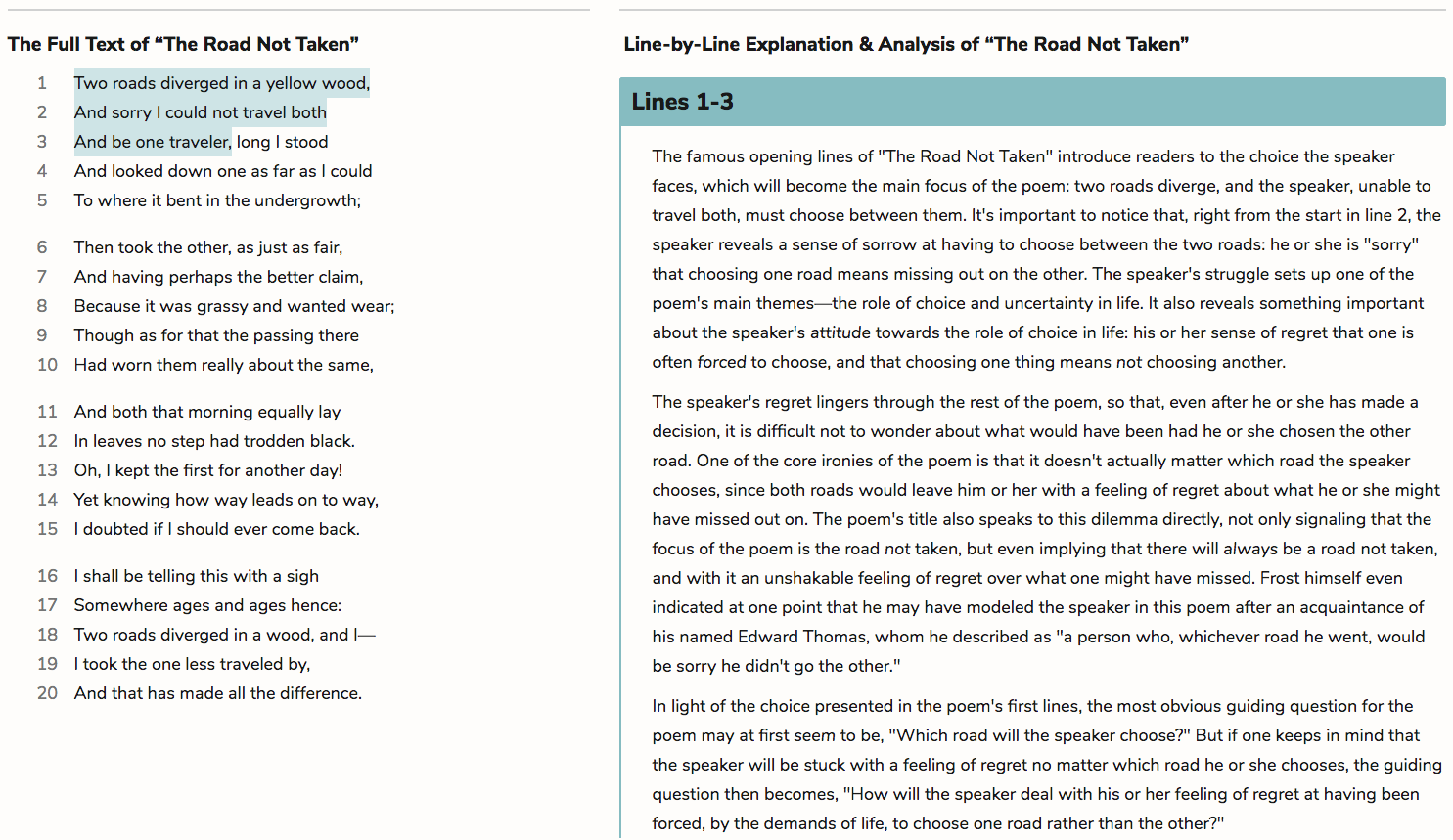
Line-by-line explanations and analysis of figurative language and poetic devices.
For every lyric poem we cover.
For every lyric poem we cover.