
|
Have questions?
Contact us
Already a member? Sign in
|
Get every literary device explanation for Around the World in Eighty DaysPlus so much more...
Sign up for LitCharts A+Get instant access to every literary device explanation, plus so much more...
Motif
Explanation and Analysis—Cross-Cultural Encounters:
As its title suggest, the novel is about a trip around the world, and one of its motifs is cross-cultural encounters. It always explores these encounters from a European point of view. For example, in Chapter 12, Aouda makes her first appearance in a scene wrought with harmful stereotypes about Indian culture:
This woman was young, and as fair as a European. Her head and neck, shoulders, ears, arms, hands, and toes, were loaded down with jewels and gems,—with bracelets, earrings, and rings; while a tunic bordered with gold, and covered with a light muslin robe, betrayed the outline of her form.
When Aouda first appears, she is portrayed as a victim of the excesses of her Indian culture. "As fair as a European," her skin color makes her seem more familiar and more human to the white European characters than the darker-skinned people who are going to sacrifice her. The jewelry "loading her down" suggests that she is being crushed under the "brahmins'" culture of excess. They are so invested in displays of wealth, the novel seems to be saying, that they are willing to throw Aouda's precious human life away in a senseless act of human sacrifice. The European characters sharpen their own sense of right and wrong in cross-cultural encounters such as this one. This is one of the first moments when Fogg agrees to throw his schedule aside; within the context of the novel, this confrontation with so-called Indian culture (or its stereotype) teaches Fogg about honor.
In Chapter 22, the reader sees Japan through Passepartout's eyes. Although there are still some racist judgments in this passage, it is comparatively more respectful than the depiction of Indian culture or even Chinese culture. Passepartout seems to hold Japan, as an imperial nation itself, in higher esteem than some other nations.
Meanwhile, in Chapter 25, Fogg and his party attend a political rally in San Francisco. Fogg narrowly avoids being beaten with a cane by Colonel Stamp Proctor:
A big brawny fellow with a red beard, flushed face, and broad shoulders, who seemed to be the chief of the band, raised his clenched fist to strike Mr. Fogg, whom he would have given a crushing blow, had not Fix rushed in and received it in his stead. An enormous bruise immediately made its appearance under the detective’s silk hat, which was completely smashed in.
“Yankee!” exclaimed Mr. Fogg, darting a contemptuous look at the ruffian.
“Englishman!” returned the other. “We will meet again!”
“When you please.” (Chapter 25)
They call each other "Yankee" and "Englishman," emphasizing that they see one another as national stereotypes. Americans were seen as less restrained and more physically violent than English people, especially when it came to politics. The near-caning at a political rally may have reminded readers of the infamous caning of Charles Sumner on the Senate floor in 1856. Sumner insulted two Southern senators in an impassioned speech against the admission of Kansas to the Union as a state that allowed slavery. In retaliation, Preston Brookes (a colleague of those senators) attacked Sumner with a cane and inflicted a serious head injury. The encounter between Fogg and Proctor teaches Fogg that it is honorable to stand up for himself, but it also helps him and the reader reflect on the excesses of American passion in such a situation.
Monthly
Annual (Best Value)

$595USD/mo
Charged $71.40 USD every year


 Teacher
$795USD/mo
Charged $95.40 USD every year
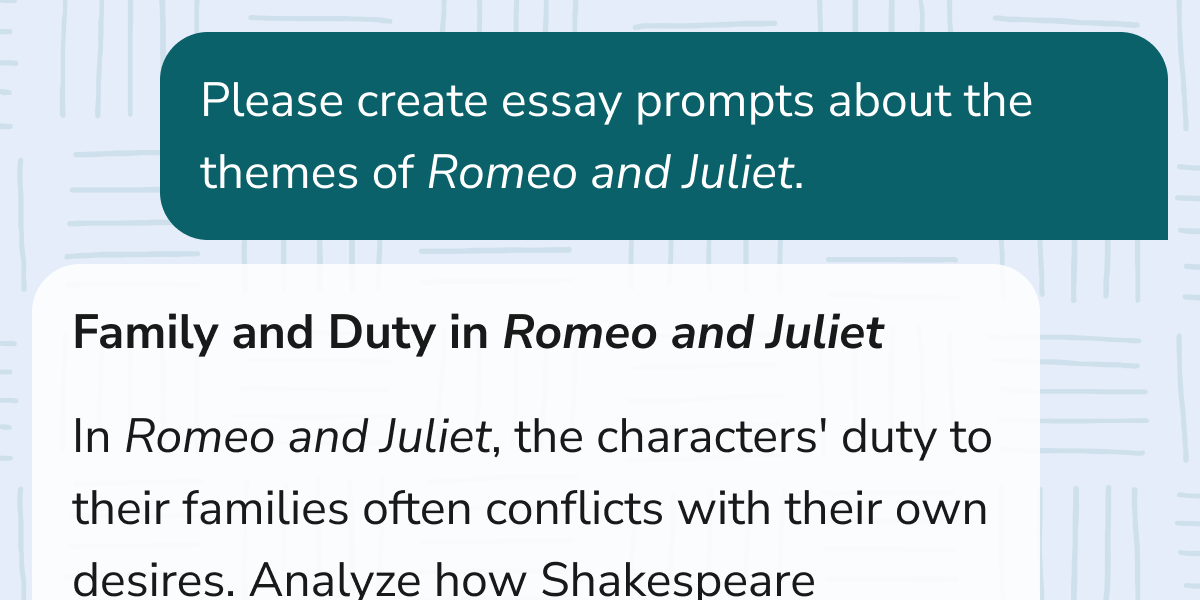
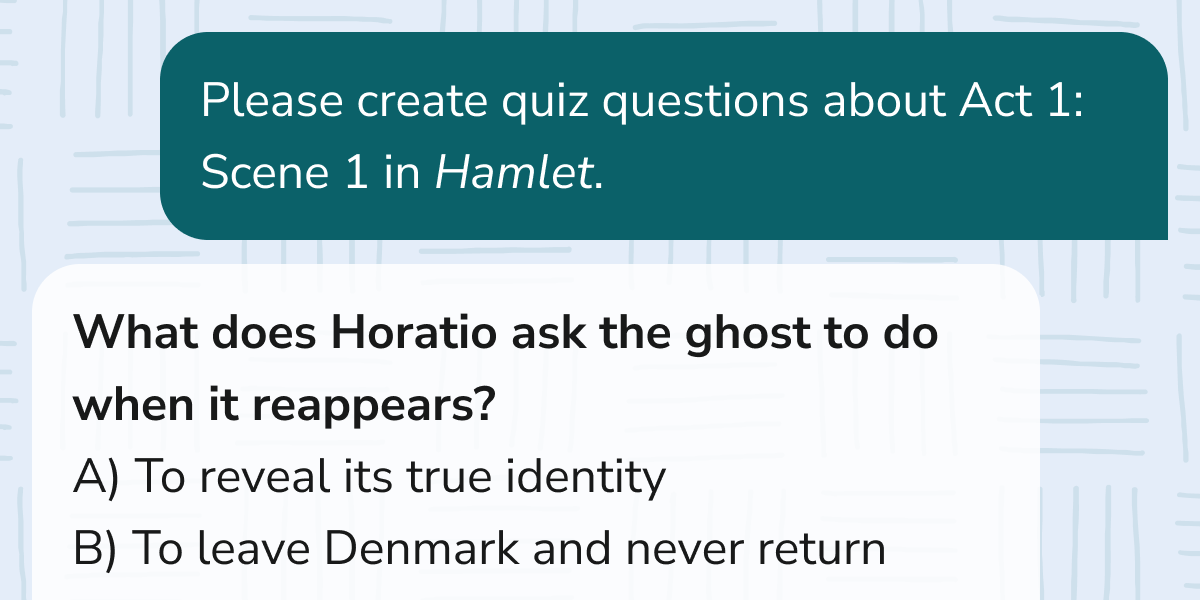


Literature Guide PDFs
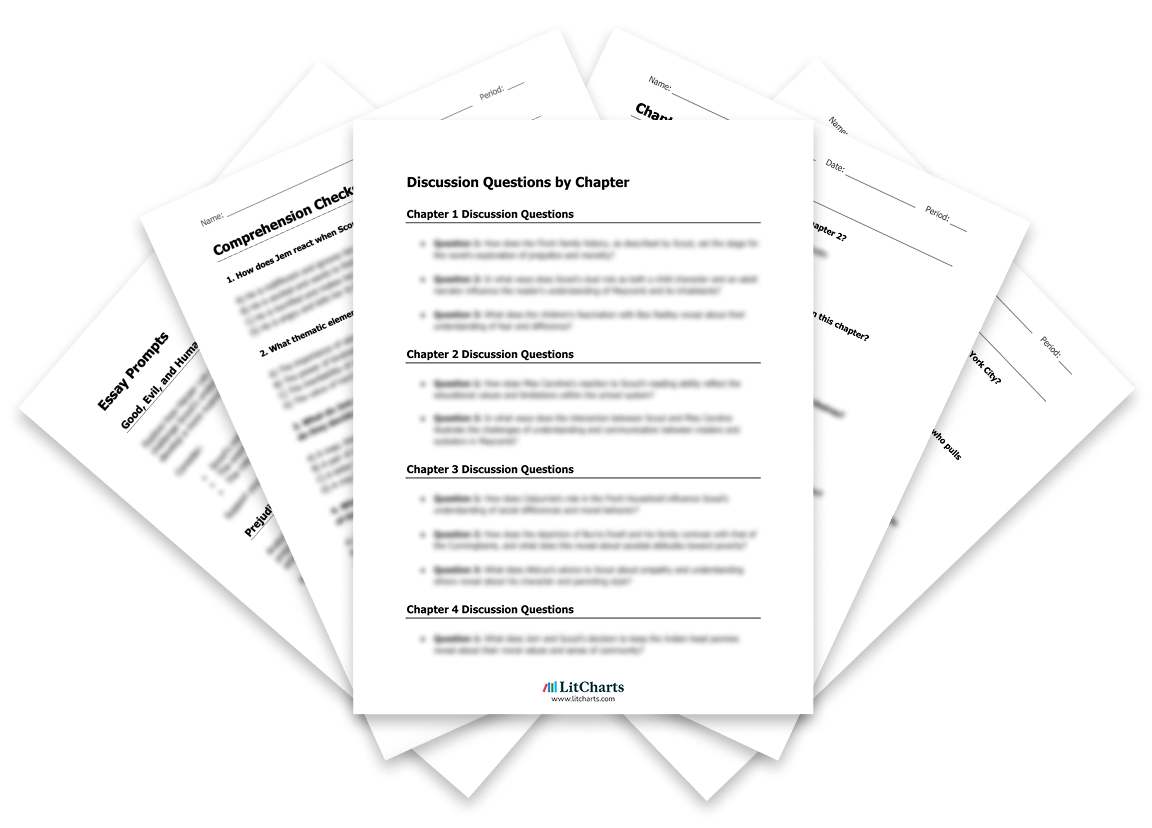
LitCharts PDFs for every book you'll read this year.
Instant PDF downloads of all 2245 LitCharts literature guides and of every new one we publish. Try a free sample literature guide.
"Would not have made it through AP Literature without the printable PDFs. They're like having in-class notes for every discussion!"









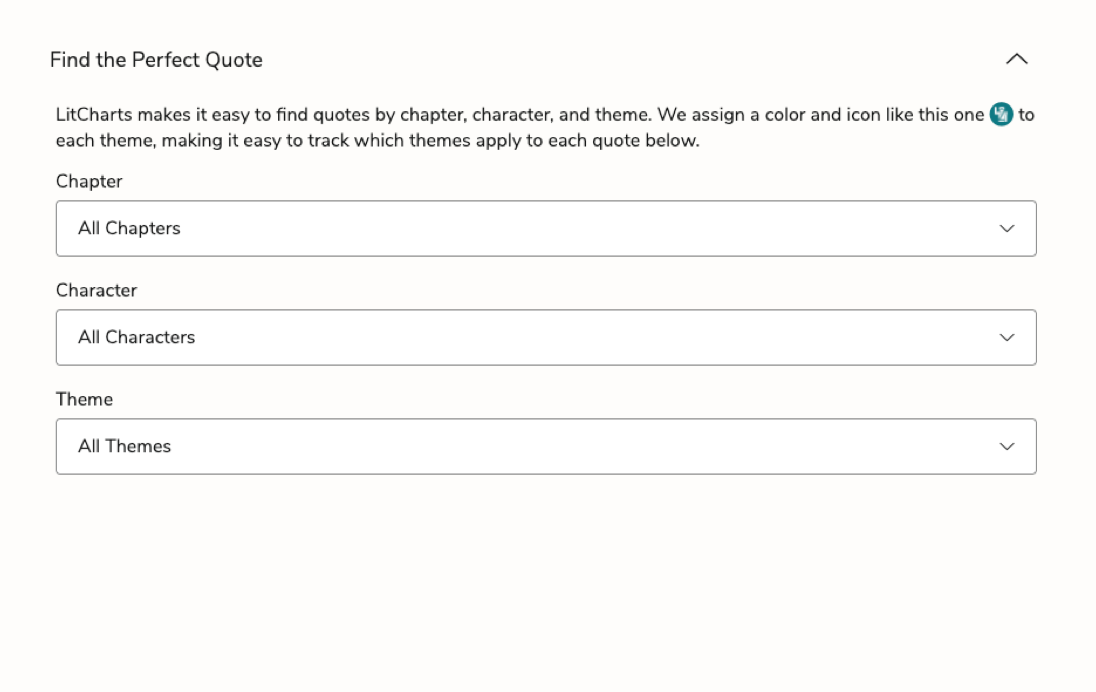
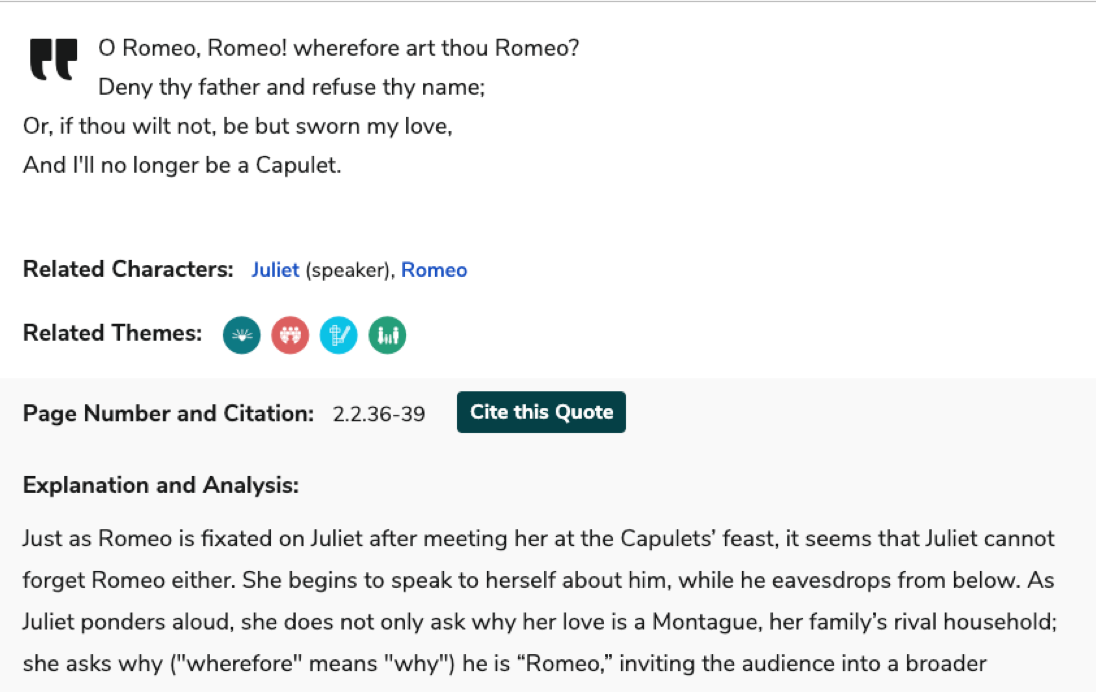
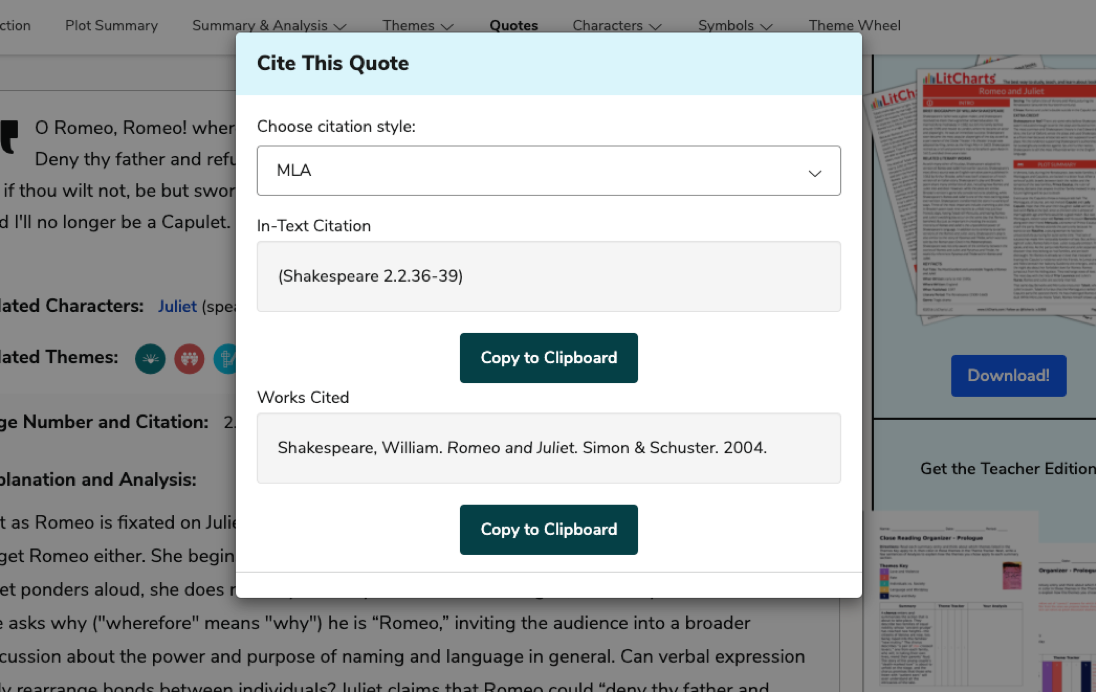
Quotes Explanations
Find the perfect quote. Understand it perfectly. Then rock the citation, too.
For all 50,066 quotes we cover.
For all 50,066 quotes we cover.


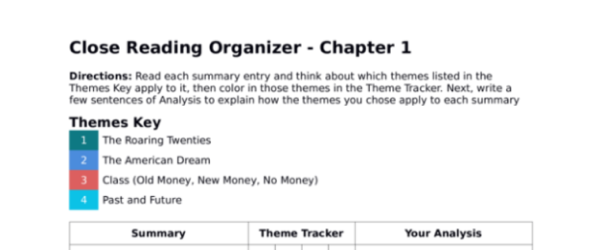
Teacher Editions
Close reading made easy for students.
Time saved for teachers.
For every book we cover.
Time saved for teachers.
For every book we cover.


Common Core-aligned


PDFs of modern translations of every one of Shakespeare's 37 plays, 154 sonnets, and 3 longer poems.

Literary Terms and Devices
Definitions and examples for every literary term and device you need to know.
Plus a quick-reference PDF with concise definitions of all 136 terms in one place.
Plus a quick-reference PDF with concise definitions of all 136 terms in one place.
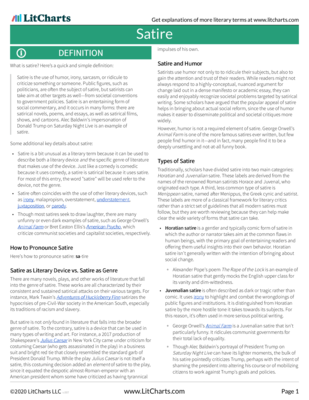
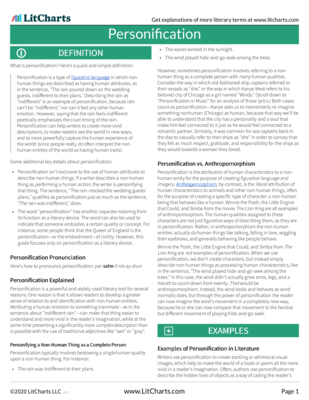
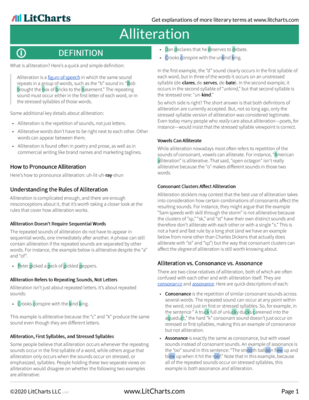
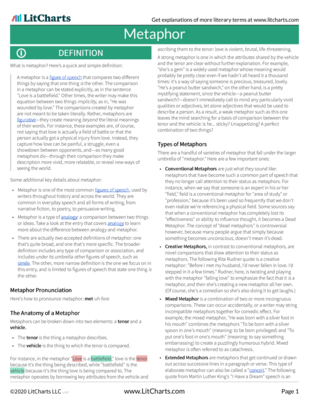
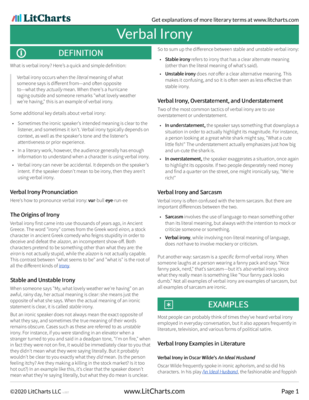
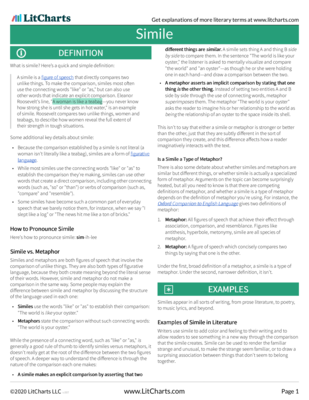
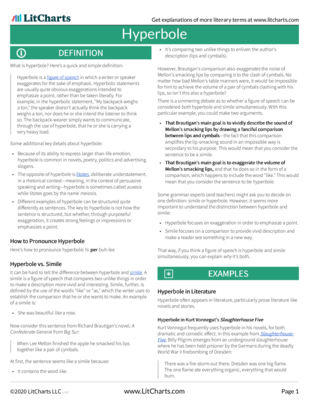
Try a free sample literary term PDF.


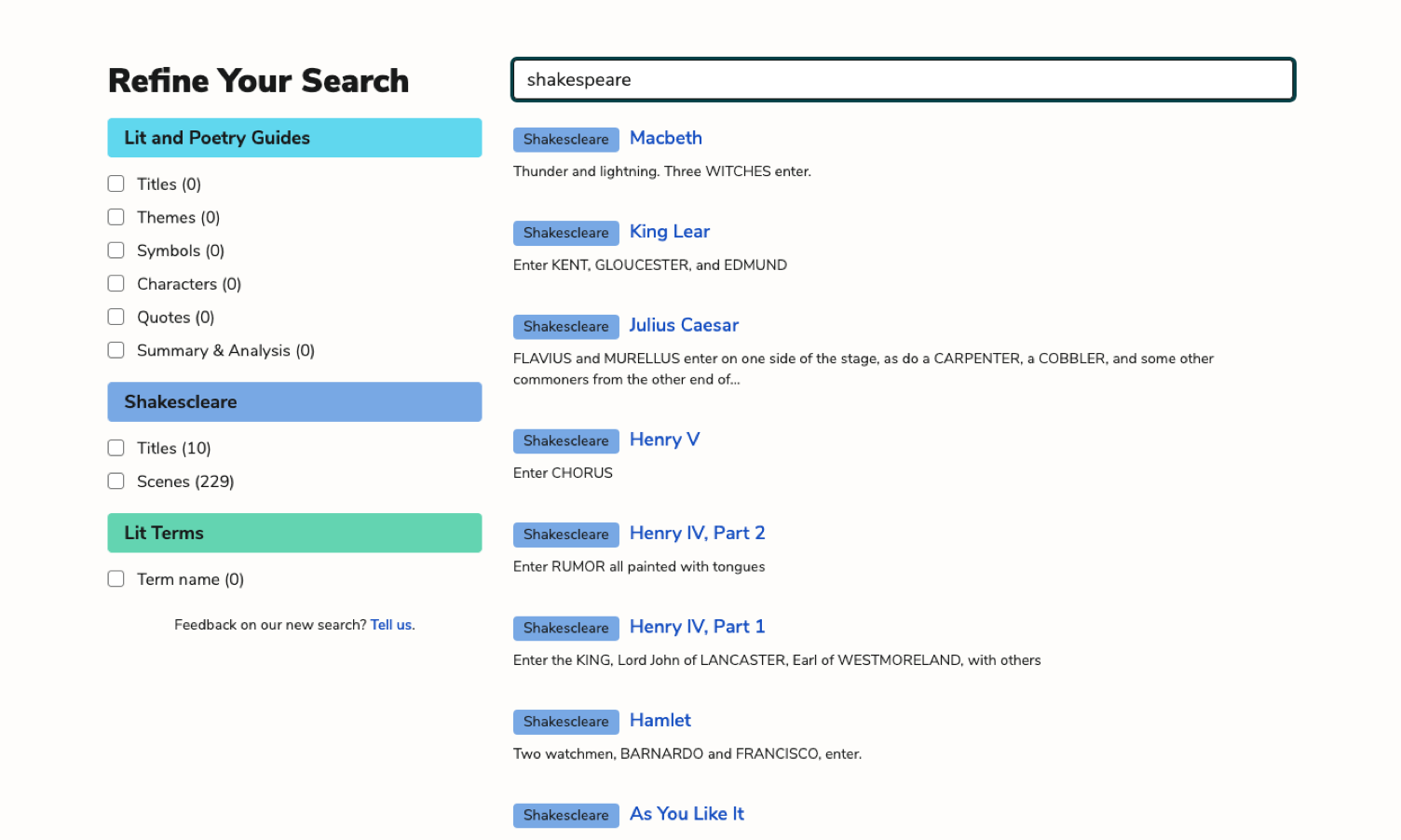
Advanced Search
Refine any search. Find related themes, quotes, symbols, characters, and more.

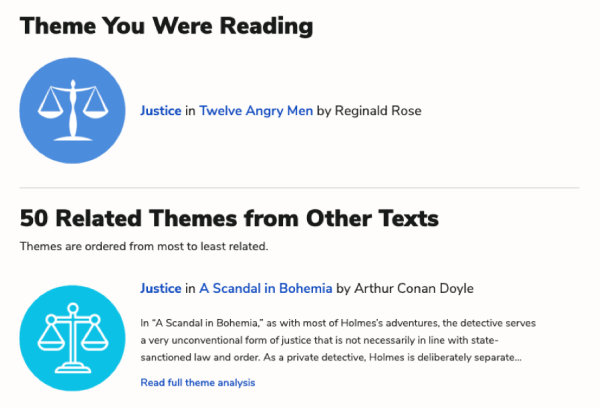
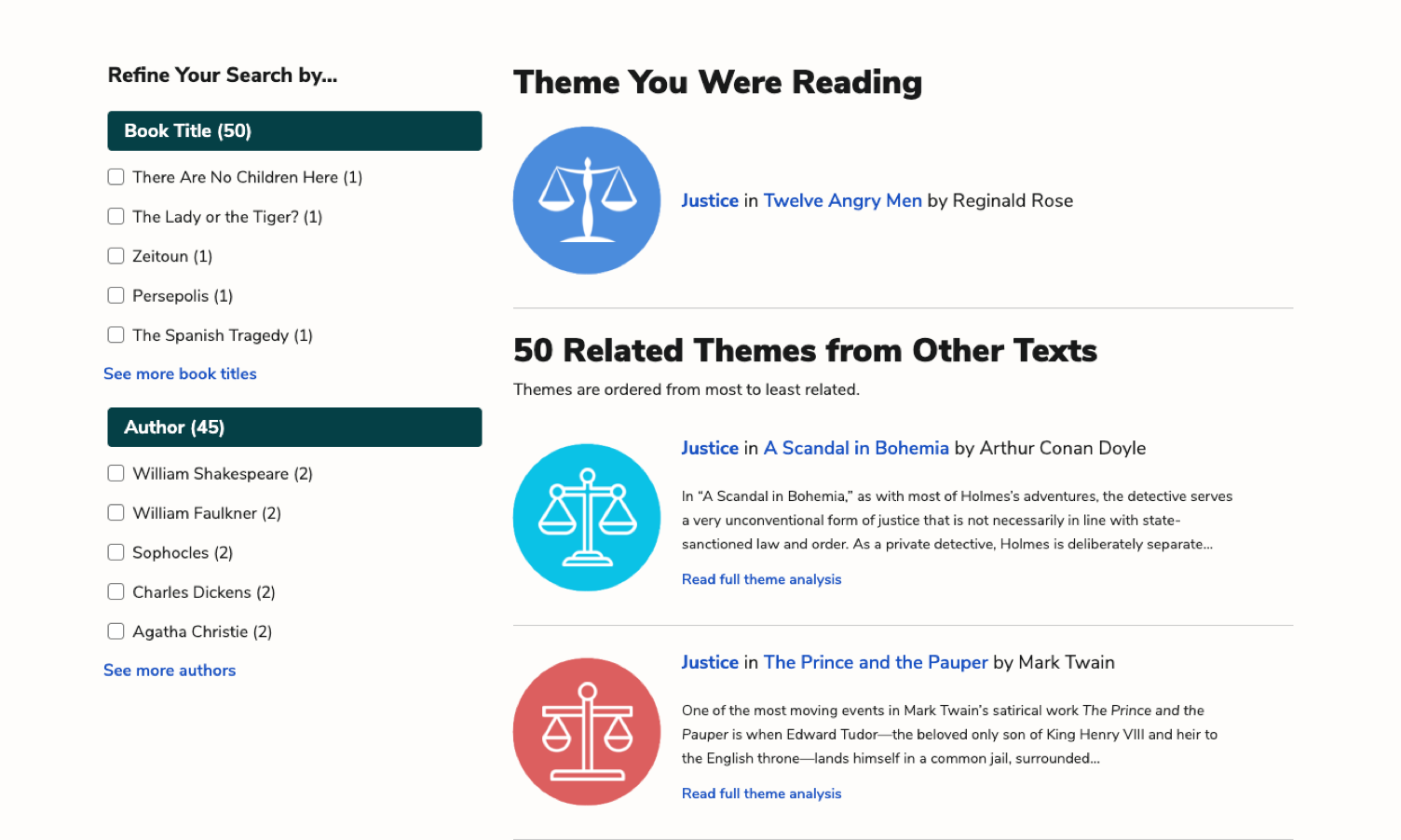
Related Themes
Comparing and contrasting texts? Find where any theme occurs across all of LitCharts in seconds.


Poetry Guides
Line-by-line explanations and analysis of figurative language and poetic devices.
For every lyric poem we cover.
For every lyric poem we cover.