
|
Have questions?
Contact us
Already a member? Sign in
|
Get every literary device explanation for Moll FlandersPlus so much more...
Sign up for LitCharts A+Get instant access to every literary device explanation, plus so much more...
Motif
Explanation and Analysis—Sent to the Colonies:
In Moll Flanders, three different characters are sent to the American colonies in place of being hanged for criminal acts, forming a motif. The novel opens with Moll’s mother facing deportation to the colonies for her crime of stealing fabric. She ends up leaving young Moll in England before being sent to the colonies. Later, Moll also faces exile after being convicted of stealing fabric. Her husband James is similarly sent to the “New World.”
In the minds of many convicts (including James), being sent to the colonies was worse than death—"the Woods and Wildernesses of America,” as James called them, were scary and unknown. In the 17th century, settler-colonialists were just starting to map the terrain. Additionally, criminals sent to the colonies had no money to their name and were often forced to become indentured servants.
That said, all three characters who are sent to the colonies for their crimes end up becoming financially prosperous and living comfortable lives as plantation-owners in Virginia. In this way, Defoe is furthering the idea that moving to the American colonies offered people in England a chance at a fresh start. At the same time, as evidenced by Moll accidentally marrying her half-brother in Virginia, Defoe is highlighting that it is hard to fully escape one’s past.
That Moll and James end up moving back to England even after developing comfortable lives for themselves in Virginia shows how, despite Moll’s constantly shifting identity, she still sees herself as an Englishwoman and considers her country of origin her true home.
Monthly
Annual (Best Value)

$595USD/mo
Charged $71.40 USD every year
 Teacher
$795USD/mo
Charged $95.40 USD every year
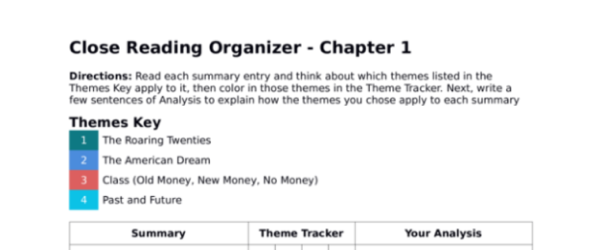
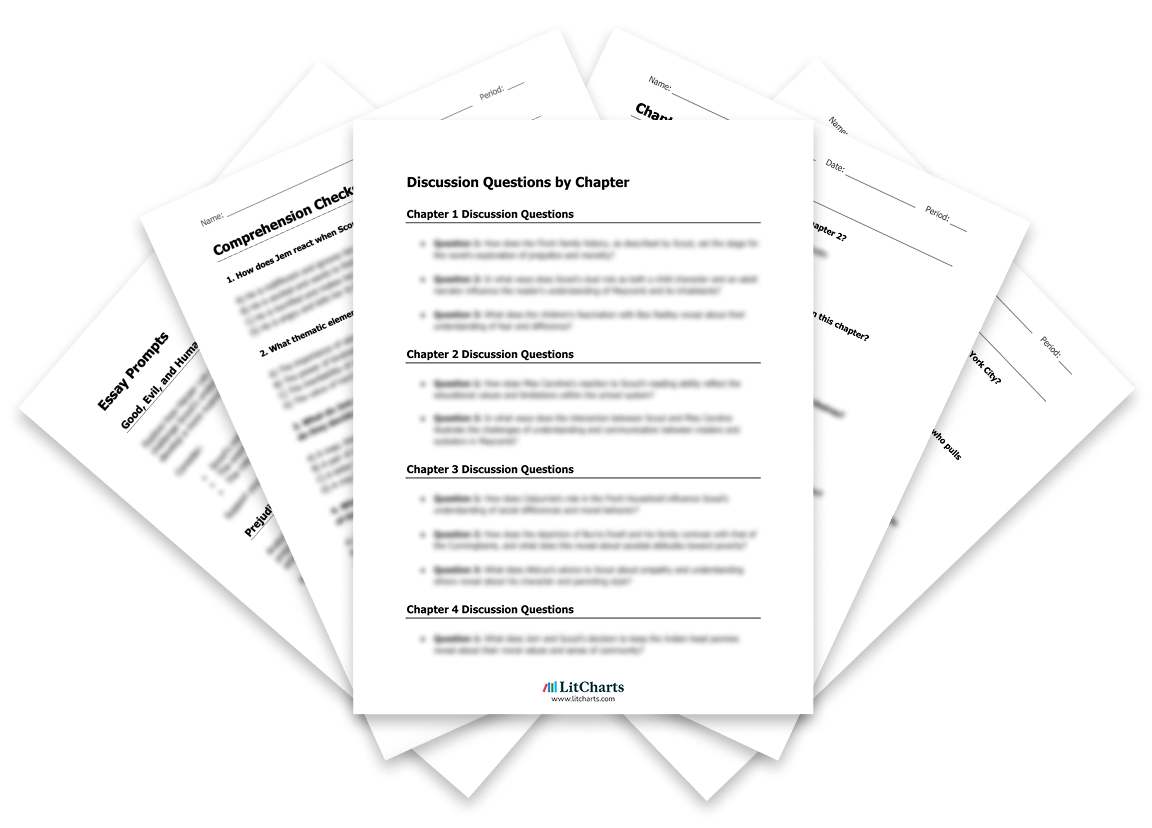
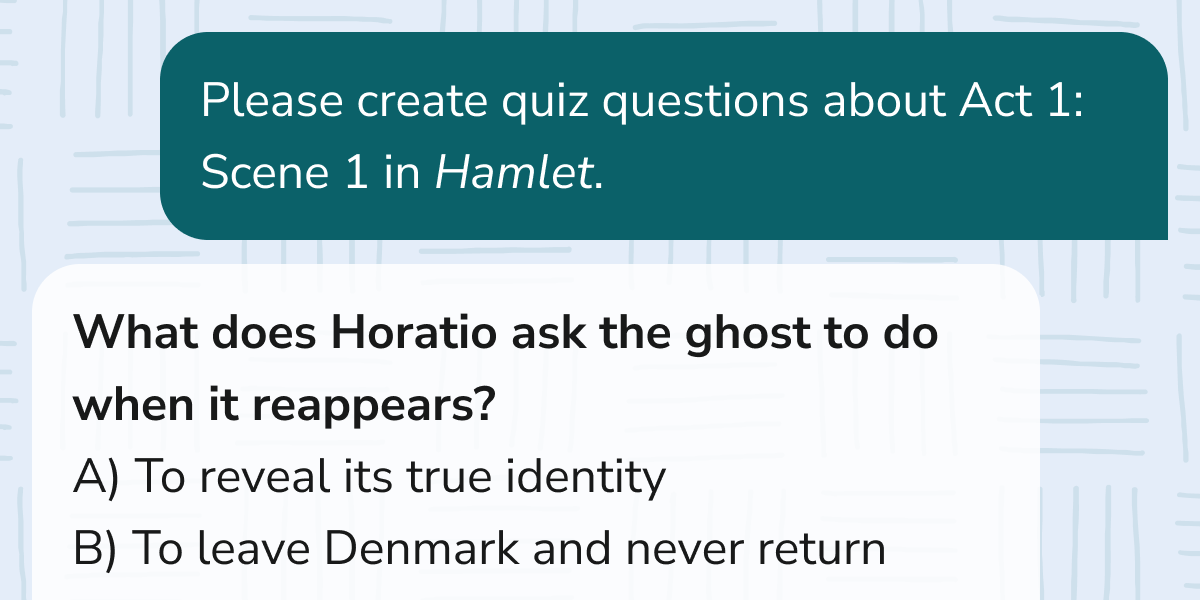


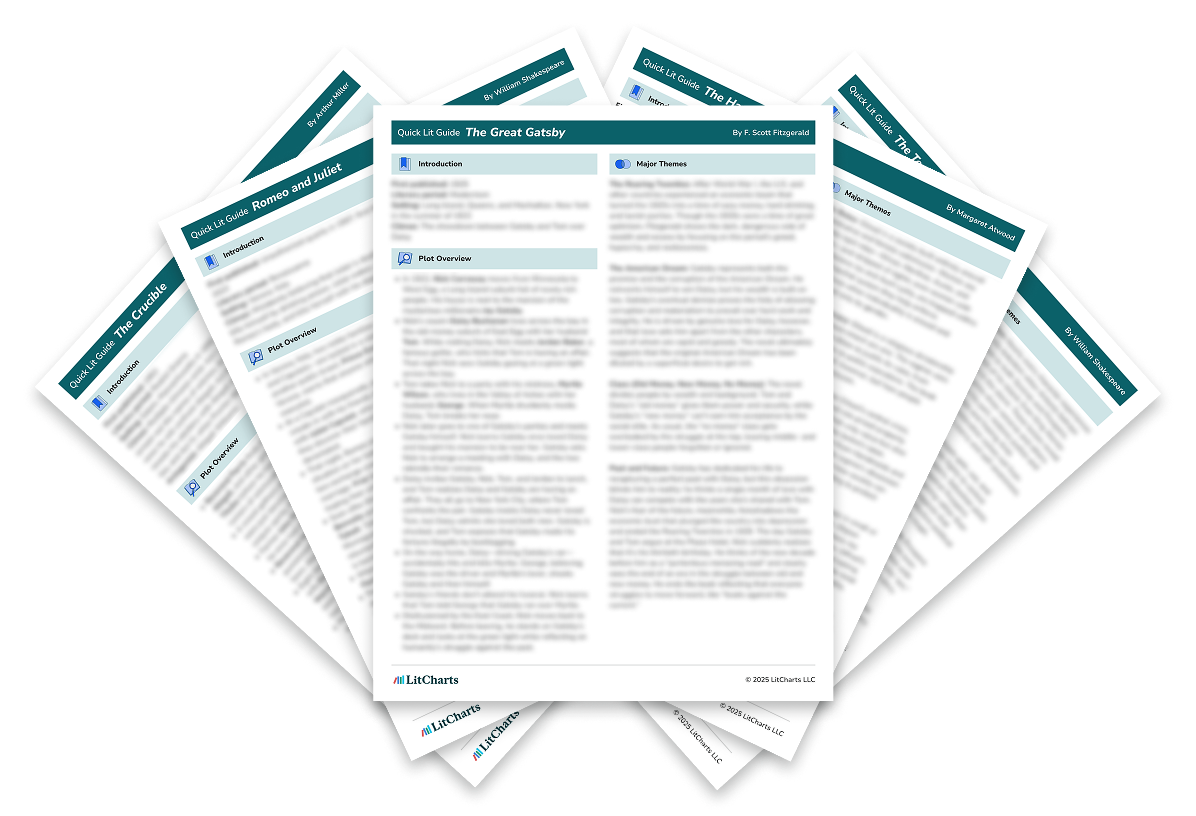
Literature Guide PDFs
LitCharts PDFs for every book you'll read this year.
Instant PDF downloads of all 2250 LitCharts literature guides and of every new one we publish. Try a free sample literature guide.
"Would not have made it through AP Literature without the printable PDFs. They're like having in-class notes for every discussion!"





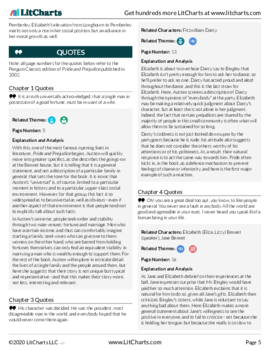
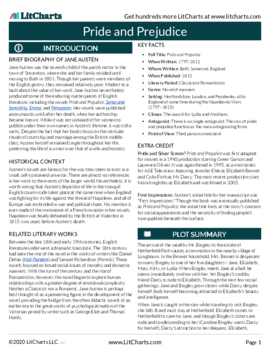


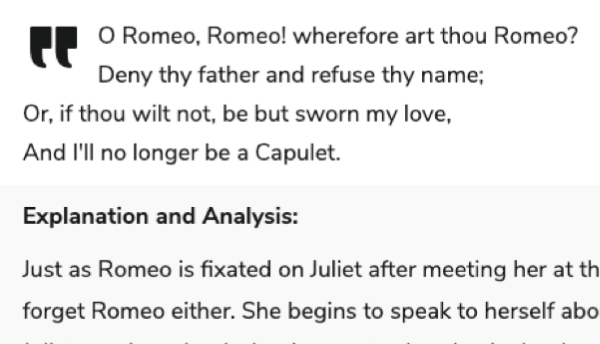
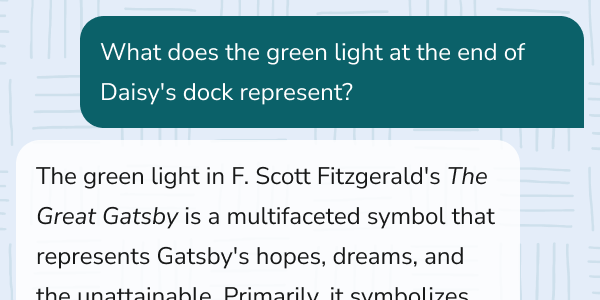
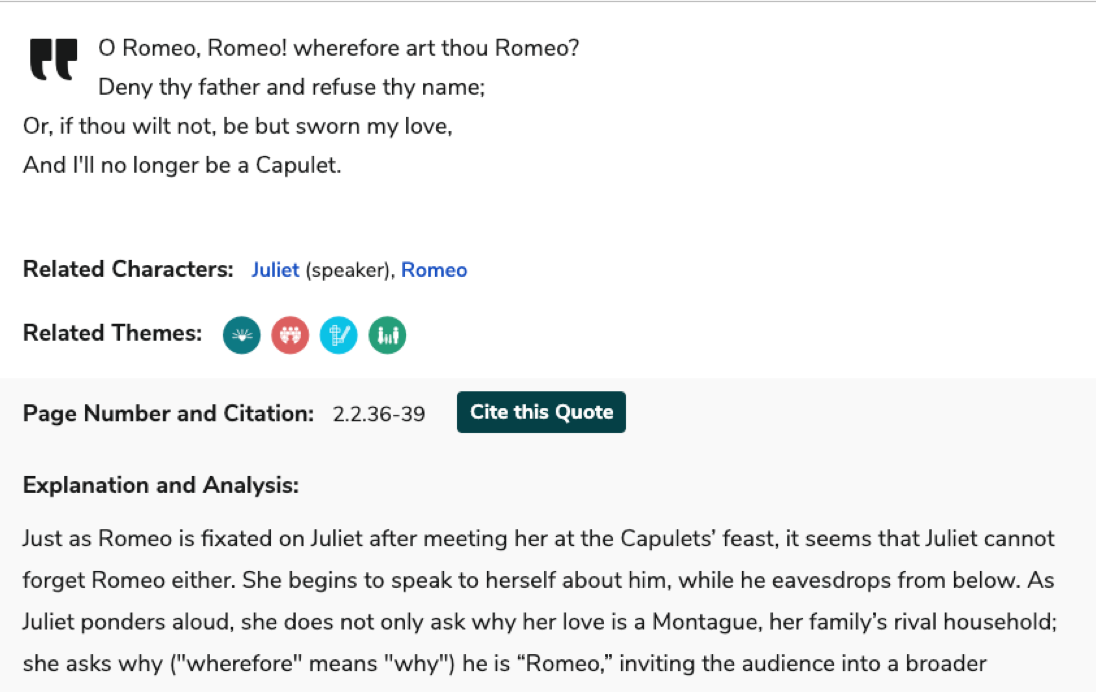
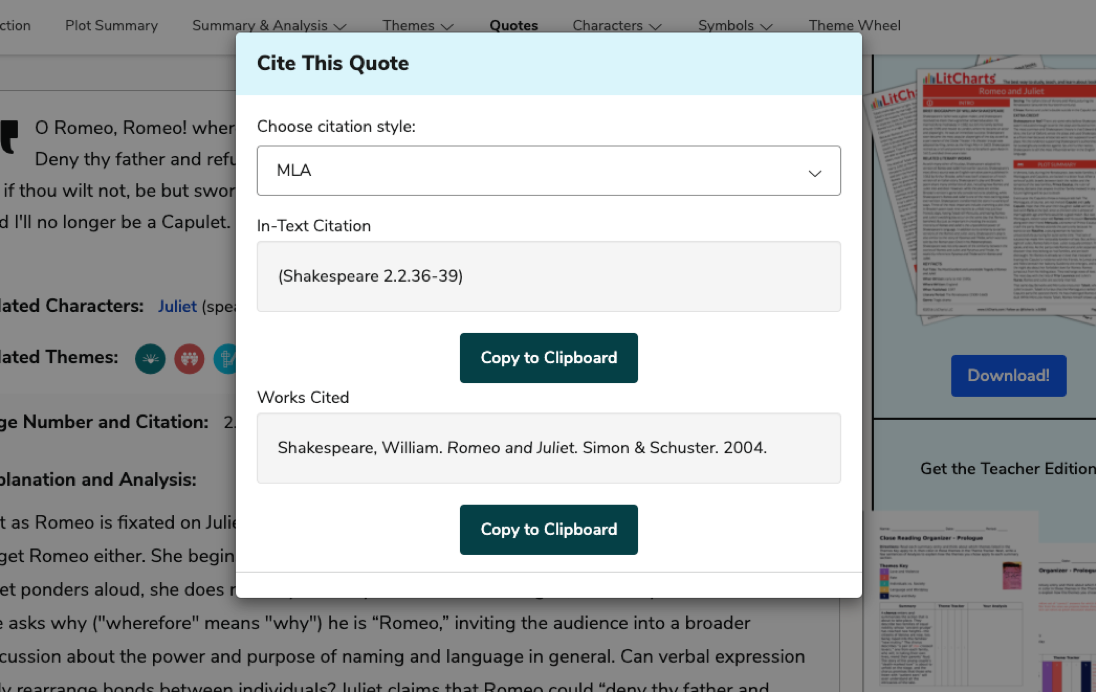
Quotes Explanations
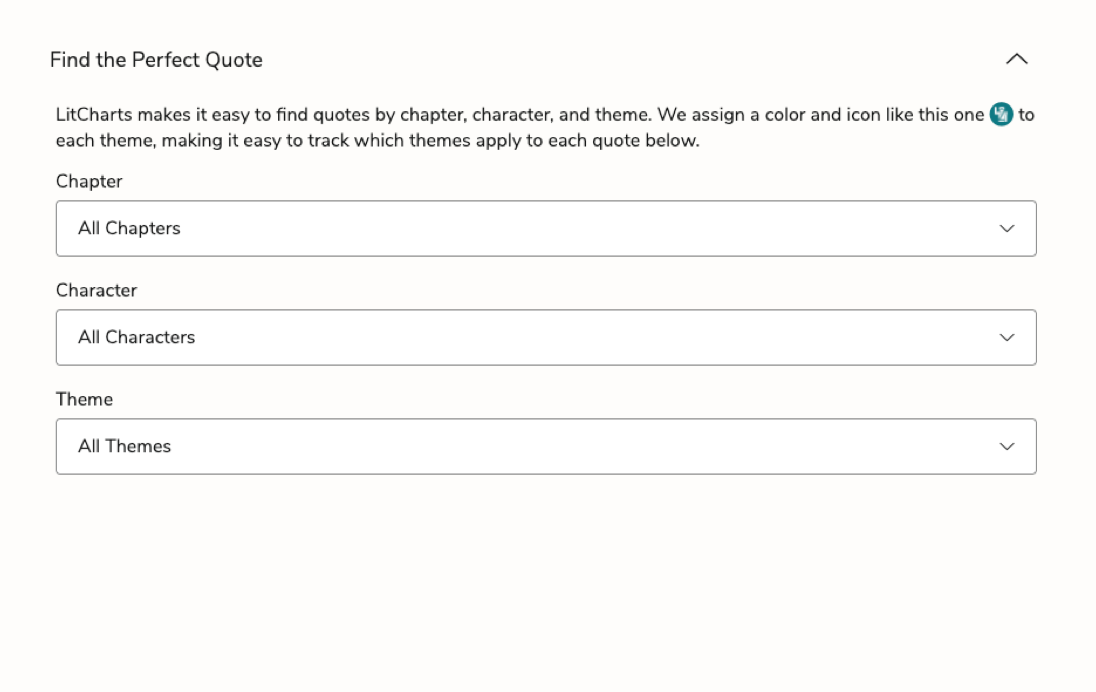
Find the perfect quote. Understand it perfectly. Then rock the citation, too.
For all 50,177 quotes we cover.
For all 50,177 quotes we cover.


Teacher Editions
Close reading made easy for students.
Time saved for teachers.
For every book we cover.
Time saved for teachers.
For every book we cover.


Common Core-aligned


PDFs of modern translations of every one of Shakespeare's 37 plays, 154 sonnets, and 3 longer poems.

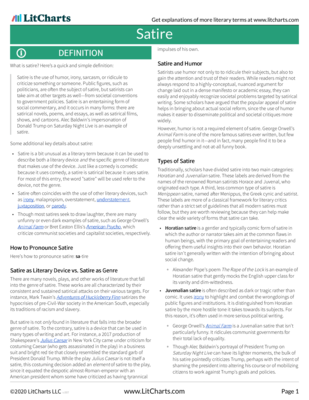
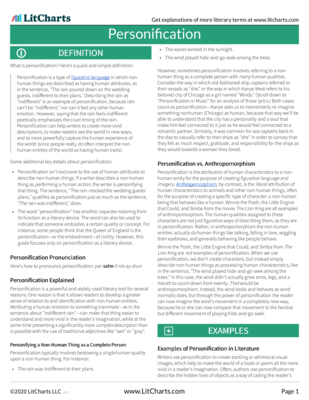
Literary Terms and Devices
Definitions and examples for every literary term and device you need to know.
Plus a quick-reference PDF with concise definitions of all 136 terms in one place.
Plus a quick-reference PDF with concise definitions of all 136 terms in one place.
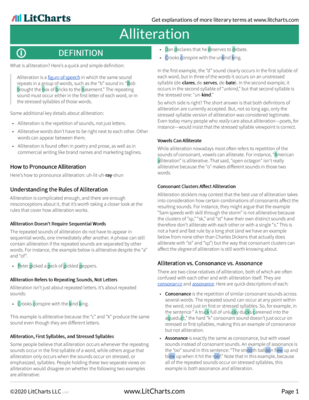
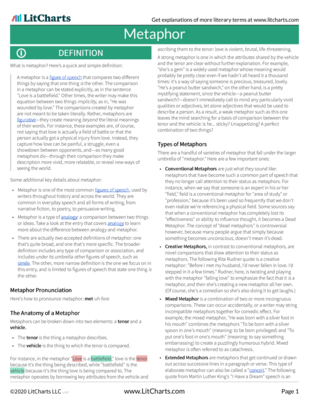
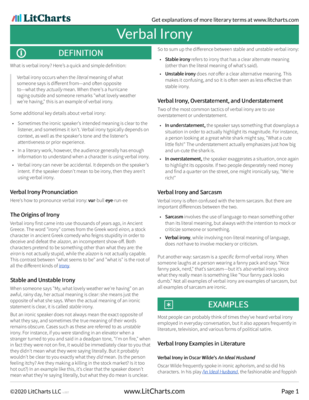
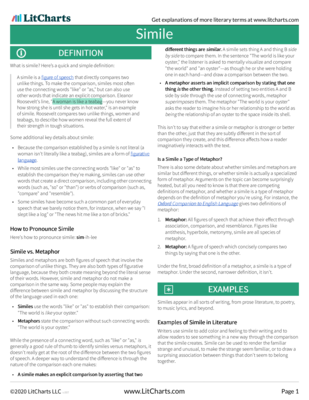
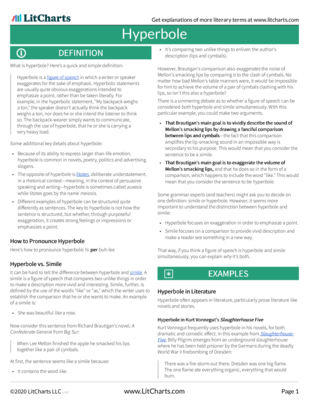
Try a free sample literary term PDF.


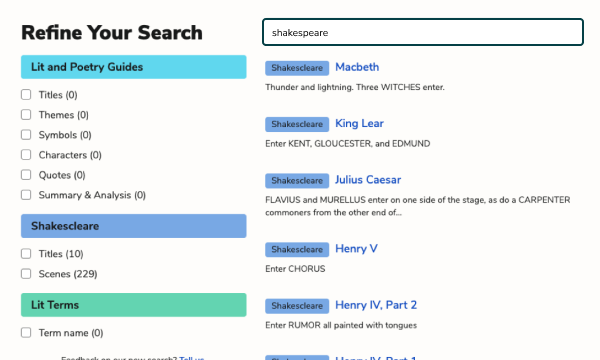
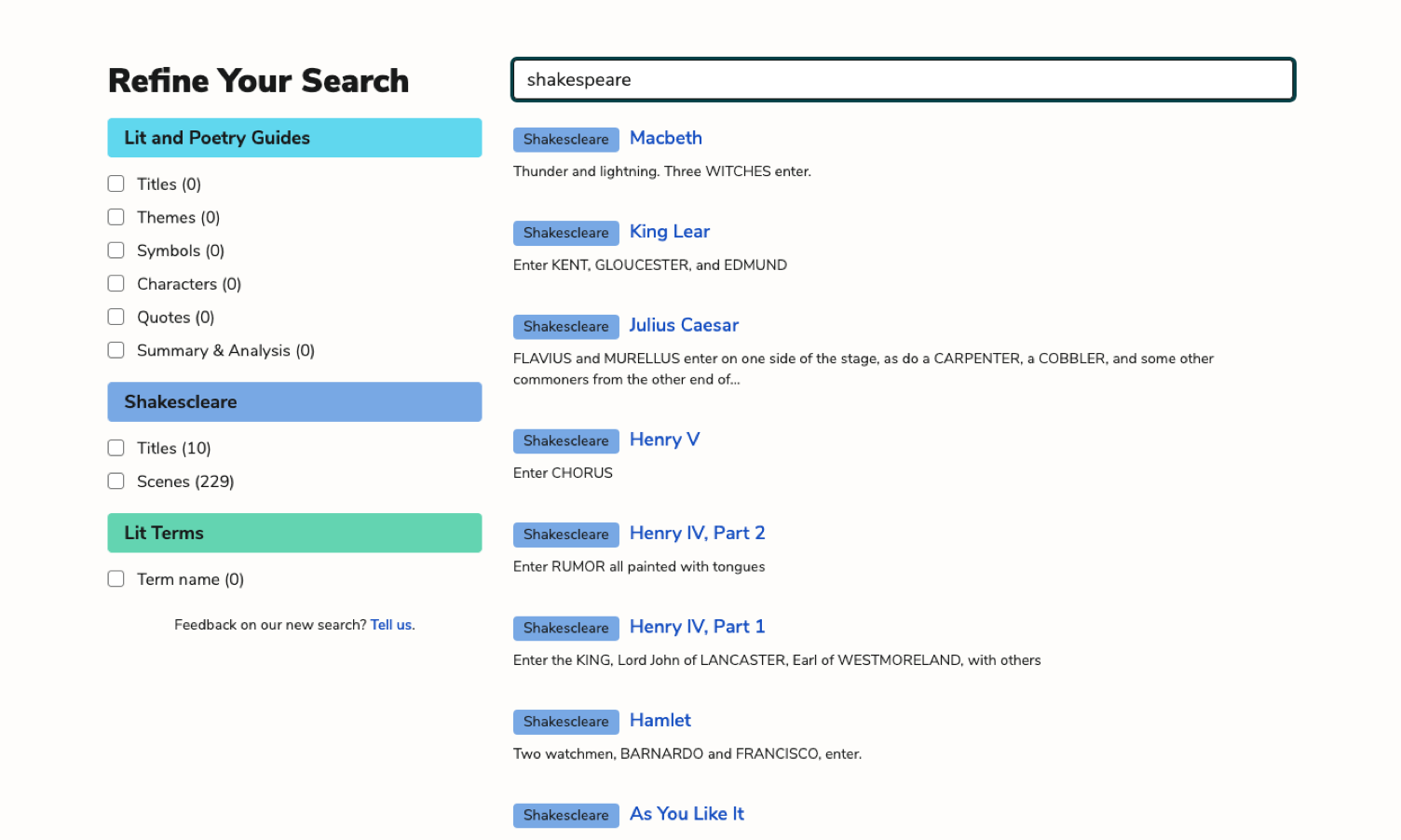
Advanced Search
Refine any search. Find related themes, quotes, symbols, characters, and more.

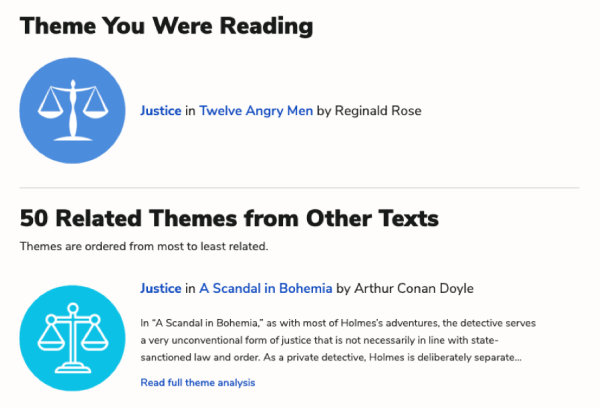
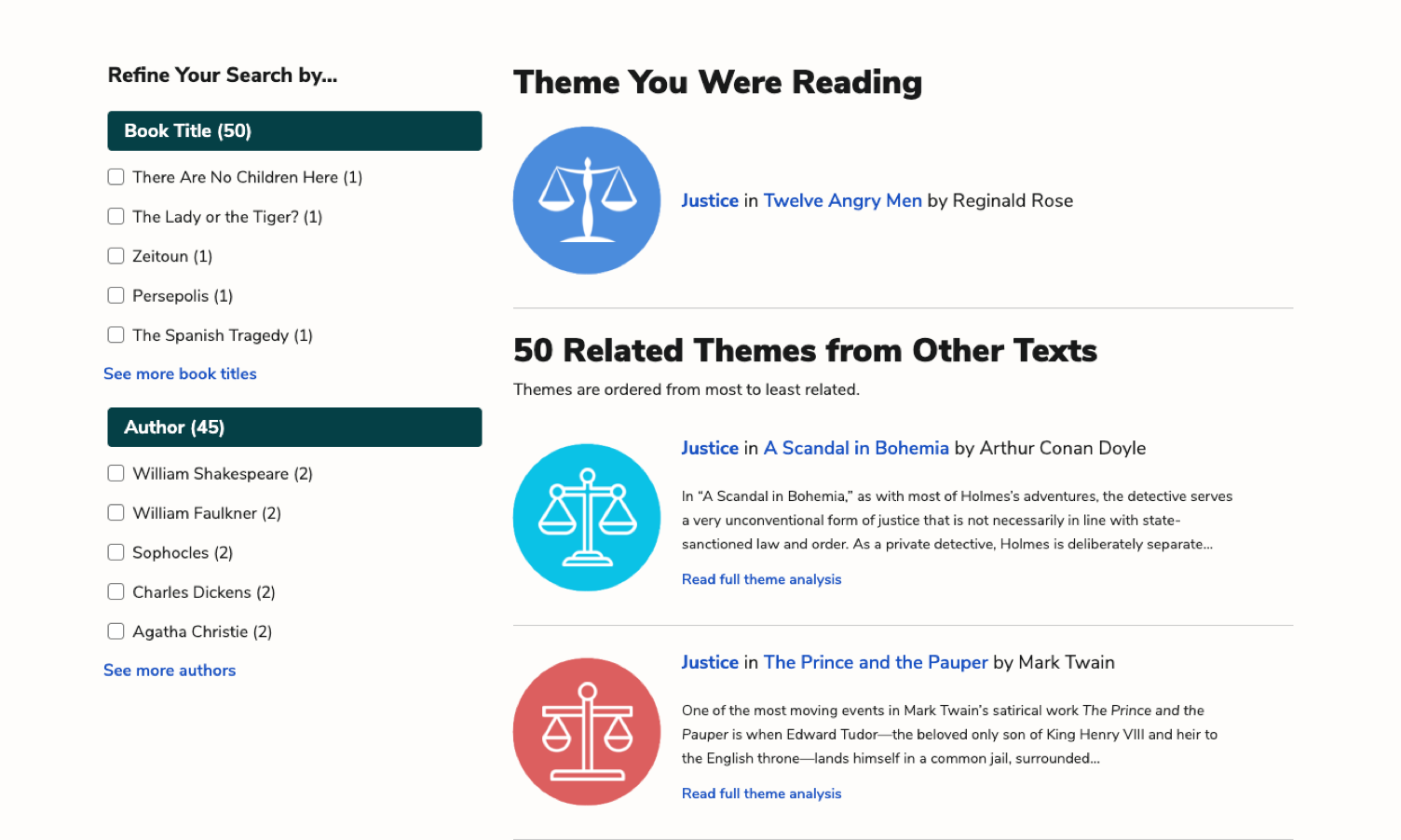
Related Themes
Comparing and contrasting texts? Find where any theme occurs across all of LitCharts in seconds.


Poetry Guides
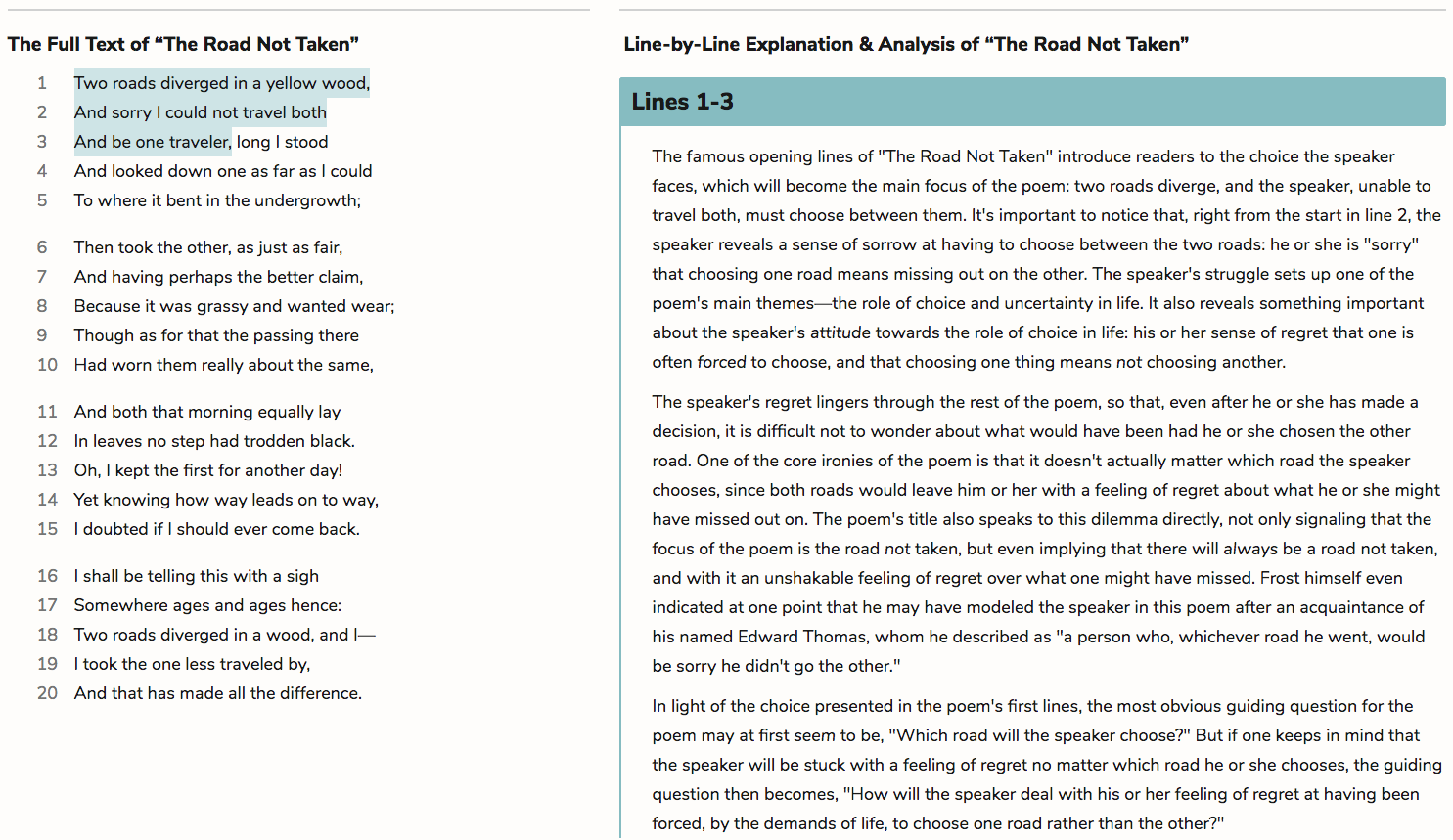
Line-by-line explanations and analysis of figurative language and poetic devices.
For every lyric poem we cover.
For every lyric poem we cover.