
|
Have questions?
Contact us
Already a member? Sign in
|
Get every literary device explanation for WaldenPlus so much more...
Sign up for LitCharts A+Get instant access to every literary device explanation, plus so much more...
Motif
Explanation and Analysis—Railroads:
Railroads—a key motif in Walden—appear in one of its most famous passages in "Where I Lived, and What I Lived For":
If we do not get out sleepers, and forge rails, and devote days and nights to the work, but go to tinkering upon our lives to improve them, who will build railroads? And if railroads are not built, how shall we get to heaven in season? But if we stay at home and mind our business, who will want railroads? We do not ride on the railroad; it rides upon us. Did you ever think what those sleepers are that underlie the railroad? Each one is a man, an Irishman, or a Yankee man. The rails are laid on them, and they are covered with sand, and the cars run smoothly over them. They are sound sleepers, I assure you.
In this passage, Thoreau argues that the railroad "rides upon us," which means that the very infrastructure humans depend on actually degrades our existence. There is also a play on words in this quote—"sleepers" in the first instance refers to the wood used to build tracks (railroad ties), whereas the sleepers that "underlie" the railroad might be referring to deceased and buried humans. Furthermore, many of Thoreau's questions in this passage begin with "if" because he wants to present hypothetical questions that evolve from the premise of independent minimalism. He asks, if everyone creates a self-sufficient homestead, who would ever need a railroad? Here, the motif of railroads reminds the reader of the counterintuitive nature of urban conveniences. They only seem to make life better, but in reality, they exist as a part of a system filled with superfluous elements that, in Thoreau's opinion, block people from true and meaningful connection with nature.
This motif also appears in "Economy":
Our inventions are wont to be pretty toys, which distract our attention from serious things. They are but improved means to an unimproved end, an end which it was already but too easy to arrive at; as railroads lead to Boston or New York. We are in great haste to construct a magnetic telegraph from Maine to Texas; but Maine and Texas, it may be, have nothing important to communicate.
Railroads are one of many "pretty toys" that connect one side of the country to the other, but Thoreau wonders: to what end? What is the point of improving travel across the world when people cannot even improve their own lives at home? In sum, railroads comprise one of the most important motifs in Walden, because they represent the ills of urban life in contrast to the beautiful simplicity of life by the pond. Thoreau admires the labor that goes into building such vast infrastructure, but he believes it would be better spent on individuals' self-reliance and self-improvement.
Monthly
Annual (Best Value)

$595USD/mo
Charged $71.40 USD every year
 Teacher
$795USD/mo
Charged $95.40 USD every year
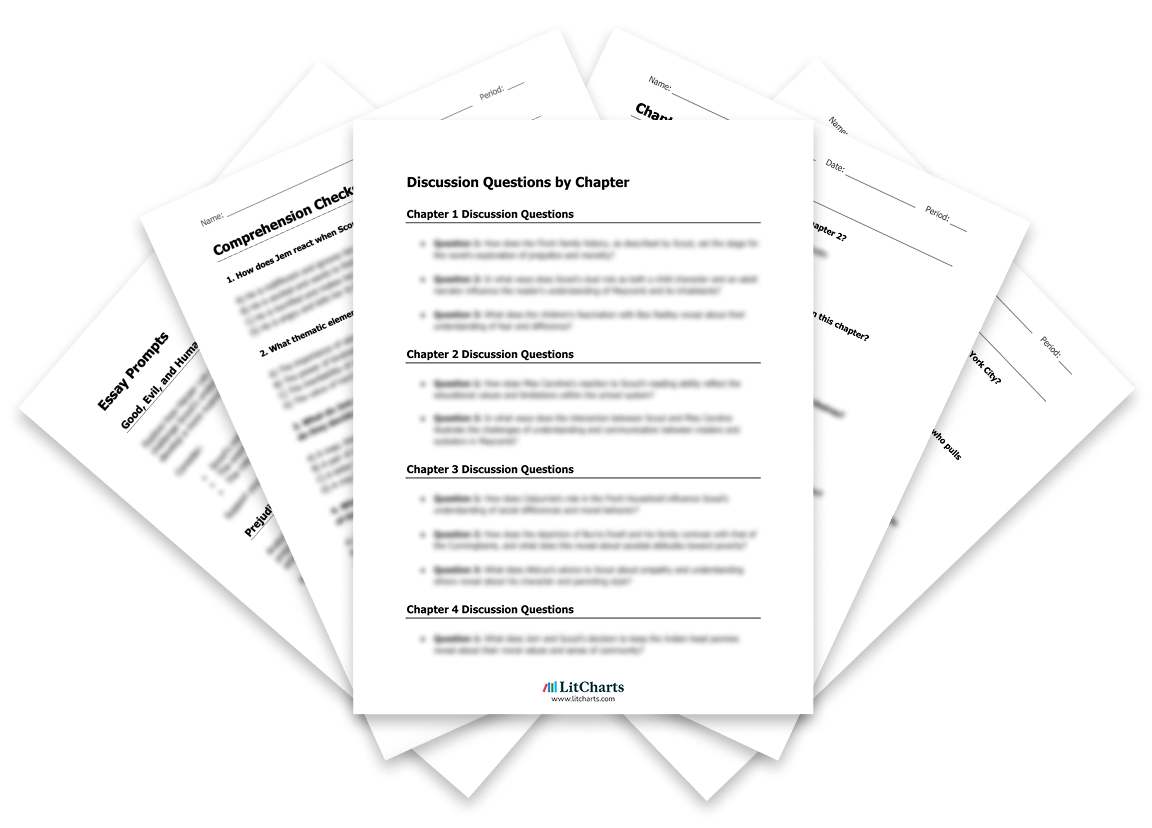
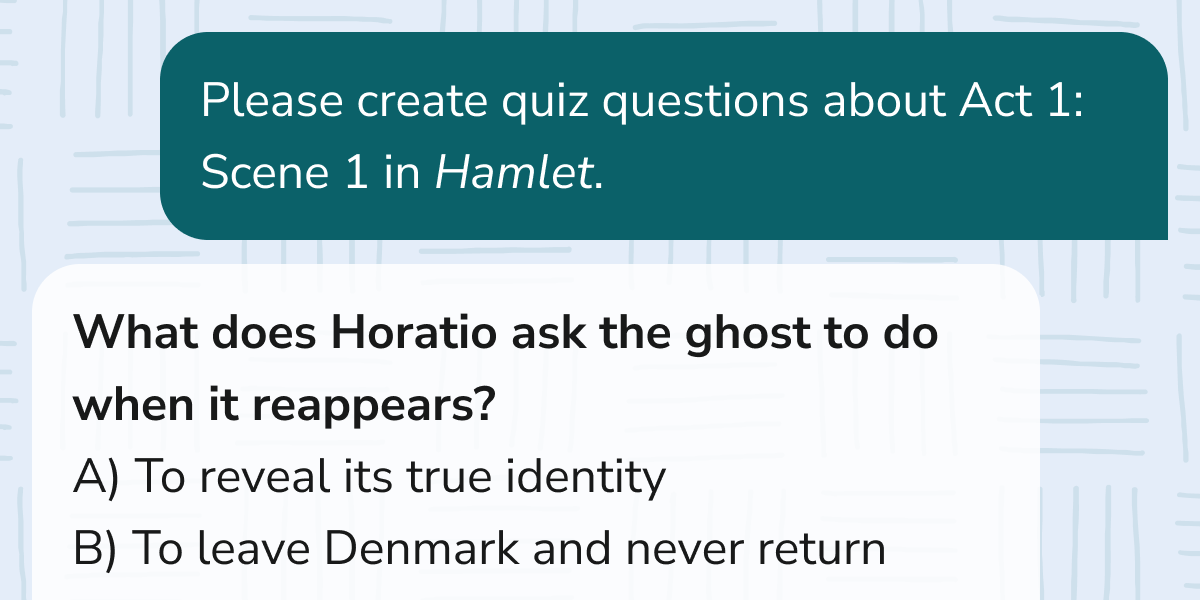


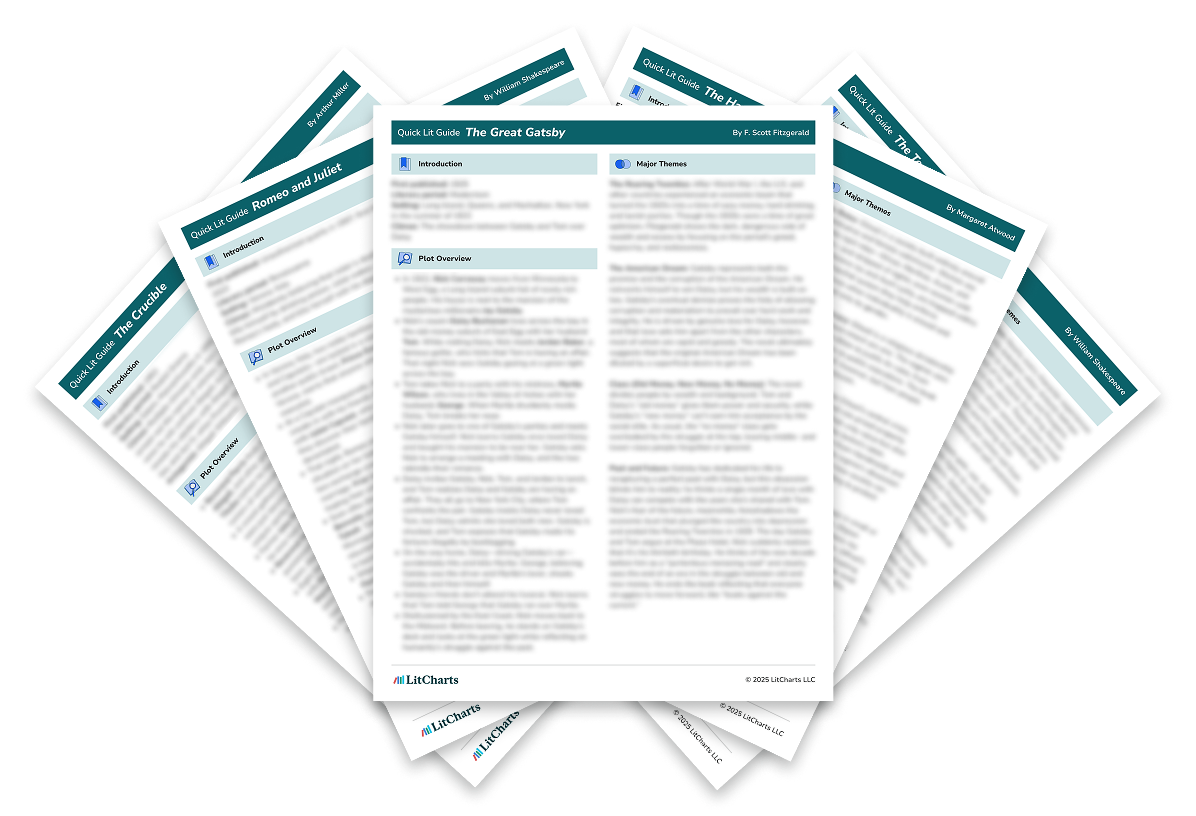
Literature Guide PDFs
LitCharts PDFs for every book you'll read this year.
Instant PDF downloads of all 2251 LitCharts literature guides and of every new one we publish. Try a free sample literature guide.
"Would not have made it through AP Literature without the printable PDFs. They're like having in-class notes for every discussion!"



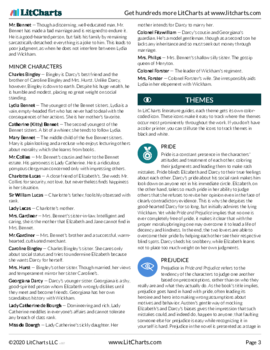
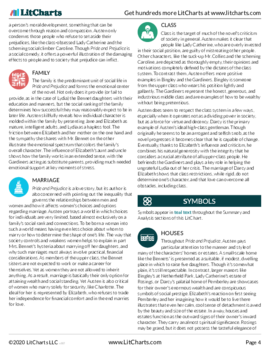
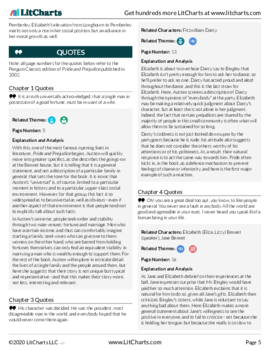
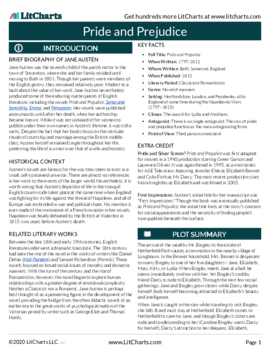


Quotes Explanations
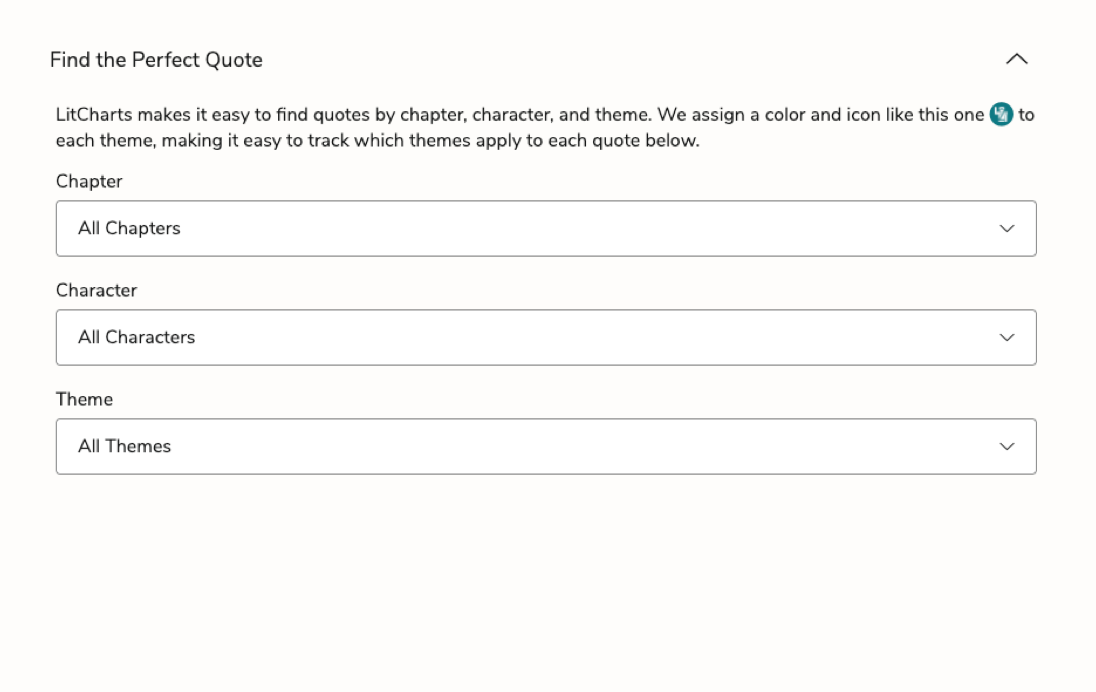
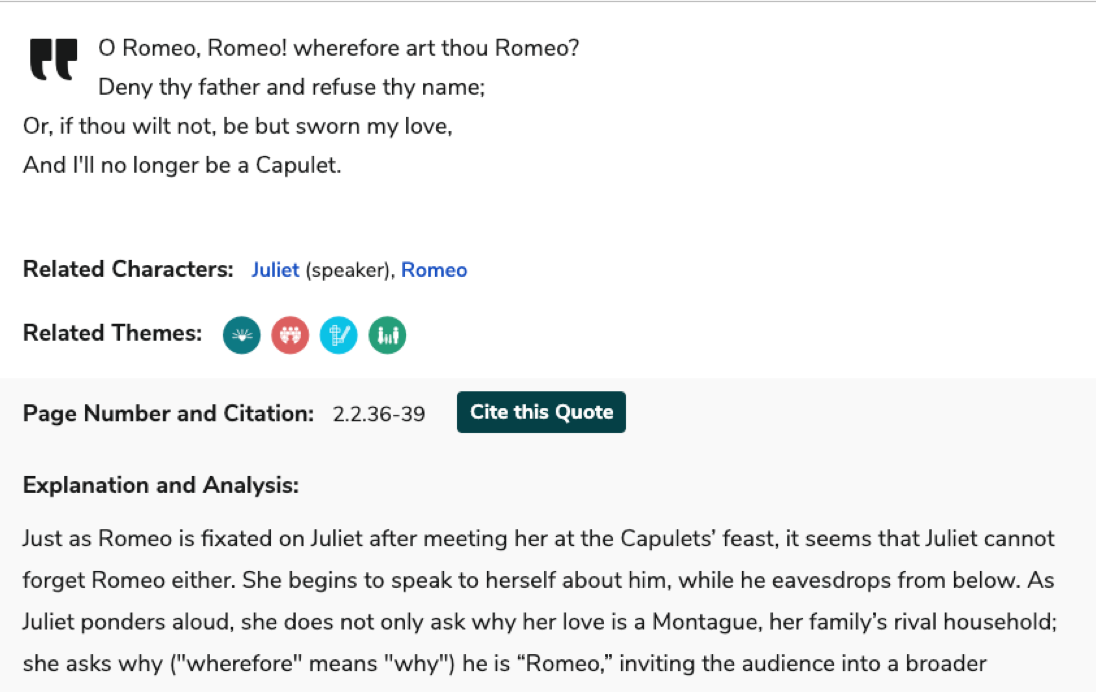
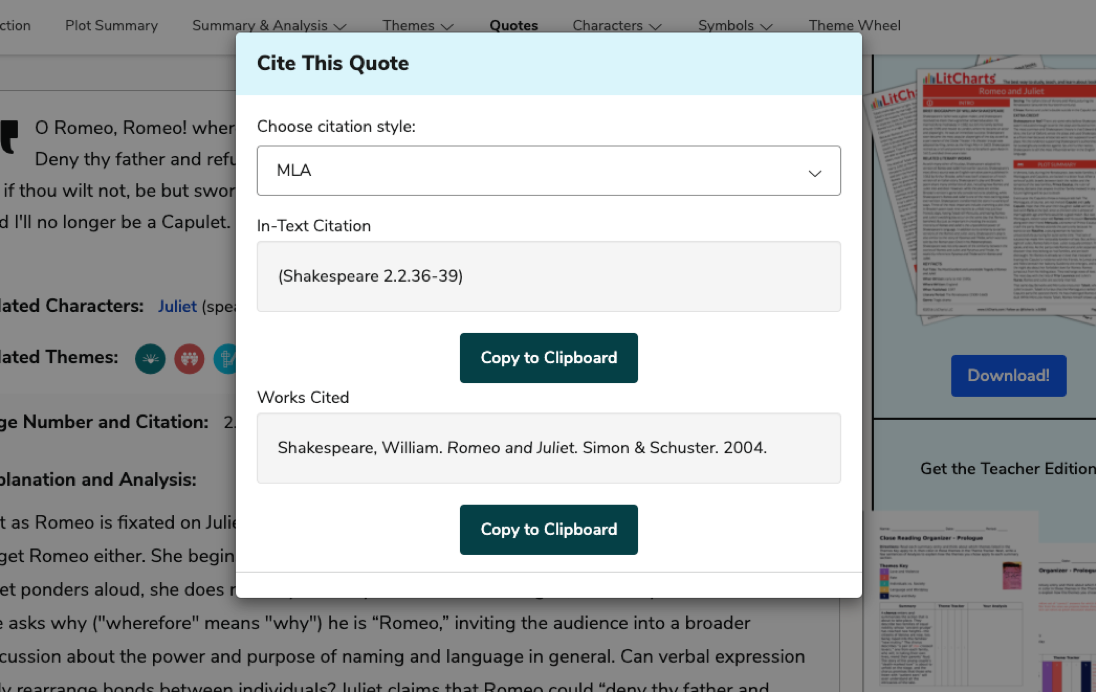
Find the perfect quote. Understand it perfectly. Then rock the citation, too.
For all 50,202 quotes we cover.
For all 50,202 quotes we cover.


Teacher Editions
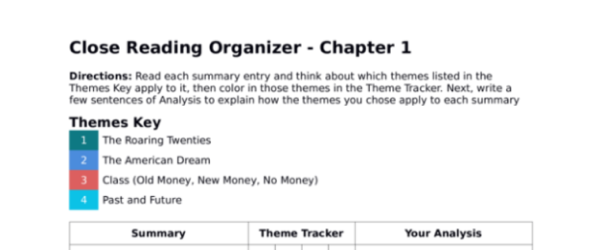
Close reading made easy for students.
Time saved for teachers.
For every book we cover.
Time saved for teachers.
For every book we cover.


Common Core-aligned


PDFs of modern translations of every one of Shakespeare's 37 plays, 154 sonnets, and 3 longer poems.

Literary Terms and Devices
Definitions and examples for every literary term and device you need to know.
Plus a quick-reference PDF with concise definitions of all 136 terms in one place.
Plus a quick-reference PDF with concise definitions of all 136 terms in one place.
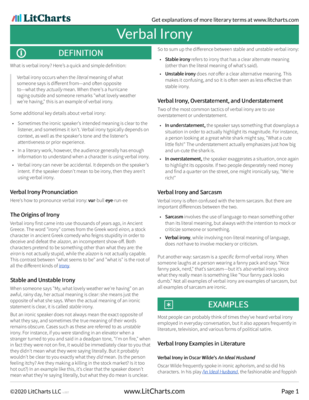
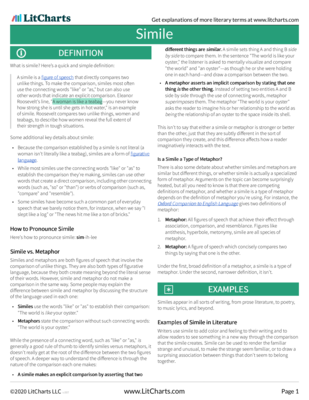
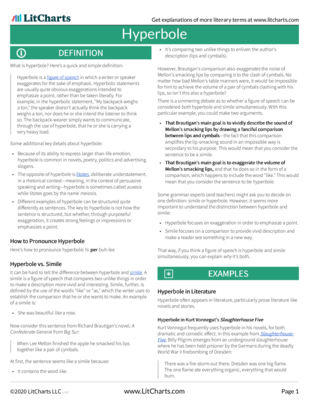
Try a free sample literary term PDF.


Advanced Search
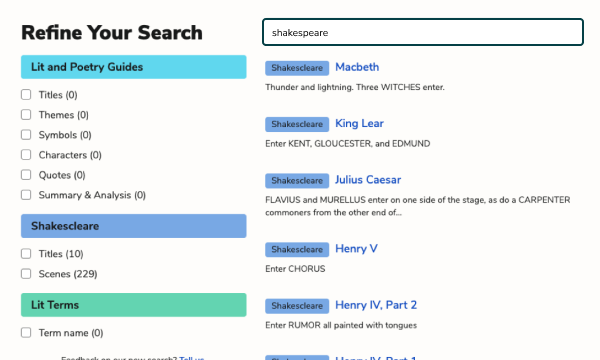
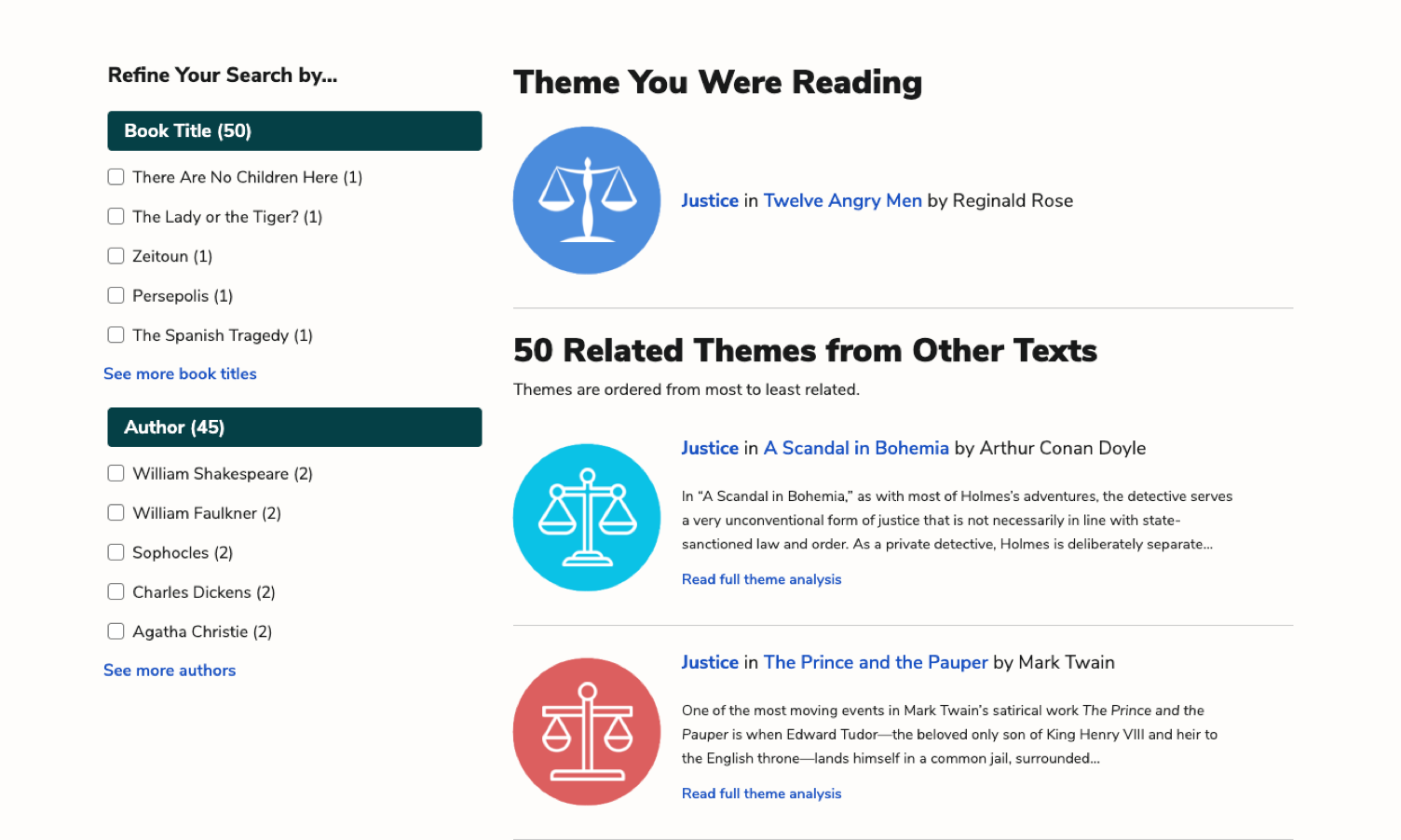
Refine any search. Find related themes, quotes, symbols, characters, and more.
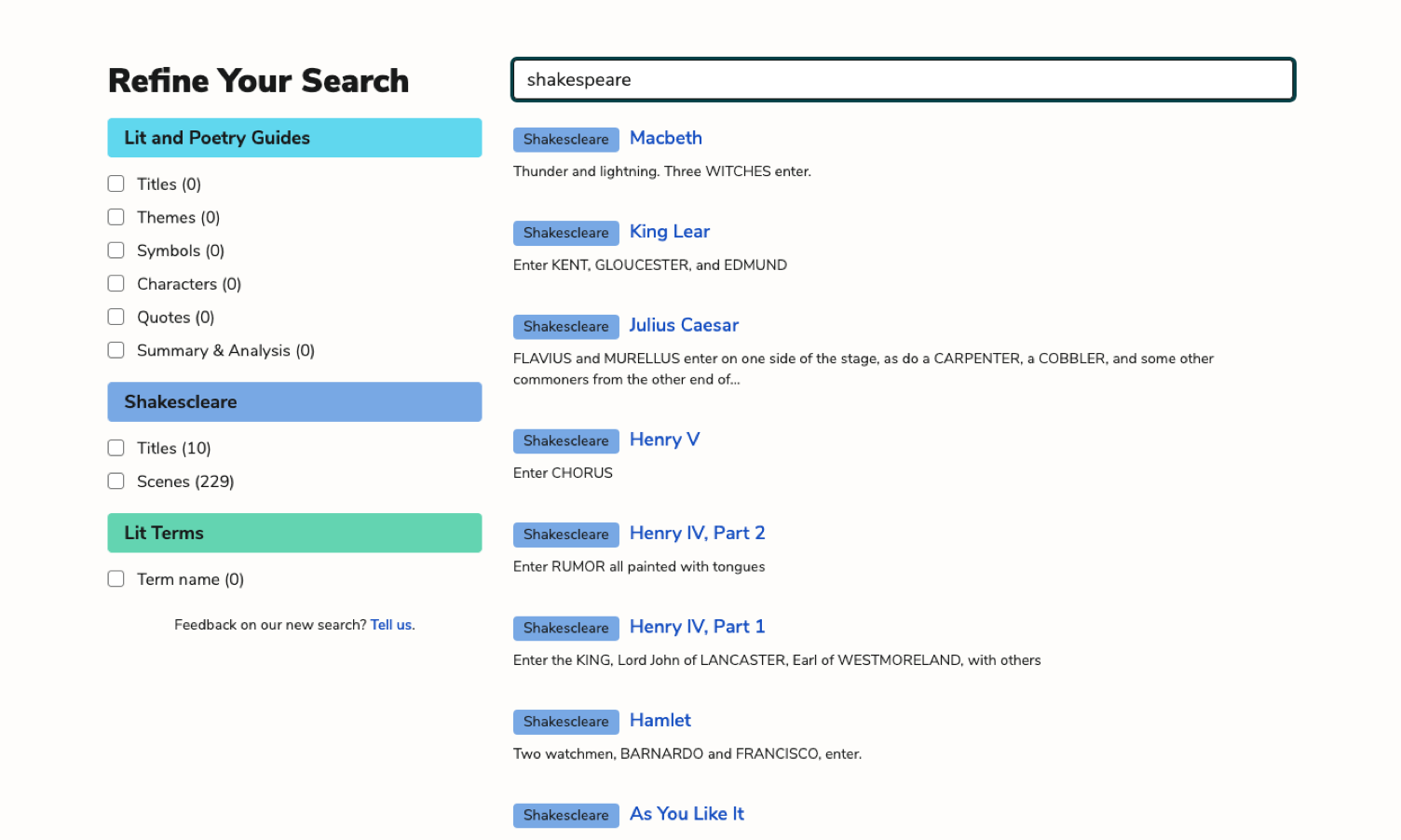
Related Themes
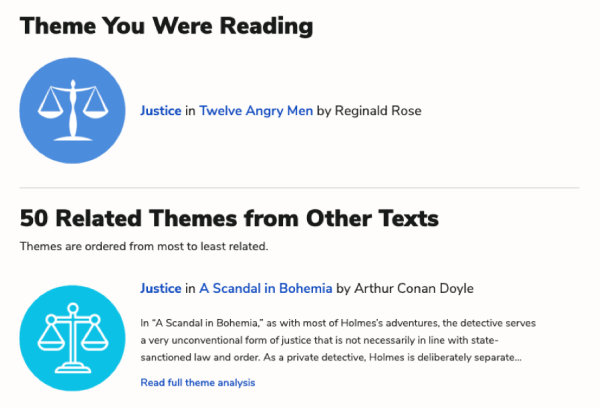
Comparing and contrasting texts? Find where any theme occurs across all of LitCharts in seconds.


Poetry Guides
Line-by-line explanations and analysis of figurative language and poetic devices.
For every lyric poem we cover.
For every lyric poem we cover.