
|
Have questions?
Contact us
Already a member? Sign in
|
Get every literary device explanation for WaldenPlus so much more...
Sign up for LitCharts A+Get instant access to every literary device explanation, plus so much more...
Motif
Explanation and Analysis—Imaginary People:
The motif of imaginary people in the final chapters of Walden conveys the author's deep sense of solitude. In "Former Inhabitants; and Winter Visitors," Thoreau describes the former inhabitants of Concord, Massachusetts:
For human society I was obliged to conjure up the former occupants of these woods. Within the memory of many of my townsmen the road near which my house stands resounded with the laugh and gossip of inhabitants, and the woods which border it were notched and dotted here and there with their little gardens and dwellings, though it was then much more shut in by the forest than now. In some places, within my own remembrance, the pines would scrape both sides of a chaise at once, and women and children who were compelled to go this way to Lincoln alone and on foot did it with fear, and often ran a good part of the distance.
Here, Thoreau feels "obliged to conjure up" memories of the original peoples of Concord. He also relies on the memories of his fellow townsmen (who live in closer proximity to society). As he imagines the sounds of "laughter and gossip" among nearby people, he goes into great detail about the pines that "scrape both sides of a chaise at once"—which suggests he has a lot of time on his hands to ponder the past and present. He often compares himself to the inhabitants of Walden Pond— both real and imaginary—which reveals how often he thinks about other people, and sometimes hints at his tendency to self-aggrandize. He sees himself as a man on a mission, and he wants to know how he fits into the history of the pond.
In "The Ponds" he likewise imagines a more recent group of people who had "left some trace of their footsteps." He is "surprised to detect" a shelf-like path that encircles the pond that he posits is "as old probably as the race of man here" and "worn by the feet of aboriginal hunters." It is also "unwittingly trodden" by present occupants such as himself. This moment creates continuity between past and present and makes Thoreau feel like an integral part of the pond's history. Throughout Walden, this motif of imagining people not only reveals the author's deep sense of solitude but also his belief that he stands among the imagined inhabitants as an essential part of Walden's history.
Monthly
Annual (Best Value)

$595USD/mo
Charged $71.40 USD every year




 Teacher
$795USD/mo
Charged $95.40 USD every year





Literature Guide PDFs
LitCharts PDFs for every book you'll read this year.
Instant PDF downloads of all 2251 LitCharts literature guides and of every new one we publish. Try a free sample literature guide.
"Would not have made it through AP Literature without the printable PDFs. They're like having in-class notes for every discussion!"









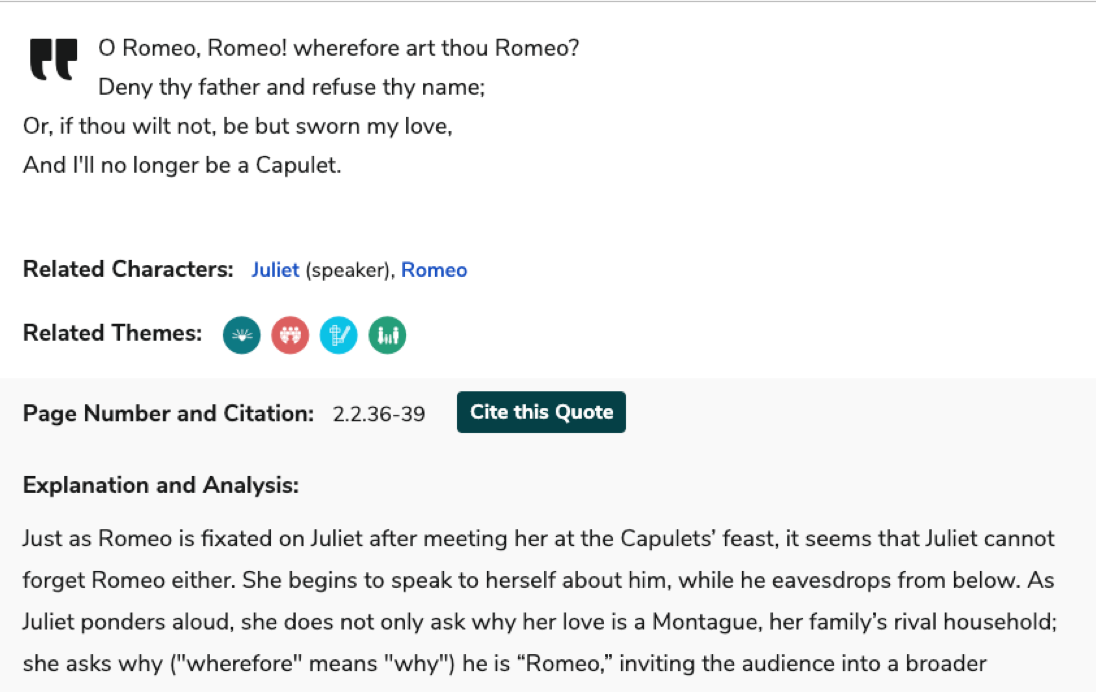
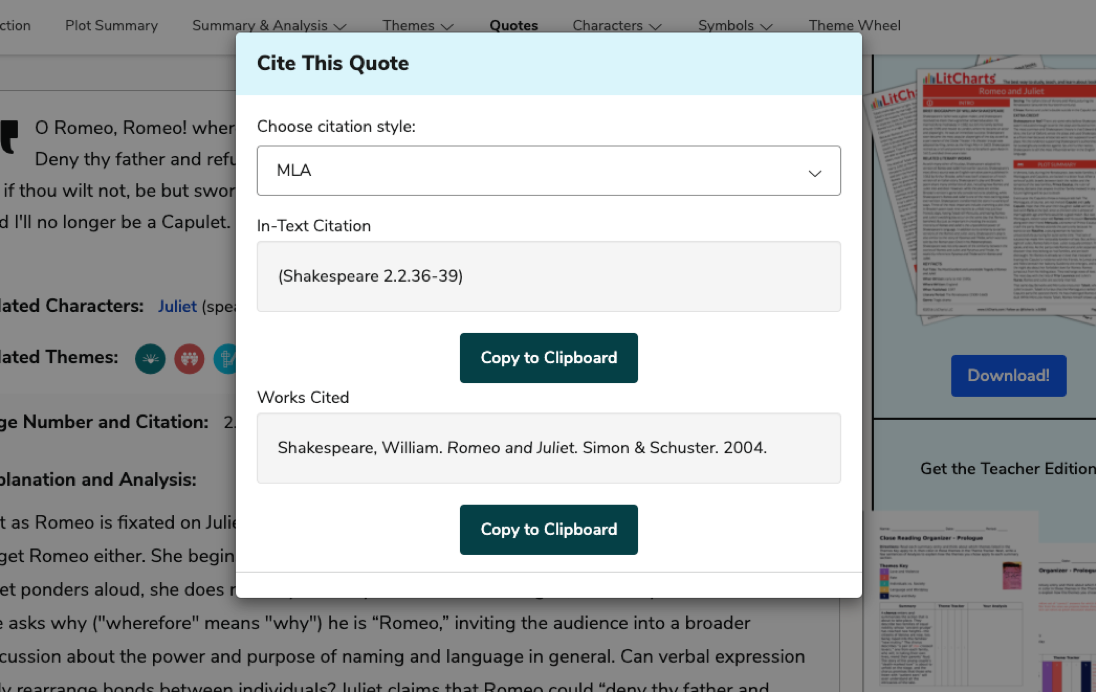
Quotes Explanations
Find the perfect quote. Understand it perfectly. Then rock the citation, too.
For all 50,202 quotes we cover.
For all 50,202 quotes we cover.



Teacher Editions
Close reading made easy for students.
Time saved for teachers.
For every book we cover.
Time saved for teachers.
For every book we cover.


Common Core-aligned


PDFs of modern translations of every one of Shakespeare's 37 plays, 154 sonnets, and 3 longer poems.

Literary Terms and Devices
Definitions and examples for every literary term and device you need to know.
Plus a quick-reference PDF with concise definitions of all 136 terms in one place.
Plus a quick-reference PDF with concise definitions of all 136 terms in one place.
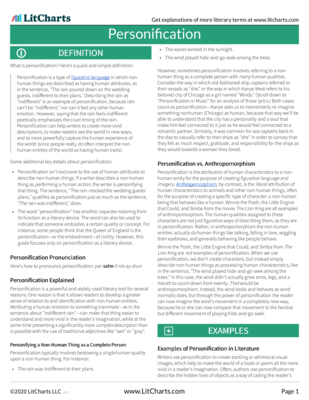
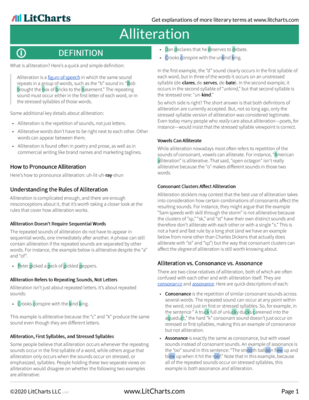
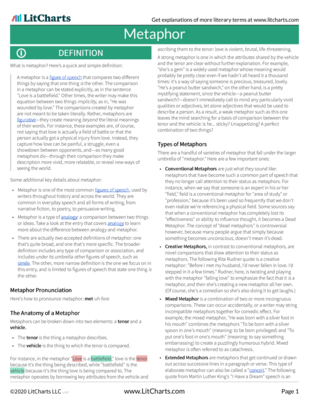
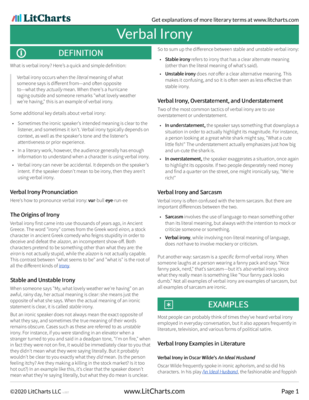
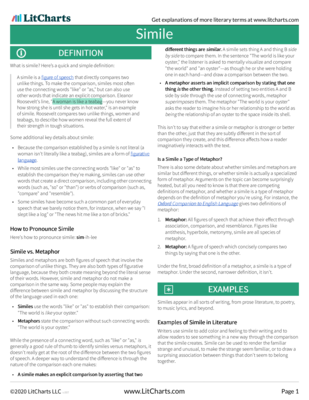

Try a free sample literary term PDF.


Advanced Search
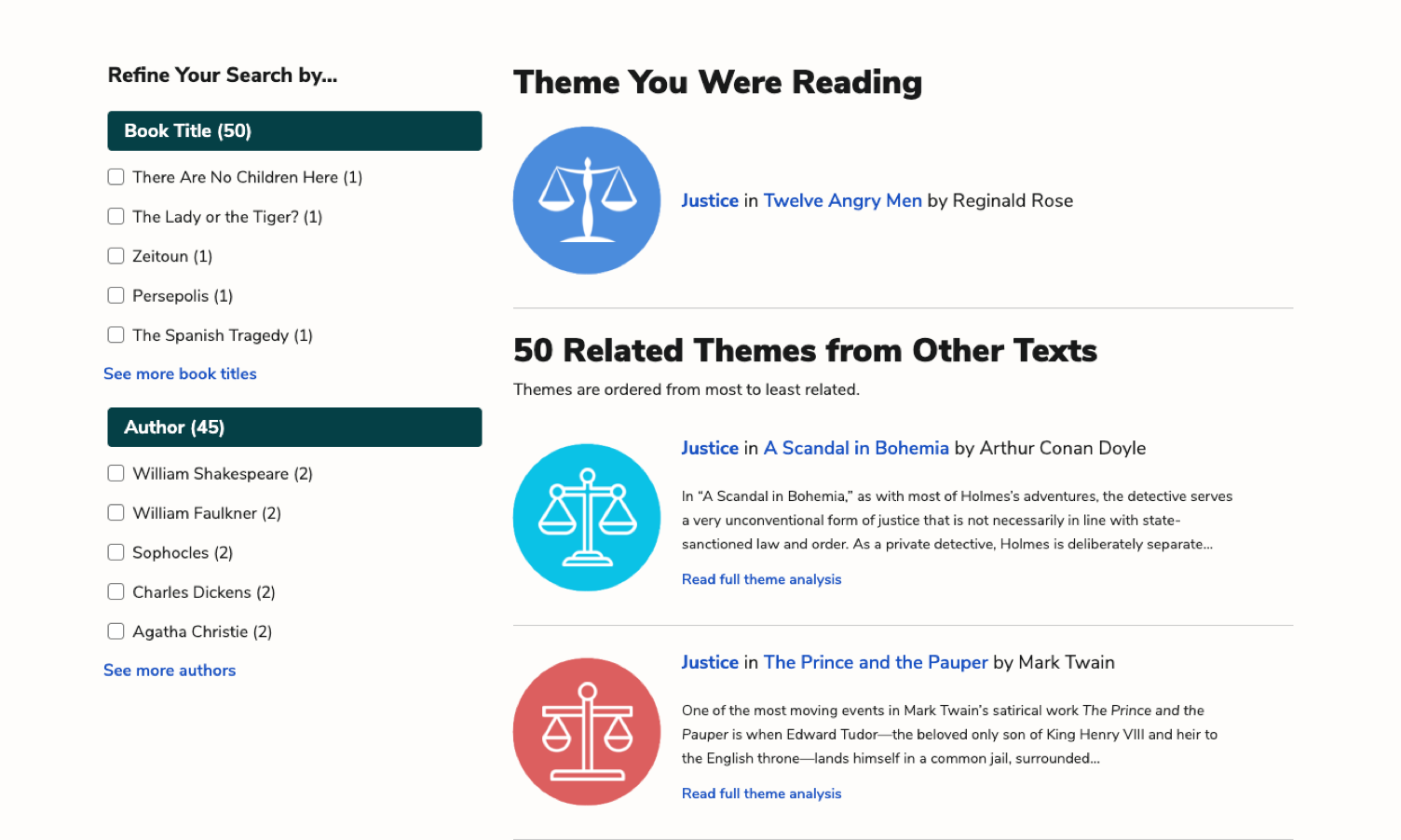
Refine any search. Find related themes, quotes, symbols, characters, and more.

Related Themes
Comparing and contrasting texts? Find where any theme occurs across all of LitCharts in seconds.


Poetry Guides
Line-by-line explanations and analysis of figurative language and poetic devices.
For every lyric poem we cover.
For every lyric poem we cover.