
|
Have questions?
Contact us
Already a member? Sign in
|
Get every literary device explanation for Rappaccini’s Daughter
Plus so much more...
Sign up for LitCharts A+
Get instant access to every literary device explanation, plus so much more...
Motif
Explanation and Analysis—Natural vs. Unnatural:
As Giovanni begins to suspect that Beatrice is poisonous, Hawthorne uses the motif of natural vs. unnatural to trace Giovanni's mounting horror. Giovanni is afflicted with a mixture of conflicting emotions:
It was not love, although her rich beauty was a madness to him; nor horror, even while he fancied her spirit to be imbued with the same baneful essence that seemed to pervade her physical frame; but a wild offspring of both love and horror that had each parent in it, and burned like one and shivered like the other[...] Blessed are all simple emotions, be they dark or bright! It is the lurid intermixture of the two that produces the illuminating blaze of the infernal regions.
What the story condemns about Rappaccini is the way he disturbs the natural order by cross-breeding plants to produce species that do not exist in nature—all for the purpose of satisfying his greed for knowledge. Like these artificial bodies, Giovanni’s feelings toward Beatrice are the unnatural “offspring” of love and horror: his suspicions that she might be poisonous corrupt his love for her.
Another form of “wild offspring” in the story is Beatrice herself. Just as Rappaccini produces artificial plant species, he also manipulates human anatomy in the form of his own daughter. The story repeats, in various forms, the notion that Beatrice’s poisonous anatomy transgresses the natural order. As Baglioni introduces his supposed antidote for her condition, he declares, “Possibly we may even succeed in bringing back this miserable child within the limits of ordinary nature, from which her father’s madness has estranged her.” Baglioni's comment implies that Rappaccini's experimentation has placed Beatrice in the realm of the unnatural, beyond the pale of daily life. In this way, the story suggests that there are boundaries to knowledge-seeking that humanity should not cross.
Monthly
Annual (Best Value)

$595USD/mo
Charged $71.40 USD every year
 Teacher
$795USD/mo
Charged $95.40 USD every year
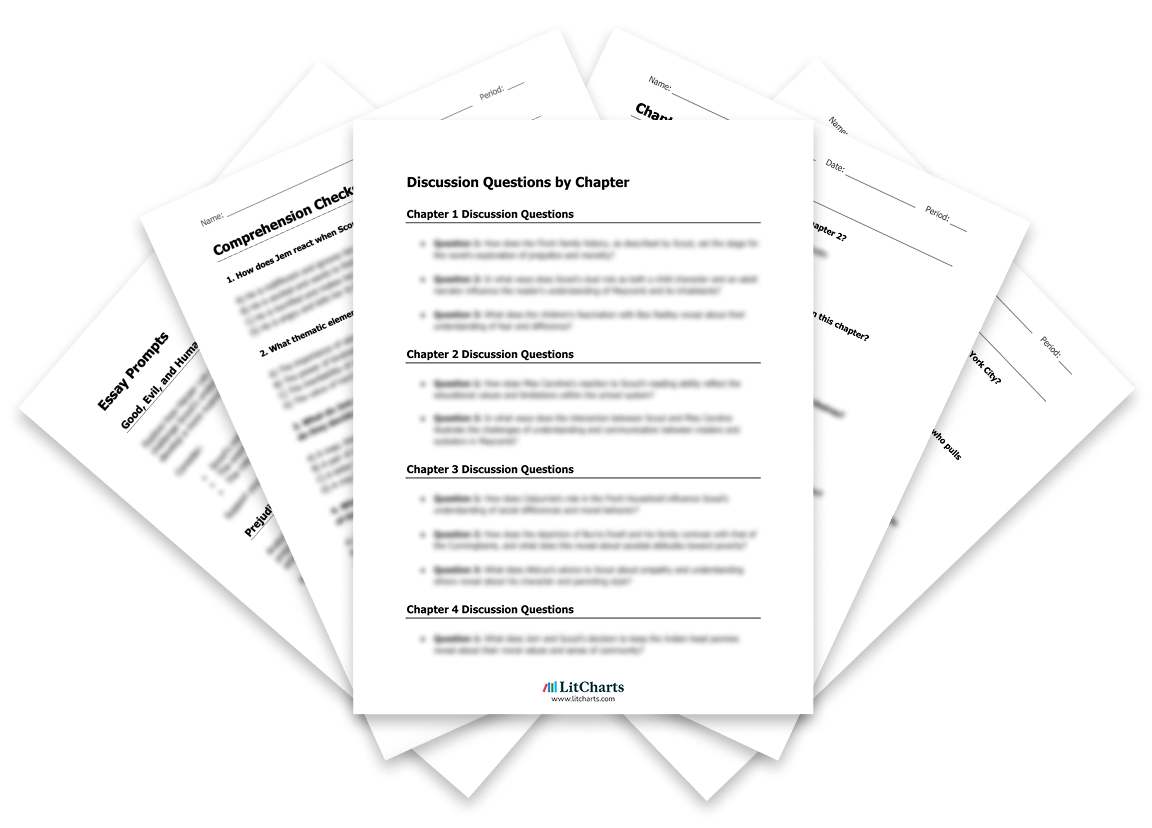


Literature Guide PDFs
LitCharts PDFs for every book you'll read this year.
Instant PDF downloads of all 2256 LitCharts literature guides and of every new one we publish. Try a free sample literature guide.
"Would not have made it through AP Literature without the printable PDFs. They're like having in-class notes for every discussion!"


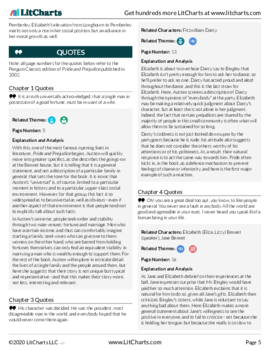


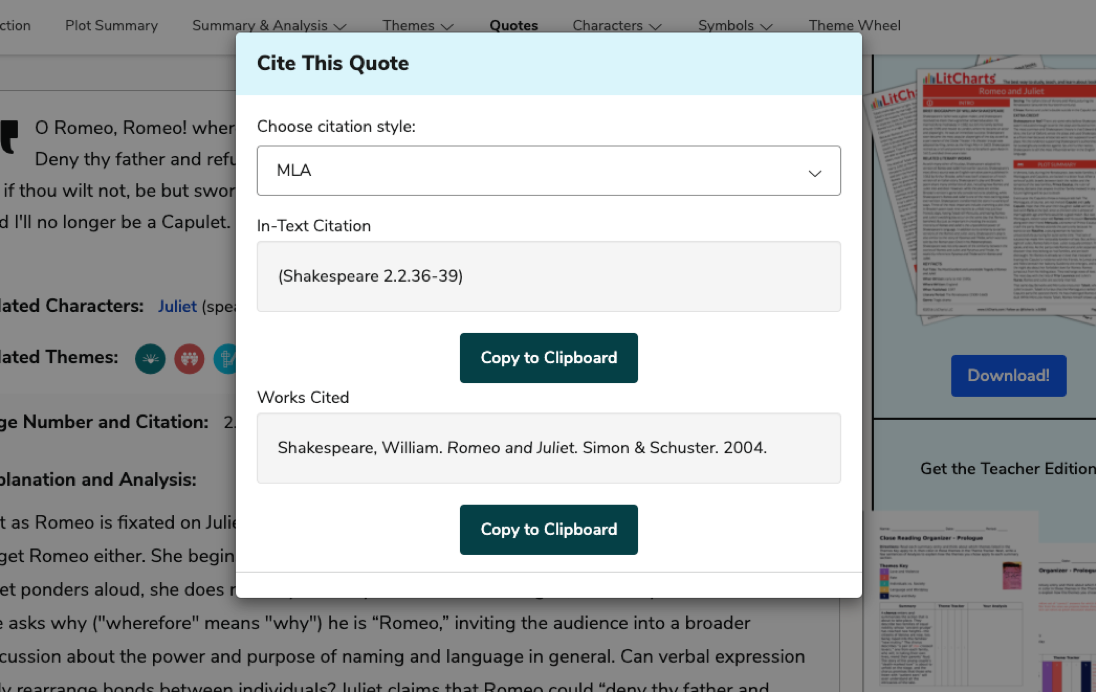
Quotes Explanations
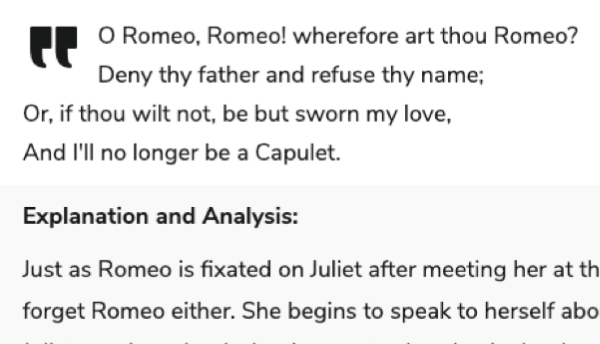
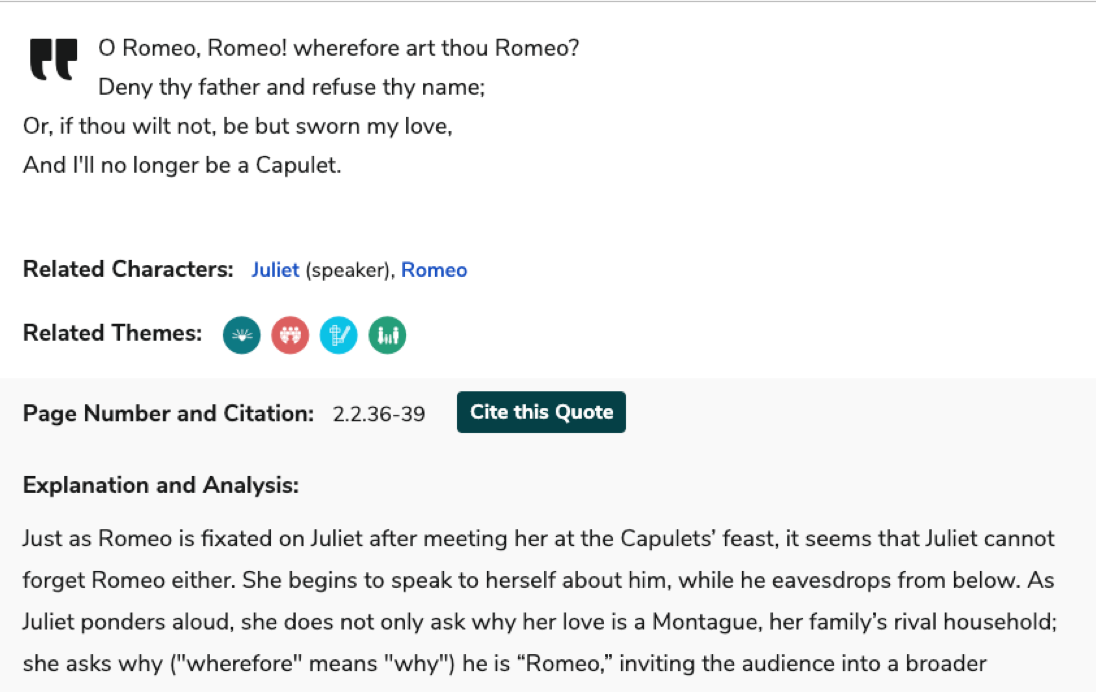
Find the perfect quote. Understand it perfectly. Then rock the citation, too.
For all 50,308 quotes we cover.
For all 50,308 quotes we cover.


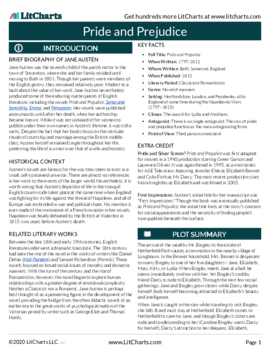
Teacher Editions
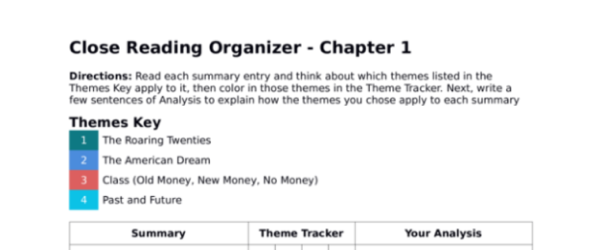
Close reading made easy for students.
Time saved for teachers.
For every book we cover.
Time saved for teachers.
For every book we cover.


Common Core-aligned


PDFs of modern translations of every one of Shakespeare's 37 plays, 154 sonnets, and 3 longer poems.

Literary Terms and Devices
Definitions and examples for every literary term and device you need to know.
Plus a quick-reference PDF with concise definitions of all 136 terms in one place.
Plus a quick-reference PDF with concise definitions of all 136 terms in one place.
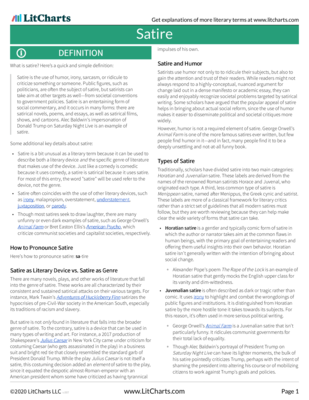
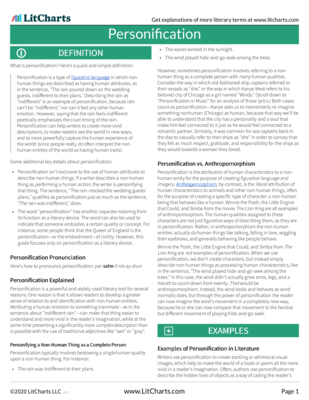
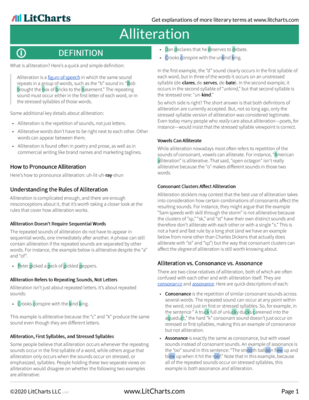
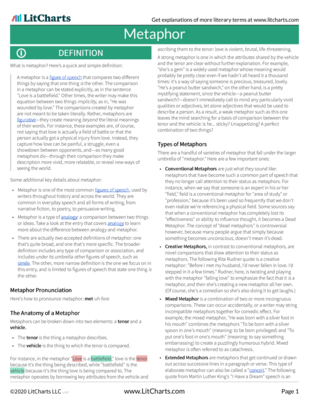
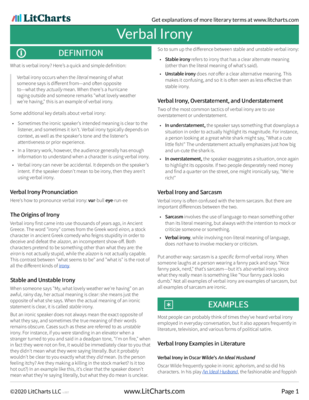
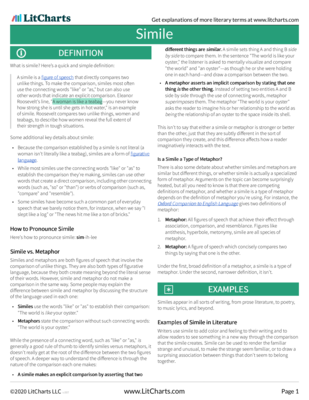
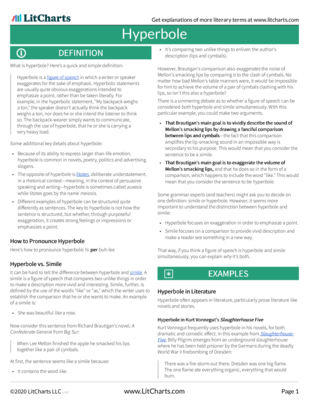
Try a free sample literary term PDF.


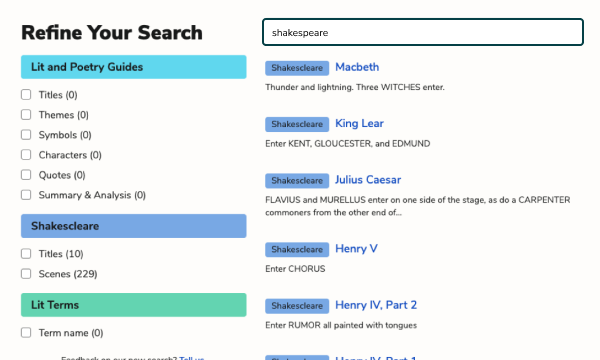
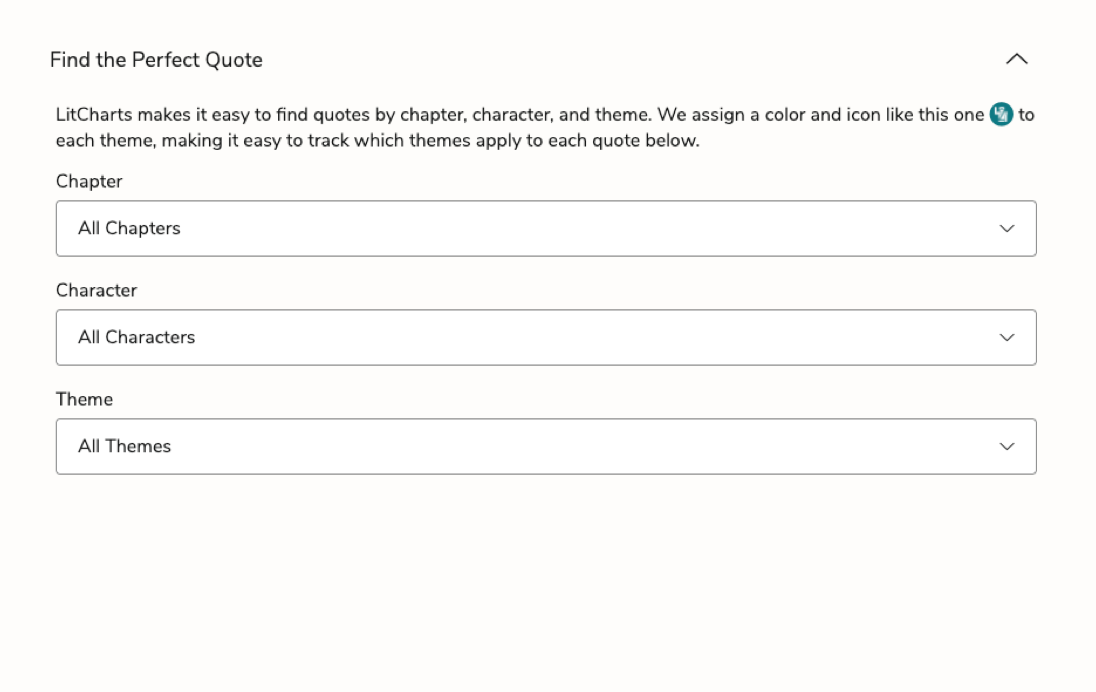
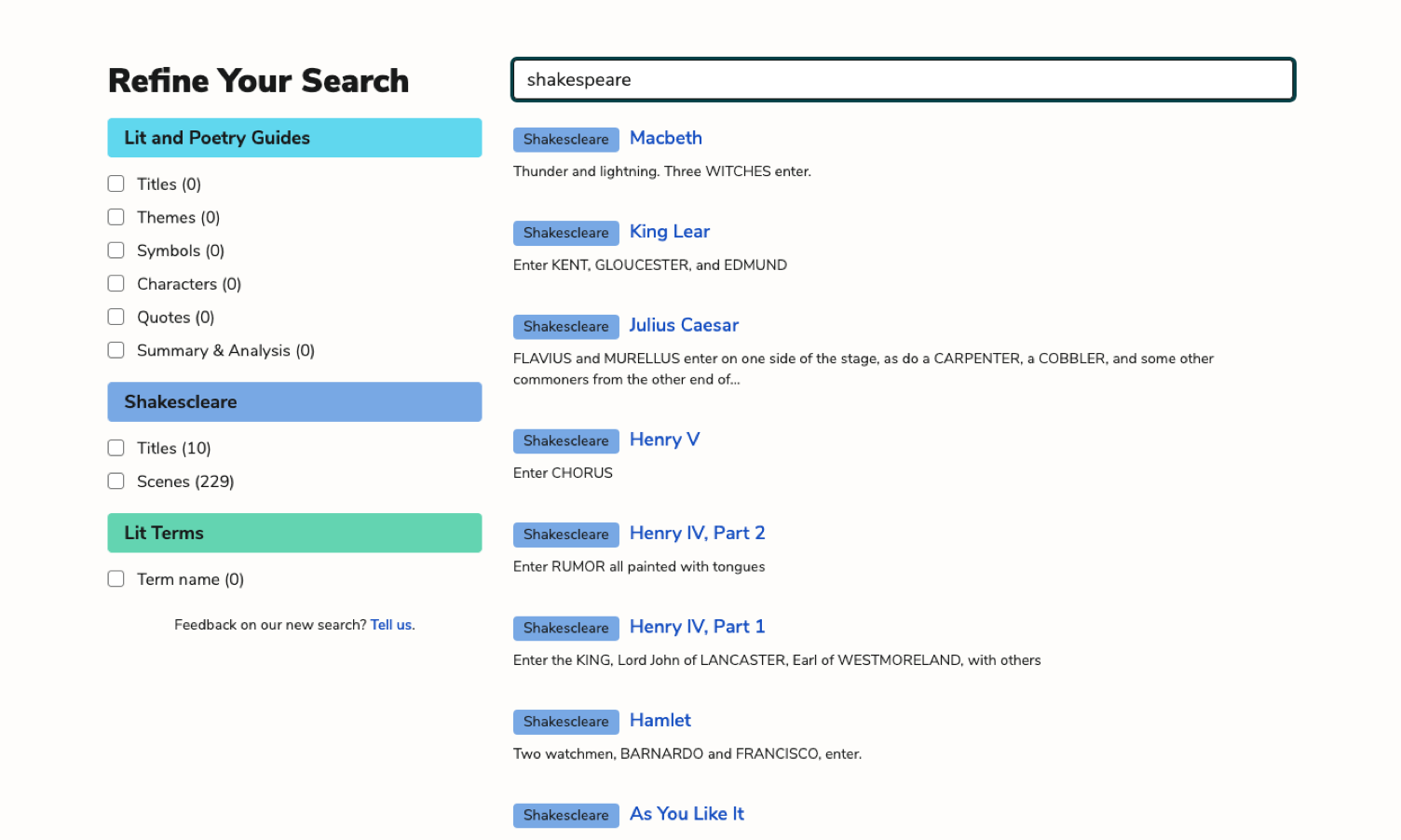
Advanced Search
Refine any search. Find related themes, quotes, symbols, characters, and more.
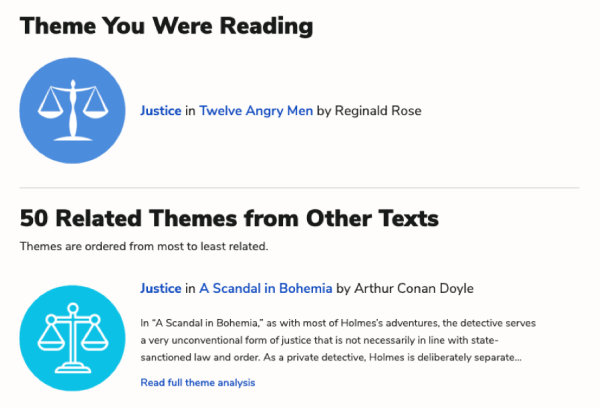
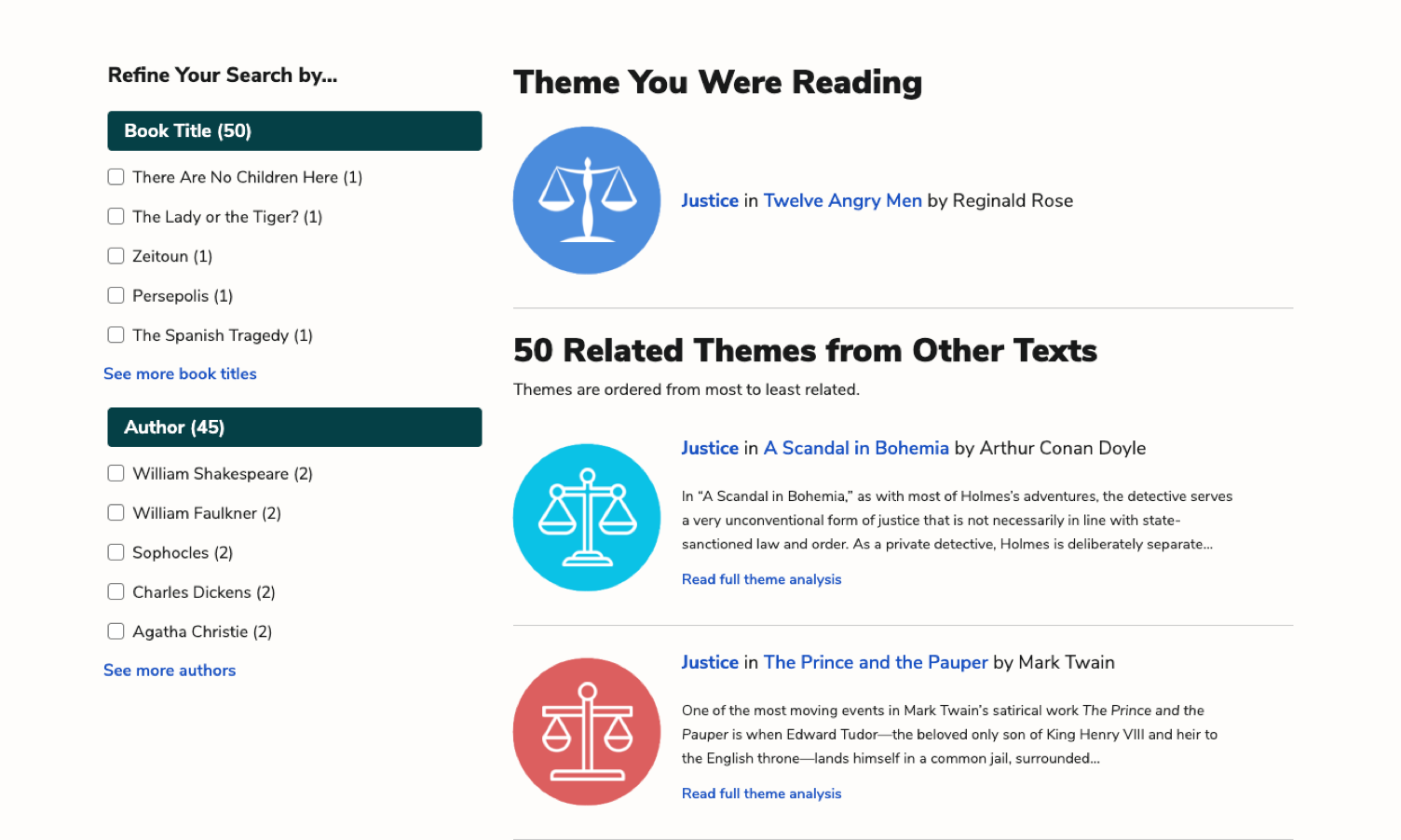
Related Themes
Comparing and contrasting texts? Find where any theme occurs across all of LitCharts in seconds.


Poetry Guides
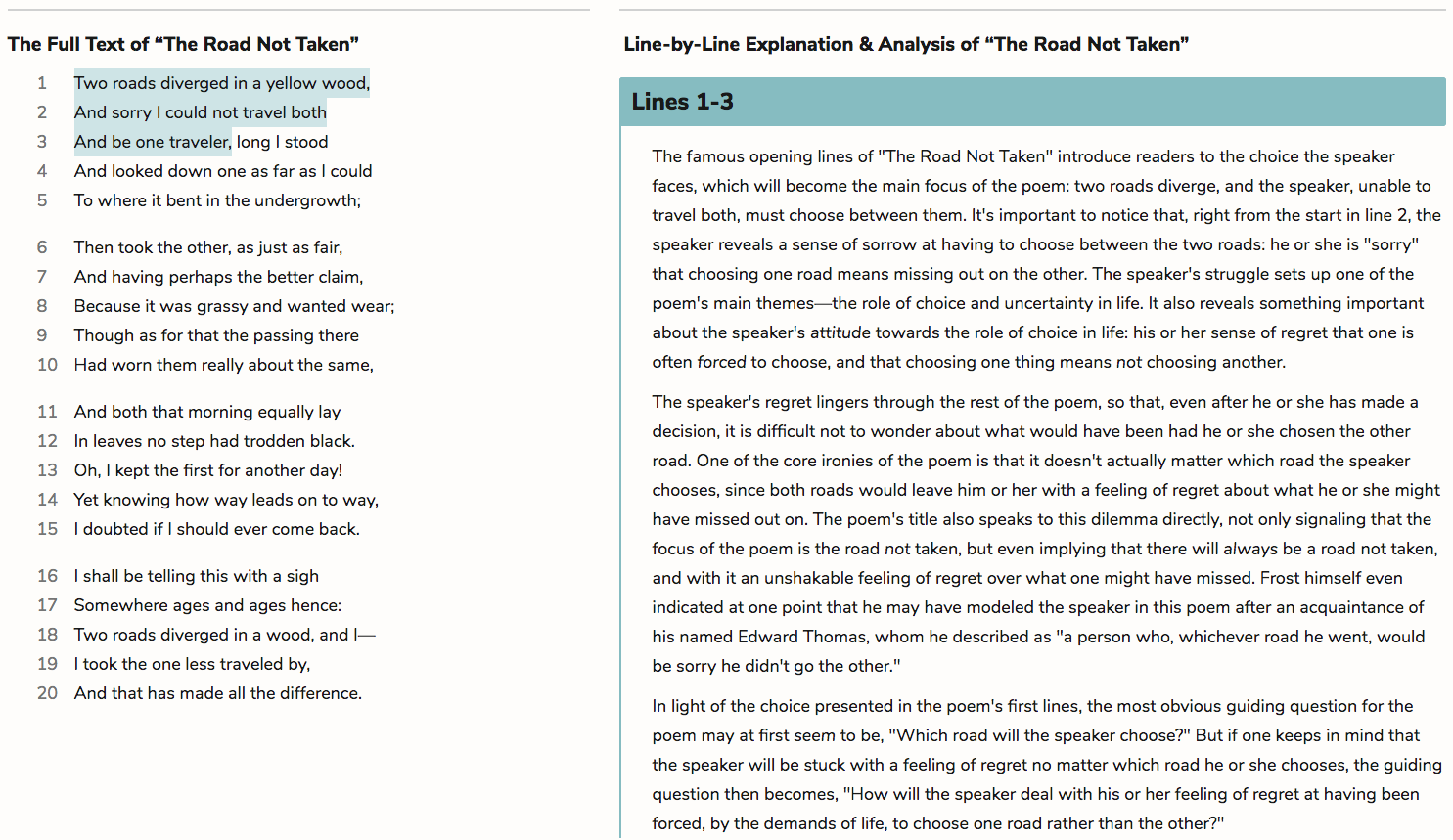
Line-by-line explanations and analysis of figurative language and poetic devices.
For every lyric poem we cover.
For every lyric poem we cover.