
|
Have questions?
Contact us
Already a member? Sign in
|
Get every literary device explanation for How the Other Half LivesPlus so much more...
Sign up for LitCharts A+Get instant access to every literary device explanation, plus so much more...
Motif
Explanation and Analysis—Swarms and Hordes:
Throughout the book, Riis uses animalistic, demeaning language to describe tenement residents, more often than not speaking about them as a large, threatening group as opposed to as individuals with agency and identity. This imagery of the "swarms" or "hordes" of impoverished immigrants is so widely used in Riis's work that it becomes a motif, one he employs as early as the introduction, mentioning the "question" of "how to lay hold of these teeming masses in the tenements." He also uses the term "herd" in Chapter 1 to describe crowding in cities, noting that many other overcrowded cities were far less crowded than New York:
The utmost cupidity of other lands and other days had never contrived to herd more than half [the people who lived in New York tenements] within that same space.
Disturbingly, Riis also describes children in this manner in Chapter 4:
A horde of dirty children play about the dripping hydrant, the only thing in the alley that thinks enough of its chance to make the most of it.
This imagery, which Riis utilizes throughout his writing, generates a fear of the presumed degenerate masses that has its roots in the eugenics movement of the late 19th and early 20th centuries. This generation of fear and disgust surrounding large masses of people becomes a motif within Riis's work, surfacing often in the descriptive language he chooses.
Monthly
Annual (Best Value)

$595USD/mo
Charged $71.40 USD every year
 Teacher
$795USD/mo
Charged $95.40 USD every year
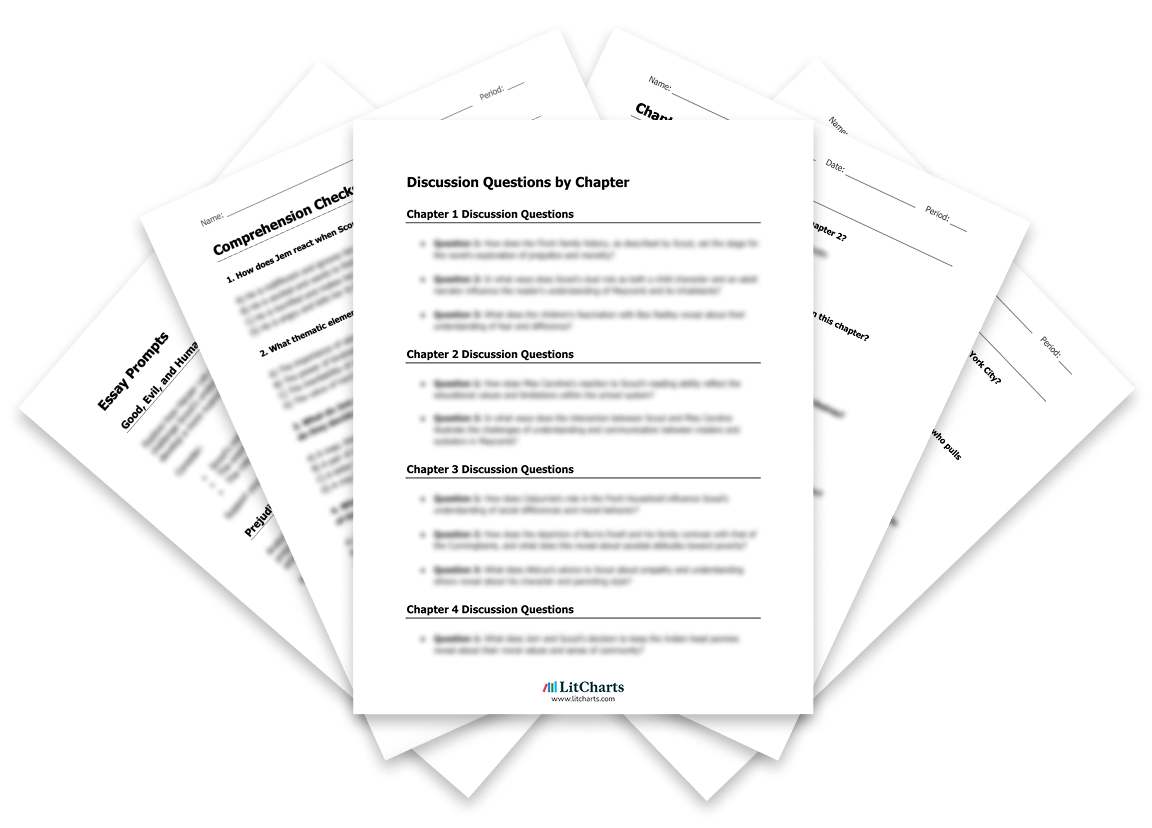


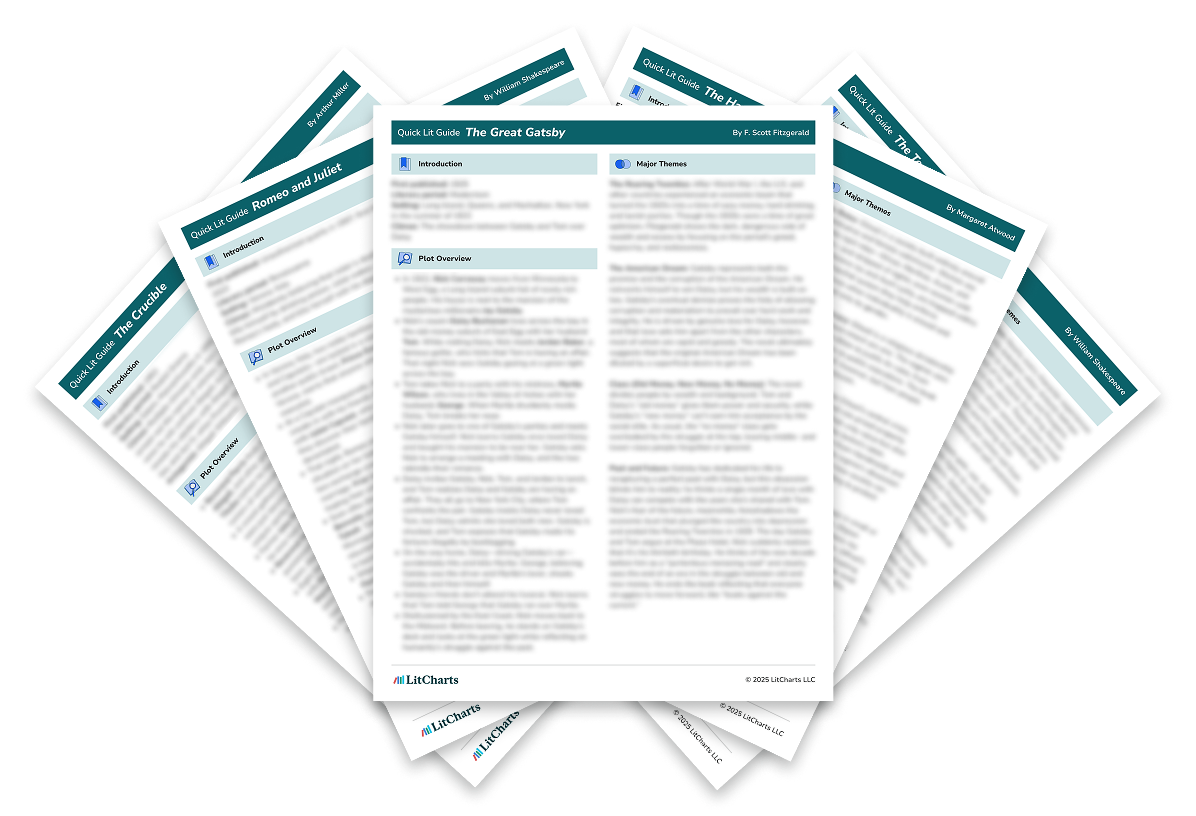
Literature Guide PDFs
LitCharts PDFs for every book you'll read this year.
Instant PDF downloads of all 2245 LitCharts literature guides and of every new one we publish. Try a free sample literature guide.
"Would not have made it through AP Literature without the printable PDFs. They're like having in-class notes for every discussion!"





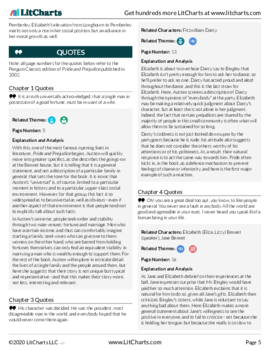
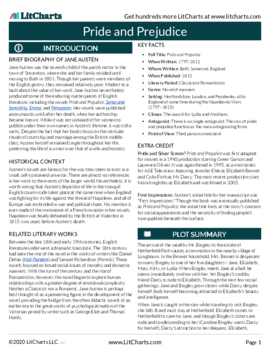


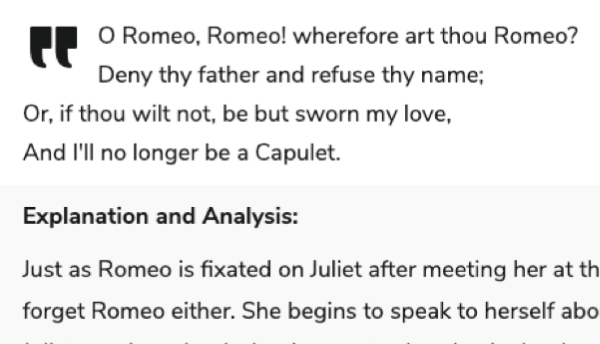
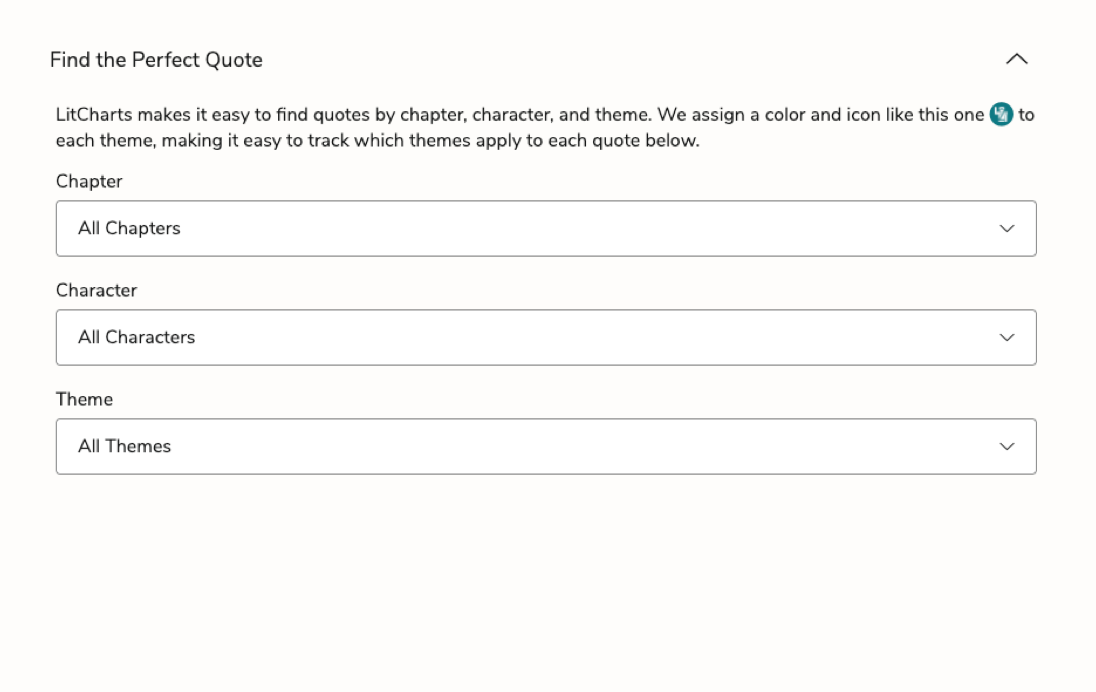
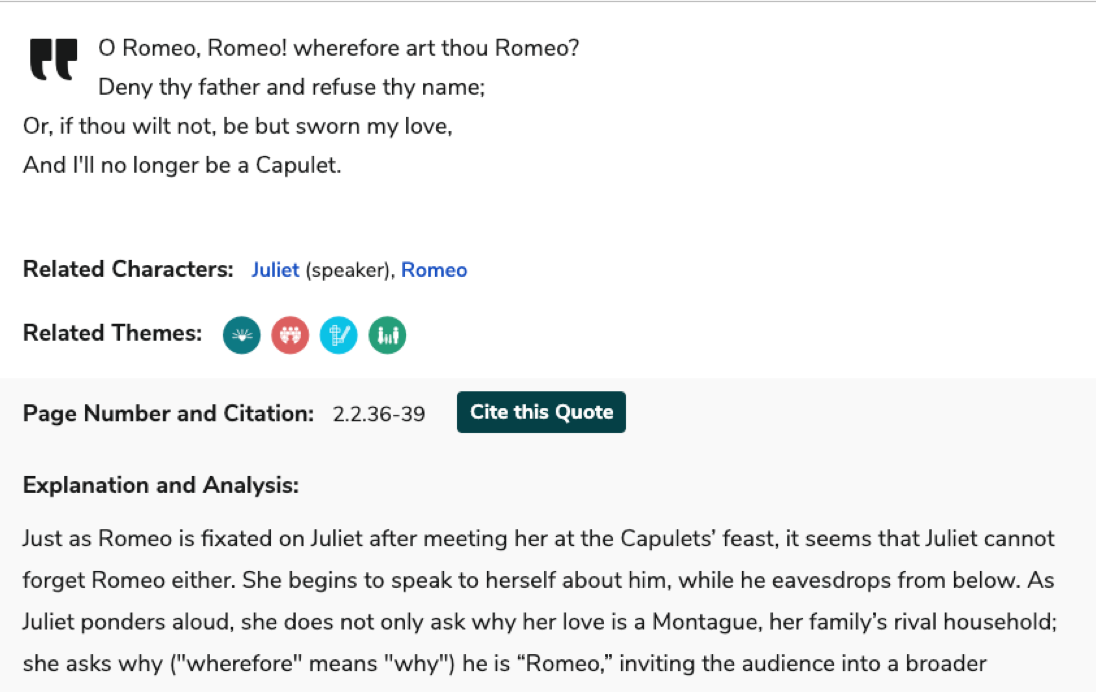
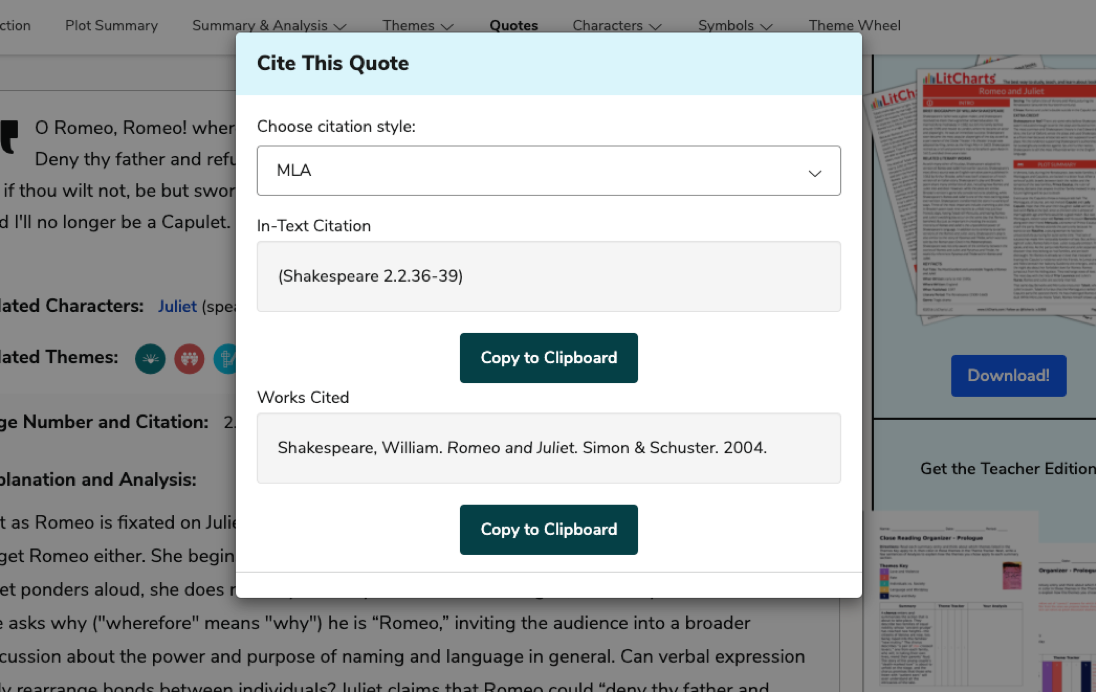
Quotes Explanations
Find the perfect quote. Understand it perfectly. Then rock the citation, too.
For all 50,066 quotes we cover.
For all 50,066 quotes we cover.


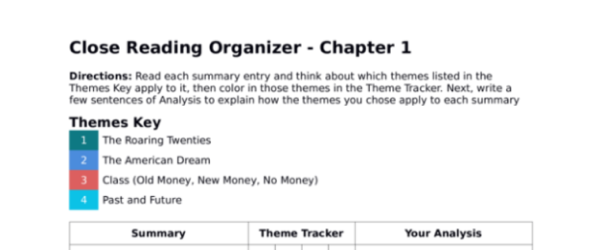
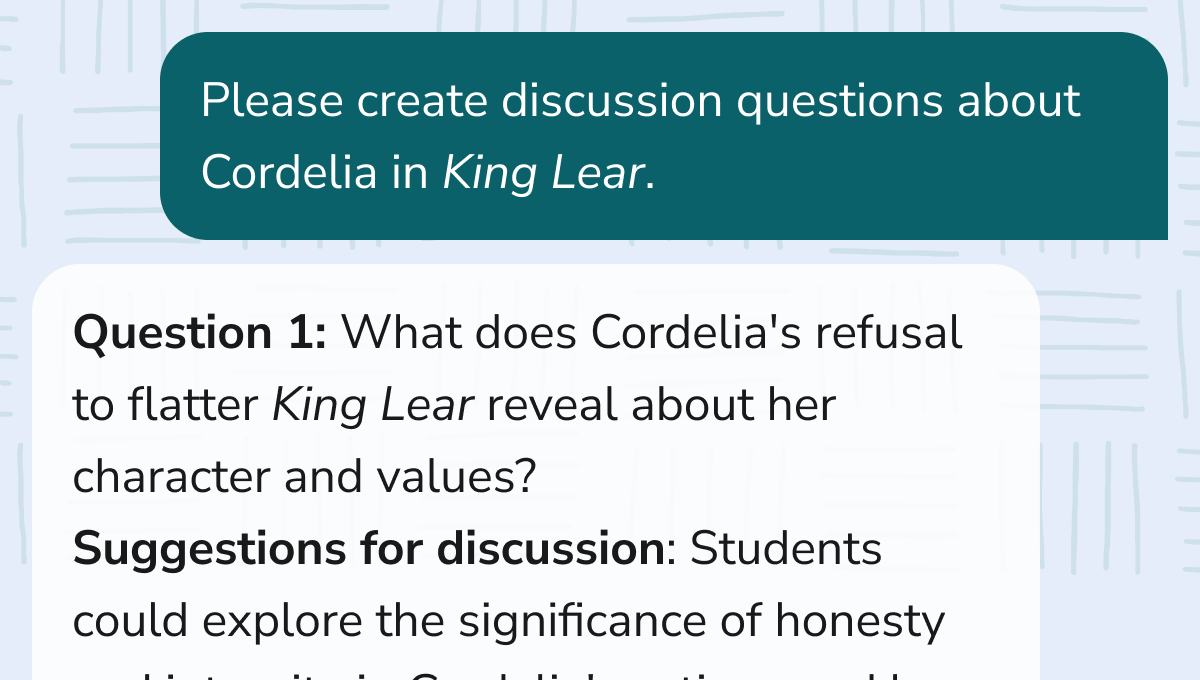
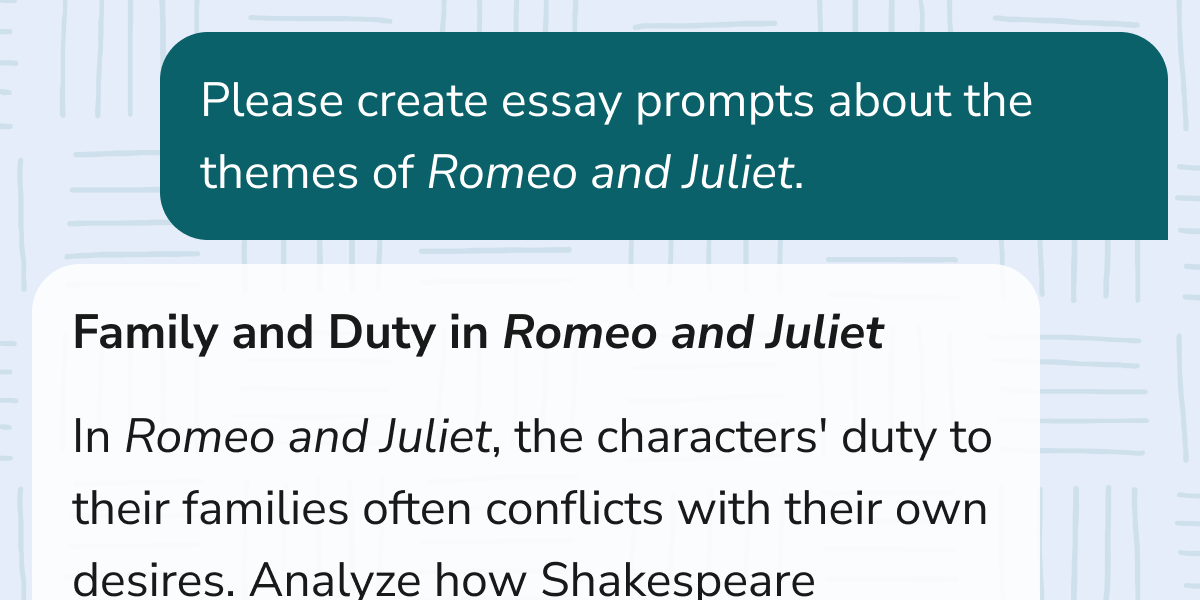
Teacher Editions
Close reading made easy for students.
Time saved for teachers.
For every book we cover.
Time saved for teachers.
For every book we cover.


Common Core-aligned


PDFs of modern translations of every one of Shakespeare's 37 plays, 154 sonnets, and 3 longer poems.

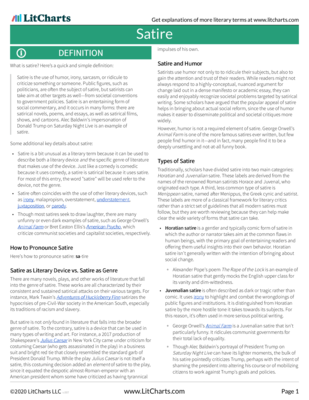
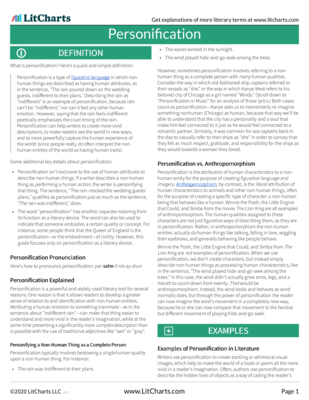
Literary Terms and Devices
Definitions and examples for every literary term and device you need to know.
Plus a quick-reference PDF with concise definitions of all 136 terms in one place.
Plus a quick-reference PDF with concise definitions of all 136 terms in one place.
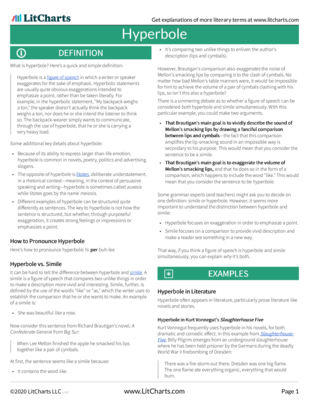
Try a free sample literary term PDF.


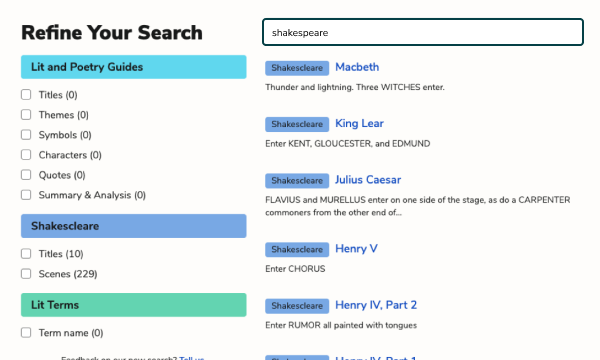
Advanced Search
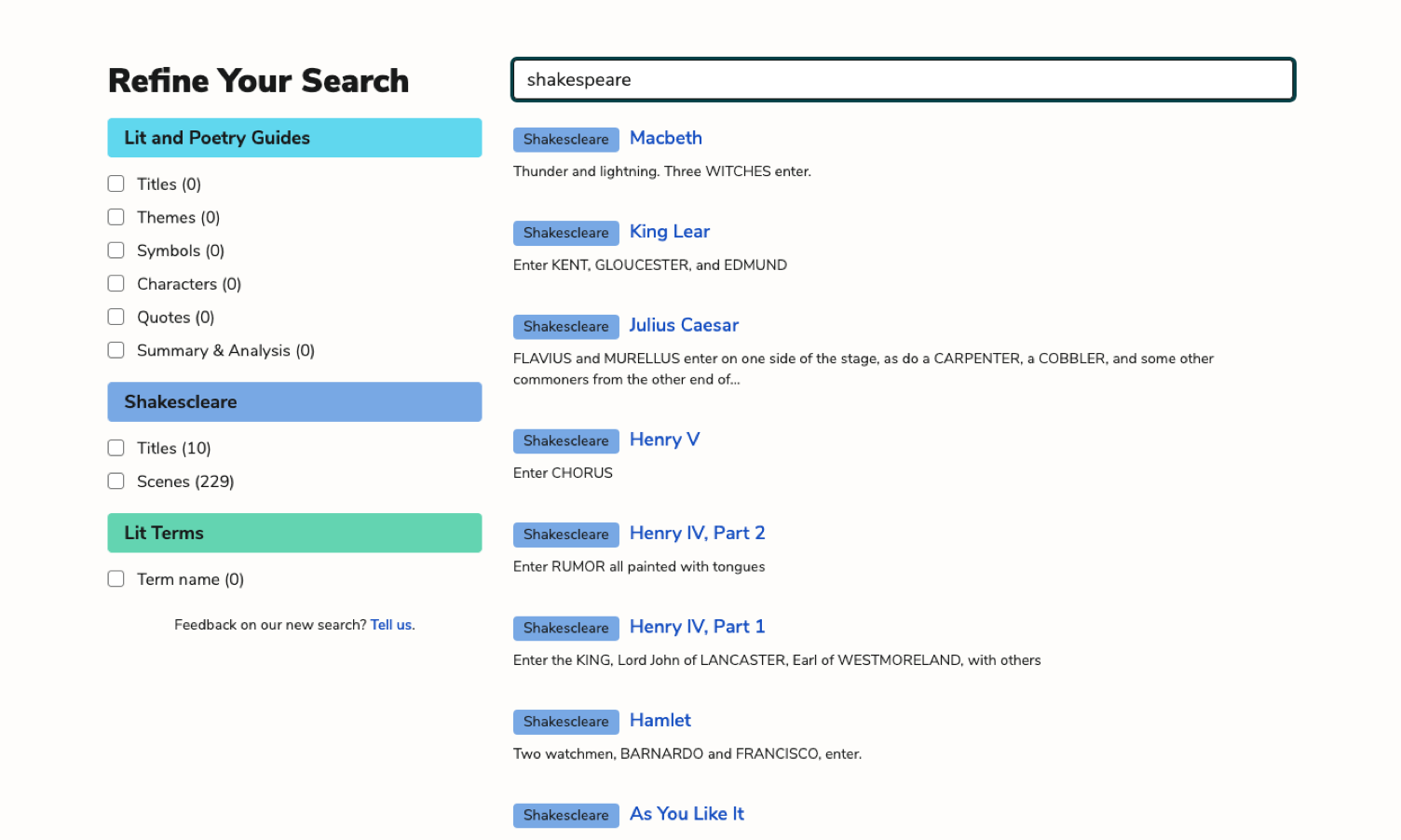
Refine any search. Find related themes, quotes, symbols, characters, and more.

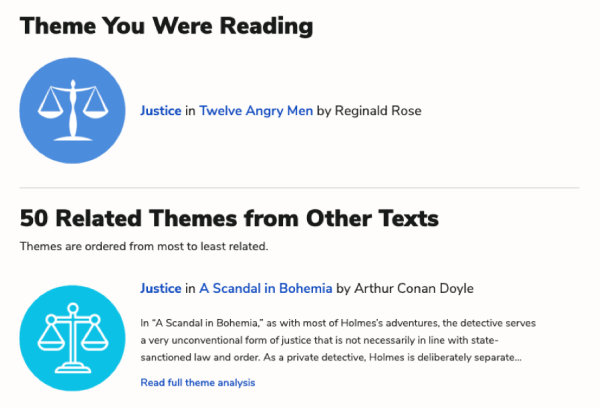
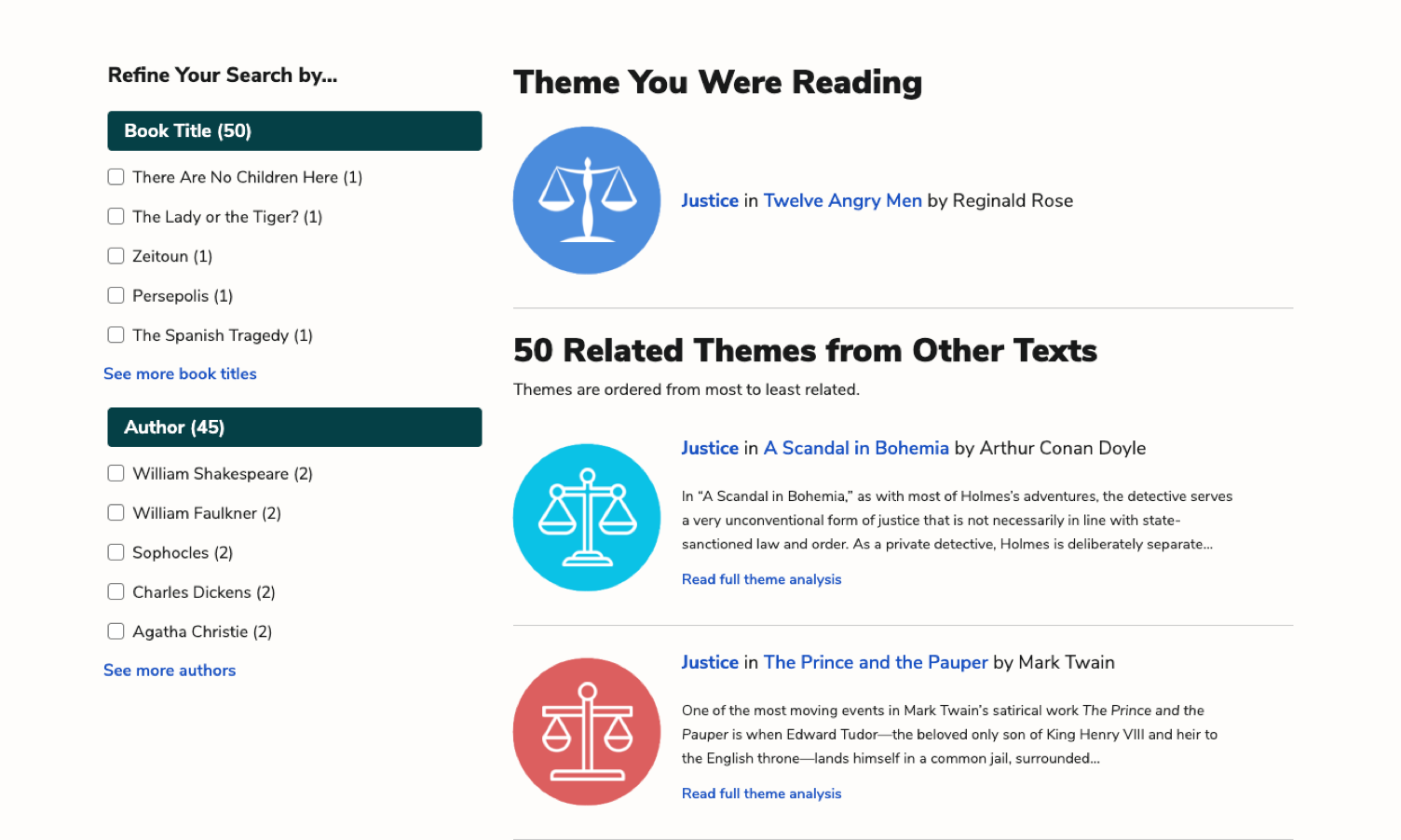
Related Themes
Comparing and contrasting texts? Find where any theme occurs across all of LitCharts in seconds.


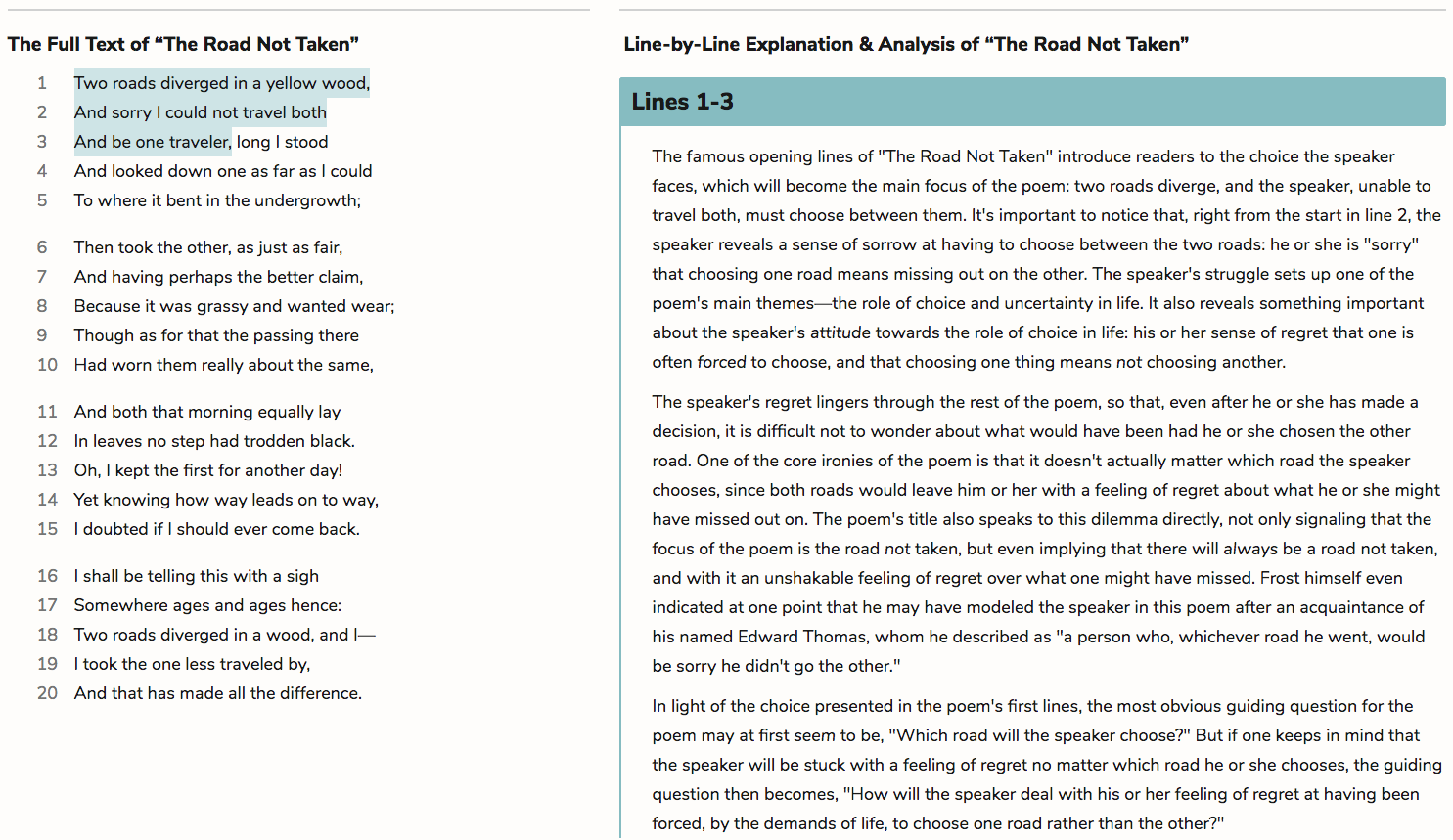
Poetry Guides
Line-by-line explanations and analysis of figurative language and poetic devices.
For every lyric poem we cover.
For every lyric poem we cover.