
|
Have questions?
Contact us
Already a member? Sign in
|
Get every literary device explanation for How the Other Half LivesPlus so much more...
Sign up for LitCharts A+Get instant access to every literary device explanation, plus so much more...
Motif
Explanation and Analysis—Breeding and Heredity:
Throughout How the Other Half Lives, Riis focuses on the idea that evil, or immoral behavior, can be passed down genetically from parent to child. This fixation on heredity occurs as a motif throughout the text, as early as the introduction:
If it shall appear that the sufferings and the sins of the "other half," and the evil they breed, are but as a just punishment upon the community that gave it no other choice, it will be because that is the truth.
Note the specific use of the term "breed" in this passage, intended to imply that the children produced by impoverished people will bear the same "evil" that their parents do. In fact, this passage implies that the only thing the tenements can produce is evil. This viewpoint is solidified throughout the text, as exemplified by the following passage from Chapter 15, aptly entitled "The Problem of the Children":
The problem of the children becomes, in these swarms, to the last degree perplexing [. . .]. For, be it remembered, these children with the training they receive—or do not receive—with the instincts they inherit and absorb in their growing up, are to be our future rulers.
It is key to note that Riis was not the sole proprietor of these beliefs, nor the sole perpetrator of this heredity-based rhetoric. In fact, such notions were commonly held by eugenicists and social reformers at the time, so Riis seems to have incorporated these ideas into his social analysis, ultimately undermining any attempt to approach the situation with empathy.
Monthly
Annual (Best Value)

$595USD/mo
Charged $71.40 USD every year
 Teacher
$795USD/mo
Charged $95.40 USD every year
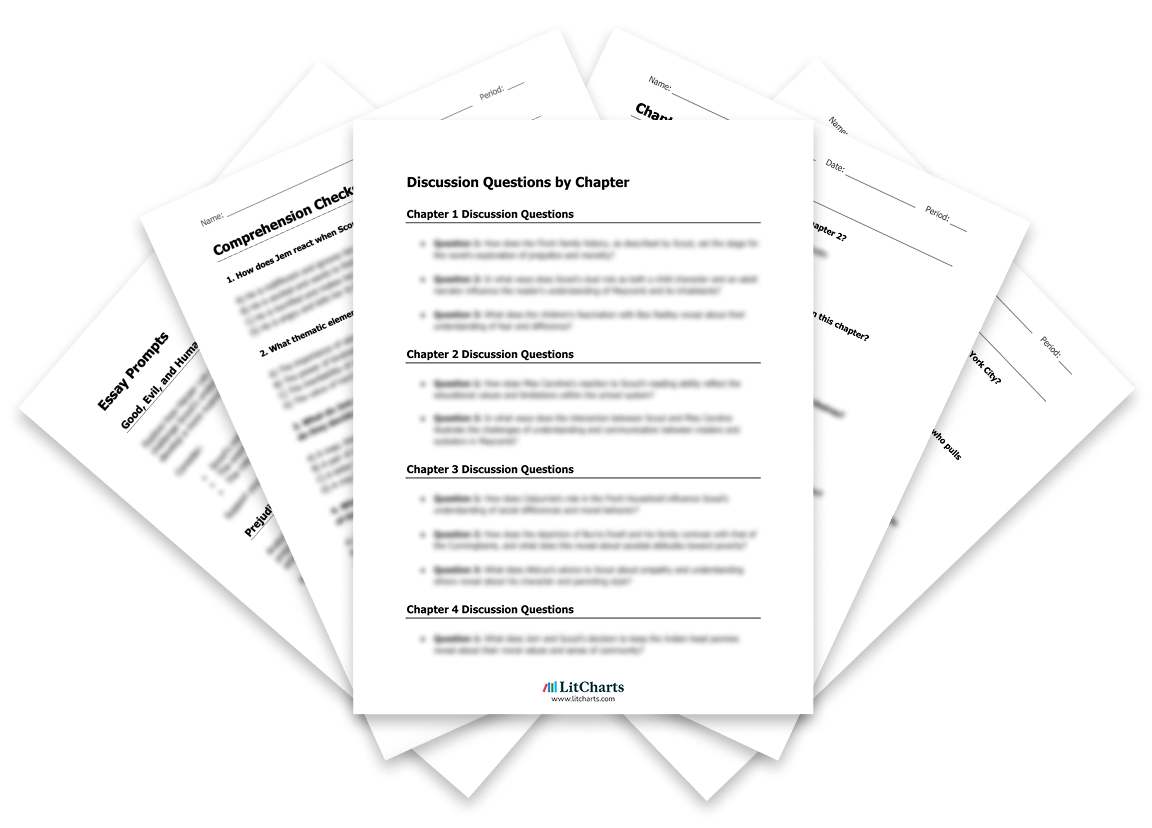


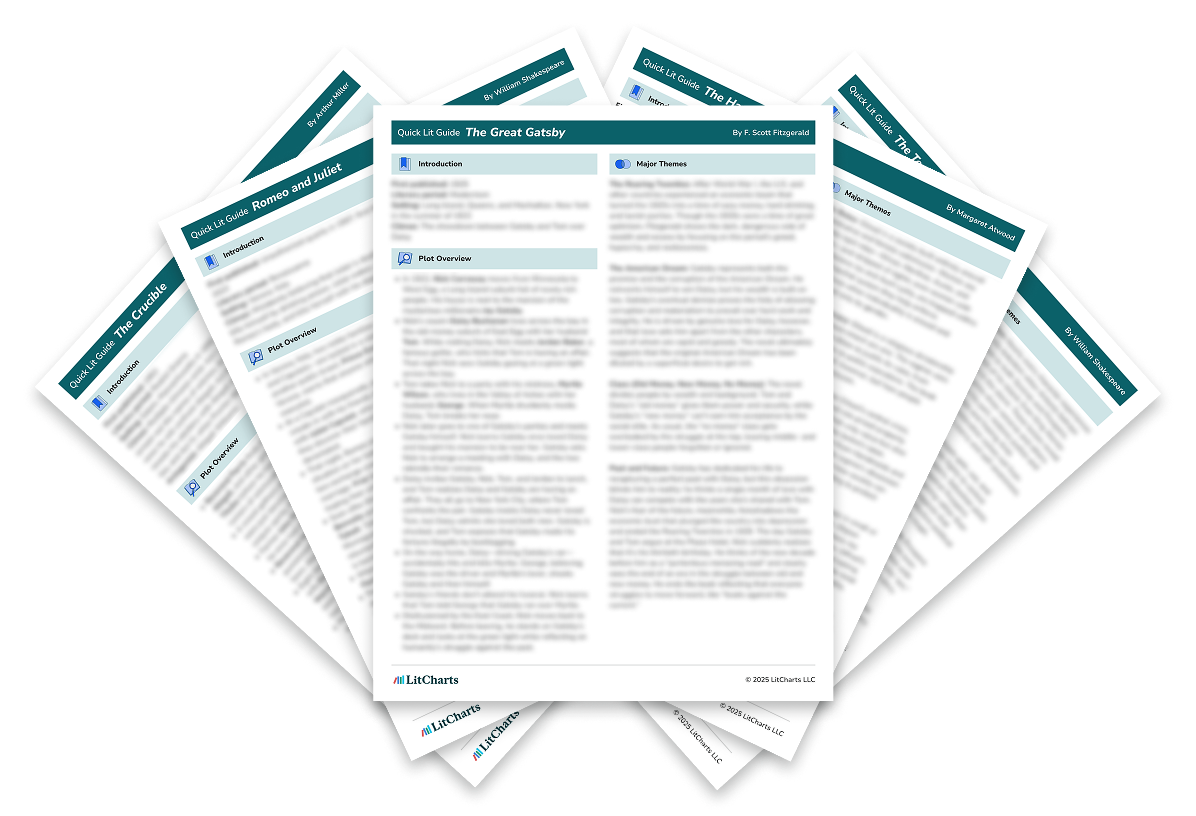
Literature Guide PDFs
LitCharts PDFs for every book you'll read this year.
Instant PDF downloads of all 2245 LitCharts literature guides and of every new one we publish. Try a free sample literature guide.
"Would not have made it through AP Literature without the printable PDFs. They're like having in-class notes for every discussion!"






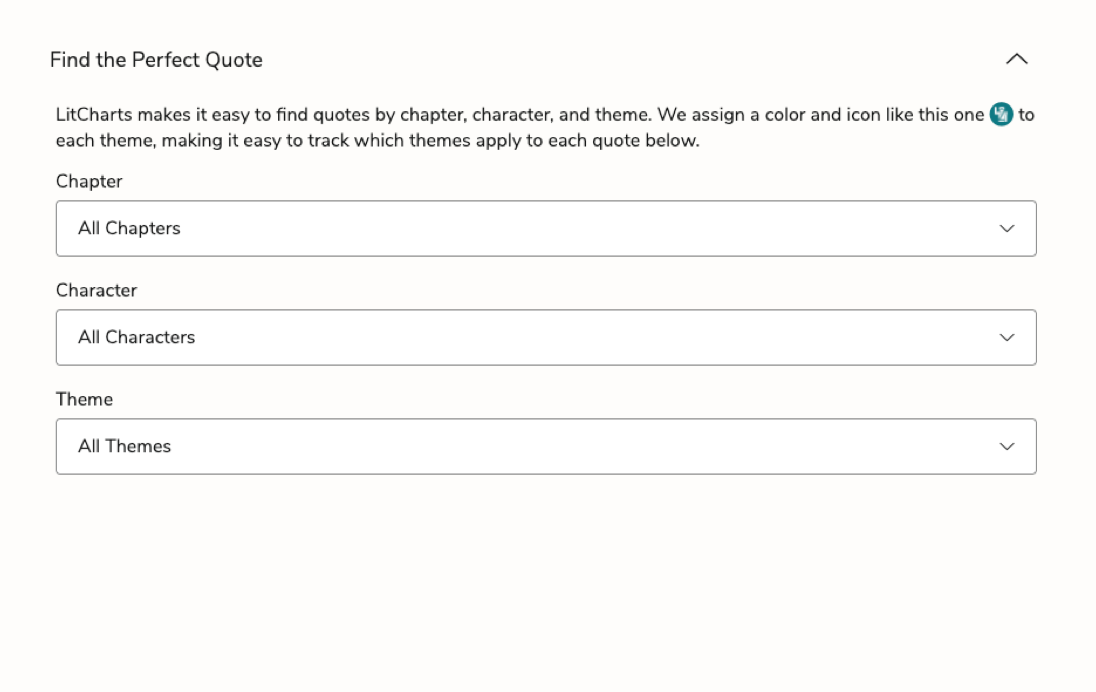
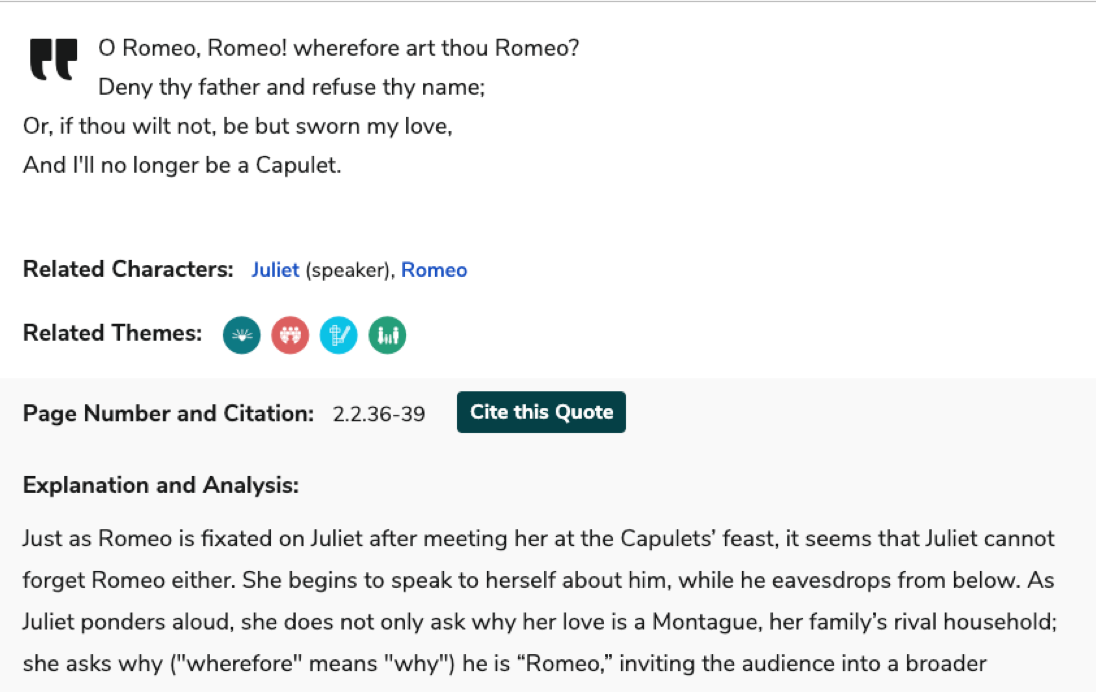
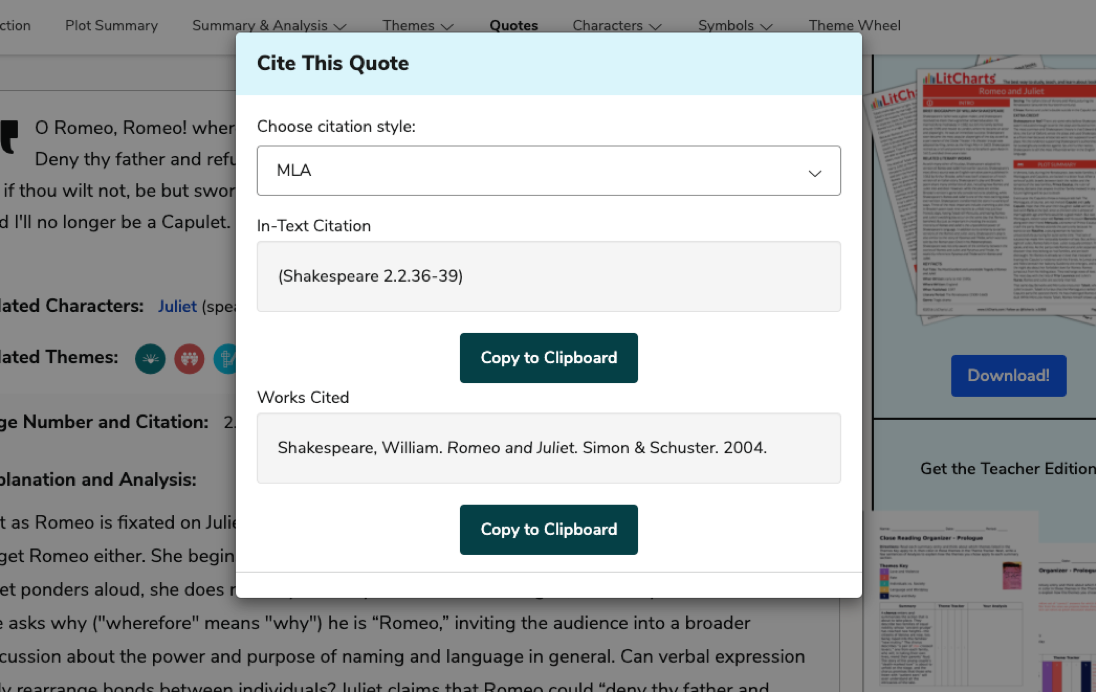
Quotes Explanations
Find the perfect quote. Understand it perfectly. Then rock the citation, too.
For all 50,066 quotes we cover.
For all 50,066 quotes we cover.


Teacher Editions
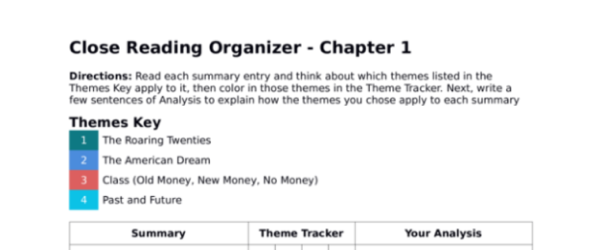
Close reading made easy for students.
Time saved for teachers.
For every book we cover.
Time saved for teachers.
For every book we cover.


Common Core-aligned


PDFs of modern translations of every one of Shakespeare's 37 plays, 154 sonnets, and 3 longer poems.

Literary Terms and Devices
Definitions and examples for every literary term and device you need to know.
Plus a quick-reference PDF with concise definitions of all 136 terms in one place.
Plus a quick-reference PDF with concise definitions of all 136 terms in one place.
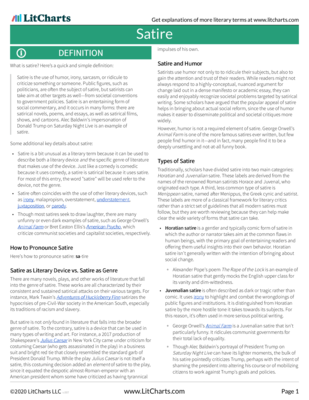
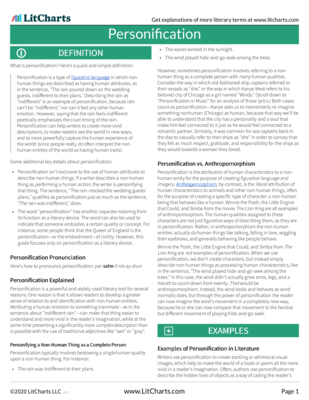
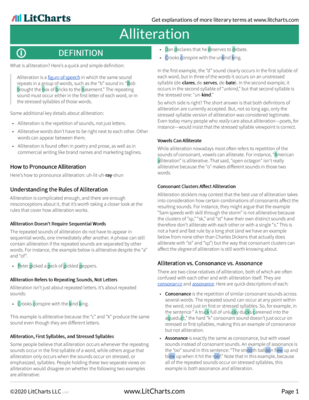
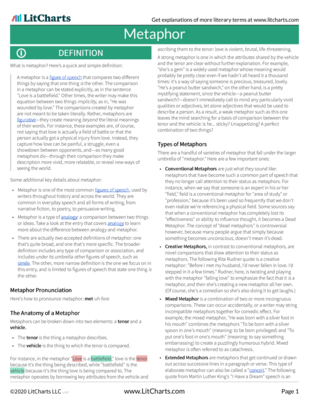
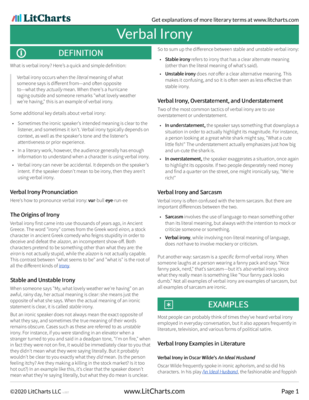
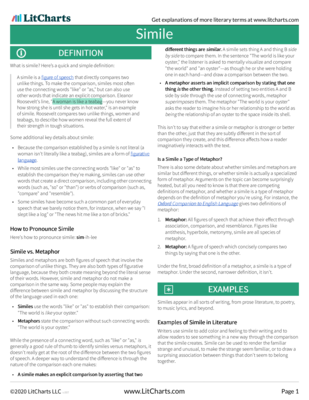
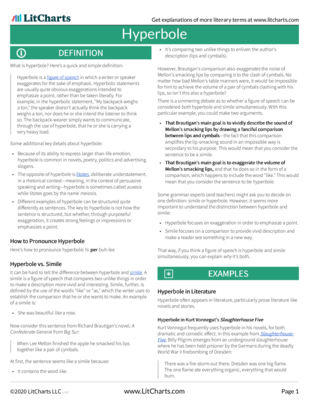
Try a free sample literary term PDF.


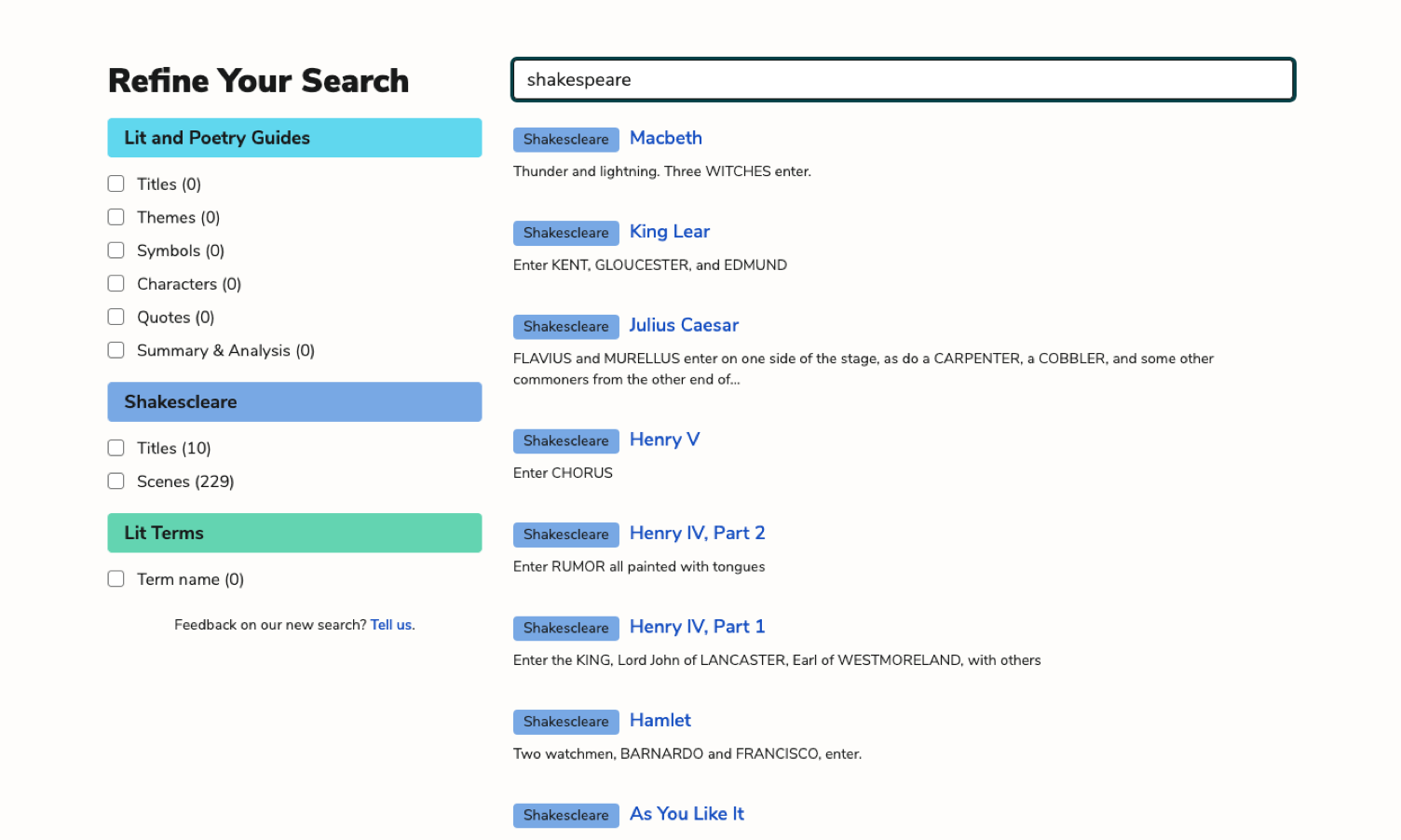
Advanced Search
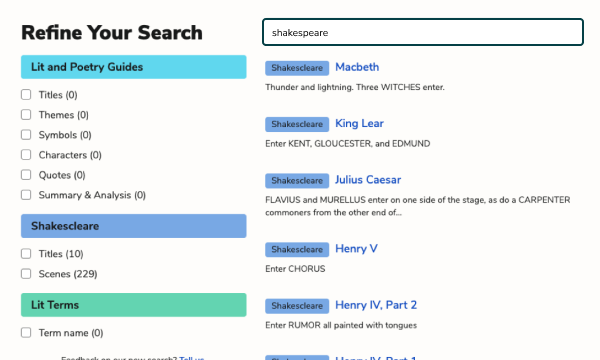
Refine any search. Find related themes, quotes, symbols, characters, and more.

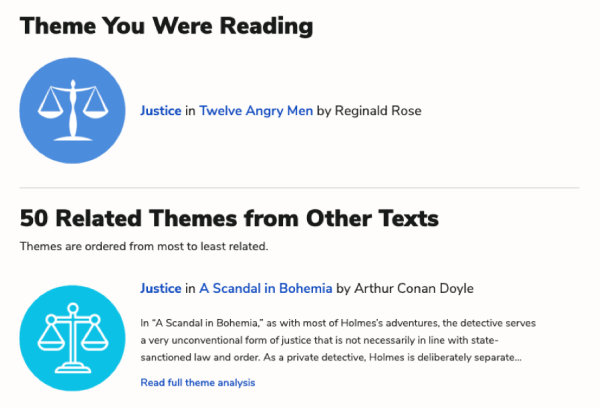
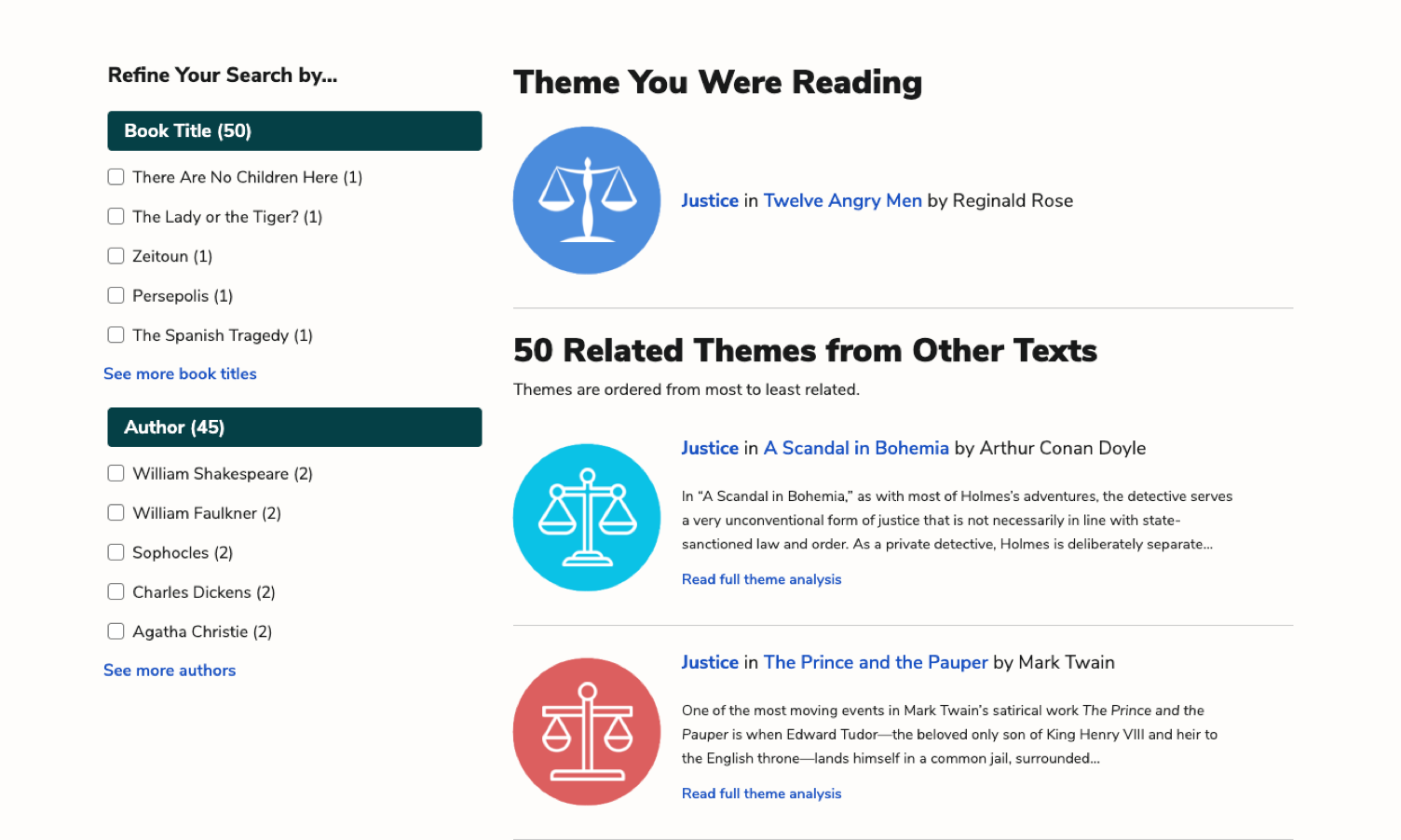
Related Themes
Comparing and contrasting texts? Find where any theme occurs across all of LitCharts in seconds.


Poetry Guides
Line-by-line explanations and analysis of figurative language and poetic devices.
For every lyric poem we cover.
For every lyric poem we cover.