
|
Have questions?
Contact us
Already a member? Sign in
|
Get every literary device explanation for Uncle VanyaPlus so much more...
Sign up for LitCharts A+Get instant access to every literary device explanation, plus so much more...
Motif
Explanation and Analysis—Dinner Time:
Throughout the play, various characters comment on the time at which they eat dinner and on the contents of the meal itself. For Marina especially, this time becomes a way to evaluate whether “everything” is in "its proper order." The motif of dinner time expresses the characters' longing for simplicity. Serebryakov and Yelena stand in the way of their modest meals and regular routines.
Early in the first act, Voynitsky complains that the appearance of Serebryakov and Yelena has thrown his life schedule off track:
Ever since the Professor came to live here with his wife, my life has left its track… I go to sleep at the wrong time, for lunch and dinner I eat all kinds of rich dishes, I drink wine – that’s all unhealthy.
Marina picks up where Voynitsky leaves off, expressing shock over their lifestyle.
What a way to live! [...] Before they came we always had dinner before one o’clock, like people everywhere else, but with them here it’s after six.
For many modern readers, dinner would tend to mean the large meal one eats in the evening. However, different cultures eat the main meal of the day at different times; some eat it in the middle of the day, others at the end of the day. Historically, the meal people called dinner would be eaten around midday. It seems that Serebryakov has brought the custom of eating the main meal in the evening with him from the city. This perturbs the other country-dwelling characters, who are used to eating dinner earlier in the day.
Sonya also comments on this change in their schedule in the first act. When she invites Astrov to eat with them, she tells him that "We dine now after six." Though subtle, Chekhov uses this comment to reinforce the sense that the more permanent members of the household find it difficult to get used to their new, exotic dinner time.
When Serebryakov and Yelena prepare to depart at the start of the fourth act, Marina again expresses her longing for their former, plain lifestyle:
We’ll live again as we used to, in the old days. Tea at eight in the morning, dinner at one, sitting down to supper in the evening; everything in its proper order, just as people do it… Christian people.
Marina associates a midday dinner with propriety and morality. In her view, being an upstanding Christian person comes down not solely to faith but also to customs and routines. Through this dinner-time motif, Chekhov emphasizes the difference in lifestyle and views between those who have lived at the estate all along and the city-dwelling Serebryakov and Yelena. When they show up and change the routine, it is difficult for the other characters to adjust. Until the Professor and his wife leave for the city again, they all yearn for the calm order that used to structure their life.
Monthly
Annual (Best Value)

$595USD/mo
Charged $71.40 USD every year
 Teacher
$795USD/mo
Charged $95.40 USD every year
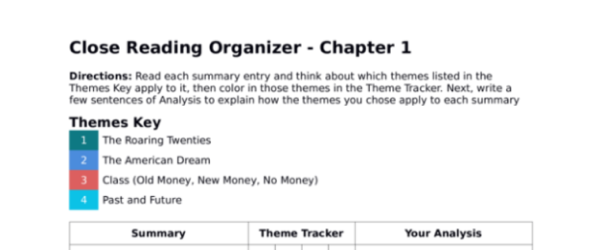
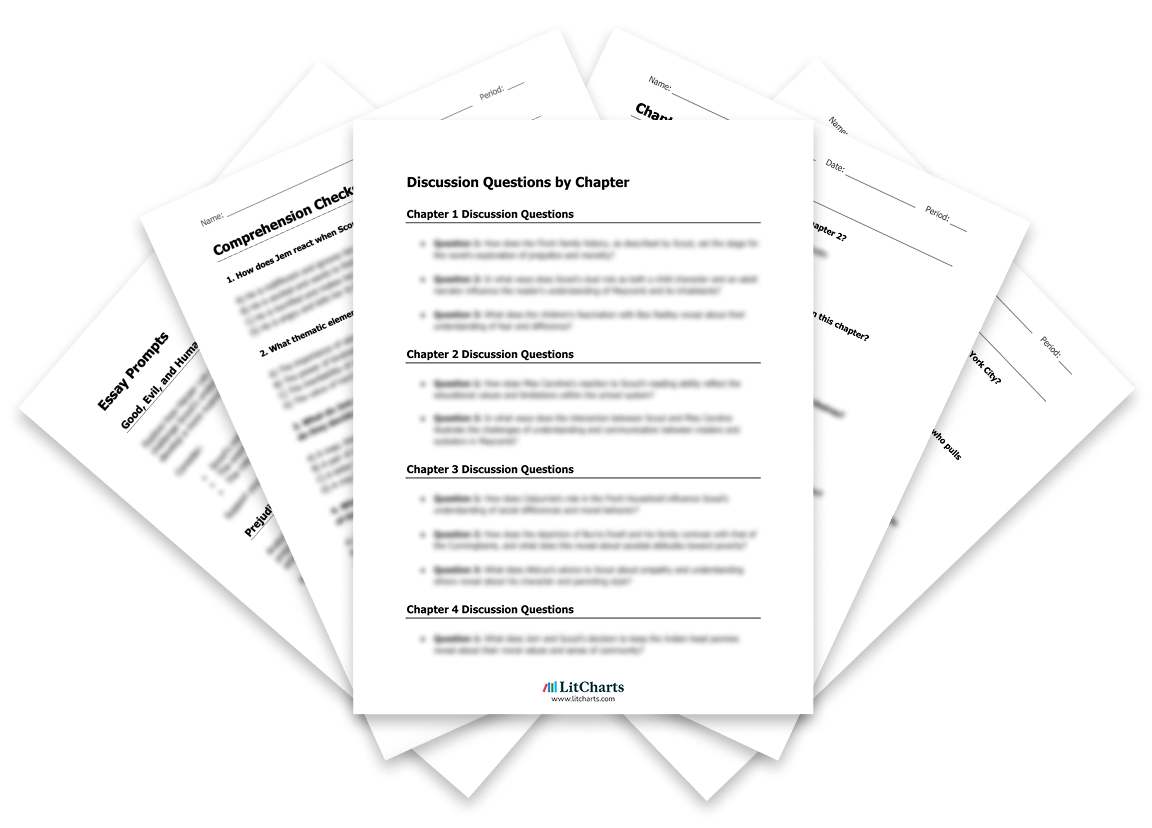


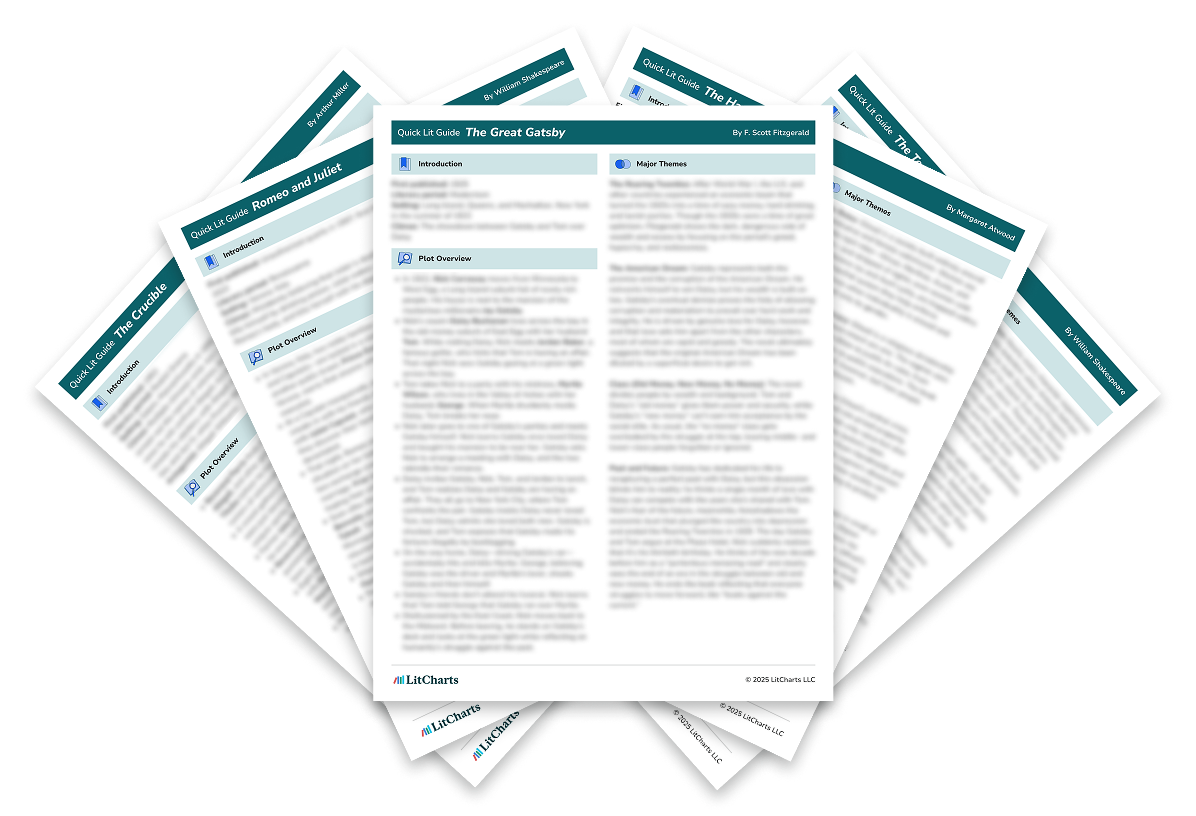
Literature Guide PDFs
LitCharts PDFs for every book you'll read this year.
Instant PDF downloads of all 2241 LitCharts literature guides and of every new one we publish. Try a free sample literature guide.
"Would not have made it through AP Literature without the printable PDFs. They're like having in-class notes for every discussion!"




Quotes Explanations
Find the perfect quote. Understand it perfectly. Then rock the citation, too.
For all 49,971 quotes we cover.
For all 49,971 quotes we cover.


Teacher Editions
Close reading made easy for students.
Time saved for teachers.
For every book we cover.
Time saved for teachers.
For every book we cover.


Common Core-aligned


PDFs of modern translations of every one of Shakespeare's 37 plays, 154 sonnets, and 3 longer poems.

Literary Terms and Devices
Definitions and examples for every literary term and device you need to know.
Plus a quick-reference PDF with concise definitions of all 136 terms in one place.
Plus a quick-reference PDF with concise definitions of all 136 terms in one place.
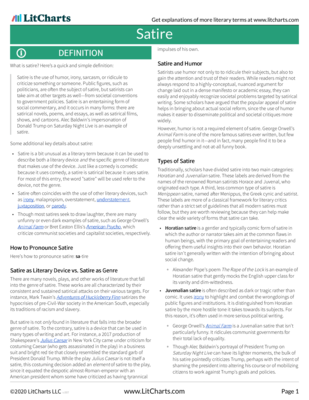
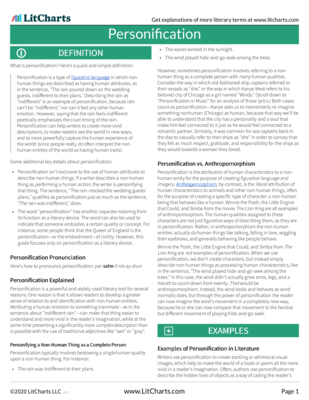
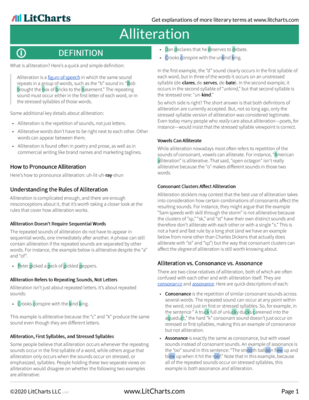
Try a free sample literary term PDF.


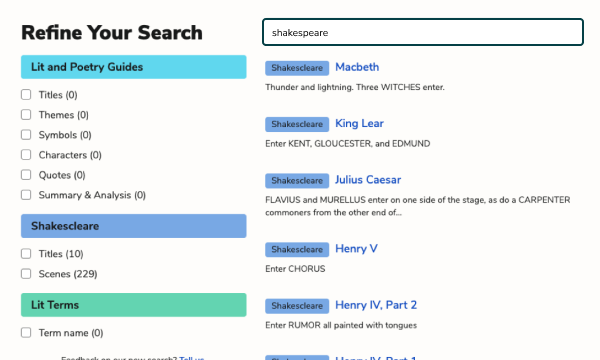
Advanced Search
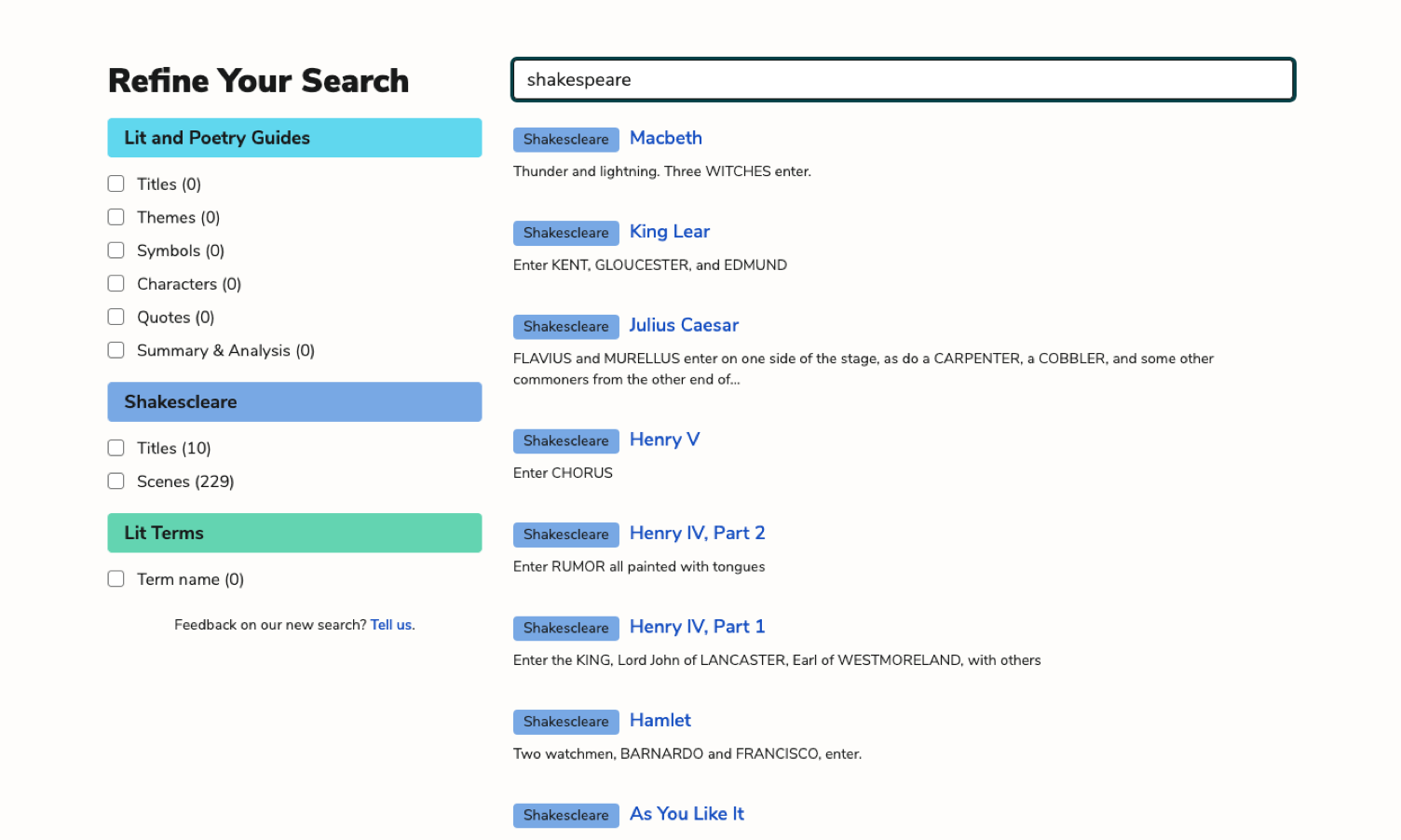
Refine any search. Find related themes, quotes, symbols, characters, and more.
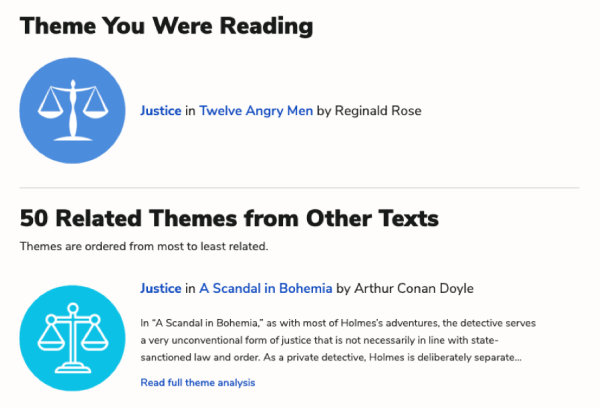
Related Themes
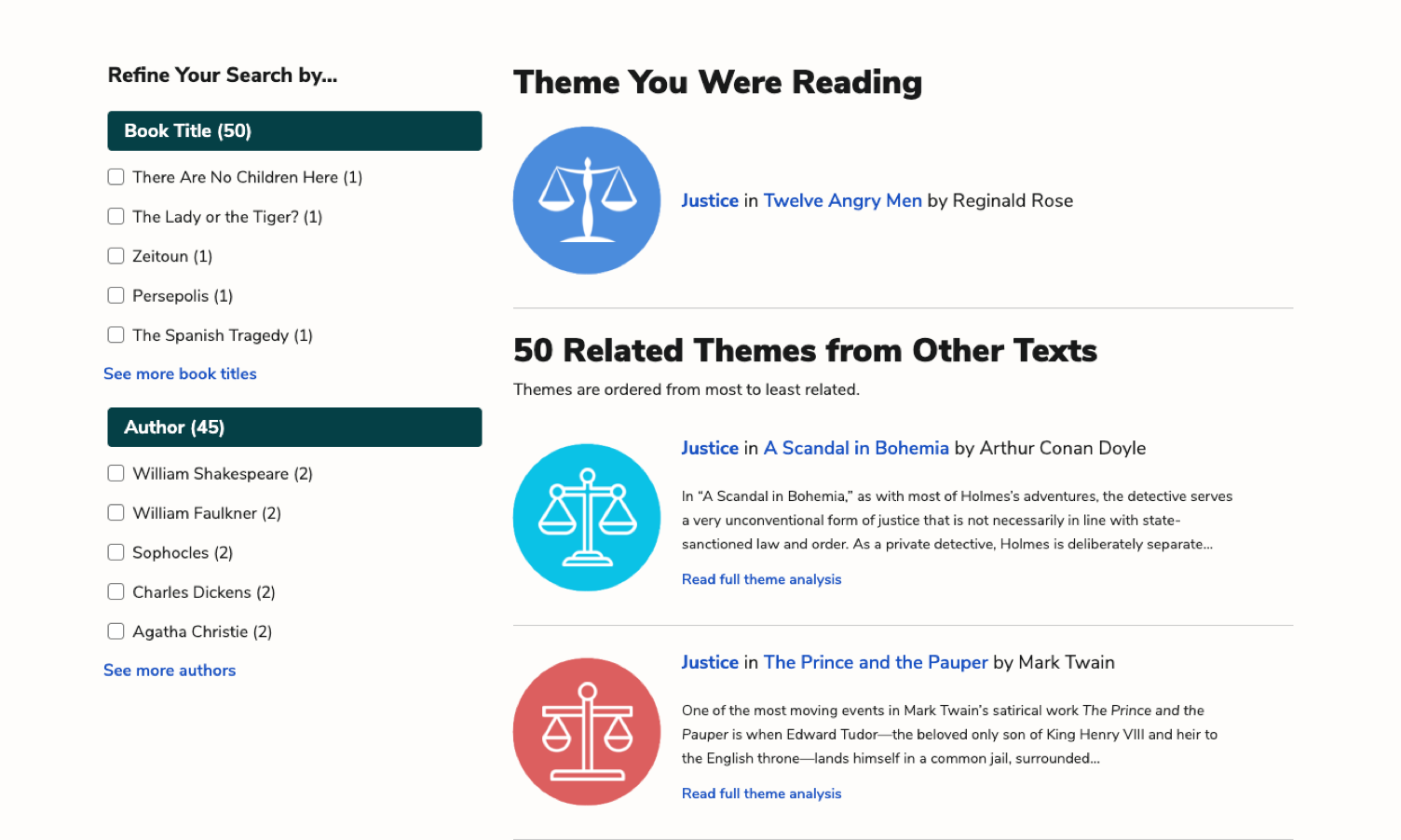
Comparing and contrasting texts? Find where any theme occurs across all of LitCharts in seconds.


Poetry Guides
Line-by-line explanations and analysis of figurative language and poetic devices.
For every lyric poem we cover.
For every lyric poem we cover.