
|
Have questions?
Contact us
Already a member? Sign in
|
Get every literary device explanation for Uncle VanyaPlus so much more...
Sign up for LitCharts A+Get instant access to every literary device explanation, plus so much more...
Motif
Explanation and Analysis—Tea:
The housekeeper Marina, who many of the characters address as Nyanya, is closely associated with tea. When she appears, tea often does too. This motif comes to be linked with the tension and helplessness that many of the characters feel throughout the play. Making or serving tea is a way for her to relieve tension and show care. Many of the characters seem desperately in need of care, but no one seems to know how to help each other. In the position of nurse and housekeeper, she is the character whose role is most explicitly related to caretaking.
In fact, Uncle Vanya opens with a tea scene. The play's first action consists of her pouring Astrov a glass of tea, and the first line consists of her offering it to him. When he says he doesn't want any, she immediately proposes vodka. He defensively says he doesn't drink vodka every day. This opens up a nostalgic conversation in which Astrov looks back on their relationship and, eventually, his childhood, in which he had a nyanya like her. Even though Astrov declined Marina's tea offer, the offer paves the way for a tender moment in which Astrov shares profound, disillusioned thoughts on the passage of time and the state of the world. She mostly listens to what he says but eventually offers him something to eat. Chekhov mirrors this interaction, when she once again offers him tea at the end of the fourth act. This second time, he accepts vodka instead.
At the start of the second act many of the characters are up late, and the mood is tense between Voynitsky and Serebryakov. When Marina appears on stage, she immediately shows care for the Professor and uses tea as a way to entice him to go to bed: "I’ll make you some lime tea and warm up your feet… I’ll say a prayer to God for you…" No one expresses compassion for Serebryakov in the play, except for Marina, who recognizes that "no one is sorry for the old," even if they are "like children" and just "want someone to be sorry for them."
In the third act, she offers Sonya tea when a heated argument between Voynitsky and Serebryakov upsets her:
You’re shivering like when there’s a frost. There, there, my motherless child, God is merciful. Some lime or raspberry tea, and it’ll go…
For Marina, offering or drinking tea is something actionable to do in a stifling, tense household of people who spend a lot of time discussing their boredom and dejection. Because she is low on the social hierarchy, this seems to be the only contribution within Marina's power to make when the people around her seem upset. Tea gives her a sense of agency, providing her something to talk about and do with her hands.
The male characters associate women with tea. In the first act, Voynitsky uses tea to silence Mariya, his mother:
VOYNITSKY: There’s nothing disgraceful about it. Drink your tea, Maman.
MARIYA VASILYEVNA: But I want to talk!
Voynitsky's order to his mother reinforces the underlying idea in the play that old age relegates women to the fringes of public life. Whereas the male characters Serebryakov, Astrov, and Voynitsky explicitly reflect on aging in the dialogue, the lines spoken to Mariya give an idea of what aging means for aristocratic women, and the actions of Marina show what it means for domestic workers. The play's older women are expected to show care for others and keep their opinions to themselves. For Marina especially, in the role of housekeeper, this means serving other people tea.
Monthly
Annual (Best Value)

$595USD/mo
Charged $71.40 USD every year
 Teacher
$795USD/mo
Charged $95.40 USD every year
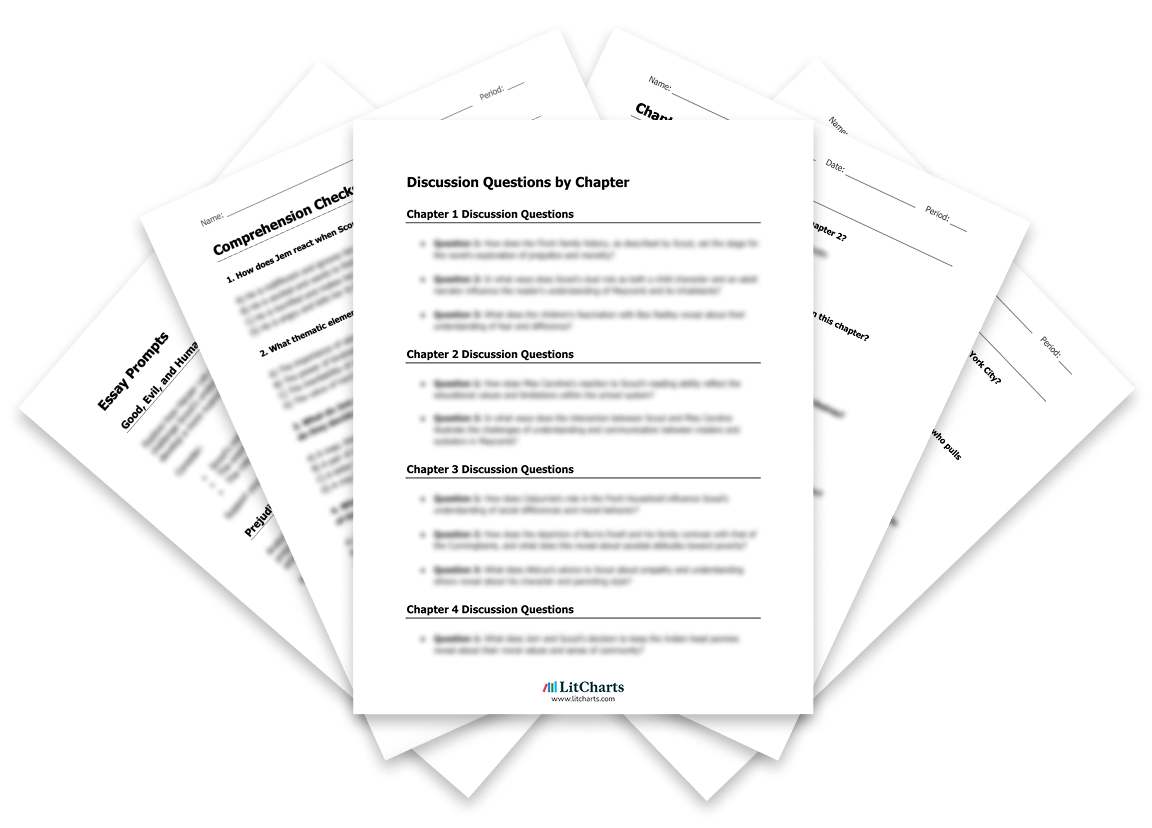


Literature Guide PDFs
LitCharts PDFs for every book you'll read this year.
Instant PDF downloads of all 2241 LitCharts literature guides and of every new one we publish. Try a free sample literature guide.
"Would not have made it through AP Literature without the printable PDFs. They're like having in-class notes for every discussion!"







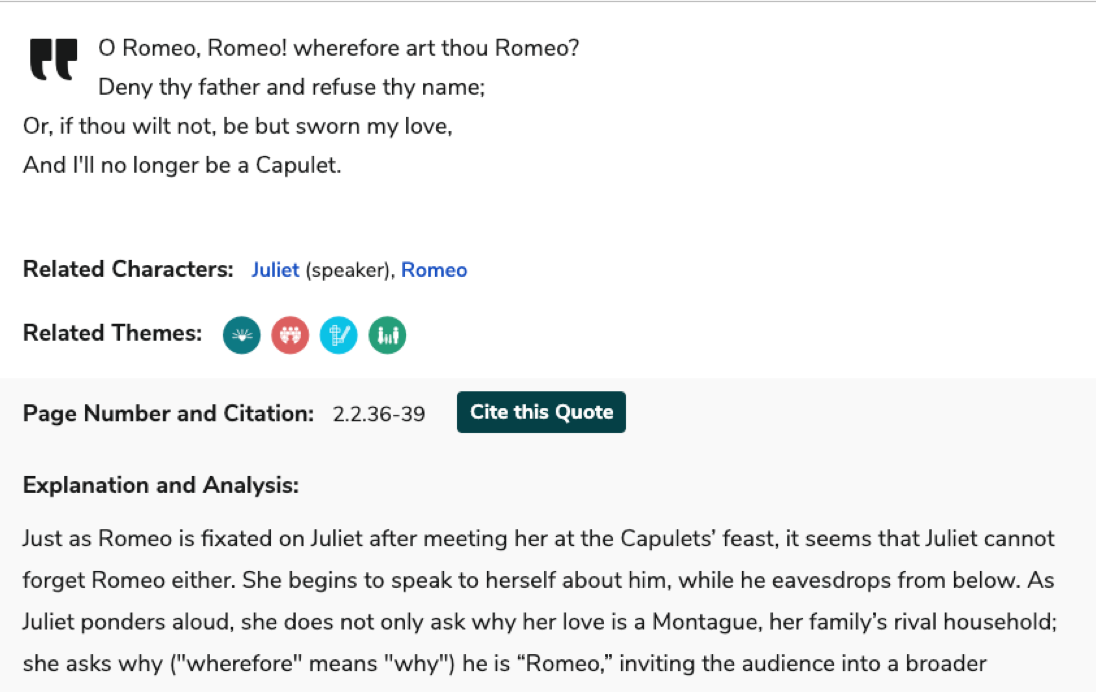
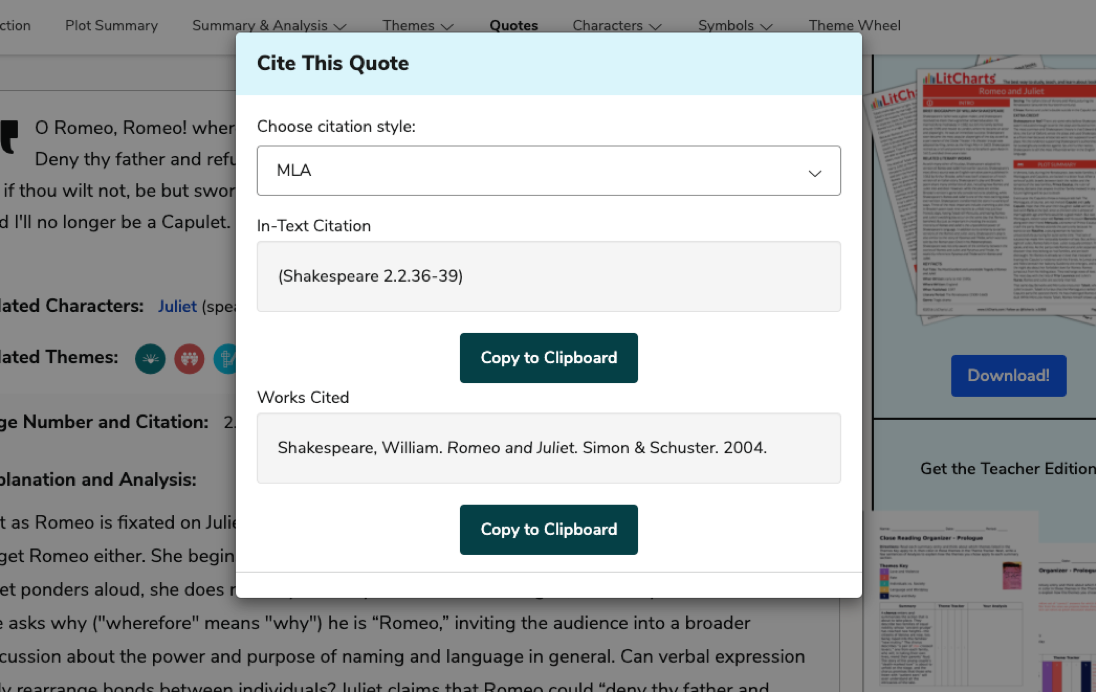
Quotes Explanations
Find the perfect quote. Understand it perfectly. Then rock the citation, too.
For all 49,971 quotes we cover.
For all 49,971 quotes we cover.
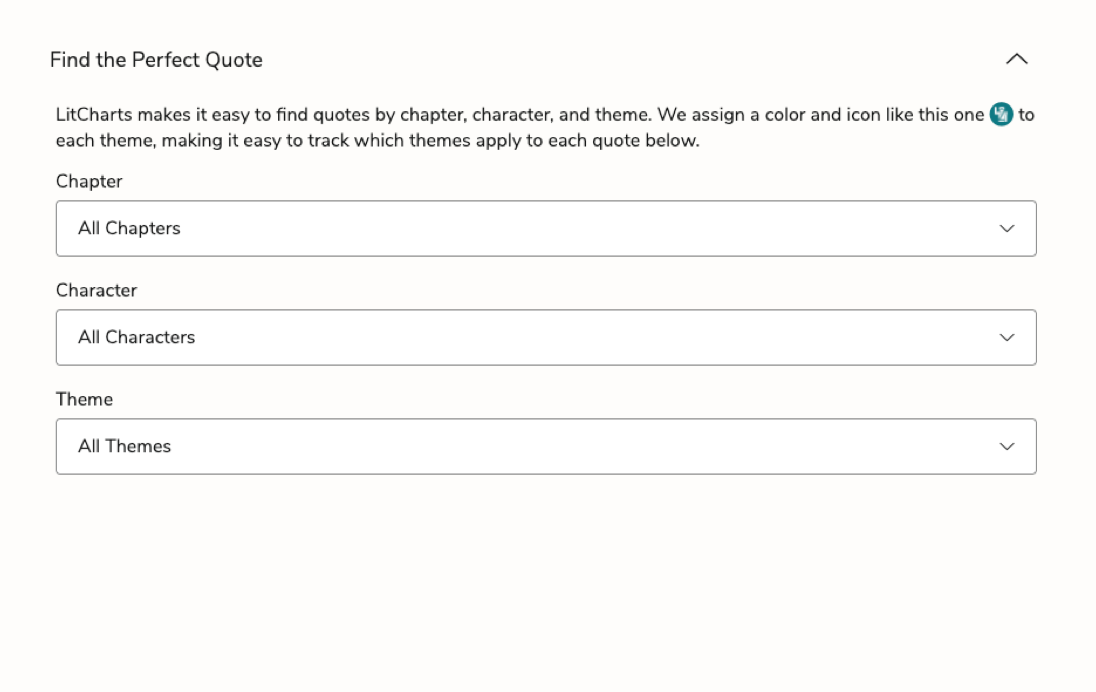


Teacher Editions
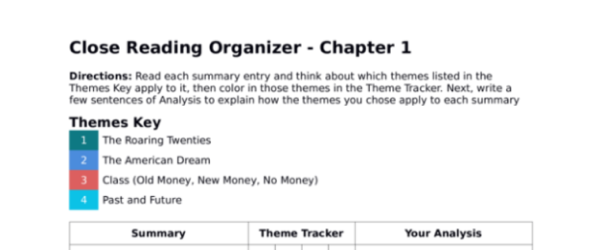
Close reading made easy for students.
Time saved for teachers.
For every book we cover.
Time saved for teachers.
For every book we cover.


Common Core-aligned


PDFs of modern translations of every one of Shakespeare's 37 plays, 154 sonnets, and 3 longer poems.

Literary Terms and Devices
Definitions and examples for every literary term and device you need to know.
Plus a quick-reference PDF with concise definitions of all 136 terms in one place.
Plus a quick-reference PDF with concise definitions of all 136 terms in one place.
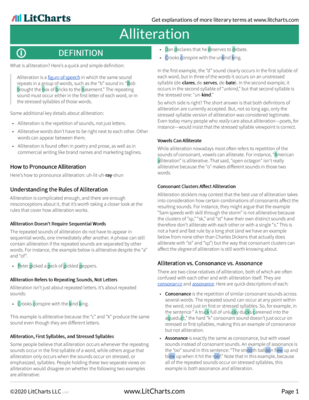
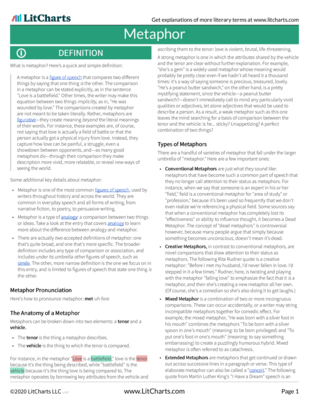
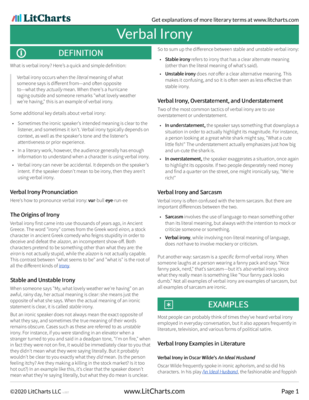
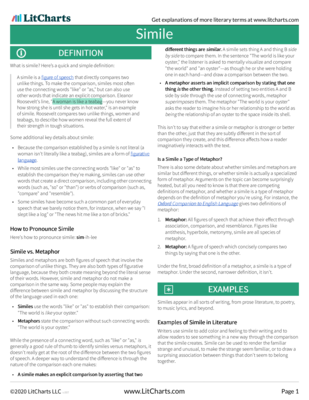
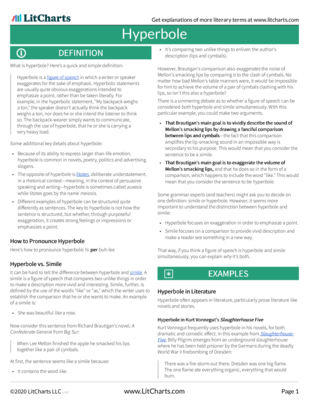
Try a free sample literary term PDF.


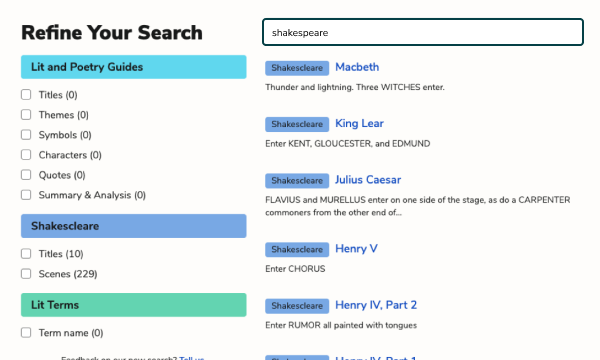
Advanced Search
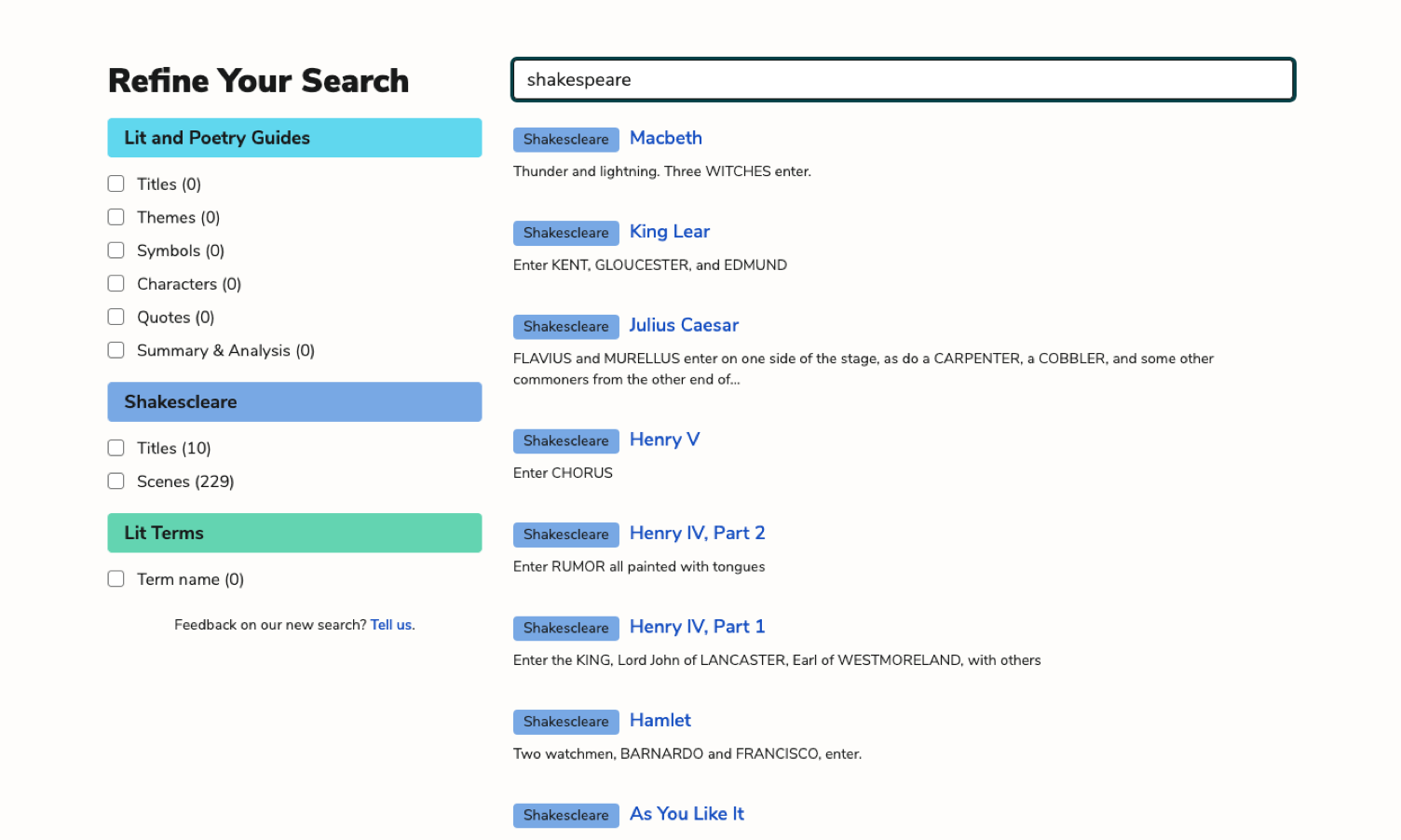
Refine any search. Find related themes, quotes, symbols, characters, and more.

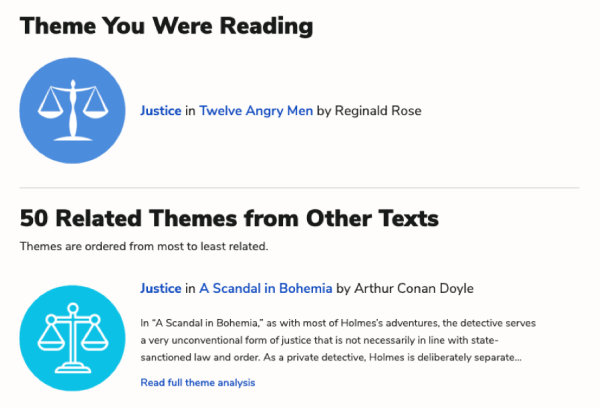
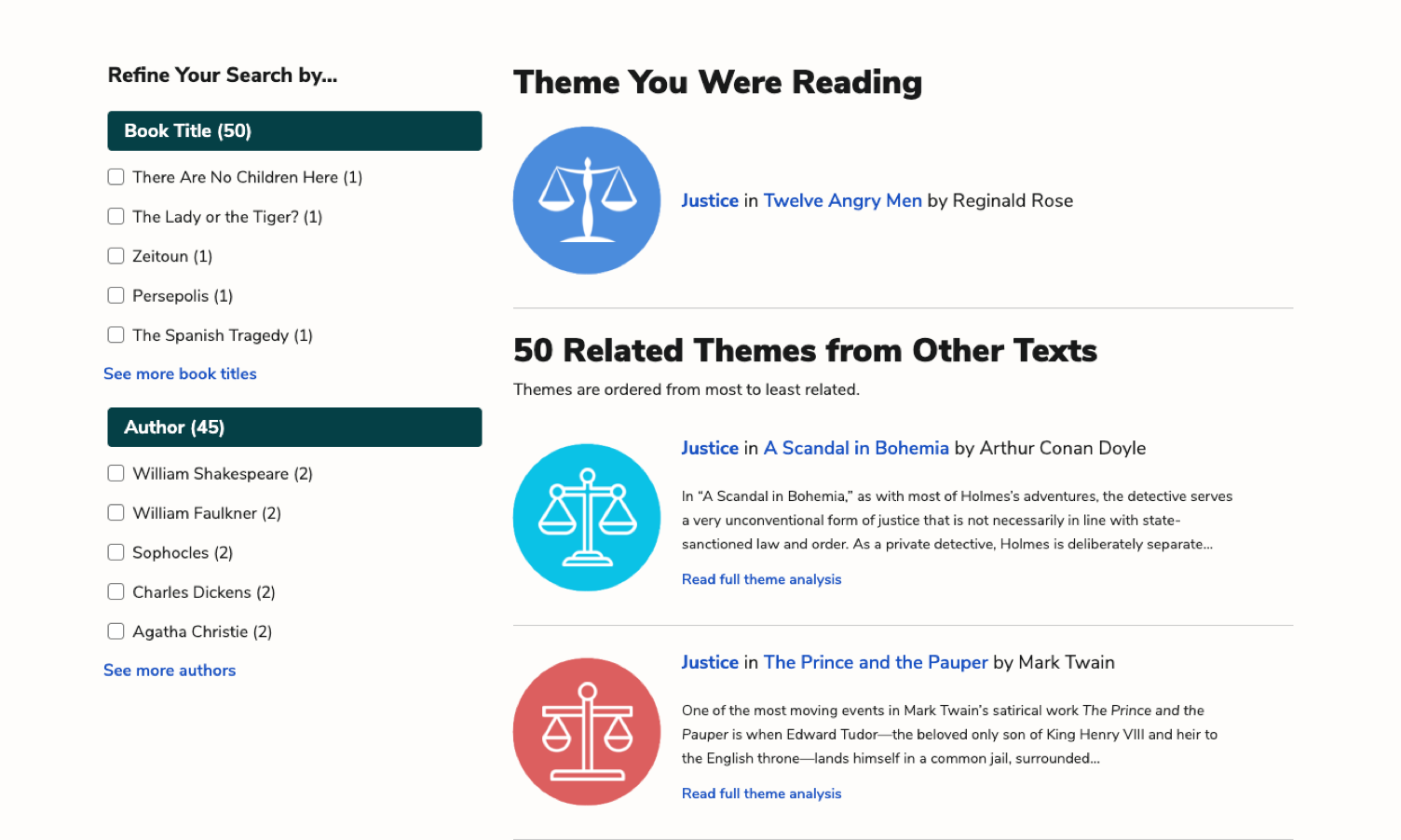
Related Themes
Comparing and contrasting texts? Find where any theme occurs across all of LitCharts in seconds.


Poetry Guides
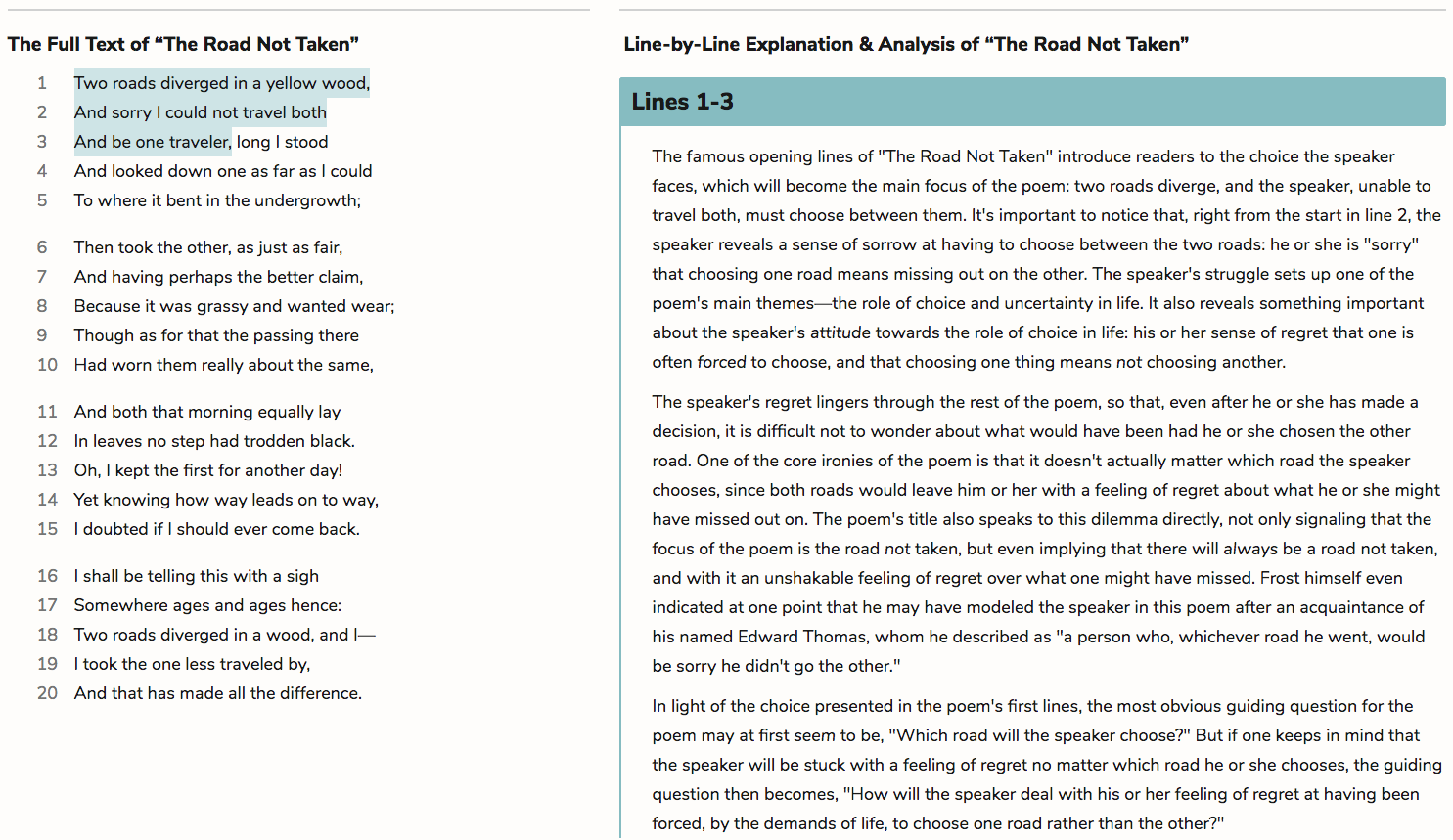
Line-by-line explanations and analysis of figurative language and poetic devices.
For every lyric poem we cover.
For every lyric poem we cover.