
|
Have questions?
Contact us
Already a member? Sign in
|
Get every literary device explanation for Romeo and Juliet
Plus so much more...
Sign up for LitCharts A+
Get instant access to every literary device explanation, plus so much more...
Oxymoron
Explanation and Analysis—Friar Laurence's Warning:
In Act 2, Scene 6, as Friar Laurence prepares to marry Romeo and Juliet, he unknowingly foreshadows their future deaths and uses oxymorons to characterize their passion for each other:
These violent delights have violent ends.
And in their triumph die, like fire and powder,
Which, as they kiss, consume. The sweetest honey
Is loathsome in his own deliciousness
And in the taste confounds the appetite.
"Violent delights" is an oxymoronic phrase that emphasizes the danger inherent in Romeo and Juliet's relationship and serves as a warning to the soon-to-be-married couple. Though Friar Laurence cannot know that Romeo and Juliet's relationship will lead to their deaths, he instinctively understands how dangerous (or "violent") their union, though outwardly tender and loving (provoking "delights"), may be, given the constraints they face as members of rival houses. Their love, Friar Laurence says, is like "the sweetest honey" that is also "loathsome" in its "deliciousness" and whose "taste" ends up contradicting one's original "appetite": it is extremely alluring, but potentially poisonous. (Indeed, Romeo will later kill himself by ingesting poison.)
As a voice of adult reason, Friar Laurence urges Romeo to "love moderately," expressing his concern about the intensity of the young lovers' passion for each other. Such passion, he suggests, cannot realistically be sustained. Yet at the same time, Friar Laurence consents to marrying Romeo and Juliet, believing that their union is worth the risk if it can bring about peace between their warring families—demonstrating both his divided mindset and his desperate commitment to ending the feud.
Monthly
Annual (Best Value)

$595USD/mo
Charged $71.40 USD every year
 Teacher
$795USD/mo
Charged $95.40 USD every year
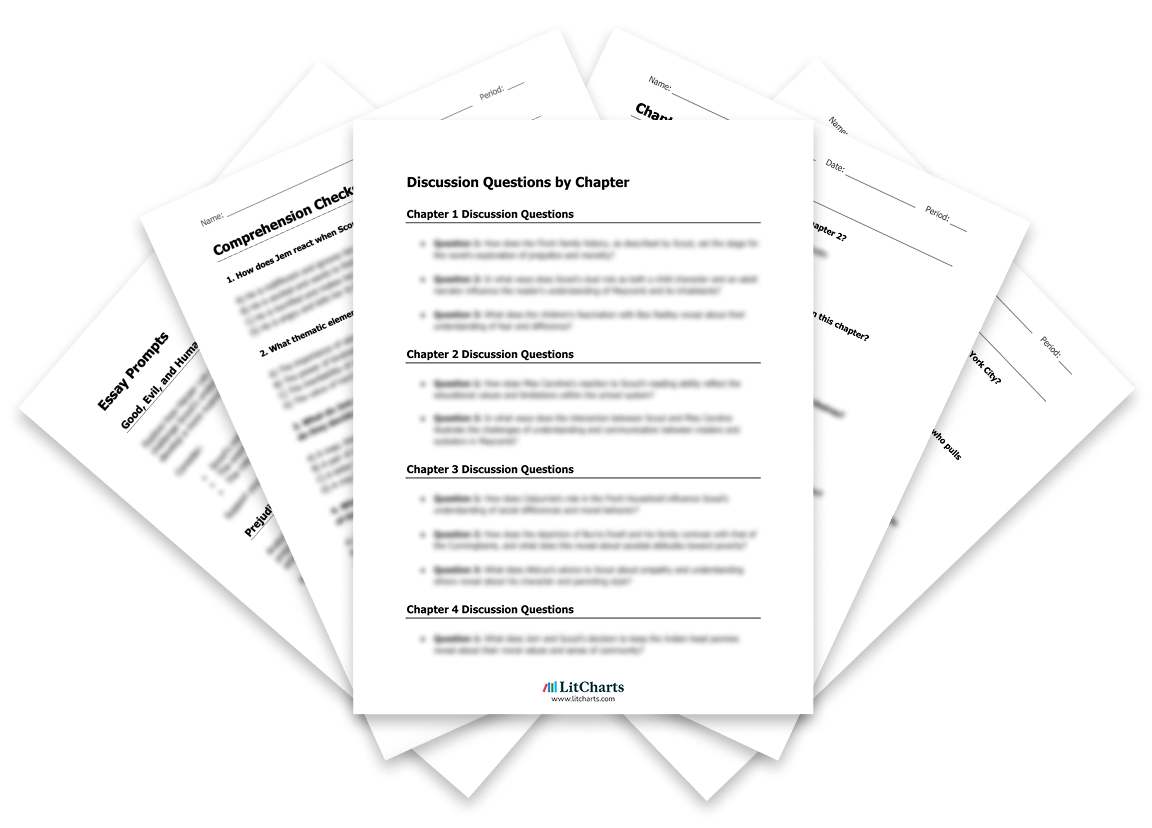


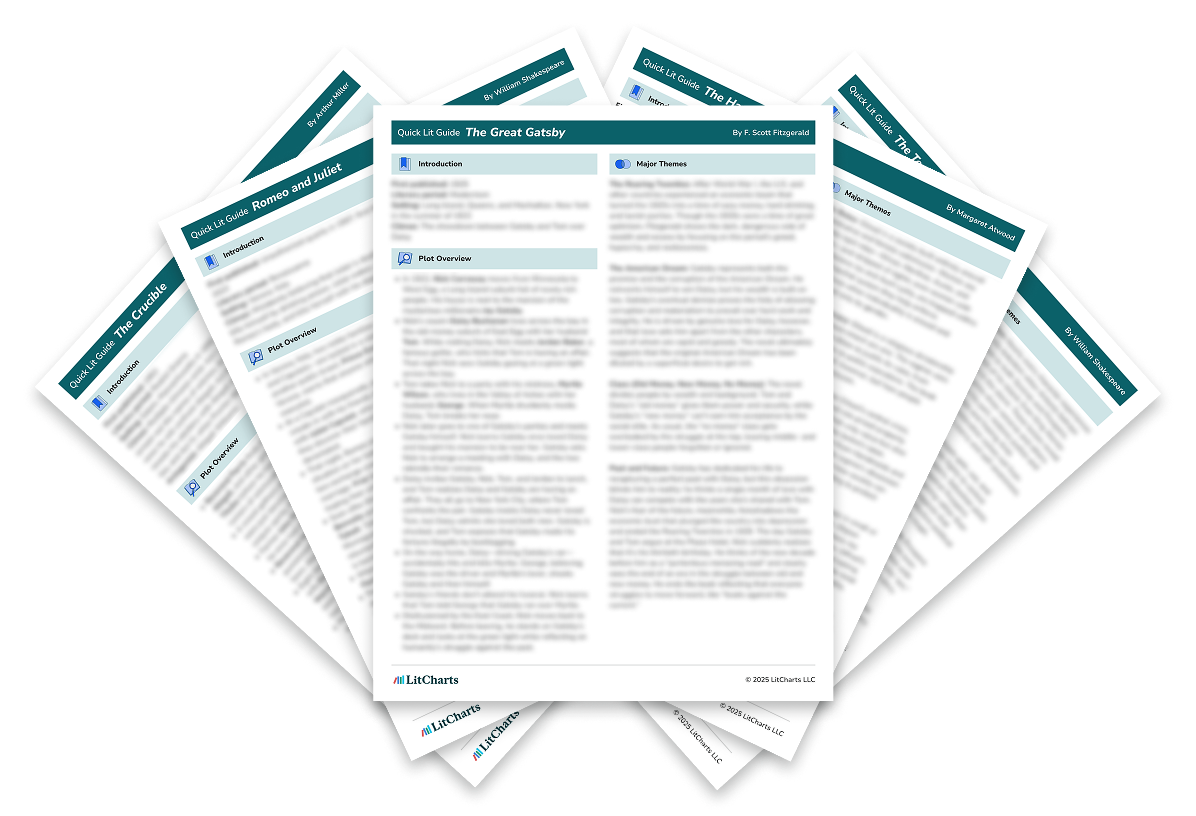
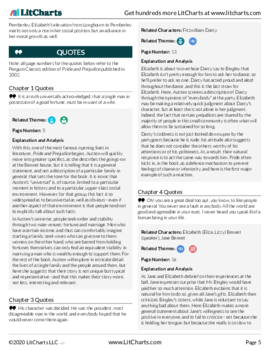
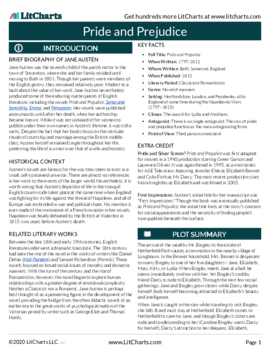
Literature Guide PDFs
LitCharts PDFs for every book you'll read this year.
Instant PDF downloads of all 2253 LitCharts literature guides and of every new one we publish. Try a free sample literature guide.
"Would not have made it through AP Literature without the printable PDFs. They're like having in-class notes for every discussion!"




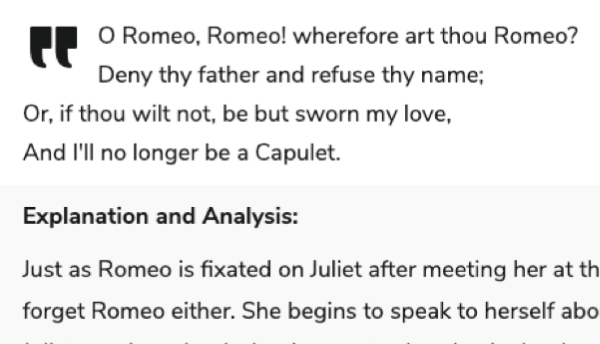
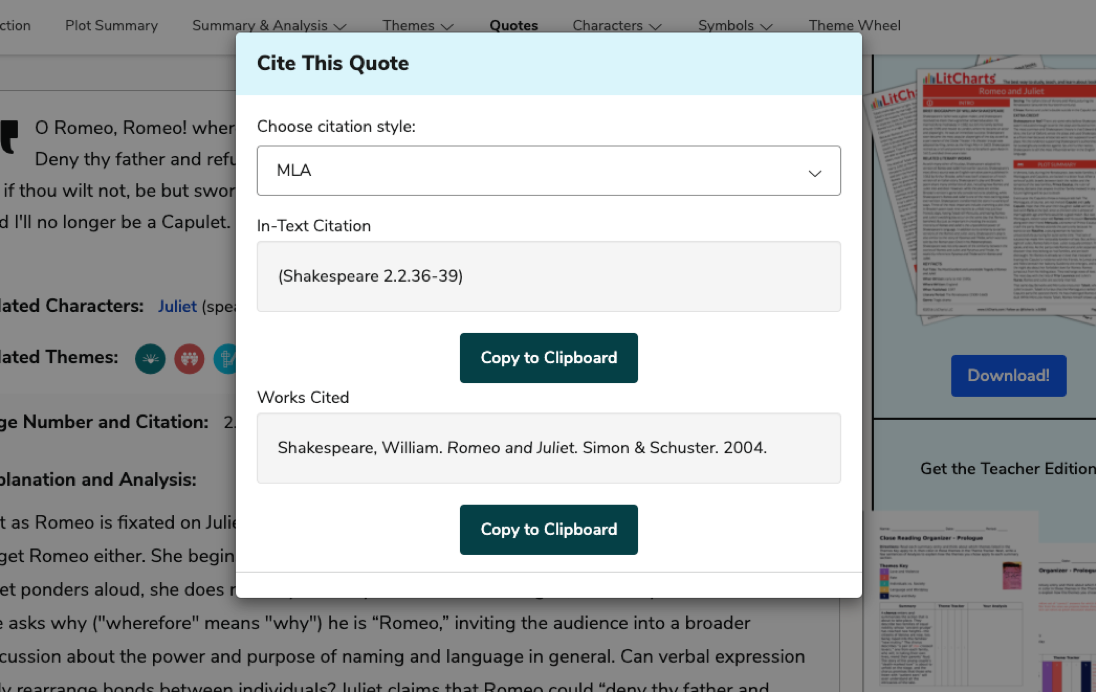
Quotes Explanations
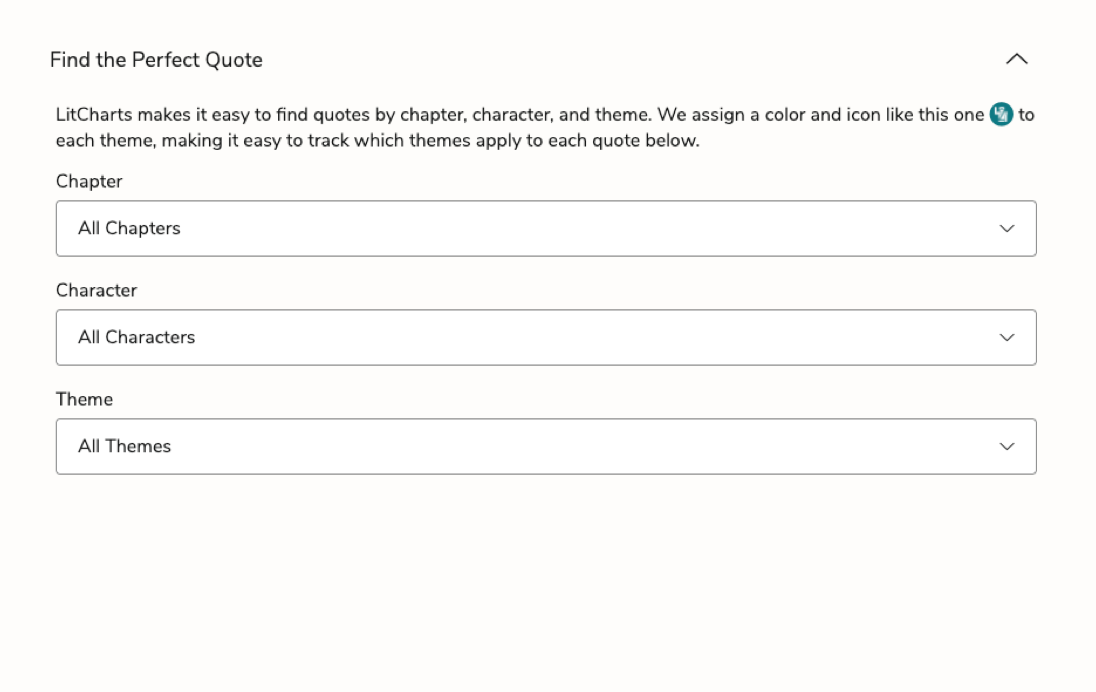
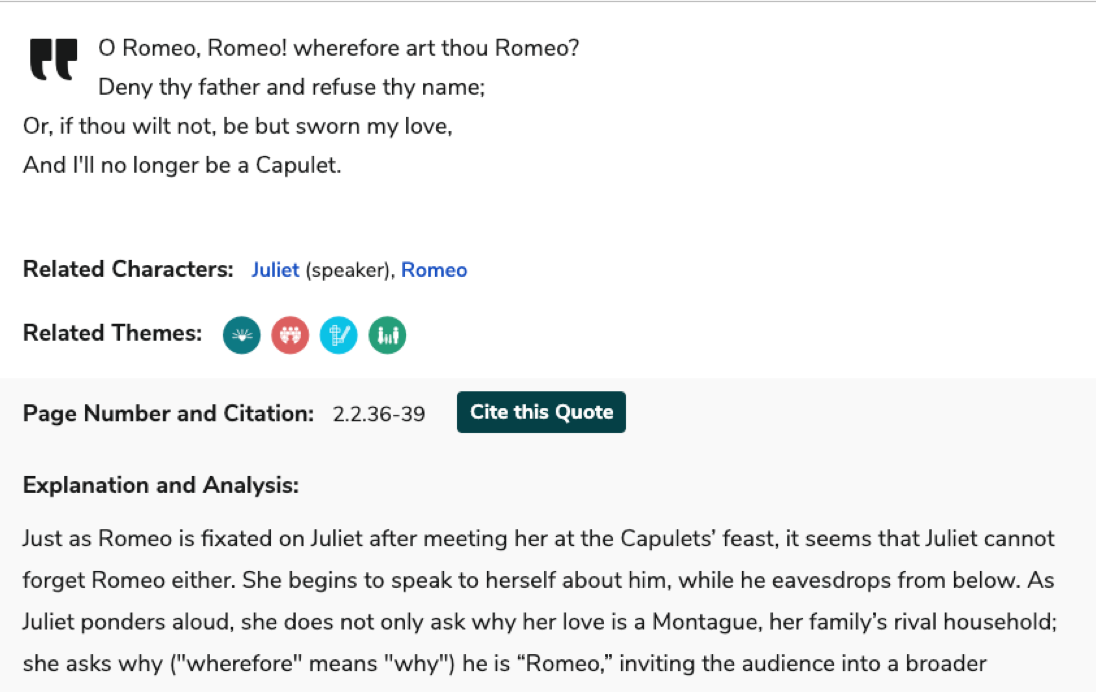
Find the perfect quote. Understand it perfectly. Then rock the citation, too.
For all 50,238 quotes we cover.
For all 50,238 quotes we cover.


Teacher Editions
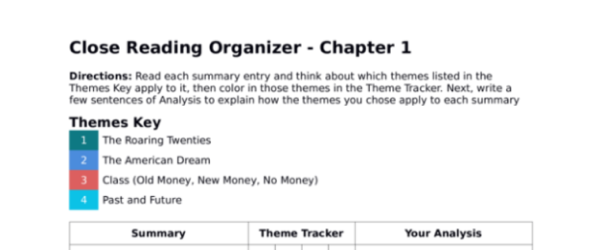
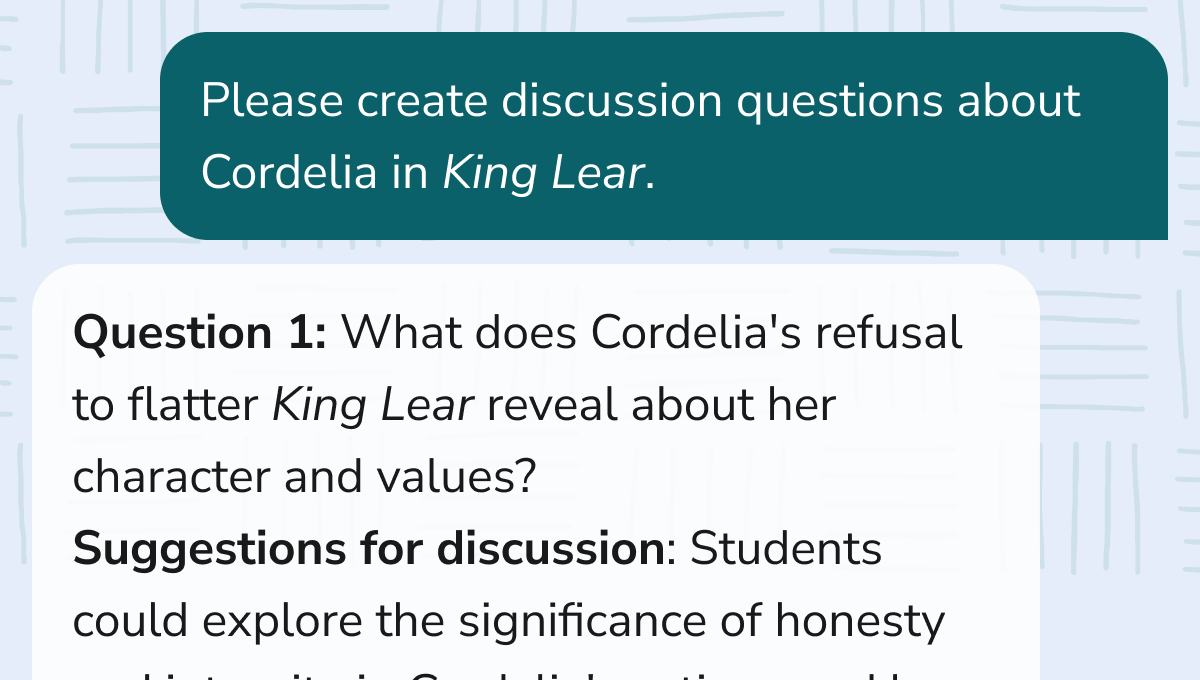
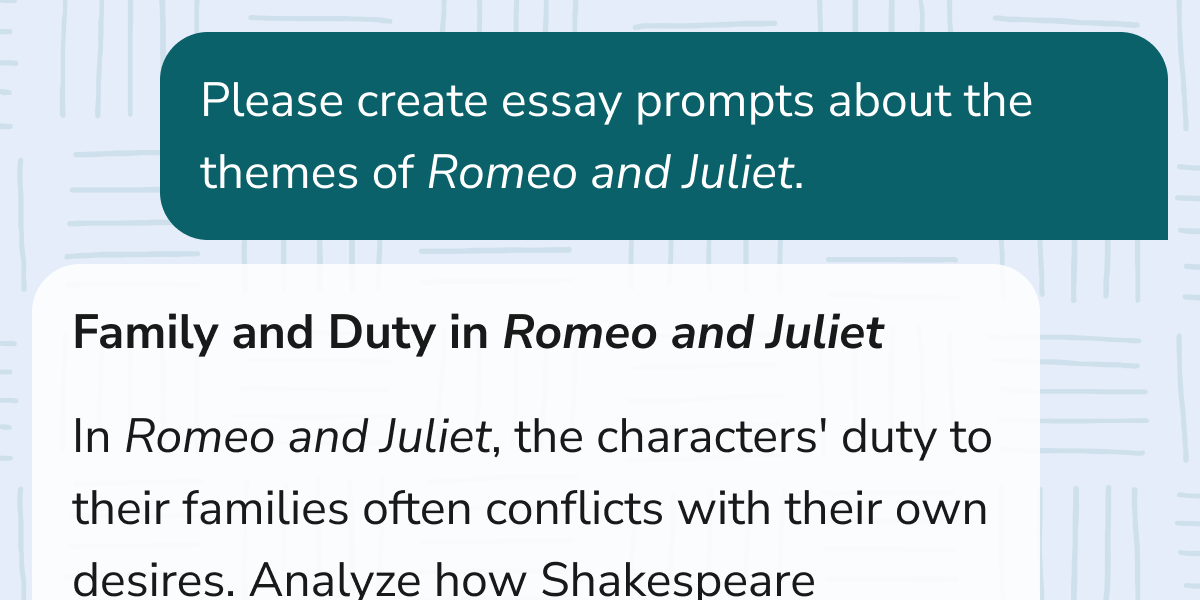
Close reading made easy for students.
Time saved for teachers.
For every book we cover.
Time saved for teachers.
For every book we cover.


Common Core-aligned


PDFs of modern translations of every one of Shakespeare's 37 plays, 154 sonnets, and 3 longer poems.

Literary Terms and Devices
Definitions and examples for every literary term and device you need to know.
Plus a quick-reference PDF with concise definitions of all 136 terms in one place.
Plus a quick-reference PDF with concise definitions of all 136 terms in one place.
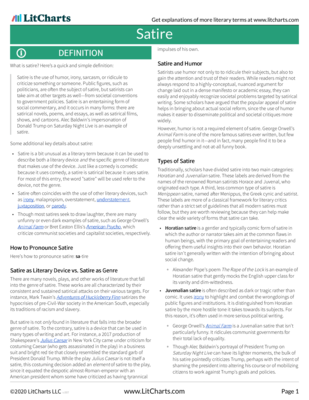
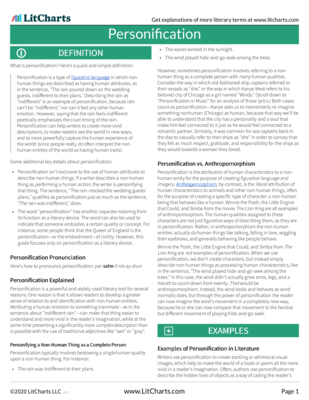
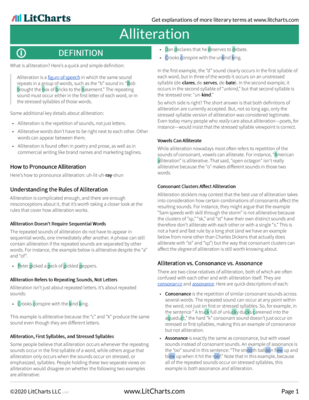
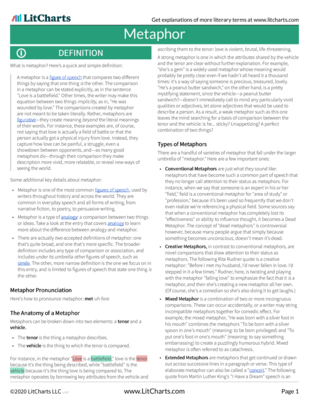
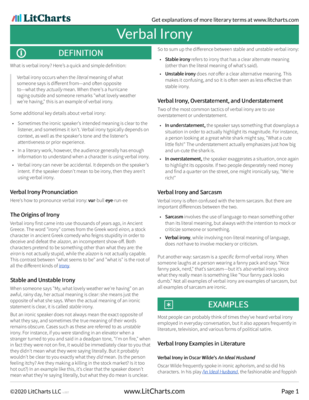
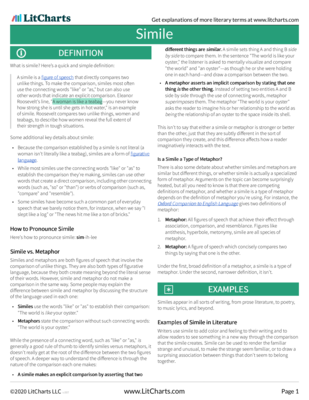
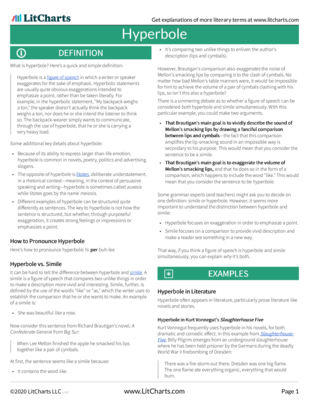
Try a free sample literary term PDF.


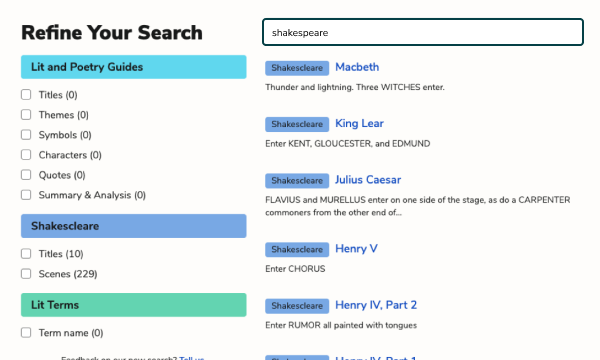
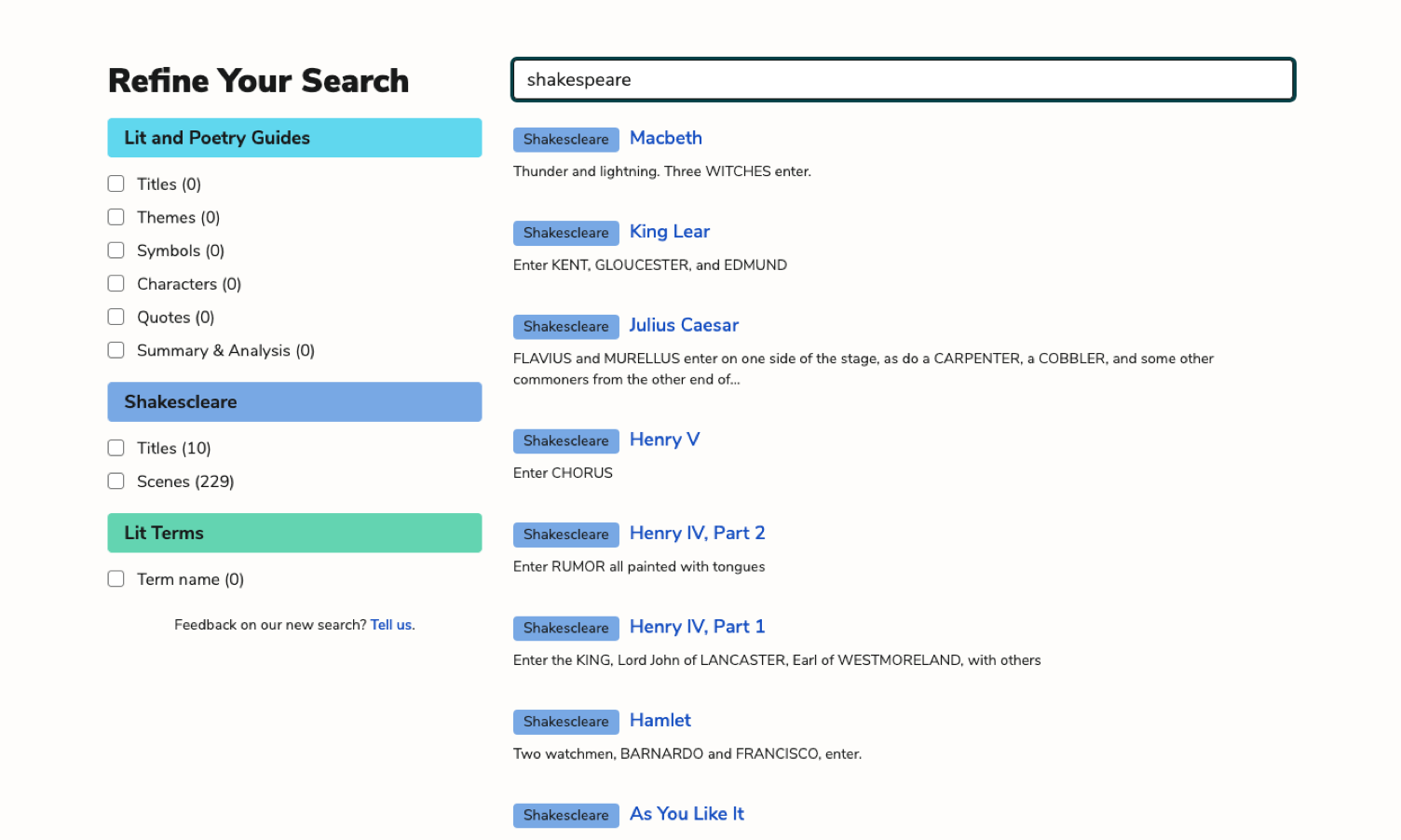
Advanced Search
Refine any search. Find related themes, quotes, symbols, characters, and more.

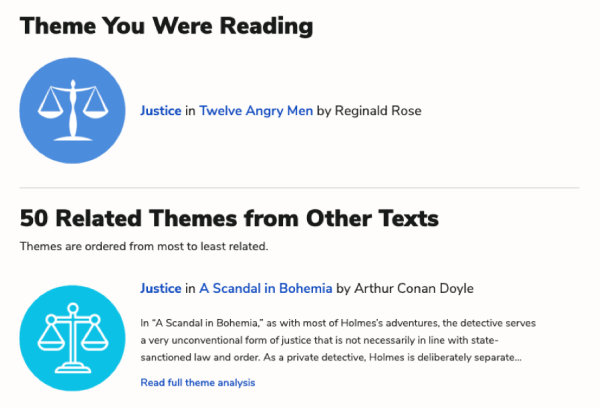
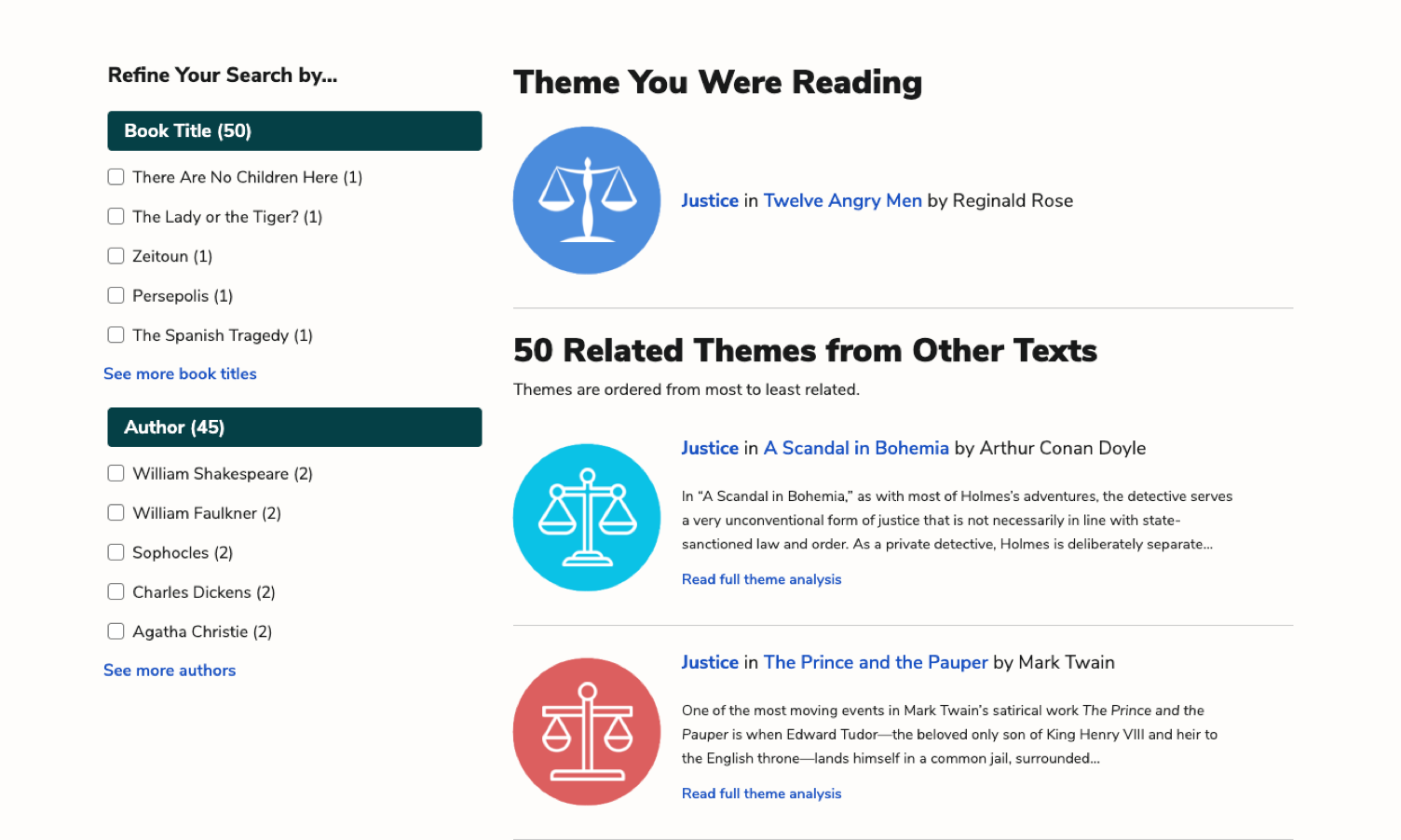
Related Themes
Comparing and contrasting texts? Find where any theme occurs across all of LitCharts in seconds.


Poetry Guides
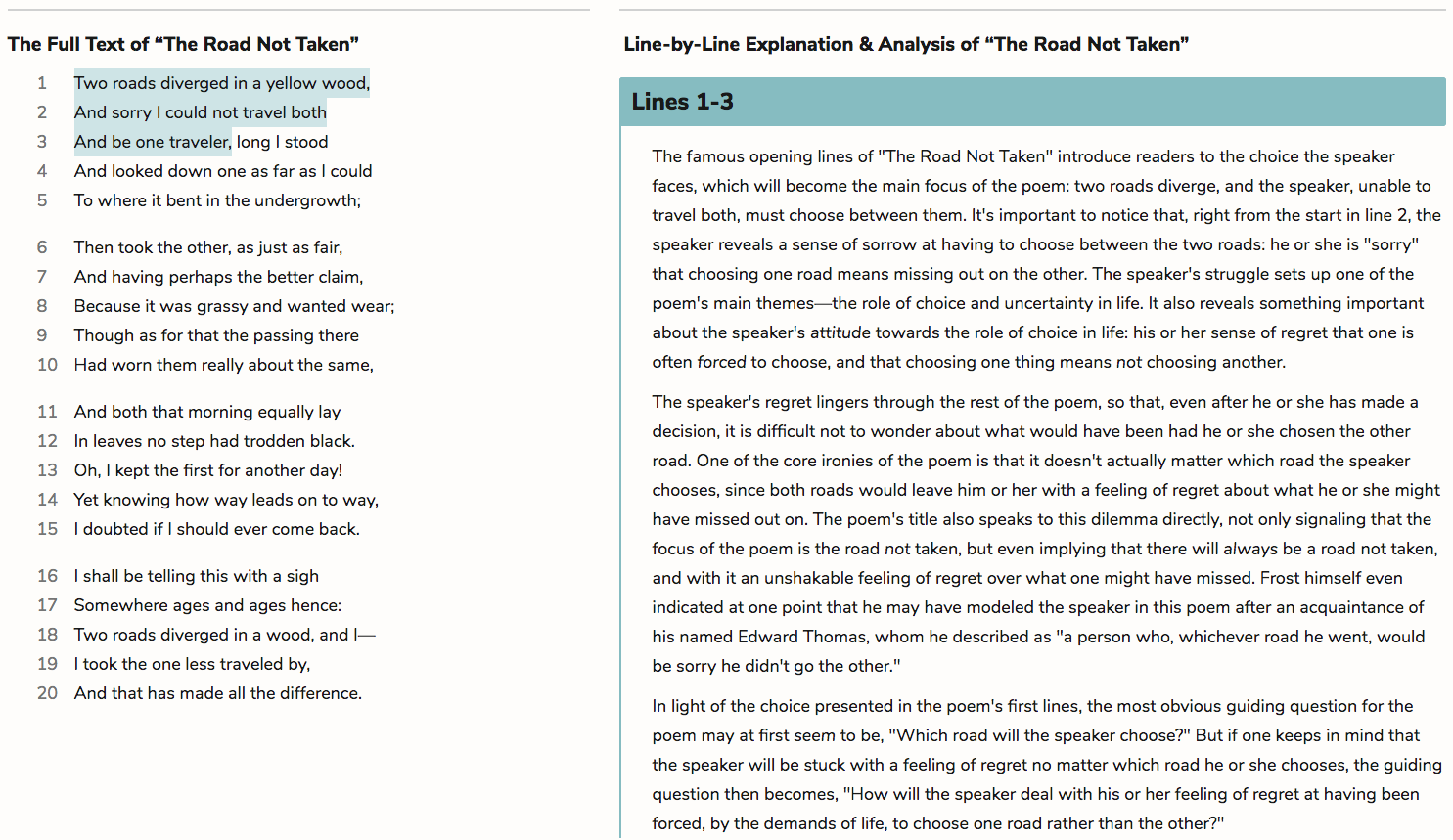
Line-by-line explanations and analysis of figurative language and poetic devices.
For every lyric poem we cover.
For every lyric poem we cover.