
|
Have questions?
Contact us
Already a member? Sign in
|
Get every literary device explanation for Angela’s AshesPlus so much more...
Sign up for LitCharts A+Get instant access to every literary device explanation, plus so much more...
Pathos
Explanation and Analysis—The World to Ourselves:
In this passage, McCourt uses hyperbole and pathos to convey Frank’s conflicted feelings for his father, Malachy Sr., despite his father’s frequent failures. Frank reflects on the early mornings he shares with his father, when Malachy Sr. is mostly still sober and attentive. He says he cannot hate him, because
How can I do that when I’m up with him early every morning with the whole world asleep? He lights the fire and makes the tea and sings to himself or reads the paper to me in a whisper that won’t wake up the rest of the family. [...] In the morning we have the world to ourselves and he never tells me I should die for Ireland.
By exaggeratedly describing mornings with his dad as a time when “the whole world [is] asleep,” the author shows the reader the intimacy and warmth Frank feels when he and Malachy Sr. are alone together. When everyone else in the world is asleep, this time feels special and private, and Frank has his father’s full attention. This quiet, isolated world with a kind, intelligent parent taking care of him contrasts with the chaos that often comes later in the day. During these mornings, Frank doesn’t have to fear his father drinking all of their money away or doing embarrassing things in public.
The pathos of this moment evokes sympathy in the reader for both Malachy Sr. and young Frank. Frank’s loyal affection for his father is touching. These tender moments keep Frank's love for his dad alive. They're the small gestures that keep Frank from fully resenting his father, allowing the reader—alongside Frank—to glimpse the person Malachy Sr. might be if circumstances were different. Frank clings to moments like these, even though he and the reader both know by this point that Malachy Sr.’s next drunken episode is inevitably approaching.
Monthly
Annual (Best Value)

$595USD/mo
Charged $71.40 USD every year
 Teacher
$795USD/mo
Charged $95.40 USD every year
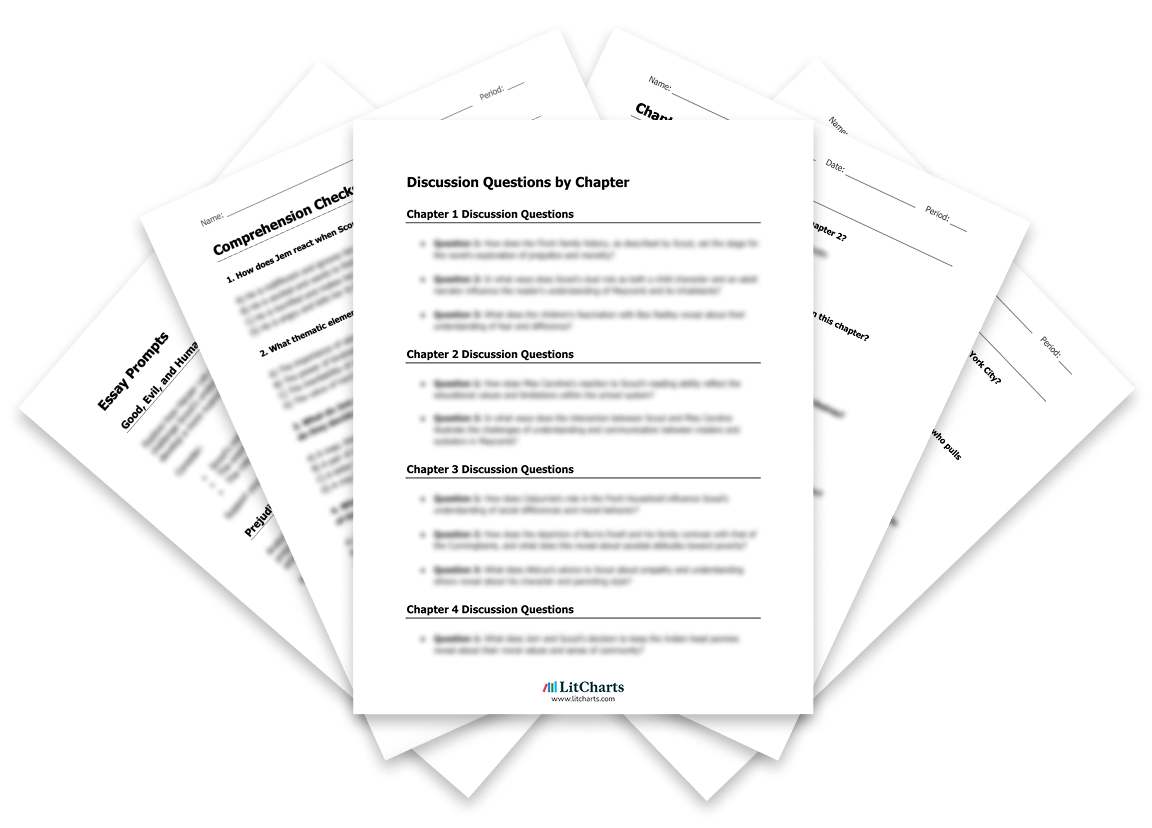


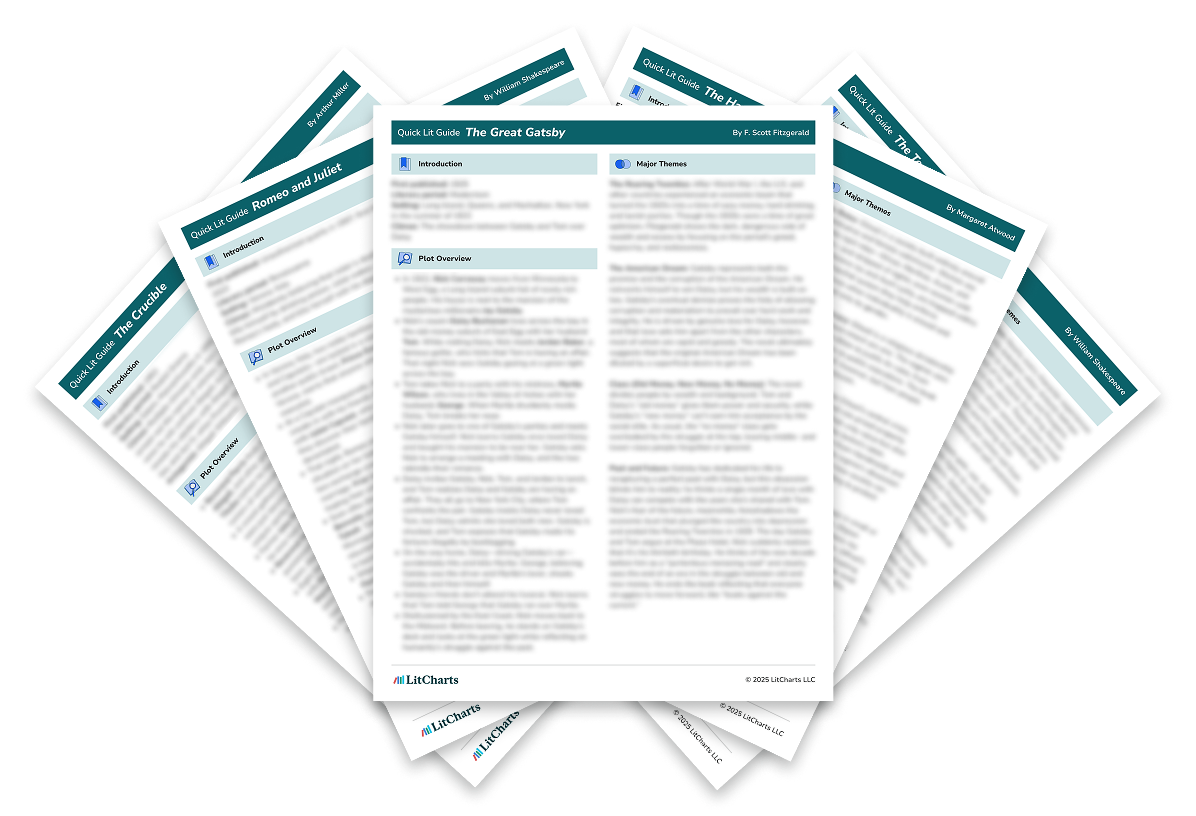
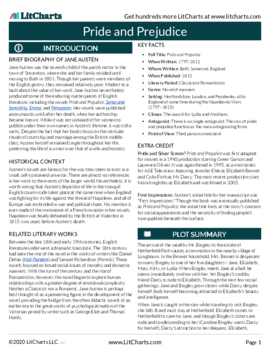
Literature Guide PDFs
LitCharts PDFs for every book you'll read this year.
Instant PDF downloads of all 2251 LitCharts literature guides and of every new one we publish. Try a free sample literature guide.
"Would not have made it through AP Literature without the printable PDFs. They're like having in-class notes for every discussion!"


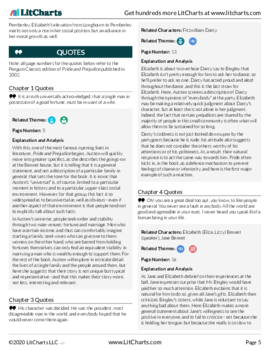


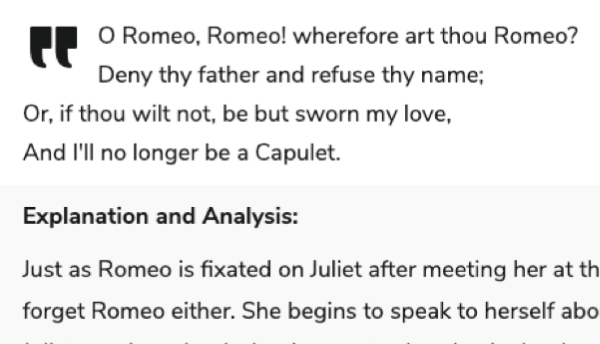
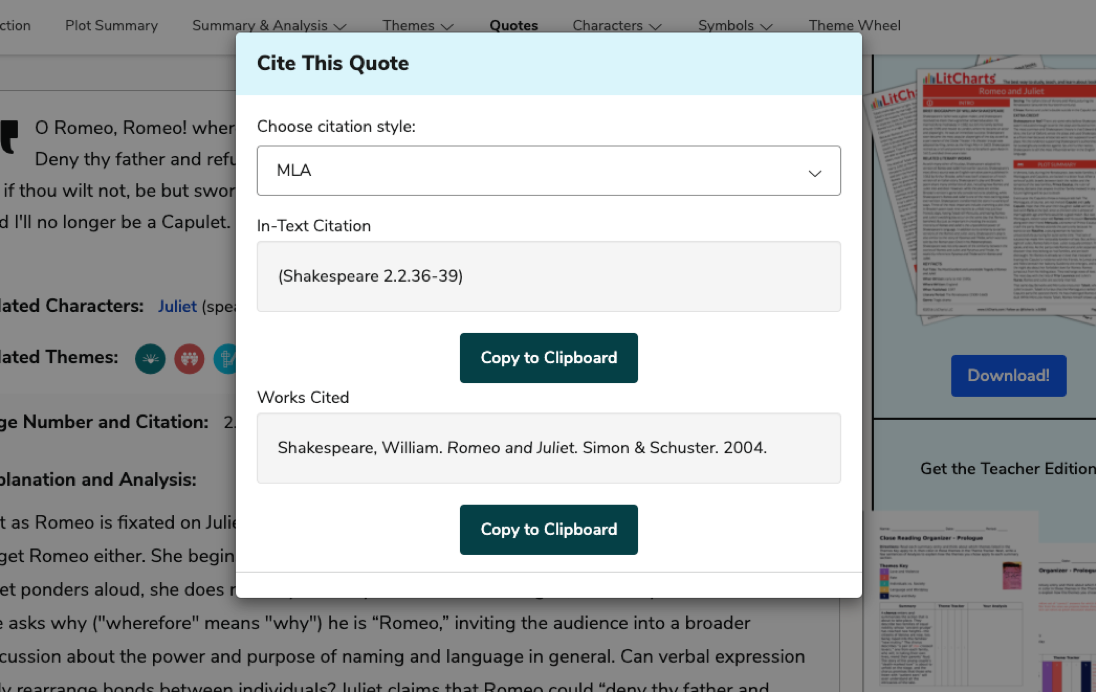
Quotes Explanations
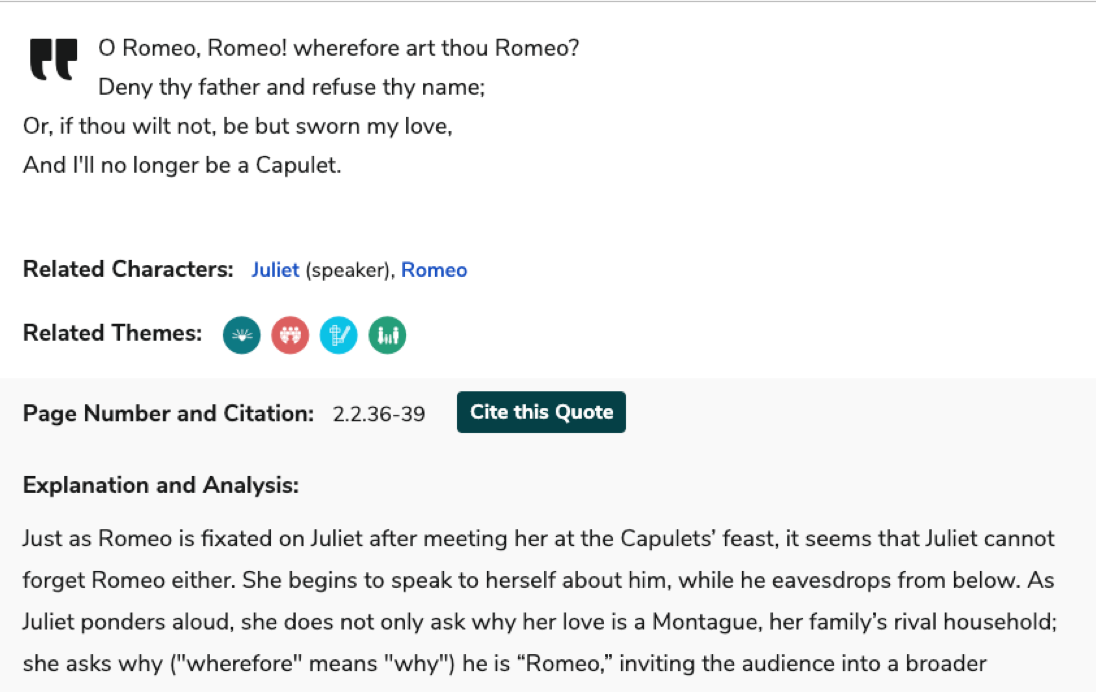
Find the perfect quote. Understand it perfectly. Then rock the citation, too.
For all 50,202 quotes we cover.
For all 50,202 quotes we cover.


Teacher Editions
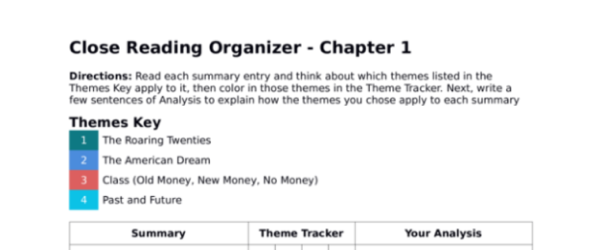
Close reading made easy for students.
Time saved for teachers.
For every book we cover.
Time saved for teachers.
For every book we cover.


Common Core-aligned


PDFs of modern translations of every one of Shakespeare's 37 plays, 154 sonnets, and 3 longer poems.

Literary Terms and Devices
Definitions and examples for every literary term and device you need to know.
Plus a quick-reference PDF with concise definitions of all 136 terms in one place.
Plus a quick-reference PDF with concise definitions of all 136 terms in one place.
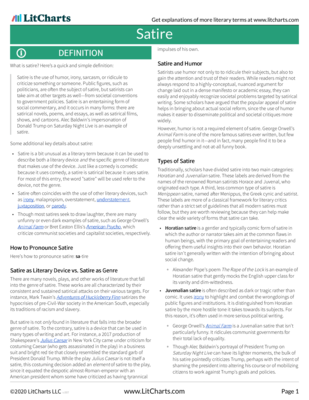
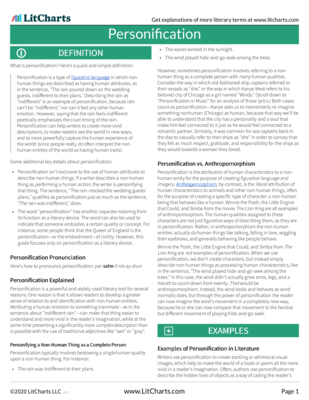
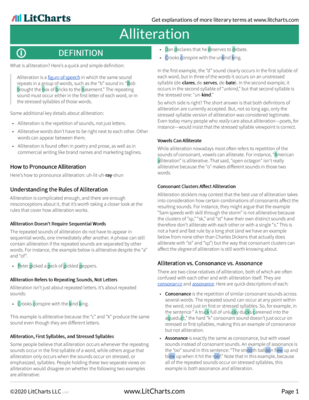
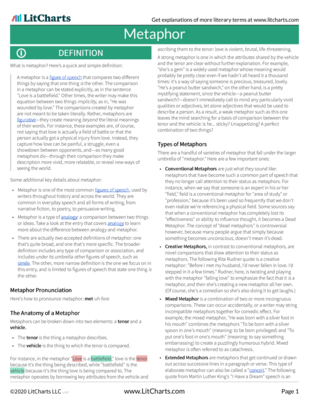
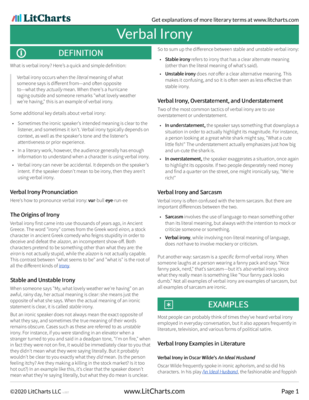
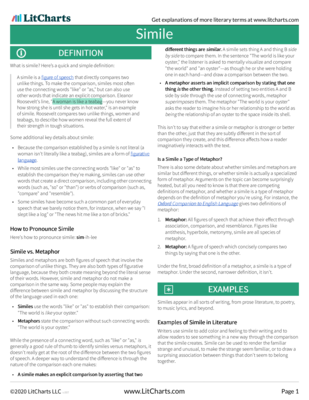
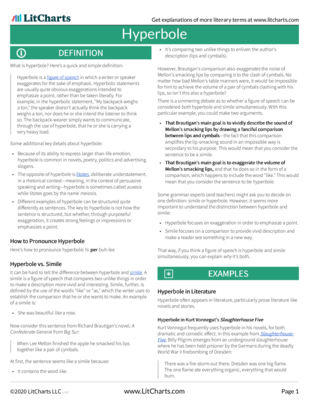
Try a free sample literary term PDF.


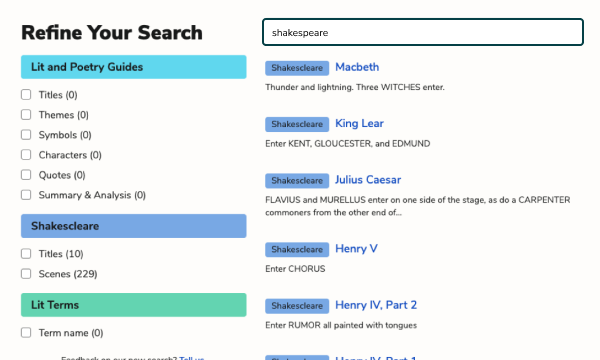
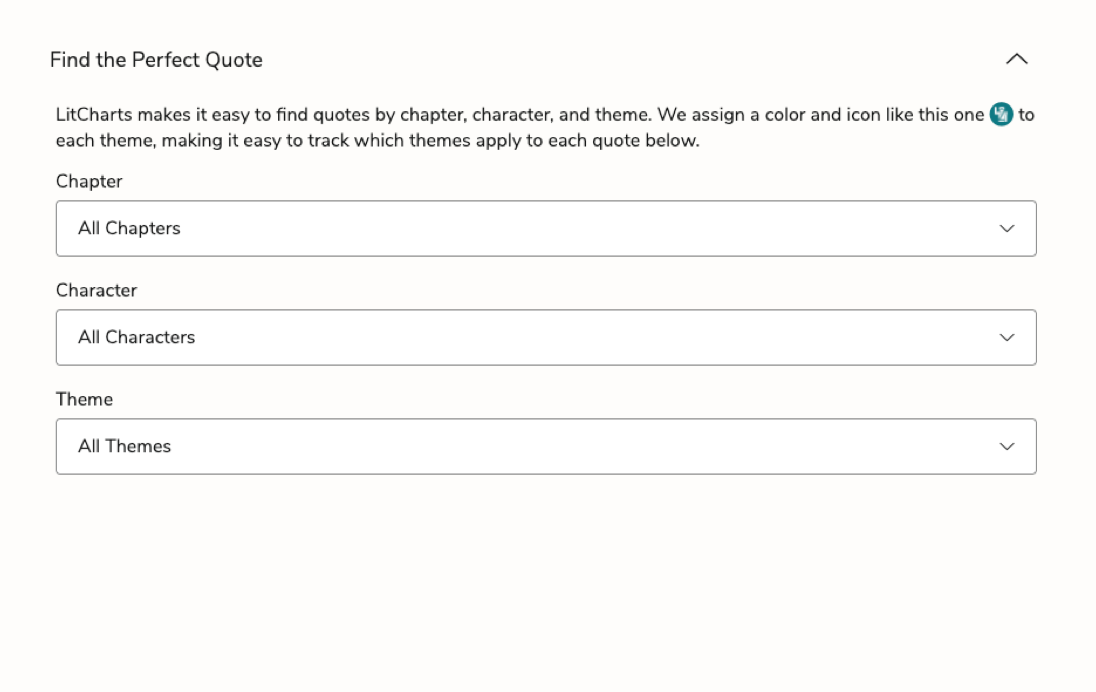
Advanced Search
Refine any search. Find related themes, quotes, symbols, characters, and more.
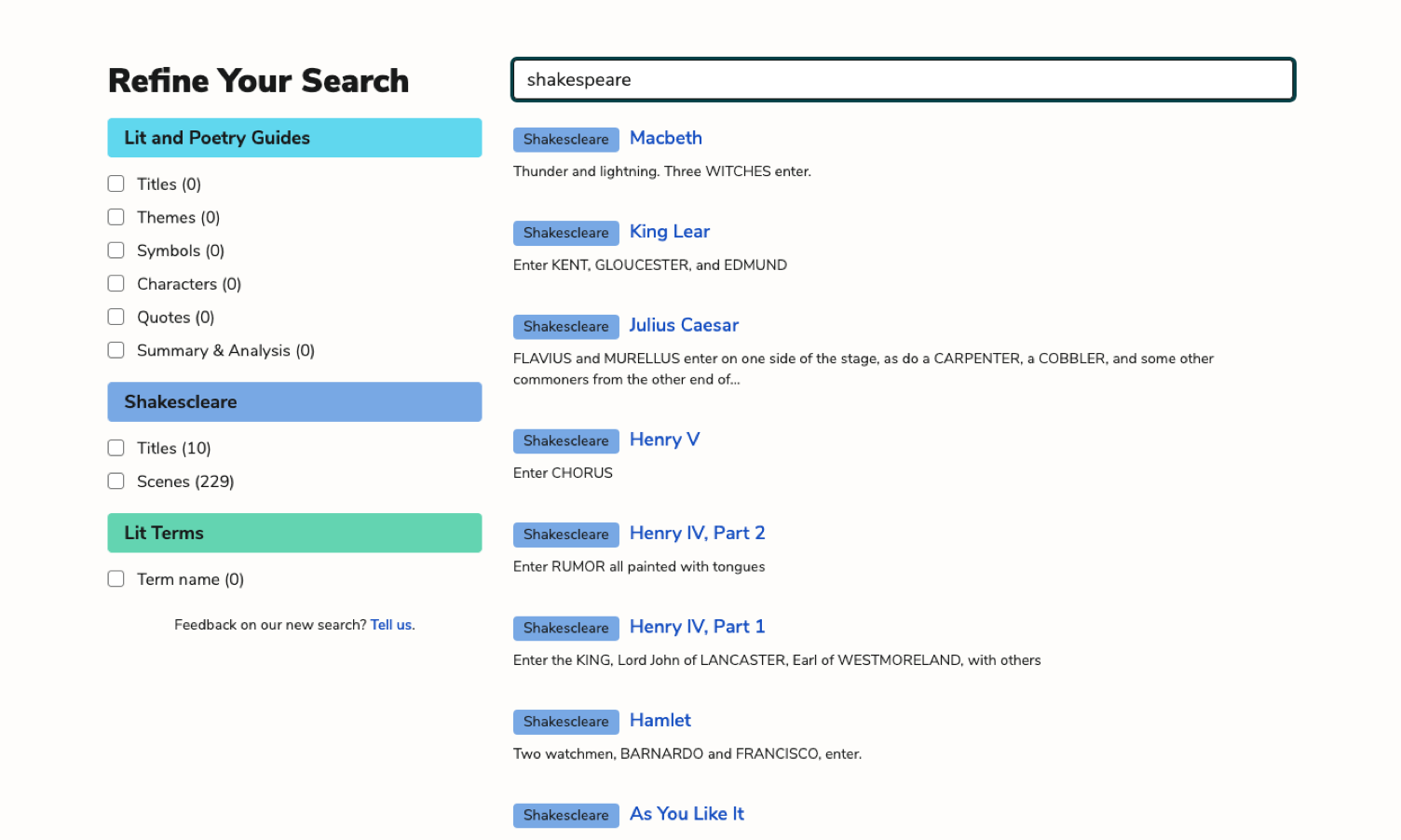
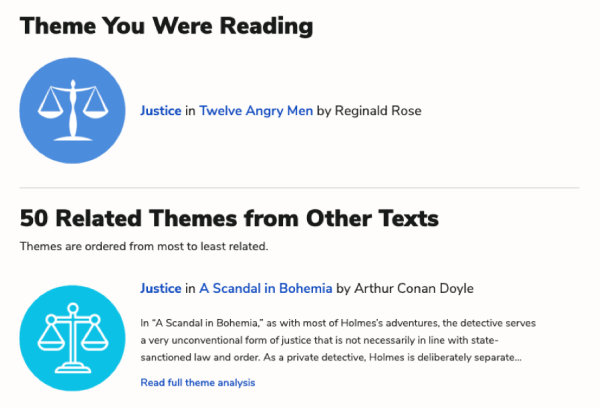
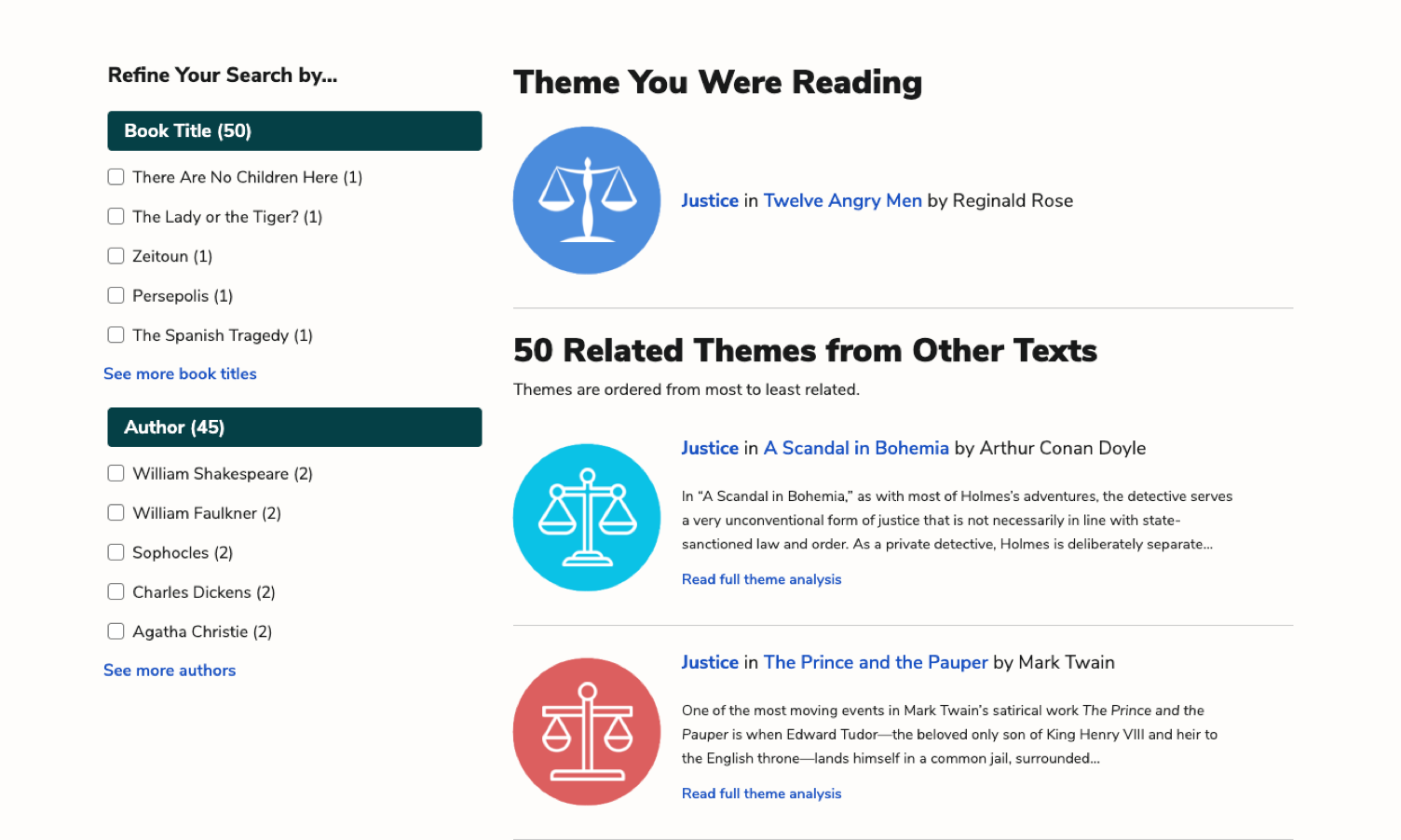
Related Themes
Comparing and contrasting texts? Find where any theme occurs across all of LitCharts in seconds.

Poetry Guides
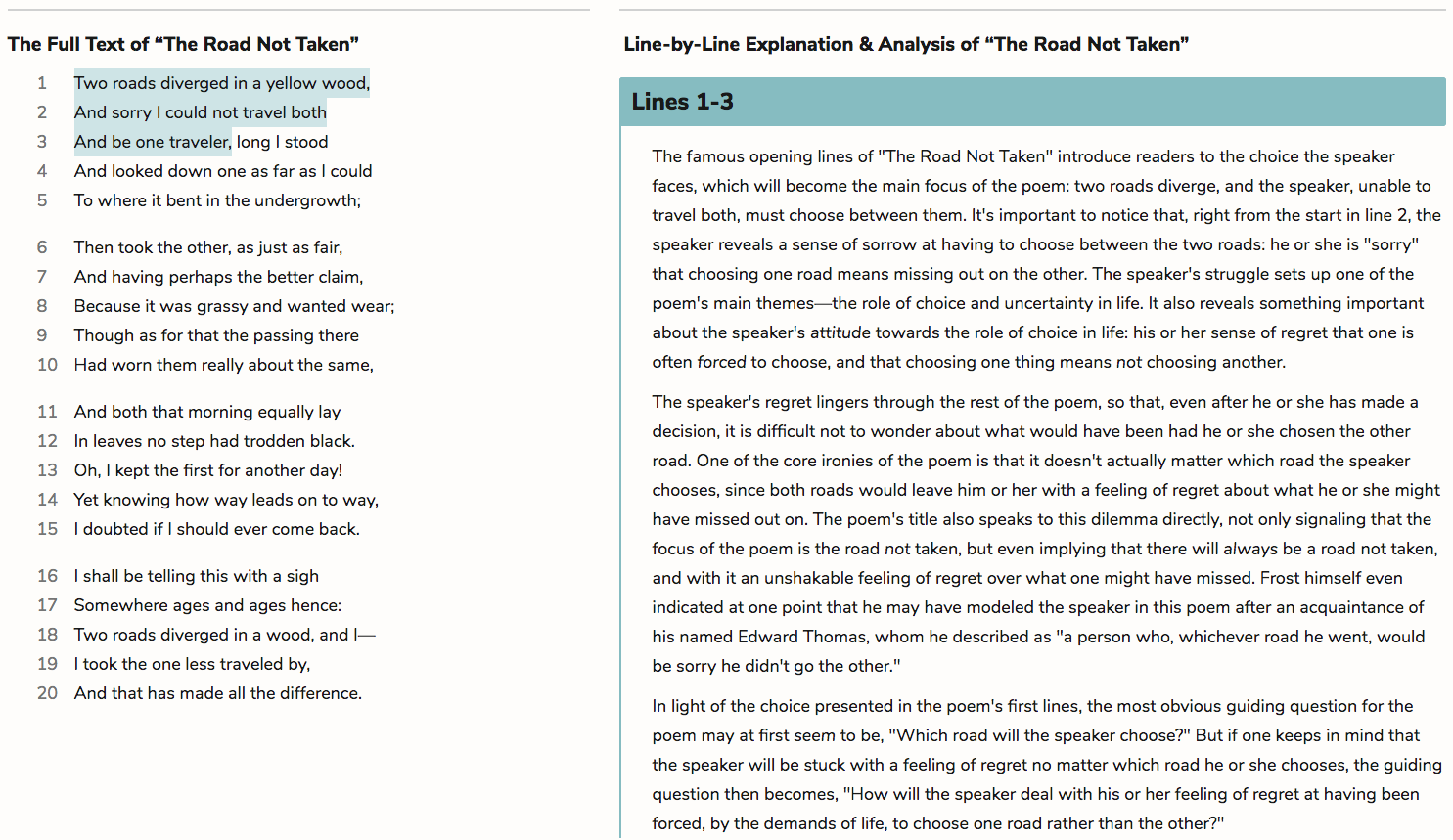
Line-by-line explanations and analysis of figurative language and poetic devices.
For every lyric poem we cover.
For every lyric poem we cover.