
|
Have questions?
Contact us
Already a member? Sign in
|
Get every literary device explanation for The Return of the King
Plus so much more...
Sign up for LitCharts A+
Get instant access to every literary device explanation, plus so much more...
Personification
Explanation and Analysis—The Earth Groaned:
At the climax of the War of the Ring, when the Ring is destroyed and Sauron’s power collapses, Tolkien describes the upheaval at Mordor’s gate. This passage exemplifies personification in its description of the earth:
Then rising swiftly up, far above the Towers of the Black Gate, high above the mountains, a vast soaring darkness sprang into the sky, flickering with fire. The earth groaned and quaked.
The ground does not merely shake under volcanic force; it “groan[s],” as if it is a living being capable of voicing pain. By attributing human qualities to the land, Tolkien conveys that Middle-earth itself shares in the drama of Sauron’s downfall.
The groaning earth suggests centuries of strain under Sauron’s domination. The ground becomes more than a physical setting—it takes on the role of a witness, echoing the suffering and release of the world now freed. This personification amplifies the apocalyptic atmosphere, so the collapse is felt not just as a battlefield victory but as a universal convulsion.
The detail also frames the destruction as cosmic in scale. Armies and fortresses fall, but the natural world itself cries out, registering both the violence of the moment and the release that follows. The earth’s “voice” becomes part lament, part exhalation, marking the transition from oppression to liberation.
Through this personification, Tolkien enlarges the scope of the scene. The victory at the Black Gate belongs not only to Aragorn’s host but to the very land they fight for. The groan of the earth makes the moment feel absolute and final, underscoring that Sauron’s fall reshapes the world at its most fundamental level.
Monthly
Annual (Best Value)

$595USD/mo
Charged $71.40 USD every year
 Teacher
$795USD/mo
Charged $95.40 USD every year
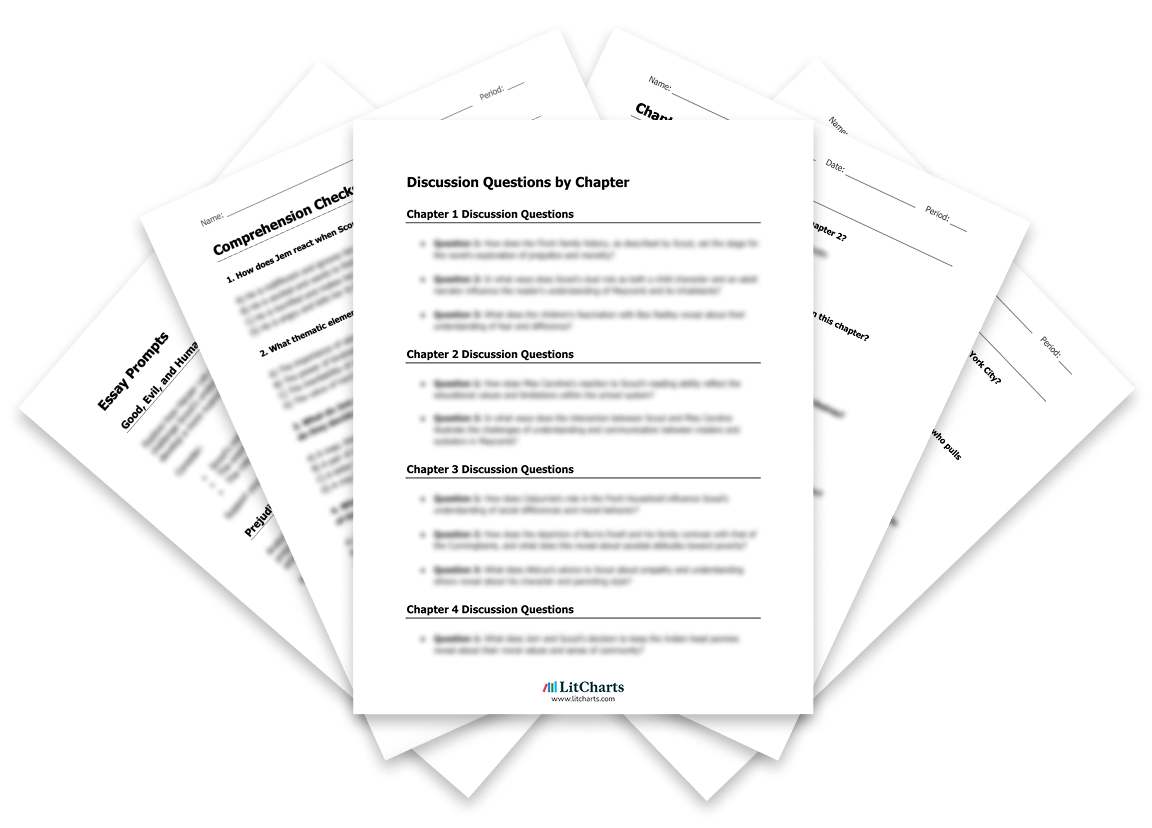


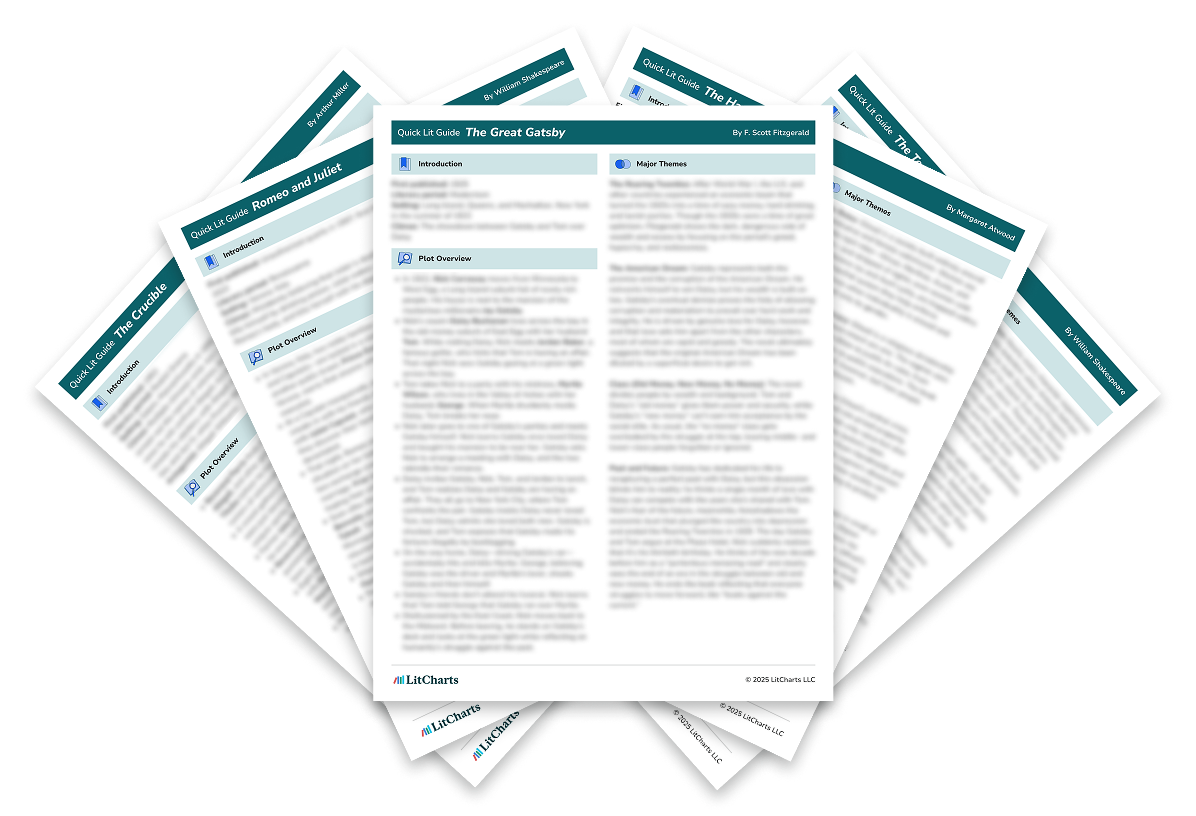
Literature Guide PDFs
LitCharts PDFs for every book you'll read this year.
Instant PDF downloads of all 2254 LitCharts literature guides and of every new one we publish. Try a free sample literature guide.
"Would not have made it through AP Literature without the printable PDFs. They're like having in-class notes for every discussion!"



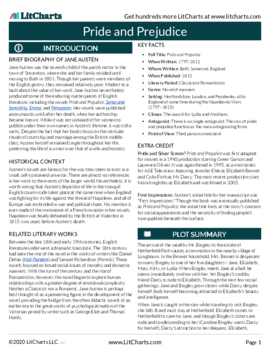


Quotes Explanations
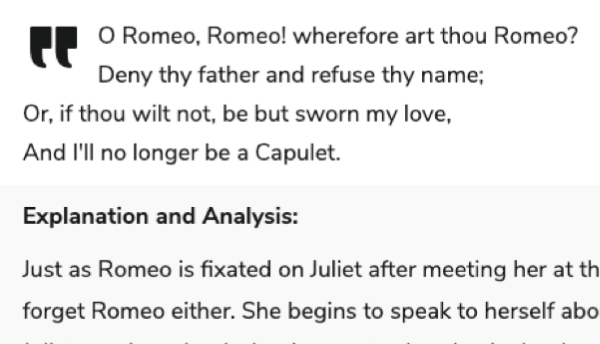
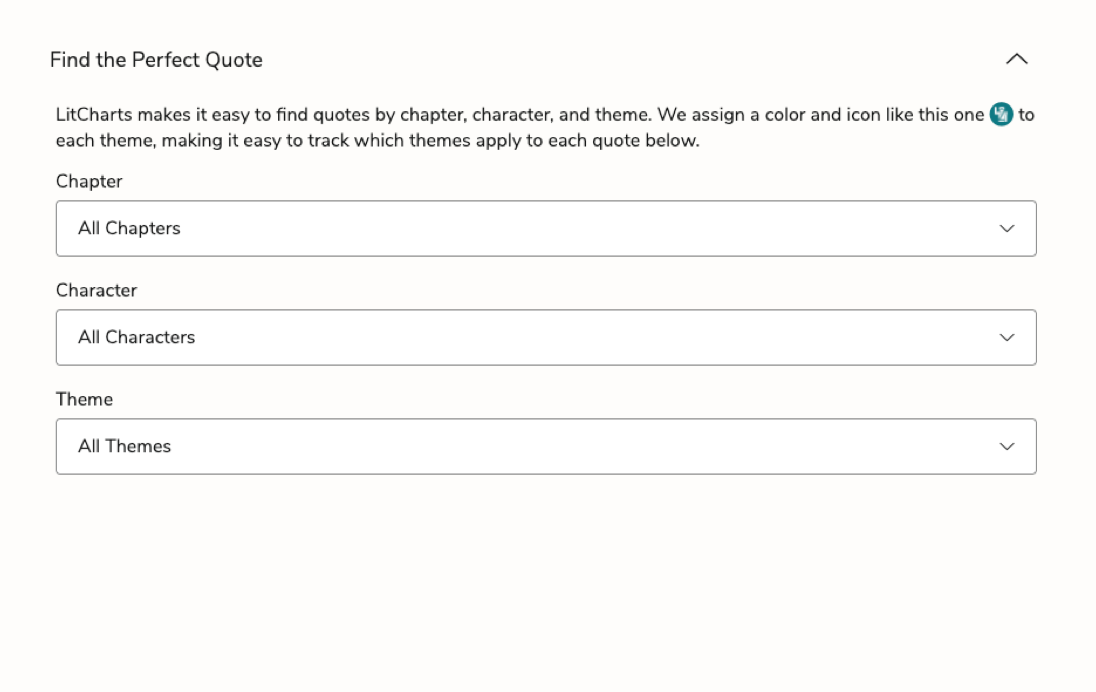
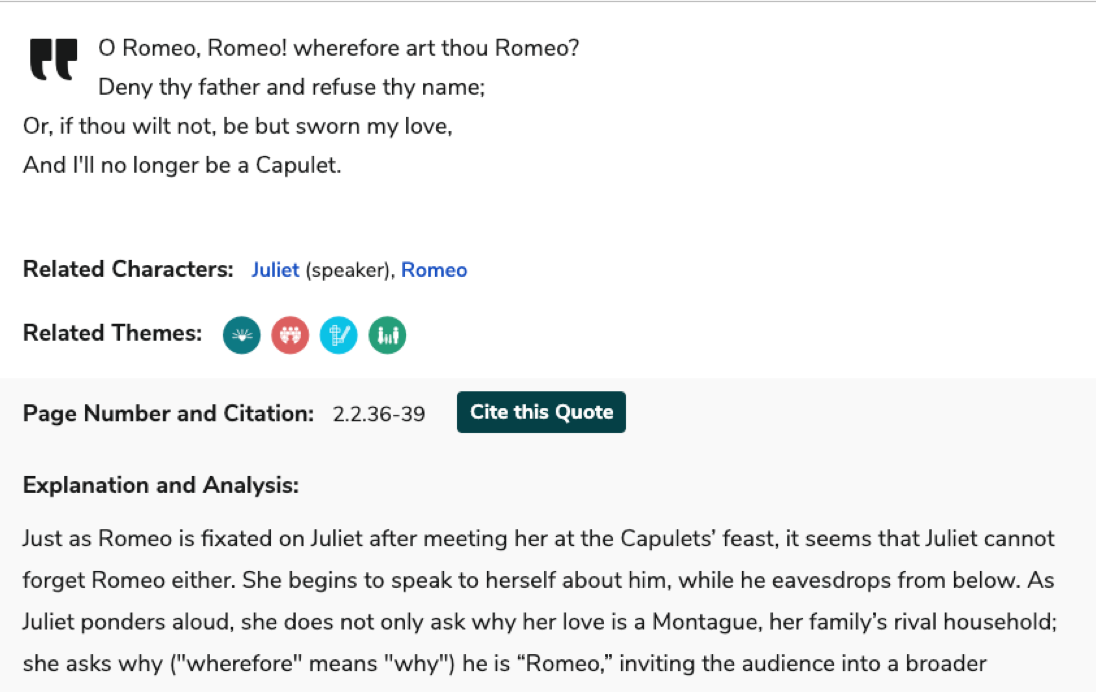
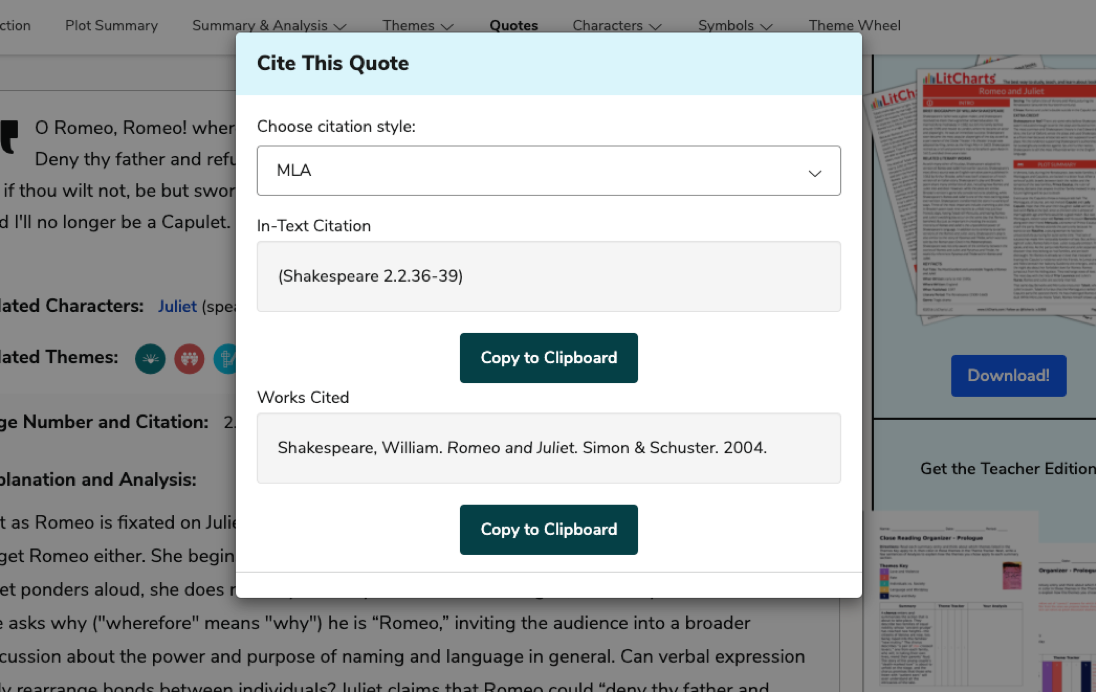
Find the perfect quote. Understand it perfectly. Then rock the citation, too.
For all 50,258 quotes we cover.
For all 50,258 quotes we cover.


Teacher Editions
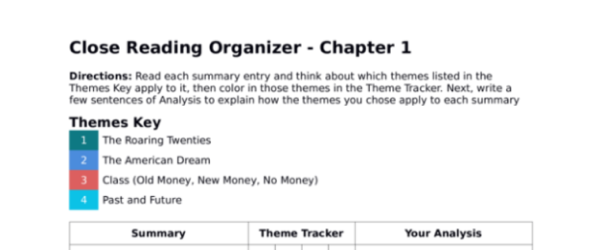
Close reading made easy for students.
Time saved for teachers.
For every book we cover.
Time saved for teachers.
For every book we cover.


Common Core-aligned


PDFs of modern translations of every one of Shakespeare's 37 plays, 154 sonnets, and 3 longer poems.

Literary Terms and Devices
Definitions and examples for every literary term and device you need to know.
Plus a quick-reference PDF with concise definitions of all 136 terms in one place.
Plus a quick-reference PDF with concise definitions of all 136 terms in one place.
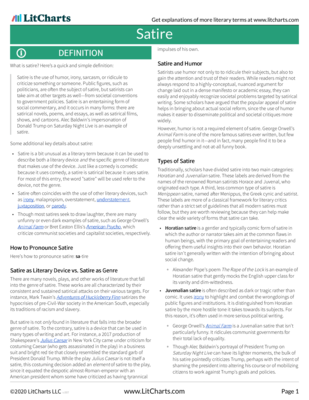
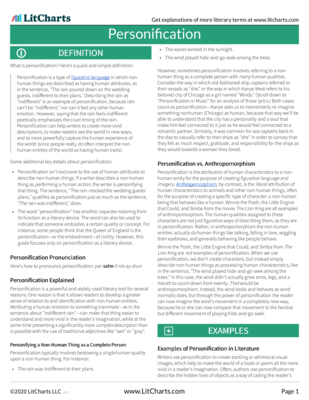
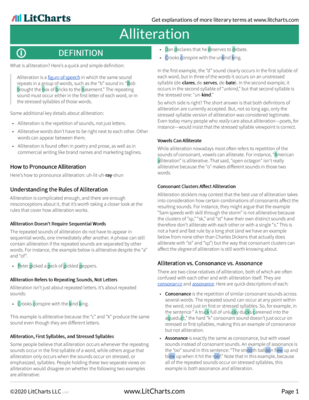
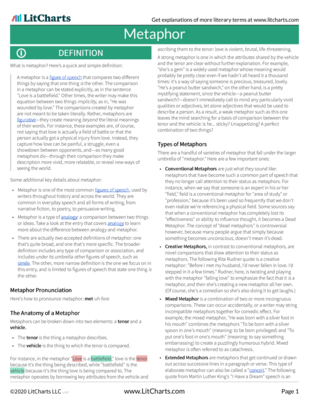
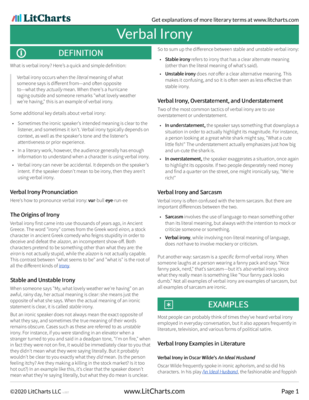
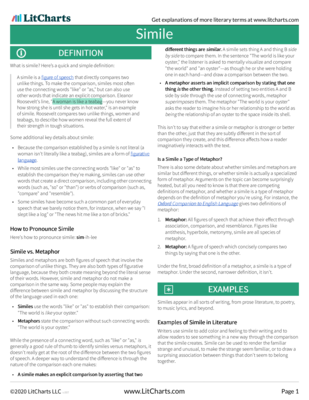
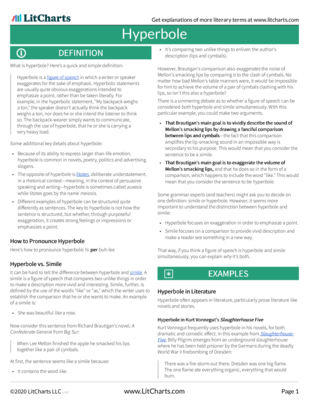
Try a free sample literary term PDF.


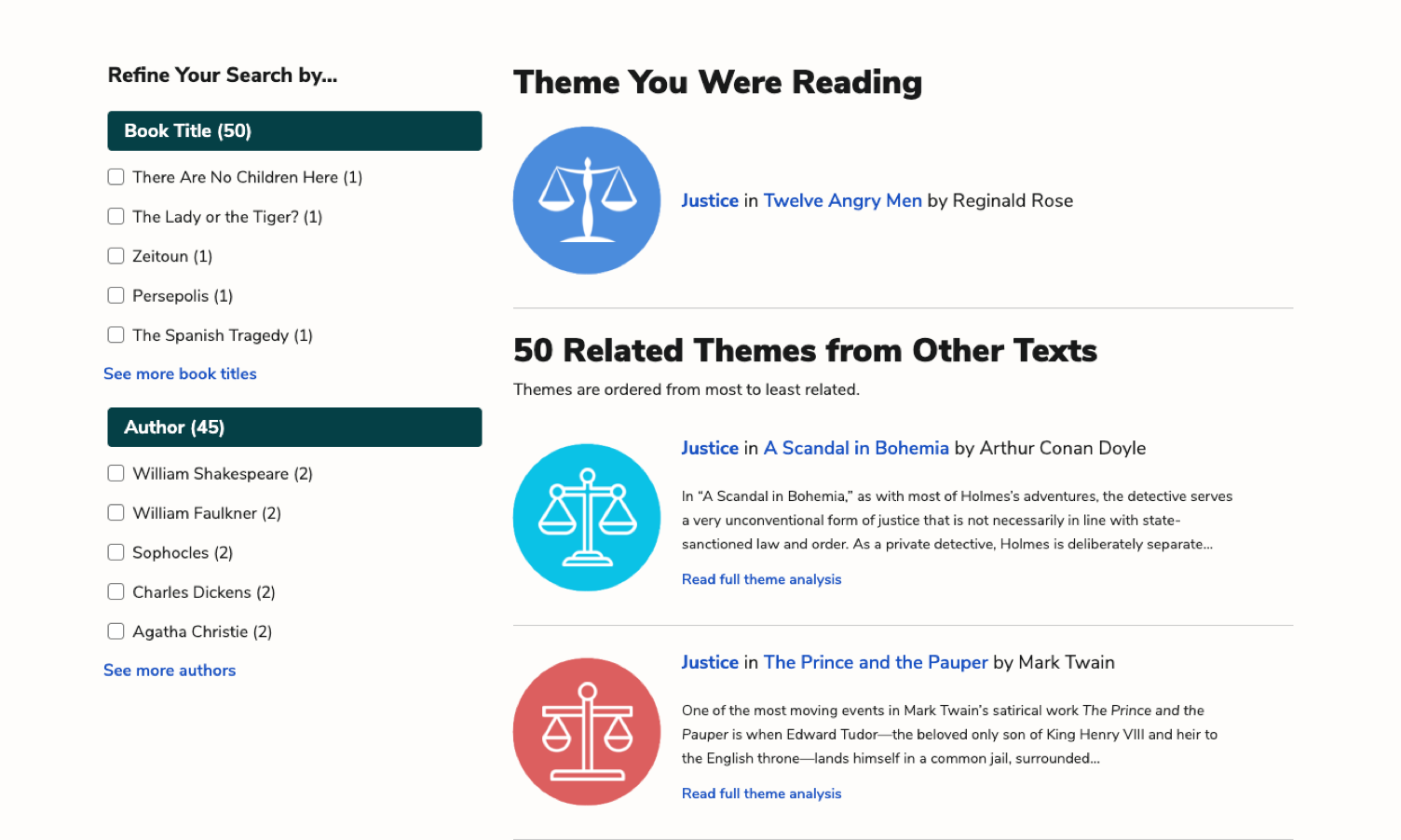
Advanced Search
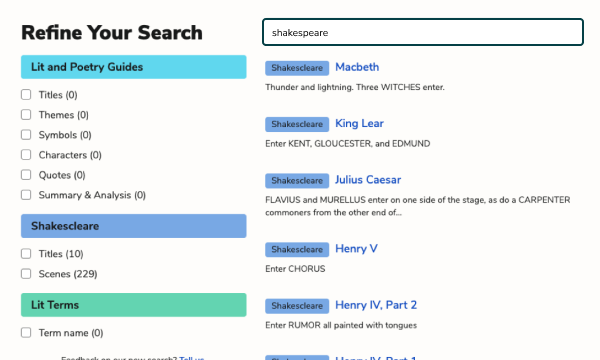
Refine any search. Find related themes, quotes, symbols, characters, and more.
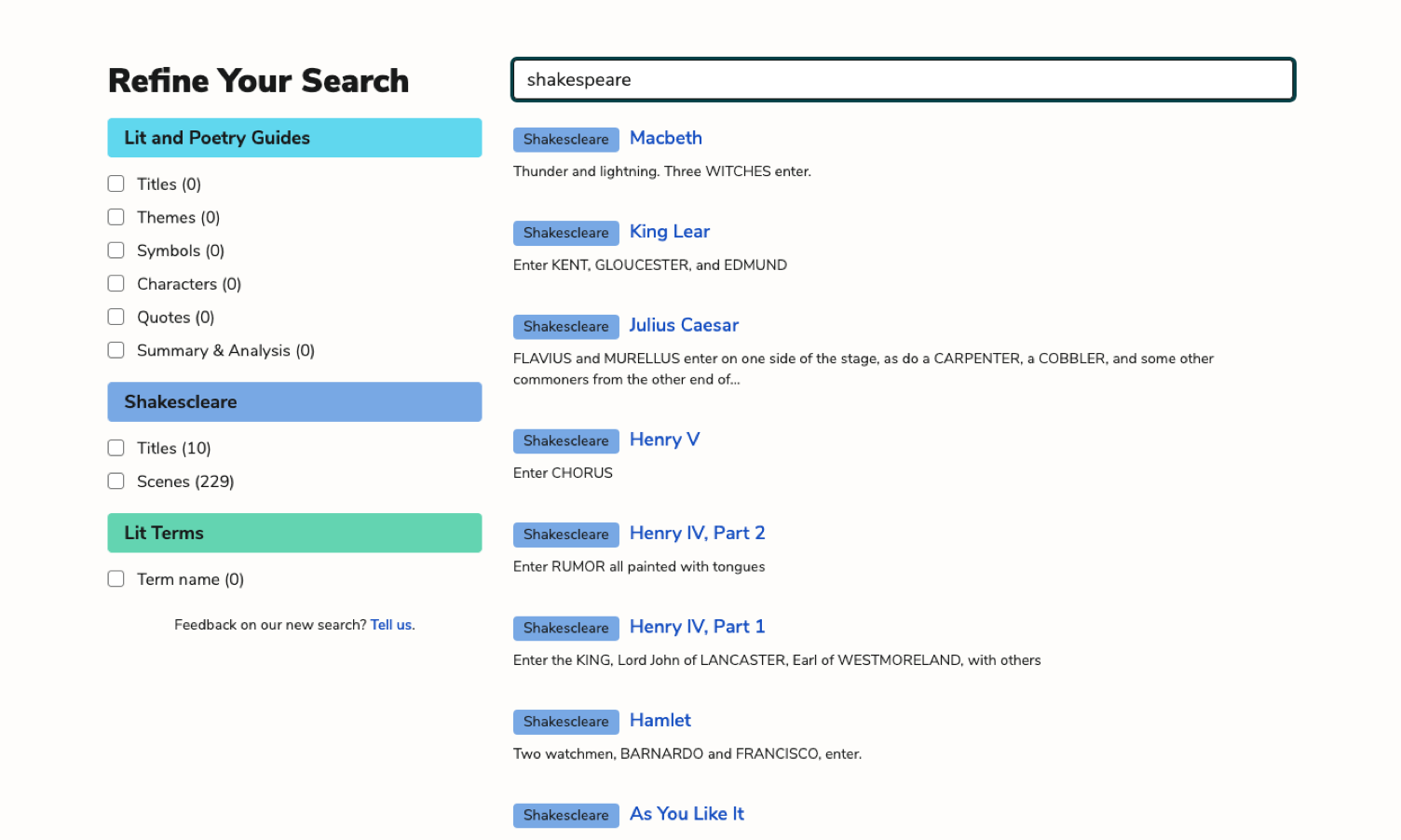
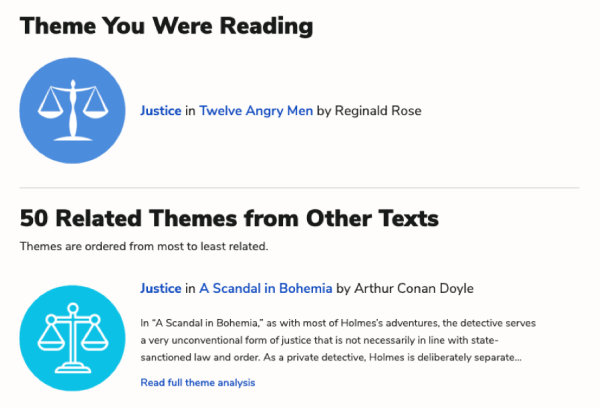
Related Themes
Comparing and contrasting texts? Find where any theme occurs across all of LitCharts in seconds.


Poetry Guides
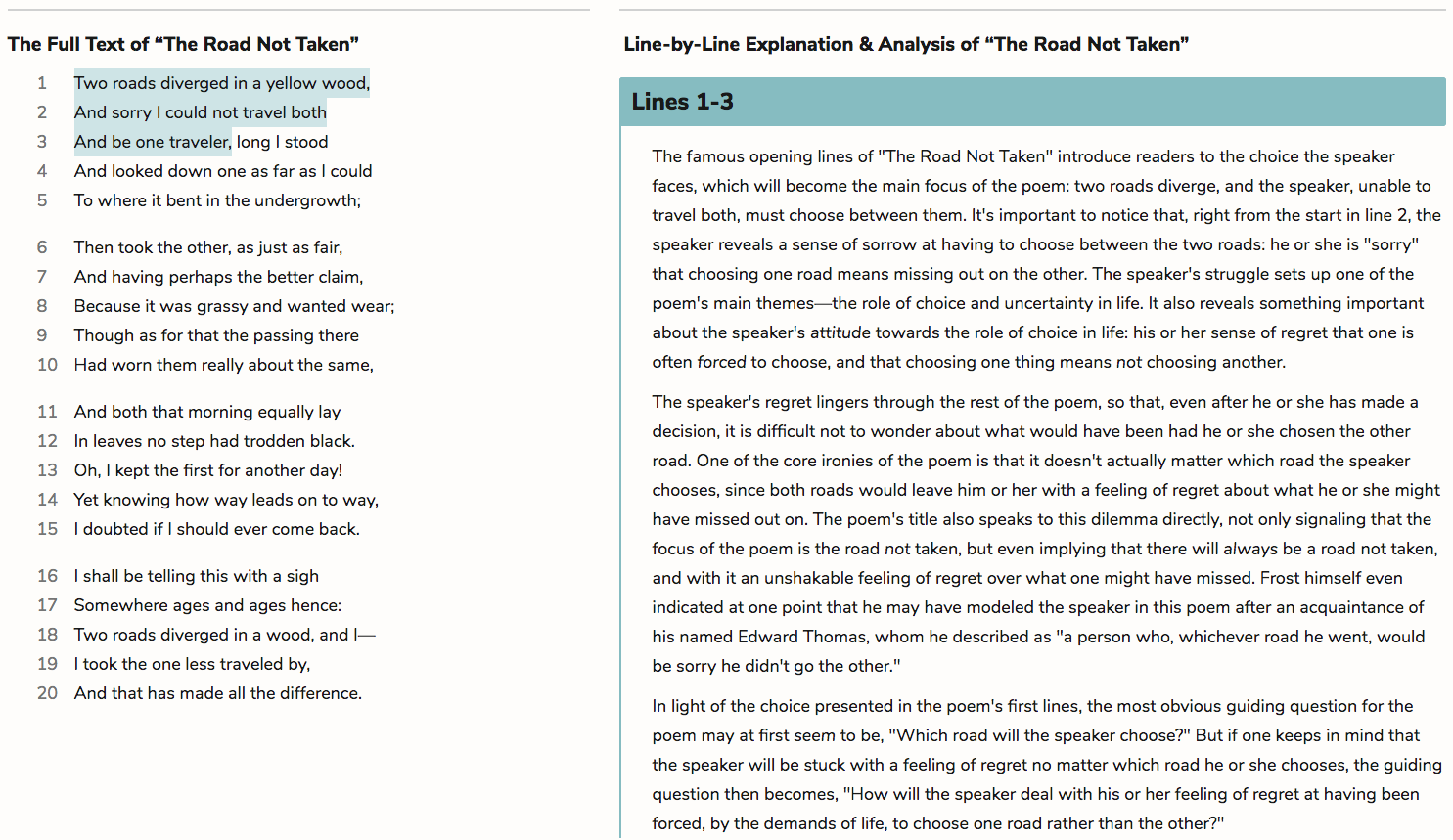
Line-by-line explanations and analysis of figurative language and poetic devices.
For every lyric poem we cover.
For every lyric poem we cover.