
|
Have questions?
Contact us
Already a member? Sign in
|
Get every literary device explanation for A Christmas Carol
Plus so much more...
Sign up for LitCharts A+
Get instant access to every literary device explanation, plus so much more...
Personification
Explanation and Analysis—Laughter:
In Stave 2, when the first of the three spirits comes to visit, he shows Scrooge scenes from childhood. Among the happiest is a scene of boys playing in the fields:
All these boys were in great spirits, and shouted to each other, until the broad fields were so full of merry music, that the crisp air laughed to hear it.
This moment stands in stark contrast to the dismal day at the counting-room described in the initial pages. It contains a fanciful bit of personification that mirrors the delights of childhood. The laughing air suggests compatibility between nature and happy children and reminds old Scrooge of youthful joy.
The last line of A Christmas Carol in Stave 5 personifies Scrooge's heart in a very similar way:
His own heart laughed: and that was quite enough for him.
Personification creates a parallel moment that shows how Scrooge was able to internalize the ghosts' lessons. At first, Scrooge could only listen to laughter in the past. Now he laughs in the present. It seems strange to personify an internal organ, but here it is an important reminder that Scrooge is aware of his own heart and is satisfied by creating emotional value (unlike at the beginning of the story, when he cared only for money).
Monthly
Annual (Best Value)

$595USD/mo
Charged $71.40 USD every year
 Teacher
$795USD/mo
Charged $95.40 USD every year
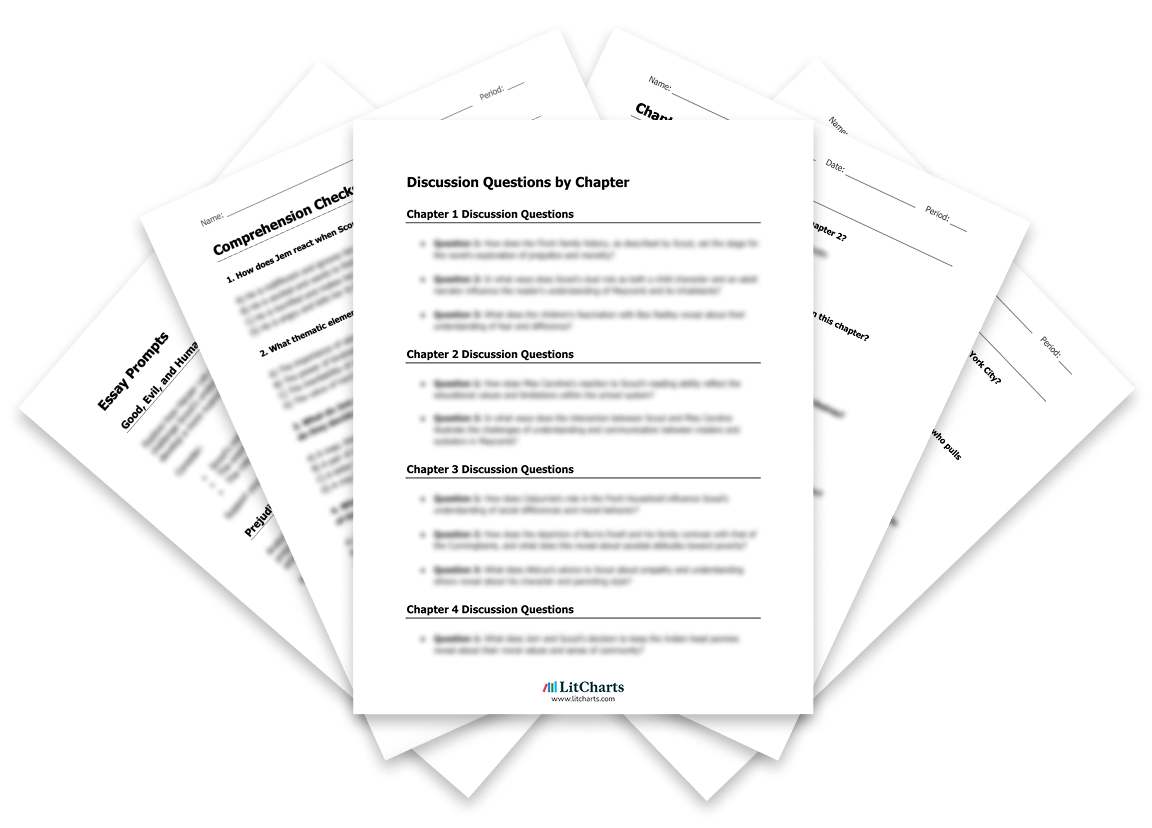
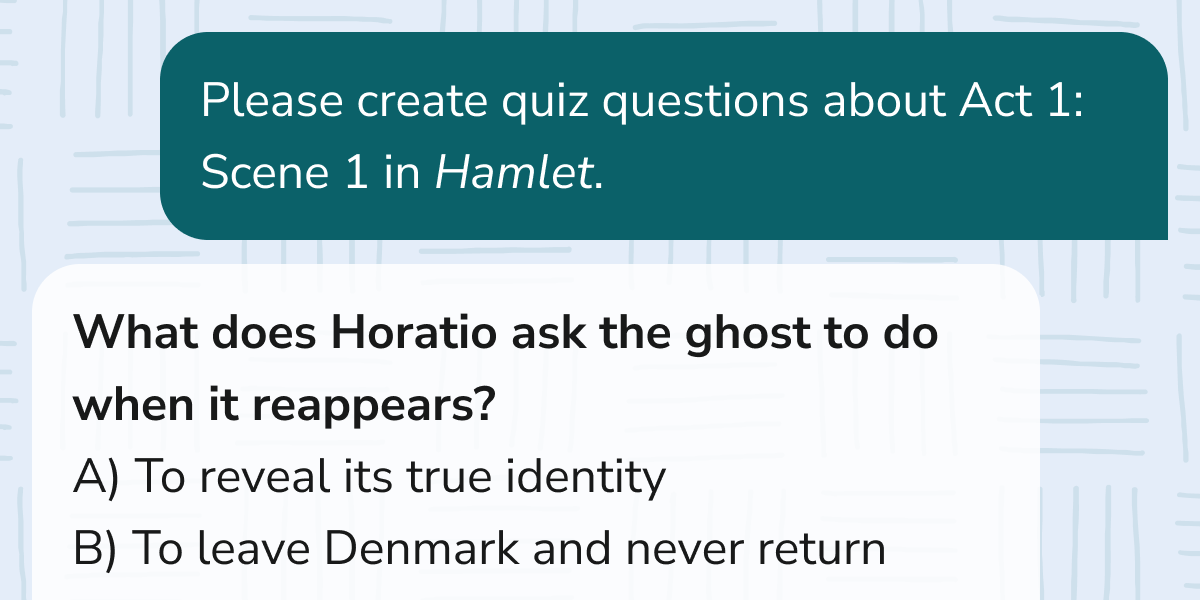


Literature Guide PDFs
LitCharts PDFs for every book you'll read this year.
Instant PDF downloads of all 2252 LitCharts literature guides and of every new one we publish. Try a free sample literature guide.
"Would not have made it through AP Literature without the printable PDFs. They're like having in-class notes for every discussion!"


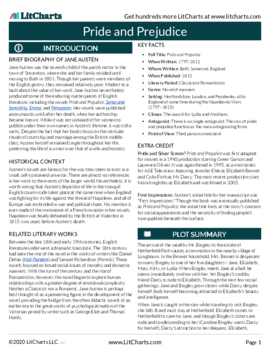






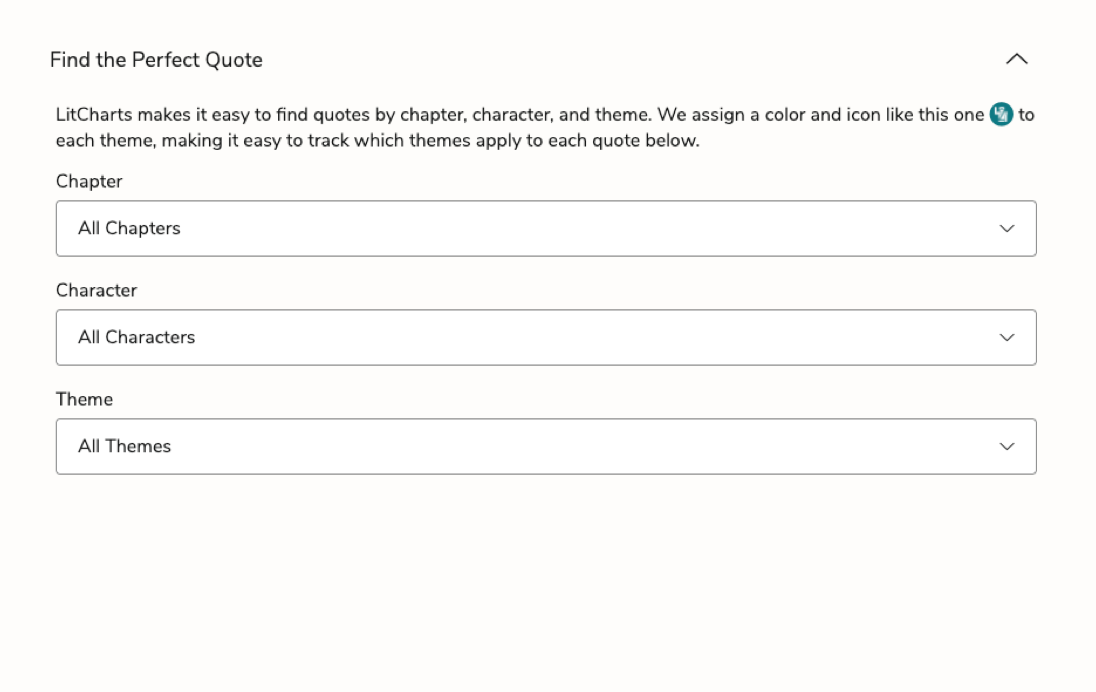
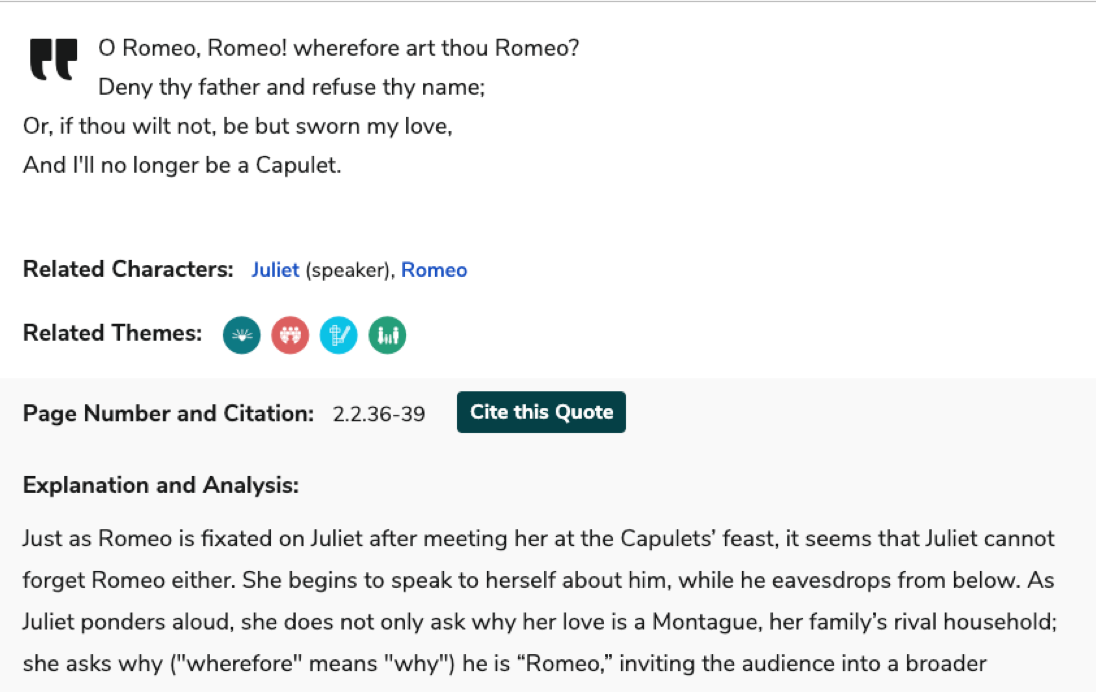
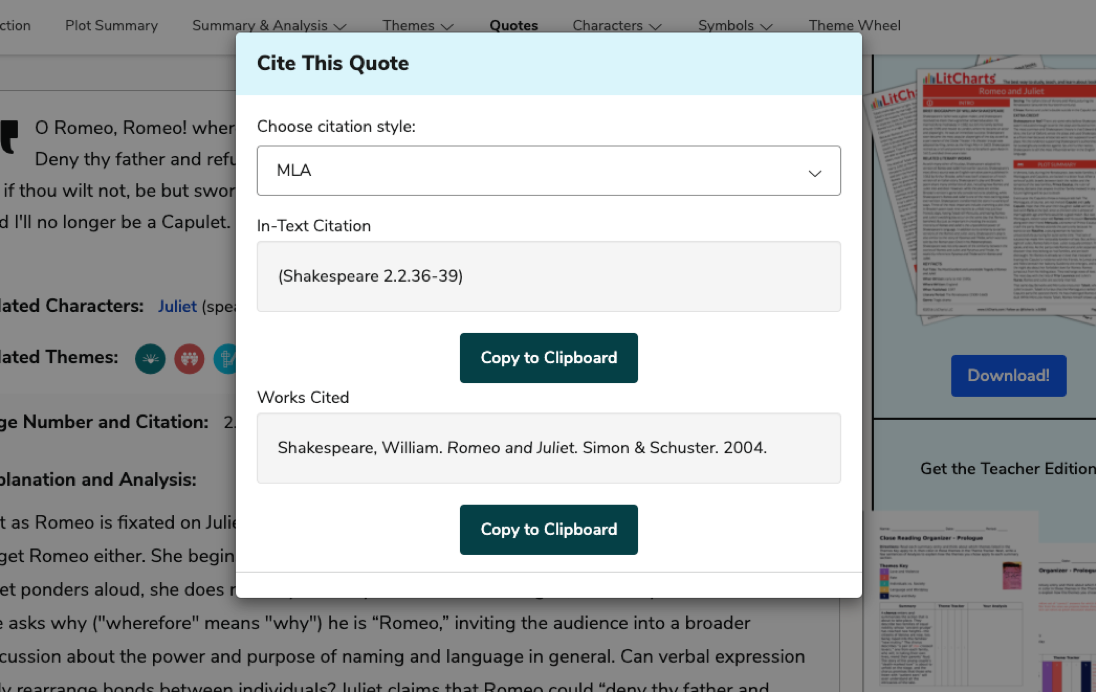
Quotes Explanations
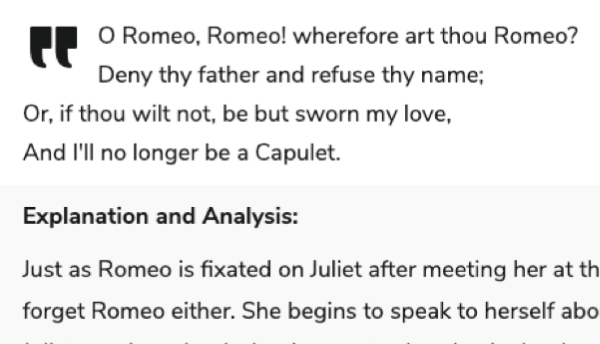
Find the perfect quote. Understand it perfectly. Then rock the citation, too.
For all 50,213 quotes we cover.
For all 50,213 quotes we cover.


Teacher Editions
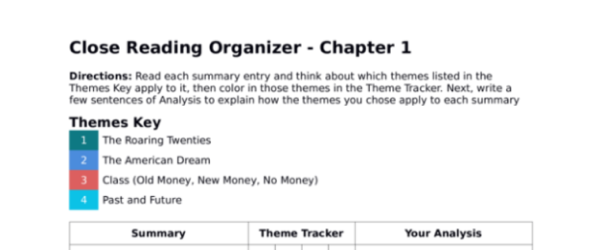
Close reading made easy for students.
Time saved for teachers.
For every book we cover.
Time saved for teachers.
For every book we cover.


Common Core-aligned


PDFs of modern translations of every one of Shakespeare's 37 plays, 154 sonnets, and 3 longer poems.

Literary Terms and Devices
Definitions and examples for every literary term and device you need to know.
Plus a quick-reference PDF with concise definitions of all 136 terms in one place.
Plus a quick-reference PDF with concise definitions of all 136 terms in one place.
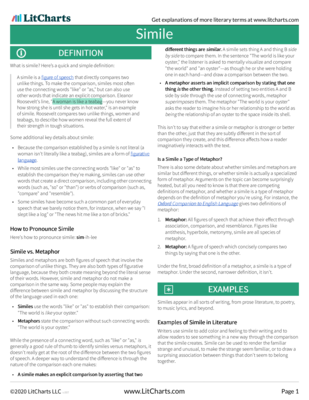
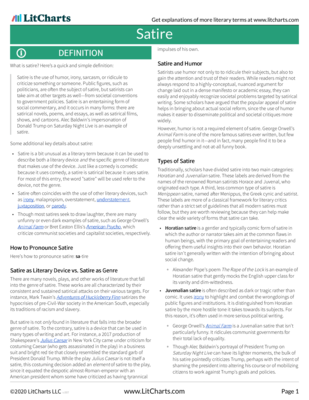
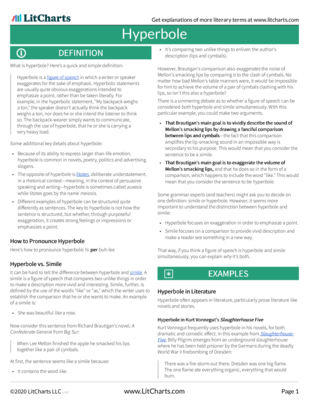
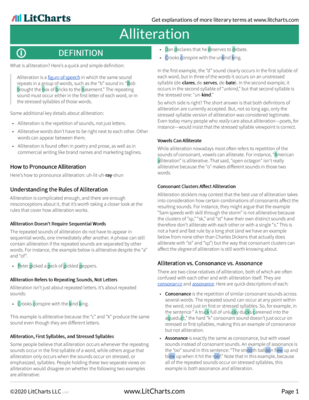
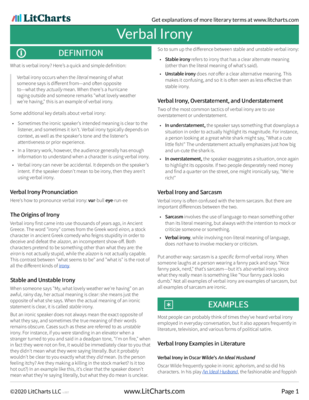
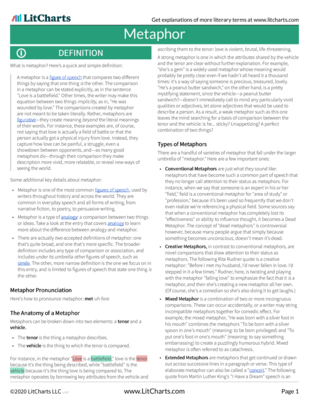
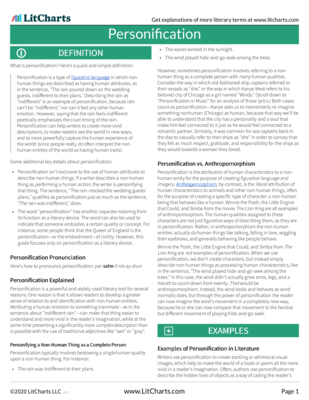
Try a free sample literary term PDF.


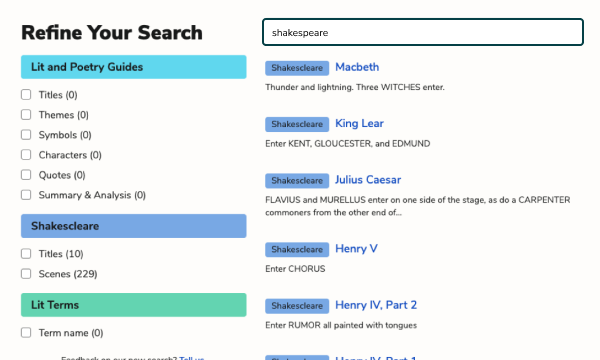
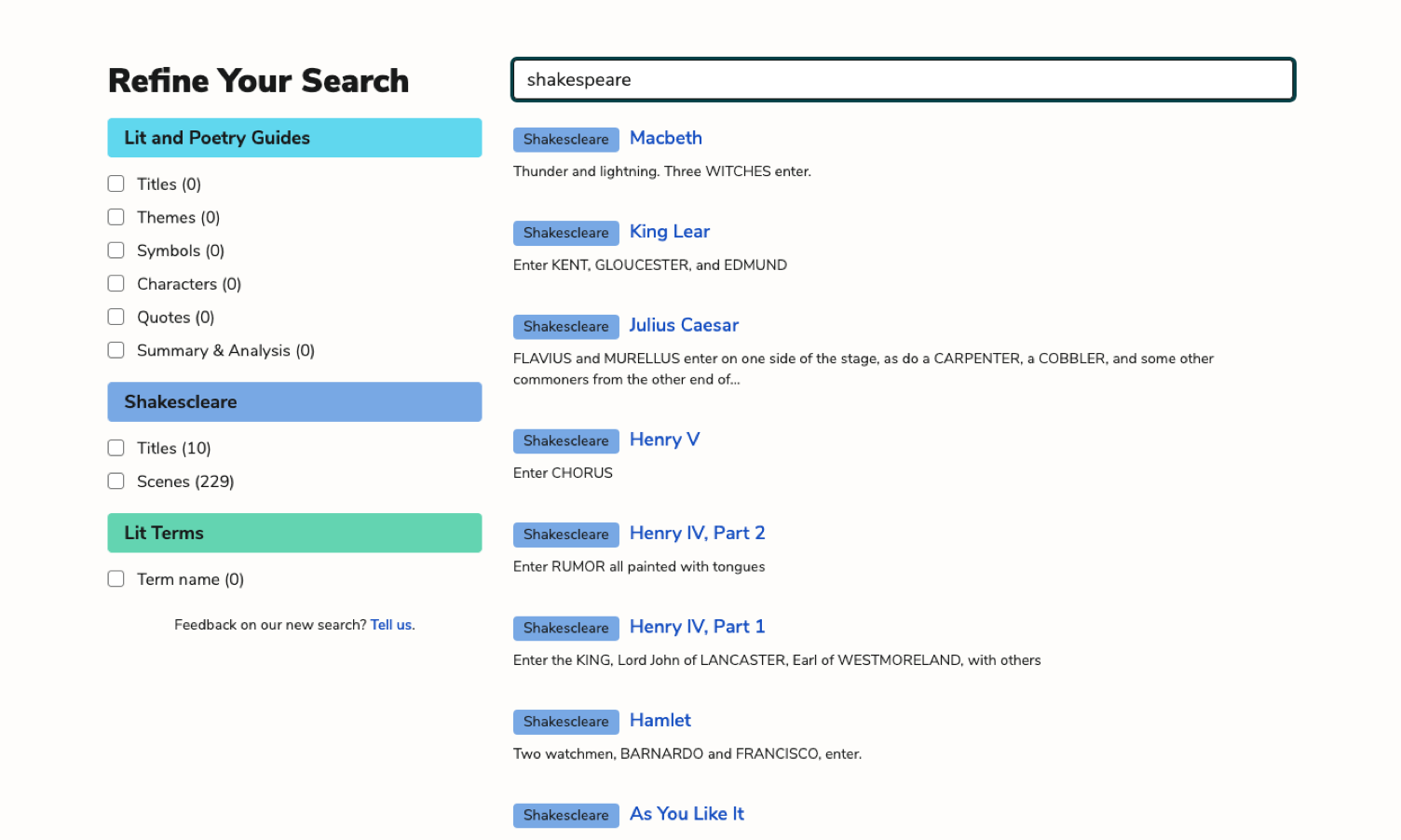
Advanced Search
Refine any search. Find related themes, quotes, symbols, characters, and more.

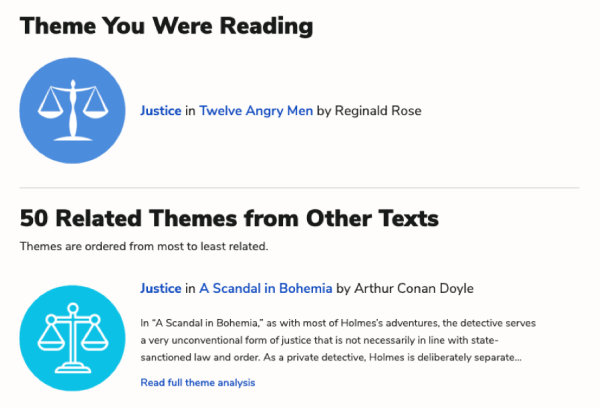
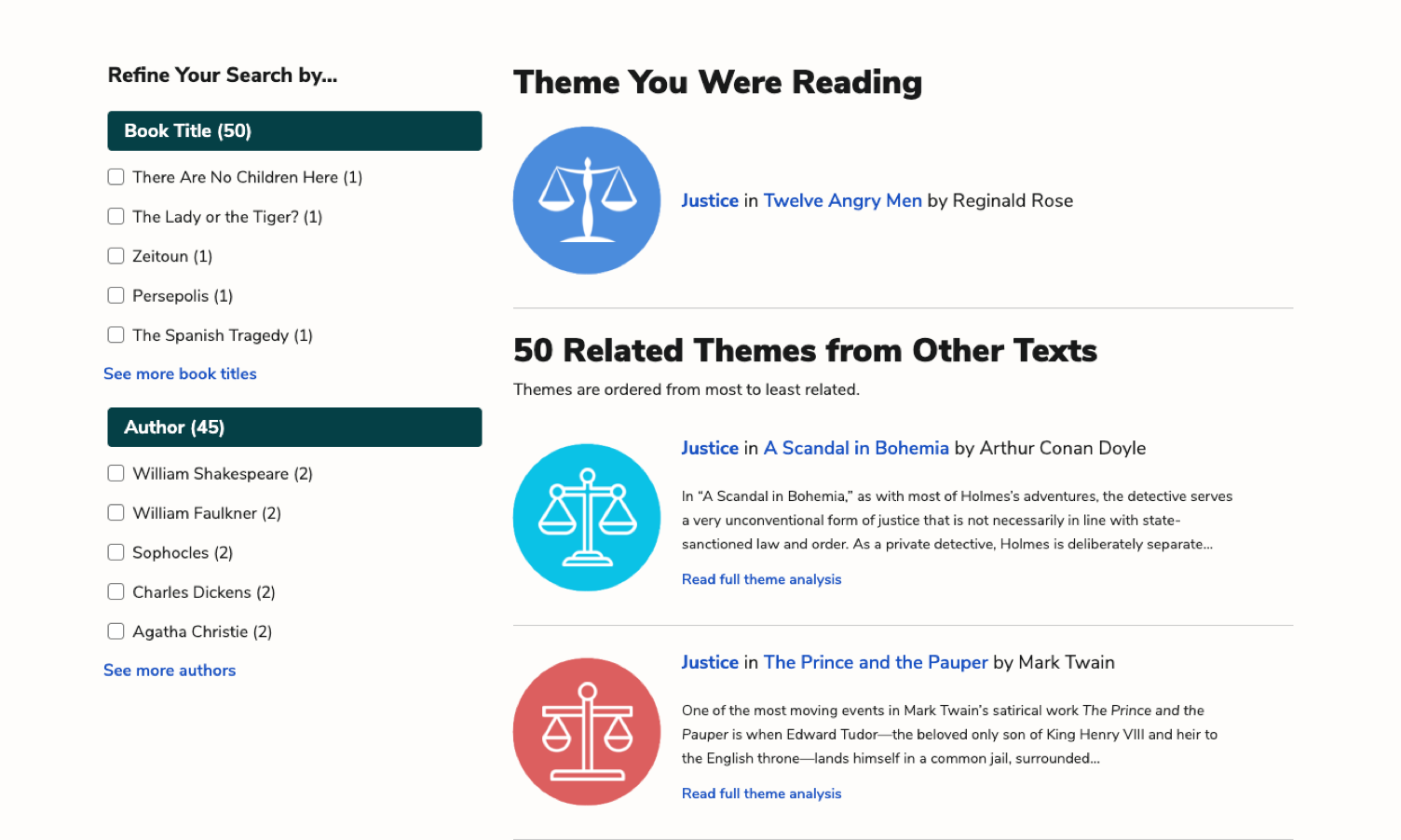
Related Themes
Comparing and contrasting texts? Find where any theme occurs across all of LitCharts in seconds.


Poetry Guides
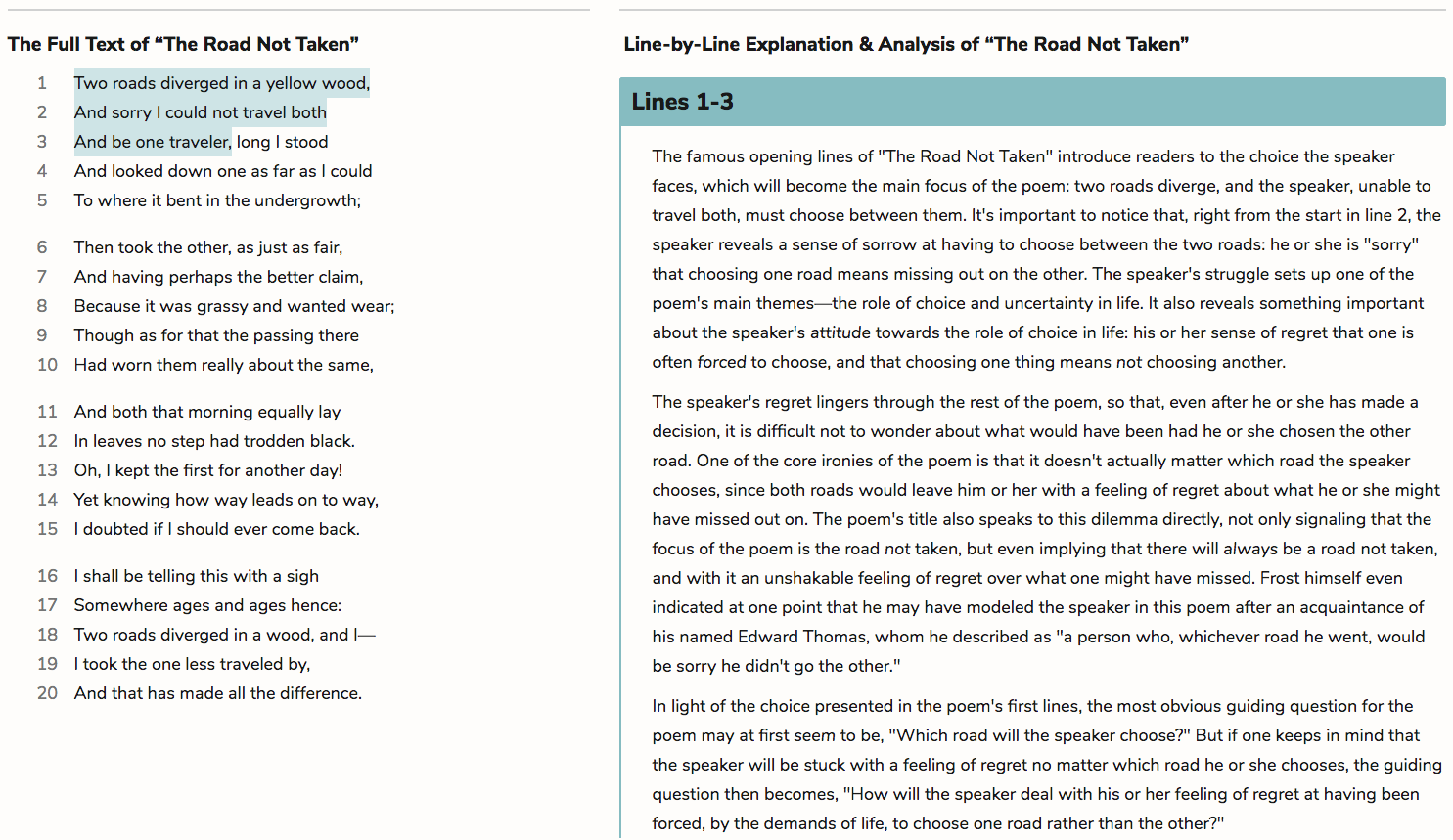
Line-by-line explanations and analysis of figurative language and poetic devices.
For every lyric poem we cover.
For every lyric poem we cover.