
|
Have questions?
Contact us
Already a member? Sign in
|
Get every literary device explanation for Dr. Jekyll and Mr. HydePlus so much more...
Sign up for LitCharts A+Get instant access to every literary device explanation, plus so much more...
Personification
Explanation and Analysis—The Deadliest Terror:
In the ninth chapter, Lanyon recalls going into shock after seeing Jekyll transform into Hyde:
My life is shaken to its roots; sleep has left me; the deadliest terror sits by me at all hours of the day and night [...].
Through the use of personification, Lanyon implies that the shock of seeing this transformation has rendered a permanent change in him. The great agency attributed to these abstract concepts of sleep and terror can be seen as another way of expressing the intractability of this change.
Lanyon says sleep has “left” him against his will. Similarly, terror is given the characteristics of a human companion who “sits” by him at all times. This description not only serves to give readers a taste of Lanyon’s psychic and emotional state after seeing the dark side of his long-time friend, it also feeds into the Gothic tradition of heightened, melodramatic depictions of emotion. It is not enough that the scene affects Lanyon deeply—it also must shake his life “to its roots.”
When Hyde appears throughout the narrative, Stevenson usually doesn’t linger too long on physical descriptions, instead focusing on the impression he makes on those around him. This scene is no exception: as much space is granted to Lanyon’s reaction as to Jekyll's actual transformation. The personification of sleep and terror here serves to deepen readers' sense of Hyde’s spiritual “deformity.” Hyde always inspires fear and hatred; the revelation that such evil could exist in a beloved friend is enough to turn someone's life upside down and cause reasonable men like Lanyon to lose their autonomy over their body and emotions.
Monthly
Annual (Best Value)

$595USD/mo
Charged $71.40 USD every year
 Teacher
$795USD/mo
Charged $95.40 USD every year
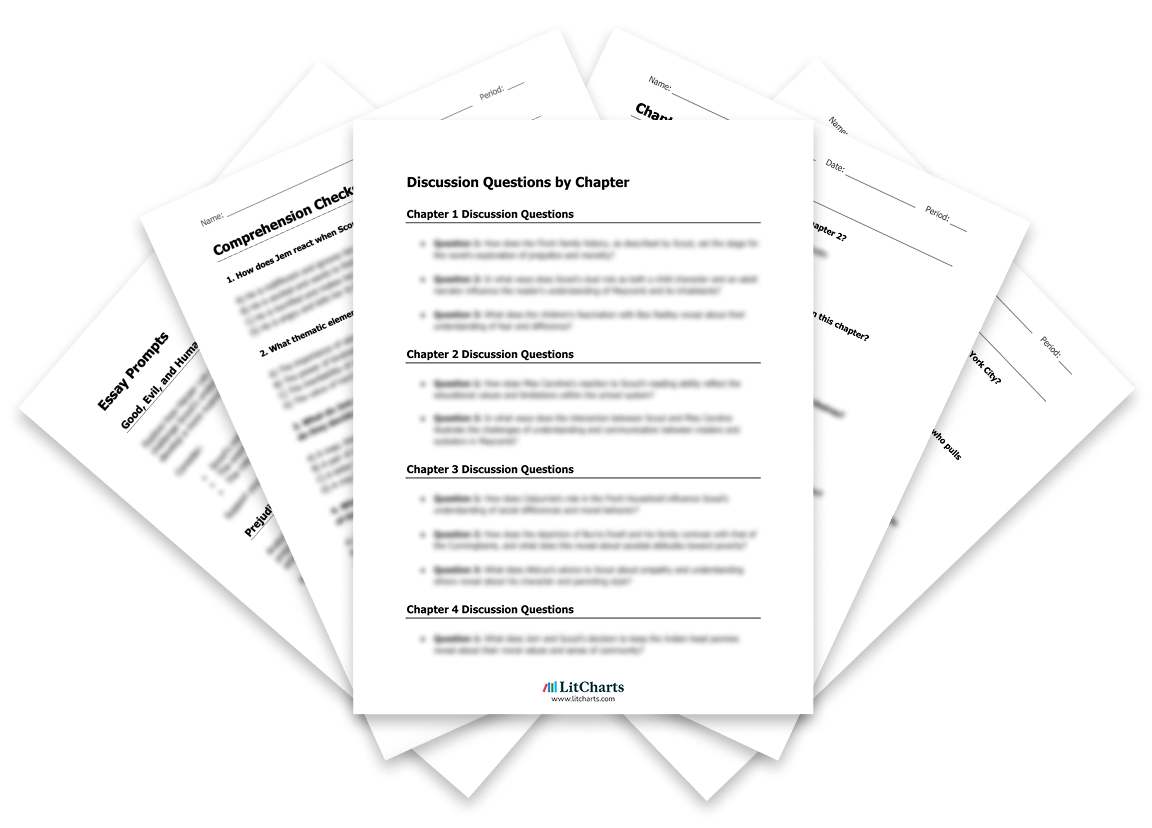


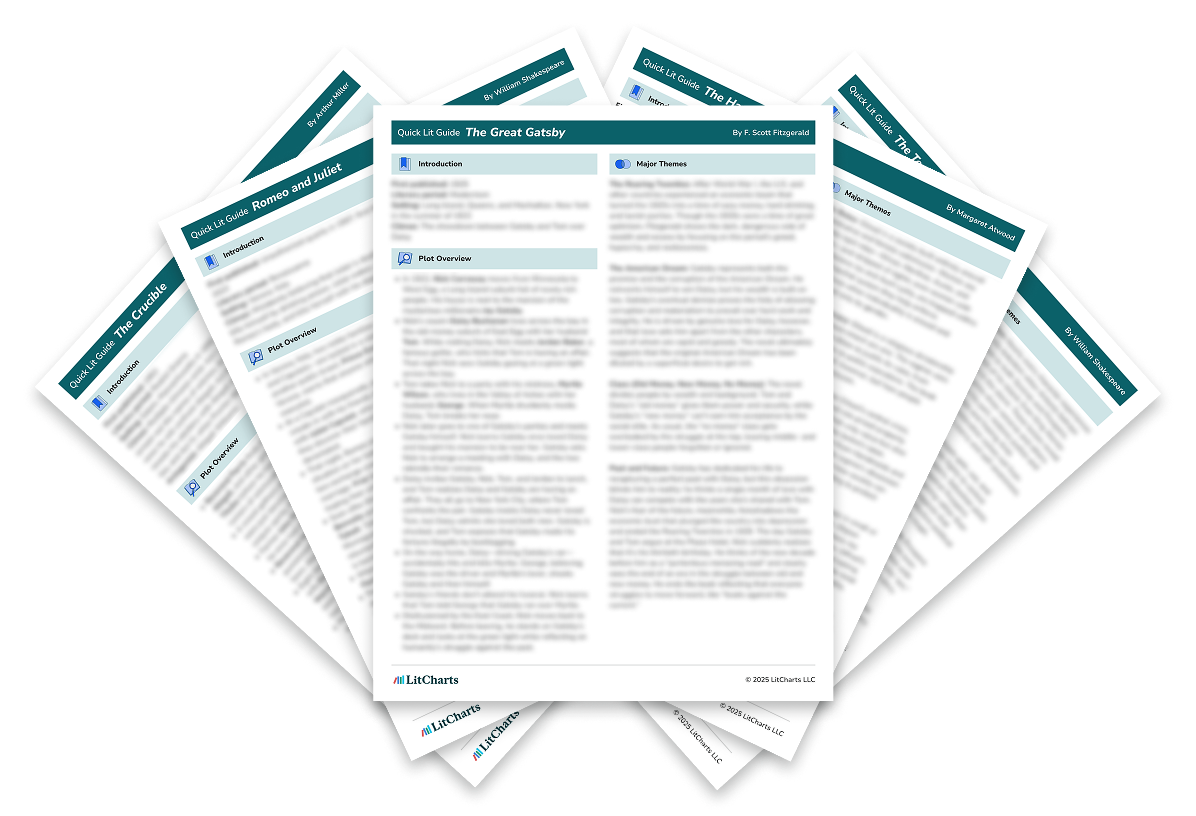
Literature Guide PDFs
LitCharts PDFs for every book you'll read this year.
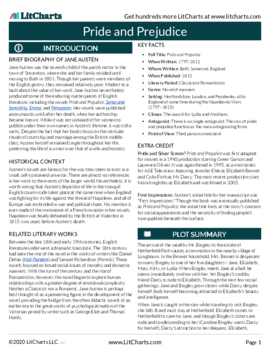
Instant PDF downloads of all 2247 LitCharts literature guides and of every new one we publish. Try a free sample literature guide.
"Would not have made it through AP Literature without the printable PDFs. They're like having in-class notes for every discussion!"





Quotes Explanations
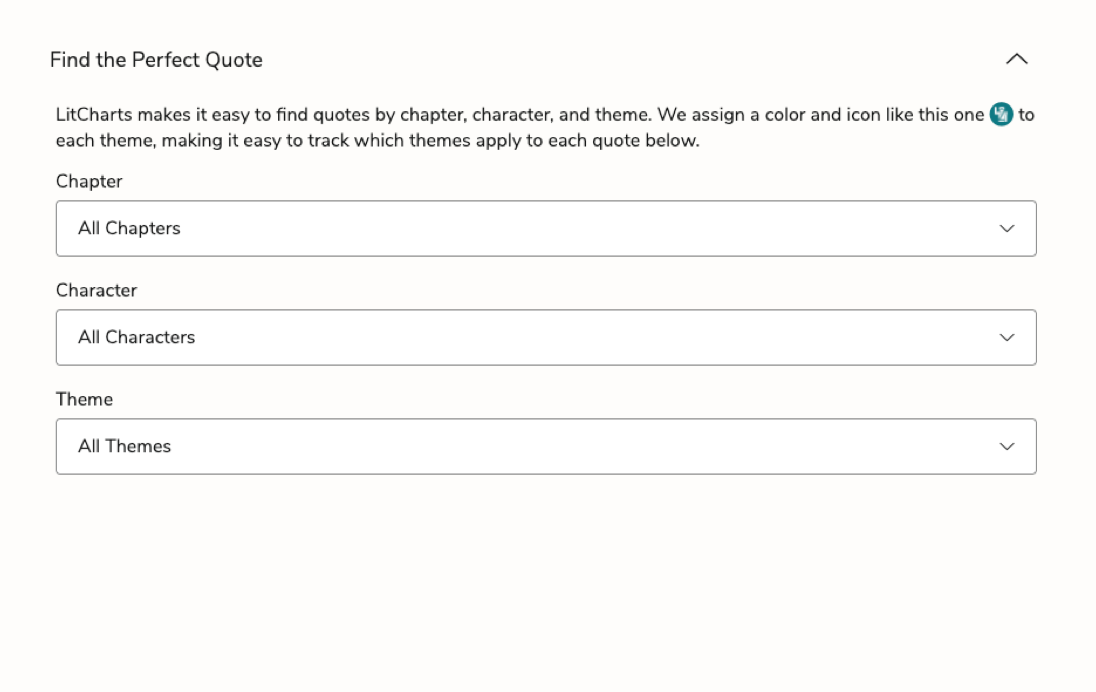
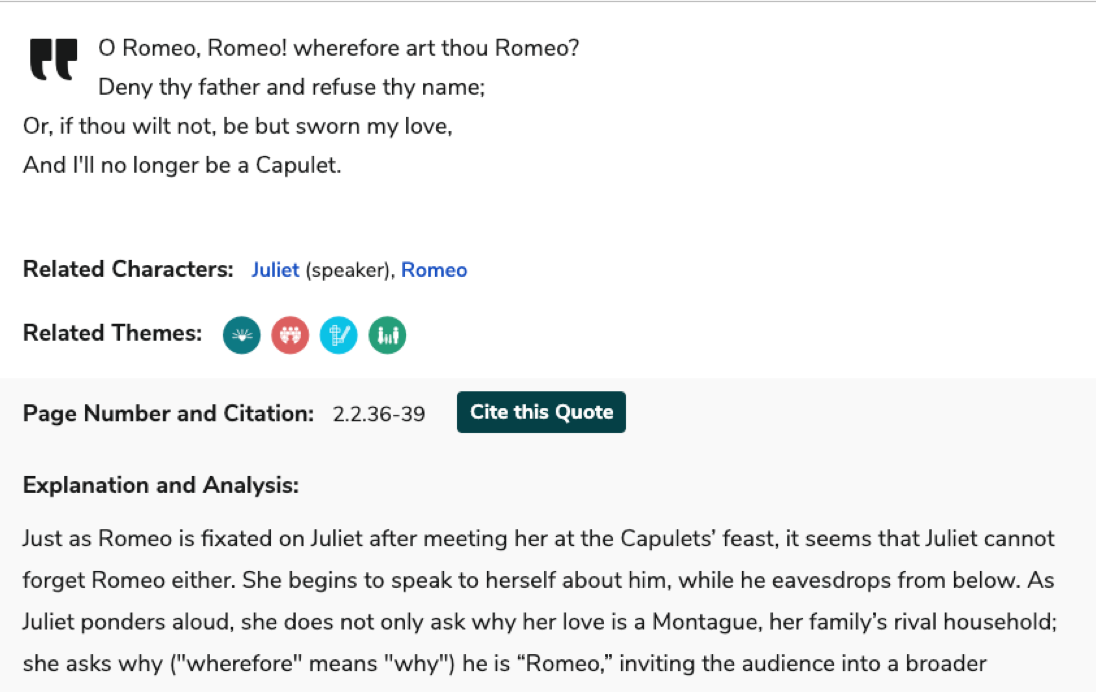
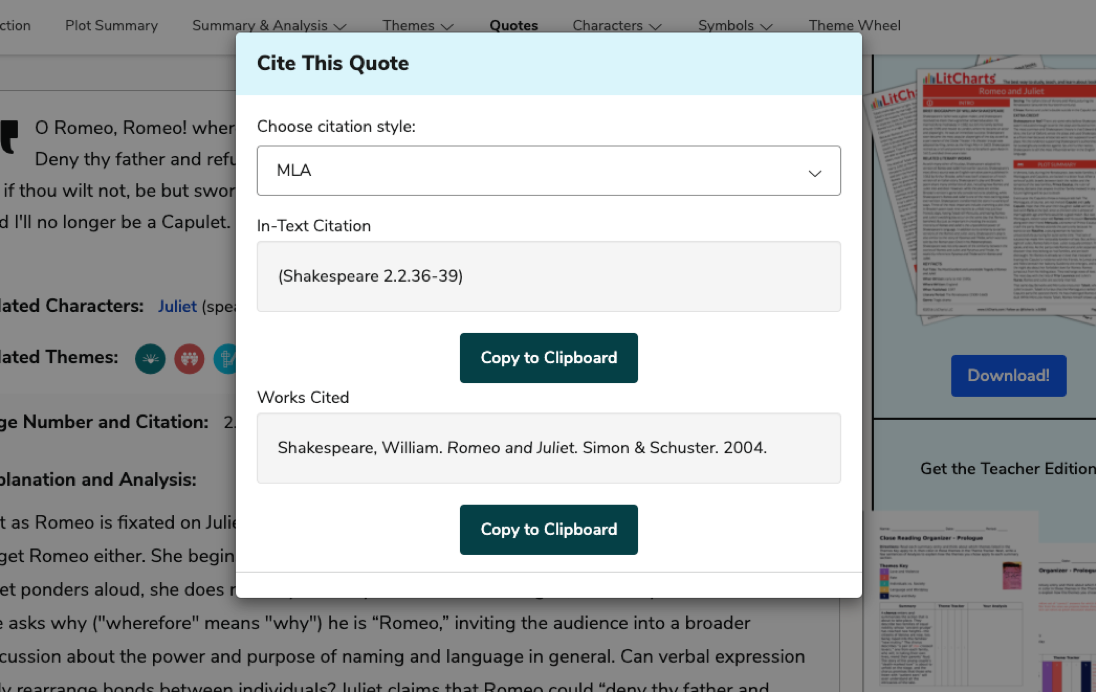
Find the perfect quote. Understand it perfectly. Then rock the citation, too.
For all 50,101 quotes we cover.
For all 50,101 quotes we cover.


Teacher Editions
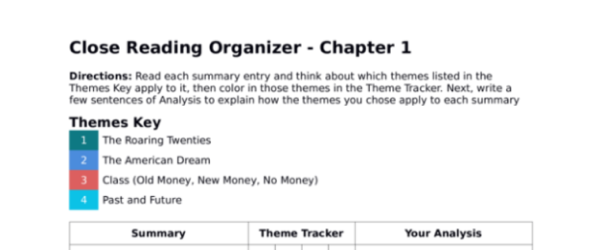
Close reading made easy for students.
Time saved for teachers.
For every book we cover.
Time saved for teachers.
For every book we cover.


Common Core-aligned


PDFs of modern translations of every one of Shakespeare's 37 plays, 154 sonnets, and 3 longer poems.

Literary Terms and Devices
Definitions and examples for every literary term and device you need to know.
Plus a quick-reference PDF with concise definitions of all 136 terms in one place.
Plus a quick-reference PDF with concise definitions of all 136 terms in one place.
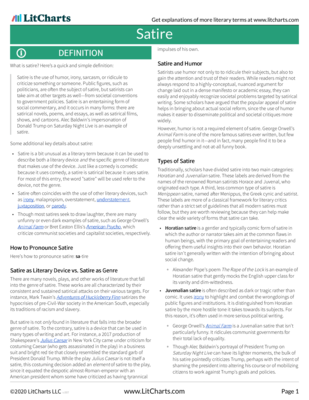
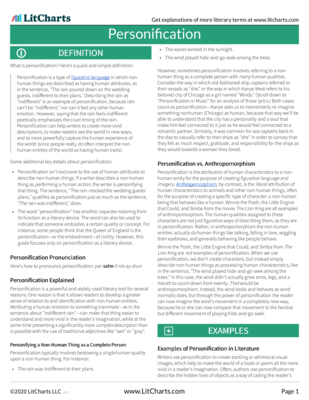
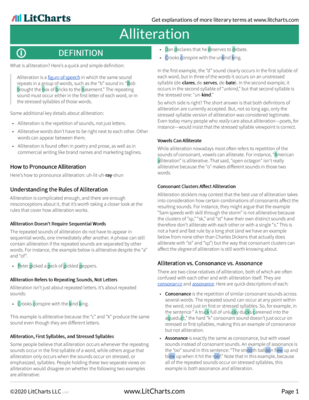
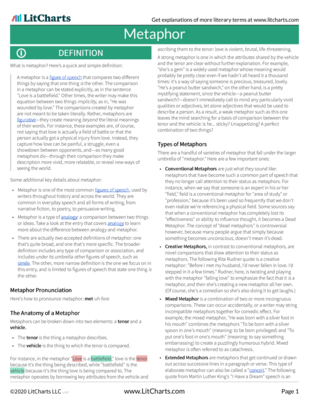
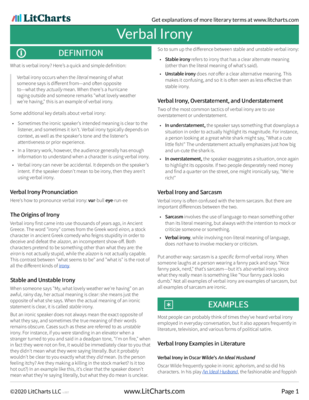
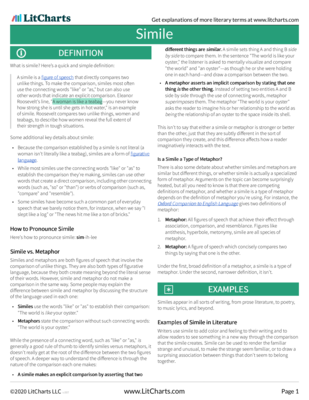
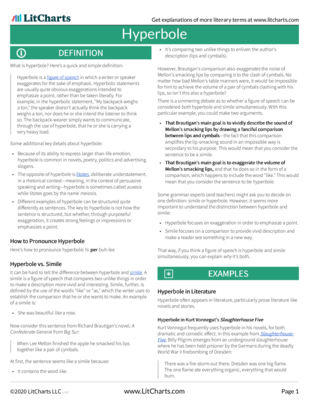
Try a free sample literary term PDF.


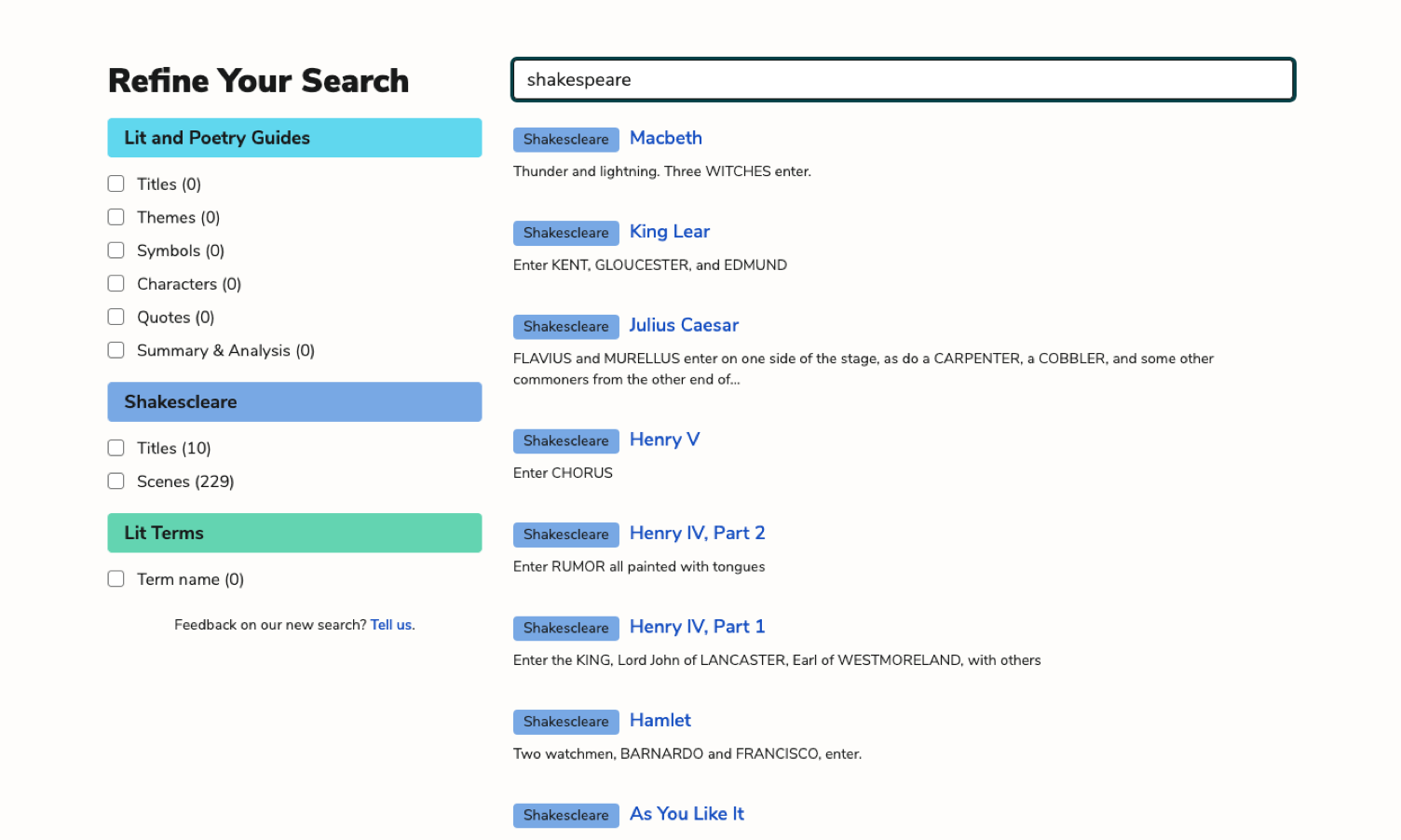
Advanced Search
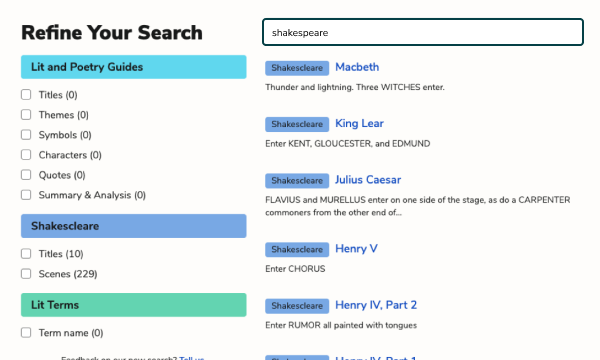
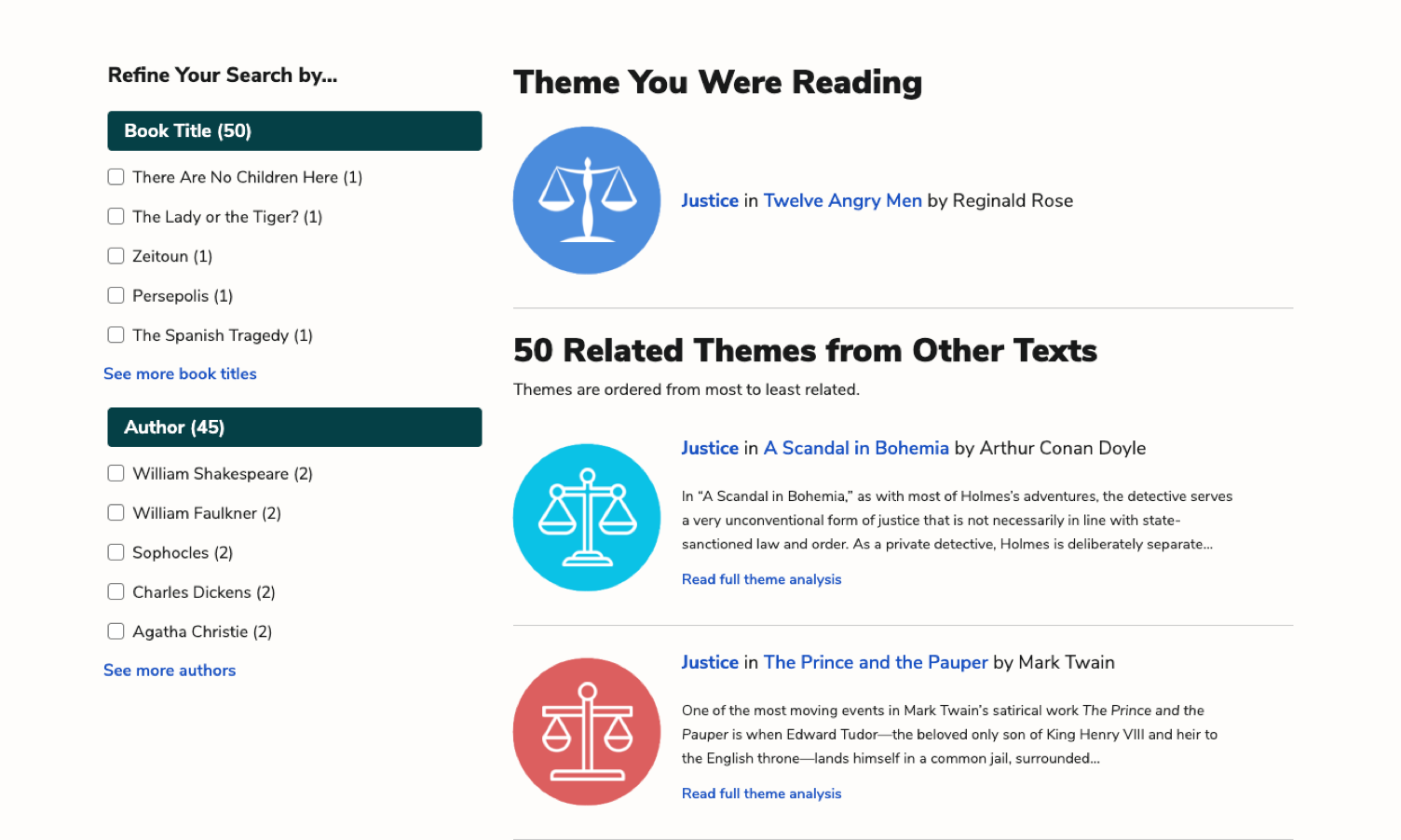
Refine any search. Find related themes, quotes, symbols, characters, and more.
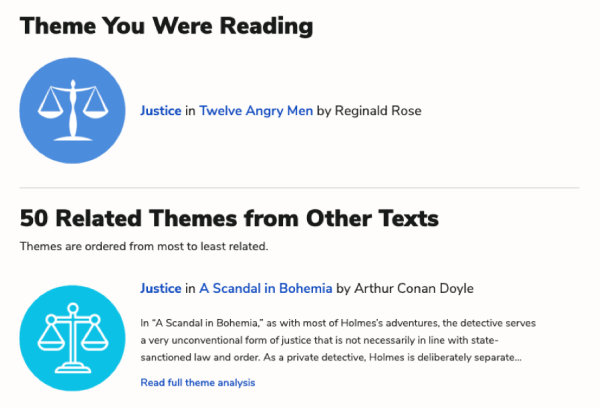
Related Themes
Comparing and contrasting texts? Find where any theme occurs across all of LitCharts in seconds.


Poetry Guides
Line-by-line explanations and analysis of figurative language and poetic devices.
For every lyric poem we cover.
For every lyric poem we cover.