
|
Have questions?
Contact us
Already a member? Sign in
|
Get every literary device explanation for Dr. Jekyll and Mr. HydePlus so much more...
Sign up for LitCharts A+Get instant access to every literary device explanation, plus so much more...
Personification
Explanation and Analysis—Slumbering Virtue:
Jekyll’s confession, which appears at the end of the novella, is marked by a refusal to take responsibility for actions taken by Hyde (though he admits that Hyde is an extension of his personality). His self-delusion is especially apparent when he personifies his "virtue," claiming that it was asleep when he discovered the potion that can divide the good and evil sides of of his personality:
At that time, my virtue slumbered; my evil, kept awake by ambition, was alert and swift to seize the occasion; and the thing that was projected was Edward Hyde.
He reflects that in his decision to move forward in experiments with Hyde, his “virtue slumbered.” Rather than speak in the first person and take ownership of the choice to move forward in his experiments, Jekyll describes his “virtue” as if it were its own autonomous entity. This rhetorical choice is a subtle means of abdicating responsibility.
Throughout his letter, Jekyll admits to privately indulging his own “undignified” urges. It seems that, through his own persistent interest, he has nurtured his darker side for many years. In this paragraph, he deflects responsibility for this, too. He personifies his “ambition” (presumably scientific or academic) as the force that has kept his “evil” side awake and ready to spring free after taking the potion. In this way, he uses personification to downplay and dismiss his poor decision-making.
Monthly
Annual (Best Value)

$595USD/mo
Charged $71.40 USD every year
 Teacher
$795USD/mo
Charged $95.40 USD every year


Literature Guide PDFs
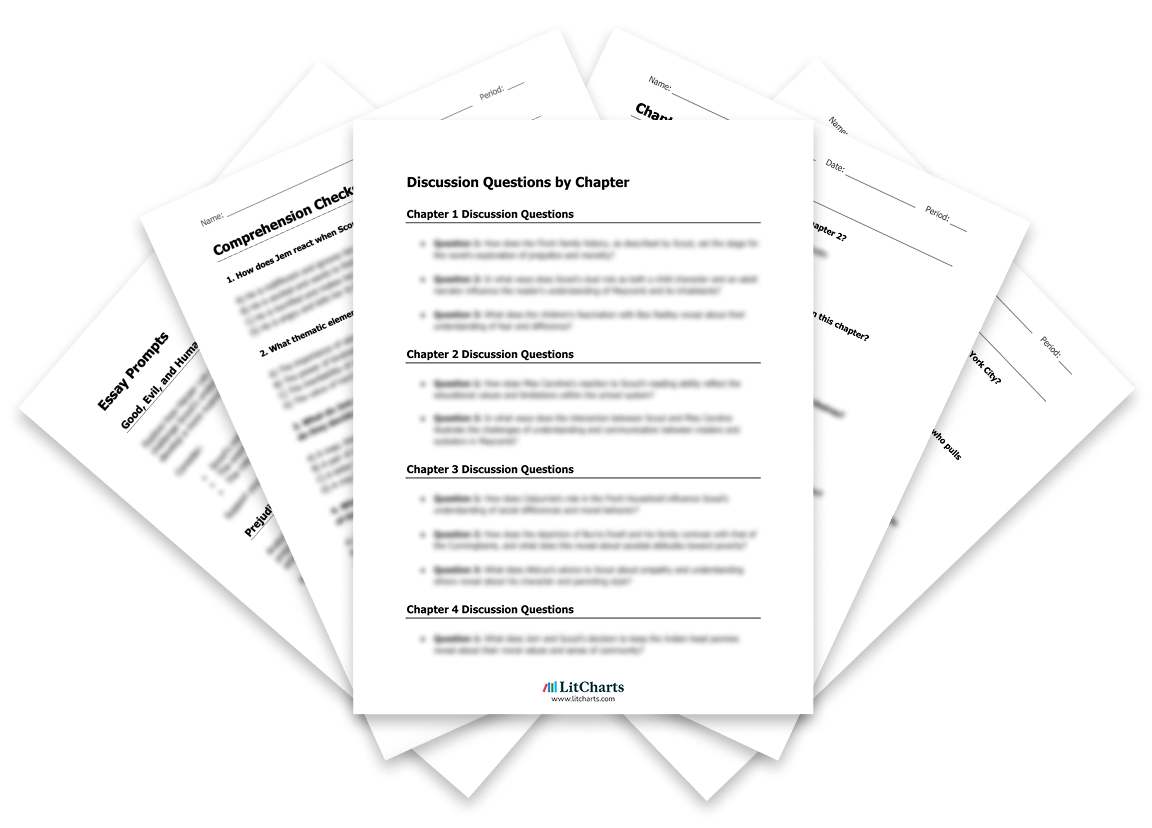
LitCharts PDFs for every book you'll read this year.
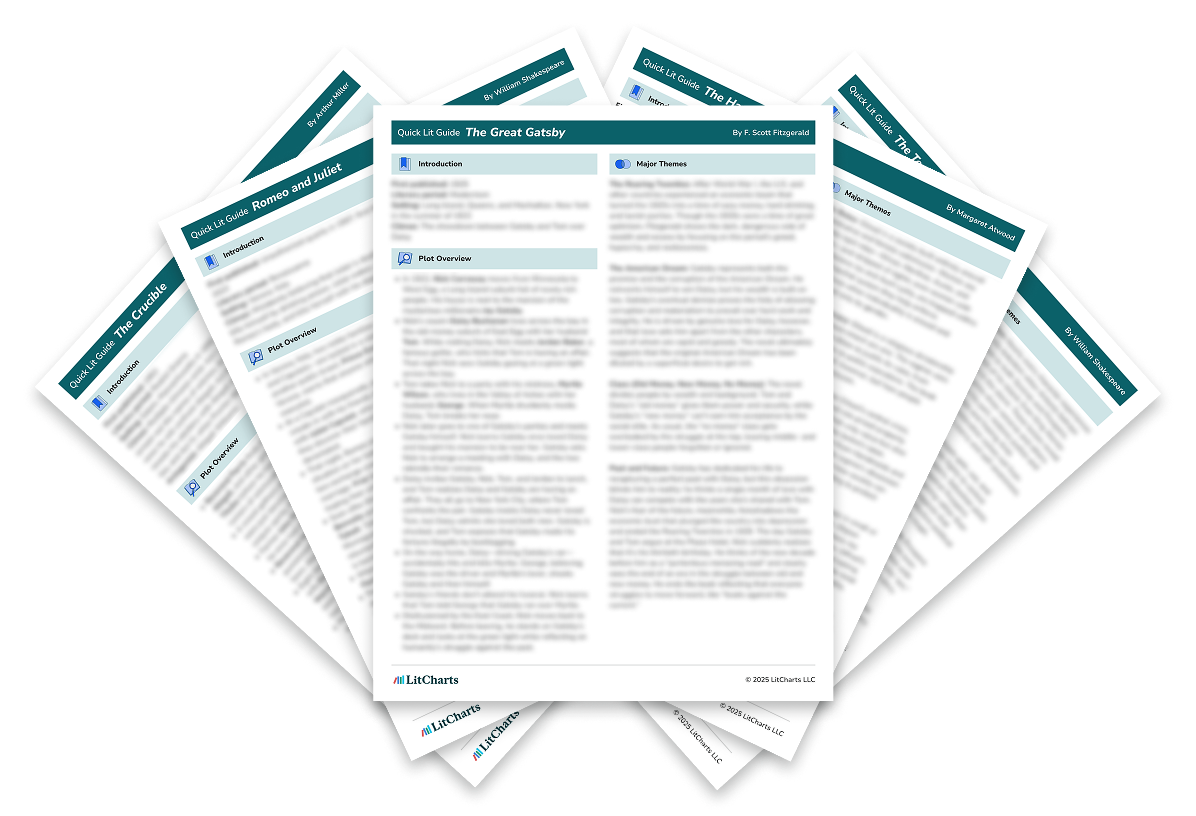
Instant PDF downloads of all 2247 LitCharts literature guides and of every new one we publish. Try a free sample literature guide.
"Would not have made it through AP Literature without the printable PDFs. They're like having in-class notes for every discussion!"






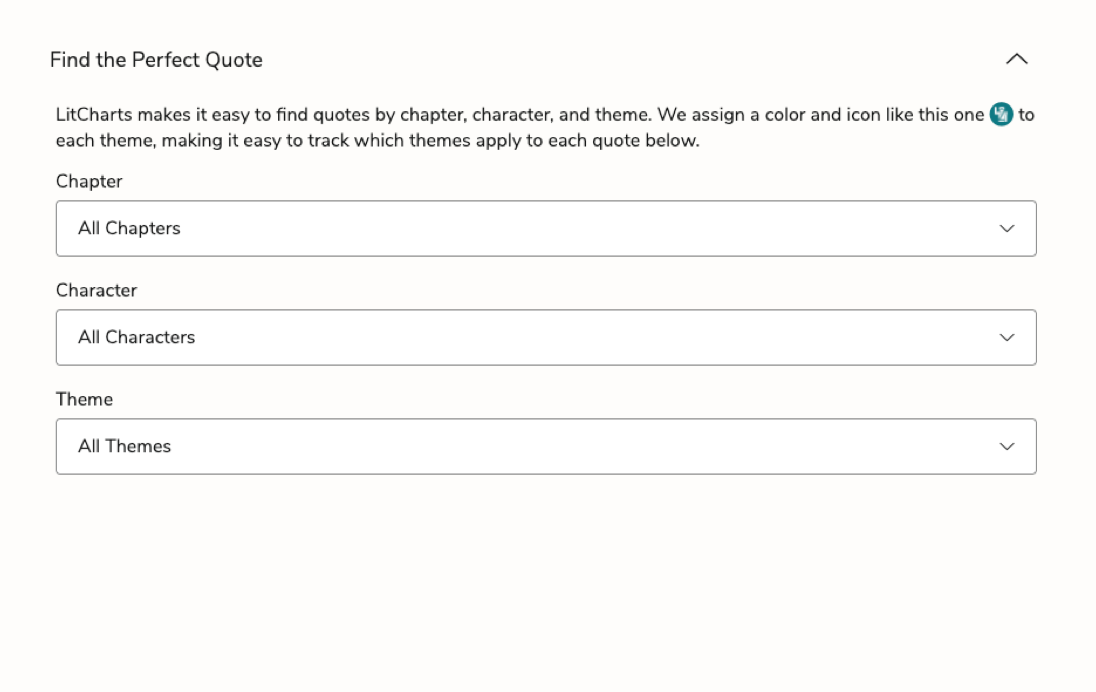
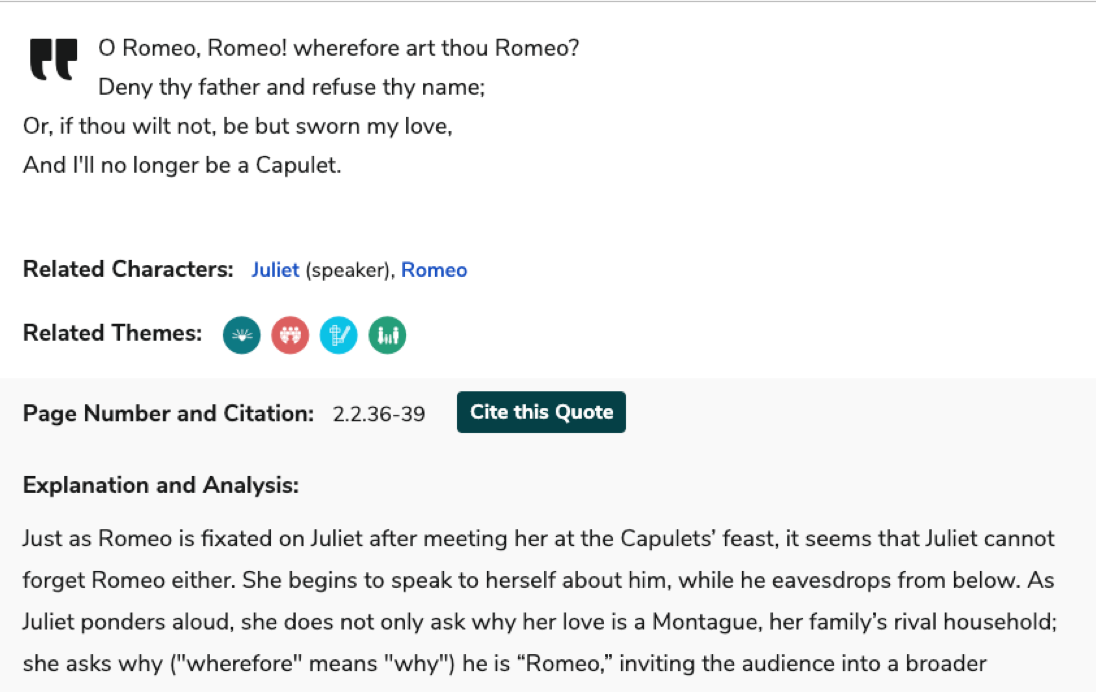
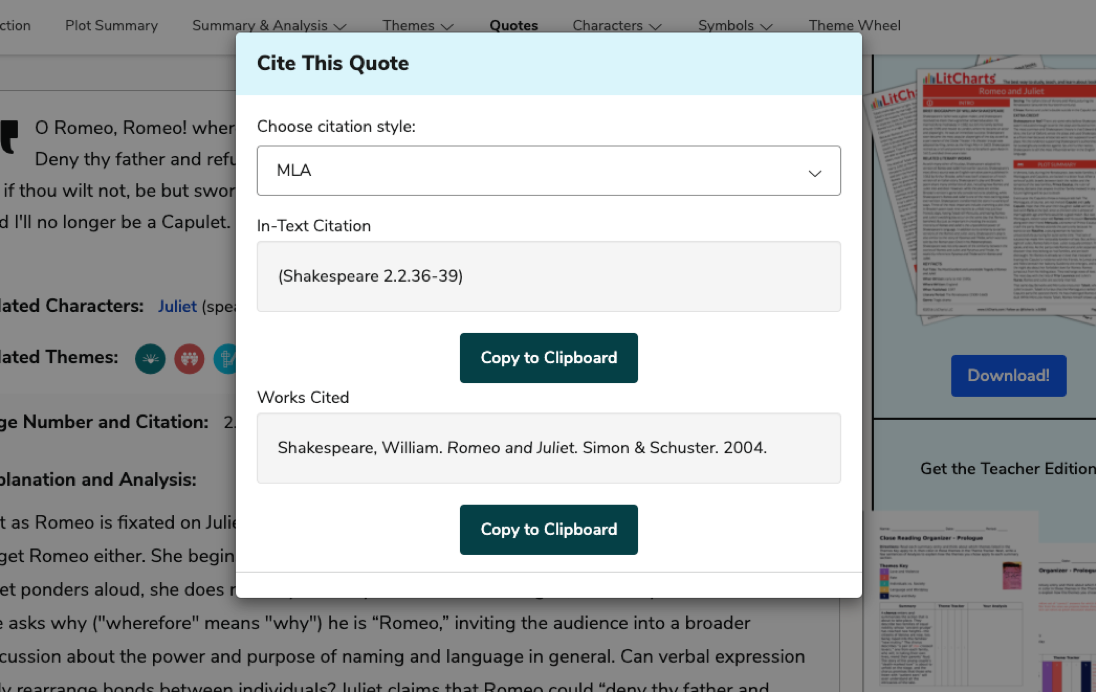
Quotes Explanations
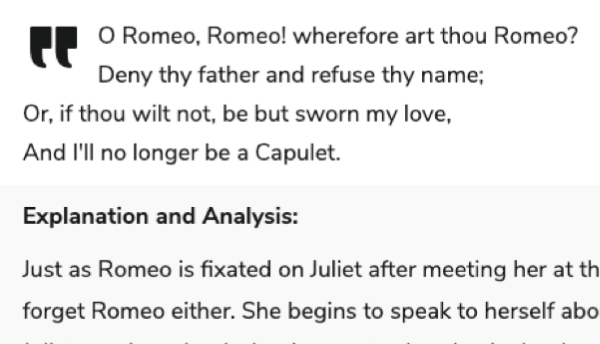
Find the perfect quote. Understand it perfectly. Then rock the citation, too.
For all 50,101 quotes we cover.
For all 50,101 quotes we cover.


Teacher Editions
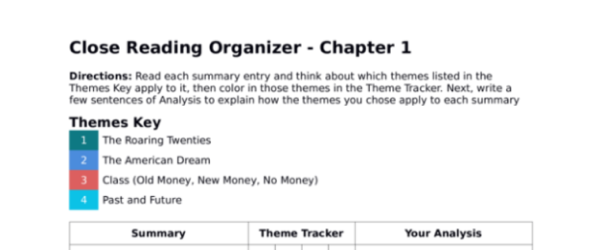
Close reading made easy for students.
Time saved for teachers.
For every book we cover.
Time saved for teachers.
For every book we cover.


Common Core-aligned


PDFs of modern translations of every one of Shakespeare's 37 plays, 154 sonnets, and 3 longer poems.

Literary Terms and Devices
Definitions and examples for every literary term and device you need to know.
Plus a quick-reference PDF with concise definitions of all 136 terms in one place.
Plus a quick-reference PDF with concise definitions of all 136 terms in one place.
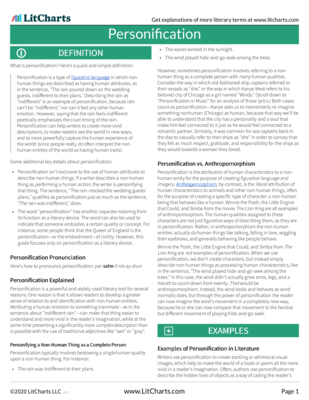
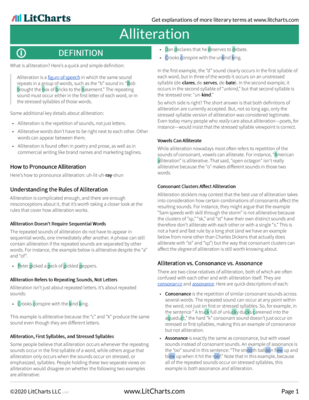
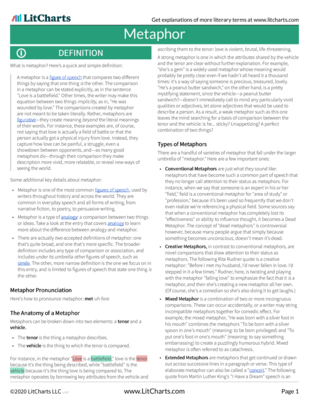
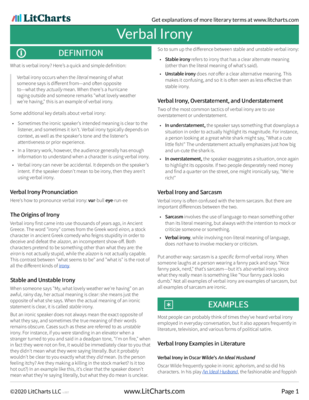
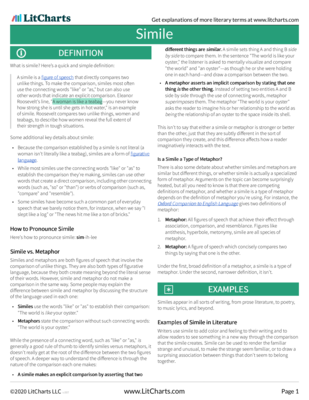
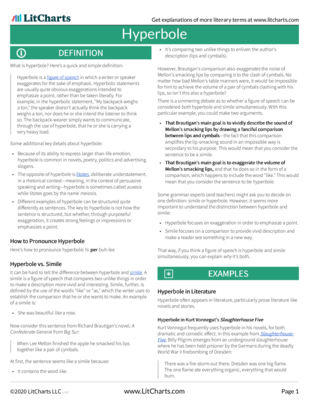
Try a free sample literary term PDF.


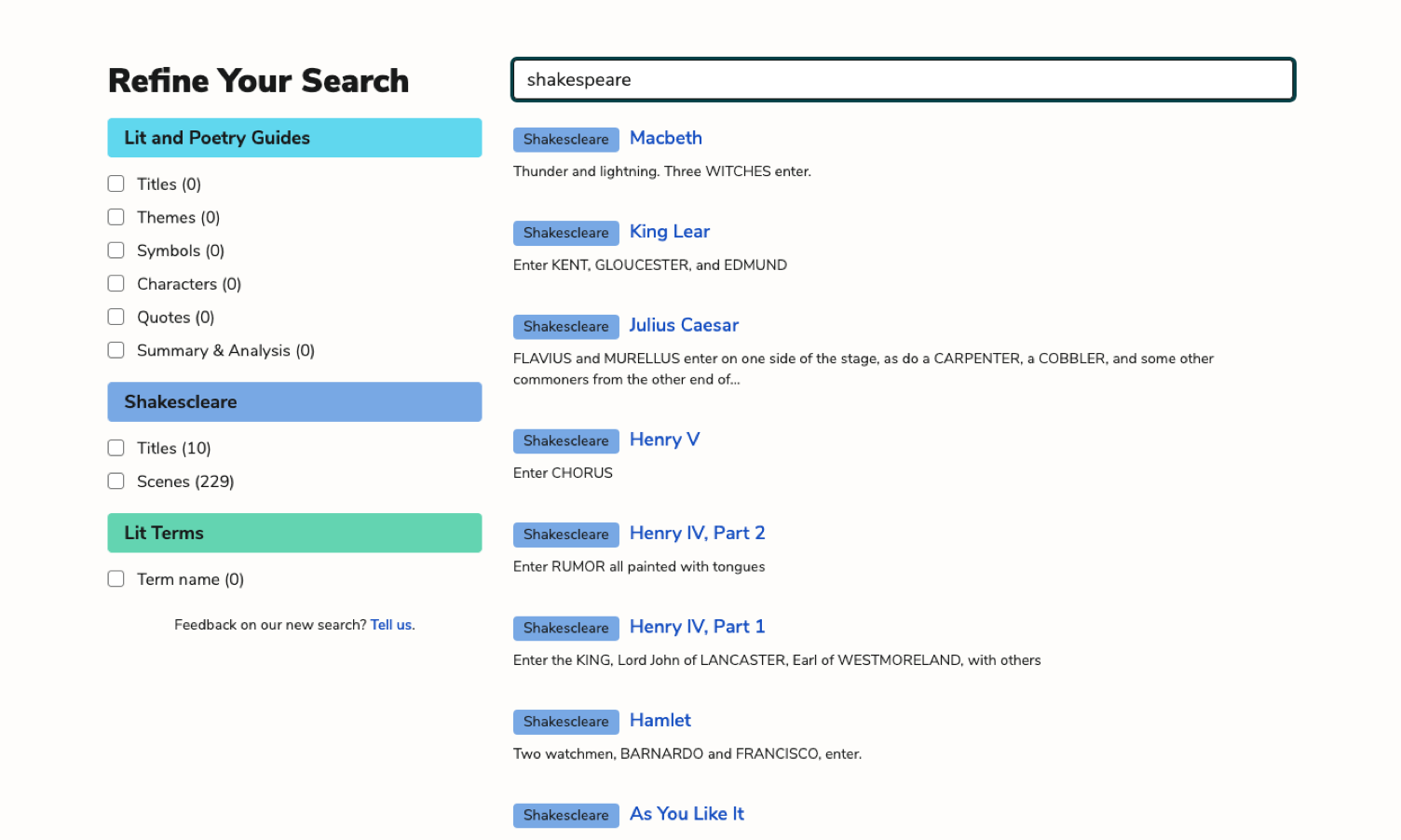
Advanced Search
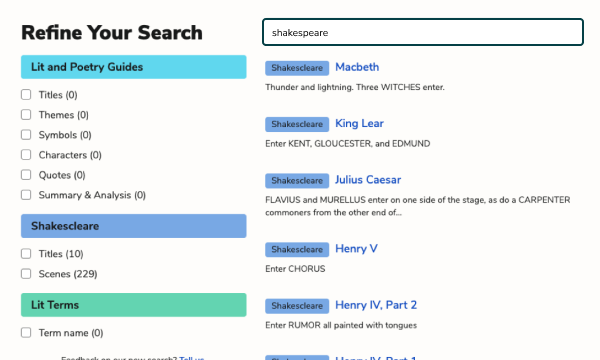
Refine any search. Find related themes, quotes, symbols, characters, and more.

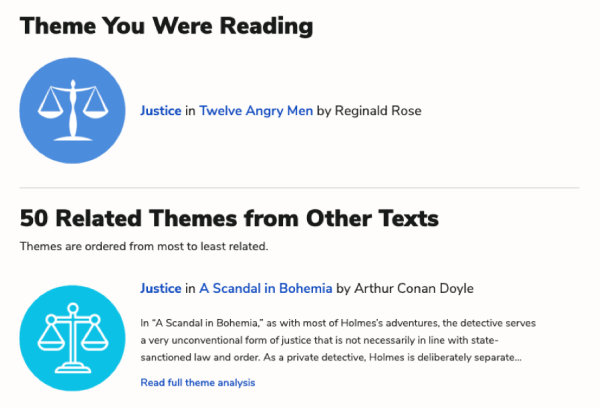
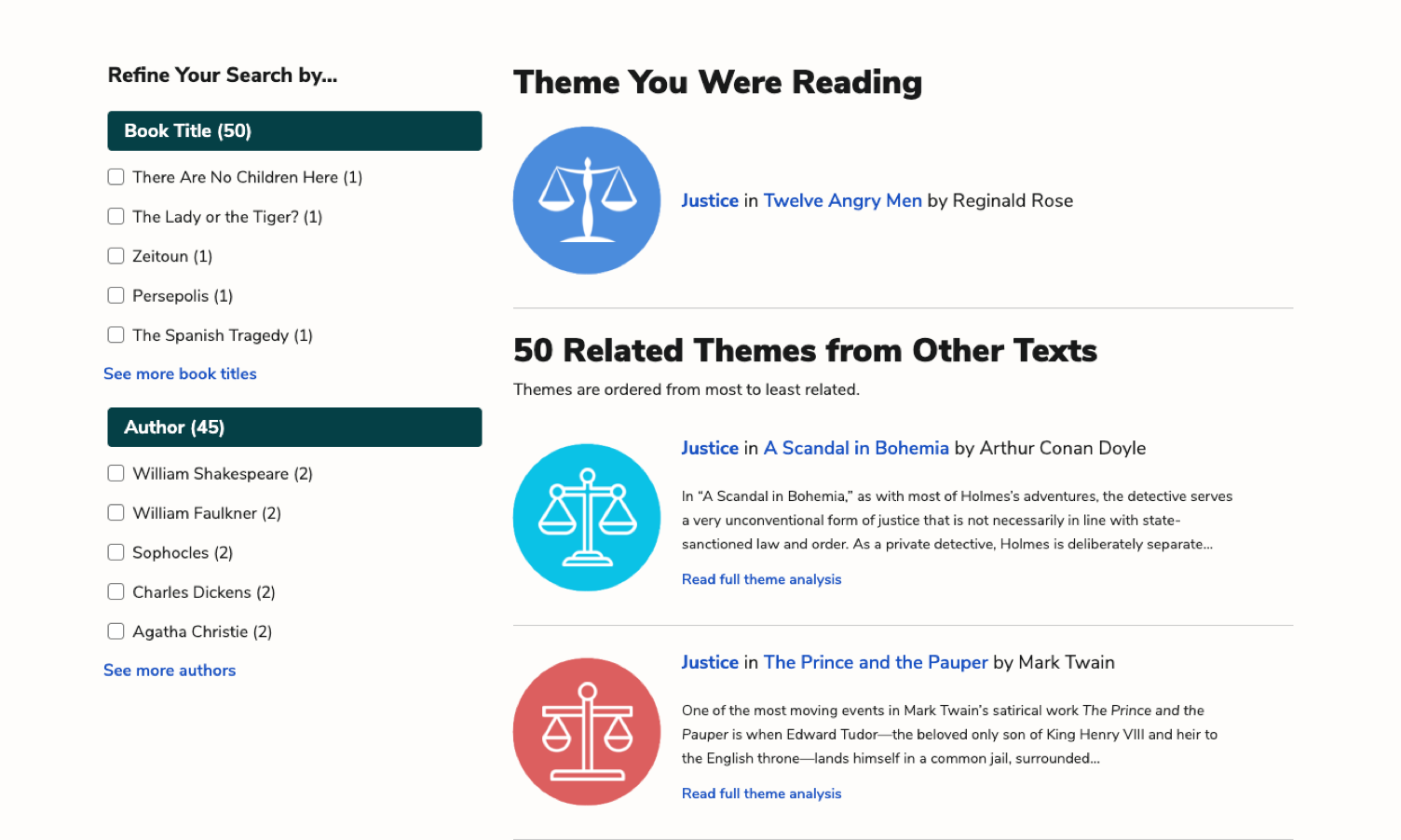
Related Themes
Comparing and contrasting texts? Find where any theme occurs across all of LitCharts in seconds.


Poetry Guides
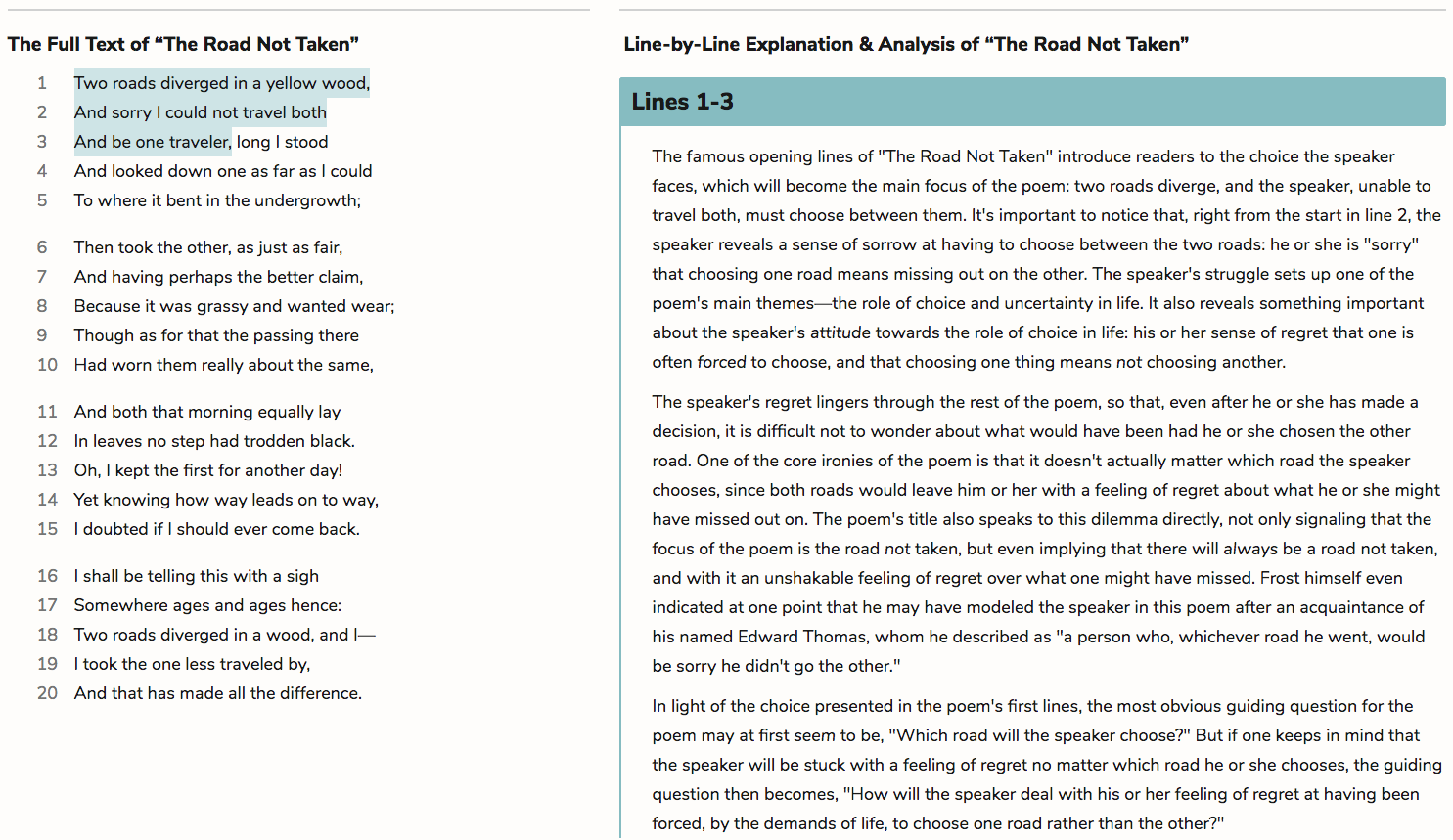
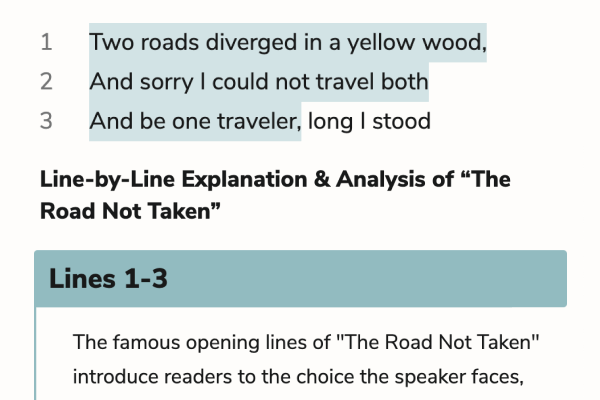
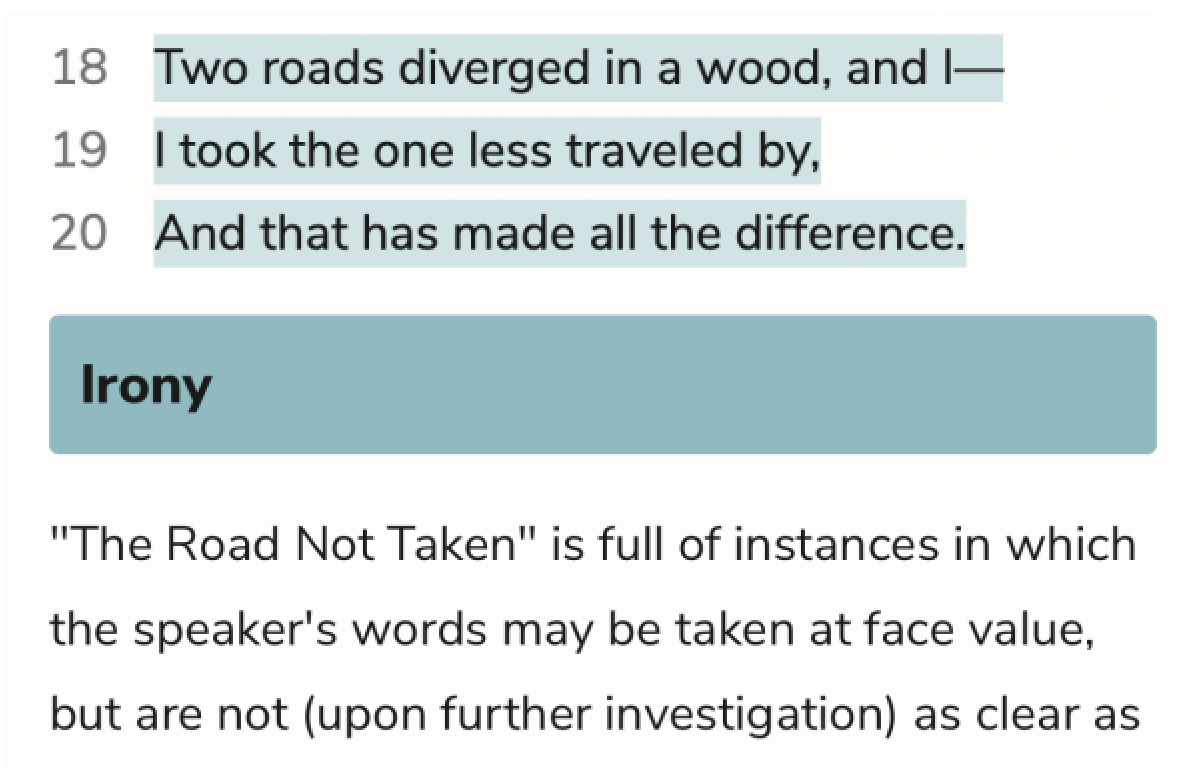
Line-by-line explanations and analysis of figurative language and poetic devices.
For every lyric poem we cover.
For every lyric poem we cover.