
|
Have questions?
Contact us
Already a member? Sign in
|
Get every literary device explanation for The TempestPlus so much more...
Sign up for LitCharts A+Get instant access to every literary device explanation, plus so much more...
Personification
Explanation and Analysis—Fortune and Destiny:
Shakespeare often personifies abstract concepts. One such example occurs in Act 1, Scene 2 when Prospero explains to Miranda how their enemies landed on the island:
By accident most strange, bountiful Fortune,
Now my dear lady, hath mine enemies
Brought to this shore; and by my prescience
I find my zenith doth depend upon
A most auspicious star [...]
Prospero quickly divests himself of responsibility by saying that "Fortune" brought his enemies ashore. He assures Miranda that their presence is meant to be and justifies his actions by claiming Fortune's approval. The opportunity to enact revenge and claim his rightful place in Milan has arisen, according to Prospero, by the graces of this "bountiful" entity.
Another example appears in Act 3, Scene 3 when Ariel chastises Alonso, Antonio, and Sebastian for their misdeeds:
You are three men of sin, whom Destiny,
That hath to instrument this lower world
And what is in't, the never-surfeited sea
Hath caused to belch up you
Ariel disguises himself as a harpy in order to address the three men. He tells them that Destiny, which controls the earth and everything in it, caused the sea to "belch" them onto the island because they were so unfit to live among other people. He personifies Destiny as a higher power with the moral authority to remove unfit people from society.
The capitalization of words like "Fortune" and "Destiny" suggests their humanlike quality by evoking names. It is interesting to note that the characters' fates do not depend on abstract forces but rather on people, which becomes evident in Alonso's betrayal and Prospero's appeal to the audience in his final soliloquy. Personification helps emphasize the fact that people—not intangible abstractions—control their own fates.
Monthly
Annual (Best Value)

$595USD/mo
Charged $71.40 USD every year
 Teacher
$795USD/mo
Charged $95.40 USD every year


Literature Guide PDFs
LitCharts PDFs for every book you'll read this year.
Instant PDF downloads of all 2250 LitCharts literature guides and of every new one we publish. Try a free sample literature guide.
"Would not have made it through AP Literature without the printable PDFs. They're like having in-class notes for every discussion!"




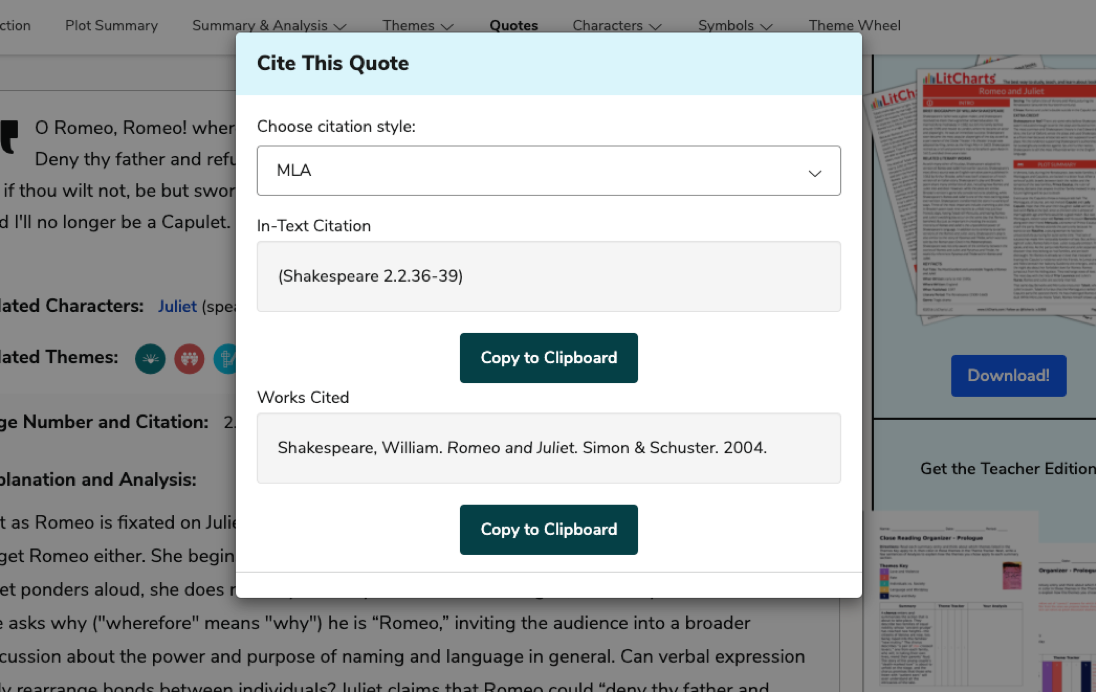
Quotes Explanations
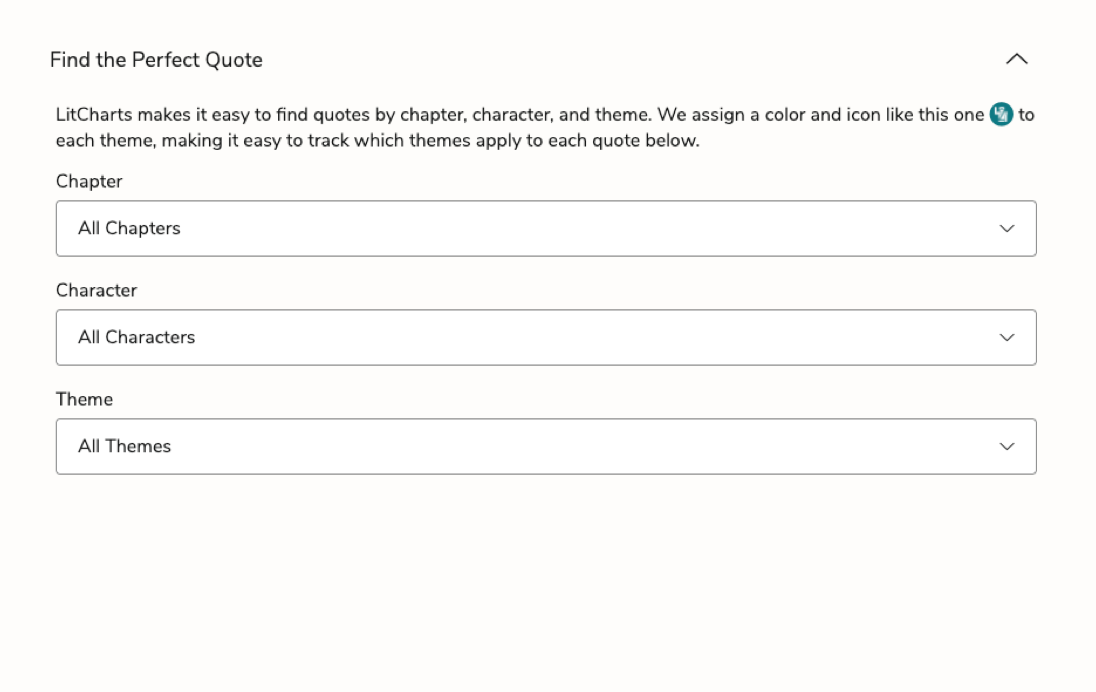
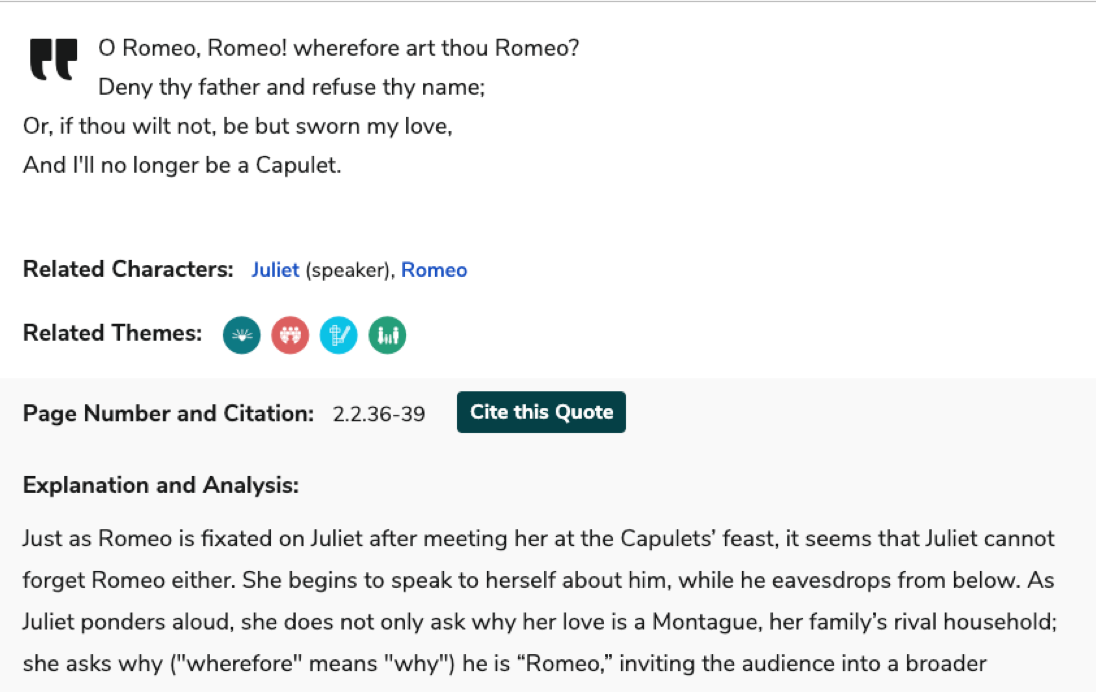
Find the perfect quote. Understand it perfectly. Then rock the citation, too.
For all 50,177 quotes we cover.
For all 50,177 quotes we cover.


Teacher Editions
Close reading made easy for students.
Time saved for teachers.
For every book we cover.
Time saved for teachers.
For every book we cover.


Common Core-aligned


PDFs of modern translations of every one of Shakespeare's 37 plays, 154 sonnets, and 3 longer poems.

Literary Terms and Devices
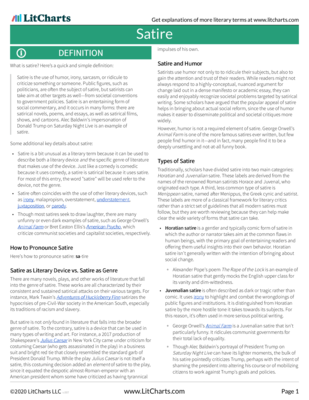
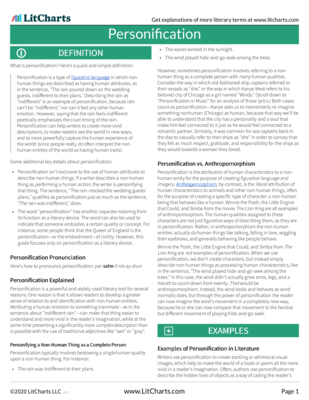
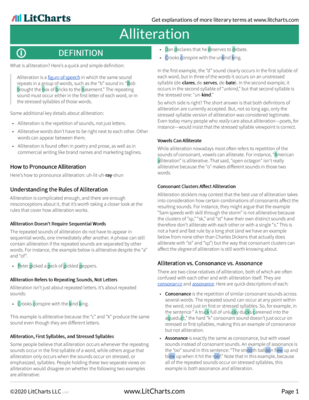
Definitions and examples for every literary term and device you need to know.
Plus a quick-reference PDF with concise definitions of all 136 terms in one place.
Plus a quick-reference PDF with concise definitions of all 136 terms in one place.
Try a free sample literary term PDF.


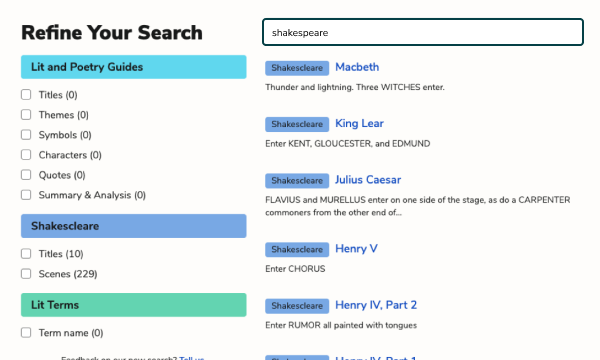
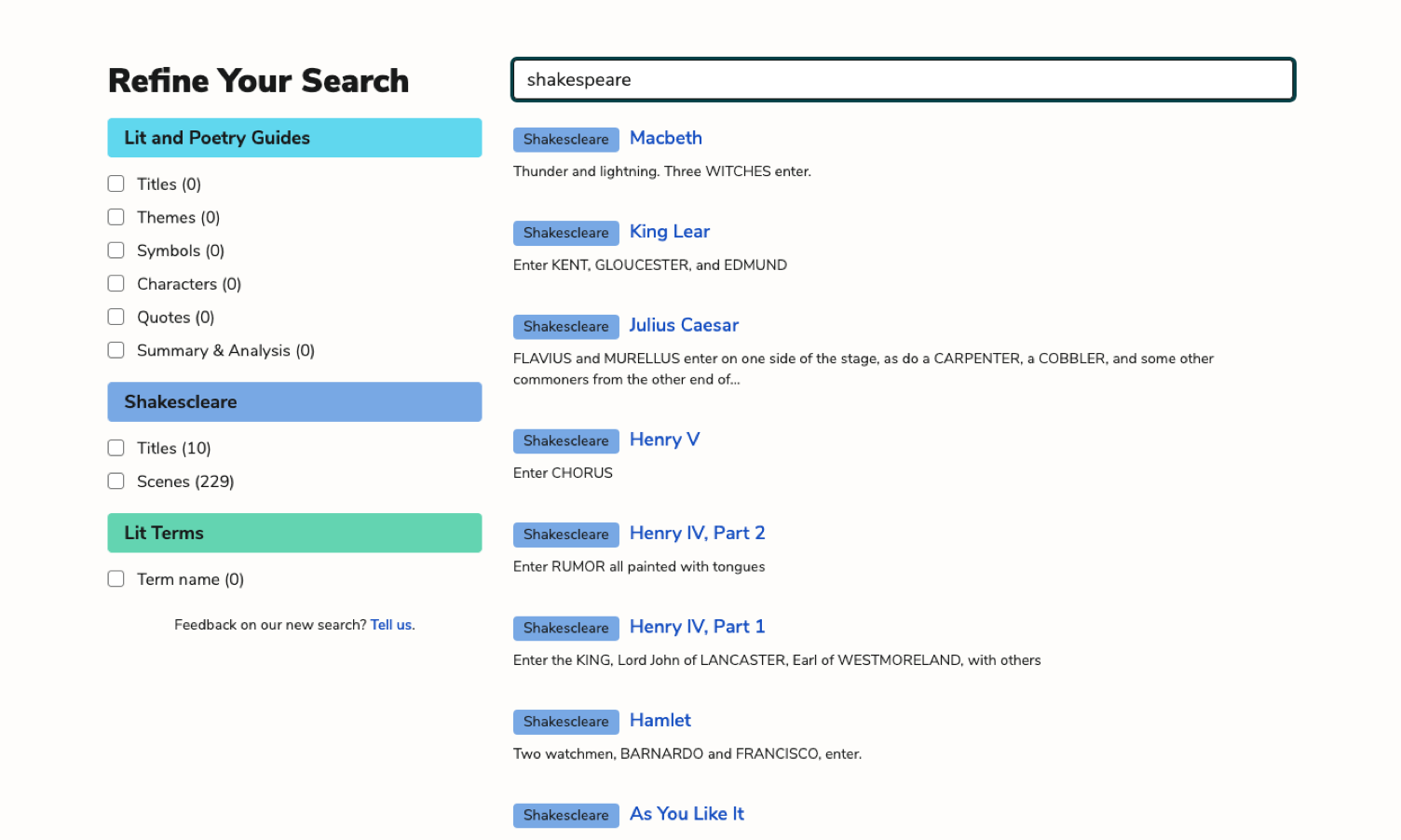
Advanced Search
Refine any search. Find related themes, quotes, symbols, characters, and more.

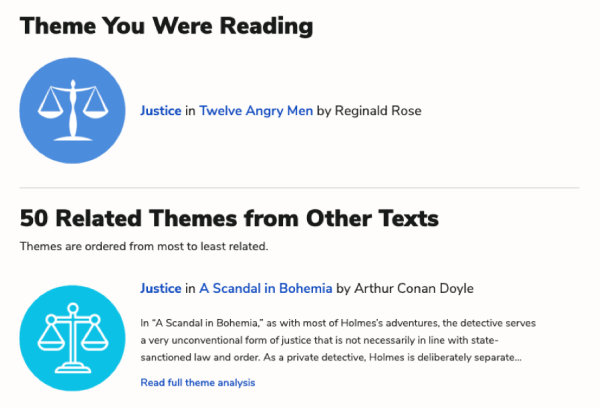
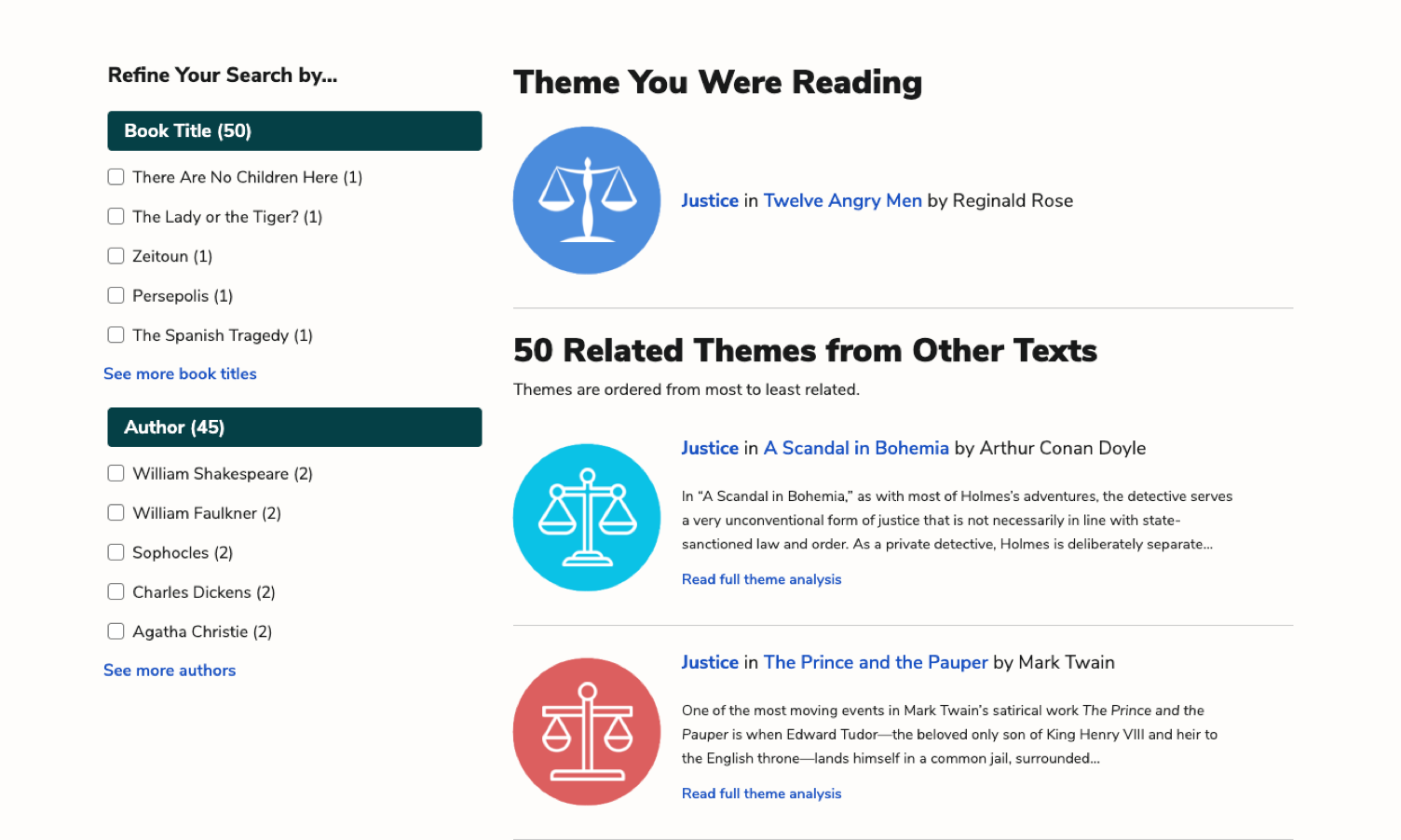
Related Themes
Comparing and contrasting texts? Find where any theme occurs across all of LitCharts in seconds.


Poetry Guides
Line-by-line explanations and analysis of figurative language and poetic devices.
For every lyric poem we cover.
For every lyric poem we cover.