
|
Have questions?
Contact us
Already a member? Sign in
|
Get every literary device explanation for Evelina: or, The History of a Young Lady’s Entrance into the World
Plus so much more...
Sign up for LitCharts A+
Get instant access to every literary device explanation, plus so much more...
Personification
Explanation and Analysis—Mr. Villars's Joy:
After Evelina writes to Mr. Villars and tells him of her reunion with her estranged birth father Sir John Belmont—describing how he has welcomed her into his life and given her her rightful title and inheritance—Mr. Villars responds joyfully, using a metaphor and personification in the process:
My child, thy happiness is engraved, in golden characters, upon the tablets of my heart! and their impression is indelible; for, should the rude and deep-searching hand of Misfortune attempt to pluck them from their repository, the fleeting fabric of life would give way, and in tearing from my vitals the nourishment by which they are supported, she would but grasp at a shadow insensible to her touch.
Here, Mr. Villars uses a metaphor to compare his heart to tablets on which Evelina’s “happiness is engraved, in golden characters,” effectively communicating the intensity of his happiness for his adopted daughter. He then personifies “Misfortune” as a woman, imagining that, should she use her hand “to attempt to pluck [the golden characters engraved on his heart] from their repository,” she would remove his very life-force and he would become “a shadow.”
This is Mr. Villars’s poetic way of sharing with Evelina that her happiness makes him immensely happy as well, so much so that it is impossible to separate her joy from his. Seeing her reputation restored and her nobility acknowledged is all he has wanted for her since the start of the novel.
Monthly
Annual (Best Value)

$595USD/mo
Charged $71.40 USD every year
 Teacher
$795USD/mo
Charged $95.40 USD every year
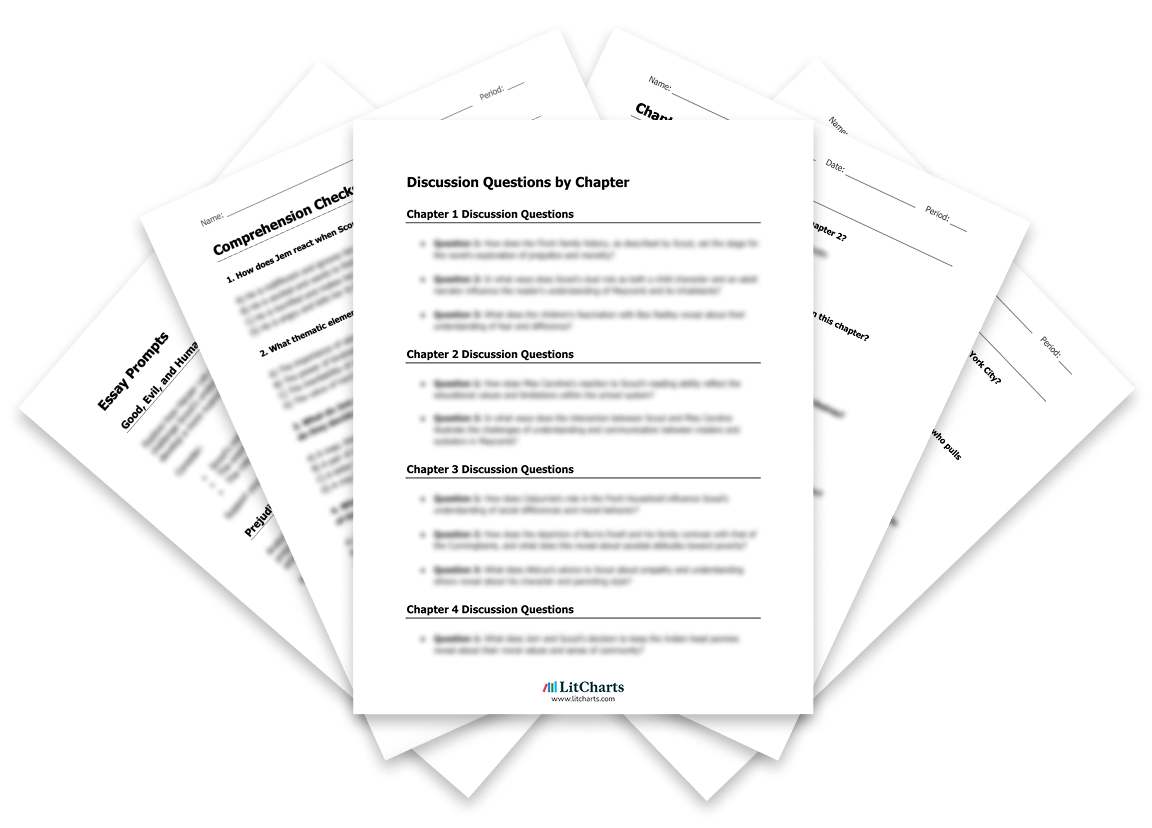
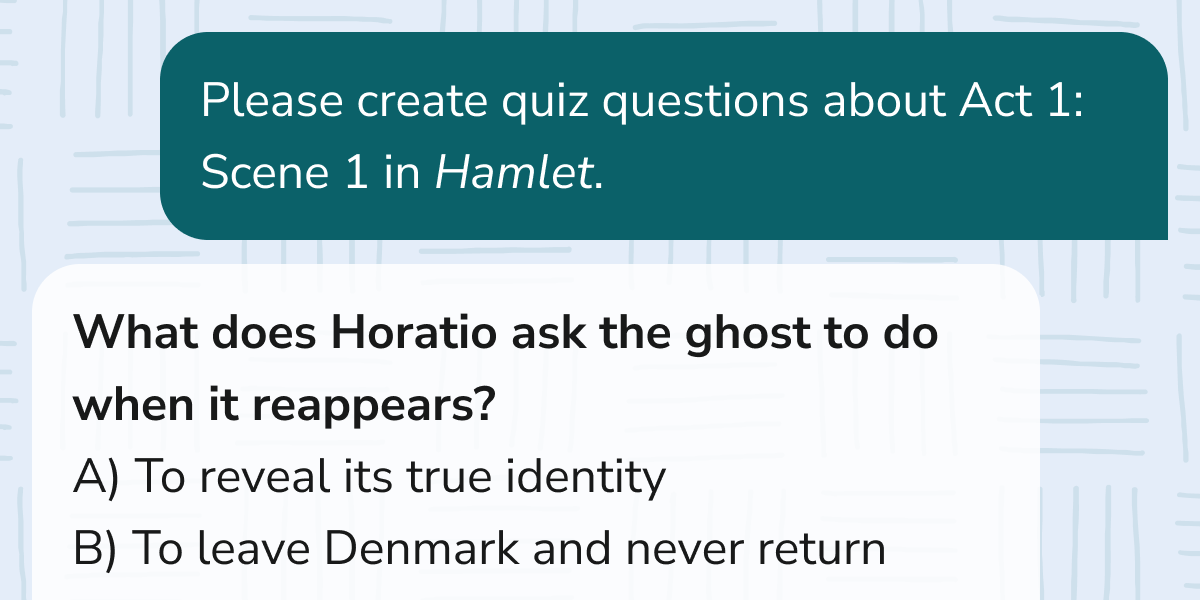


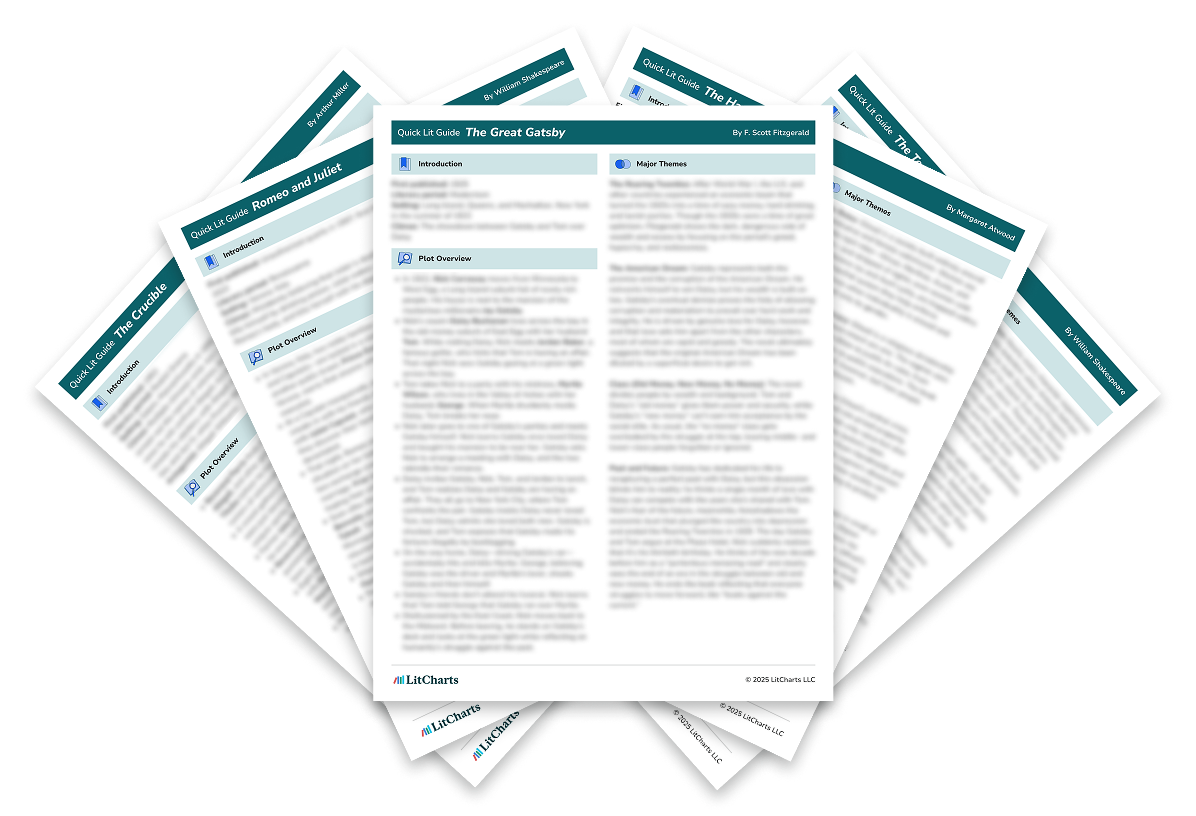
Literature Guide PDFs
LitCharts PDFs for every book you'll read this year.
Instant PDF downloads of all 2252 LitCharts literature guides and of every new one we publish. Try a free sample literature guide.
"Would not have made it through AP Literature without the printable PDFs. They're like having in-class notes for every discussion!"


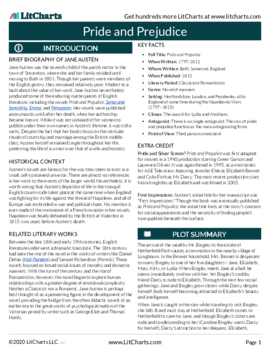
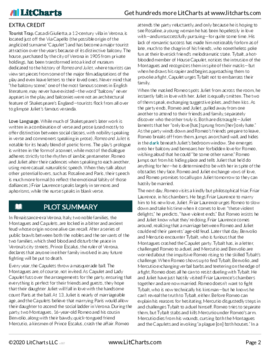






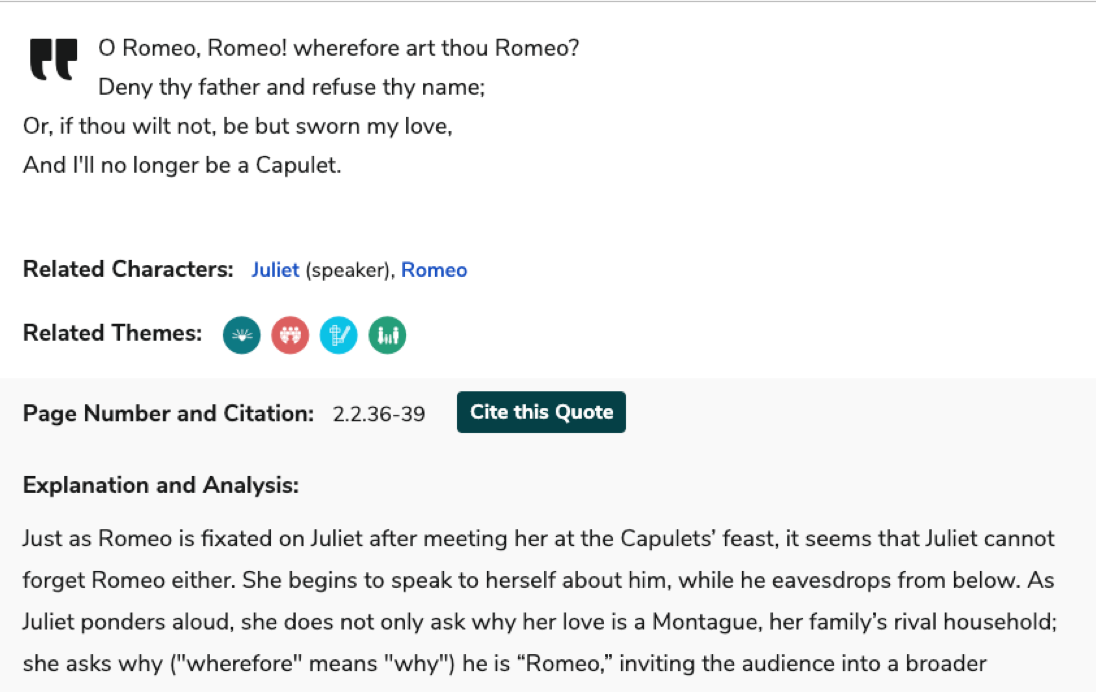
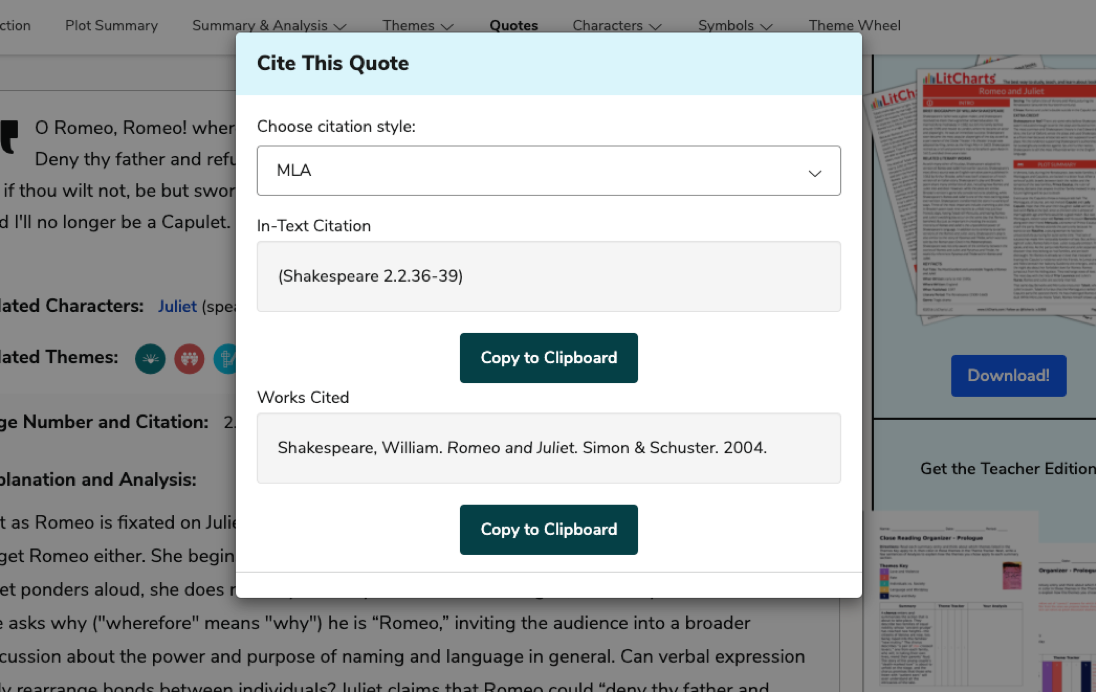
Quotes Explanations
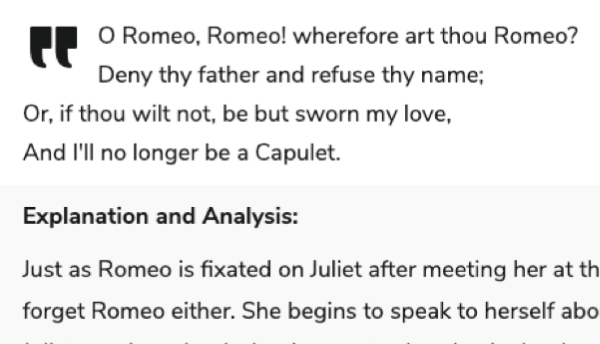
Find the perfect quote. Understand it perfectly. Then rock the citation, too.
For all 50,213 quotes we cover.
For all 50,213 quotes we cover.


Teacher Editions
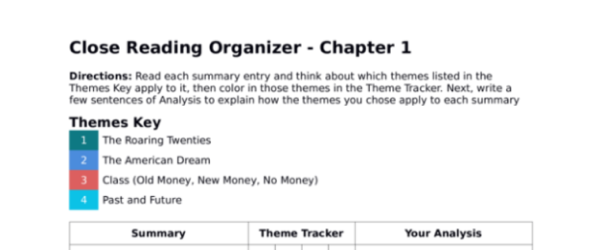
Close reading made easy for students.
Time saved for teachers.
For every book we cover.
Time saved for teachers.
For every book we cover.


Common Core-aligned


PDFs of modern translations of every one of Shakespeare's 37 plays, 154 sonnets, and 3 longer poems.

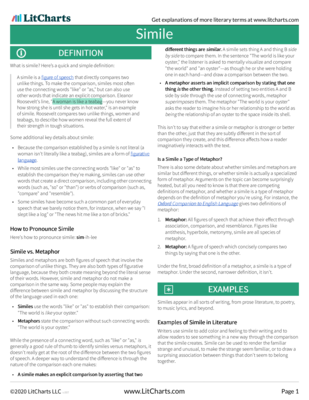
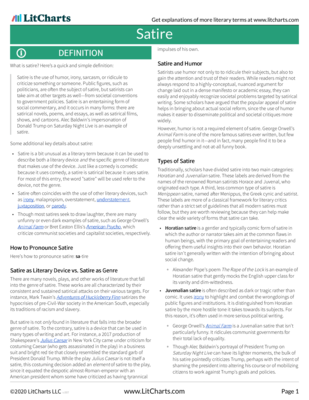
Literary Terms and Devices
Definitions and examples for every literary term and device you need to know.
Plus a quick-reference PDF with concise definitions of all 136 terms in one place.
Plus a quick-reference PDF with concise definitions of all 136 terms in one place.
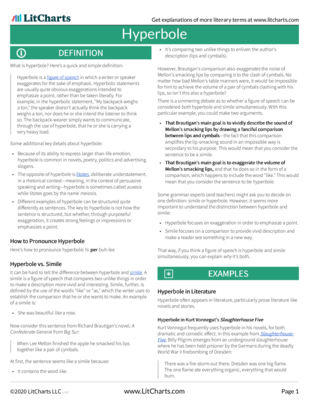
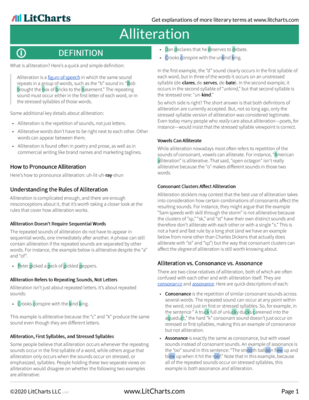
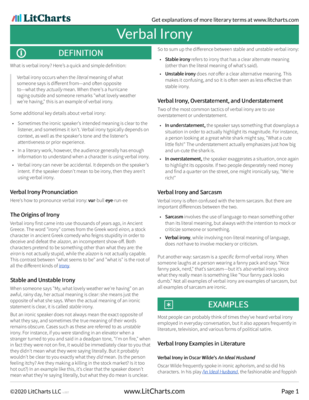
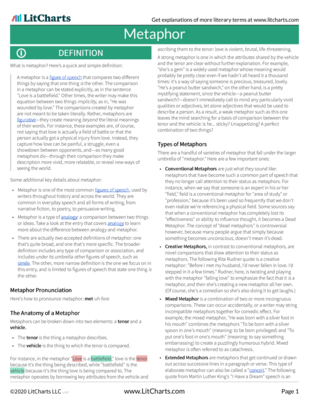
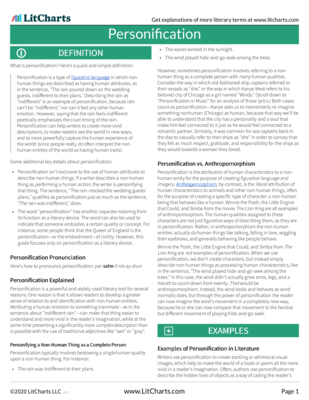
Try a free sample literary term PDF.


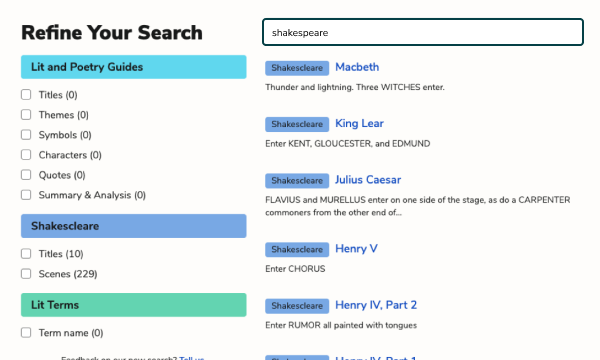
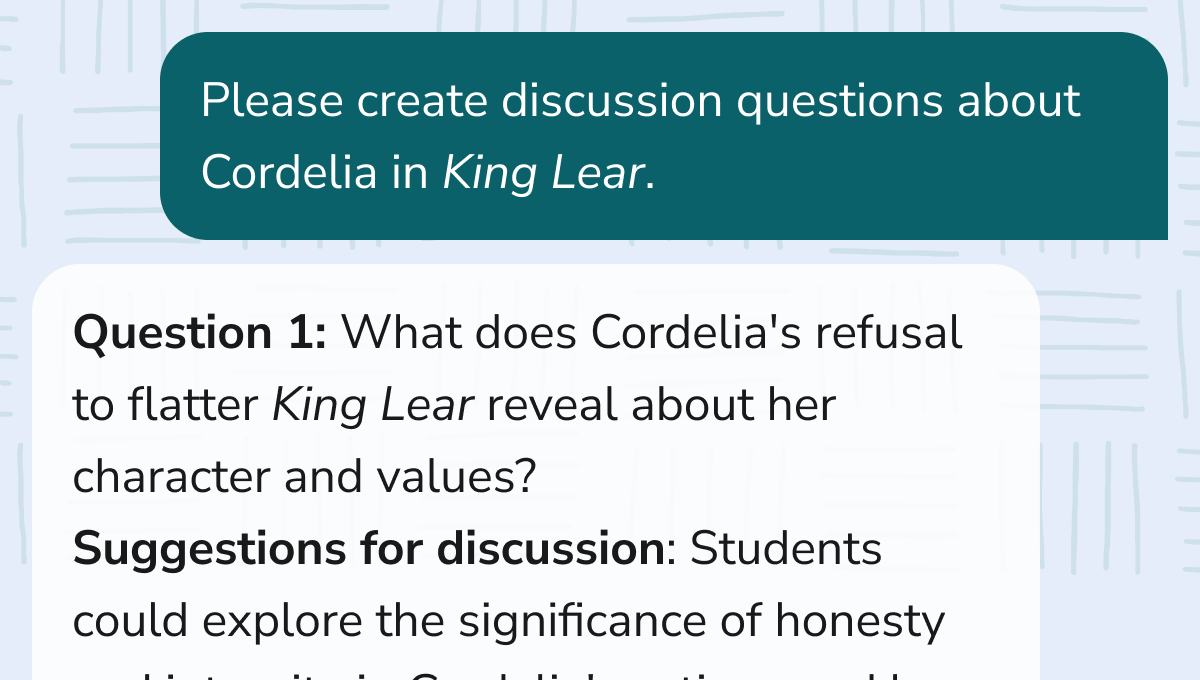
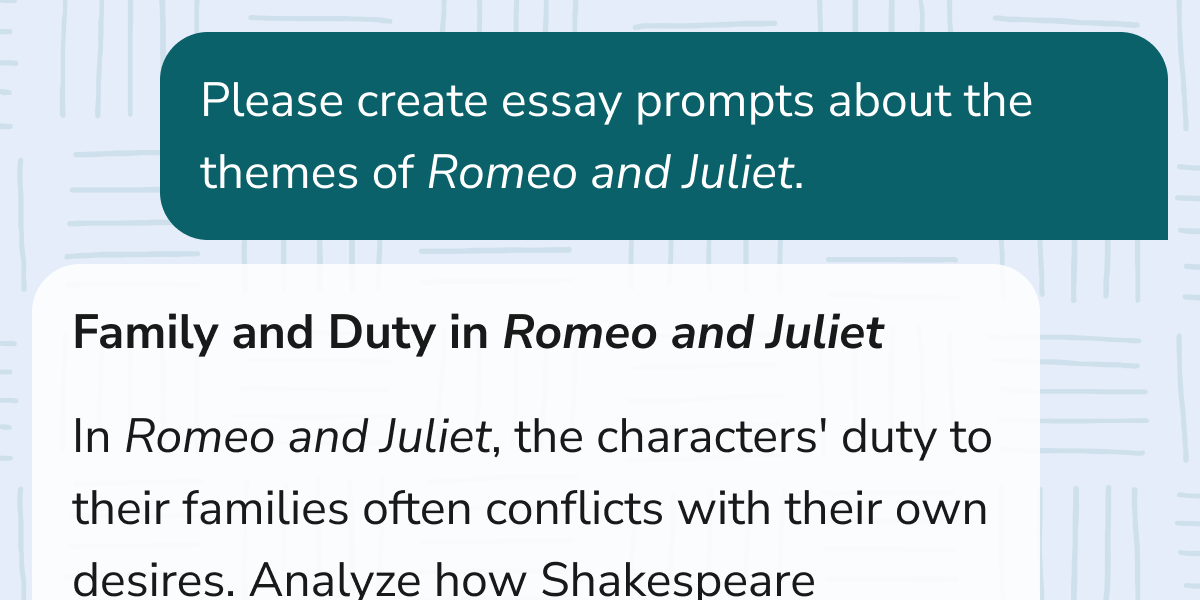
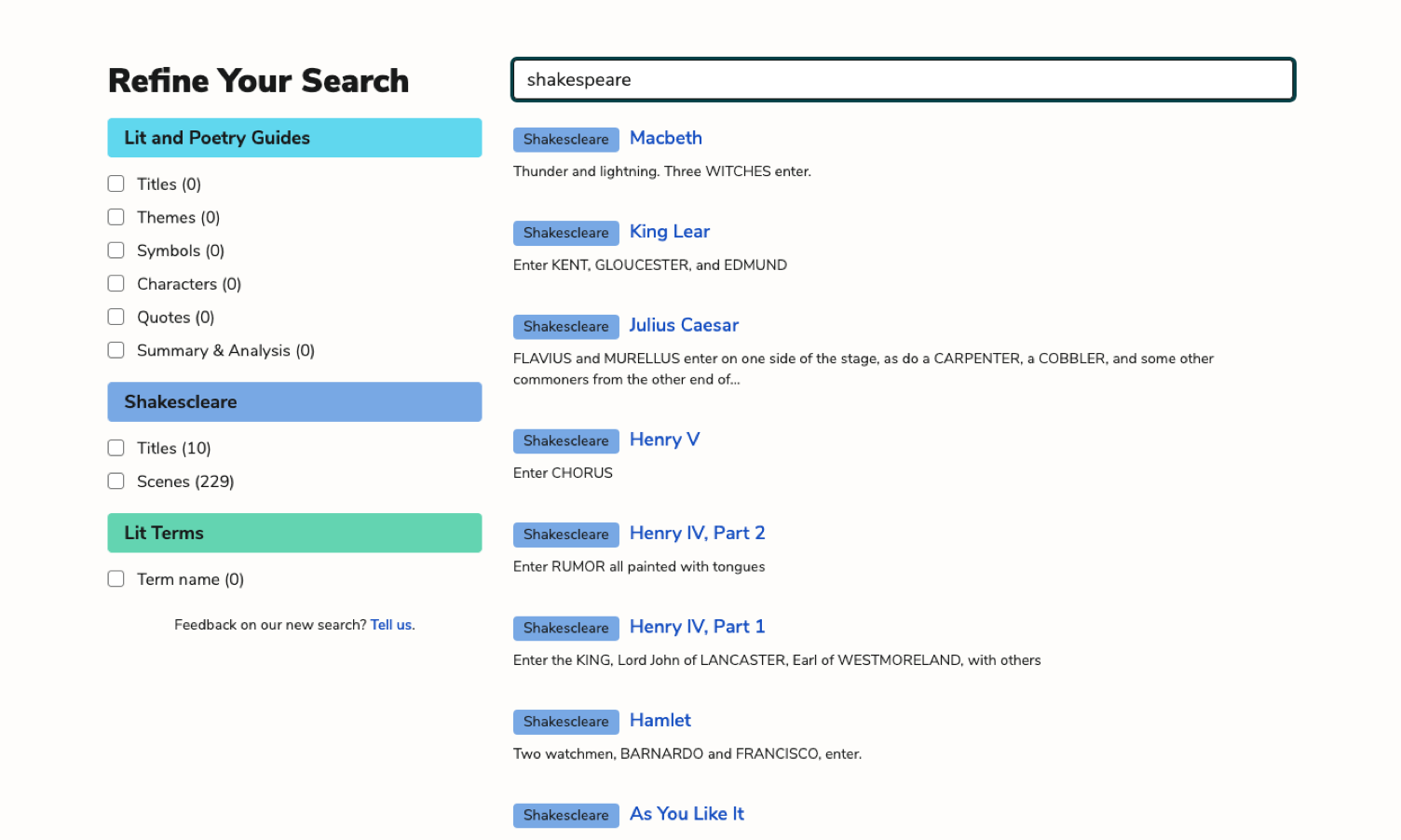
Advanced Search
Refine any search. Find related themes, quotes, symbols, characters, and more.

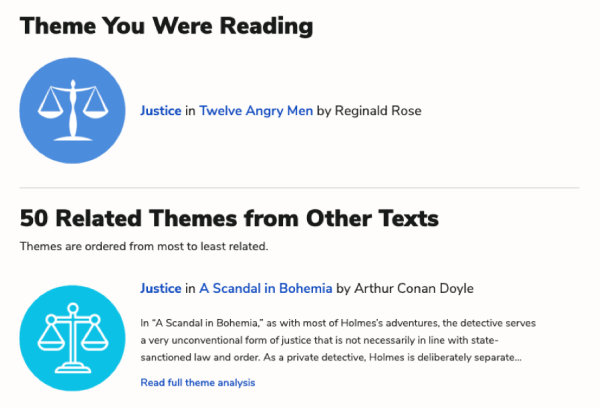
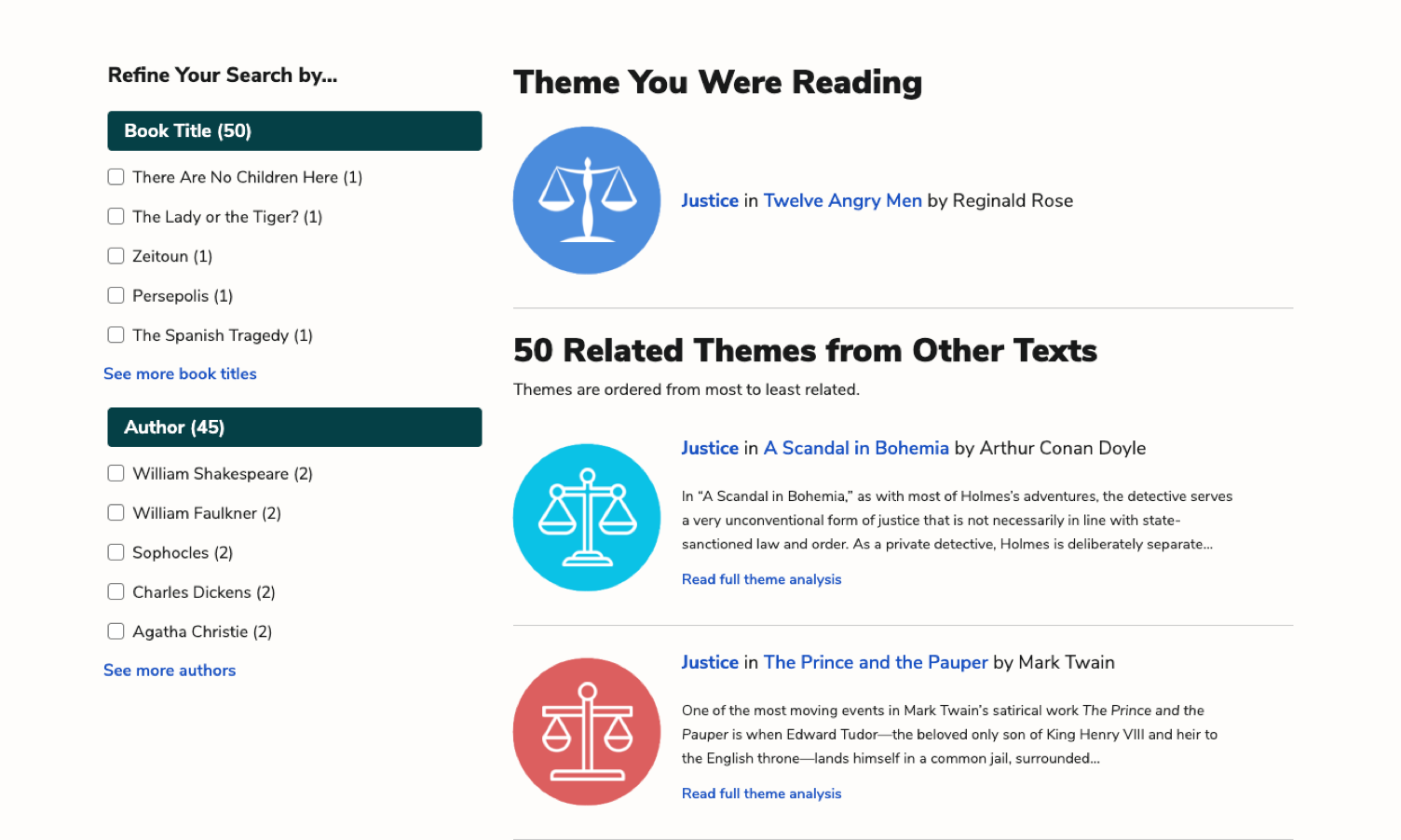
Related Themes
Comparing and contrasting texts? Find where any theme occurs across all of LitCharts in seconds.


Poetry Guides
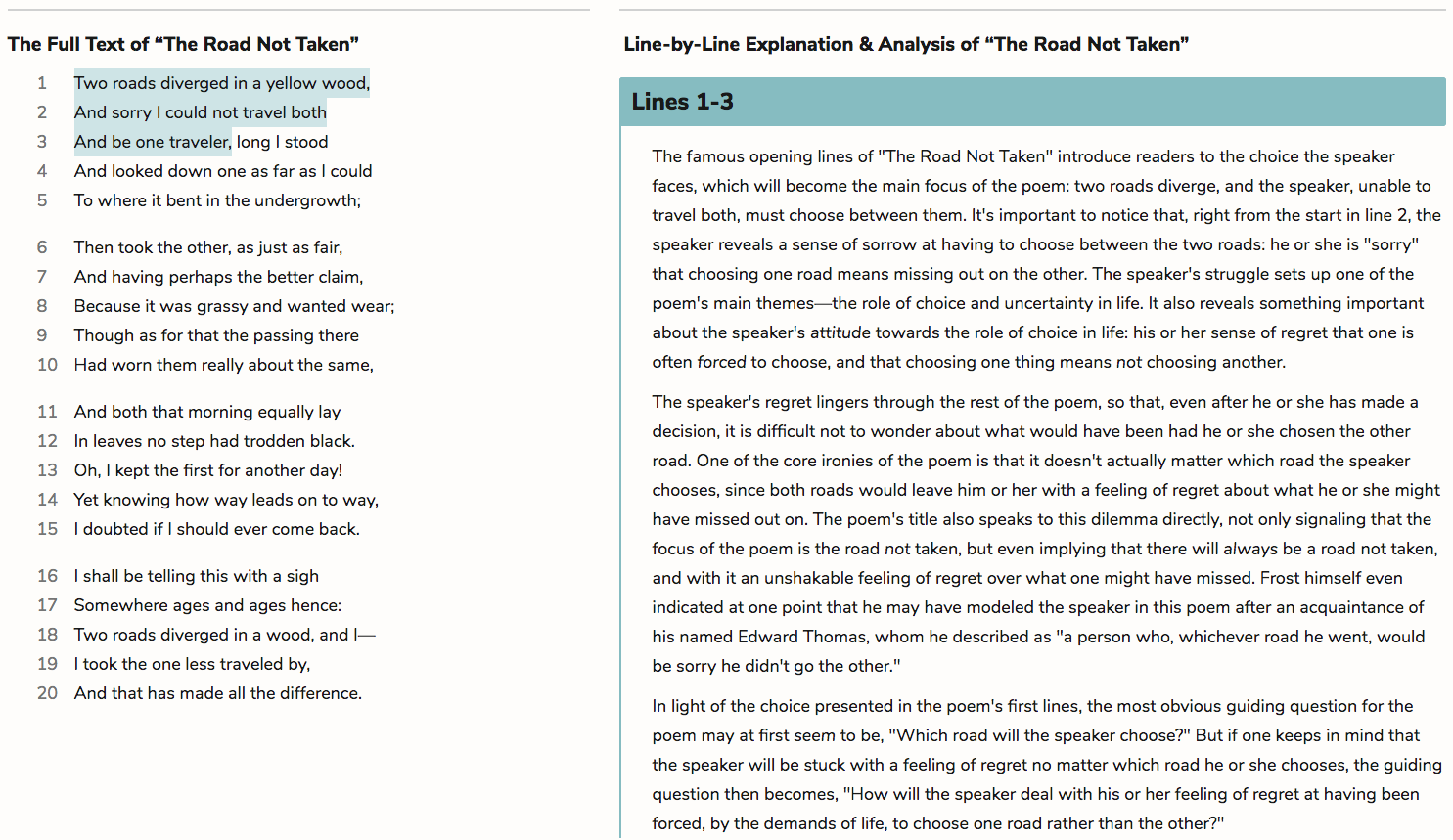
Line-by-line explanations and analysis of figurative language and poetic devices.
For every lyric poem we cover.
For every lyric poem we cover.