
|
Have questions?
Contact us
Already a member? Sign in
|
Get every literary device explanation for Breakfast of ChampionsPlus so much more...
Sign up for LitCharts A+Get instant access to every literary device explanation, plus so much more...
Satire
Explanation and Analysis—Thomas Jefferson:
Throughout the novel, Vonnegut uses biting satire to critique a variety of aspects of American life. A great example occurs in Chapter Three, when Vonnegut mentions that Kilgore Trout attended a school called Thomas Jefferson High School in his youth. He writes:
His high school was named after a slave owner who was also one of the world's greatest theoreticians on the subject of human liberty.
This line uses stark juxtaposition to satirize Thomas Jefferson and expose the hypocrisy of simultaneously enslaving people and theorizing about human liberty. The effectiveness of this satire relies heavily on Vonnegut's direct, no-frills style. By placing two juxtaposing facts in close proximity without mediation or commentary, Vonnegut lets his readers do the work of noticing the contradiction at play and thereby condemning Jefferson's actions.
This is a good example of Vonnegut's satire because it is meant not only as a critique of Jefferson but also of the broader way ideas have material impact and can hide unjust truths. Though Vonnegut condemns Thomas Jefferson's actions, his real focus is on the way in which Jefferson's legacy operates in the modern world: he is thought of as highly moral, important to remember, and worth naming a school after, but many of the immoral facts of his life have been forgotten or glossed over. By exposing these facts, Vonnegut critiques stories that misrepresent the realities of America and its history. This is the real project of his satire: to expose contradictions and injustices for the sake of helping people tell stories and histories more clearly, more accurately, and more fairly.
Monthly
Annual (Best Value)

$595USD/mo
Charged $71.40 USD every year
 Teacher
$795USD/mo
Charged $95.40 USD every year
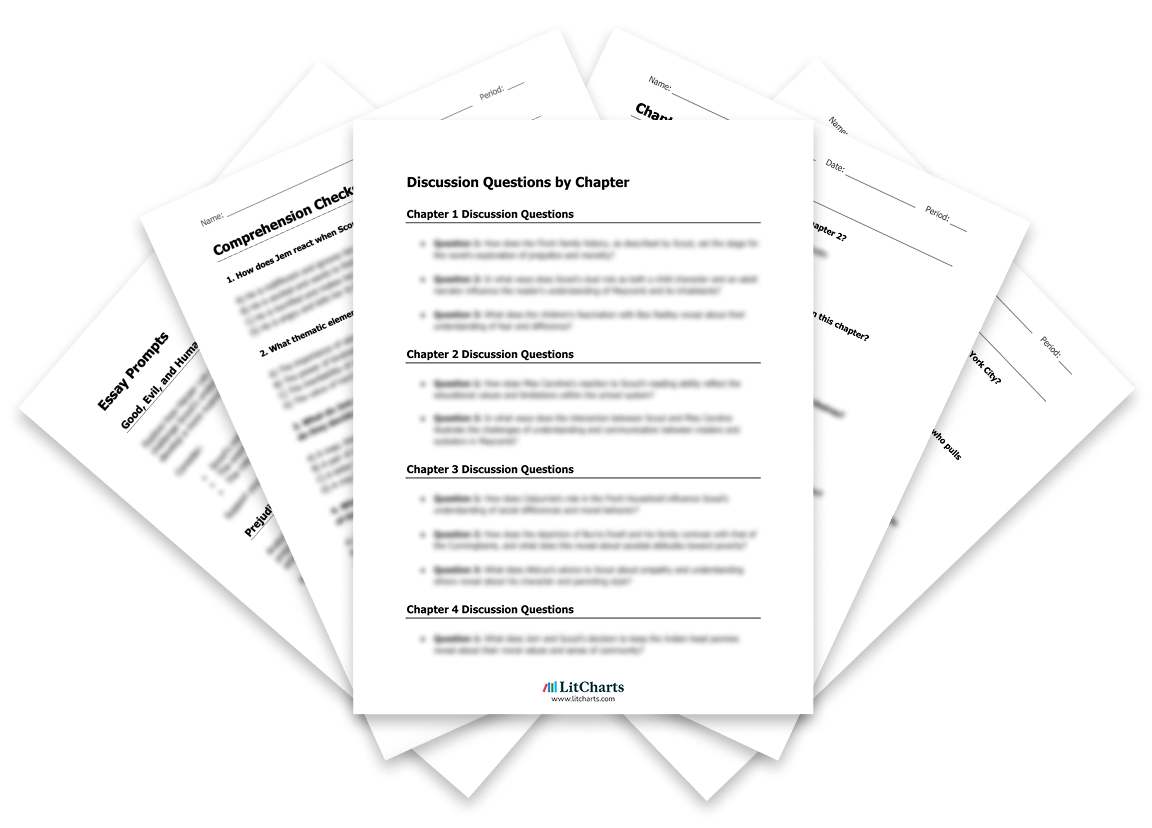
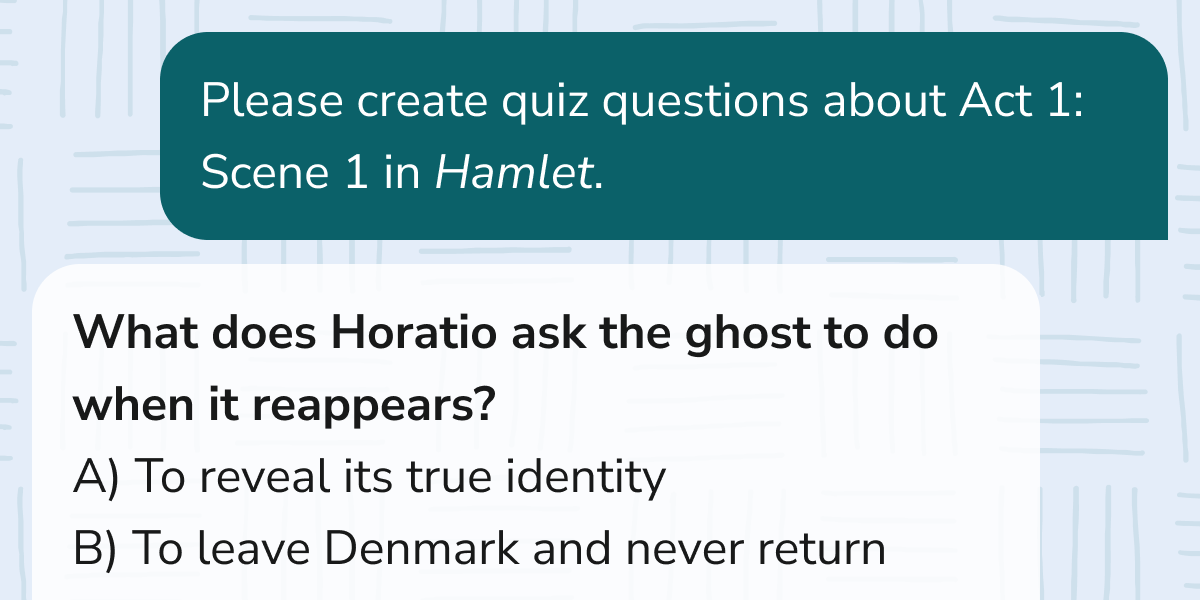


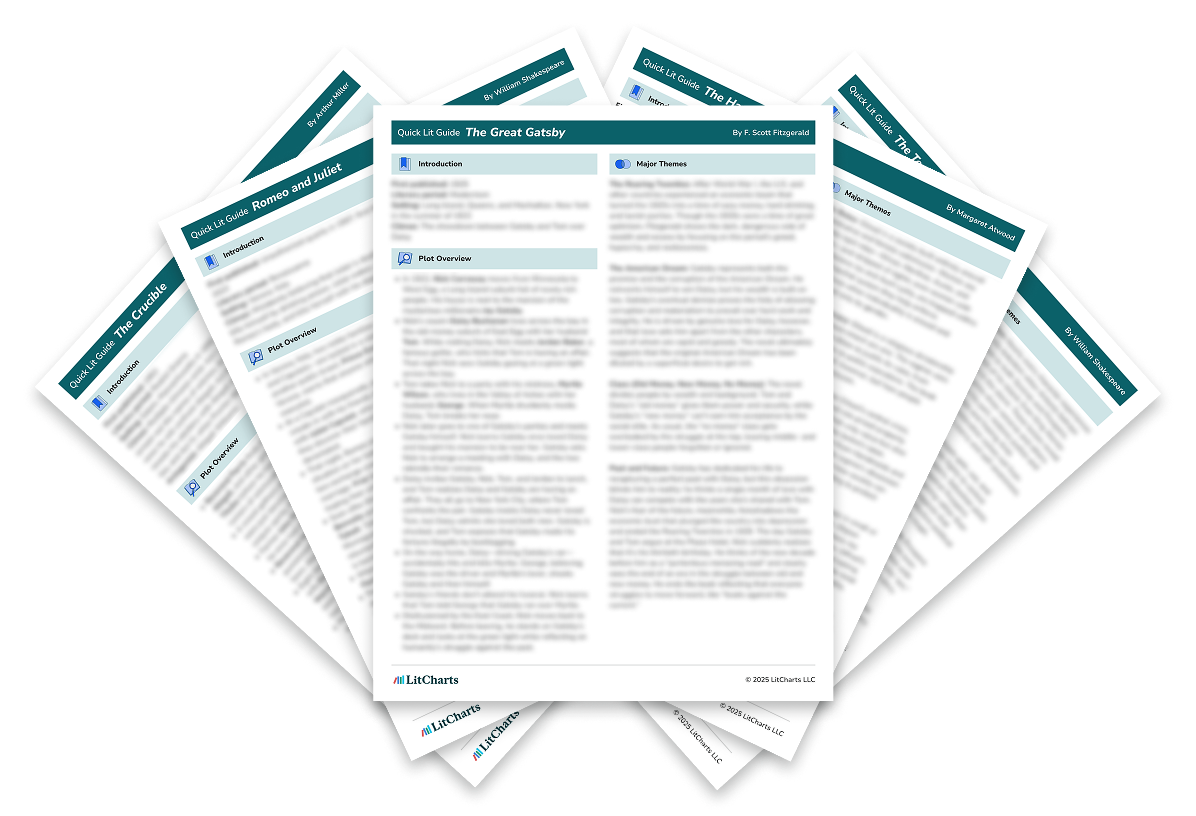
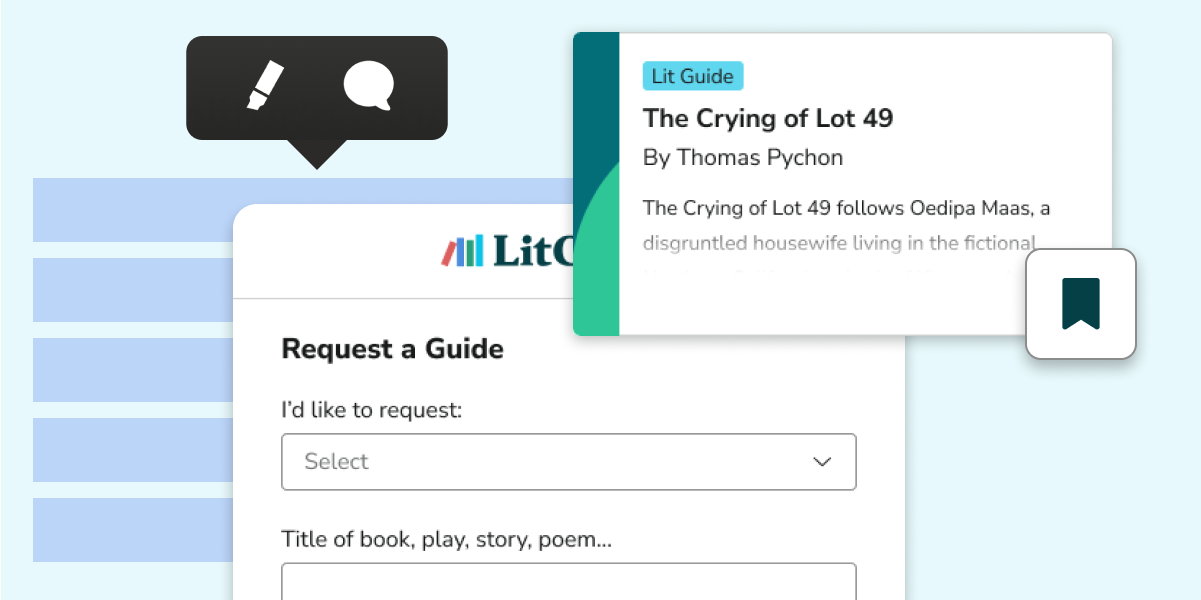
Literature Guide PDFs
LitCharts PDFs for every book you'll read this year.
Instant PDF downloads of all 2242 LitCharts literature guides and of every new one we publish. Try a free sample literature guide.
"Would not have made it through AP Literature without the printable PDFs. They're like having in-class notes for every discussion!"





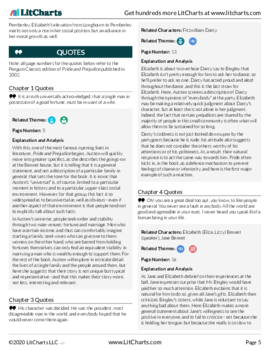


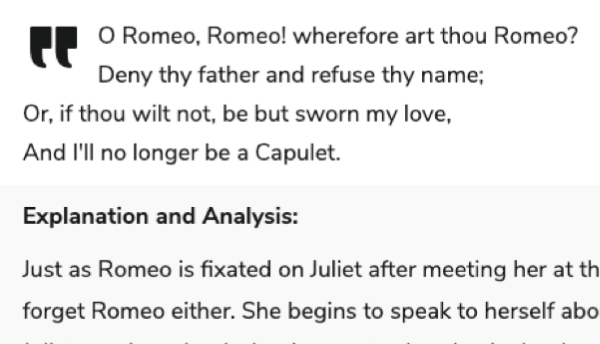
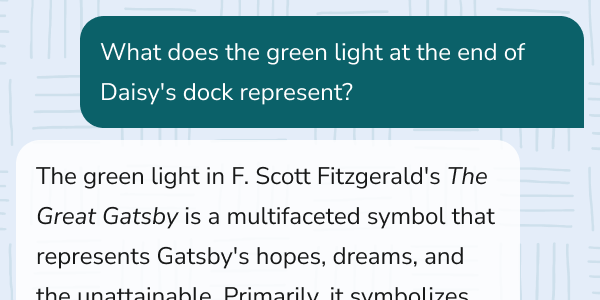
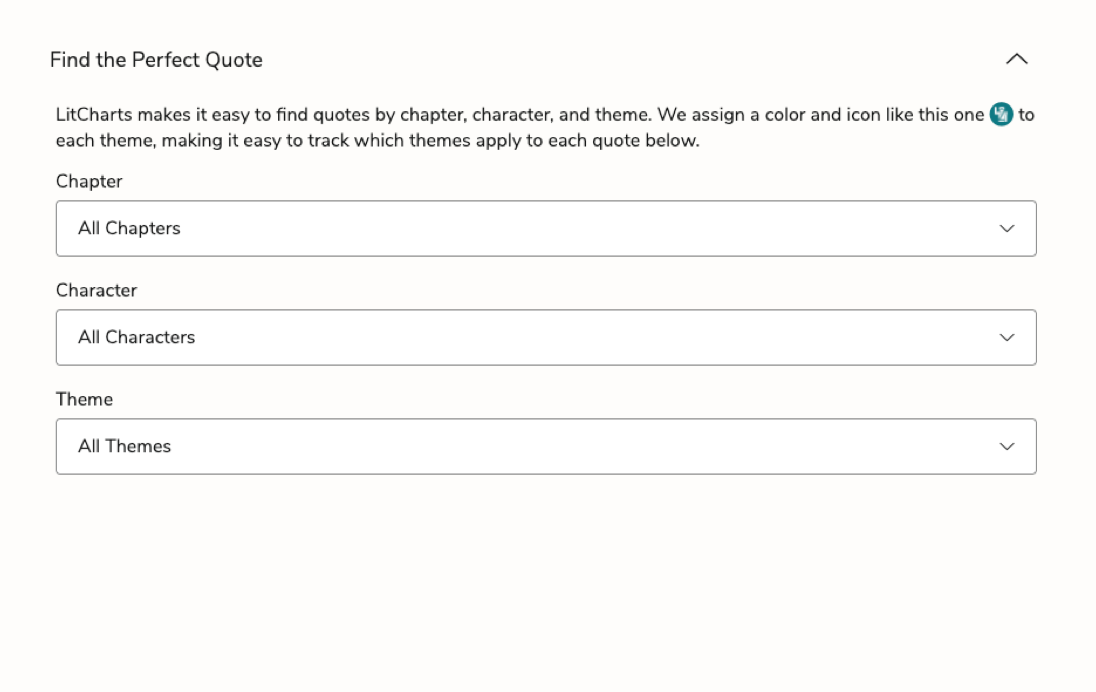
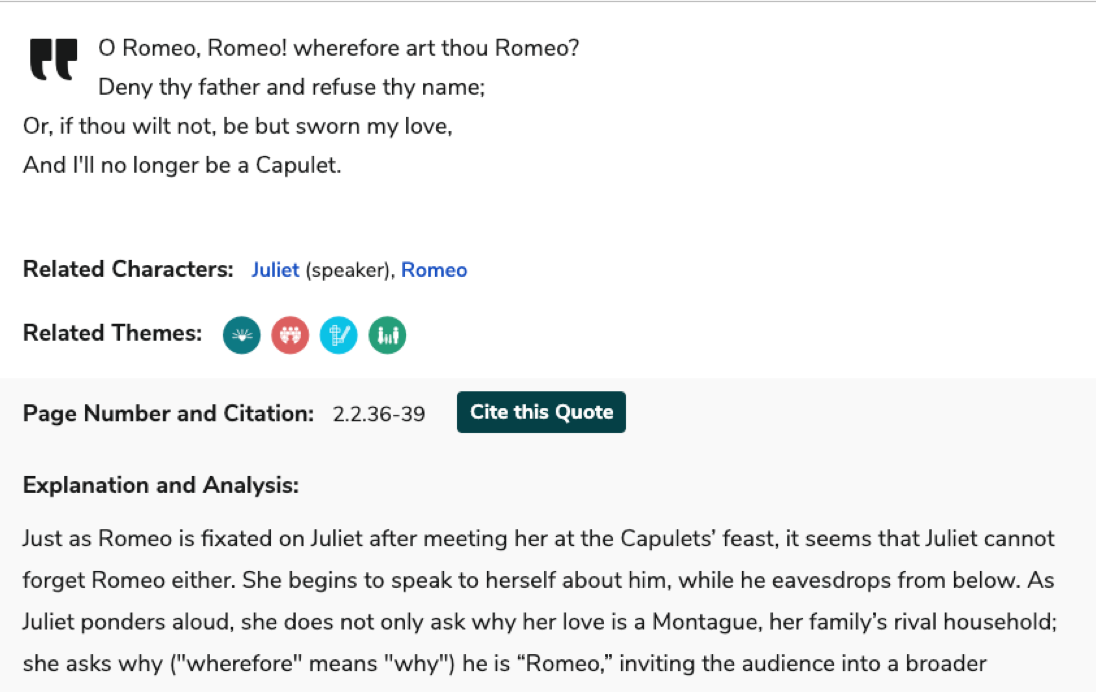
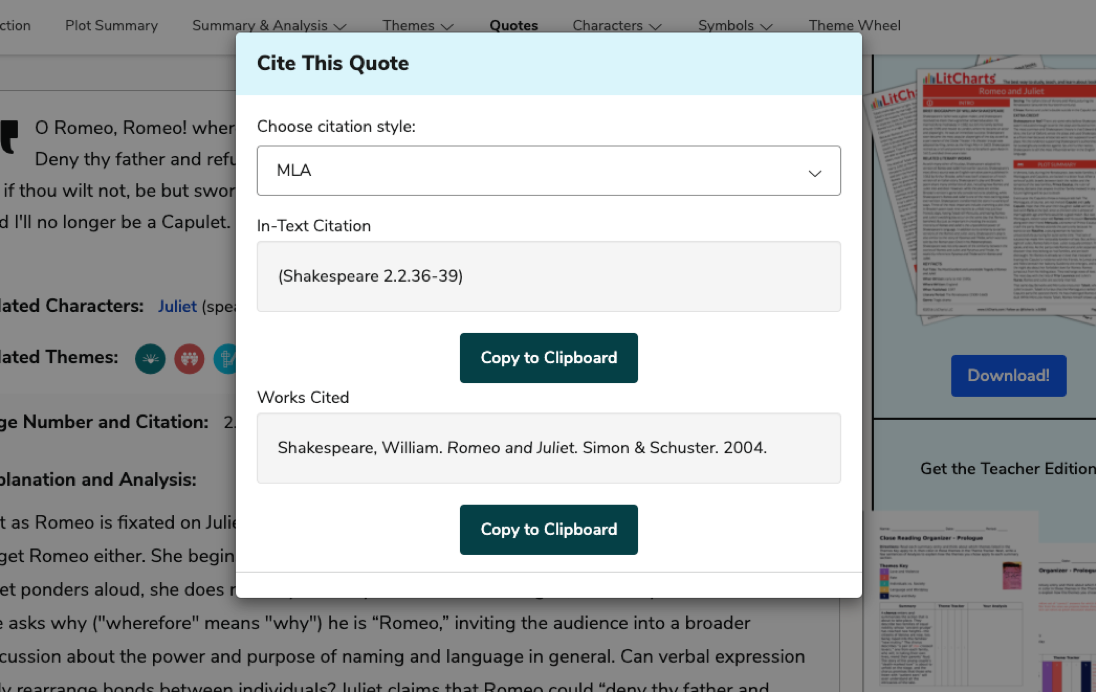
Quotes Explanations
Find the perfect quote. Understand it perfectly. Then rock the citation, too.
For all 49,991 quotes we cover.
For all 49,991 quotes we cover.


Teacher Editions
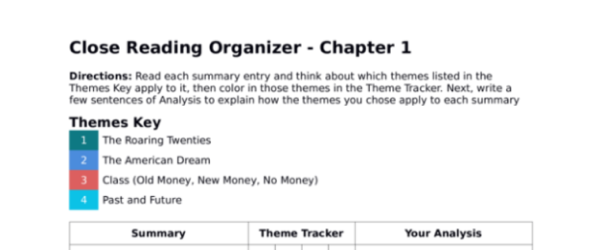
Close reading made easy for students.
Time saved for teachers.
For every book we cover.
Time saved for teachers.
For every book we cover.


Common Core-aligned


PDFs of modern translations of every one of Shakespeare's 37 plays, 154 sonnets, and 3 longer poems.

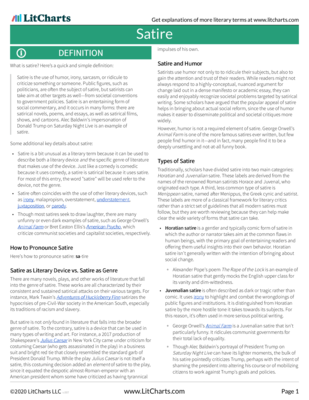
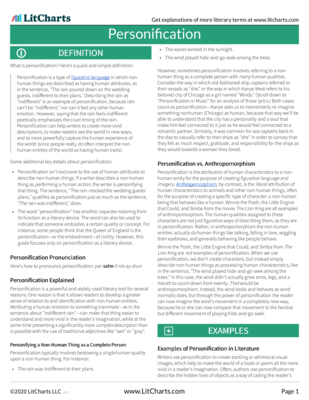
Literary Terms and Devices
Definitions and examples for every literary term and device you need to know.
Plus a quick-reference PDF with concise definitions of all 136 terms in one place.
Plus a quick-reference PDF with concise definitions of all 136 terms in one place.
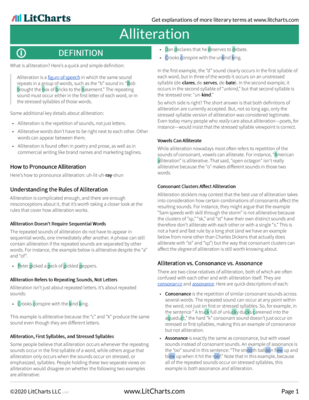
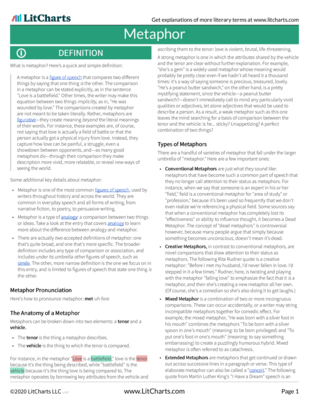
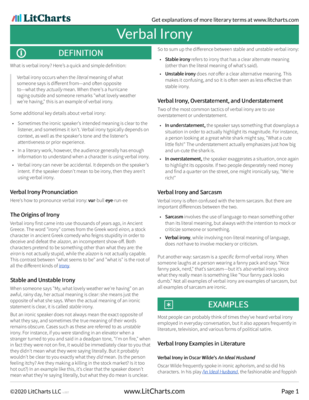
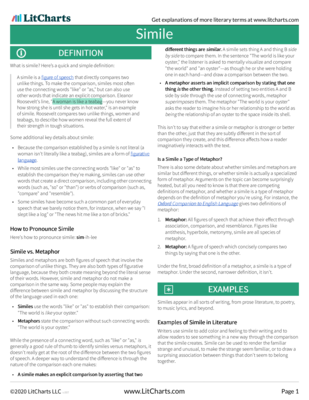
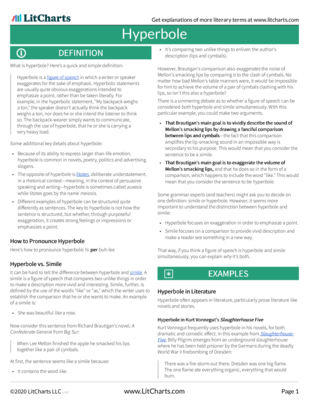
Try a free sample literary term PDF.


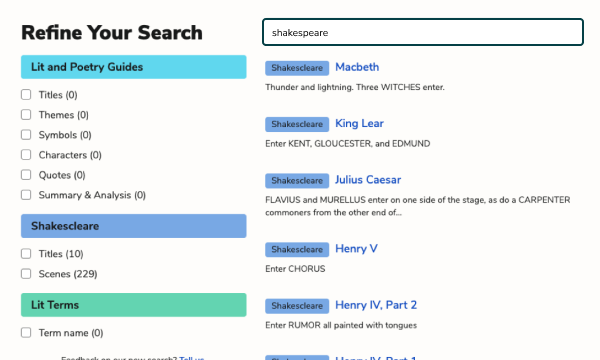
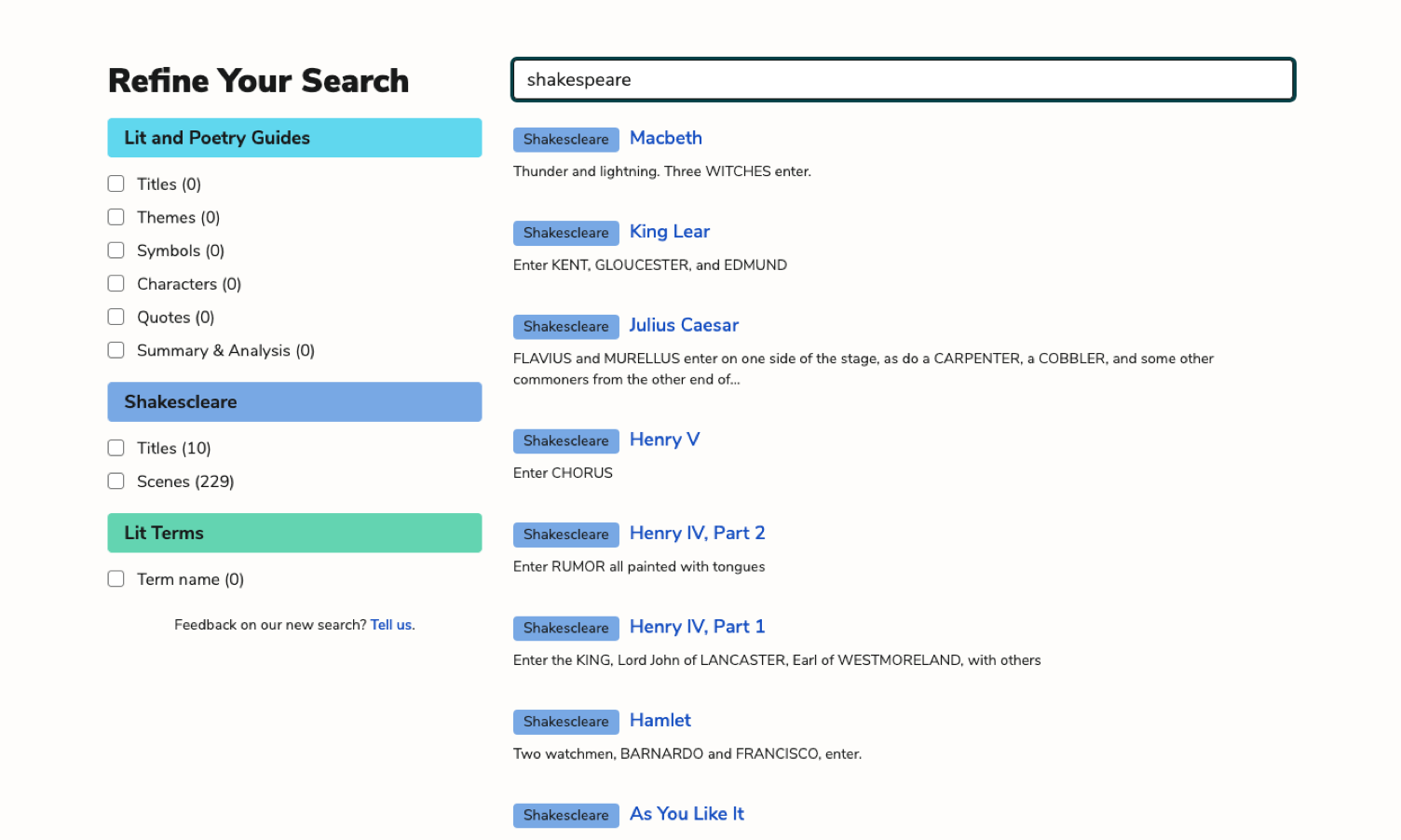
Advanced Search
Refine any search. Find related themes, quotes, symbols, characters, and more.

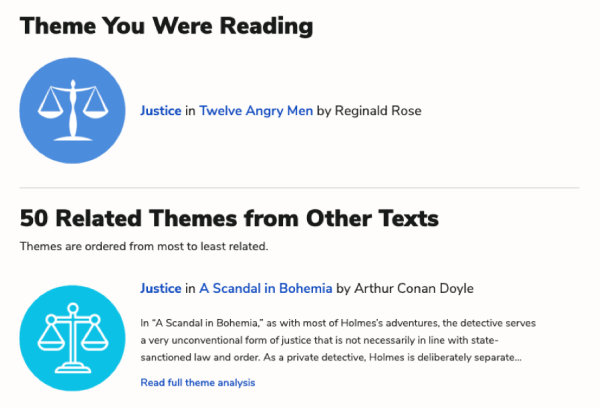
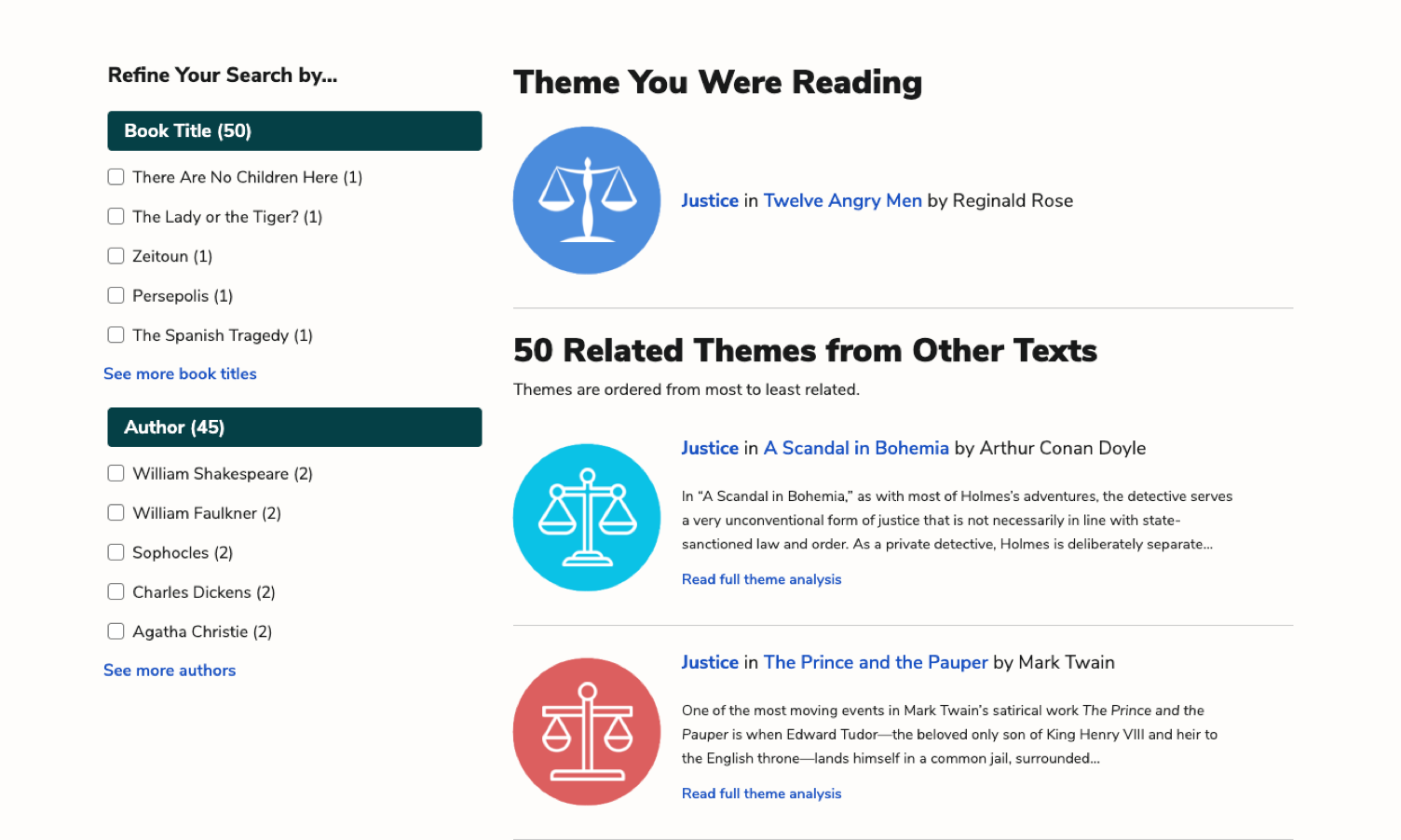
Related Themes
Comparing and contrasting texts? Find where any theme occurs across all of LitCharts in seconds.


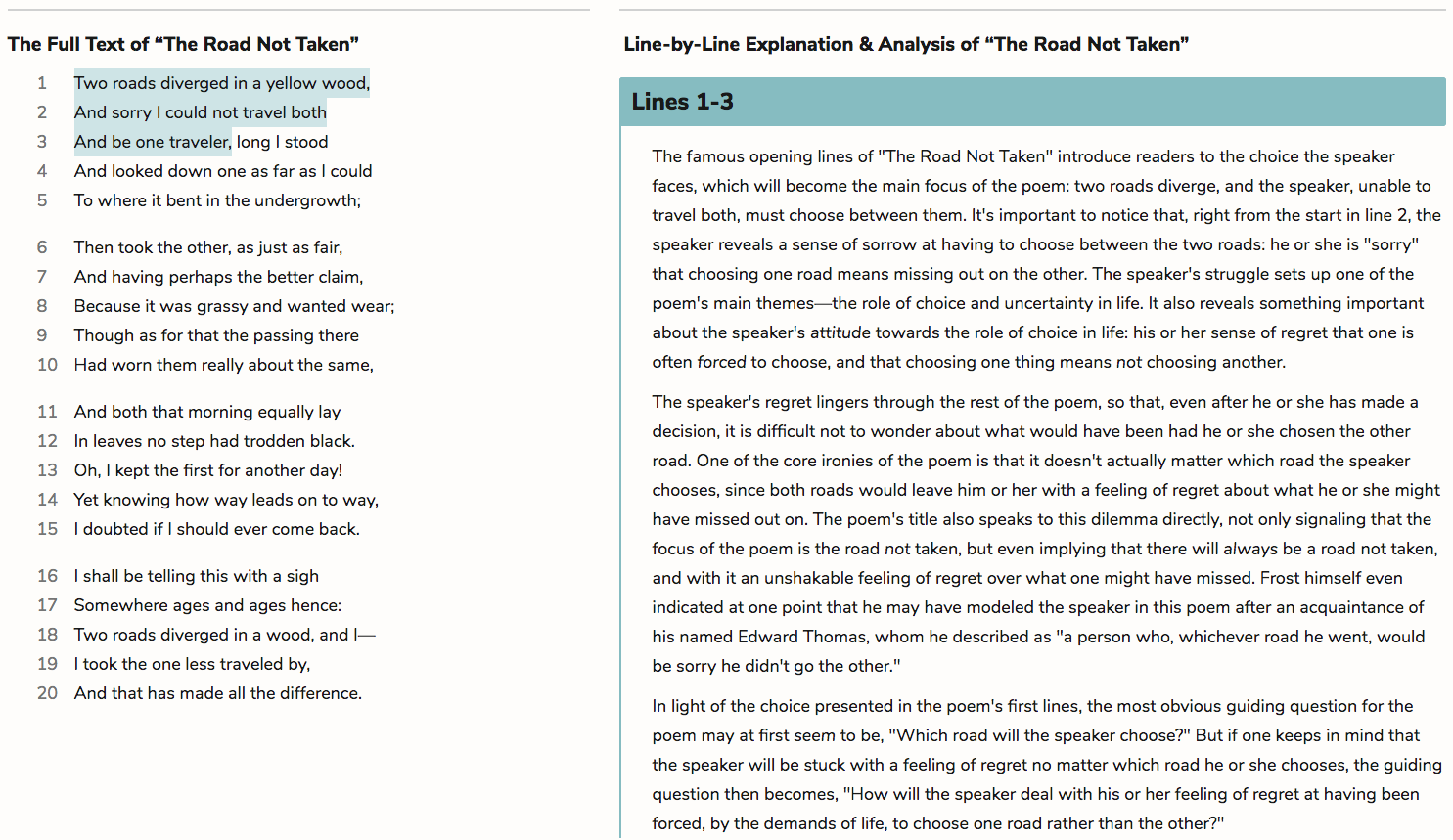
Poetry Guides
Line-by-line explanations and analysis of figurative language and poetic devices.
For every lyric poem we cover.
For every lyric poem we cover.