
|
Have questions?
Contact us
Already a member? Sign in
|
Get every literary device explanation for Gulliver's TravelsPlus so much more...
Sign up for LitCharts A+Get instant access to every literary device explanation, plus so much more...
Satire
Explanation and Analysis—Tories vs. Whigs:
In Book 1, Chapter 4 of Gulliver's Travels, Gulliver receives a visit from Redresal, the principal secretary of Lilliput, who explains certain aspects of Lilliputian politics. He describes the struggle between the nation's two major political parties: the Tramecksan, who wear high-heeled shoes, and the Slamecksan, who wear shoes with low heels. This superficial difference is the cause of fierce conflict, and it's ultimately a satirical allegory of the conflict between the Tory and Whig parties in England:
The Animosities between these two Parties run so high, that they will neither eat nor drink, nor talk with each other.
The high and low-heeled shoes worn by the Lilliputians is a nod to the "high" and "low" churches in Anglican Christianity. The Tories were the high church, meaning they supported a Christian tradition that emphasized formality and ritual. The Whigs, by contrast, placed little emphasis on ritual and were regarded as the low church. Redresal goes on to note that the current Lilliputian emperor wears low-heeled shoes and only employs members of the Slamecksan party in his administration. The emperor's preference symbolically references King George I, who favored the Whig party.
By making Lilliput's main political conflict a trivial disagreement based on superficial differences, Jonathan Swift implies that the Tories and Whigs are far more similar than they appear. Although Swift himself identified as a "high-churchman" and was a member of the Tory party, he sympathized with many Whig political causes.
Monthly
Annual (Best Value)

$595USD/mo
Charged $71.40 USD every year
 Teacher
$795USD/mo
Charged $95.40 USD every year
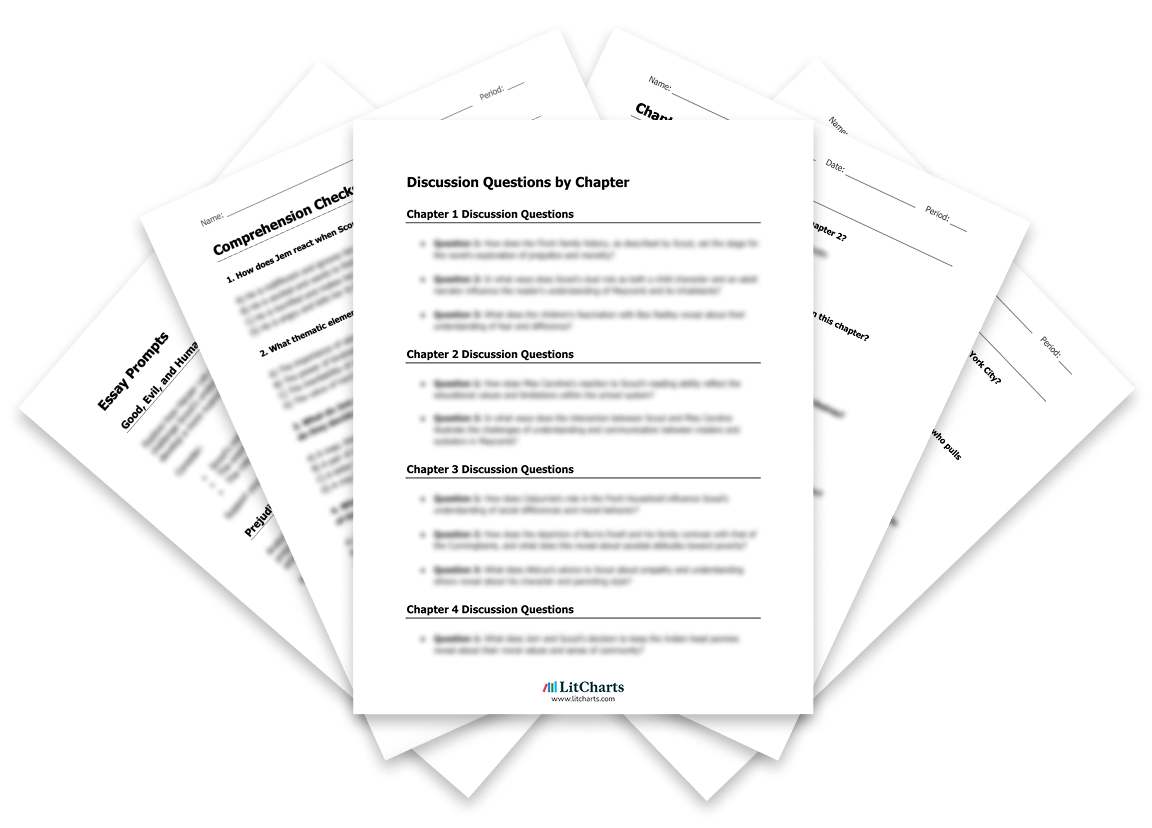
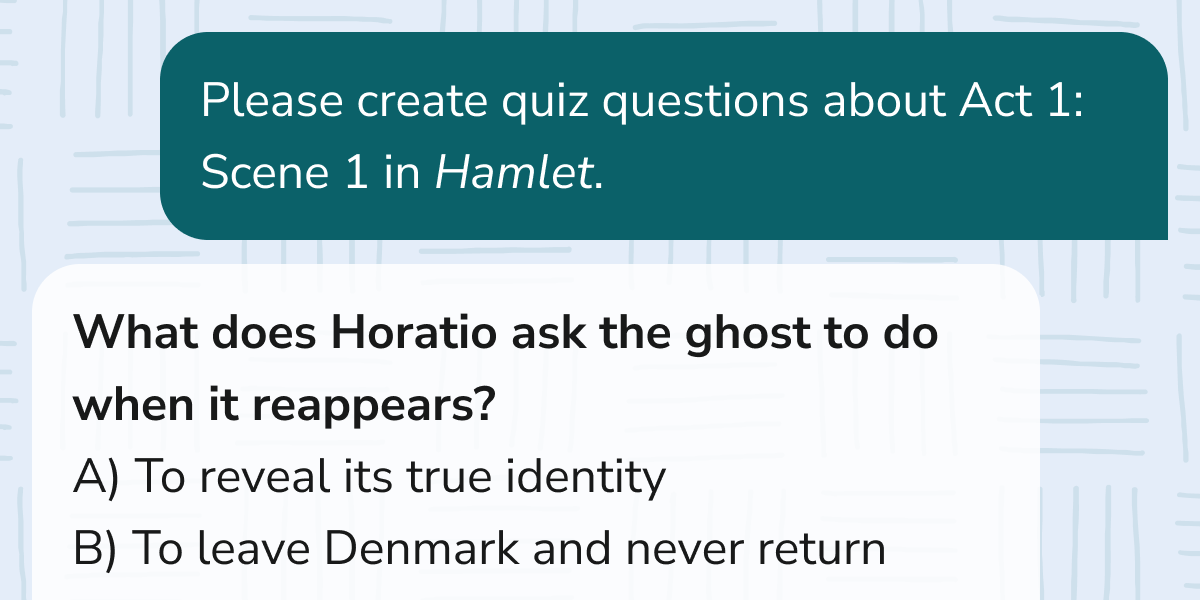


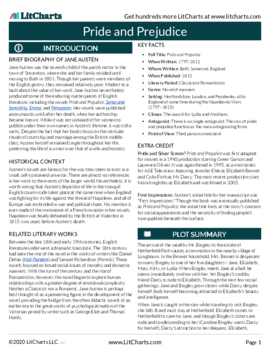
Literature Guide PDFs
LitCharts PDFs for every book you'll read this year.
Instant PDF downloads of all 2247 LitCharts literature guides and of every new one we publish. Try a free sample literature guide.
"Would not have made it through AP Literature without the printable PDFs. They're like having in-class notes for every discussion!"





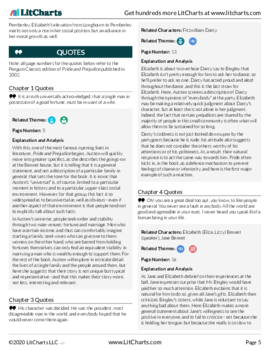


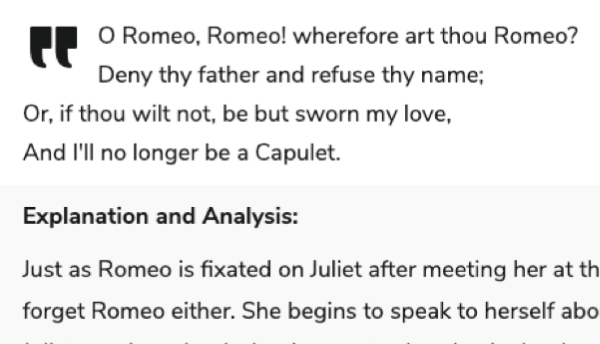
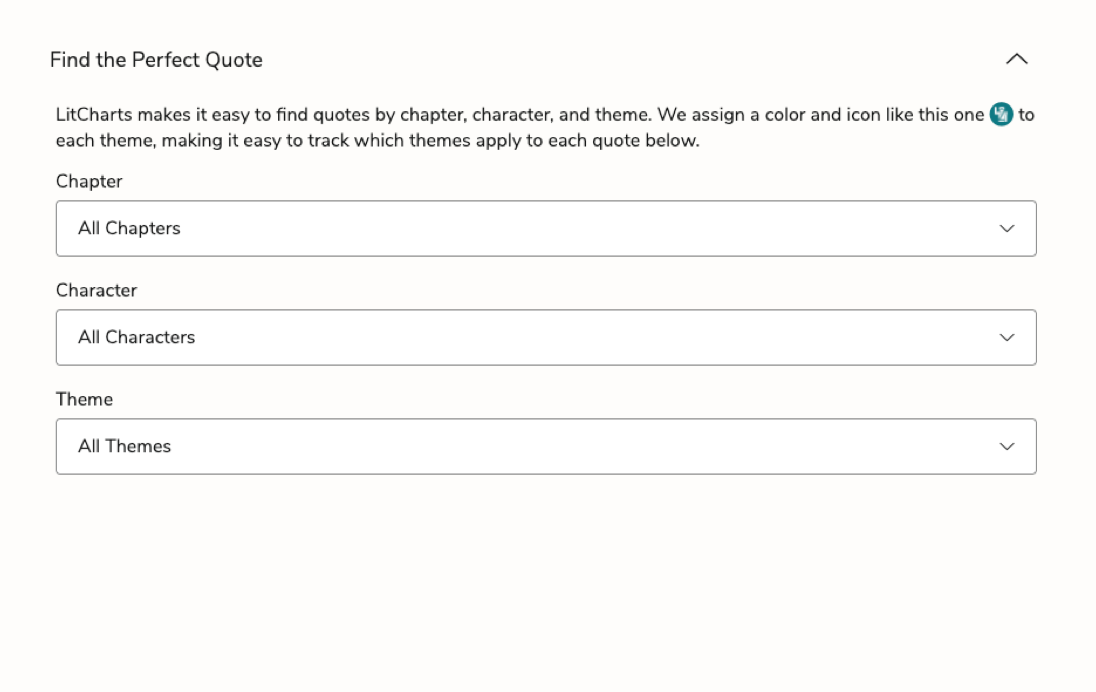
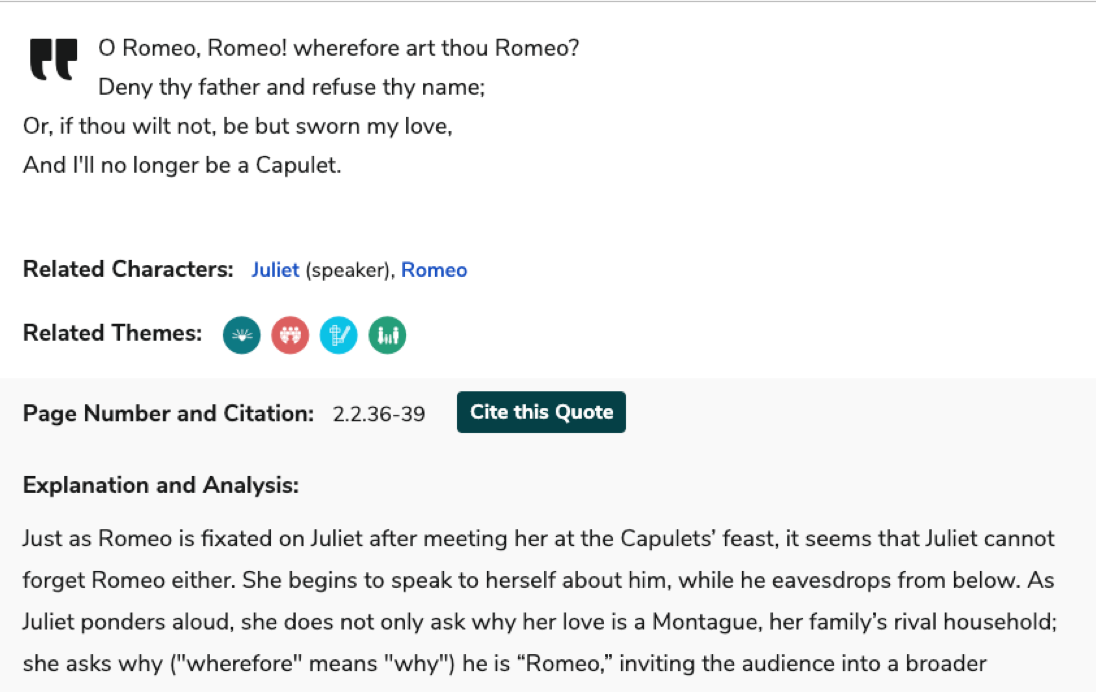
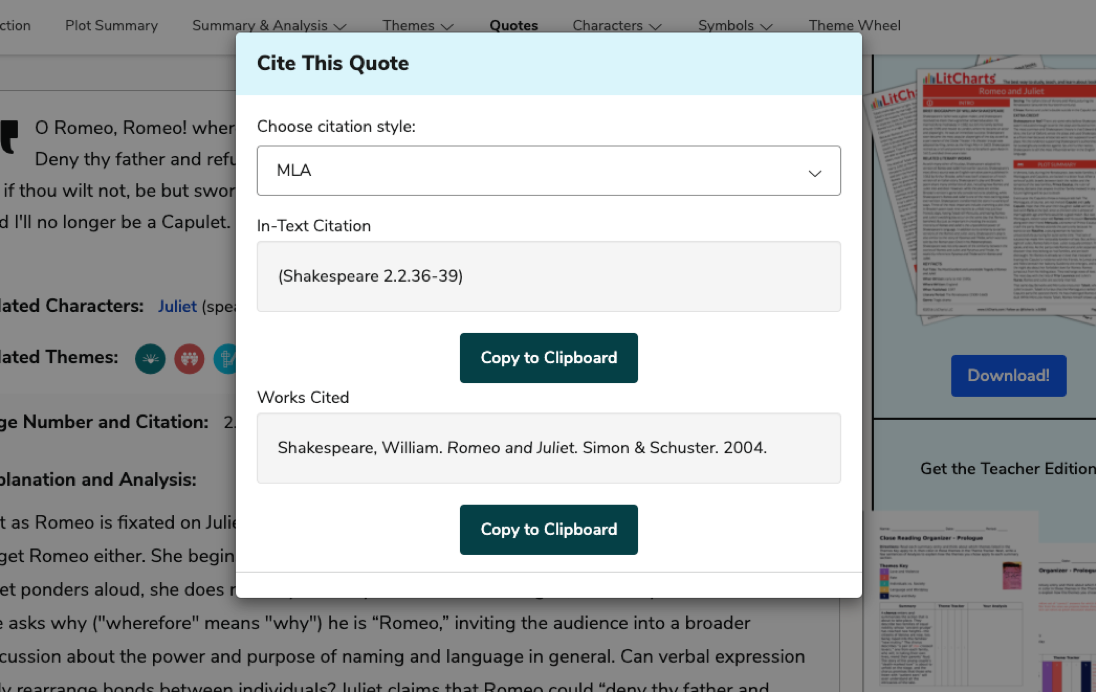
Quotes Explanations
Find the perfect quote. Understand it perfectly. Then rock the citation, too.
For all 50,101 quotes we cover.
For all 50,101 quotes we cover.


Teacher Editions
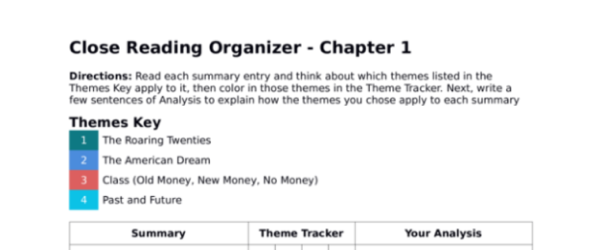
Close reading made easy for students.
Time saved for teachers.
For every book we cover.
Time saved for teachers.
For every book we cover.


Common Core-aligned


PDFs of modern translations of every one of Shakespeare's 37 plays, 154 sonnets, and 3 longer poems.

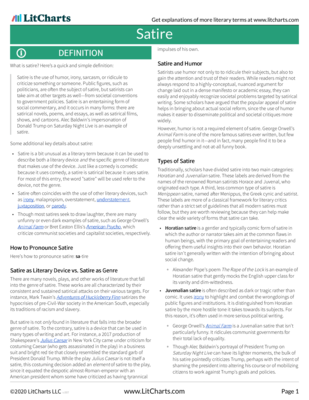
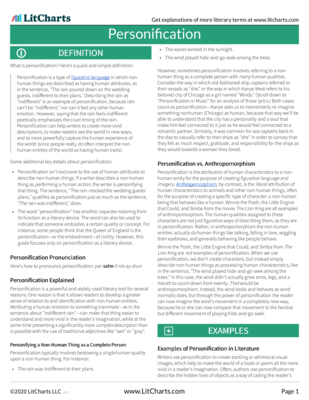
Literary Terms and Devices
Definitions and examples for every literary term and device you need to know.
Plus a quick-reference PDF with concise definitions of all 136 terms in one place.
Plus a quick-reference PDF with concise definitions of all 136 terms in one place.
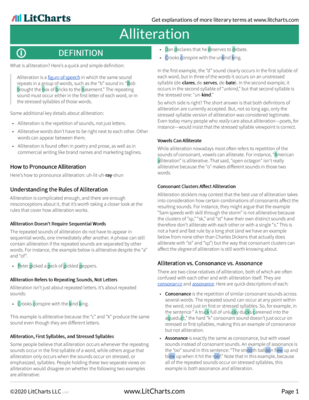
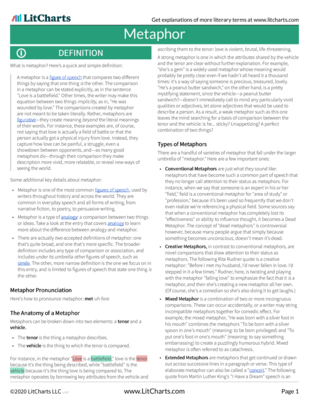
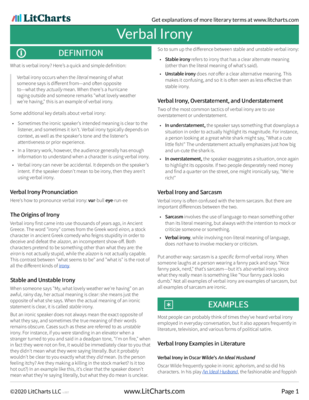
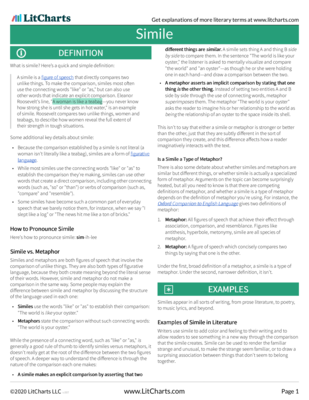
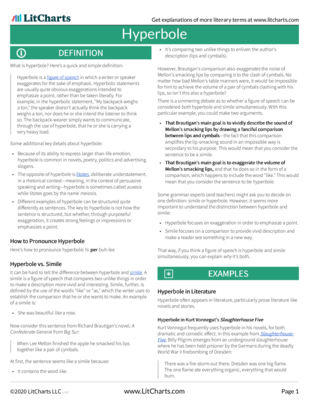
Try a free sample literary term PDF.


Advanced Search
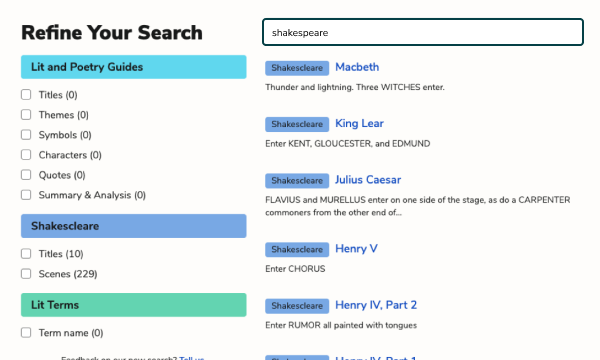
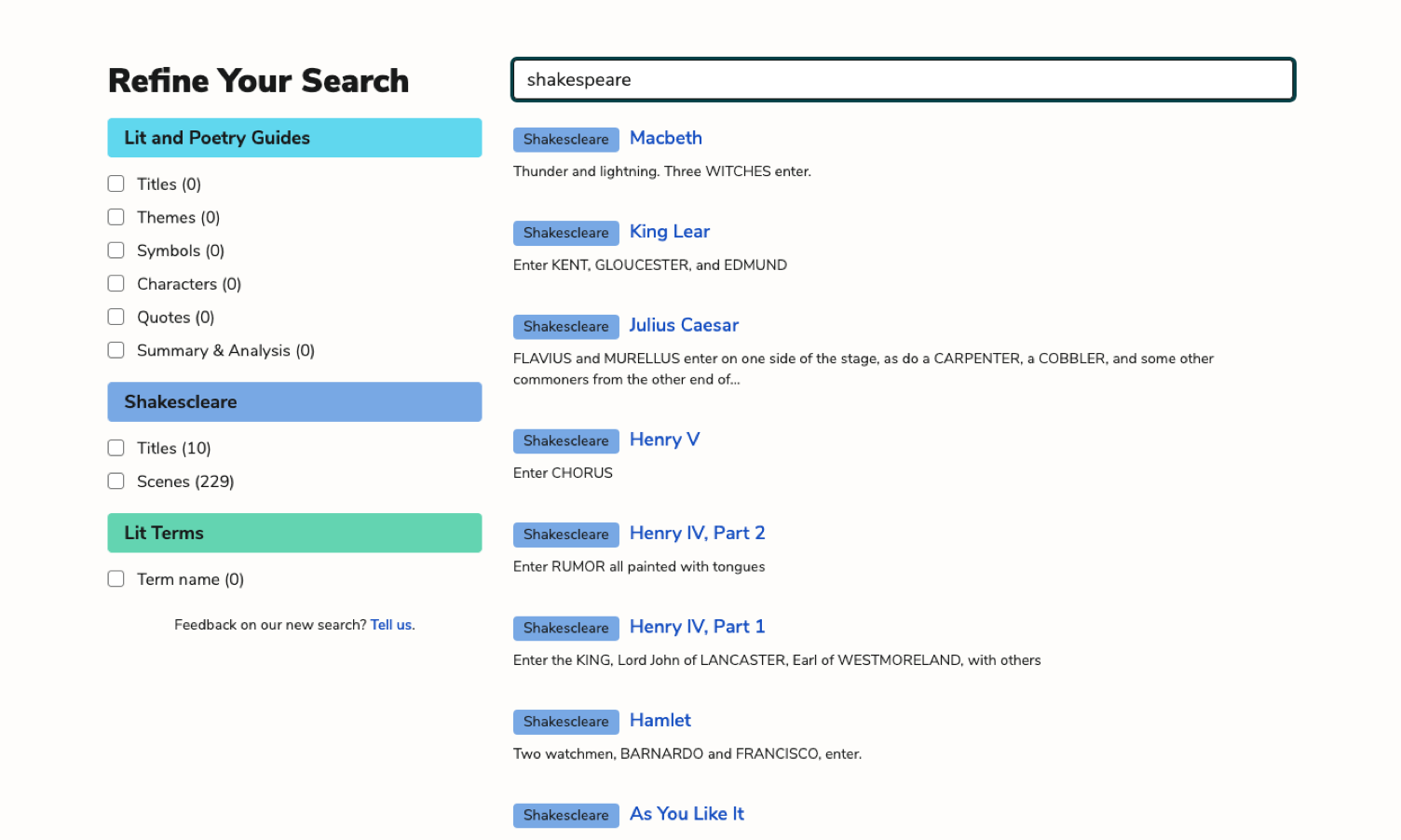
Refine any search. Find related themes, quotes, symbols, characters, and more.

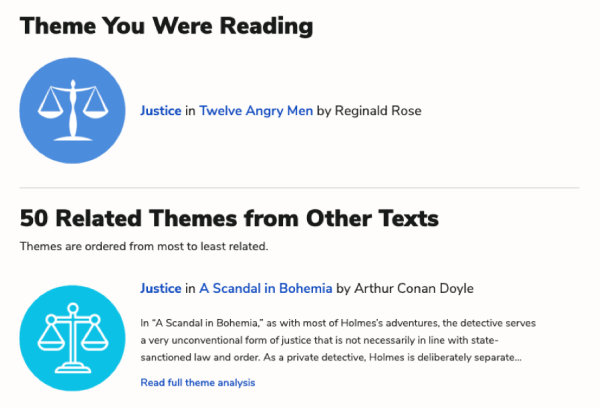
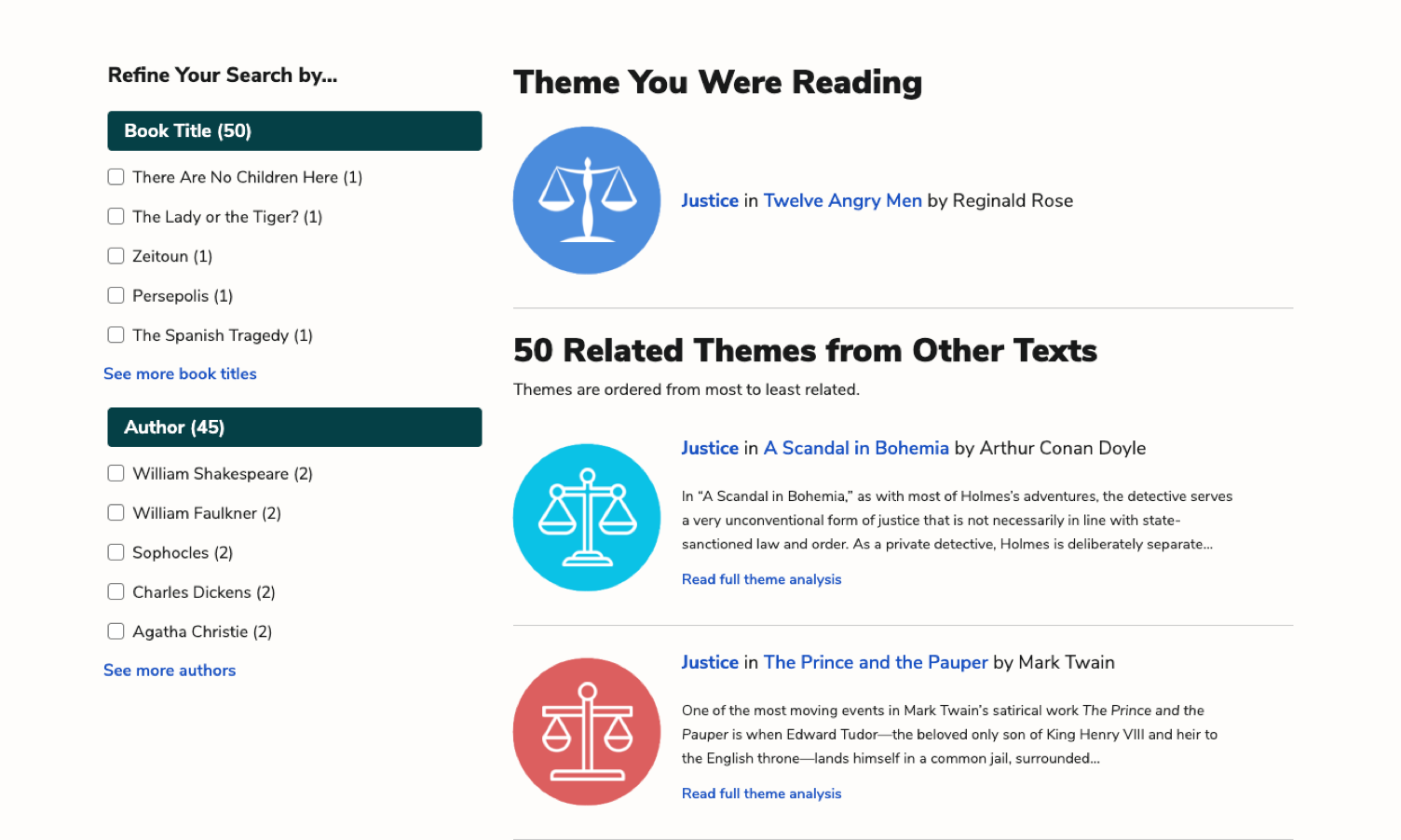
Related Themes
Comparing and contrasting texts? Find where any theme occurs across all of LitCharts in seconds.


Poetry Guides
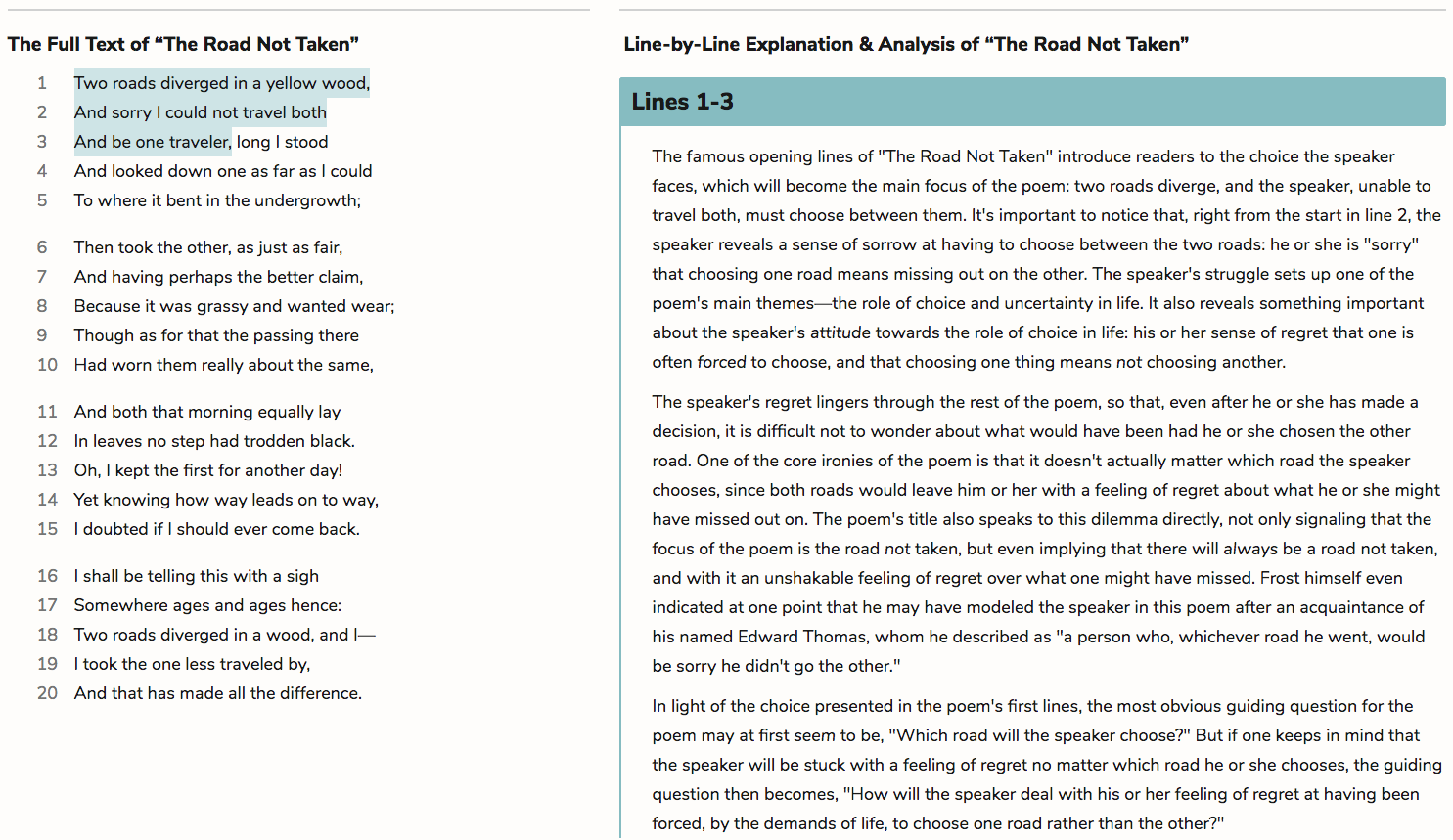
Line-by-line explanations and analysis of figurative language and poetic devices.
For every lyric poem we cover.
For every lyric poem we cover.