
|
Have questions?
Contact us
Already a member? Sign in
|
Get every literary device explanation for Gulliver's TravelsPlus so much more...
Sign up for LitCharts A+Get instant access to every literary device explanation, plus so much more...
Satire
Explanation and Analysis—Big-Endian/Little-Endian:
In Book 1, Chapter 4 of Gulliver's Travels, Swift satirizes a well-known British conflict through the use of an allegory. In this section, Gulliver learns that the ancient conflict between the nations of Lilliput and Blefuscu is rooted in a petty disagreement over whether to break eggs on the bigger or smaller end. Redresal, the principal secretary of Lilliput, explains that the struggle began when the great-grandfather of the current Lilliputian emperor passed a controversial law commanding all of his subjects to break their eggs on the small end:
The people so highly resented this Law, that our Histories tell us there have been six Rebellions raised on that account; wherein one Emperor lost his Life, and another his Crown.
The conflict between the Big-Endians and Little-Endians is intended as a satirical allegory of the historic conflict between the Catholic Church and the Church of England. This conflict began in 1534, when King Henry VIII separated the Church of England from papal authority in order to divorce his first wife, Catherine of Aragon. This event resulted in decades of political upheaval in Great Britain, including the execution of King Charles I (the emperor who lost his life) during the English Civil War and the deposition of King James II (the emperor who lost his crown) during the Glorious Revolution.
By grounding the conflict between Lilliput and Blefuscu in something as trivial as a disagreement over eggs, Jonathan Swift implies that the religious differences that have inspired so much bloodshed in Europe are equally inconsequential.
Monthly
Annual (Best Value)

$595USD/mo
Charged $71.40 USD every year
 Teacher
$795USD/mo
Charged $95.40 USD every year
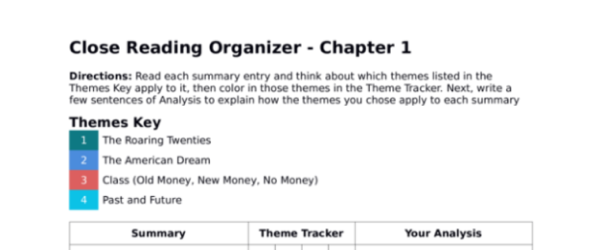
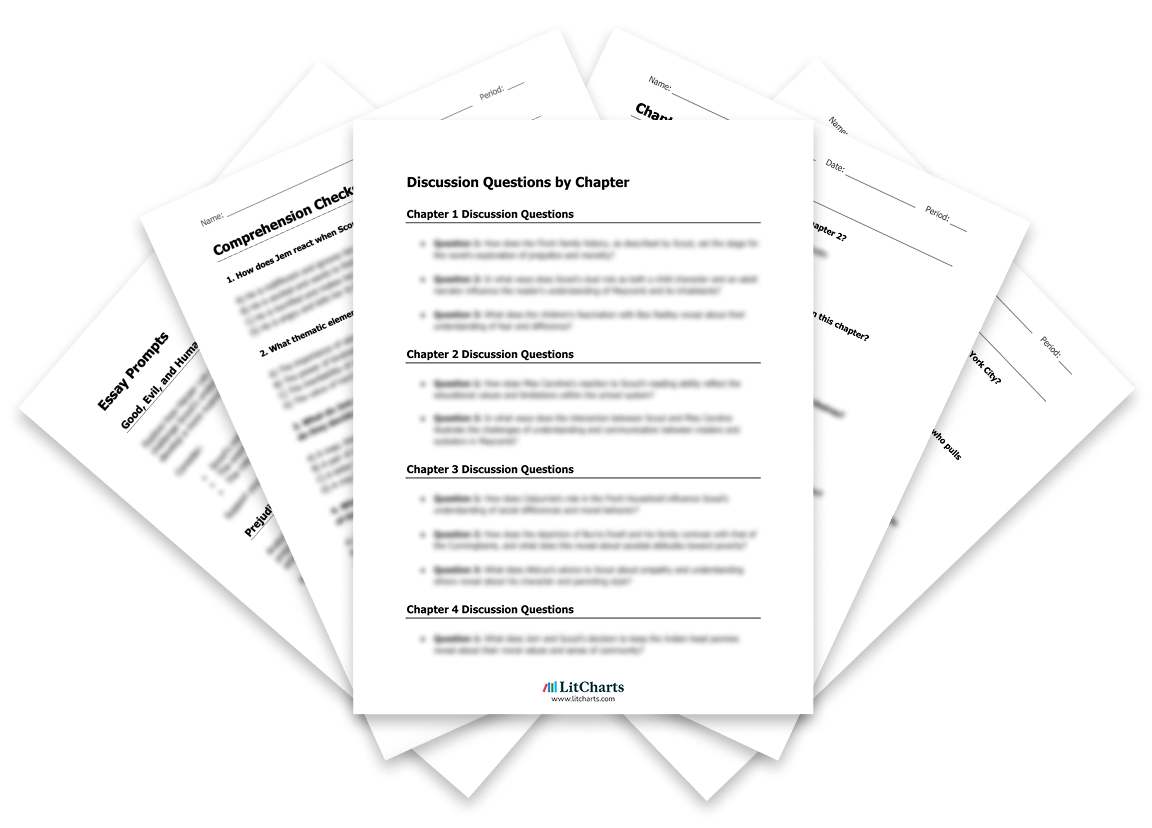
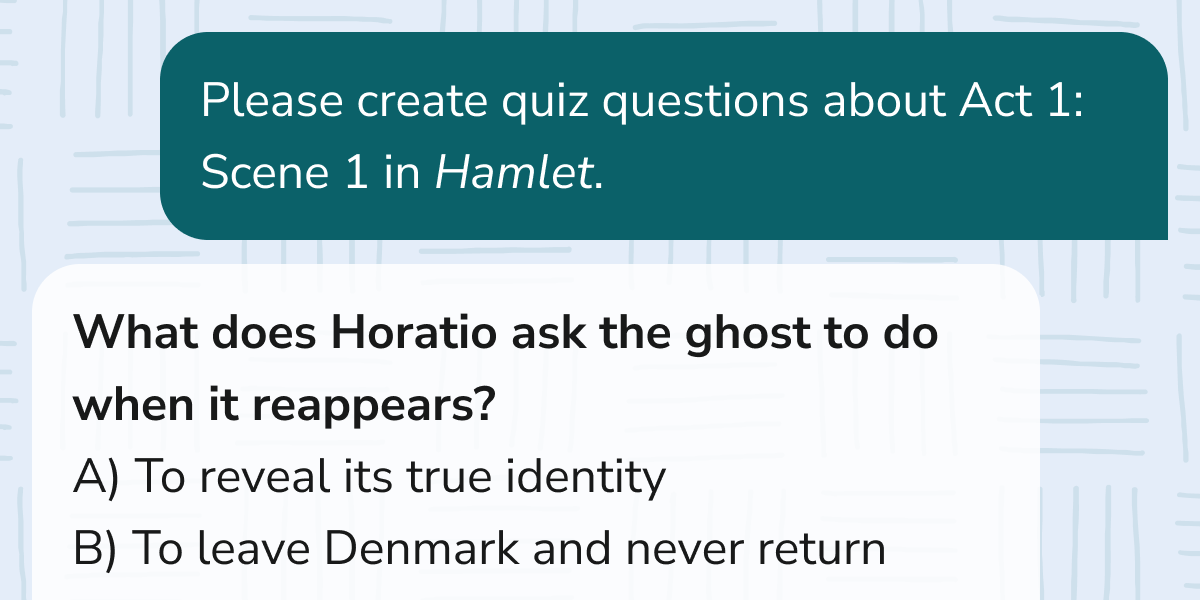


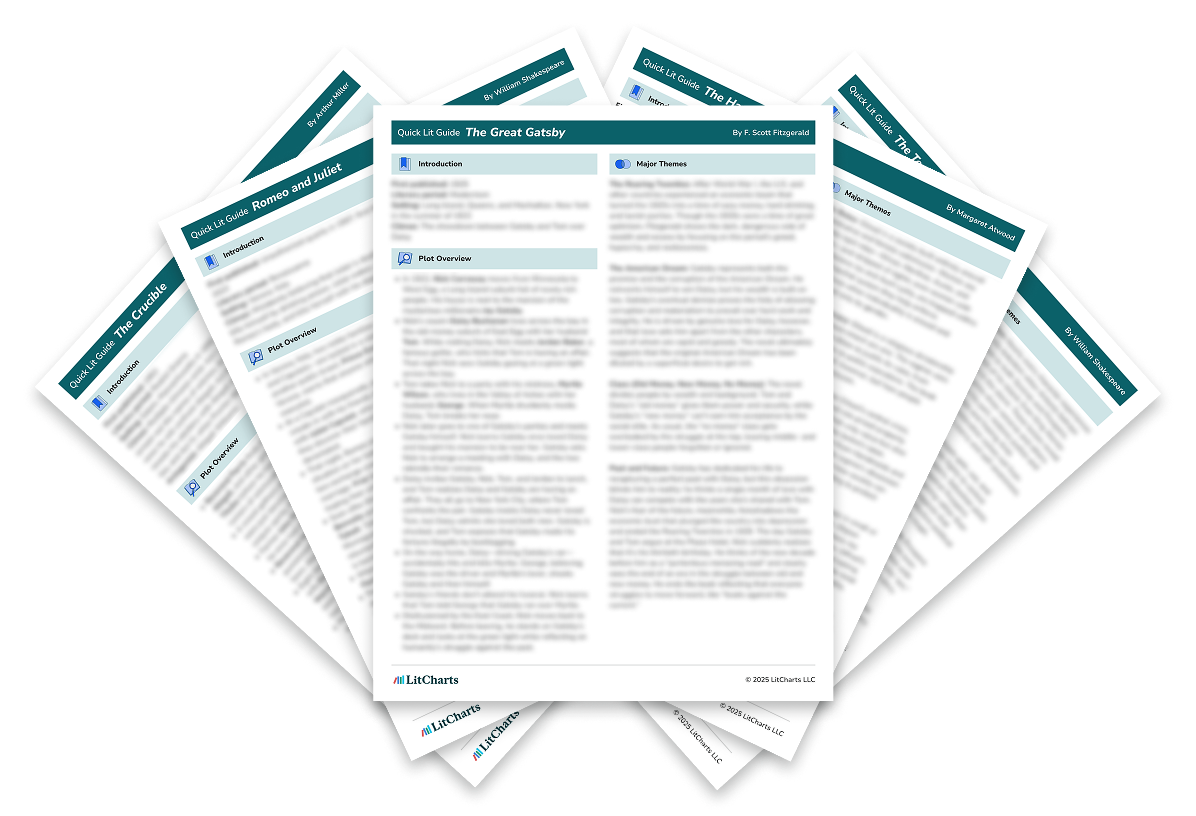
Literature Guide PDFs
LitCharts PDFs for every book you'll read this year.
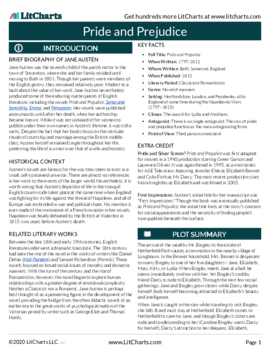
Instant PDF downloads of all 2247 LitCharts literature guides and of every new one we publish. Try a free sample literature guide.
"Would not have made it through AP Literature without the printable PDFs. They're like having in-class notes for every discussion!"



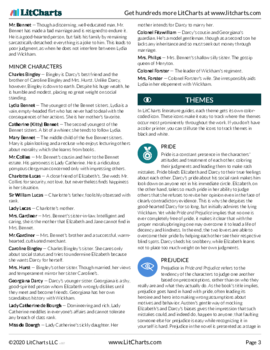
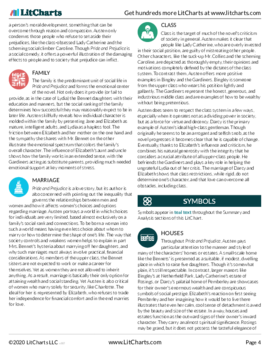
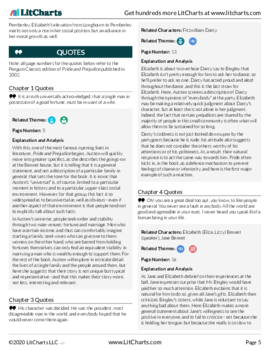


Quotes Explanations
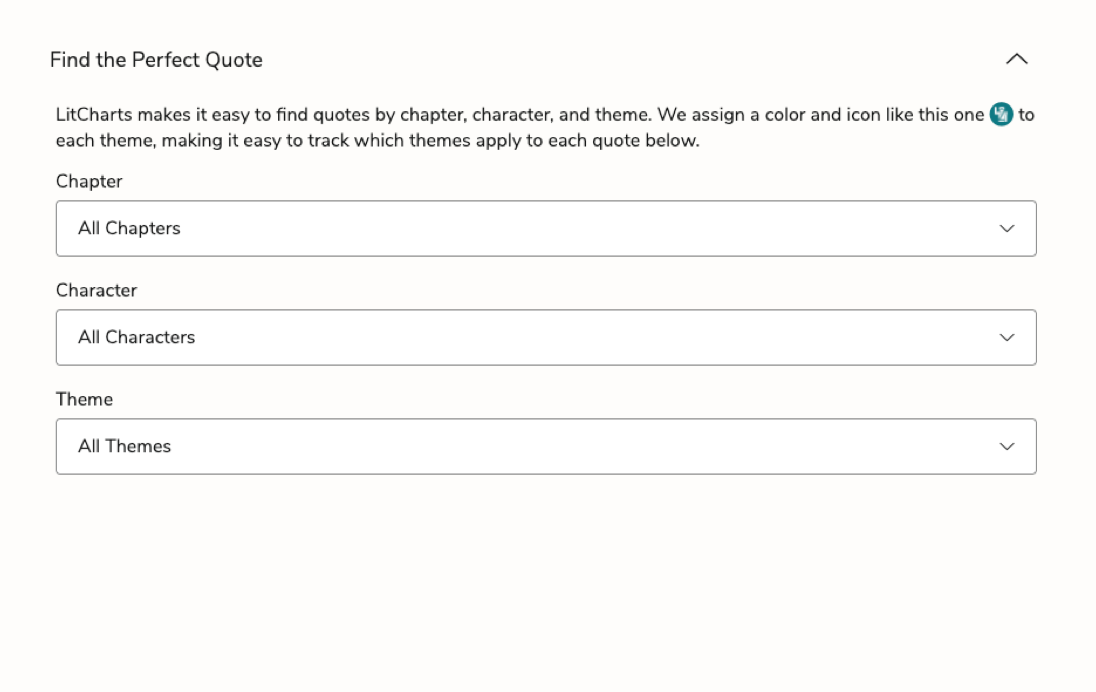
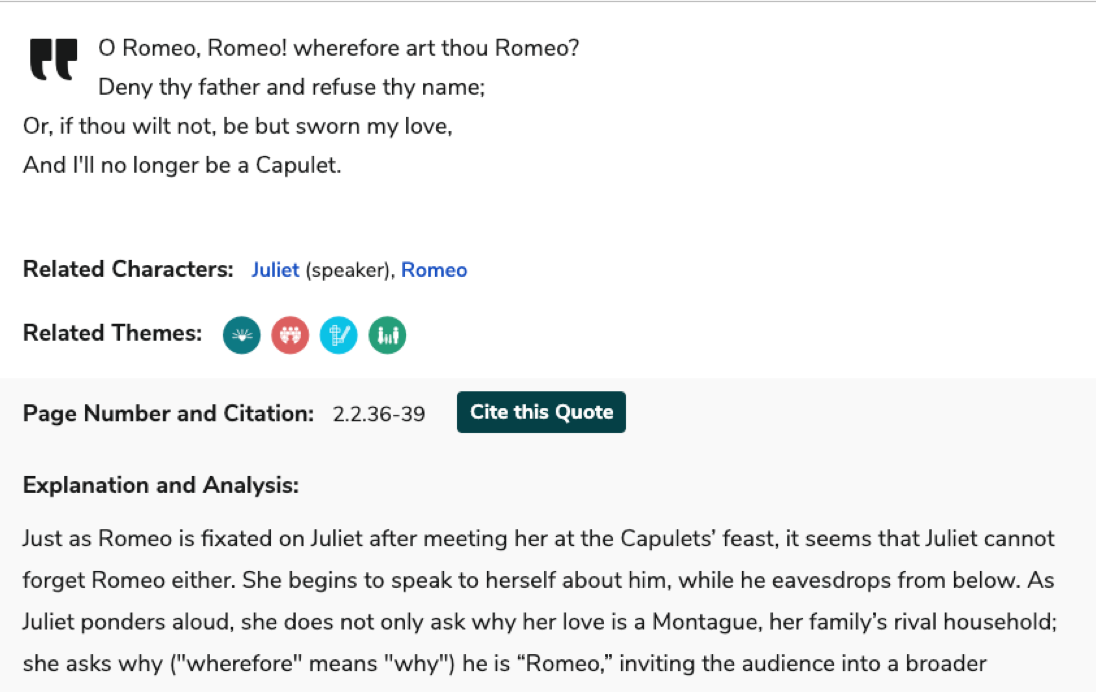
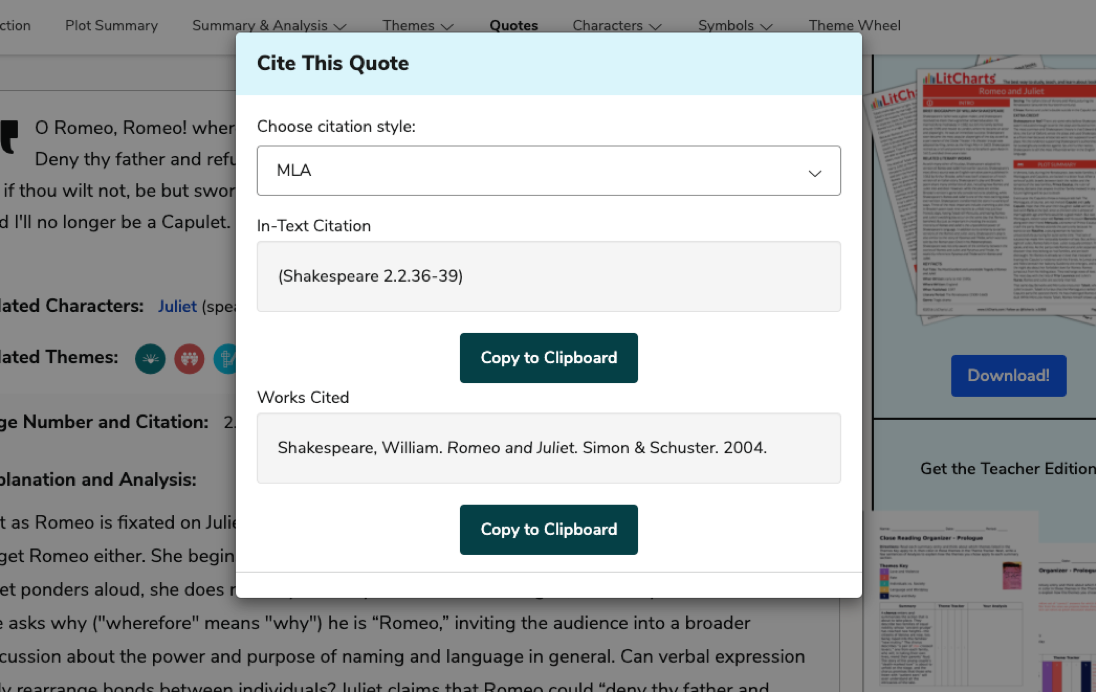
Find the perfect quote. Understand it perfectly. Then rock the citation, too.
For all 50,101 quotes we cover.
For all 50,101 quotes we cover.


Teacher Editions
Close reading made easy for students.
Time saved for teachers.
For every book we cover.
Time saved for teachers.
For every book we cover.


Common Core-aligned


PDFs of modern translations of every one of Shakespeare's 37 plays, 154 sonnets, and 3 longer poems.

Literary Terms and Devices
Definitions and examples for every literary term and device you need to know.
Plus a quick-reference PDF with concise definitions of all 136 terms in one place.
Plus a quick-reference PDF with concise definitions of all 136 terms in one place.
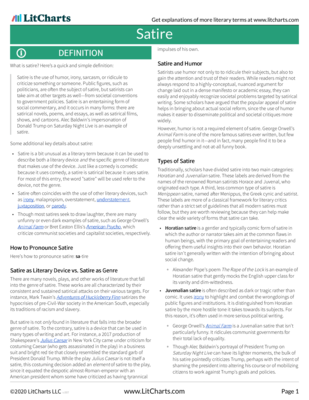
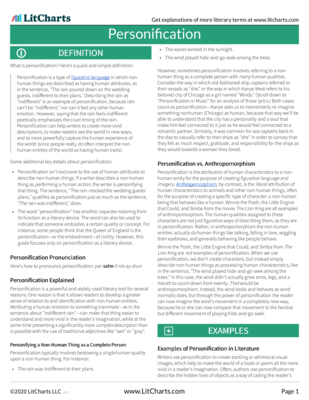
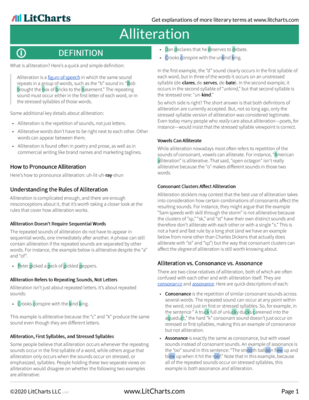
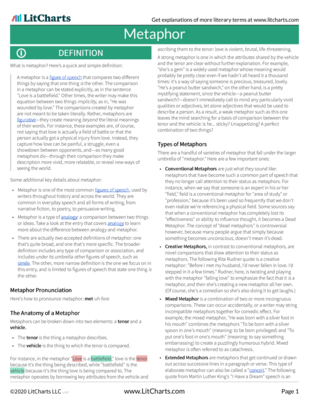
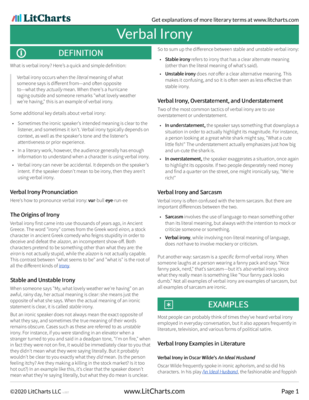
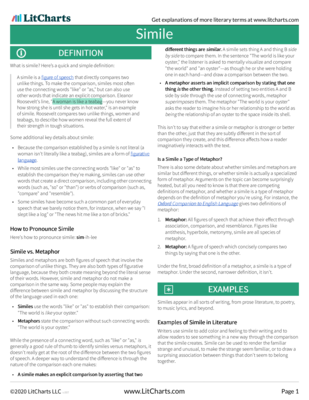
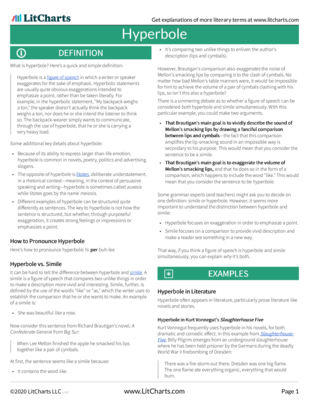
Try a free sample literary term PDF.


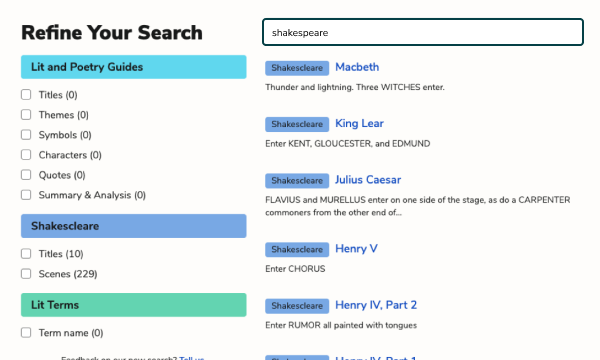
Advanced Search
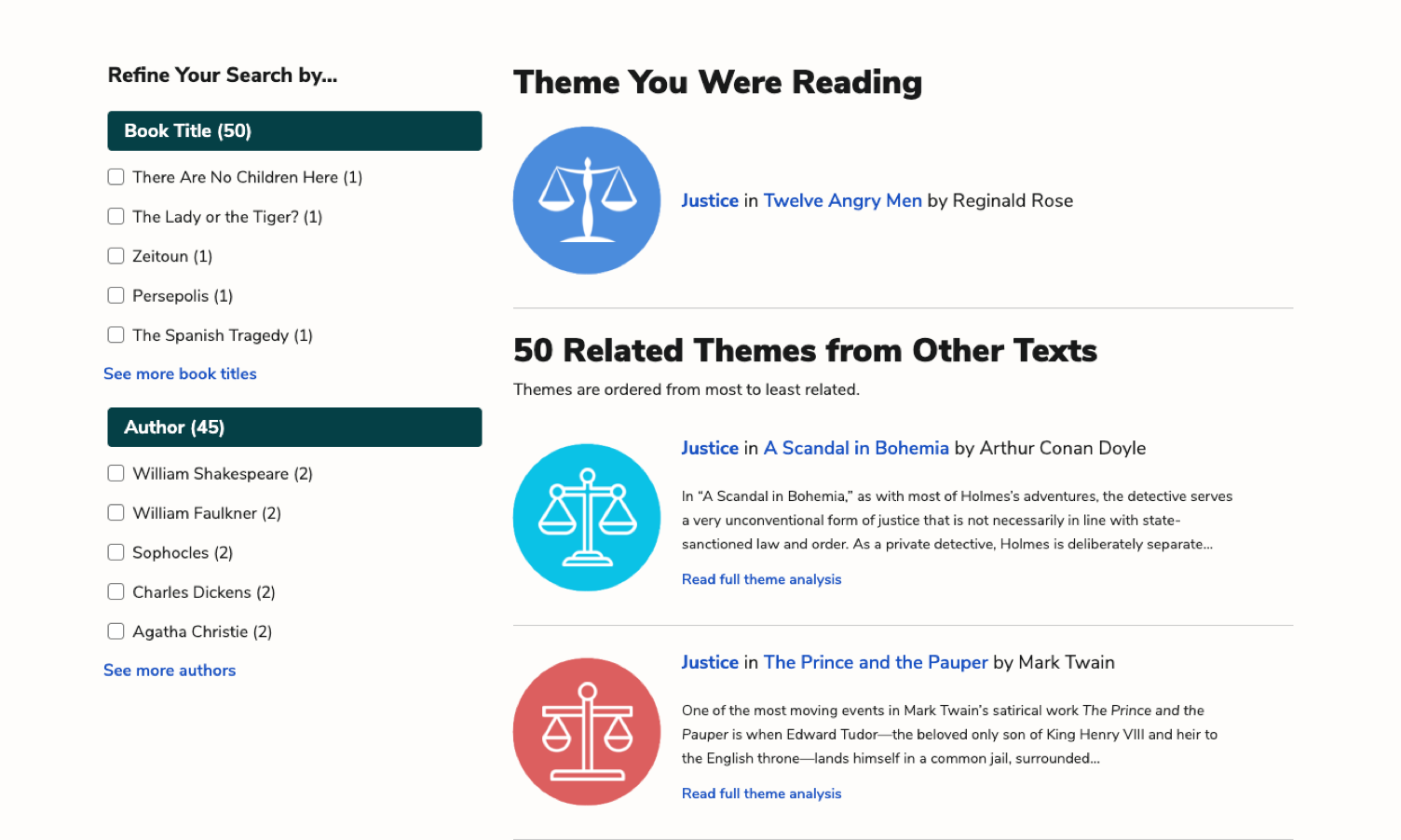
Refine any search. Find related themes, quotes, symbols, characters, and more.
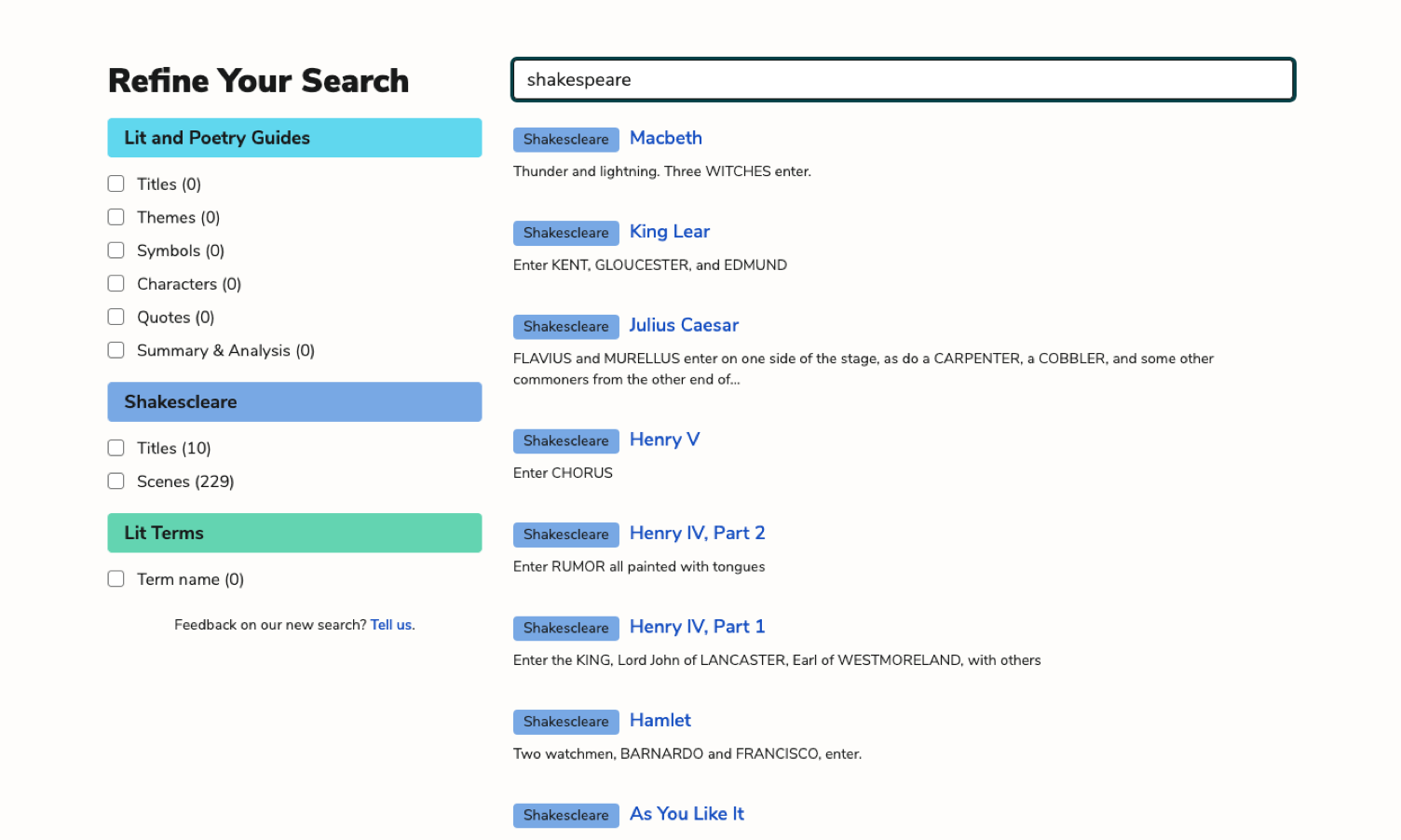
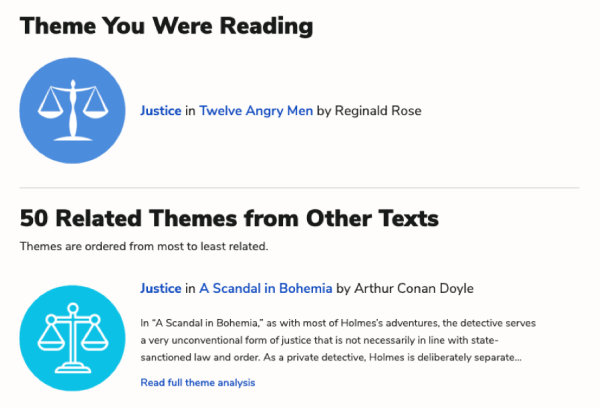
Related Themes
Comparing and contrasting texts? Find where any theme occurs across all of LitCharts in seconds.


Poetry Guides
Line-by-line explanations and analysis of figurative language and poetic devices.
For every lyric poem we cover.
For every lyric poem we cover.