
|
Have questions?
Contact us
Already a member? Sign in
|
Get every literary device explanation for The House of MirthPlus so much more...
Sign up for LitCharts A+Get instant access to every literary device explanation, plus so much more...
Satire
Explanation and Analysis—Omar Khayyám:
Lily is pleased that Selden is regarded as being an intellectual man, especially because she herself carries a book by Omar Khayyám around to demonstrate her appreciation of literature. Wharton makes this allusion satirically, displaying the vanity of this choice:
His reputed cultivation was generally regarded as a slight obstacle to easy intercourse, but Lily, who prided herself on her broad-minded recognition of literature, and always carried an Omar Khayyam in her travelling-bag, was attracted by this attribute, which she felt would have had its distinction in an older society.
In this passage, Wharton alludes to Omar Khayyám, an 11th-century Persian poet and mathematician known for his lyrical poems. Lily “always” carrying a book of his poetry is part of her desire to be known for her “broad-minded recognition of literature.” However, what this demonstrates to the reader isn’t actually Lily’s facility with Persian poetry, but her wish to be seen as sophisticated and cultured. This allusion subtly demonstrates how even supposedly admirable characters like Lily use props to build and maintain a social image.
There's a touch of satire here too. Wharton isn't just making a statement about Lily's taste in literature; she's poking fun at the way high society uses cultural artifacts as accessories. The Khayyám book is depicted as a kind of social currency. The fact that Lily brings it with her is not about personal enrichment or intellectual curiosity. It’s about “being known” a certain way to others. This satirical moment is another comment on the superficiality of the societal elite Lily wants to rejoin, where image almost always trumps moral or intellectual substance.
Monthly
Annual (Best Value)

$595USD/mo
Charged $71.40 USD every year
 Teacher
$795USD/mo
Charged $95.40 USD every year
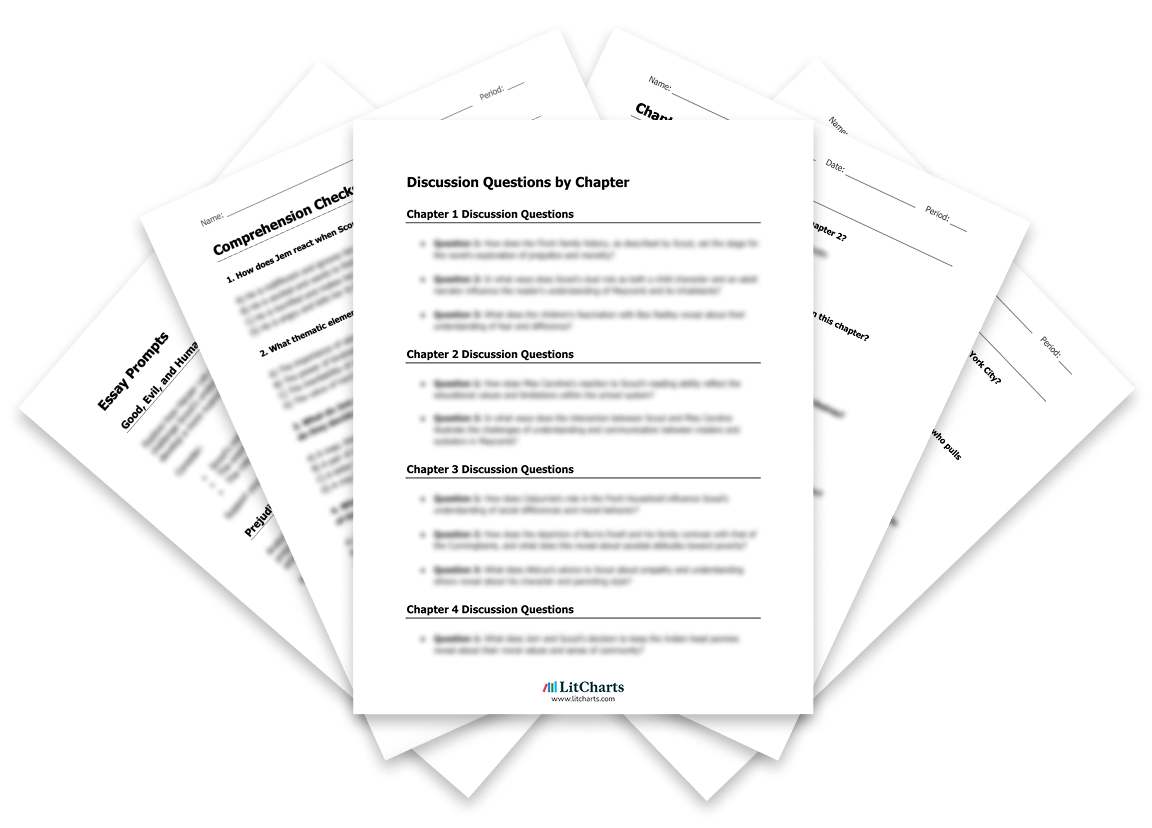


Literature Guide PDFs
LitCharts PDFs for every book you'll read this year.
Instant PDF downloads of all 2242 LitCharts literature guides and of every new one we publish. Try a free sample literature guide.
"Would not have made it through AP Literature without the printable PDFs. They're like having in-class notes for every discussion!"



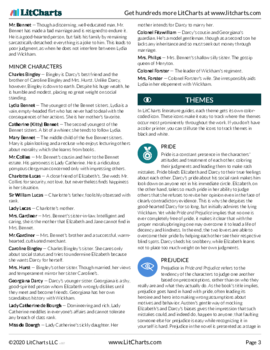
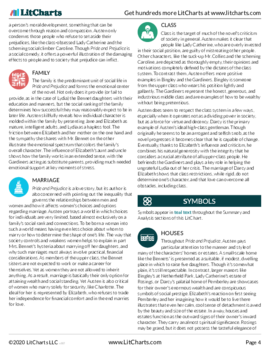
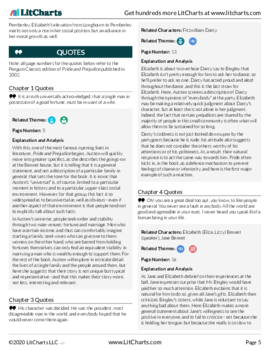
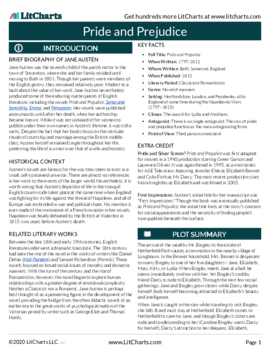


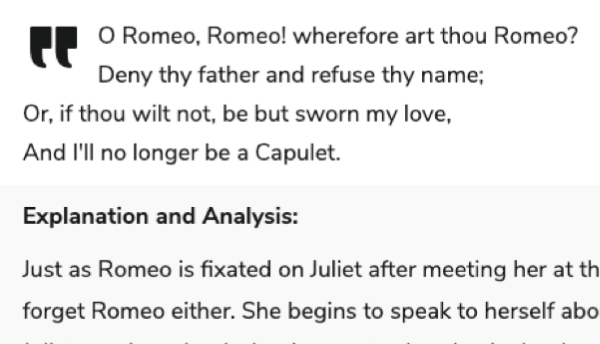
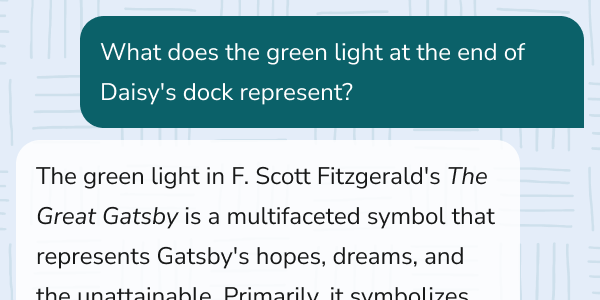
Quotes Explanations
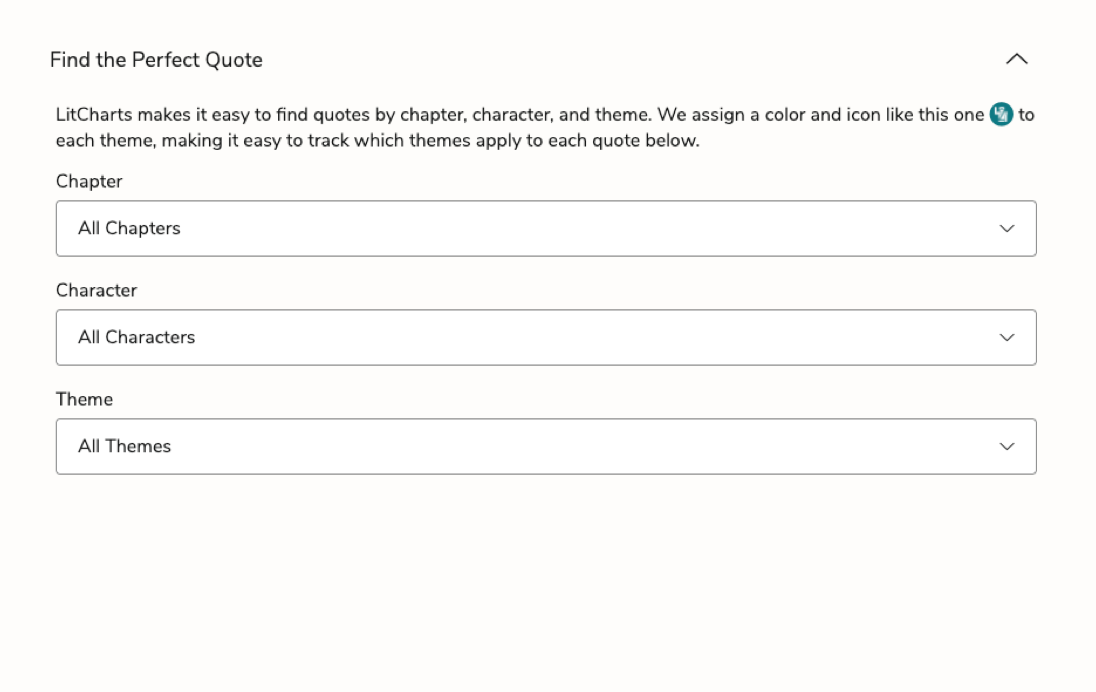
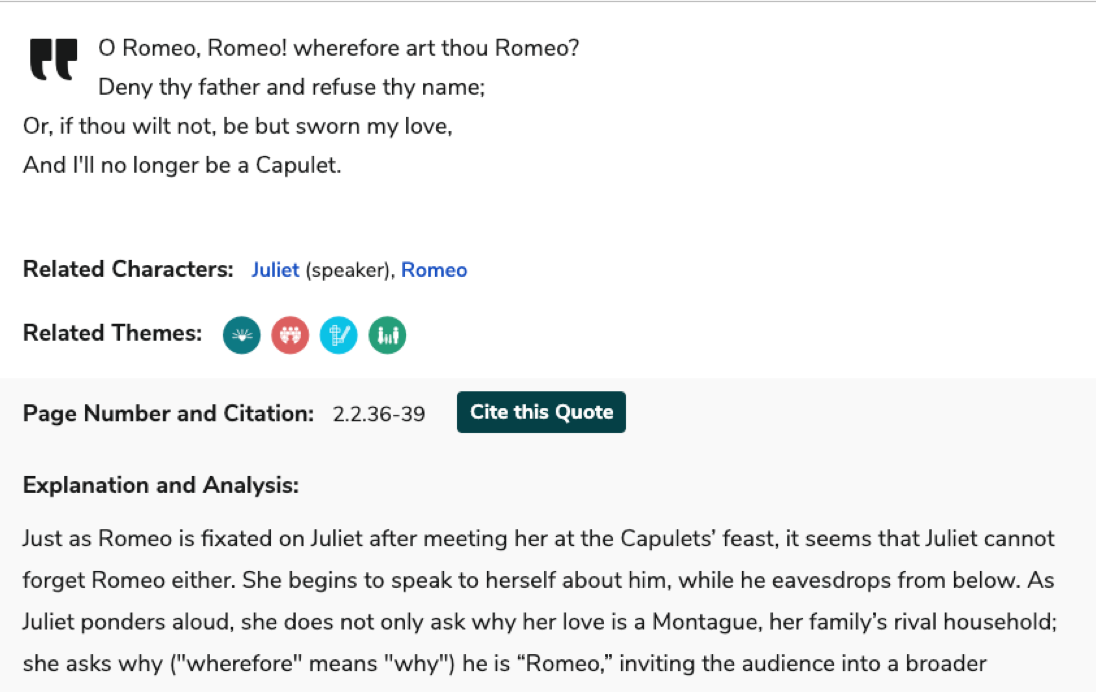
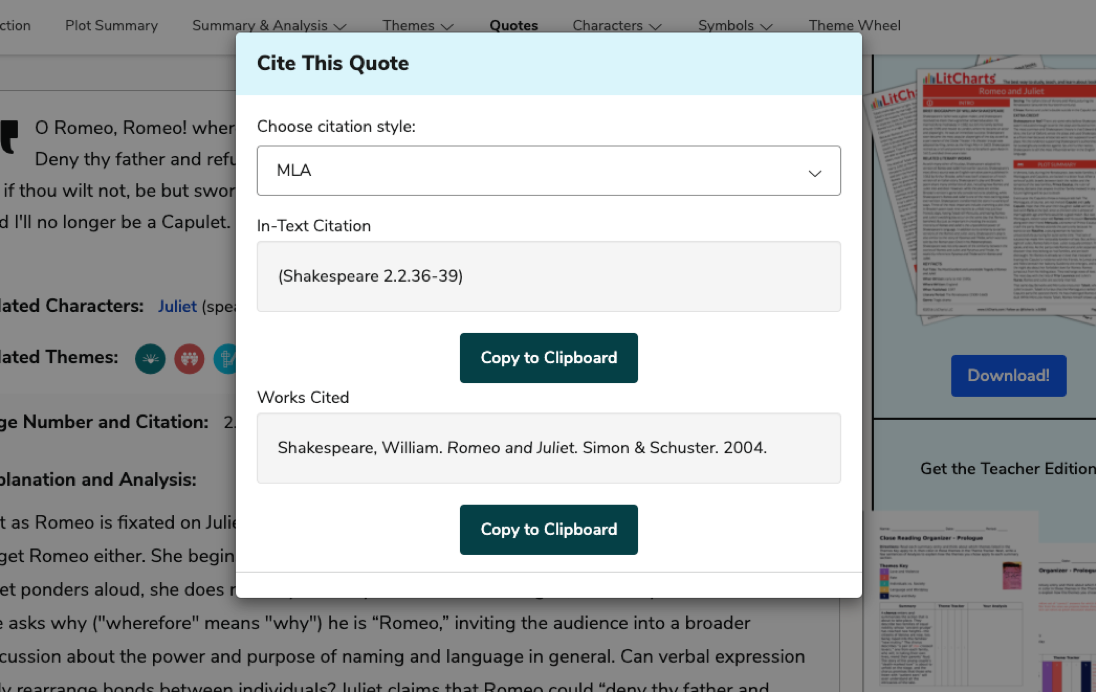
Find the perfect quote. Understand it perfectly. Then rock the citation, too.
For all 49,991 quotes we cover.
For all 49,991 quotes we cover.


Teacher Editions
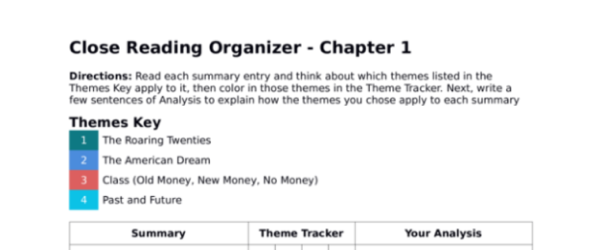
Close reading made easy for students.
Time saved for teachers.
For every book we cover.
Time saved for teachers.
For every book we cover.


Common Core-aligned


PDFs of modern translations of every one of Shakespeare's 37 plays, 154 sonnets, and 3 longer poems.

Literary Terms and Devices
Definitions and examples for every literary term and device you need to know.
Plus a quick-reference PDF with concise definitions of all 136 terms in one place.
Plus a quick-reference PDF with concise definitions of all 136 terms in one place.
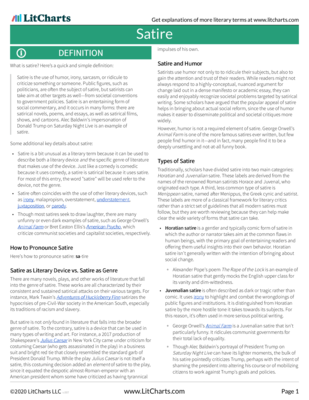
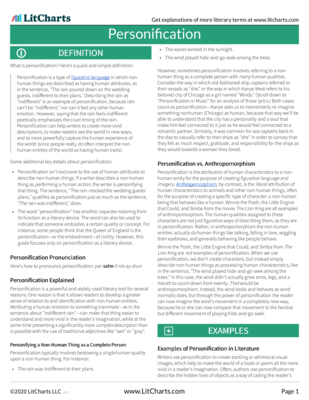
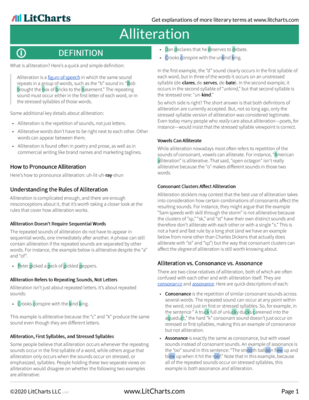
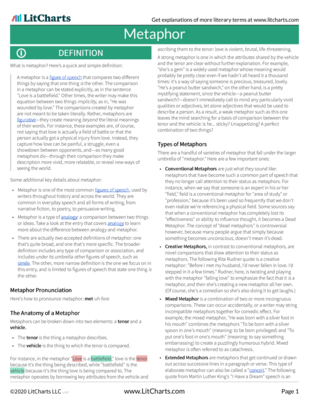
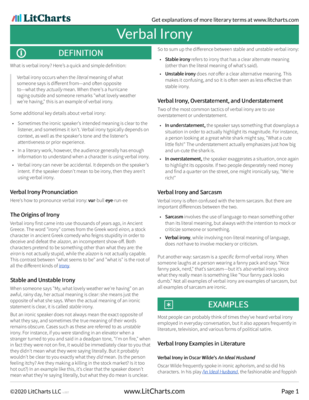
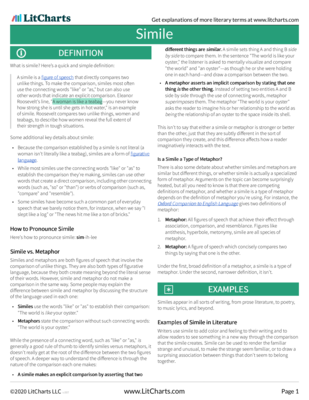
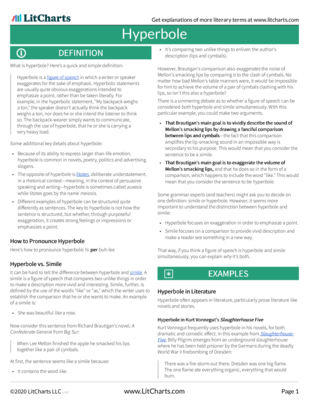
Try a free sample literary term PDF.


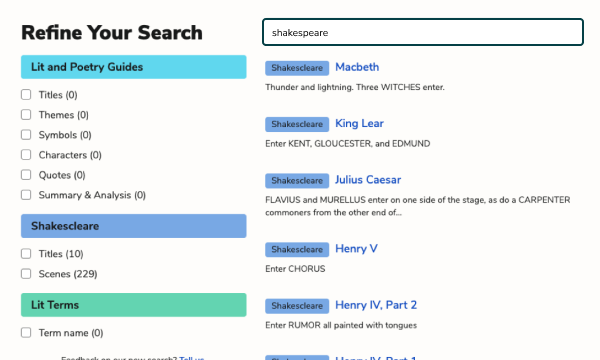
Advanced Search
Refine any search. Find related themes, quotes, symbols, characters, and more.
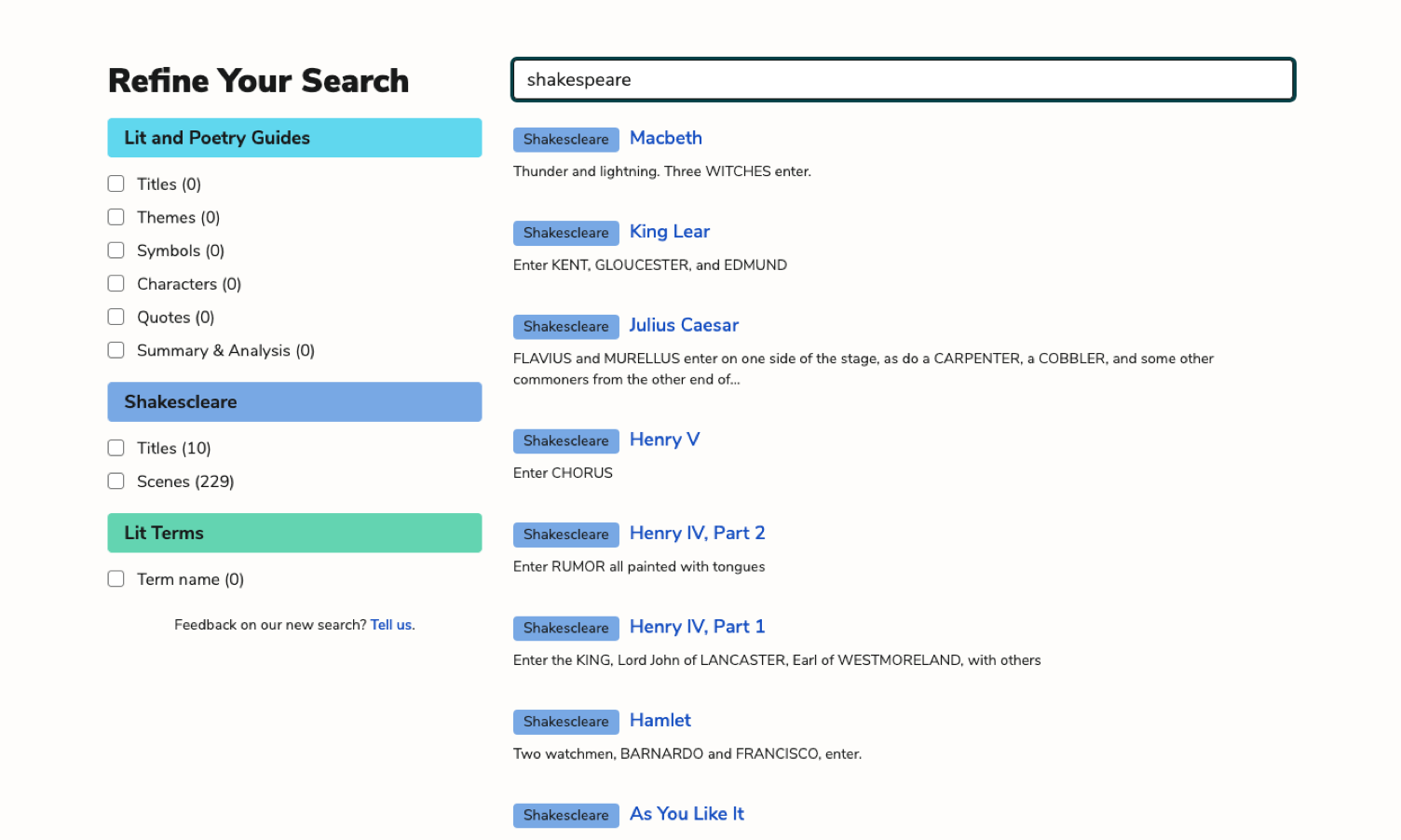

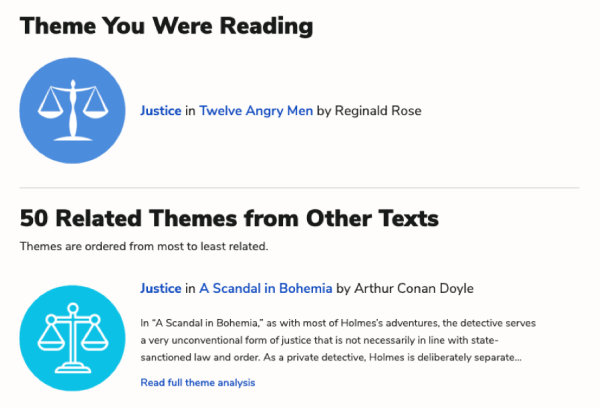
Related Themes
Comparing and contrasting texts? Find where any theme occurs across all of LitCharts in seconds.


Poetry Guides
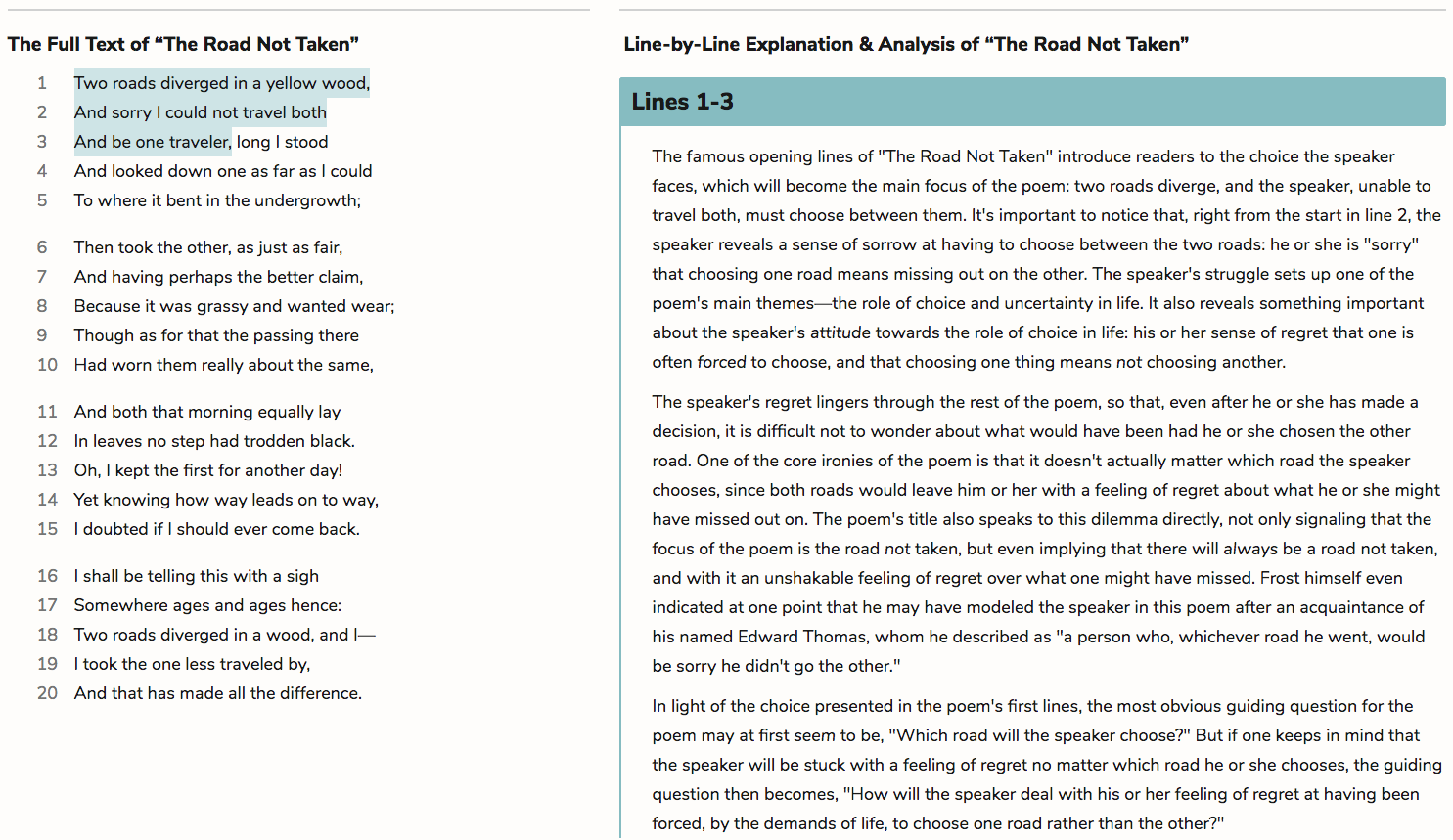
Line-by-line explanations and analysis of figurative language and poetic devices.
For every lyric poem we cover.
For every lyric poem we cover.