
|
Have questions?
Contact us
Already a member? Sign in
|
Get every literary device explanation for The Night Watchman
Plus so much more...
Sign up for LitCharts A+
Get instant access to every literary device explanation, plus so much more...
Setting
Explanation and Analysis:
Most of The Night Watchman takes place at Turtle Mountain Reservation in North Dakota, the homeland of the Turtle Mountain Chippewa People. The reservation is rich with history, ancestry, and significance; and it's full of natural beauty and animals, though less than in the past. It's also a place full of economic hardship, powerful community bonds, and the pain of loss. The complicated history of Turtle Mountain and the Chippewa people is a major factor in the book, both in its influence on characters and its relevance to the conflict over the Termination Bill.
Thomas articulates the spiritual importance of Turtle Mountain in one of the last passages of the novel:
The bones tipped and staggered, assembling into forms, and took on shaggy flesh. The grass rippled and billowed like a green robe and the animals crossed vast and vaster numbers. The earth trembled in a serpentine rush, blew away, and vanished into the sky.
Here, Thomas envisions the landscape covered with bison, as it was centuries ago. Though Turtle Mountain has undergone a difficult history of violence, colonization, legal changes, and identity collisions, the presence of the past is still important to the Chippewa who live there.
Some of the book, though, takes place in Minneapolis, which acts as a foil for Turtle Mountain. The city is threatening, violent, and dangerous, particularly for Native women like Vera, who are often exploited and sexually abused in horrific ways. The contrast with Turtle Mountain is stark, as demonstrated when Patrice goes looking for Vera:
2214 Bloomington Avenue was a brown three-story house, peeling white paint, broken windows blanked out with cardboard. An assembly of mailboxes hung by the front door. Next to the mailboxes, what looked like a list of inhabitants. Patrice paced questingly in the dead yard. [...] Patrice had the sudden sense that the house had warned her. She shook off the feeling, knocked on the window next to the door. Thought she heard a scuffling sound inside. A dog started barking. Its bark was rough, high, desperate to live. She froze. Tears started into her eyes.
The "dead yard," the sense of being "warned," and the "dog... desperate to live" all differ greatly from Turtle Mountain. Minneapolis is cruel and abusive toward nature and people alike. Though Patrice is able to navigate the city surprisingly well, she leaves it as quickly as possible to return home.
The contrast between Turtle Mountain and Minneapolis highlights the violence of collisions between cultures, aligns with the contrast between the present and the past, and also makes clear the stakes of the events in the final setting of the book: Washington, D.C. Patrice, Thomas, and a few other Chippewa go to Washington briefly to argue against the Termination Bill. Though Washington is not as severe or horrific as Minneapolis, the power it represents is enormous, and the toll the trip takes on Thomas is heavy.
In the end, both Minneapolis and Washington, D.C. contrast with Turtle Mountain in ways that reveal the enormous importance to the Chippewa people of the nature and history of their homeland. This use of setting helps transform the conflict over the Termination Bill from a legal dispute into an existential matter.
Monthly
Annual (Best Value)

$595USD/mo
Charged $71.40 USD every year
Quote explanations & citation info

Every PDF download
Printable PDFs for every guide
"Would not have made it through without the printable PDFs. They're like having in-class notes for every discussion!"
– LitCharts A⁺ user
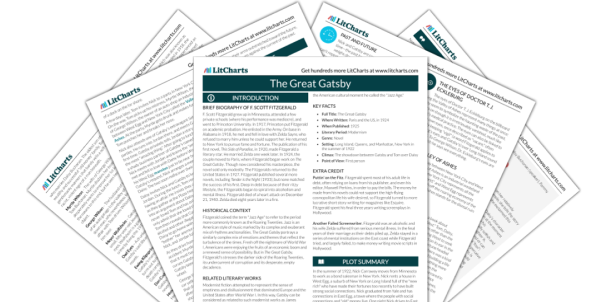
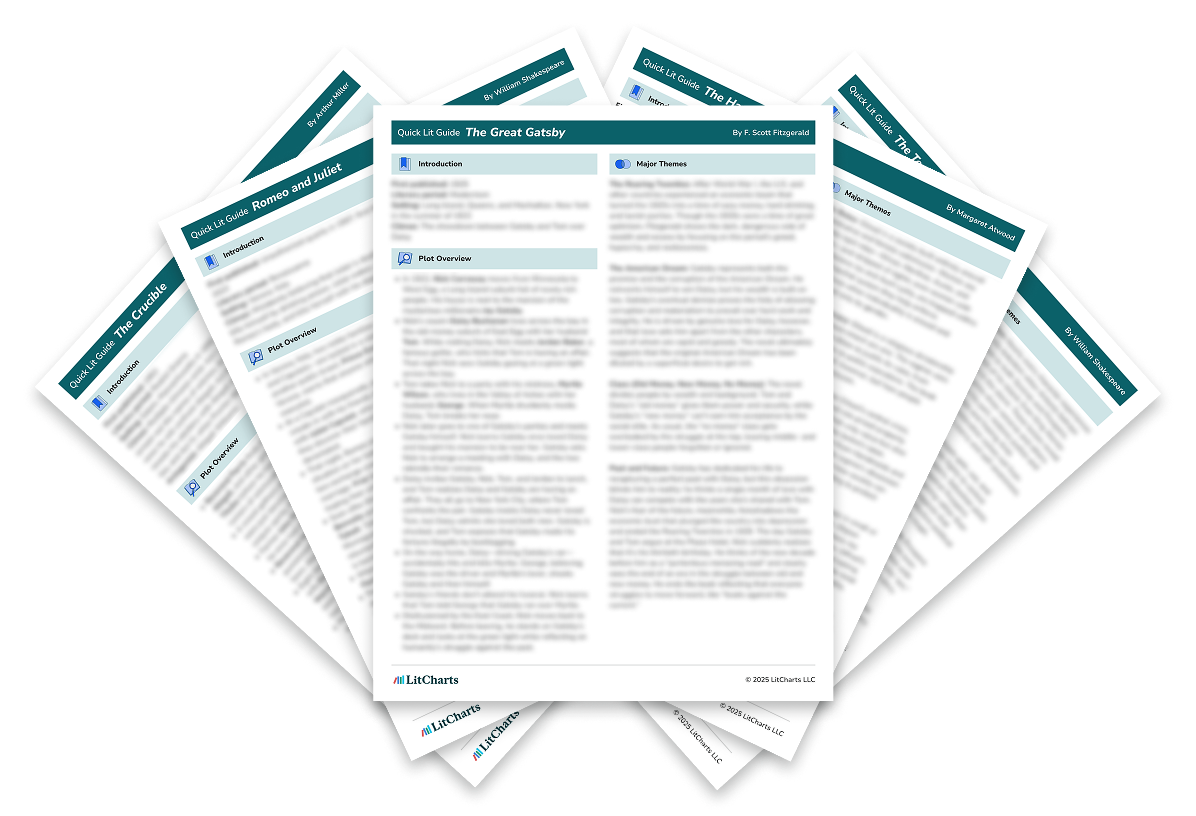
One-page Quick Lit Guides
Understand key basics—fast
Printable, one-page guides that cover the plot points, themes, and ideas you need to know.
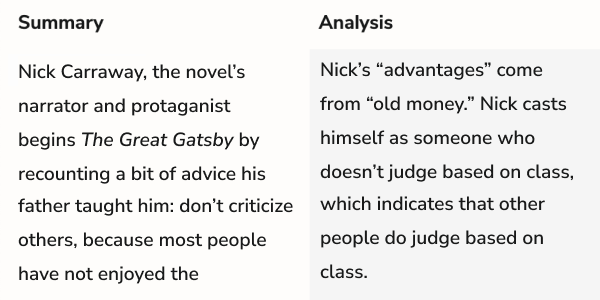
Detailed chapter analysis
Get what happens and what it means
Targeted analysis next to the summary ensures you’ll understand more than just the plot.
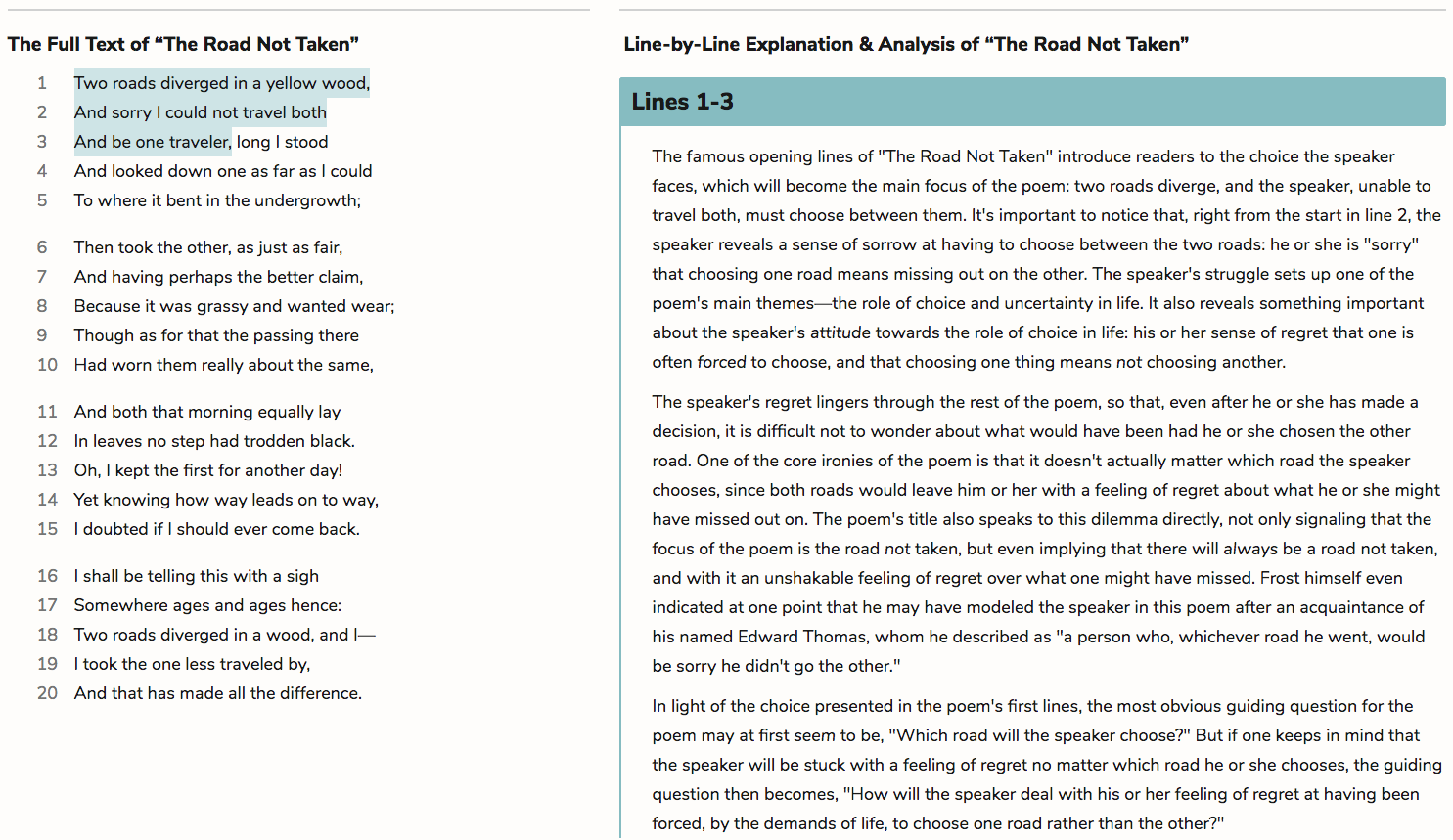
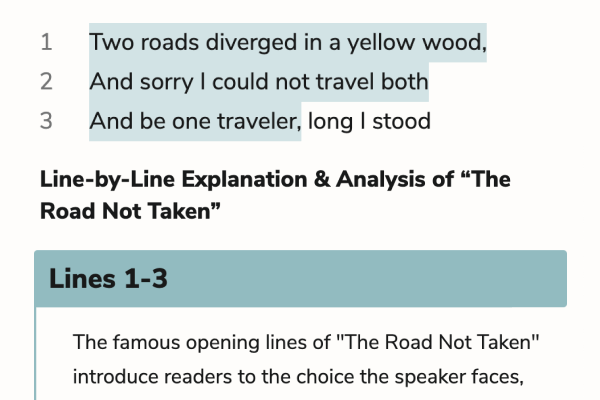
Line-by-line poetry analysis
Get the meaning in every line
Never feel lost reading a poem again with clear and in-depth analysis of each and every line.
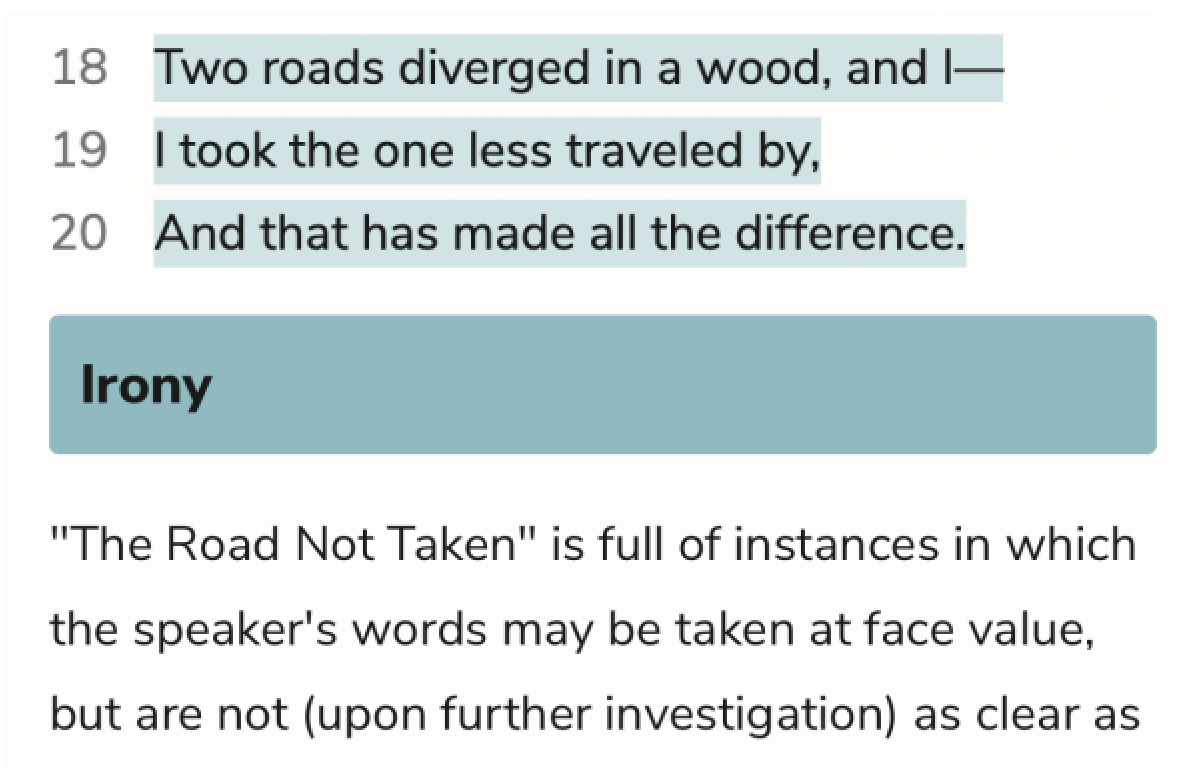
Literary & poetic device analysis
Decode the author’s language
Quickly find and understand the key devices in whatever you’re reading.
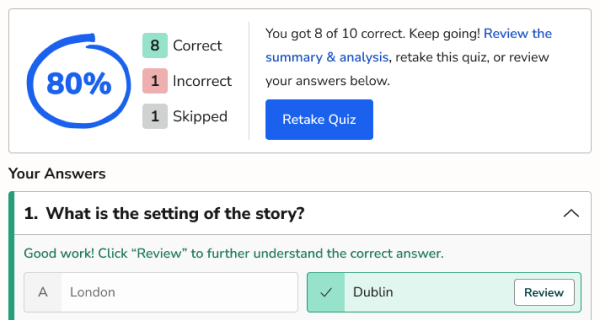
Unlimited quizzes
Unlimited quizzes and feedback
Boost your learning with quizzes that pinpoint and address knowledge gaps.
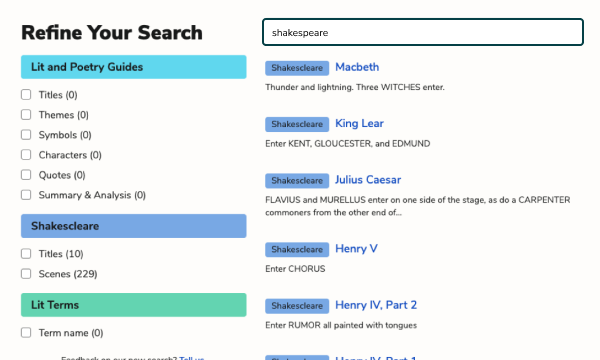
Advanced search
Find exactly what you need
Refine your search using advanced filters like genre, time period, literary movement, author context, grade level, and more.
Ask LitCharts AI
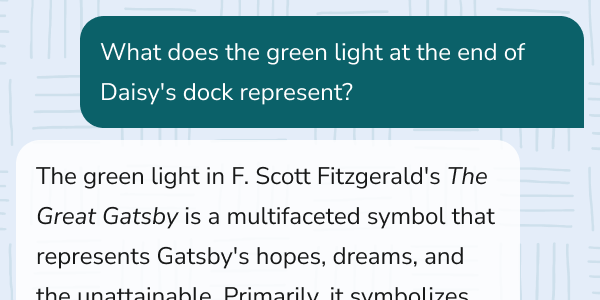
Ask LitCharts AI
Instant answers to all your lit questions. Powered by LitCharts content and AI.
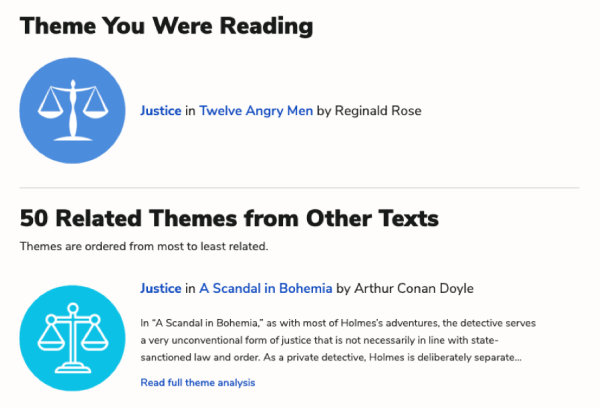
Theme comparisons across books
Compare and contrast
Identify similar themes across books, making comparisons fast and simple.
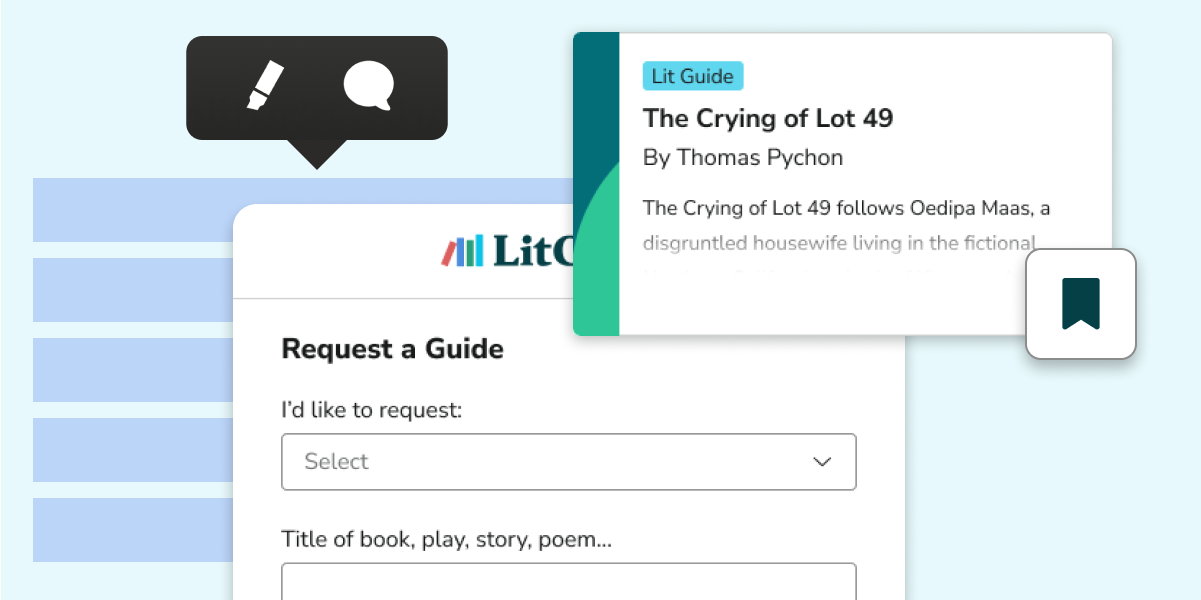
Highlight, take notes, & save guides
Make LitCharts your own
Add highlights or notes, save guides for easy access later, and request new titles.
 Teacher
$795USD/mo
Charged $95.40 USD every year
Quote explanations & citation info
Find the perfect quote
Then understand it perfectly. And get the citation, too. For all 35,000+ quotes we cover.
Every PDF download
Printable PDFs for every guide
"Would not have made it through without the printable PDFs. They're like having in-class notes for every discussion!"
– LitCharts A⁺ user
One-page Quick Lit Guides
Understand key basics—fast
Printable, one-page guides that cover the plot points, themes, and ideas you need to know.
Detailed chapter analysis
Get what happens and what it means
Targeted analysis next to the summary ensures you’ll understand more than just the plot.
Line-by-line poetry analysis
Get the meaning in every line
Never feel lost reading a poem again with clear and in-depth analysis of each and every line.
Literary & poetic device analysis
Decode the author’s language
Quickly find and understand the key devices in whatever you’re reading.
Unlimited quizzes
Unlimited quizzes and feedback
Boost your learning with quizzes that pinpoint and address knowledge gaps.
Advanced search
Find exactly what you need
Refine your search using advanced filters like genre, time period, literary movement, author context, grade level, and more.
Ask LitCharts AI
Ask LitCharts AI
Instant answers to all your lit questions. Powered by LitCharts content and AI.
Theme comparisons across books
Compare and contrast
Identify similar themes across books, making comparisons fast and simple.
Highlight, take notes, & save guides
Make LitCharts your own
Add highlights or notes, save guides for easy access later, and request new titles.
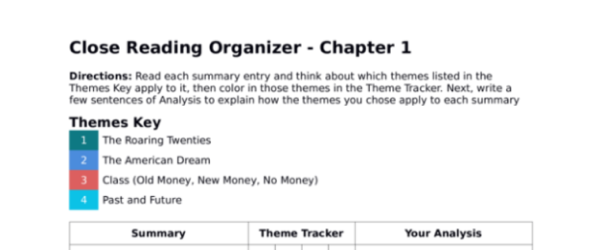
Teacher editions
Save time with in-depth organizers
"THE best teaching resource I have ever used. My students love the handouts."
– LitCharts A⁺ User
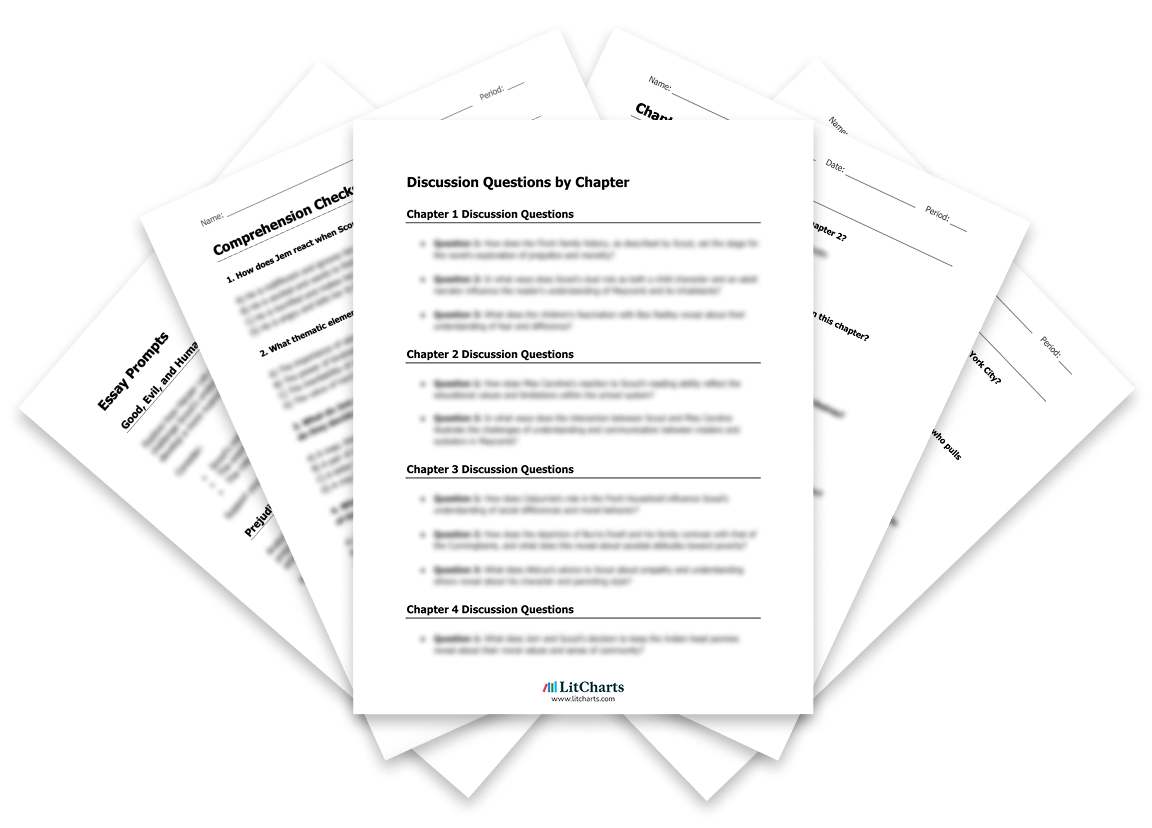
Printable classroom resources
Cut prep time in half
Essay prompts, discussion questions, and comprehension checks—easy to print and ready to use in class.
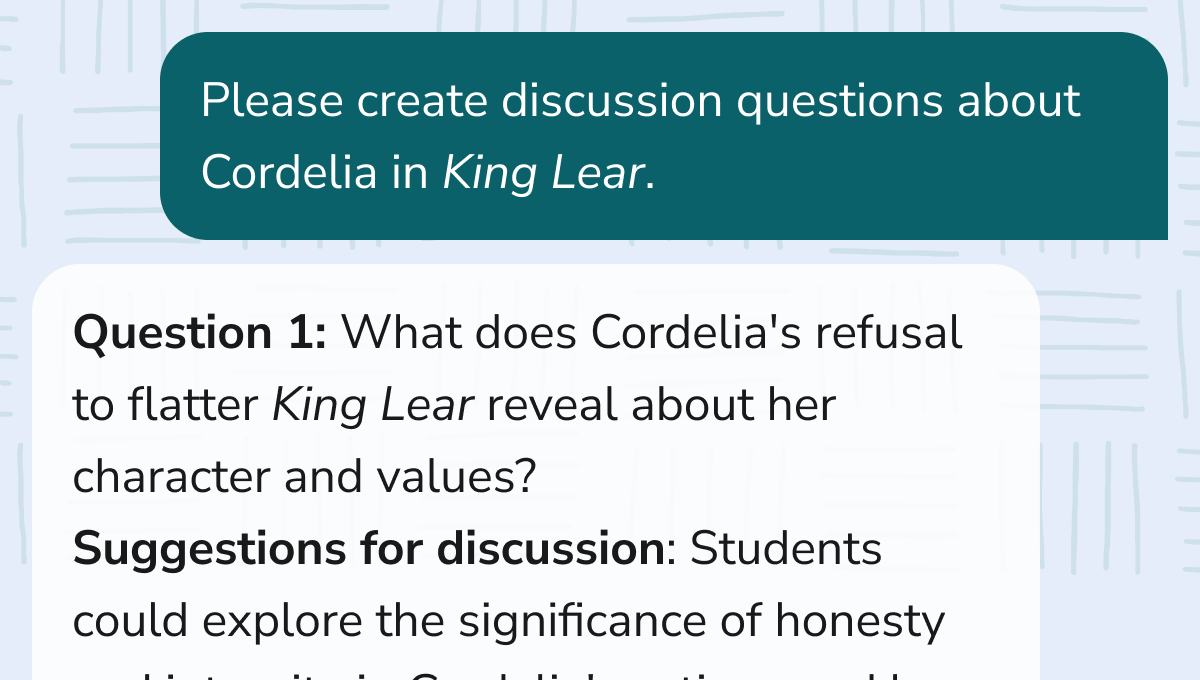
Discussion question generator
Discussion question generator
Instantly create discussion questions that get people talking, through the power of LitCharts analysis and AI.
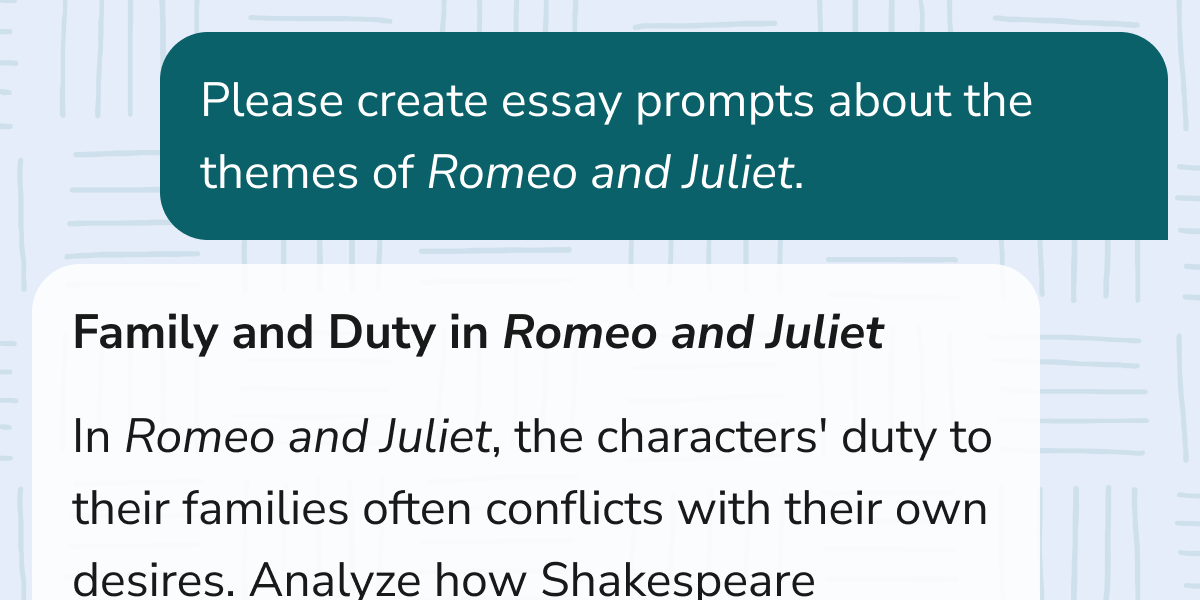
Essay prompt generator
Essay prompt generator
Quickly create thought-provoking essay prompts that will get your students writing, powered by LitCharts analysis and AI.
Quiz question generator
Quiz question generator
Effortlessly generate targeted quiz questions, powered by the world’s best literary analysis and AI.


Literature Guide PDFs
LitCharts PDFs for every book you'll read this year.
Instant PDF downloads of all 2256 LitCharts literature guides and of every new one we publish. Try a free sample literature guide.
"Would not have made it through AP Literature without the printable PDFs. They're like having in-class notes for every discussion!"



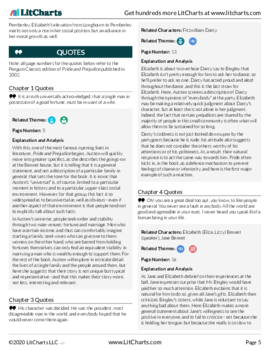


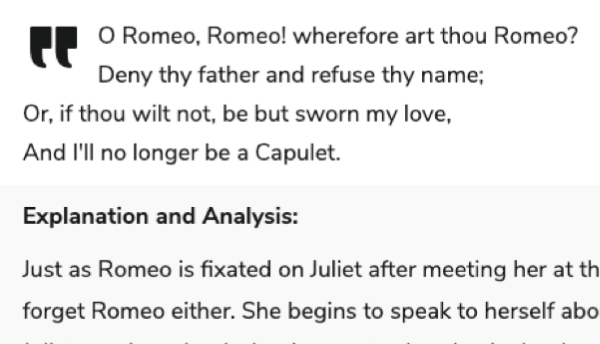
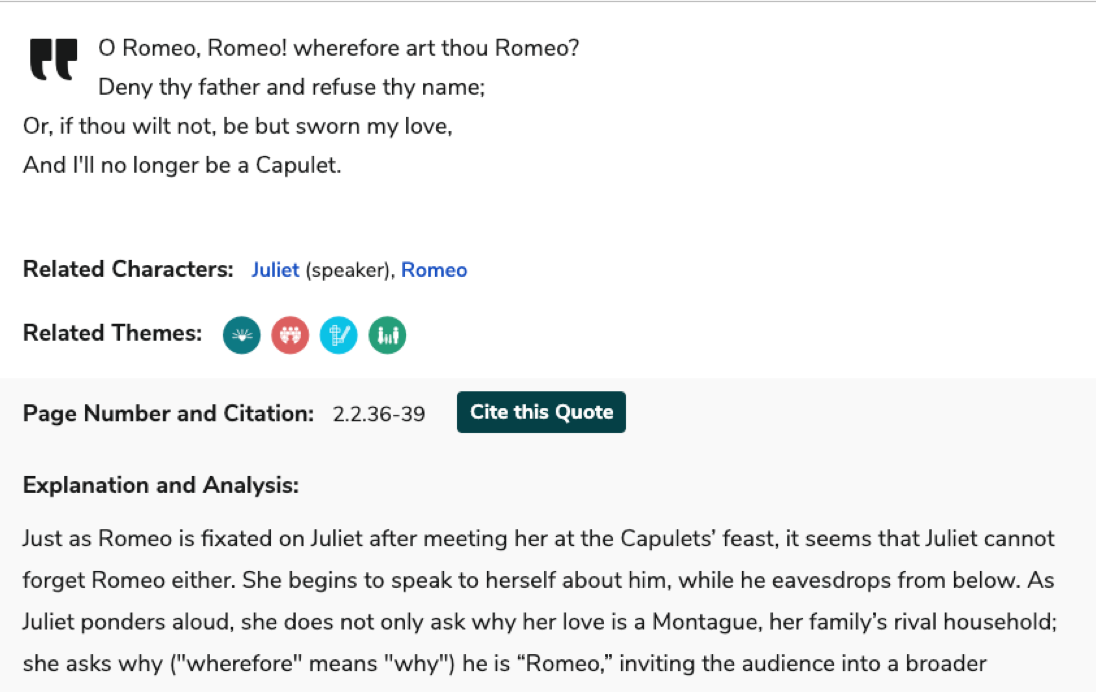
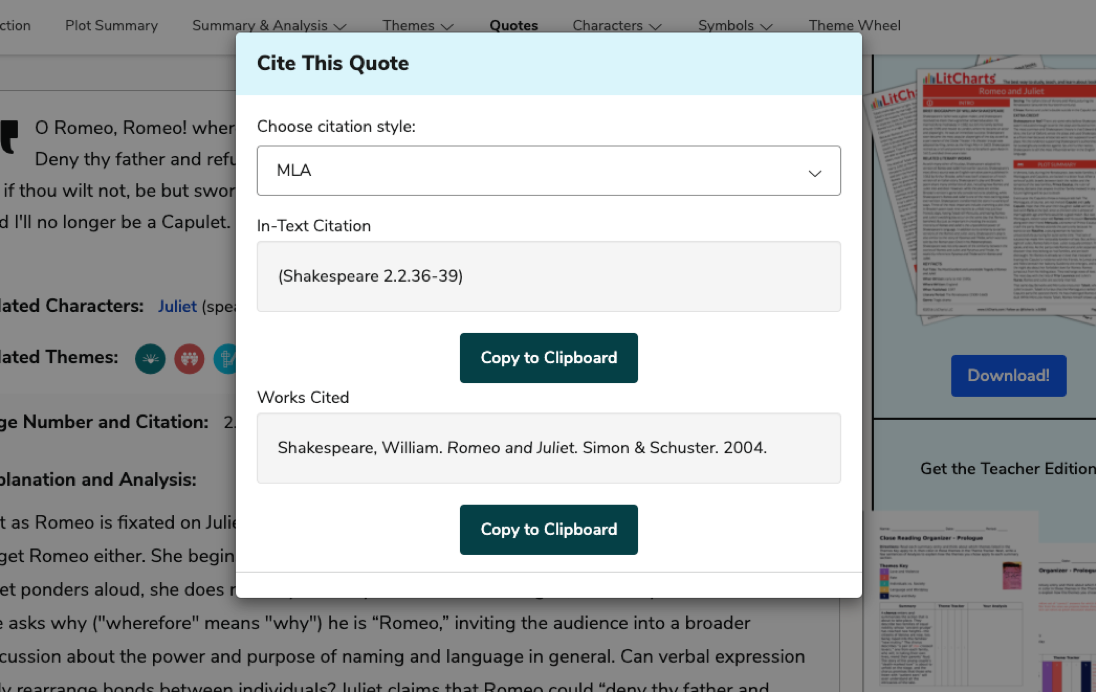
Quotes Explanations
Find the perfect quote. Understand it perfectly. Then rock the citation, too.
For all 50,308 quotes we cover.
For all 50,308 quotes we cover.
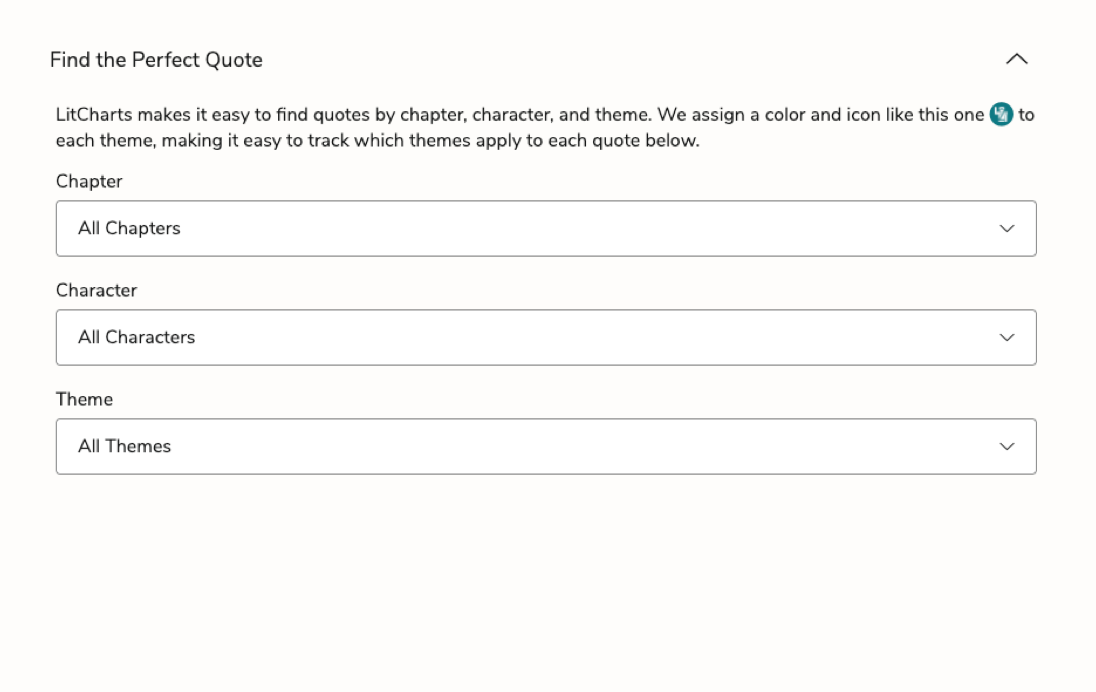


Teacher Editions
Close reading made easy for students.
Time saved for teachers.
For every book we cover.
Time saved for teachers.
For every book we cover.
Teacher Edition Contents

|
Close Reading Organizers |

|
Character Analysis Organizers |

|
Symbol Analysis Organizers |

|
Theme Analysis Organizers |

|
Quote Analysis Organizers |
Common Core-aligned
""
Try a free and complete sample Teacher Edition.


PDFs of modern translations of every one of Shakespeare's 37 plays, 154 sonnets, and 3 longer poems.
Every translation available to download as a PDF.
Try a free sample Shakespeare translation.
"Every teacher of literature should use these translations. They completely demystify Shakespeare. Students love them!"

Literary Terms and Devices
Definitions and examples for every literary term and device you need to know.
Plus a quick-reference PDF with concise definitions of all 136 terms in one place.
Plus a quick-reference PDF with concise definitions of all 136 terms in one place.
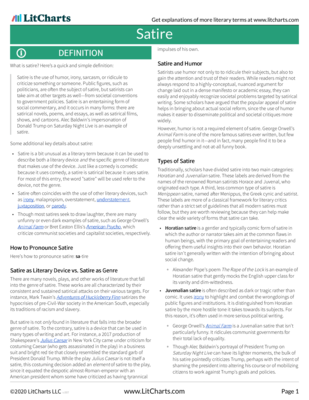
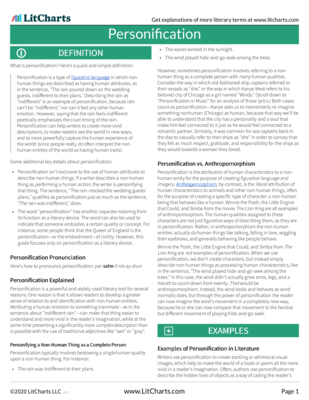
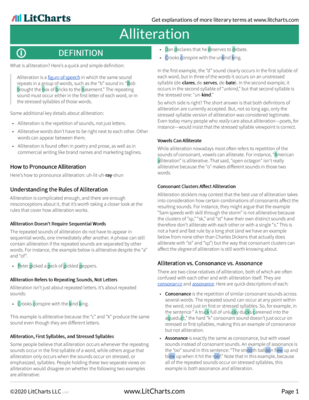
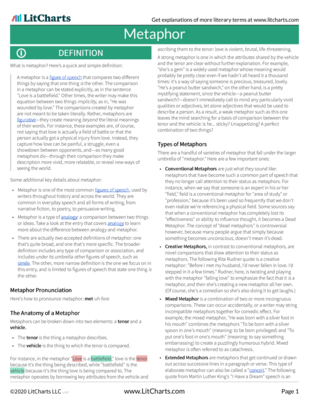
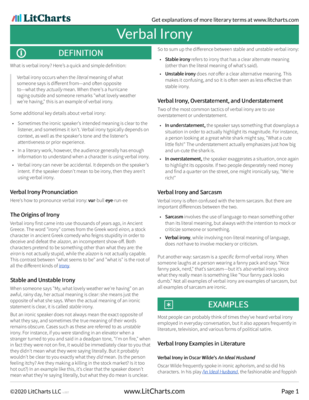
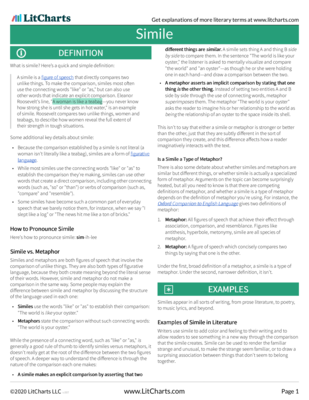
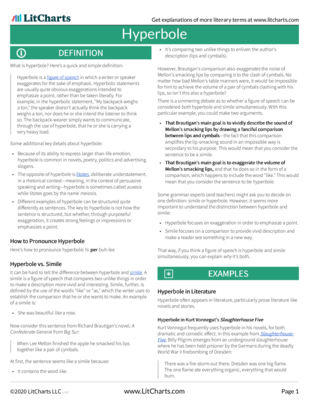
Try a free sample literary term PDF.


Advanced Search
Refine any search. Find related themes, quotes, symbols, characters, and more.
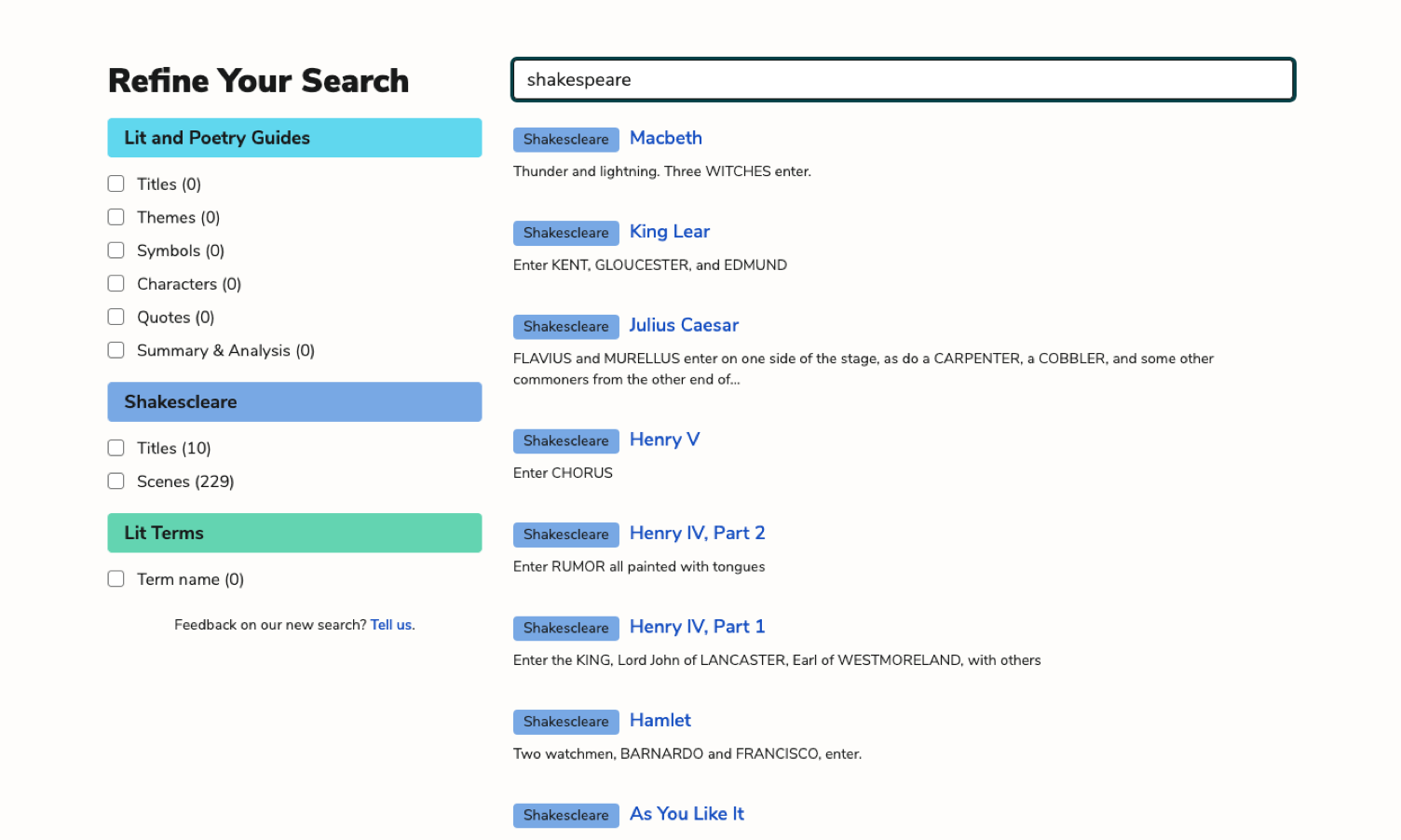

Related Themes
Comparing and contrasting texts? Find where any theme occurs across all of LitCharts in seconds.


Poetry Guides
Line-by-line explanations and analysis of figurative language and poetic devices.
For every lyric poem we cover.
For every lyric poem we cover.